In the competitive landscape of retail, effective store displays significantly influence consumer behavior. According to John Myers, a retail design expert, "The right shelving can transform a shopping experience." Retail shelving units are not just functional; they play a crucial role in product presentation and overall store ambiance. Well-designed units can showcase products effectively, drawing attention and increasing sales.
Selecting the best retail shelving units requires understanding both aesthetics and practicality. Retailers must balance style and functionality to create appealing layouts. An improperly chosen unit can clutter a space and diminish the shopping experience. Customers often respond better to organized displays that enhance their purchasing journey.
Emphasizing the importance of high-quality materials and unique designs, Myers states, "Investing in your shelving is investing in your brand." However, not all shelving units fit every type of merchandise. Retailers should assess their product varieties and customer demographics carefully. Reflecting on the choices made in shelving can lead to more impactful visual merchandising strategies.
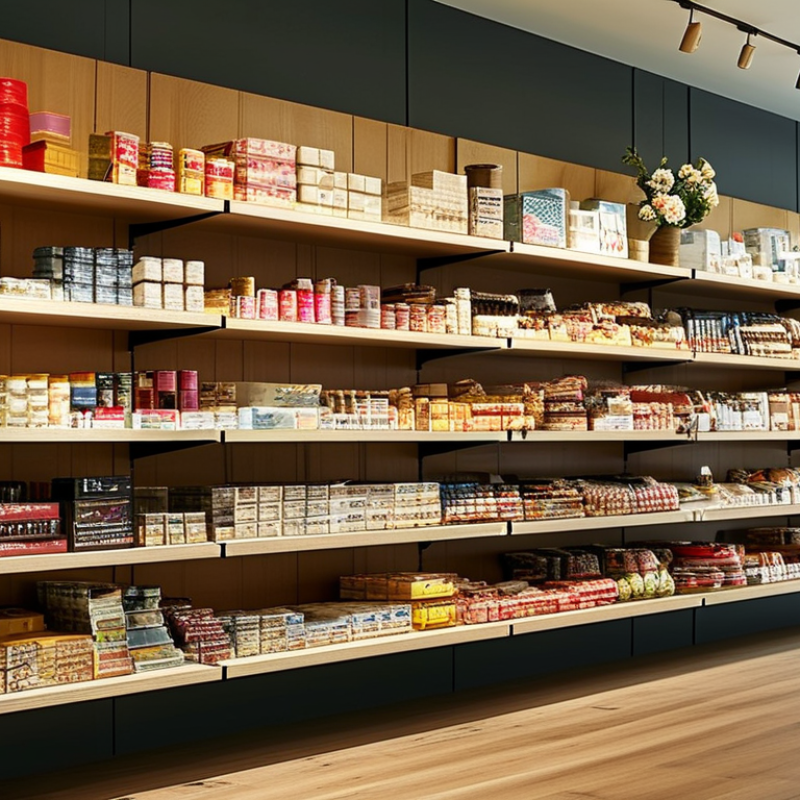
When choosing retail shelving units, consider the store format. Different businesses need different types of displays. For grocery stores, heavy-duty shelving is essential. This type can hold larger items and withstand frequent restocking. Focus on adjustable shelves, allowing flexibility in product display. For boutique shops, open shelves create an inviting atmosphere. This encourages customers to explore. Visual merchandising plays a key role here.
Tips for grocery stores include organizing products by category. Clear signage helps customers find items quickly. Use end caps for promotions. For boutiques, keep aesthetics in mind. Curate unique displays that showcase the brand's identity. Use lighting strategically to highlight featured products.
Reflect on your current layout. Assess if it enhances customer flow. Identifying areas that lack engagement can lead to improvements. Always seek feedback from customers. Understanding their shopping experience will refine your display strategy.
| Type of Shelving Unit | Best For | Material | Height | Weight Capacity |
|---|---|---|---|---|
| Wall-Mounted Shelves | Small Retail Spaces | Wood or Metal | Varies | Up to 100 lbs |
| Gondola Shelving | Supermarkets and Pharmacies | Metal | 48-84 inches | Up to 500 lbs |
| Freestanding Displays | Promotional Items | Plastic or Metal | 60-70 inches | Up to 200 lbs |
| Display Cases | Jewelry and High-Value Products | Glass and Wood | Varies | Up to 300 lbs |
| Refrigerated Shelving | Perishable Goods | Metal | 72-84 inches | Up to 400 lbs |
: A well-thought-out layout encourages customer flow. Proper placement enhances product visibility.
Metal and wood offer durability but can be pricey. Plastic is lightweight, yet may lack sturdiness for heavy items.
Shelves must support products to avoid collapsing. A collapse can cause safety hazards and product loss.
Visually appealing displays attract customers. Products at eye level can see a sales increase of 30%.
Organized displays boost sales by up to 20%. Clutter can deter customers and lead to frustration.
Regular dusting and restocking keep displays fresh. Adjusting product placement can engage customers seasonally.
Varying shelf heights creates visual interest. Mixing materials adds depth and can convey a distinct brand message.
Proper lighting highlights products and creates a welcoming atmosphere. Soft lighting encourages customers to linger.
Continual assessment is essential to improve the customer experience. Small adjustments can lead to larger improvements.
Customer feedback helps tailor displays to preferences. Effective displays evolve and may lead to unexpected successes.
Retail Shelving Units are essential components in the retail environment, offering diverse solutions tailored for various store formats. Different types of shelving units can maximize space and enhance product visibility, whether in a grocery store, boutique, or a larger department store. When selecting shelving units, key factors such as material durability, adjustability, and aesthetic appeal come into play, ensuring that the chosen units effectively support the store’s branding and merchandising strategies.
An effective shelving design not only showcases products but also contributes to improved customer engagement and shopping experience. Maintaining and organizing retail shelving is crucial for optimal performance; a well-structured display fosters ease of access and encourages sales. Innovative shelving solutions, such as modular designs or interactive displays, can further enhance customer interaction, making retail shelving units a pivotal element in successful store displays.

 DuraRacks