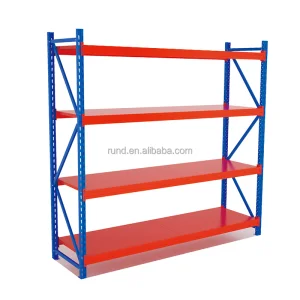
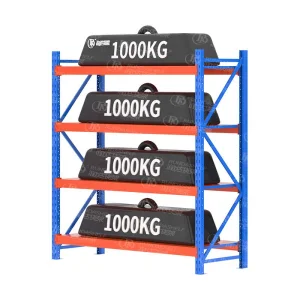
Engineered high-load structures conforming to international ISO9001, CE, and FEM structural integrity standards.
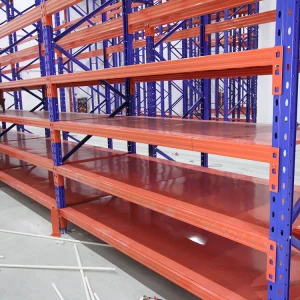
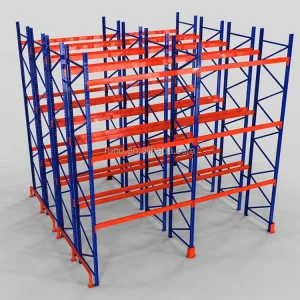
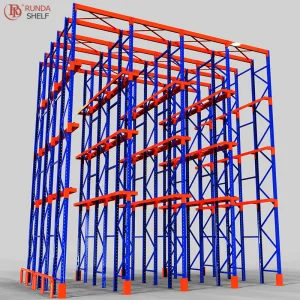
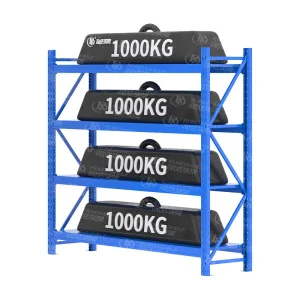
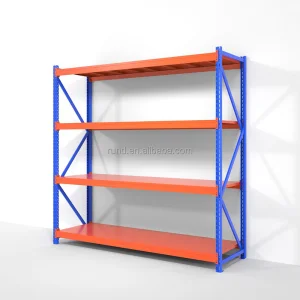
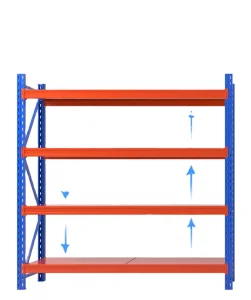
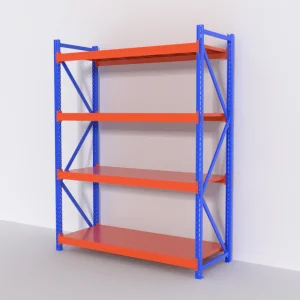
How modern material handling logistics drive the demand for structural safety, high load tolerances, and seismic engineering.
In the hyper-competitive landscape of global supply chain management, warehousing space optimization is no longer just about storage volume—it is about load capacity, safety factors, and high-frequency operational speed. Global enterprises, particularly in Third-Party Logistics (3PL), e-commerce fulfillment hubs, automated cold storage environments, and heavy industrial manufacturing, face a critical challenge: maximize vertical footprint utilization without compromising structural integrity.
This is where heavy warehouse shelves (>500KG per shelf/level capacity) and modular stacking racks become fundamental infrastructure. Standard light-duty shelving cannot withstand the continuous dynamic stresses and impact dynamics associated with heavy forklift operations, automated guided vehicles (AGVs), and heavy pallets. Heavy-duty structures must be engineered to withstand static loads exceeding 1000kg to 3000kg per level while preserving safety compliance margins defined by global bodies like the Rack Manufacturers Institute (RMI) in North America and FEM (European Federation of Materials Handling) in Europe.
As a premier direct-export manufacturer and specialized OEM/ODM supplier, Nanjing Dulis Warehouse Equipment Co., Ltd. (operating globally as DuraRacks) has established a formidable presence in Western Europe, North America, and Australia. Our engineering capability utilizes high-grade structural carbon steels (such as Q235B and Q355B), precision cold rolling processes, and multi-point automated welding protocols. This ensures our heavy-duty cantilever racks, selective pallet shelves, and automated shuttle configurations offer superior buckling resistance, optimized load deflection ratings, and unparalleled longevity.
A deep dive into finite element analysis (FEA), steel metallurgy (Q235B vs Q355B), and seismic resilience.
Our engineering team performs exhaustive 3D FEA stress simulations on all bespoke rack structures to identify and eliminate stress concentrations before physical tooling begins.
We utilize Q355B (similar to ASTM A572 Grade 50) and Q235B structural carbon steel profiles, allowing for higher weight capacities while keeping racking profiles optimized.
Engineered for critical environments. Baseplate configurations, upright node connectors, and bracing coordinates are simulated for seismic load zones globally.
| Steel Grade Standard | Yield Strength (MPa) | Tensile Strength (MPa) | Elongation (%) | Ideal Application Profiles |
|---|---|---|---|---|
| Q235B (GB/T 700) | ≥ 235 | 375 - 500 | ≥ 26% | Medium-duty racking beams, light upright bracing, standard pallet support bars |
| Q355B (GB/T 1591) | ≥ 355 | 470 - 630 | ≥ 22% | Heavy-duty warehouse upright frames, cold storage pallet runner tracks, high-load cantilever columns |
| SS400 (JIS G3101) | ≥ 245 | 400 - 510 | ≥ 21% | Automated racking base structures, heavy-duty floor mezzanine decking plates |
In the engineering design of beam profiles for loads exceeding 1000kg per tier, the deflection limit is a critical design variable, normally calculated using the formula L/200 (or L/300 for automated AS/RS systems) under FEM guidelines. This ensures that a 2700mm clear entry beam will experience no more than 13.5mm of vertical deflection under full load. By optimizing beam height and profile geometry (box step beams versus open-roll beams), DuraRacks maximizes mechanical safety factors while minimizing the structural self-weight of the system.
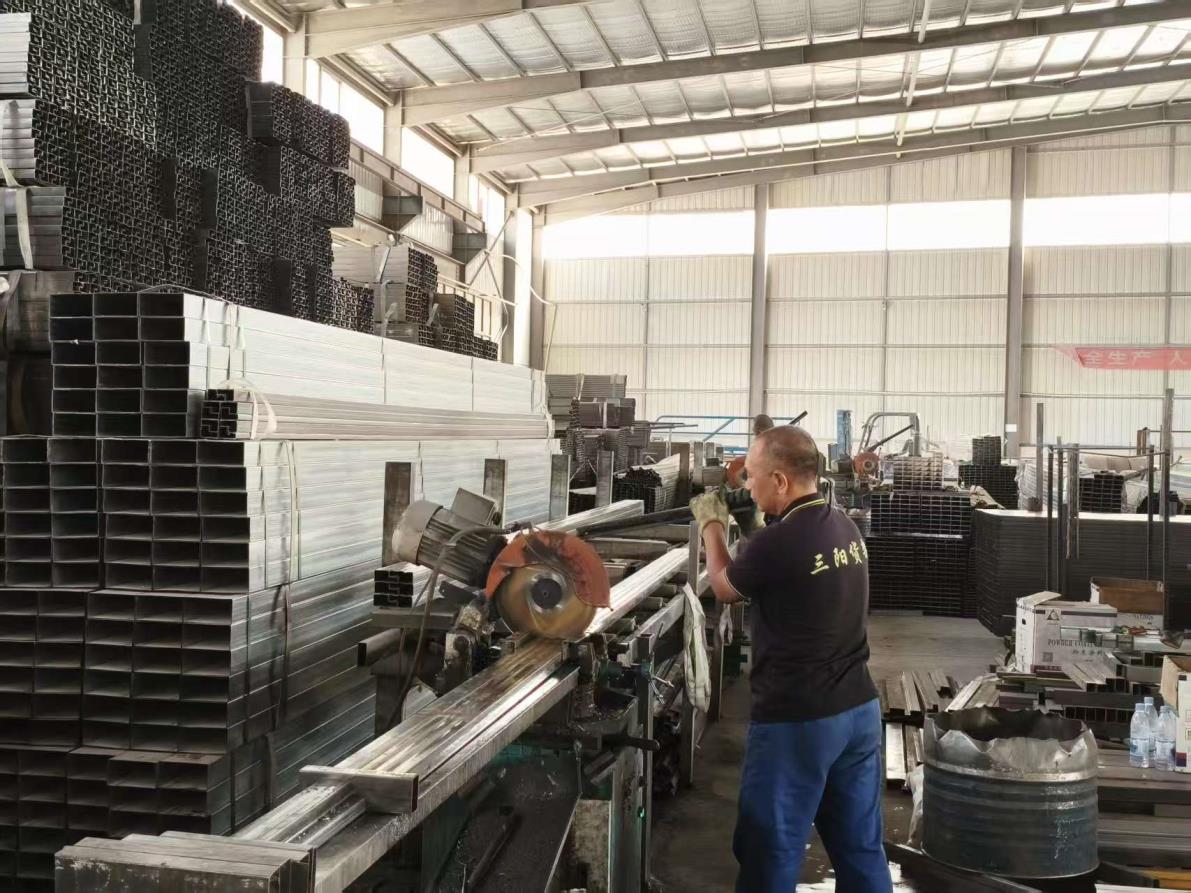
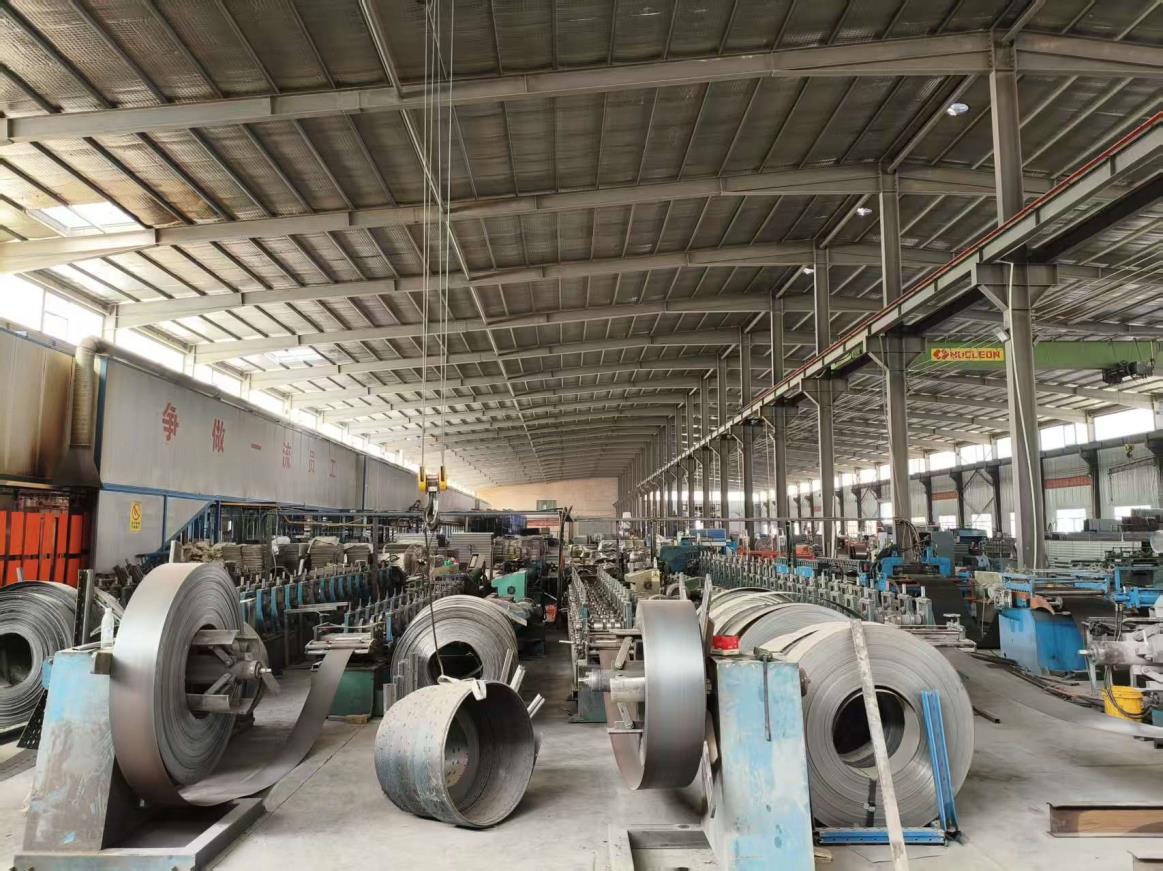
Step-by-step documentation of raw material configuration, roll-forming, and quality assurance pipeline.
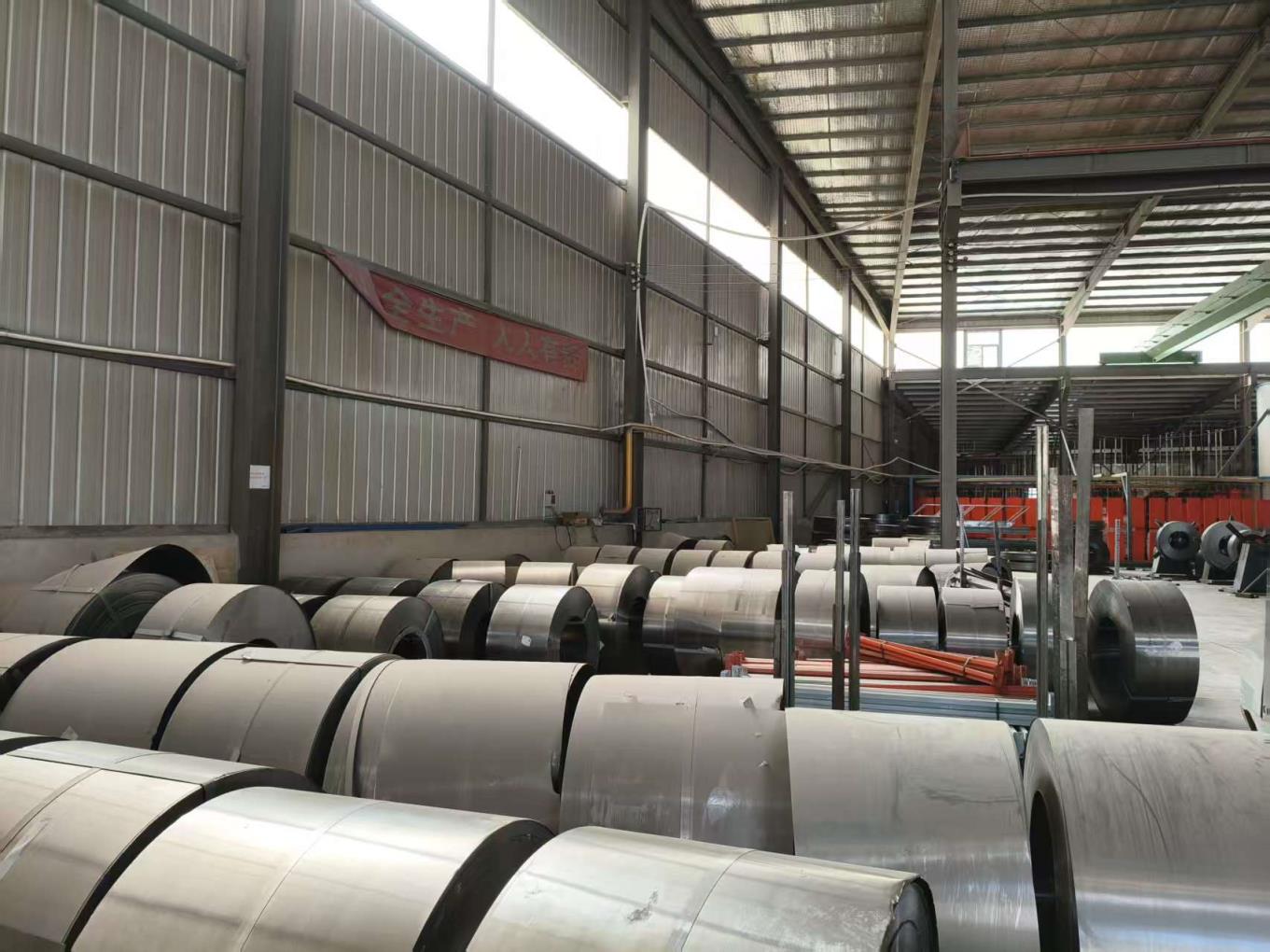
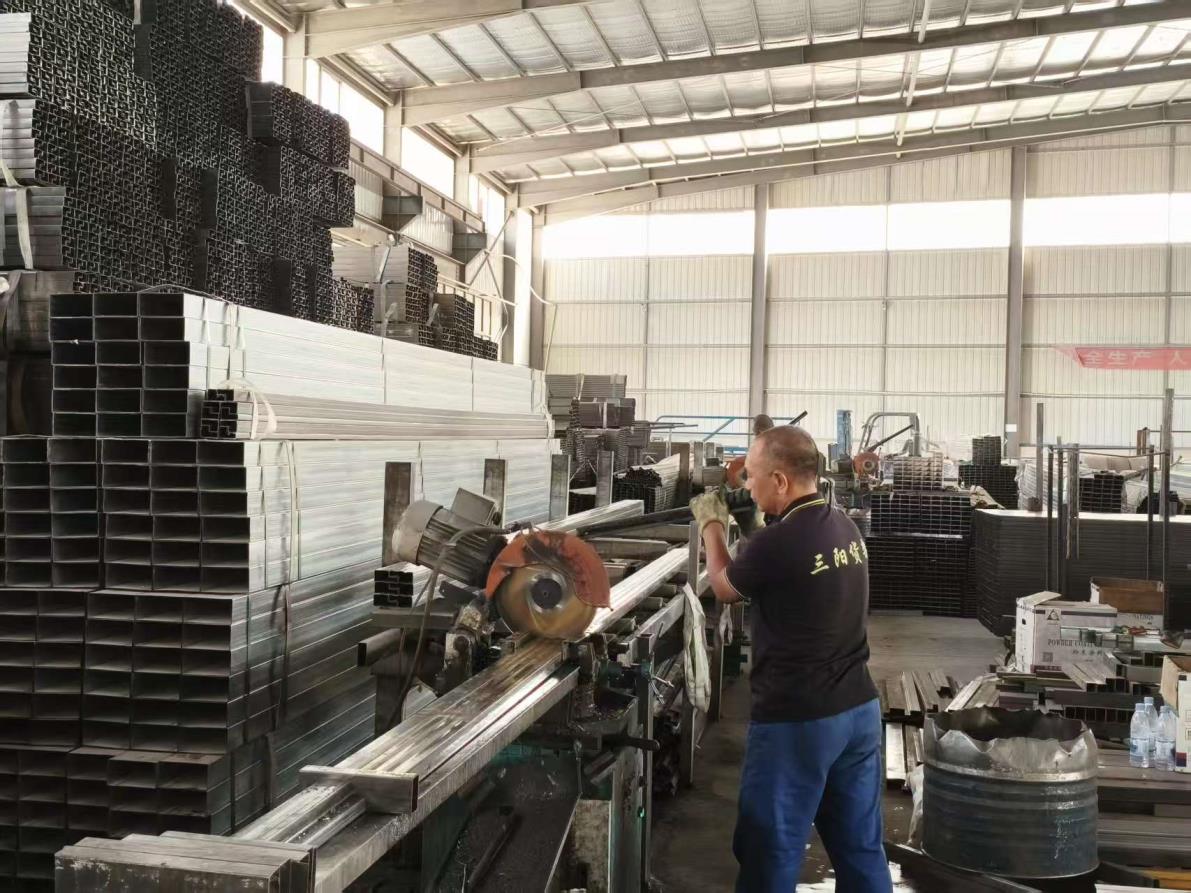
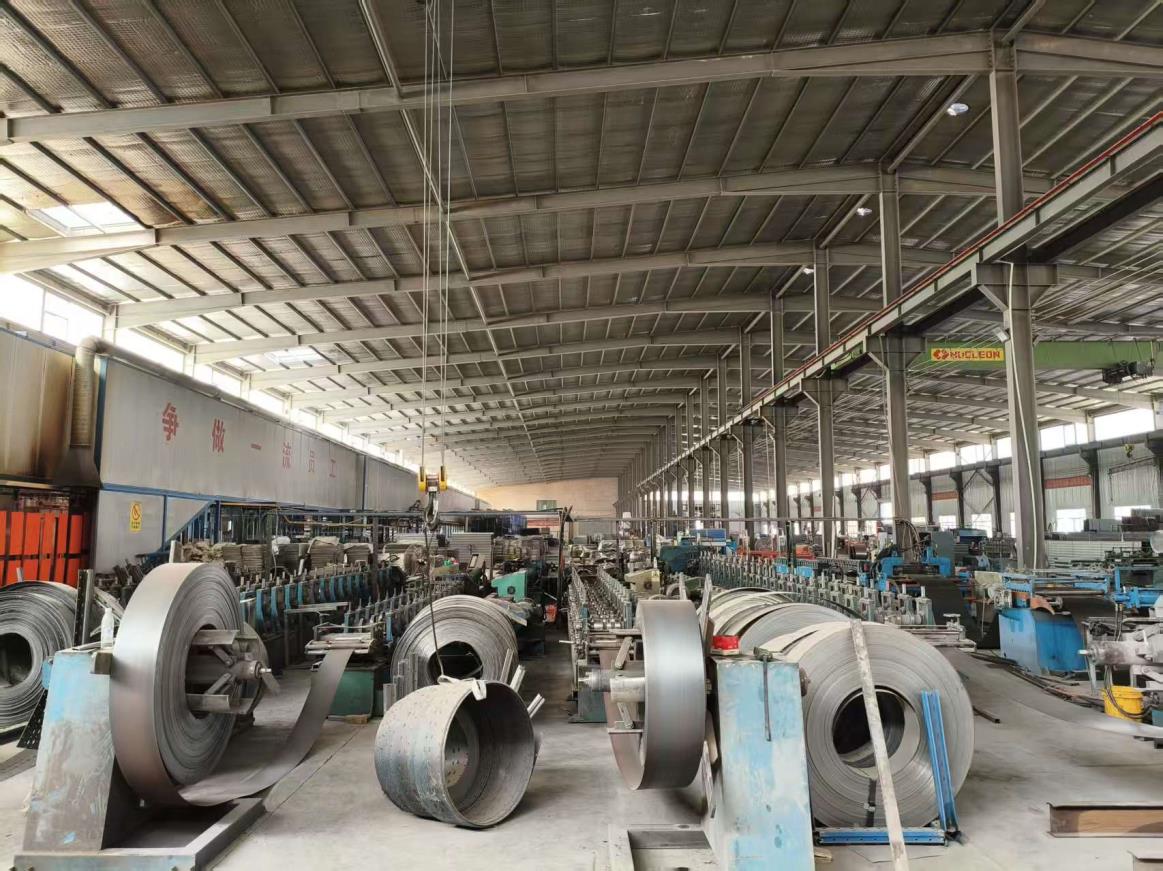
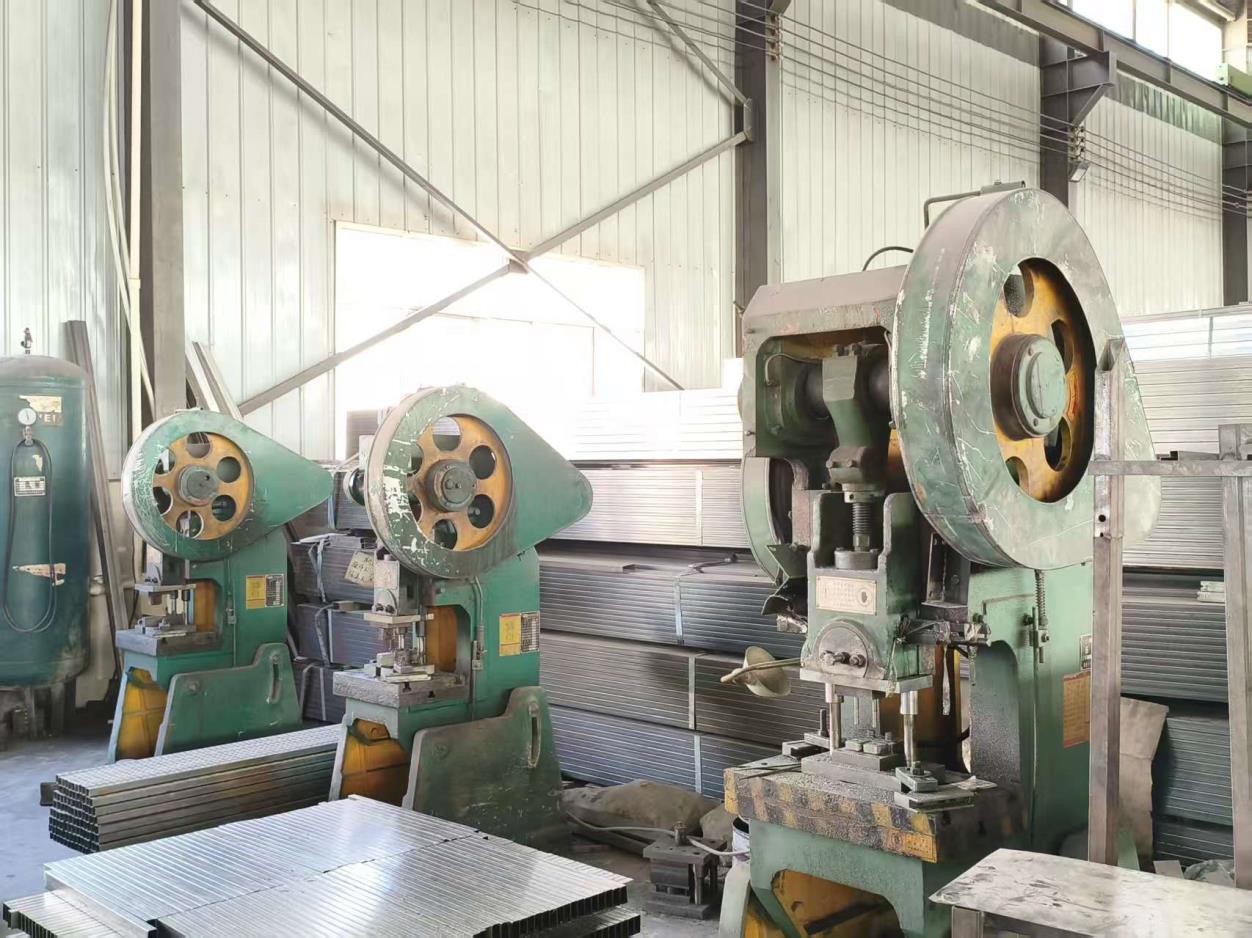
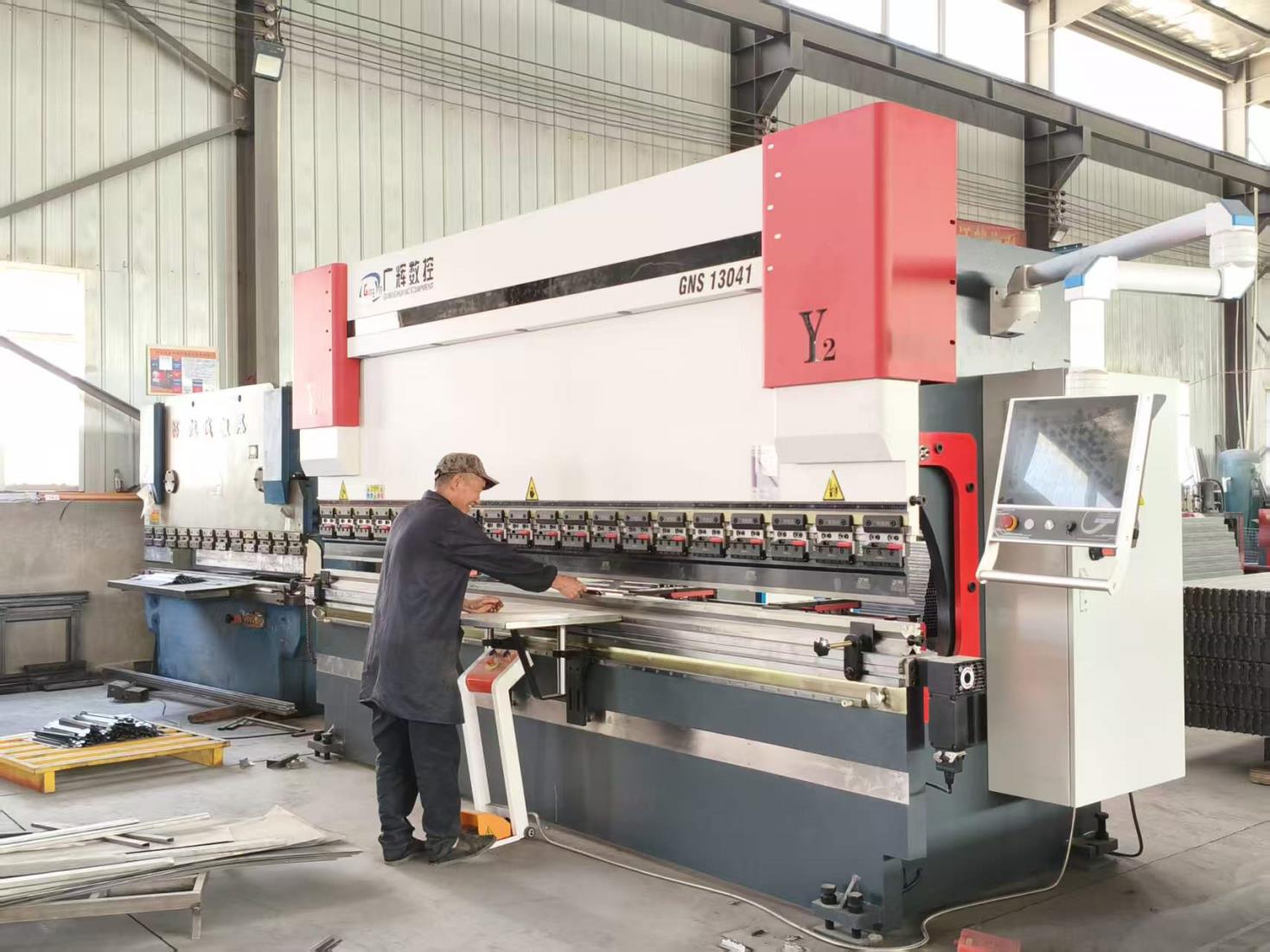
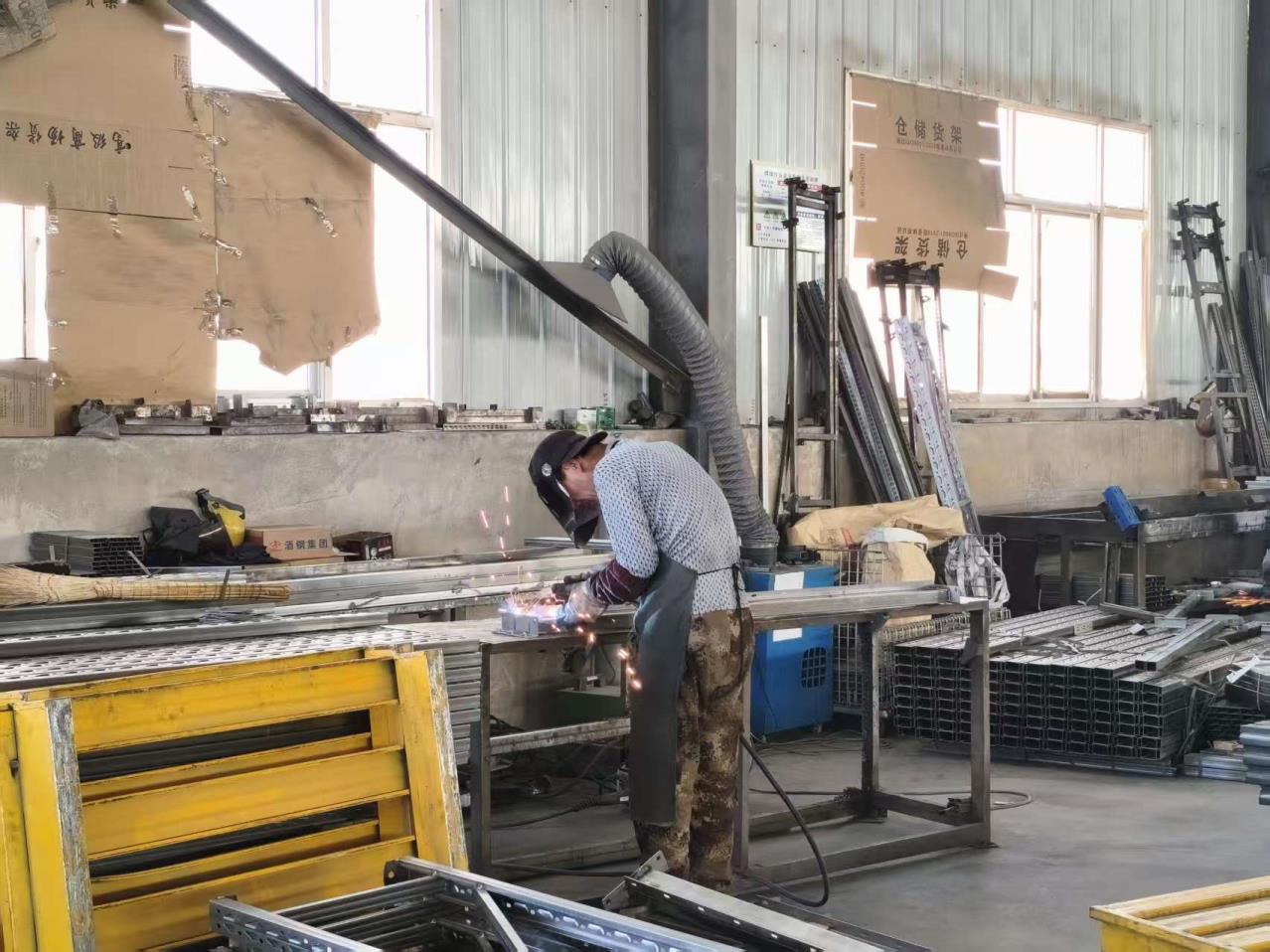
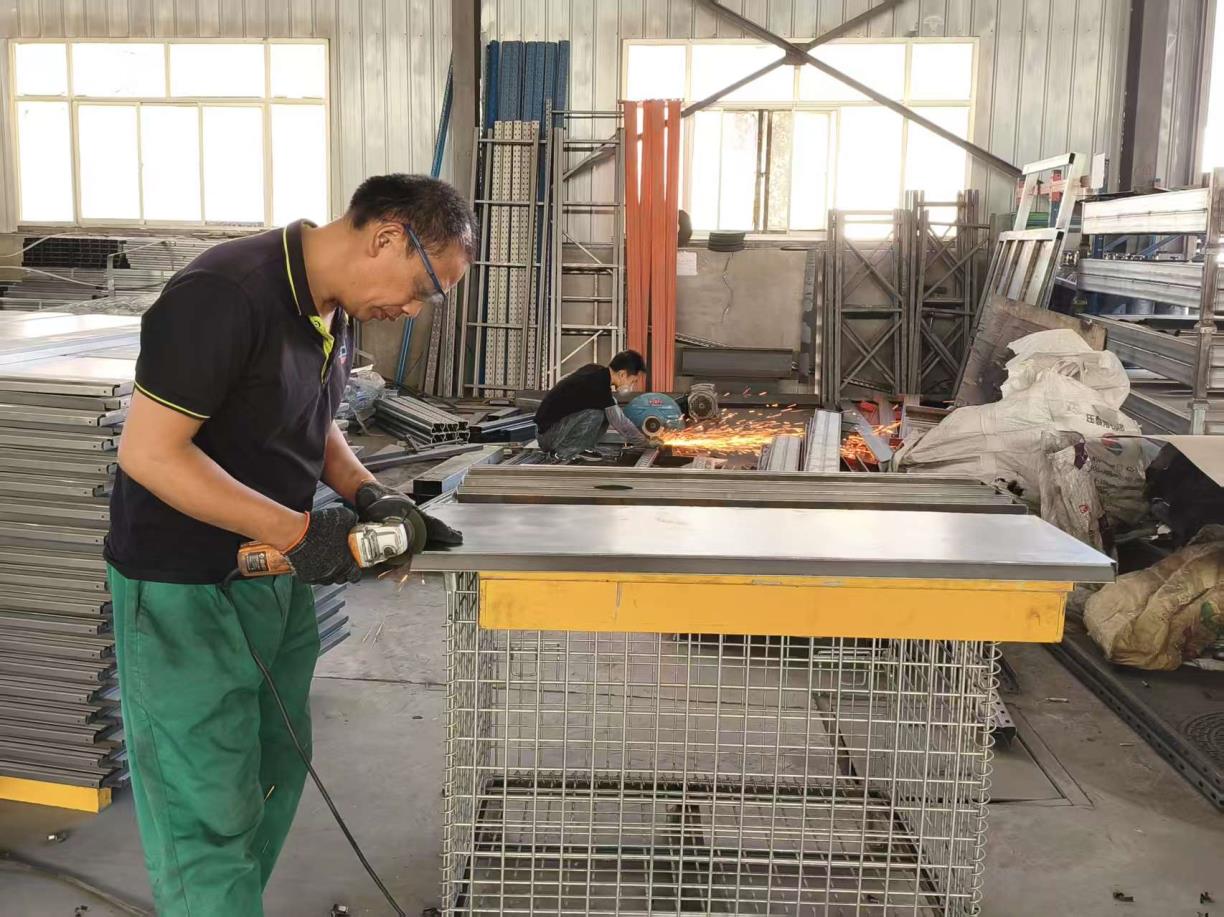
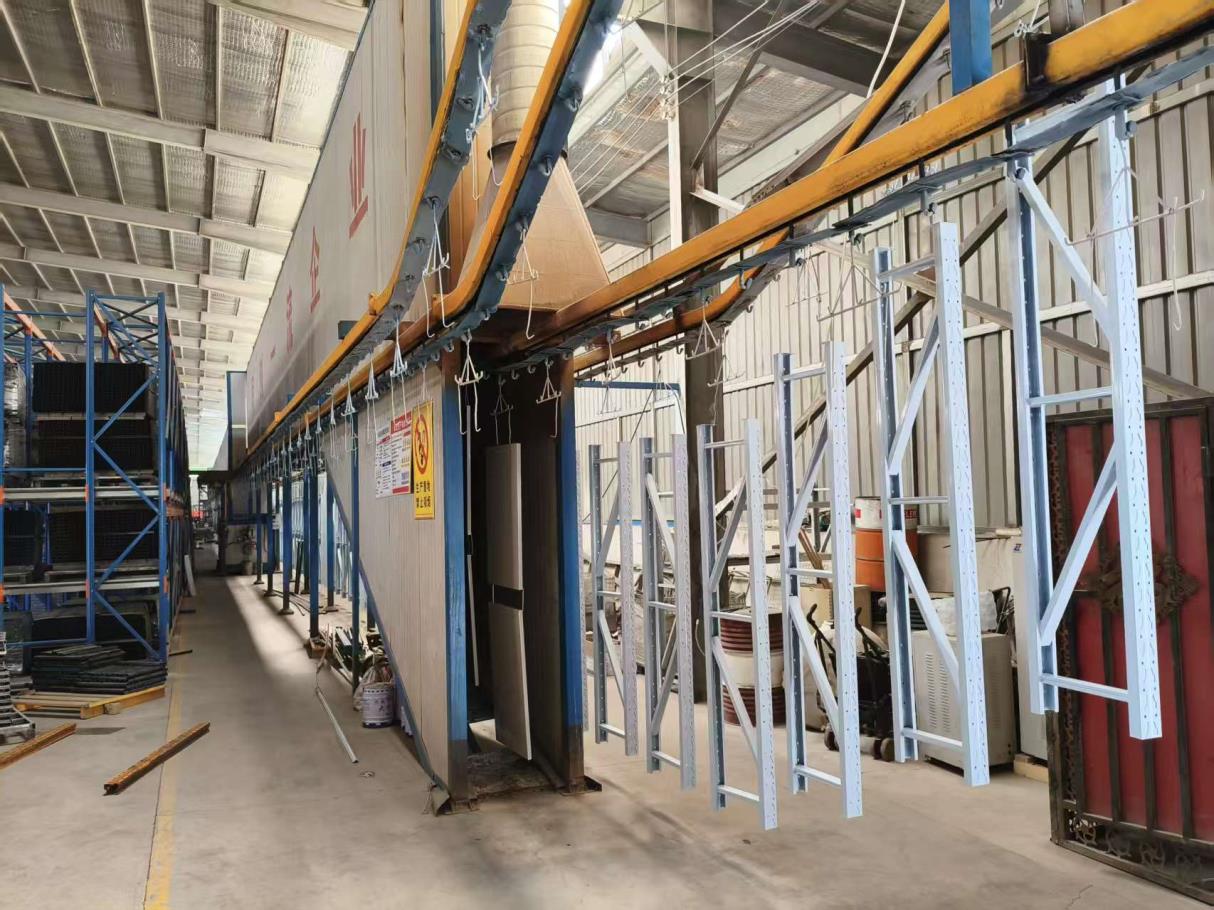
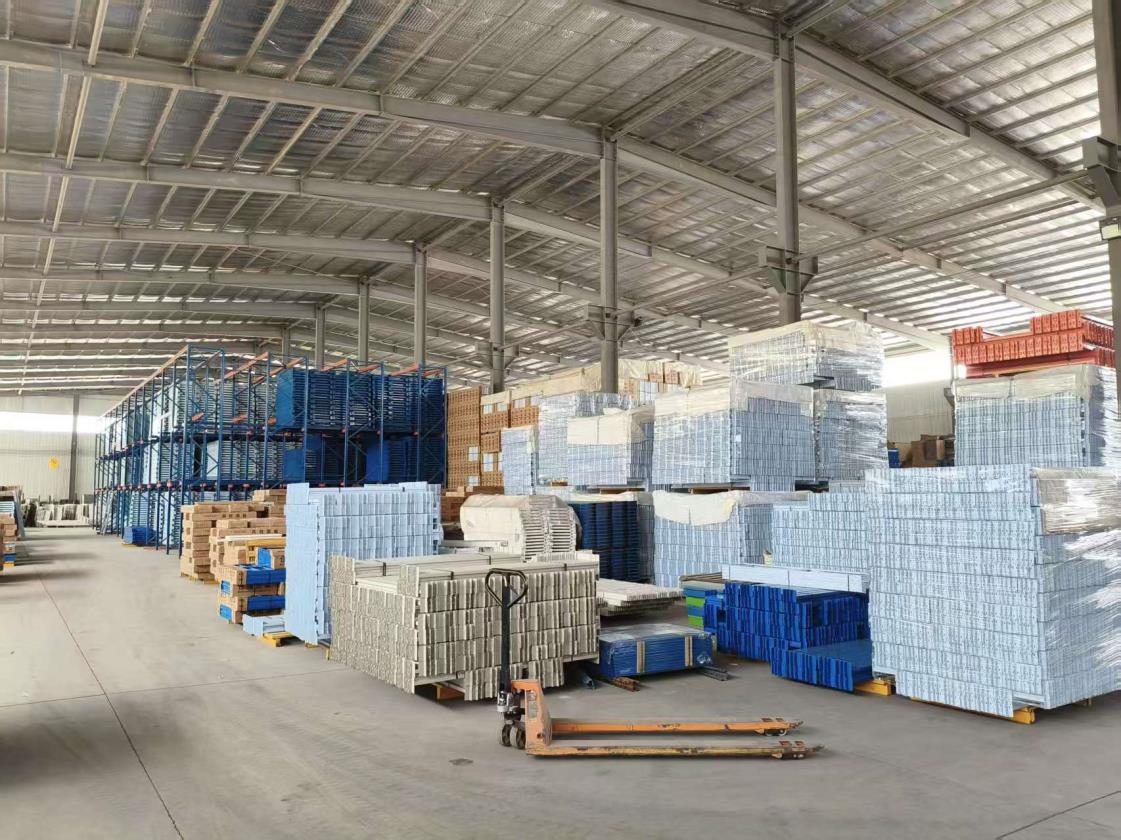
High-precision machining is crucial for maintaining tight dimensional tolerances in heavy-duty racking.
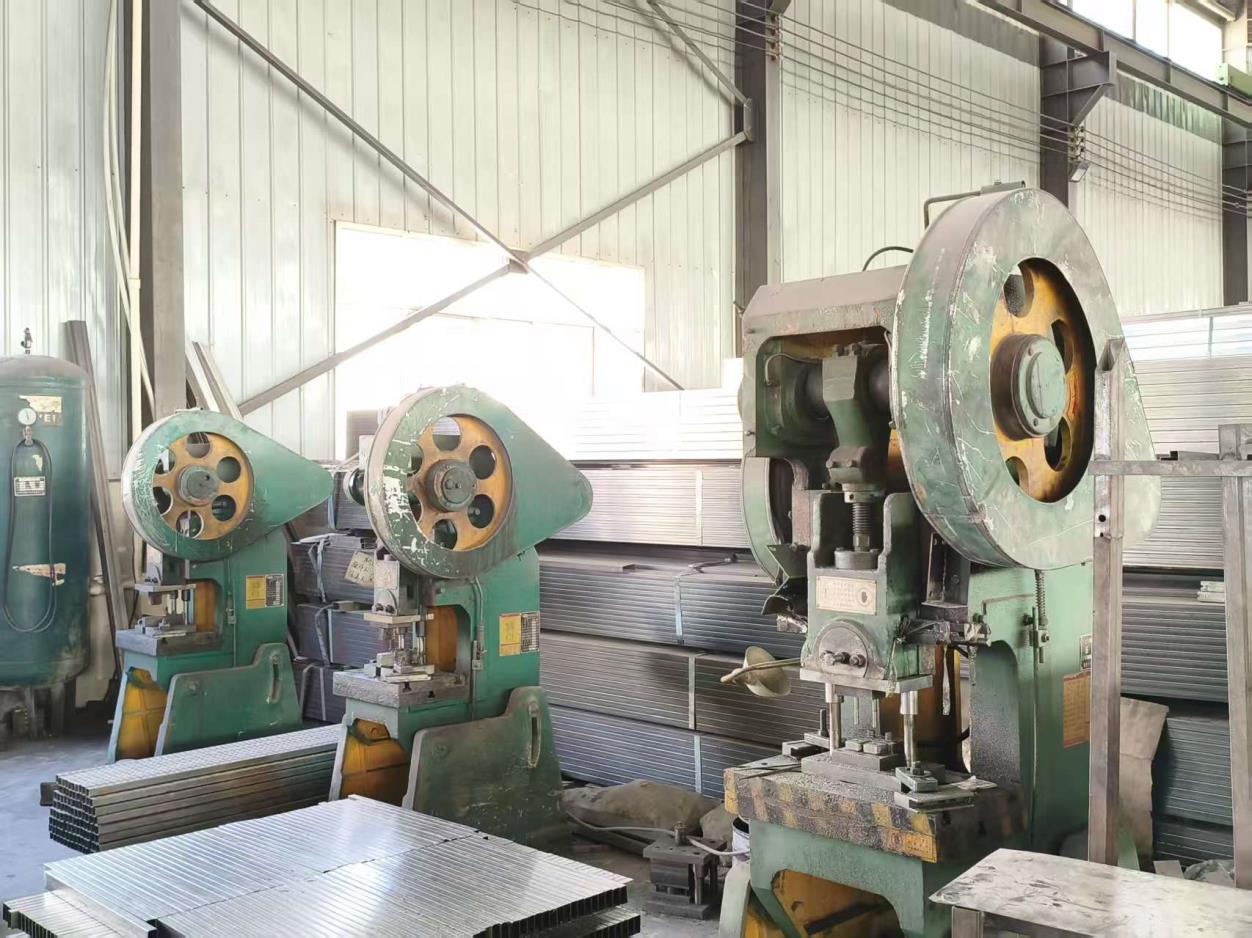
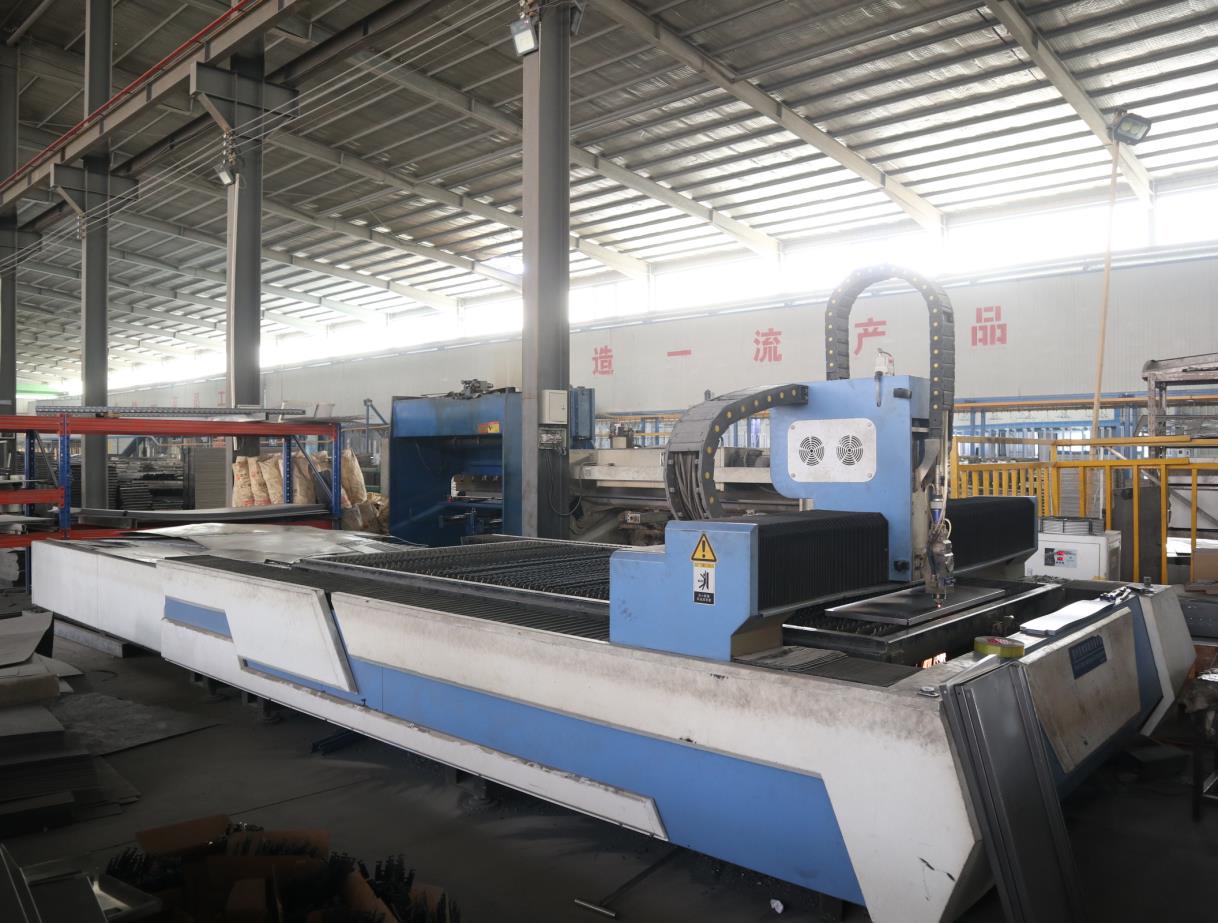
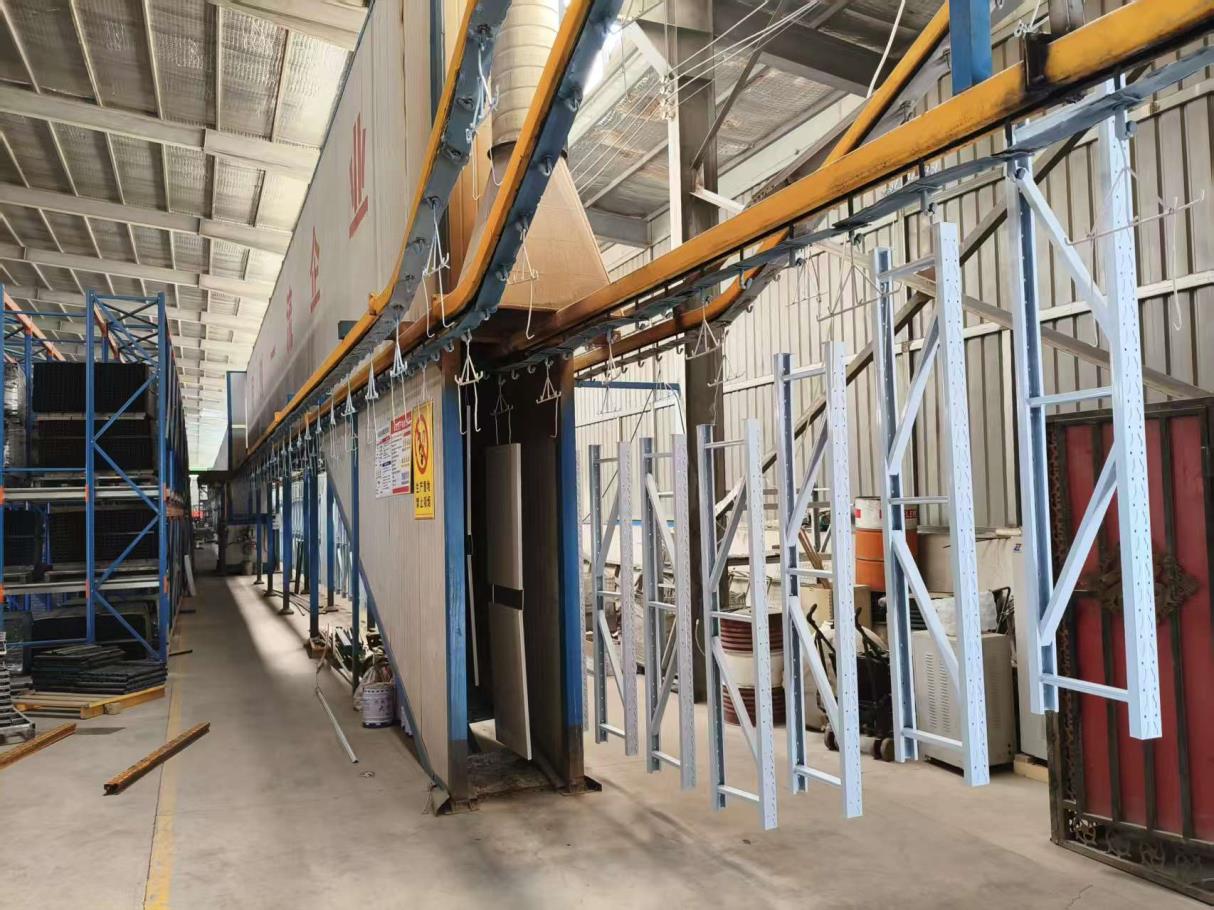
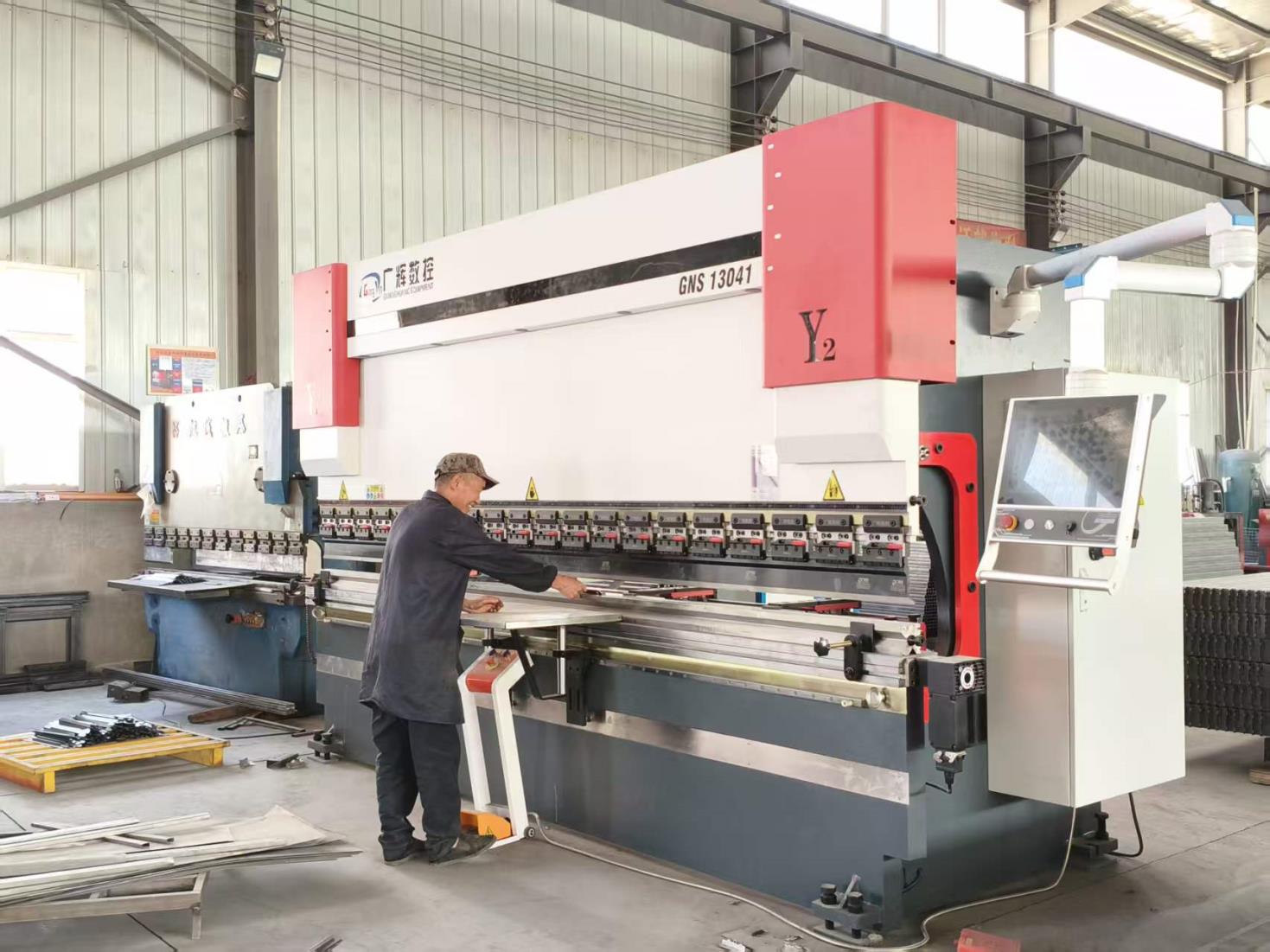
How DuraRacks guarantees localized engineering and safety compliance across continents.
We calculate design considerations based on standard pallet load limits, wind loads (for outdoor installations), and seismic risk factors mapping directly to USGS specifications.
Our European projects use detailed calculations verified under limit state design principles, assessing partial safety factors for load effects and structural resistance.
Every component exported to Oceania undergoes rigorous physical load tests and structural modeling to comply with Australian steel storage racking codes.
To provide complete peace of mind for our industrial clients, we provide full structural analysis reports, mill test certificates verifying chemical and physical properties of the steel coil batch, and detailed layout documentation. When required, DuraRacks coordinates with localized engineering agencies to provide signed structural calculations suitable for municipal warehouse permitting and safety clearances.
Technical answers regarding dynamic load capacities, seismic calculations, and material selections.
Static load refers to the weight capacity of the racking system when the load is completely at rest (stationary storage). Dynamic load capacity defines the forces and stresses experienced by the structure during movement, such as when a forklift places a pallet on the rack or during seismic events. Dynamic forces include impacts, vertical drops, and horizontal shear stresses, which require additional structural safety margins of at least 1.4 to 1.5 times the static load.
Q355B has a yield strength of 355 MPa, which is roughly 51% higher than Q235B (235 MPa). In structures carrying more than 1000kg per level, utilizing Q355B allows the designer to specify thinner steel profiles while achieving identical or superior buckling and bending resistance. This optimization reduces the dead weight of the installation, lowers shipping costs, and reduces the carbon footprint of the raw materials.
We combine robotized carbon-dioxide gas-shielded arc welding processes with rigorous Quality Assurance testing. Our factory utilizes ultrasonic weld flaw detection (NDT) to identify subsurface gas pockets or lack of fusion, and mechanical tensile tests to verify that the joint weld strength exceeds the tensile limit of the parent steel plates.
Yes. Cold storage applications require steel grades that retain ductility at sub-zero temperatures (to prevent low-temperature brittle fracture) and special powder coatings that resist condensation-induced corrosion. We recommend Q355D steel for extreme cold climates (-20°C to -40°C) paired with hot-dip galvanization or customized moisture-resistant epoxy coatings.
Our engineering team, consisting of 68 R&D professionals, can deliver preliminary 2D CAD layouts and 3D FEA simulations within 48 to 72 hours of receiving warehouse blueprints and loading parameters. Once the design is approved, production tooling, roll forming, coating, and quality inspections typically take 20 to 30 days depending on order volume.
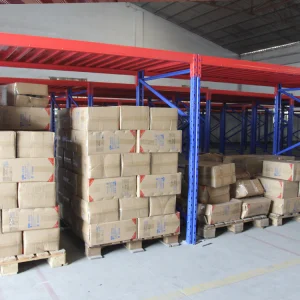
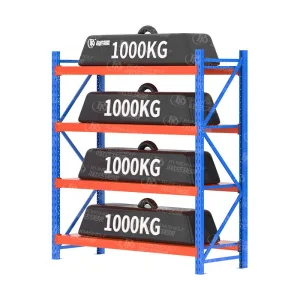
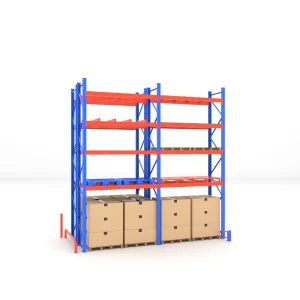
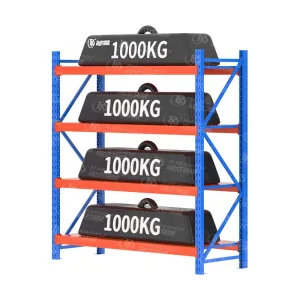
Heavy-duty configurations designed for flexible storage, material optimization, and high durability.
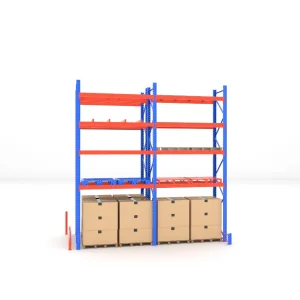
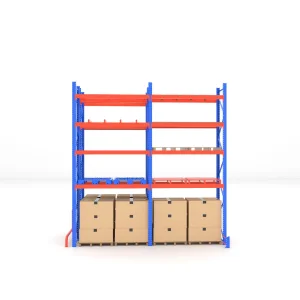
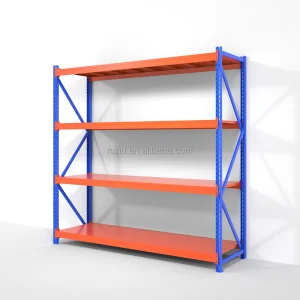
A premier Chinese manufacturing and exporting specialist in heavy-duty logistics equipment.
Established in 2014, Nanjing Dulis Warehouse Equipment Co., Ltd. (operating globally under the brand DuraRacks) is a premier industrial rack manufacturer headquartered in Nanjing, China. Boasting over 12 years of industry experience and 9 years of direct export experience, our facility spans a modern industrial building area of 38,000 square meters. We specialize in high-capacity pallet racking, drive-in systems, and automated storage solutions, generating an annual export revenue of $32 million USD.
By controlling the entire process from structural engineering design to rolling, punching, surface painting, and final container load testing, DuraRacks provides reliable products to distributors, integration specialists, and end-users globally. Our close collaboration with international partners guarantees that we deliver high-performance solutions that reduce logistics space overhead while ensuring high levels of warehouse workplace safety.
 DuraRacks