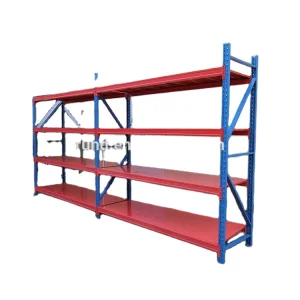
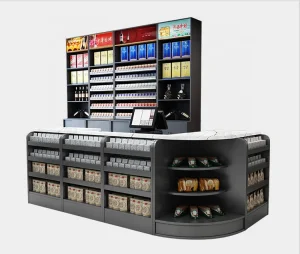
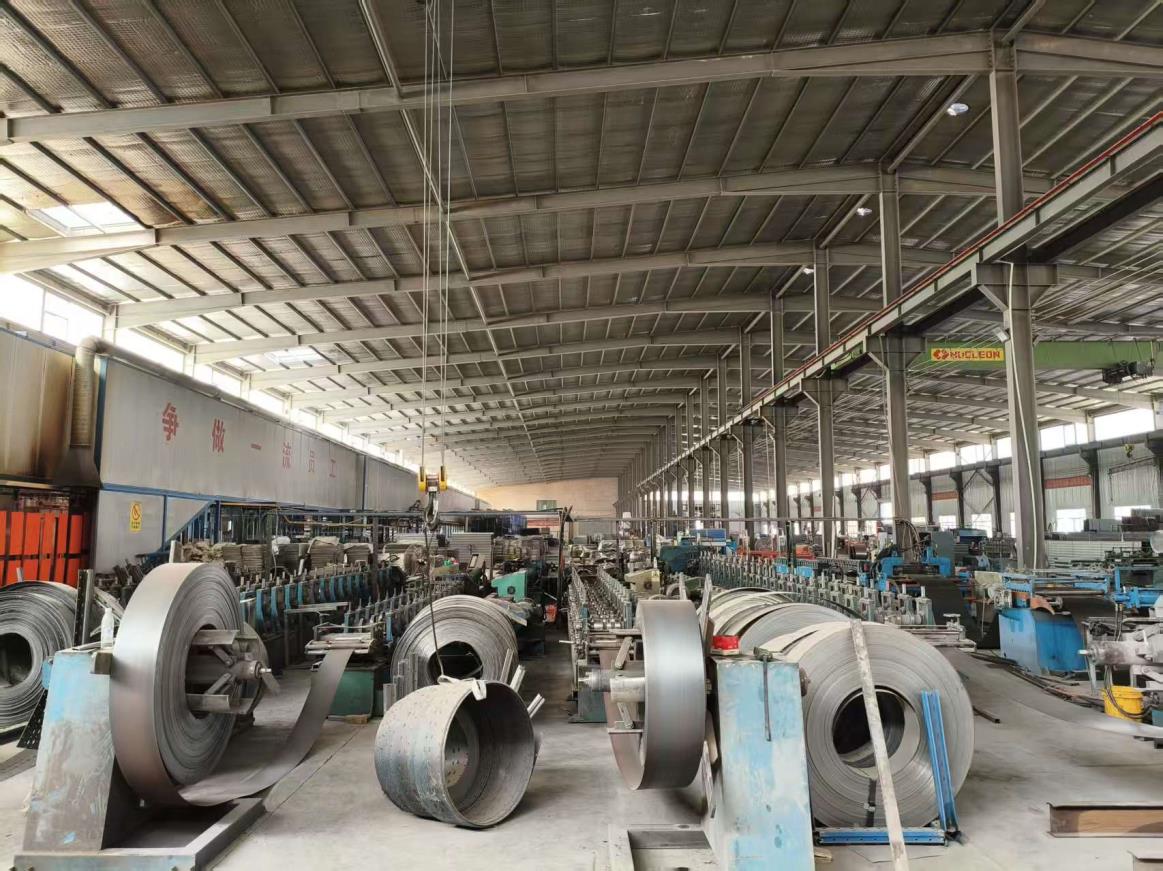
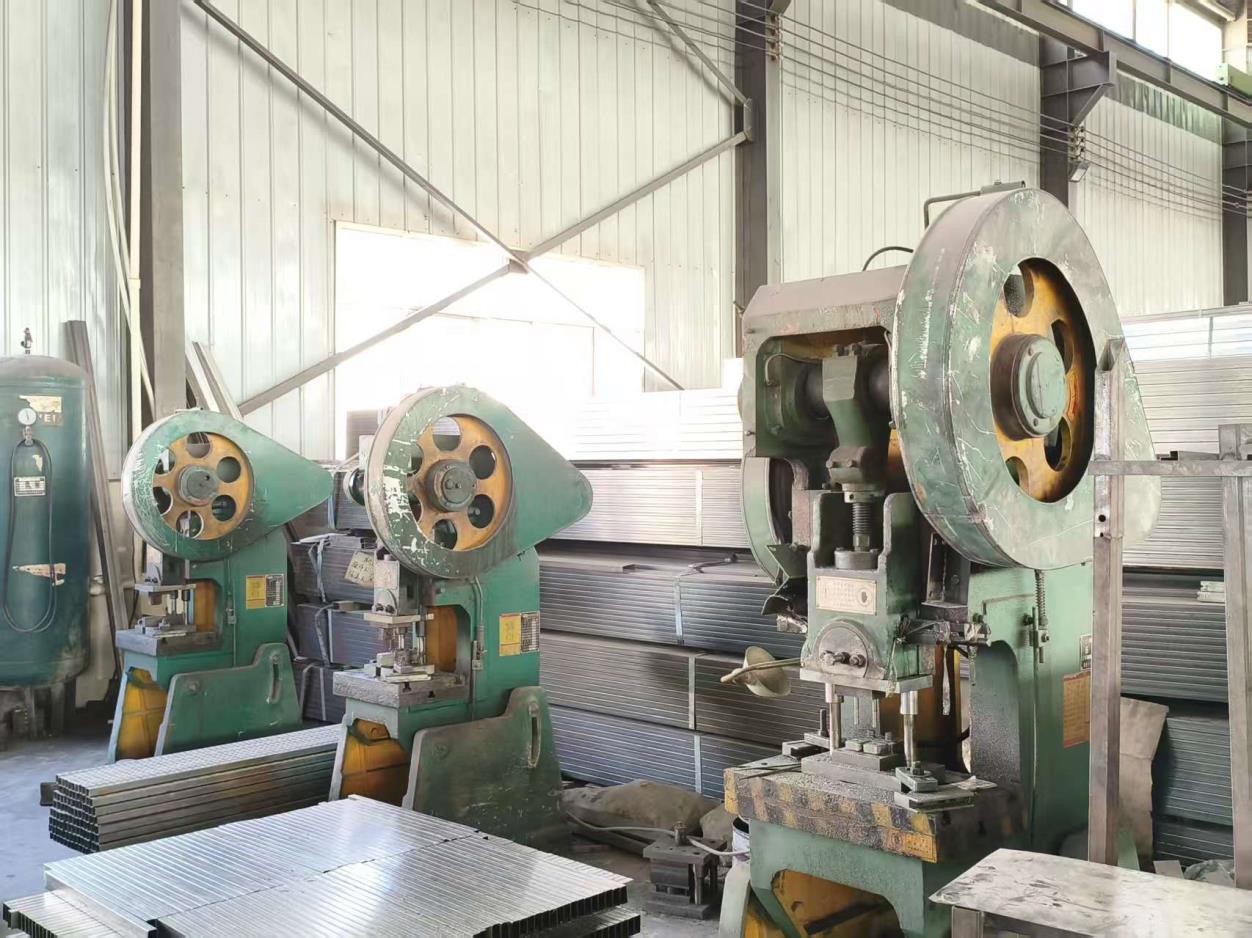
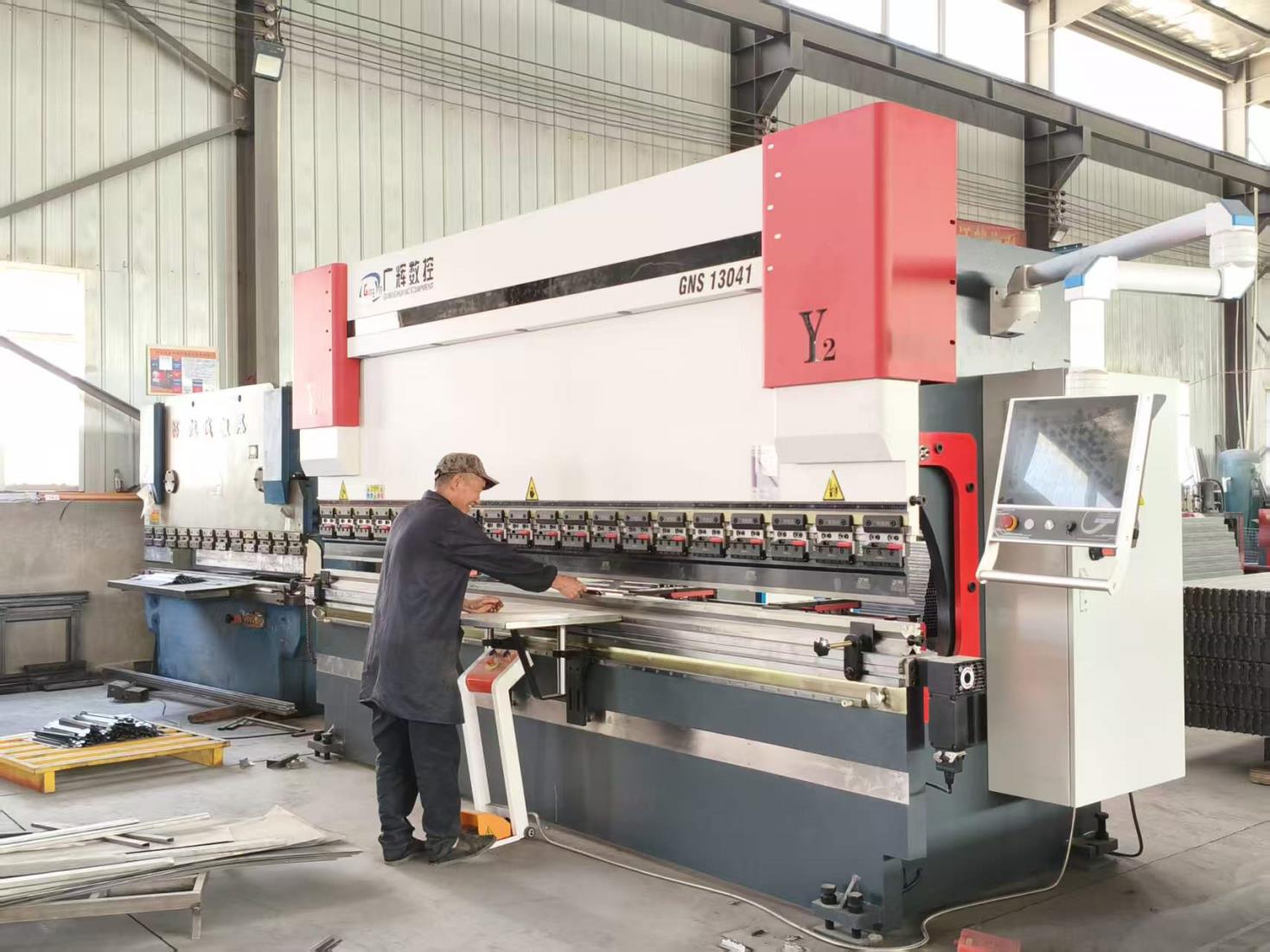
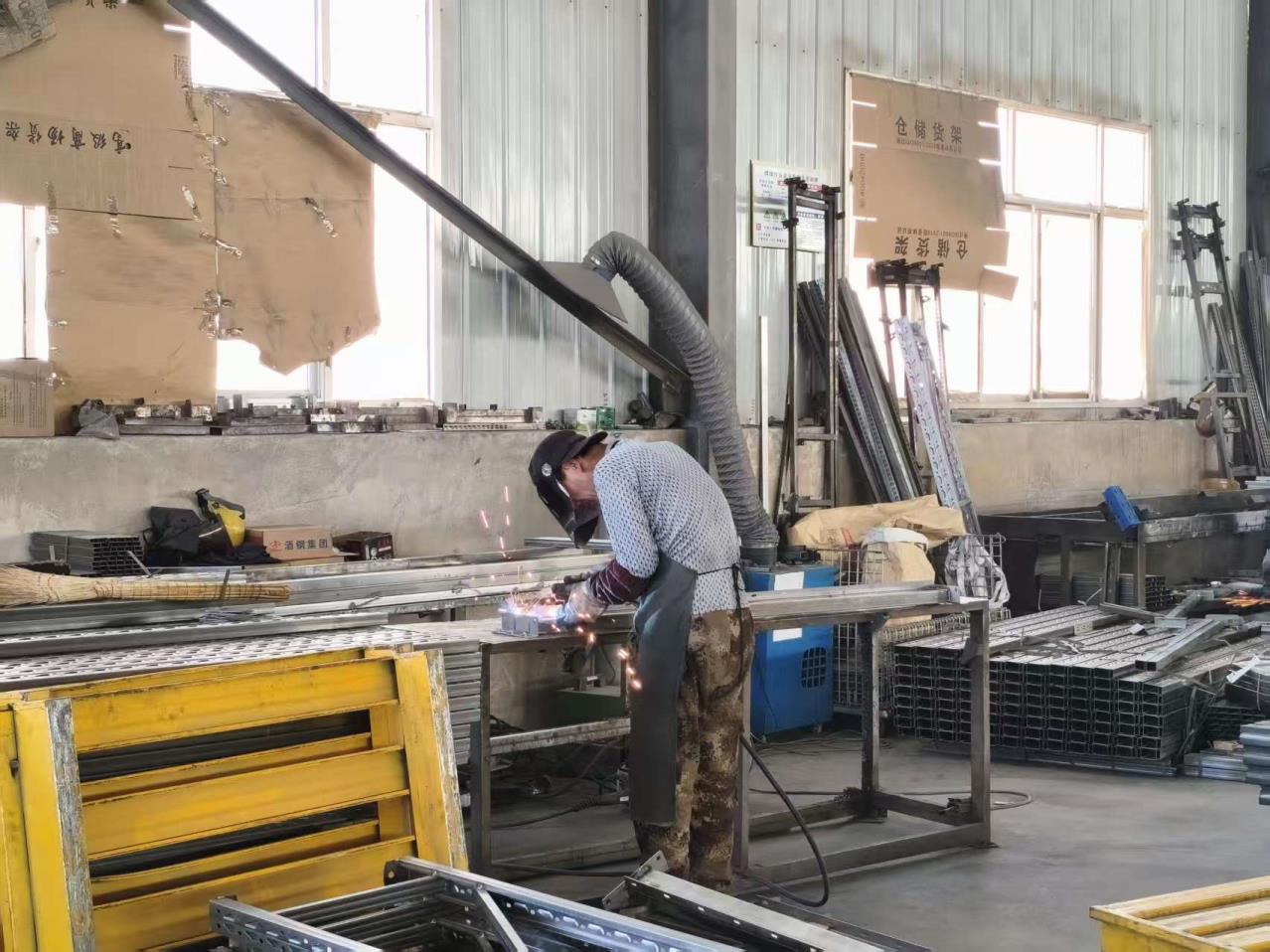
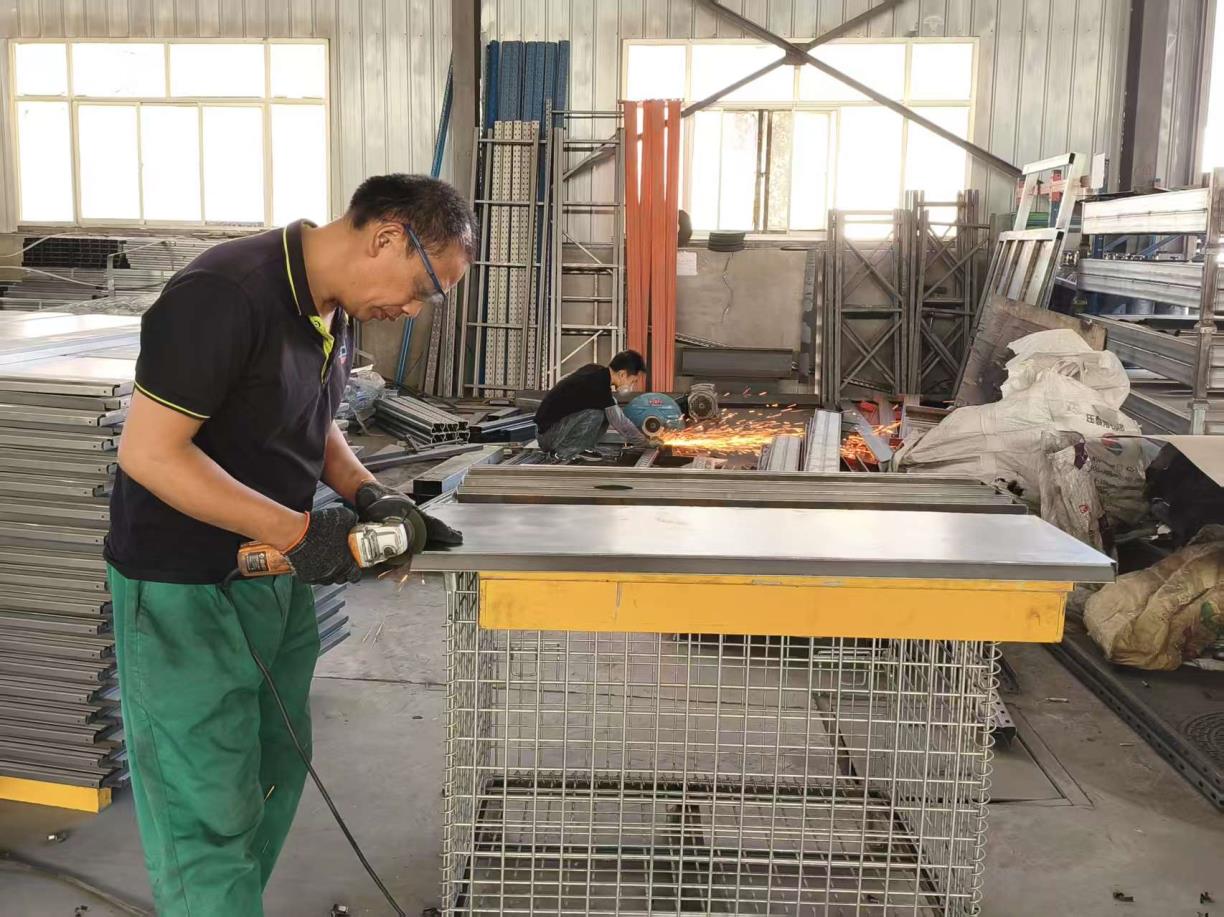
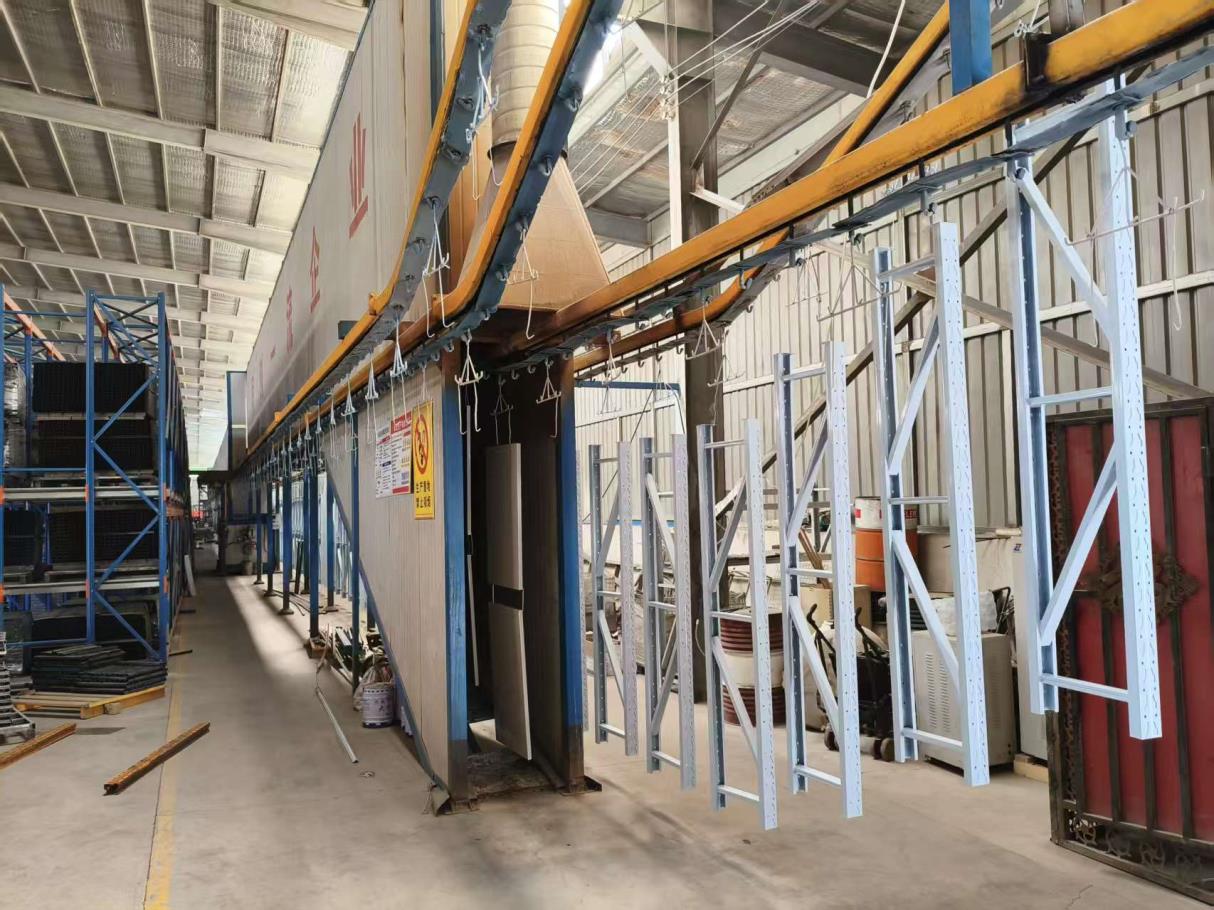
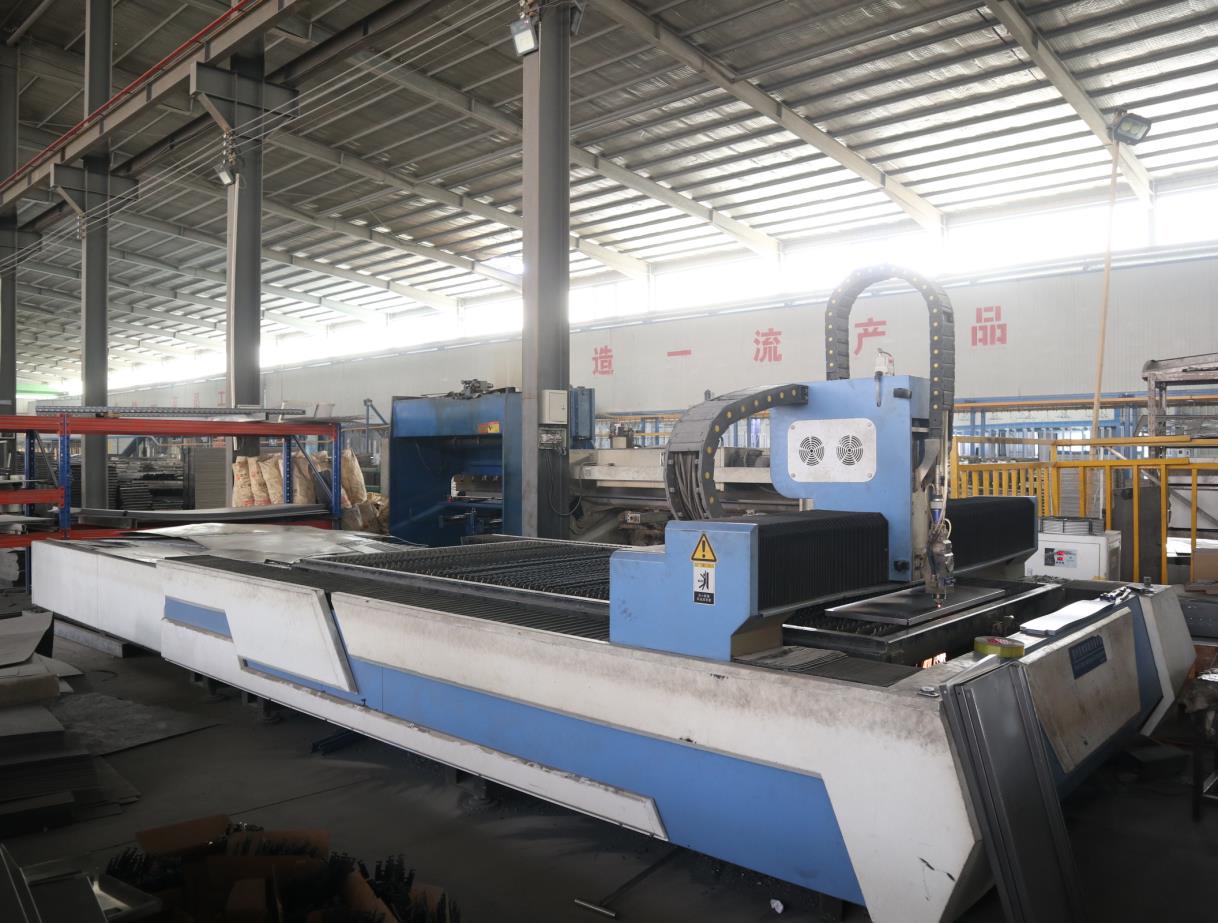
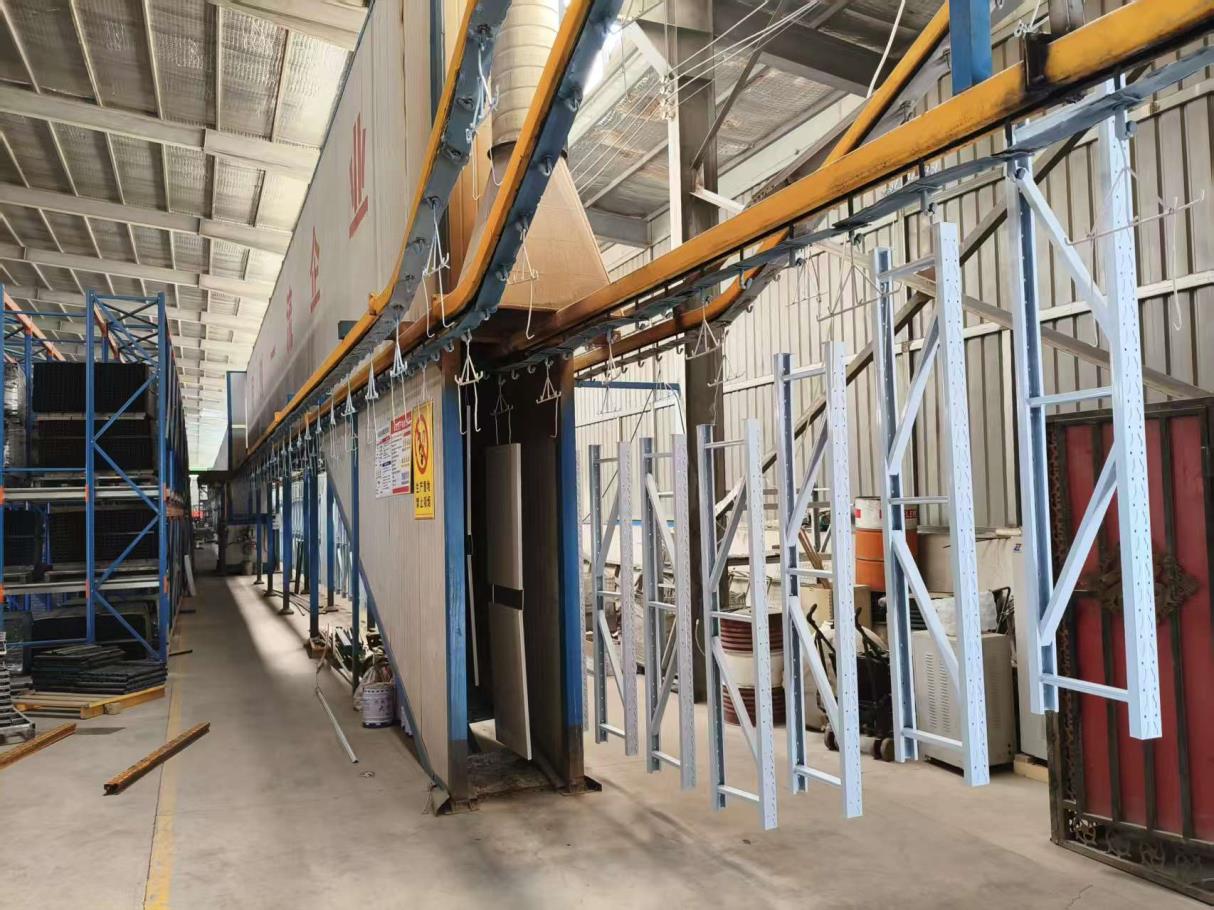
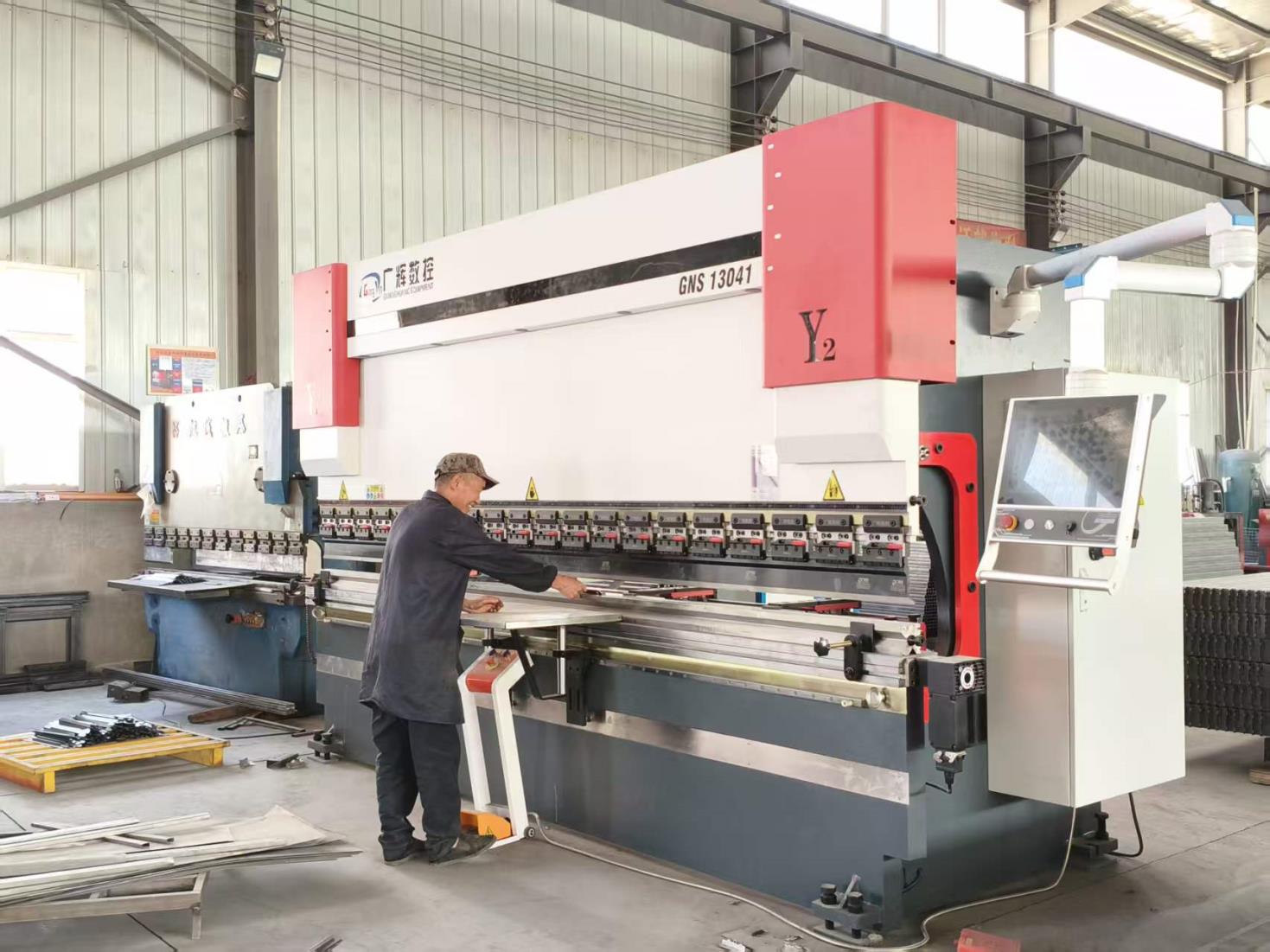
Established in 2014, Nanjing Dulis Warehouse Equipment Co., Ltd. (operating globally under the brand DuraRacks) is a premier industrial rack manufacturer and retail accessory exporter headquartered in Nanjing, China. Boasting over 12 years of industry experience and 9 years of direct export experience, our facility spans a modern industrial building area of 38,000 square meters. We specialize in high-capacity pallet racking, drive-in systems, convenience store displays, retail shelving accessories, and custom automated storage solutions, generating an annual export revenue of $32 million USD.
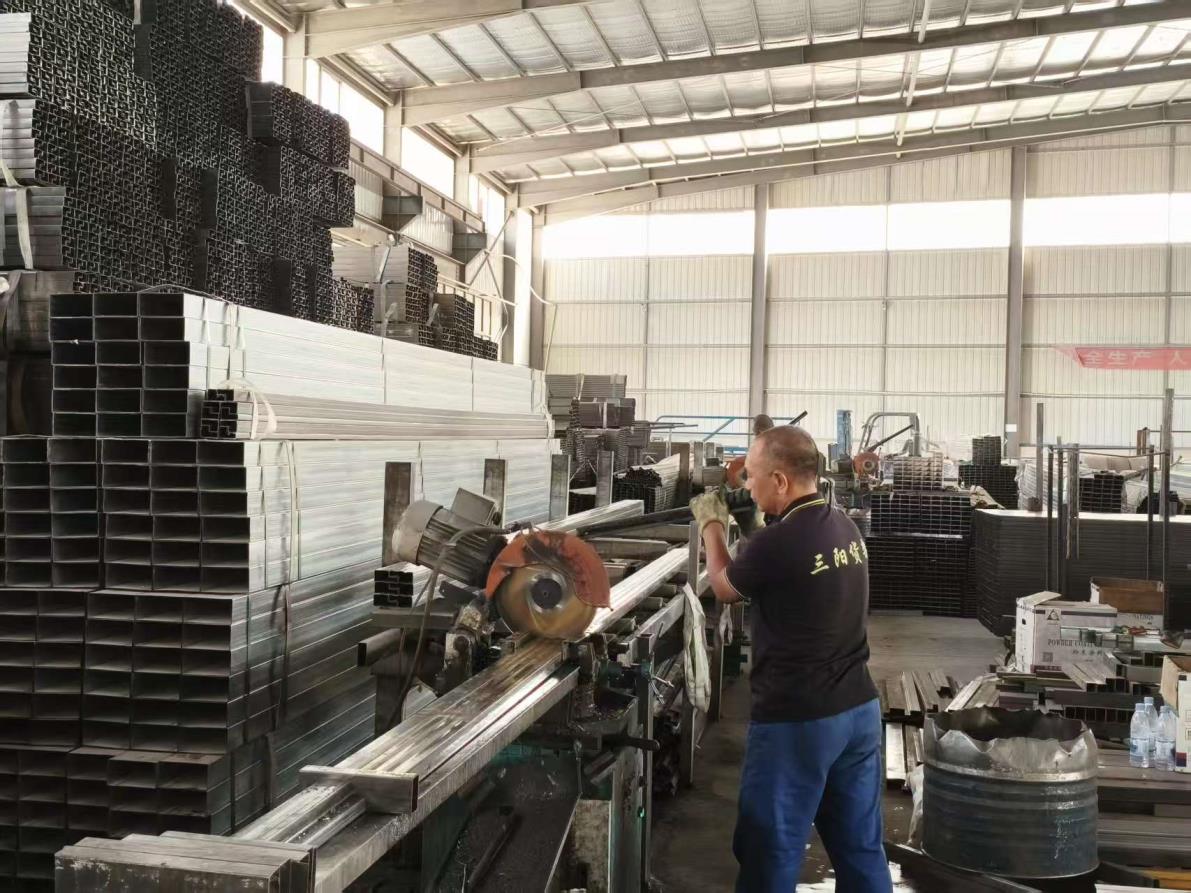
Quality Assurance & Testing Standards: Quality and structural integrity form the bedrock of our manufacturing philosophy. Our dedicated team of 45 certified QA personnel implements rigorous quality control processes aligned with ISO9001, CE, and FEM standards. Every batch undergoes comprehensive product inspection methods, including ultrasonic weld flaw detection, mechanical tensile testing, static and dynamic load capacity testing, and salt spray corrosion resistance evaluation.
Global Trade & Supply Chain: Supported by a robust network of over 1,200 qualified supply chain partners, DuraRacks operates as an integrated direct-export manufacturer. Our primary overseas markets encompass North America, Western Europe, and Australia. We serve a diverse portfolio of client types, primarily catering to 3PL logistics hubs, large-scale e-commerce fulfillment centers, cold storage operations, and heavy industrial manufacturing plants, as well as global retail hypermarket chains.
R&D & Customization Capabilities: Driven by an experienced team of 68 R&D engineers, DuraRacks delivers advanced structural Finite Element Analysis (FEA) and customized CAD/BIM warehouse layout simulations. We offer full OEM/ODM customization options, tailored seismic load engineering, special powder-coating finishes, and custom beam profile dimensions. Last year alone, our engineering team launched 85 new product innovations and patented racking components, ensuring cutting-edge storage and display efficiency for our global clientele.
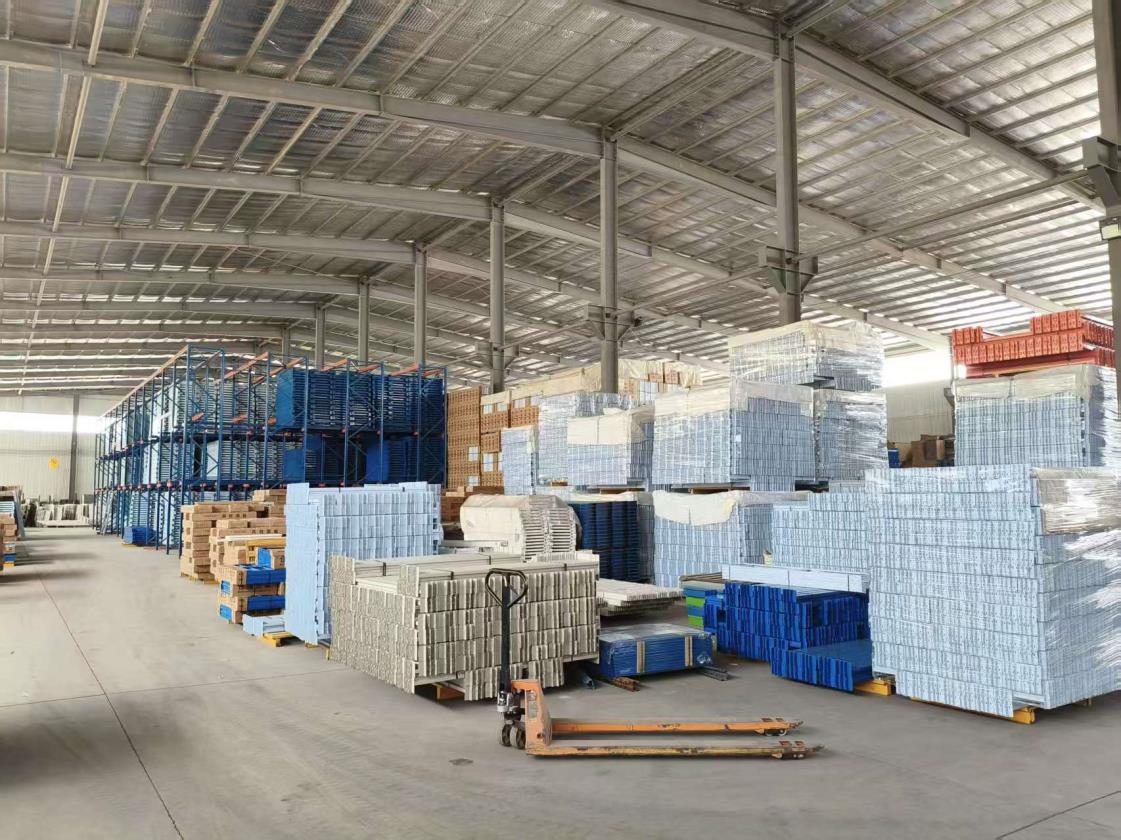
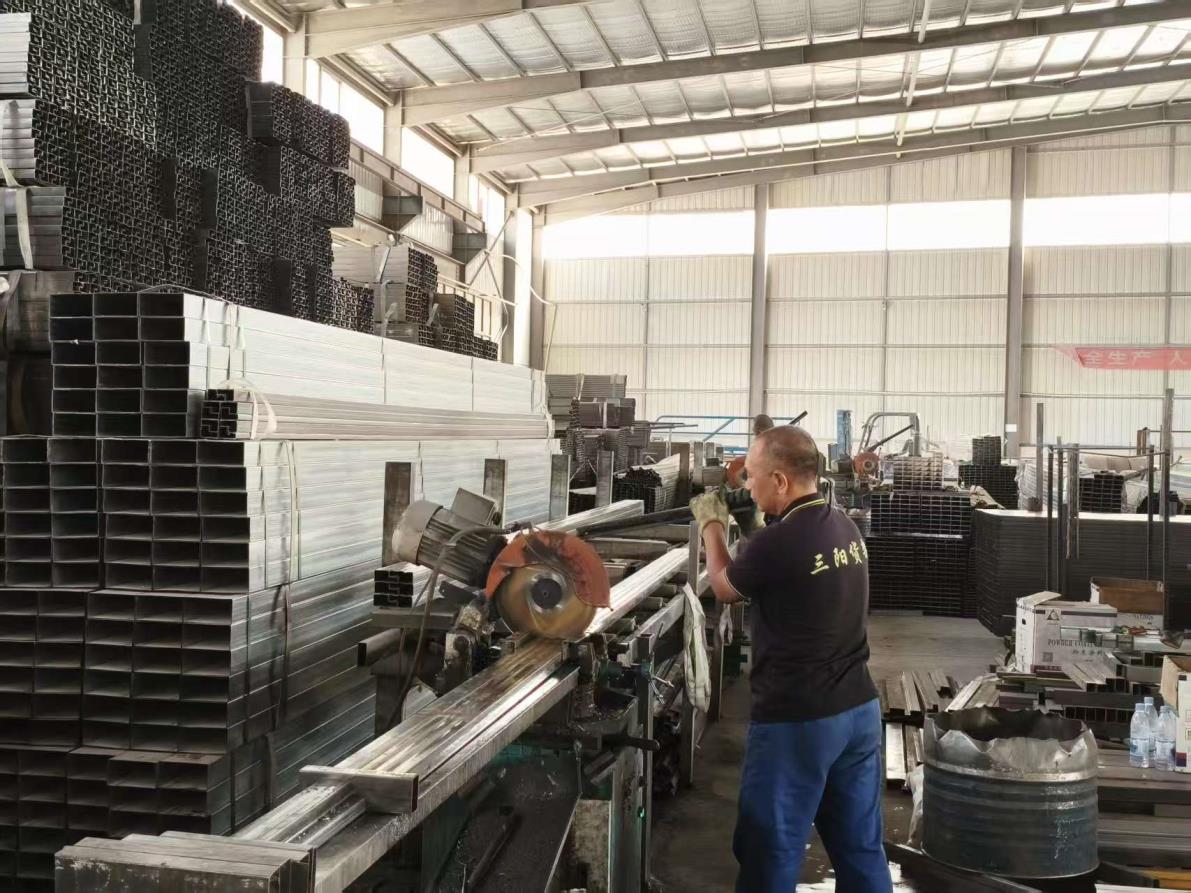
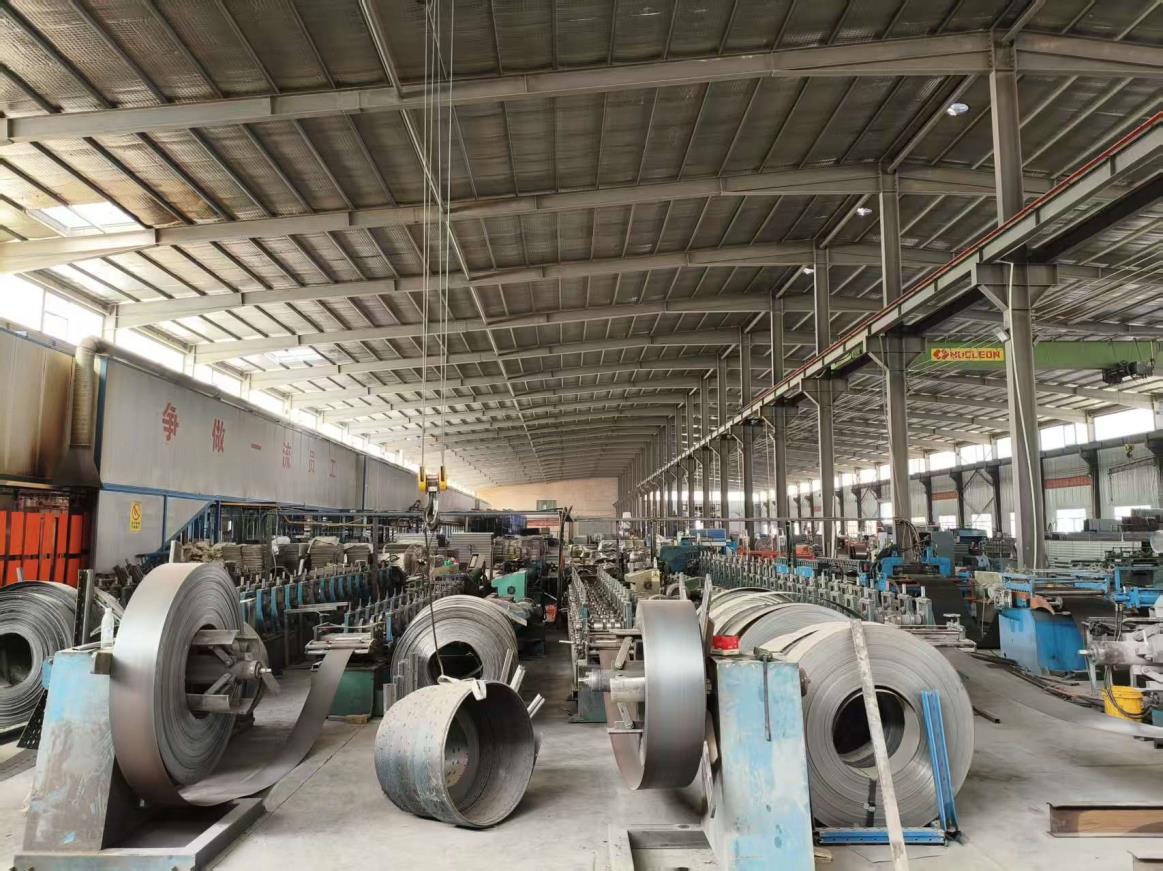
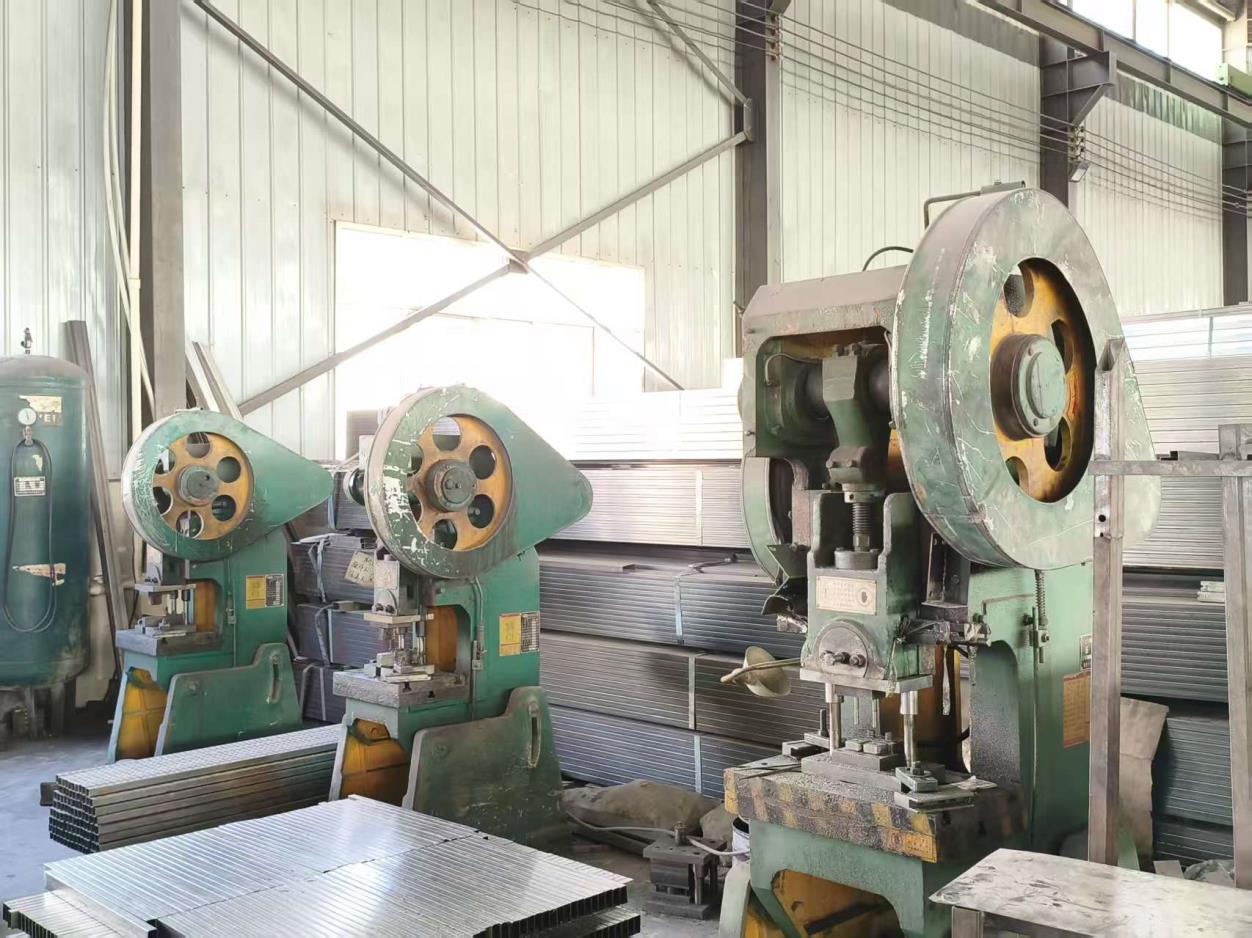
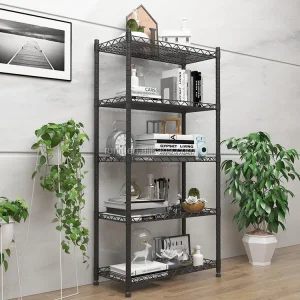
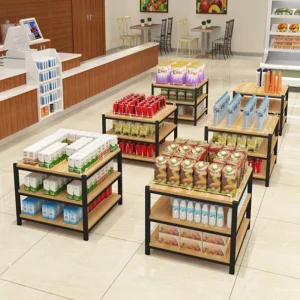
In modern high-velocity brick-and-mortar retail environments, display fixtures serve as both structural storage assets and visual marketing interfaces. Traditional merchandising design often prioritized either visual aesthetics or load capacity independently. Today’s international retail procurement processes, however, merge these constraints. System designs like Gondola Shelving systems and Mezzanine Attic Racks must be engineered using Finite Element Analysis (FEA) to ensure safety factors of up to 2.2 under dynamic loading conditions.
Our research indicates that high-capacity commercial spaces need modular retail shelving systems built to handle vertical deflection limits in accordance with FEM 10.2.02 standards. By utilizing high-grade Q235B cold-rolled steel, the systems maintain a structural yields limit of 235 MPa, resisting bending moments caused by uneven distribution of heavy consumer goods, such as liquids, canned items, and bulk hardware store goods.
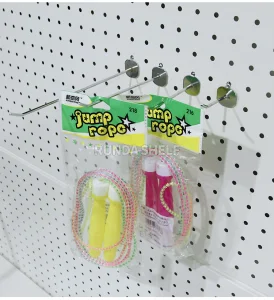
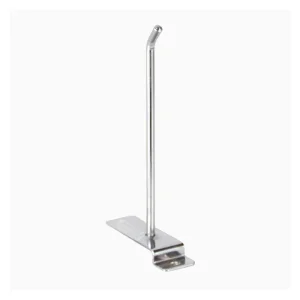
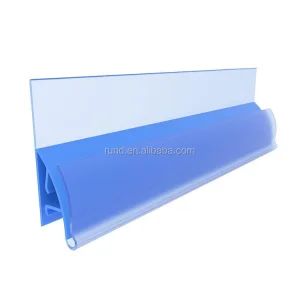
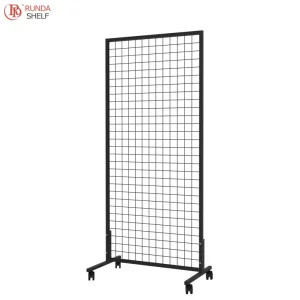
Aside from heavy structural upright frames, ancillary accessories—including pegbboard electroplate hooks, wire baskets, and extruded PVC price tag strips—are subject to high cyclic fatigue and environmental degradation. Let's analyze the engineering choices required for these components:
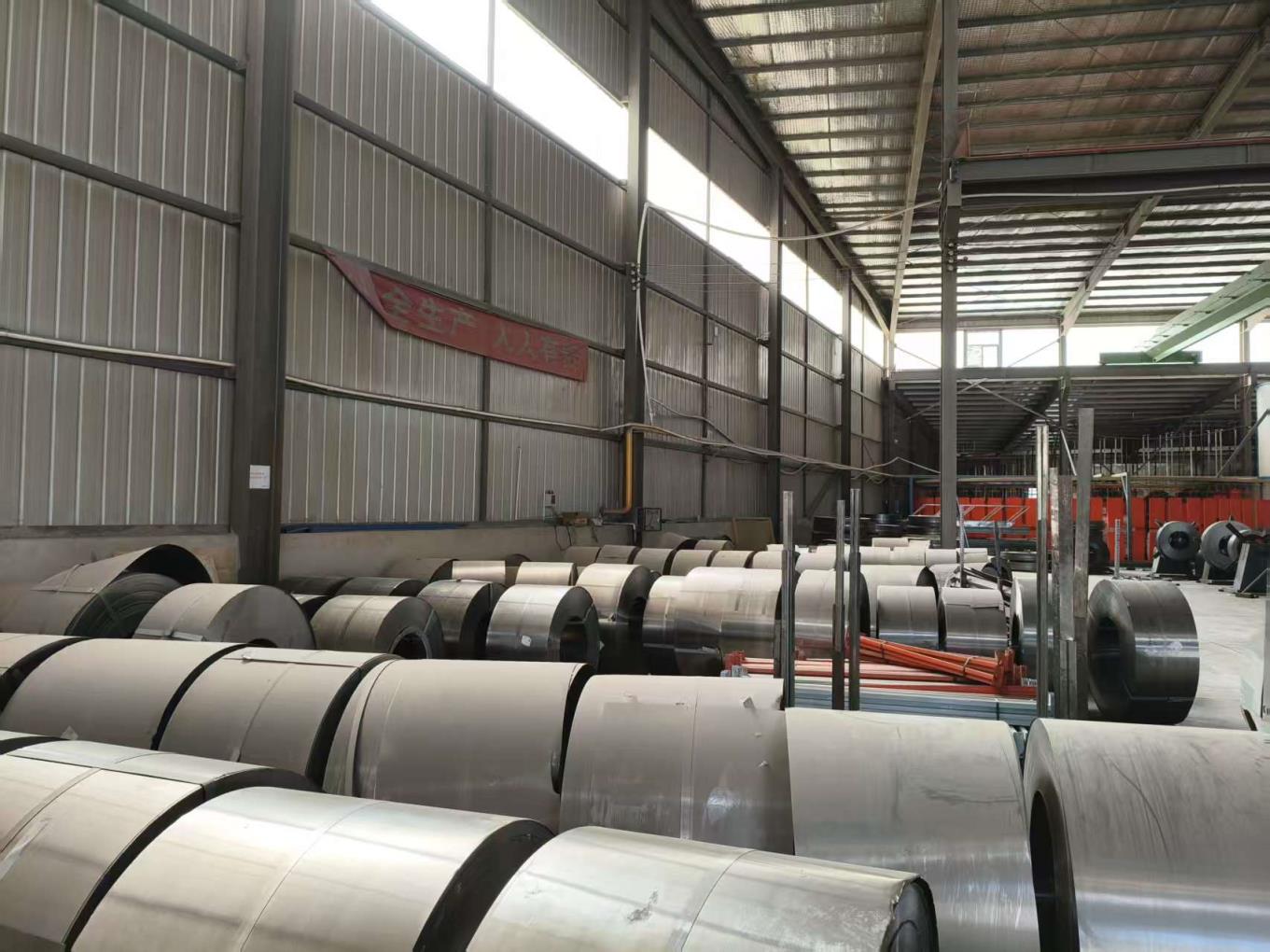
The manufacturing cluster of Nanjing and Foshan represents the global standard for metallurgical sourcing and high-speed cold-rolling processing. This geographic concentration gives DuraRacks direct access to raw steel coils from premium domestic mills (such as Baosteel and Ansteel). This minimizes transport times and allows us to verify raw chemical composition before production begins.
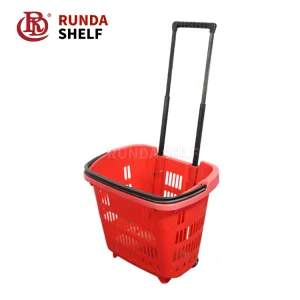
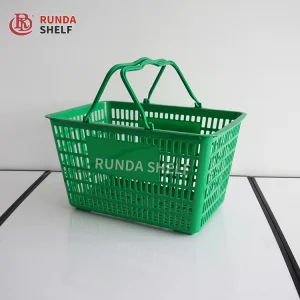
With an integrated network of 1,200 qualified supply chain partners, we source secondary components—like injection-molded plastic shopping baskets, caster wheels, and MDF checkout boards—under strict quality control protocols. This lets us offer unified container loading, which lowers logistics costs and makes us a single-point manufacturer and exporter for complex supermarket rollouts.
Global procurement teams must navigate local safety regulations when sourcing store display fixtures. DuraRacks designs systems to meet regional specifications:
Modern retail is transitioning toward smart, digital environments. Store fixtures are adapting to support technology integration:
Electronic Shelf Labels (ESL): Traditional price strips are being replaced by dynamic price display tracks. Our newest PVC extrusions are designed to hold and protect electronic tag modules, keeping them securely angled for visibility while shielding them from impacts.
Omnichannel Fulfillment Hubs: Supermarkets are dedicating back-room zones to micro-fulfillment. We design hybrid mezzanines and wire basket racks that allow store staff to pick online orders quickly. This supports efficient, dual-purpose layouts for both in-store shoppers and online fulfillment.
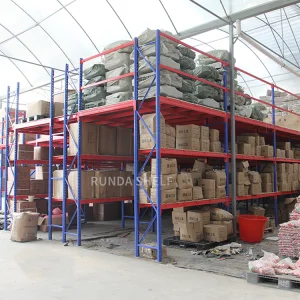
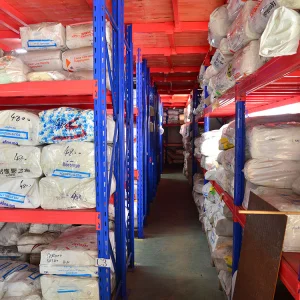
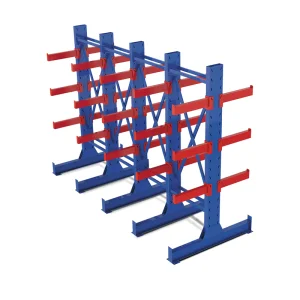
In warehouse club stores, retail display space and heavy industrial storage merge. The lower levels showcase consumer goods for direct shopping, while the upper tiers hold heavy, palletized inventory. DuraRacks designs custom integrated gondola-on-pallet rack systems to handle these environments. The lower uprights are designed with clean powder-coated finishes, while the upper beams are configured for high-capacity warehouse storage, complete with frame protectors and safety mesh decks.
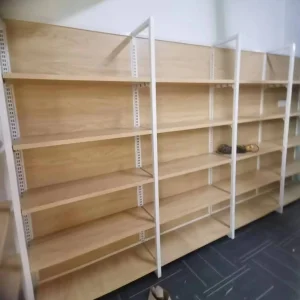
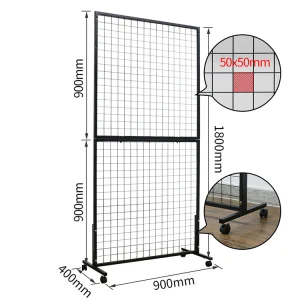
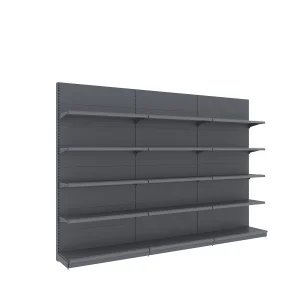
For smaller retail layouts, maximizing floor space is the priority. Our single-sided wall shelving units, black perforated back panel shelves, and custom PVC price tag strips help create clean, open aisles. By using perforated back panels, stores can quickly swap shelf configurations for pegboard hooks, allowing them to adjust displays based on changing seasonal inventory.
Low-temperature environments require rust-resistant storage materials. Our heavy-duty injection-molded HDPE plastic pallets, hot-dip galvanized wire baskets, and stainless-steel rack structures are built to withstand temperature shifts and frequent washing. This prevents corrosion and meets food hygiene standards.
 DuraRacks