DuraRacks
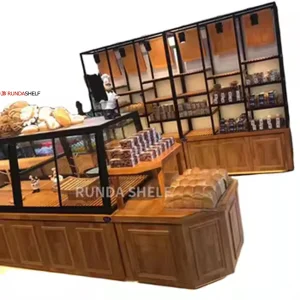
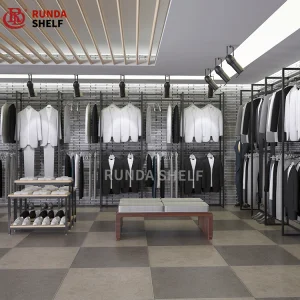
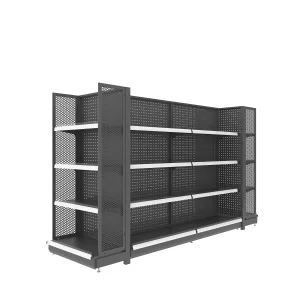
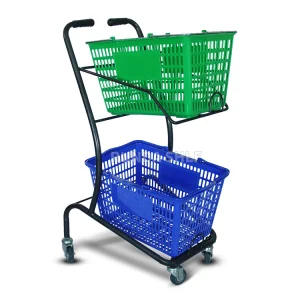
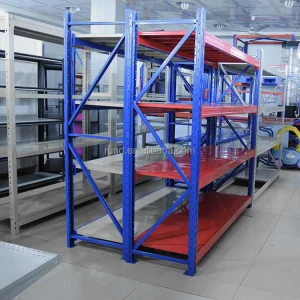

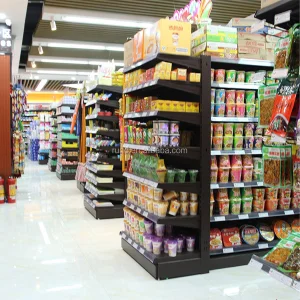
In the contemporary brick-and-mortar retail landscape, stores are no longer mere transaction zones; they are highly curated, sensory brand experiences. Within this paradigm, supermarket accessories wooden shelves have evolved from basic functional storage into core drivers of customer engagement. By combining the organic warmth and premium aesthetic of natural timber with the unyielding strength of cold-rolled steel, hybrid merchandising fixtures represent the absolute pinnacle of modern store design.
According to extensive retail psychometrics, the introduction of natural wood finishes inside commercial supermarkets triggers a positive emotional response, mimicking outdoor, organic environments. This natural ambiance dramatically increases dwell time in high-margin categories such as organic produce, artisanal bakeries, fine wines, and premium cosmetics. At the same time, the integration of structural heavy-duty steel ensures these fixtures survive the brutal daily wear-and-tear of high-traffic commercial operations, providing global brands with an optimal total cost of ownership (TCO).
1. Global Commercial and Industrial Status of Wooden Shelves
The global retail display fixture market is witnessing a profound transition. As environmental regulations tighten and consumer preferences pivot toward sustainability, mass retailers are rapidly moving away from sterile, purely synthetic polymers and chrome-plated plastics. Wood, particularly when sourced from certified FSC (Forest Stewardship Council) forests, offers a carbon-neutral alternative that resonates directly with the eco-conscious consumer base of modern markets like Western Europe and North America.
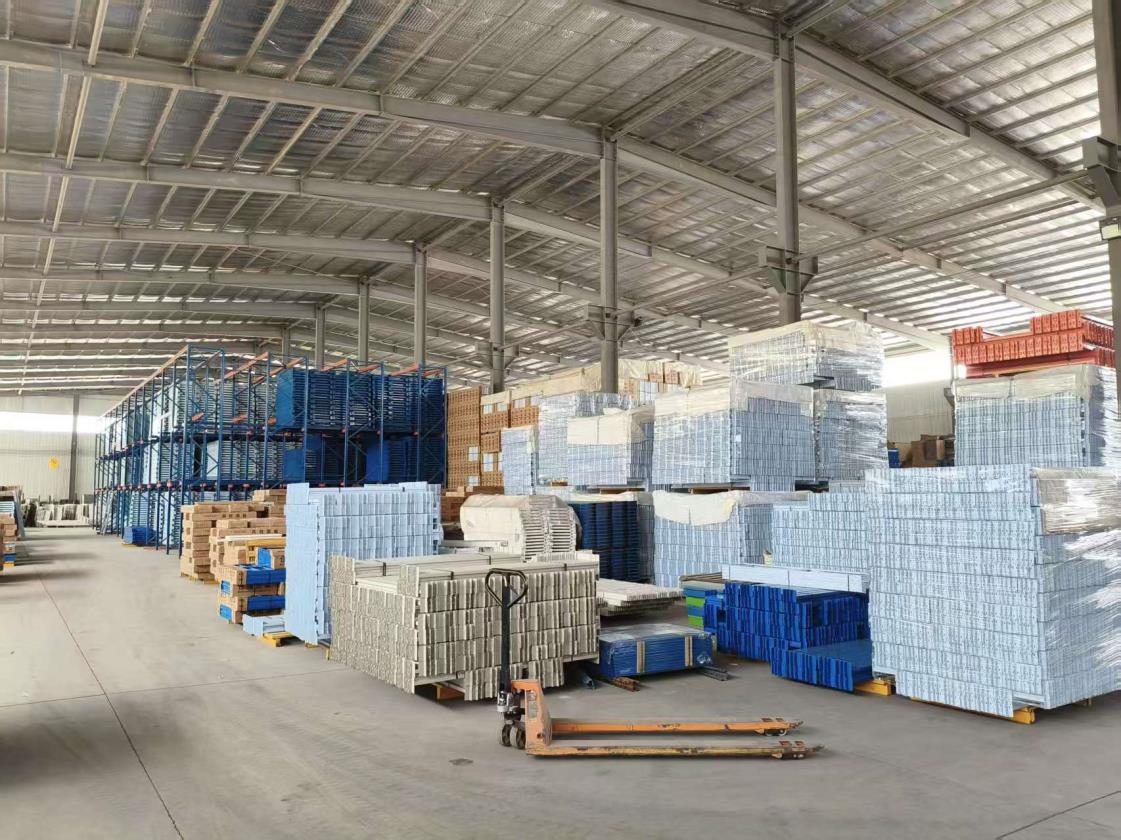
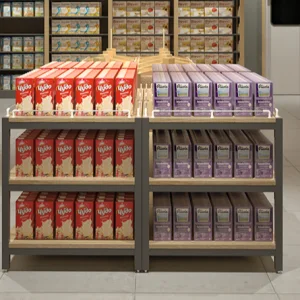
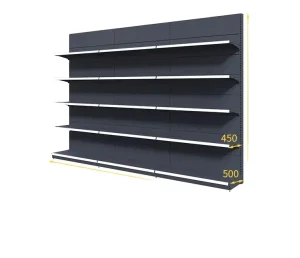
Industrially, wooden shelving systems are now modular. Advanced modular platforms combine high-capacity steel uprights with slot-in timber shelves, enabling merchandising managers to dynamically alter shelf configurations as seasonal layouts dictate. This flexibility has prompted supermarkets, luxury outlets, and organic specialty chains worldwide to re-engineer their retail environments. The market demand for reliable, high-volume production of these composite systems has placed premium manufacturers at the center of the global retail supply chain.
2. Chinese Factory Efficiency & Engineering Advantages
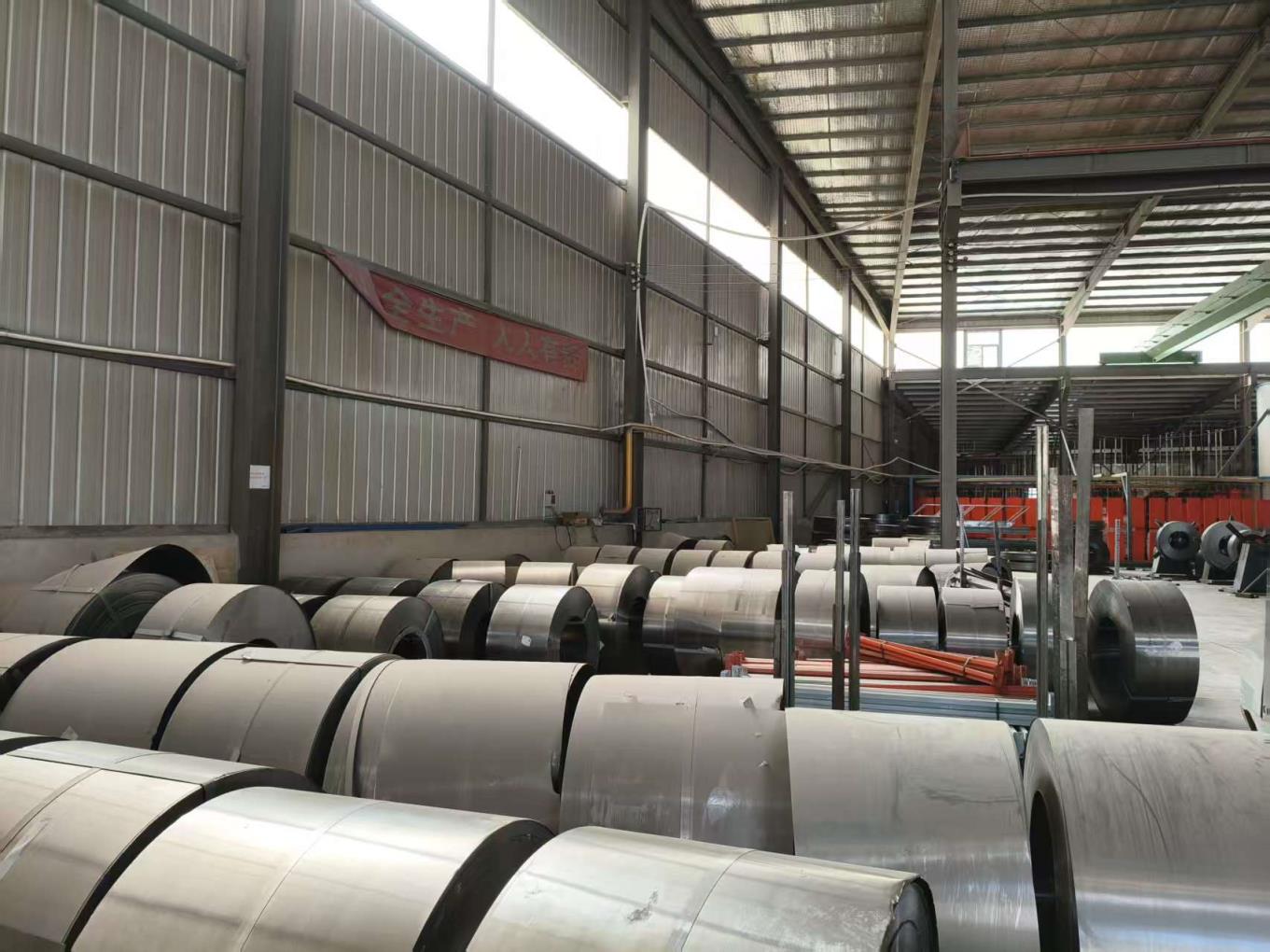
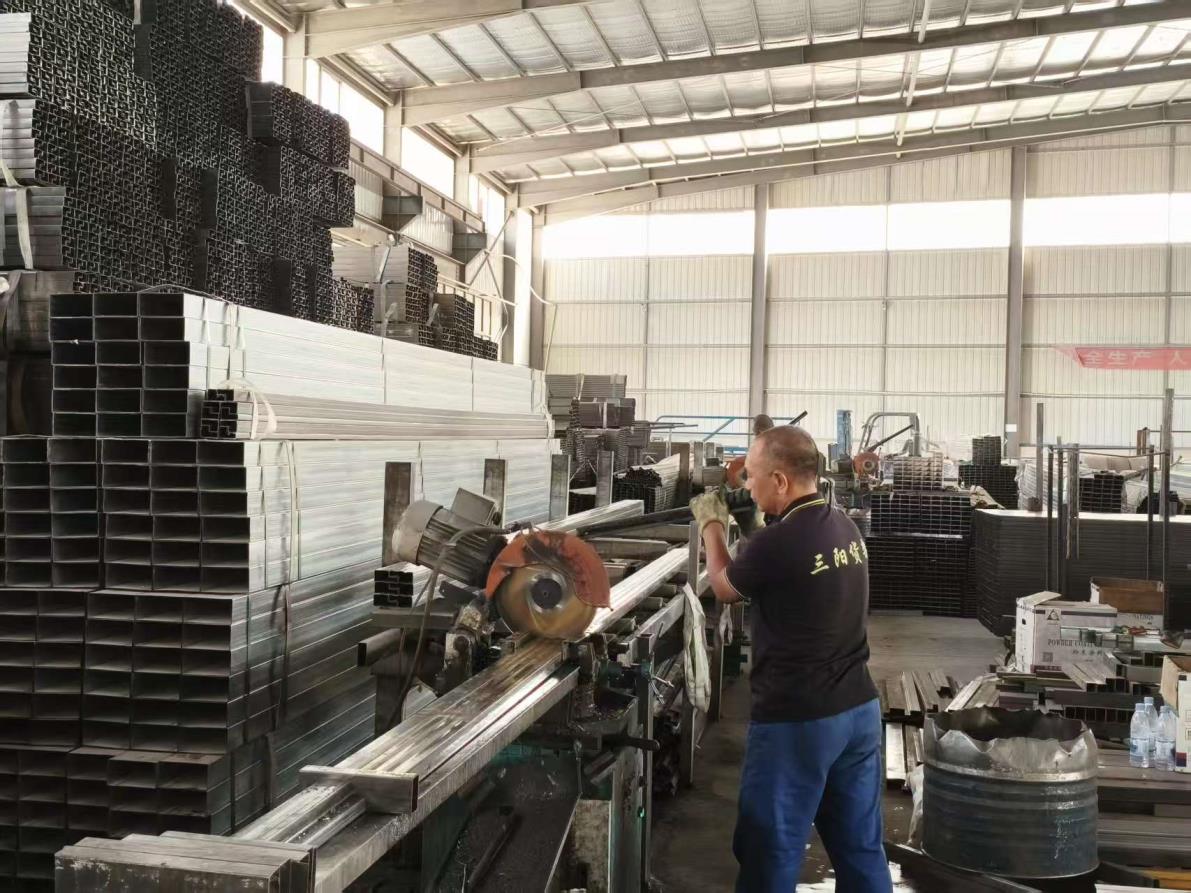
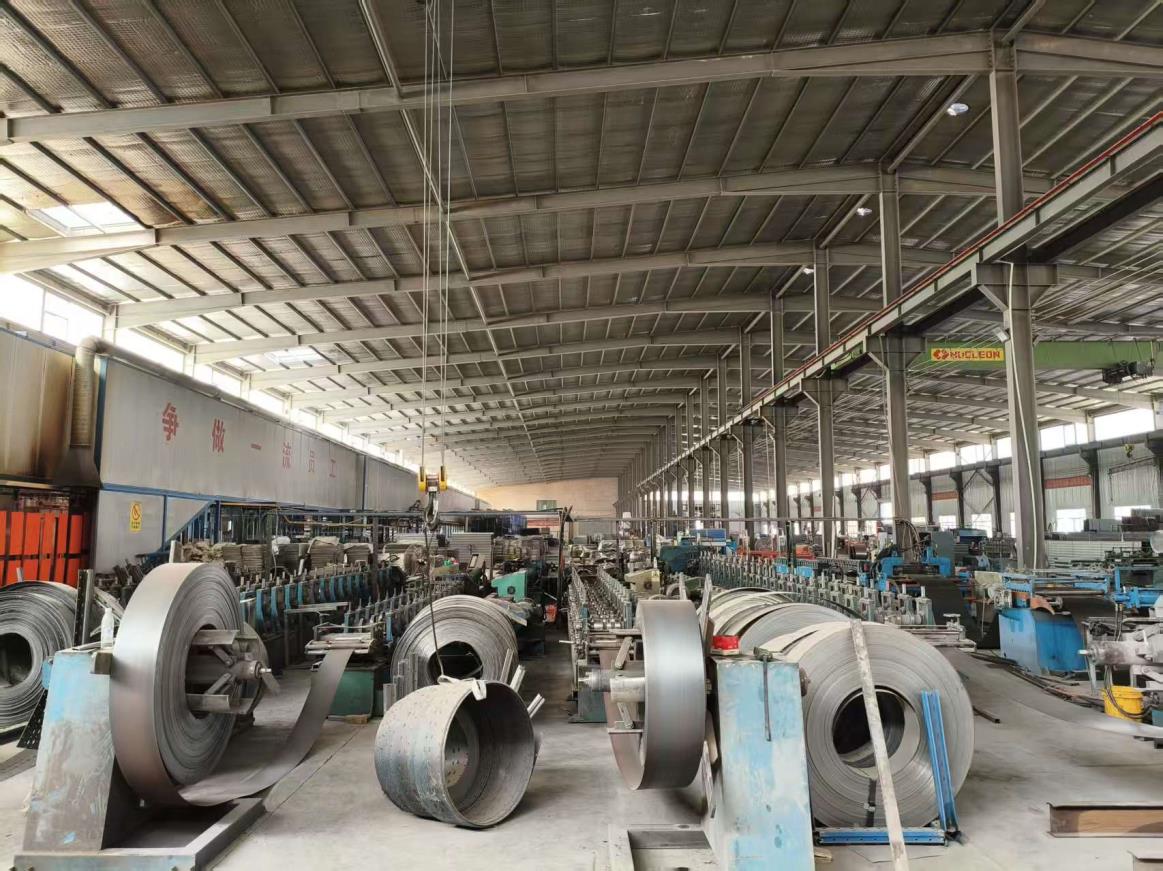
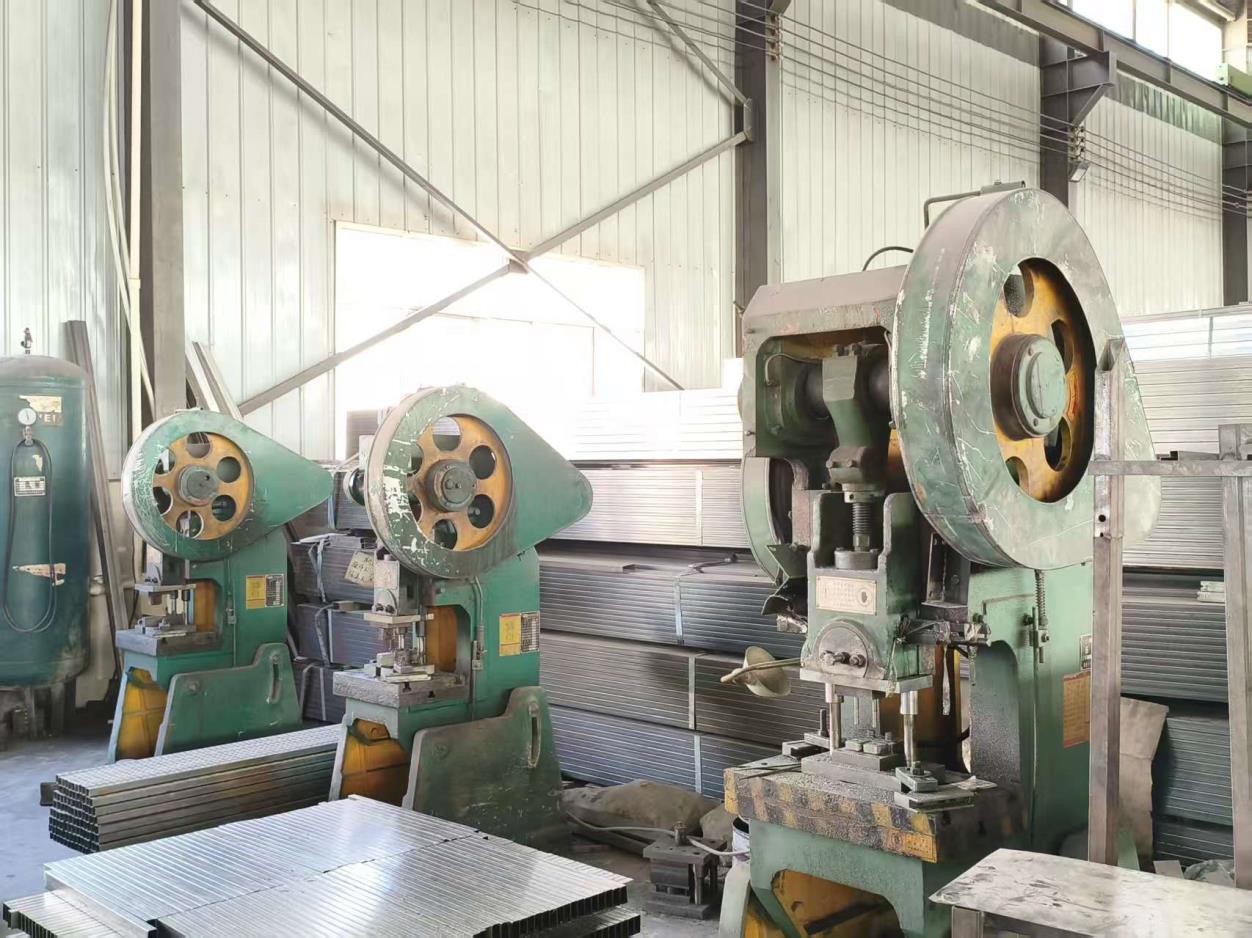
China continues to serve as the engine of high-capacity fixture manufacturing, offering unparalleled advantages in raw material access, precision engineering, and logistics efficiency. While local regional workshops can handcraft custom pieces, they lack the capacity to supply national supermarket chains requiring hundreds of uniform, structural store displays on tight construction schedules.
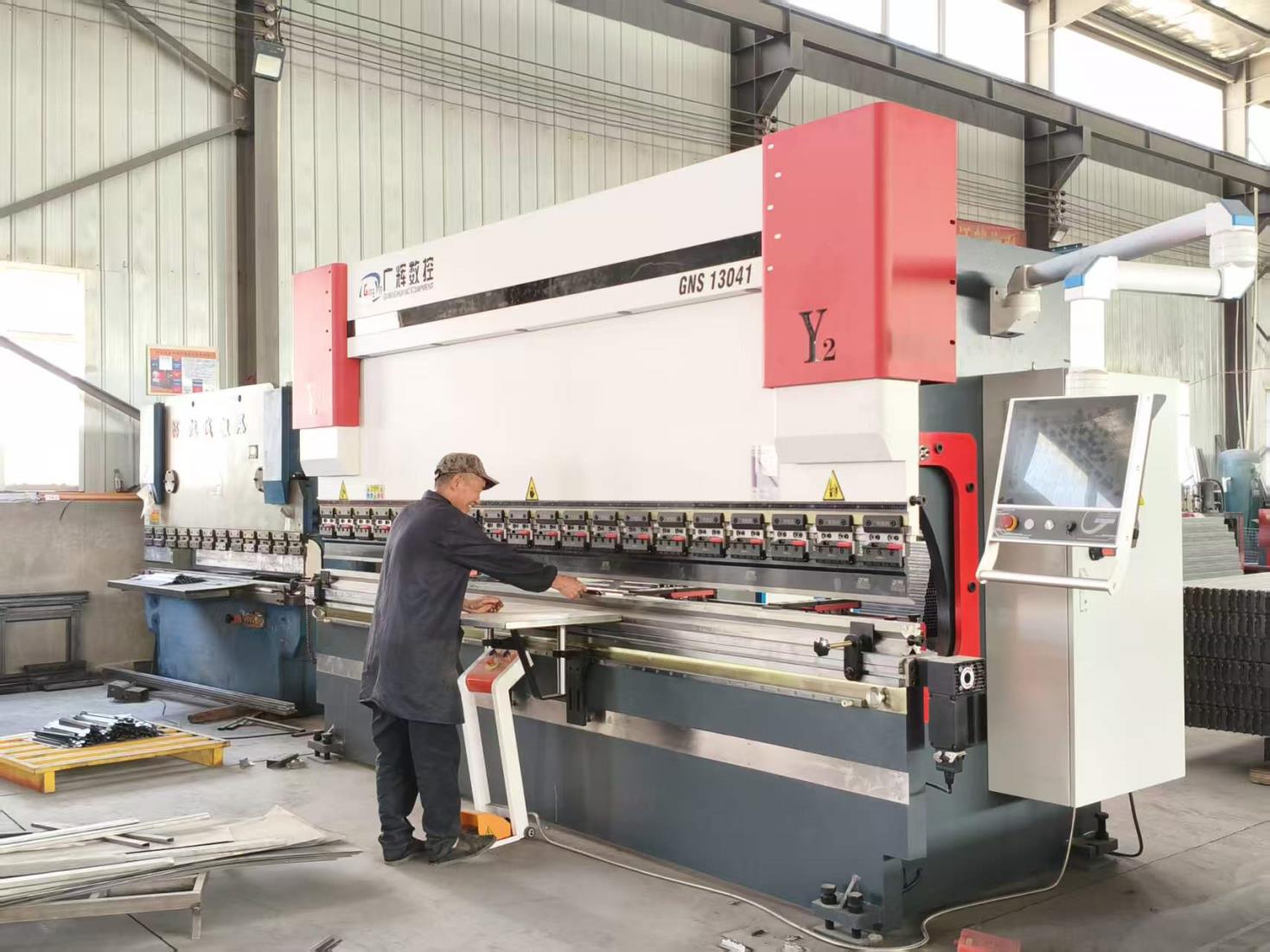
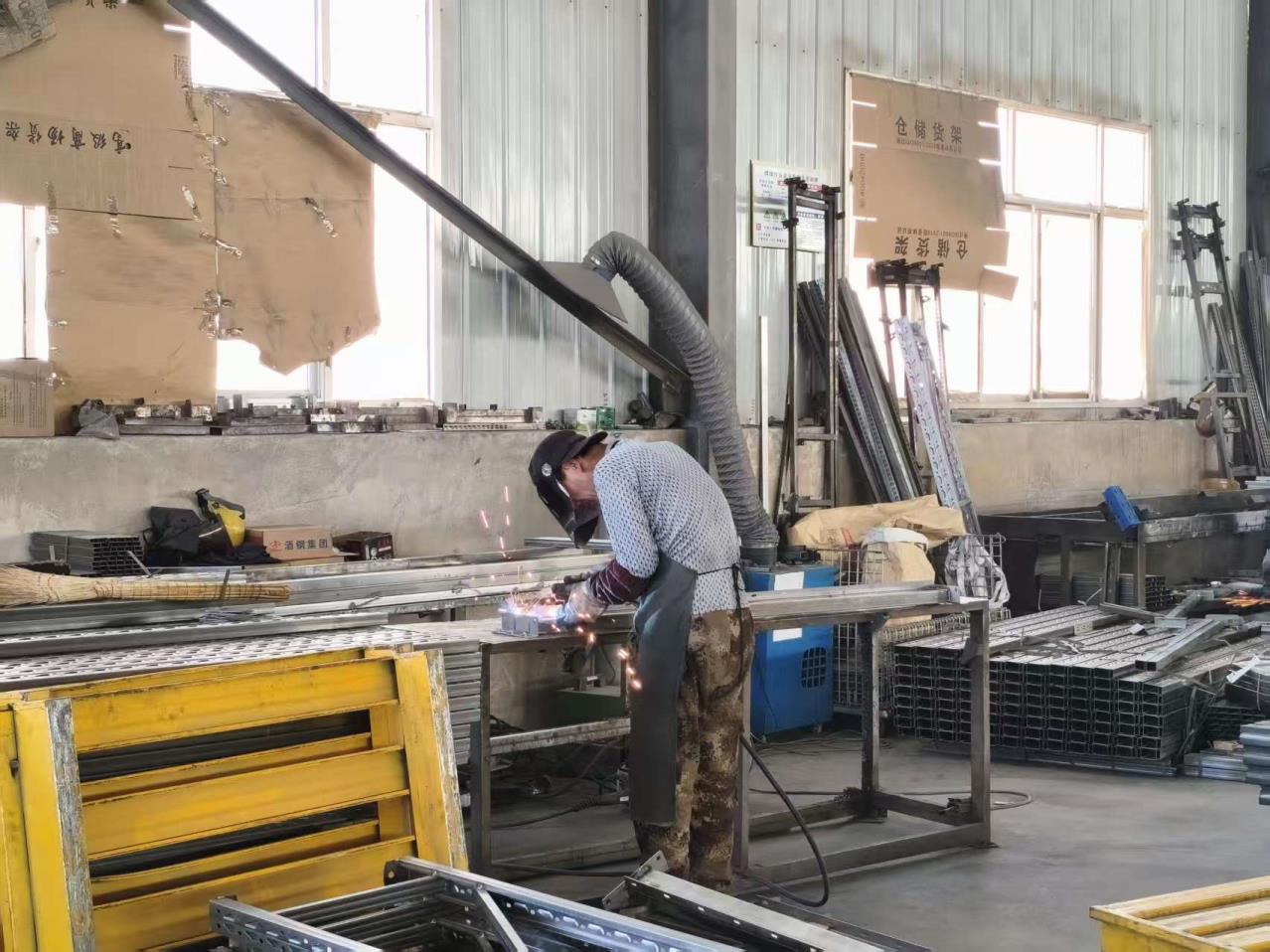
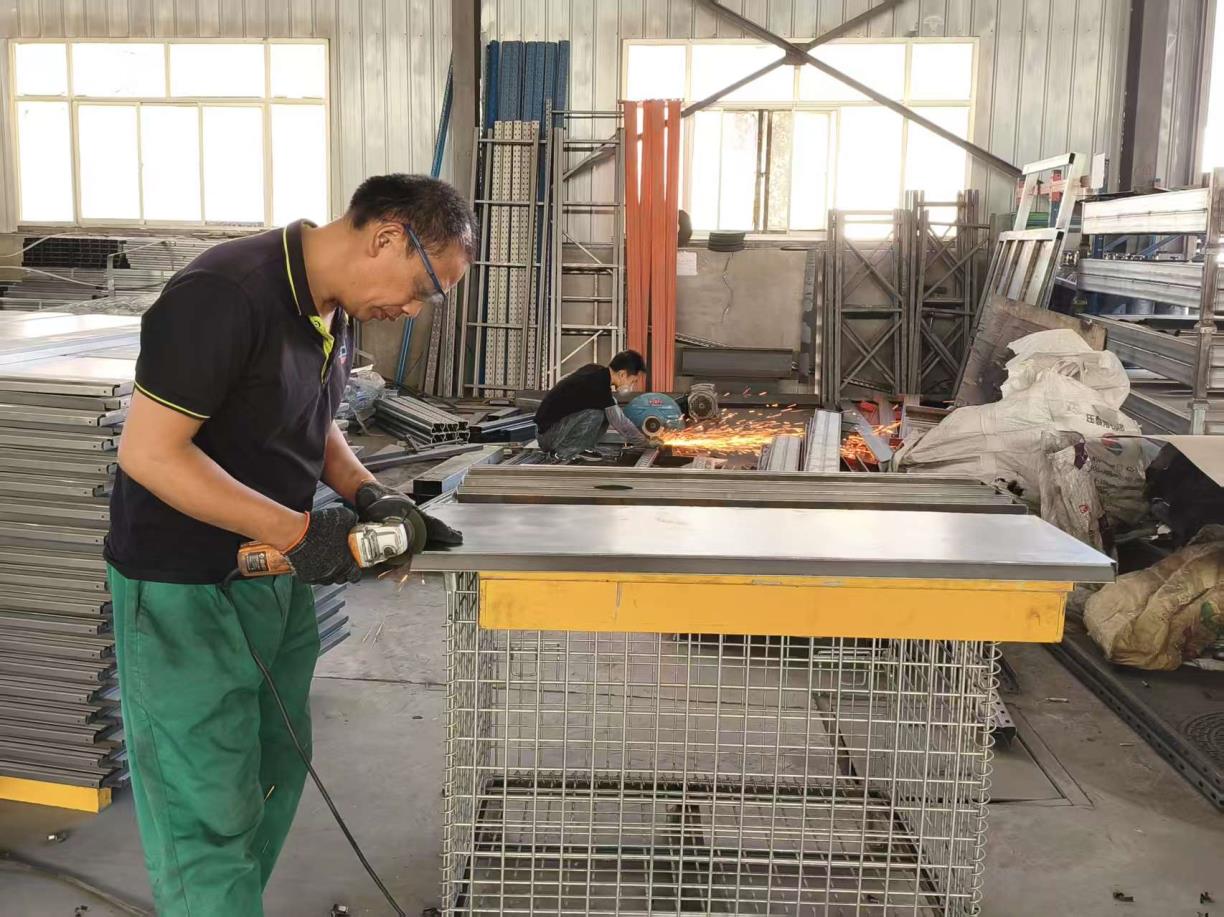
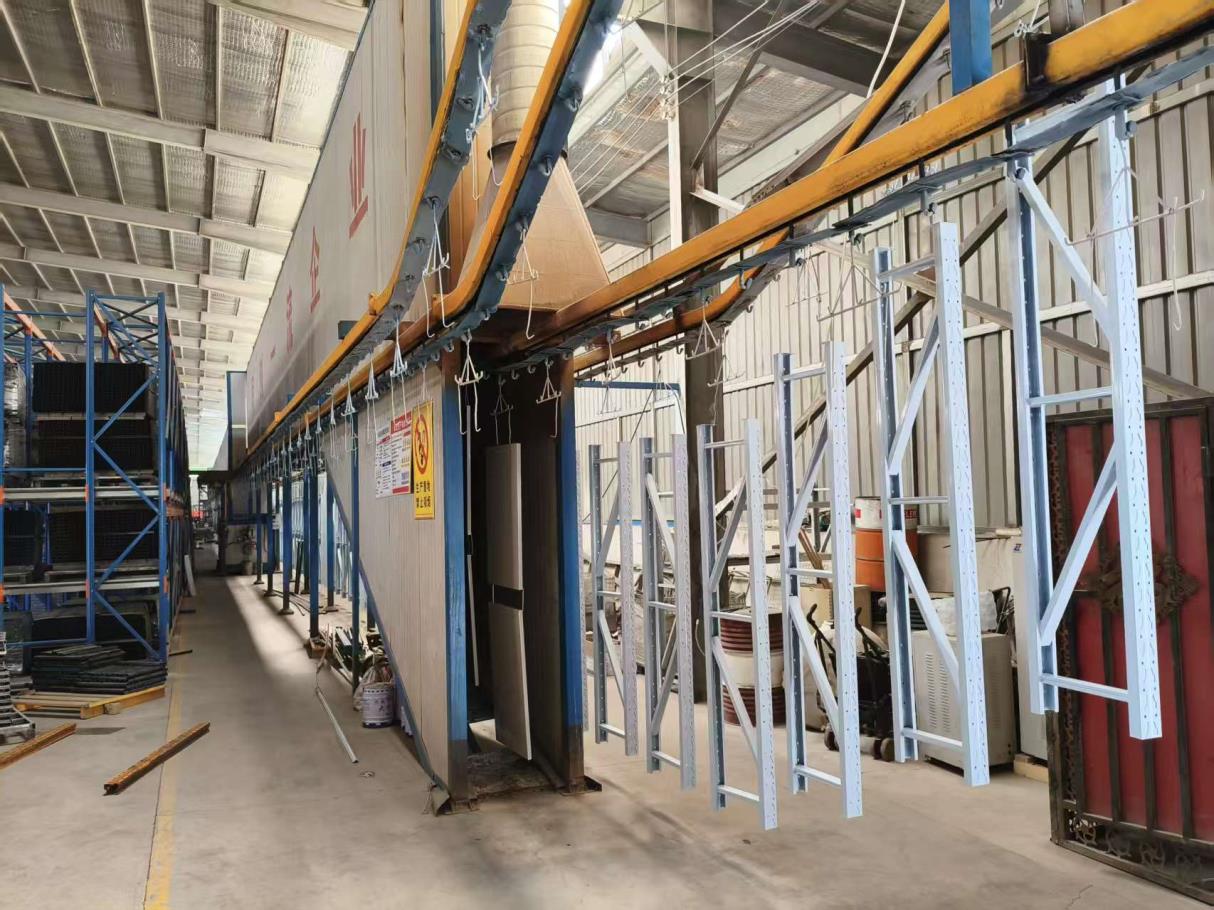
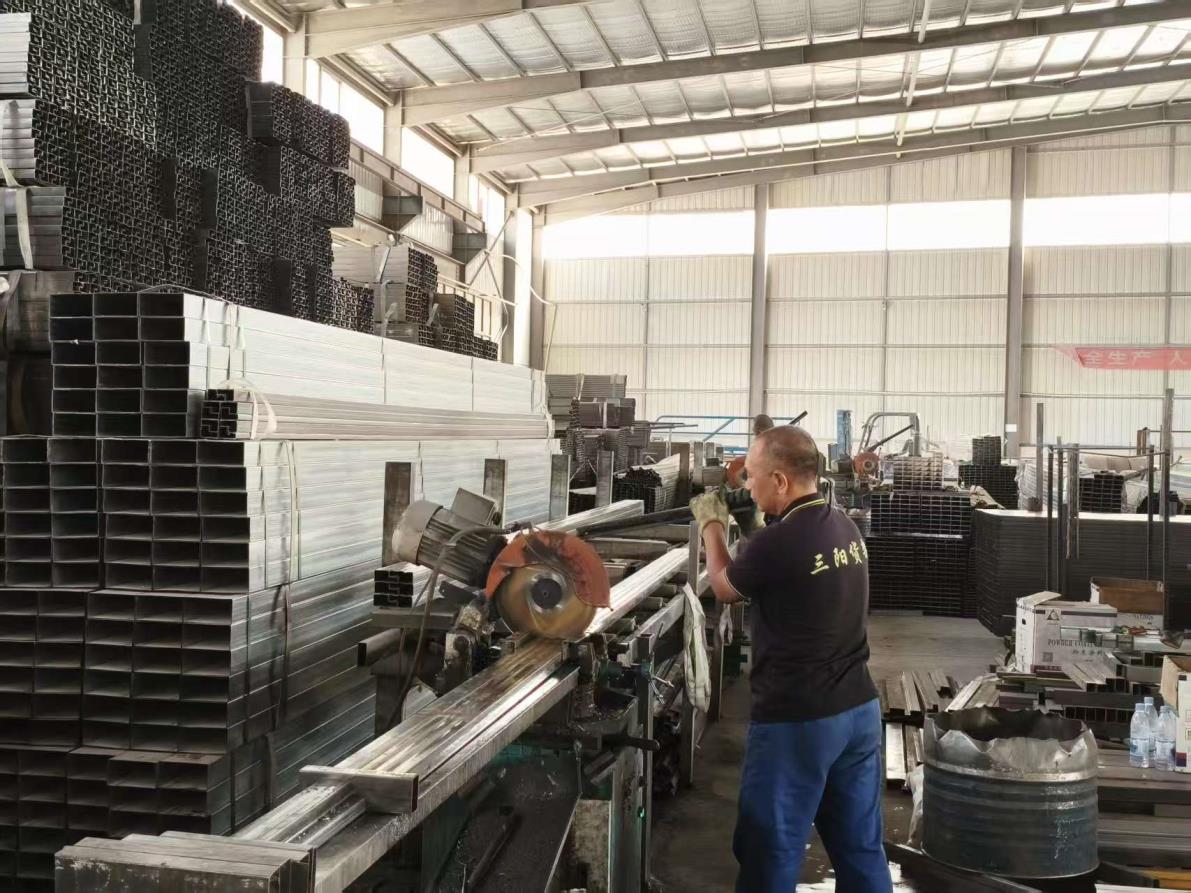
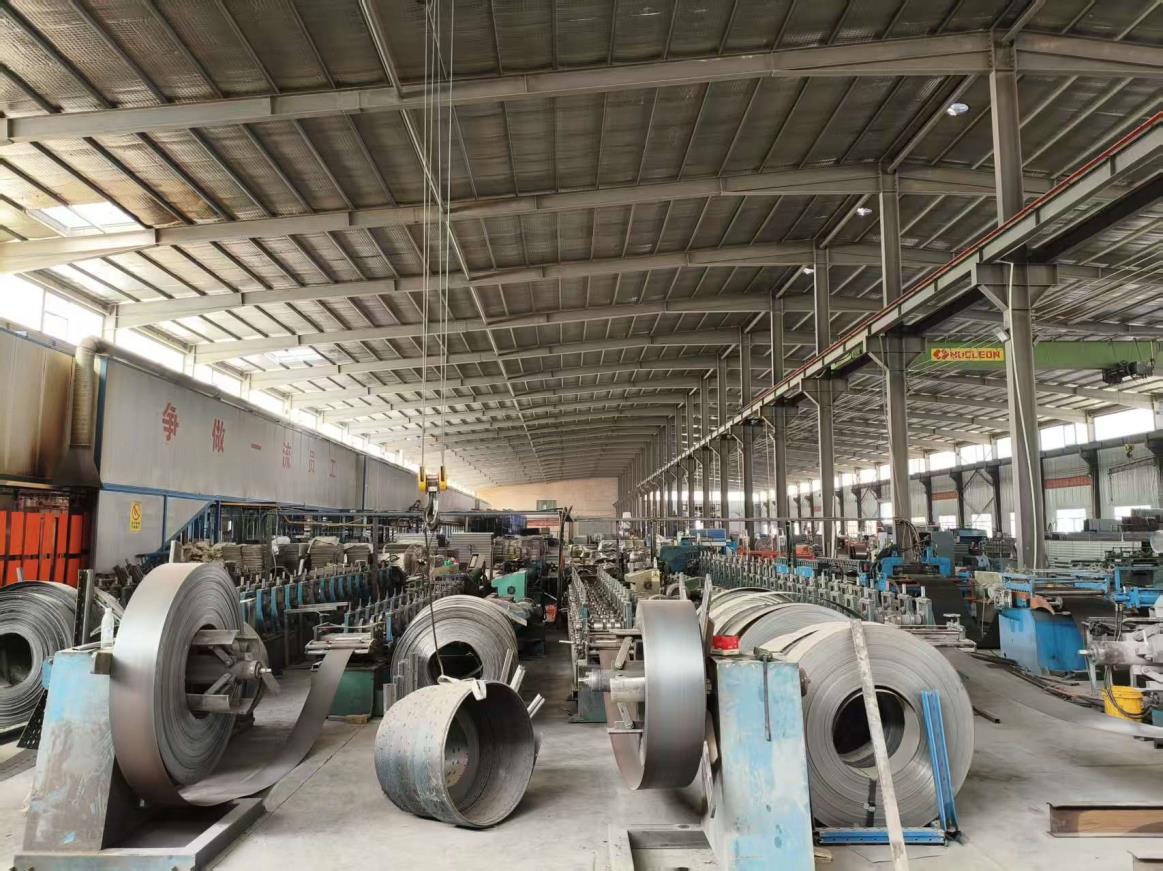
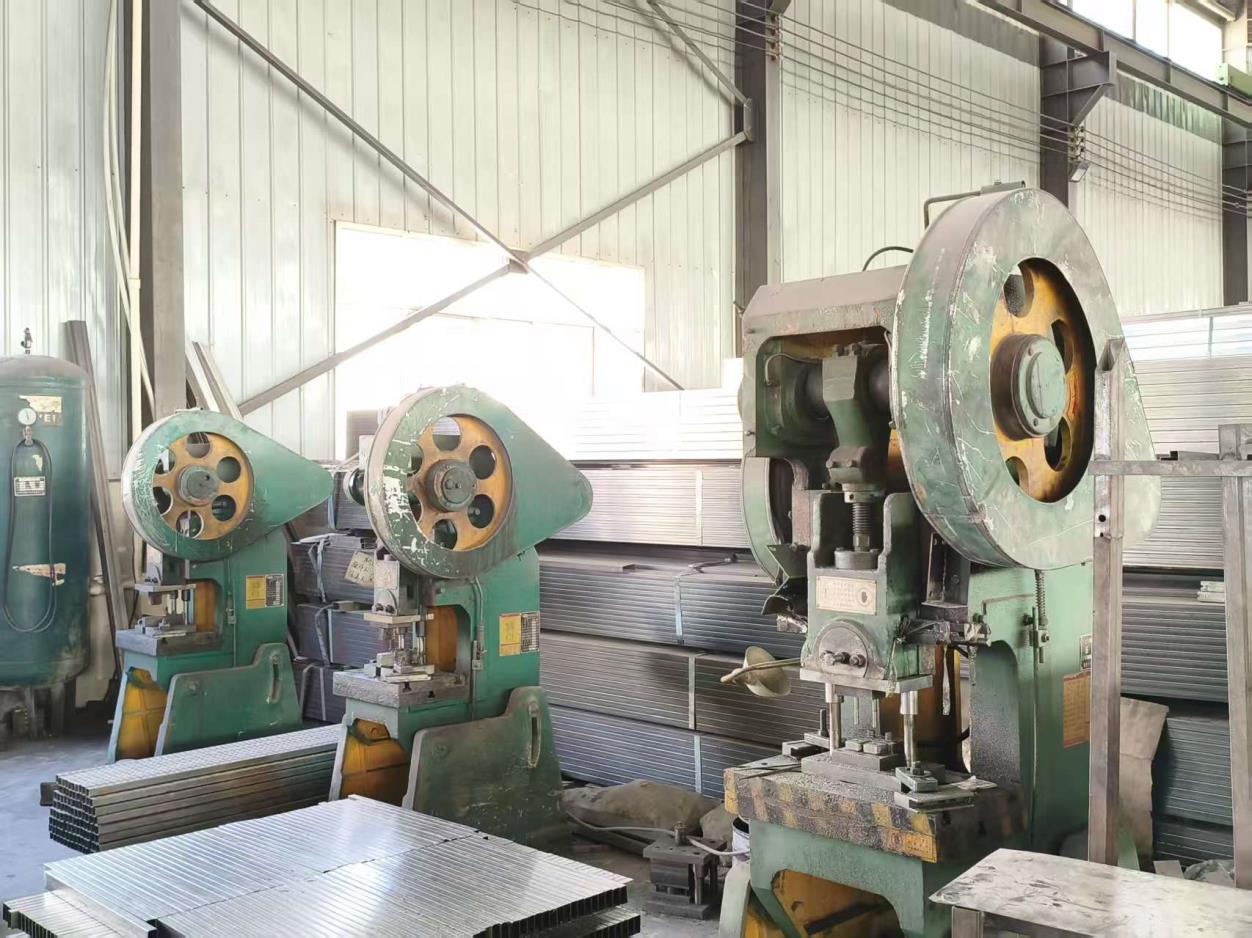
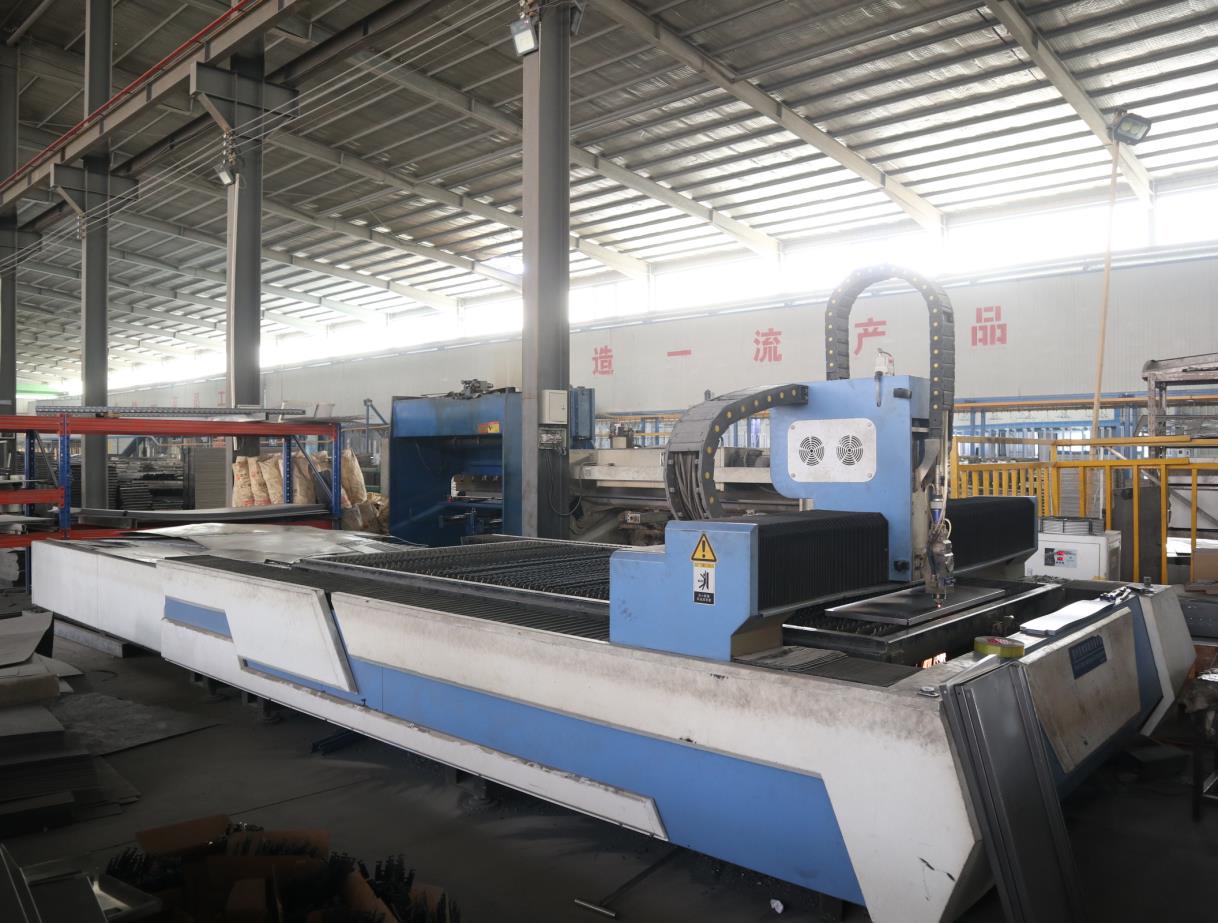
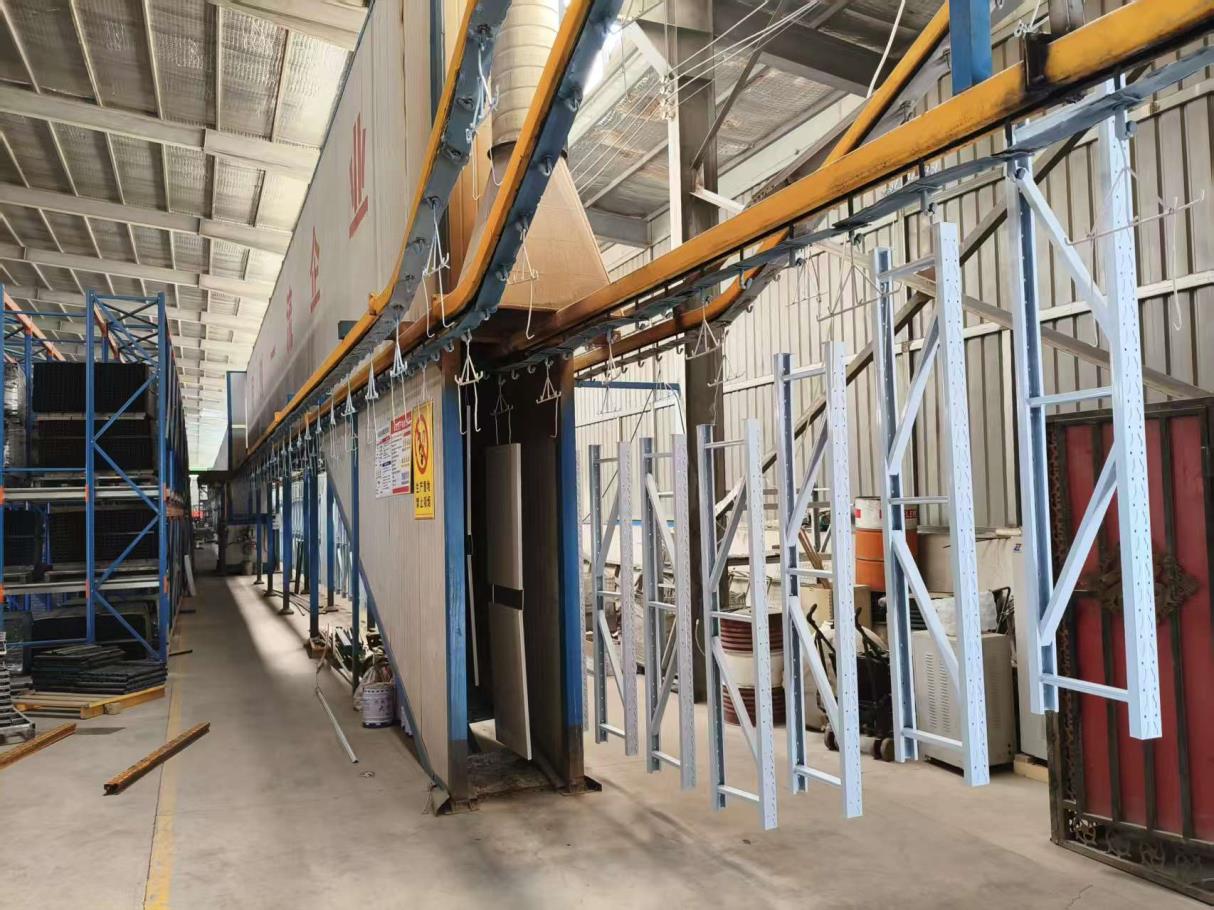
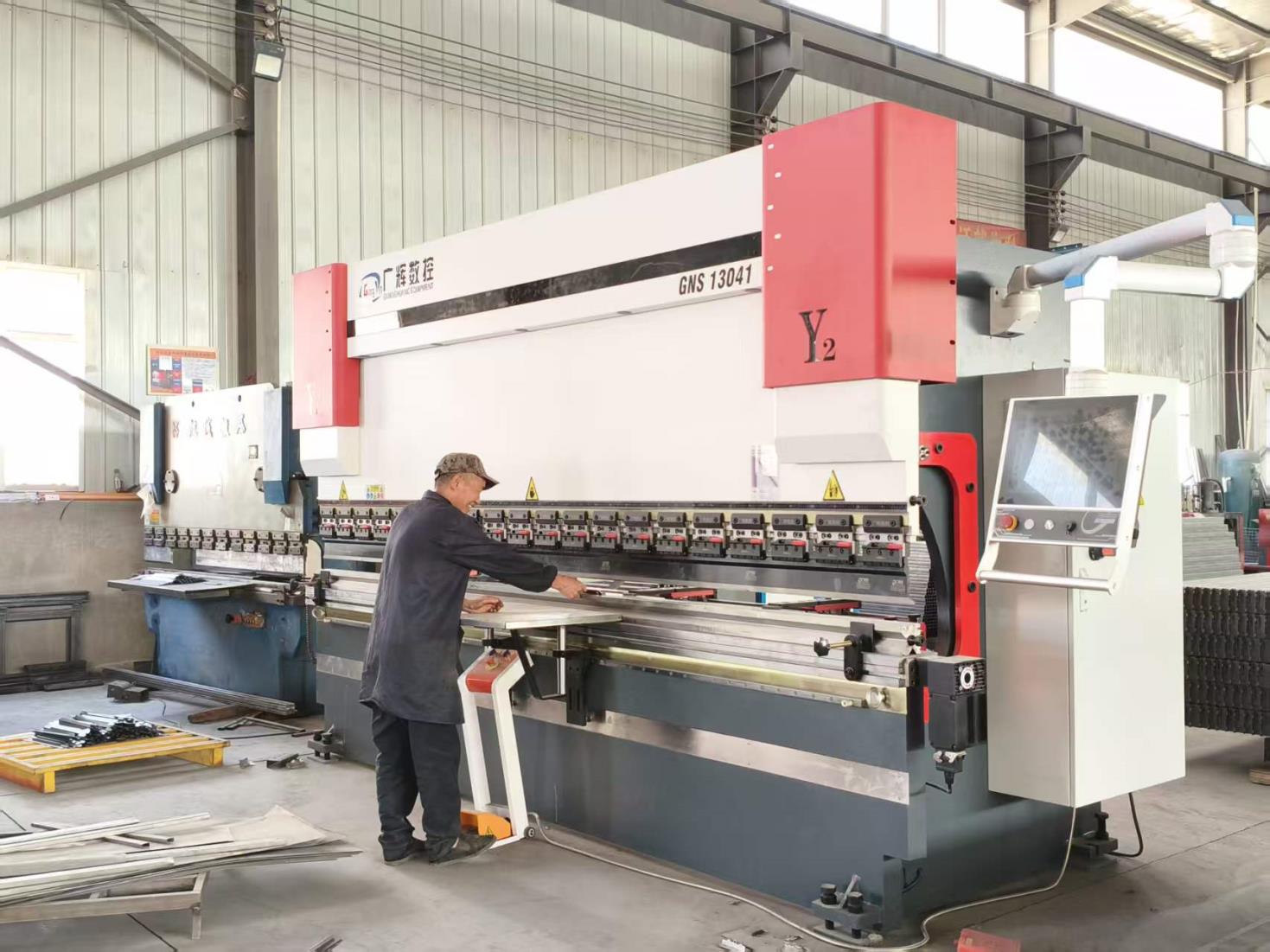
Chinese factories, particularly those situated in industrial hubs like Jiangsu and Guangdong, leverage highly integrated supply chains. By combining raw timber processing centers directly with state-of-the-art metal extrusion, laser cutting, and automated powder-coating lines, these facilities drastically reduce turnaround times. The efficiency of automated production lines enables Chinese manufacturers to execute complex custom designs at a fraction of the cost, making large-scale exports highly competitive even when accounting for cross-continental sea freight.