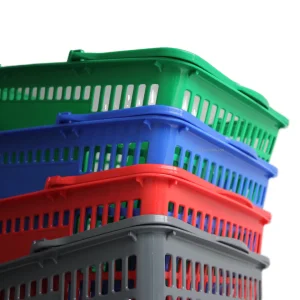
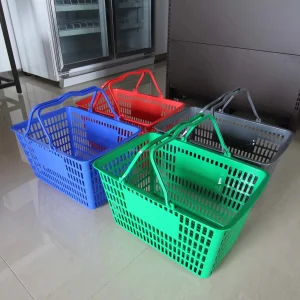
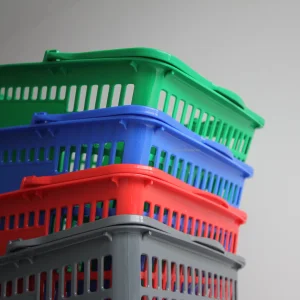
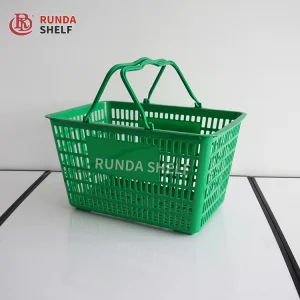
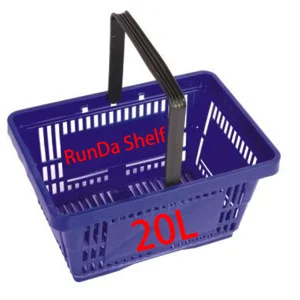
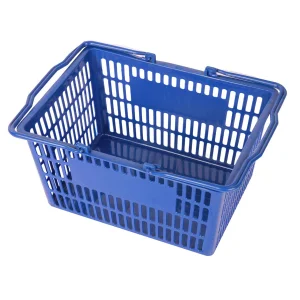
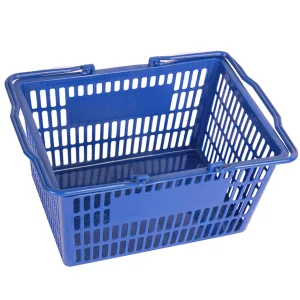
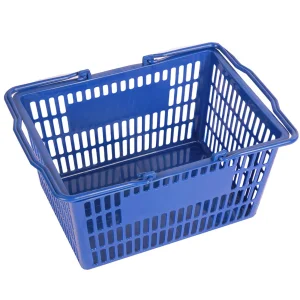
Engineered for dynamic weight distribution, structural stability, and seamless consumer handling across diverse retail layouts.
The operational backbone, engineering excellence, and international trade infrastructure of DuraRacks.
B2B Enterprise Integration: The operational metrics below illustrate our manufacturing capacity, quality control framework, and R&D innovations that ensure reliable B2B global procurement.
Established in 2014, Nanjing Dulis Warehouse Equipment Co., Ltd. (operating globally under the brand DuraRacks) is a premier industrial rack manufacturer headquartered in Nanjing, China. Boasting over 12 years of industry experience and 9 years of direct export experience, our facility spans a modern industrial building area of 38,000 square meters. We specialize in high-capacity pallet racking, drive-in systems, and automated storage solutions, generating an annual export revenue of $32 million USD.
Quality and structural integrity form the bedrock of our manufacturing philosophy. Our dedicated team of 45 certified QA personnel implements rigorous quality control processes aligned with ISO9001, CE, and FEM standards. Every batch undergoes comprehensive product inspection methods, including ultrasonic weld flaw detection, mechanical tensile testing, static and dynamic load capacity testing, and salt spray corrosion resistance evaluation.
Driven by an experienced team of 68 R&D engineers, DuraRacks delivers advanced structural Finite Element Analysis (FEA) and customized CAD/BIM layout simulations. Supported by a network of over 1,200 qualified partners, we operate as an integrated direct-export manufacturer serving 3PL hubs, fulfillment centers, and heavy industrial plants in North America, Western Europe, and Australia. Last year, our team launched 85 new product innovations.
In the rapidly changing retail environment, physical stores are shifting from pure transactional hubs to spaces focused on customer experience and logistical efficiency. Within this framework, supermarket carrying accessories—ranging from standard handheld polymer baskets to larger wheeled units—are key components of retail optimization. B2B procurement professionals, supply chain managers, and hypermarket designers recognize that shopping basket selection directly impacts average transaction value (ATV), dwell time, and overall store throughput.
Historically viewed as simple accessories, modern shopping baskets are engineered tools. From a retail psychology perspective, basket capacity is directly linked to purchase volume. Providing customers with ergonomic, high-capacity carrying options (such as 30L to 50L rolling baskets) reduces physical fatigue and encourages longer shopping trips. As a result, global retail brands prioritize sourcing from factories that combine materials science, structural integrity, and ergonomic design.
High-quality shopping baskets must withstand daily physical stress, impact, and chemical cleaning. The primary material used in modern basket manufacturing is high-impact copolymer polypropylene (PP). Unlike standard homopolymer plastics, copolymer PP features integrated ethylene monomers, which significantly improve impact resistance and flexibility. This prevents structural cracking or shattering when baskets are dropped or stored in sub-zero environments, such as freezer aisles or outdoor collection areas.
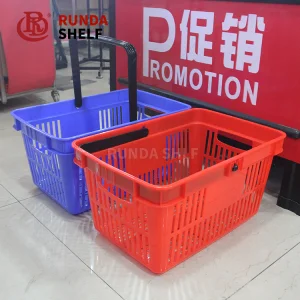
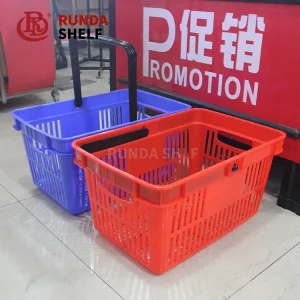
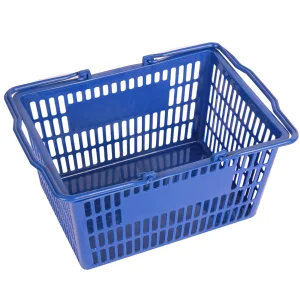
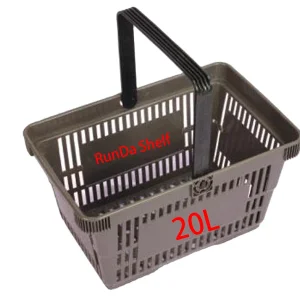
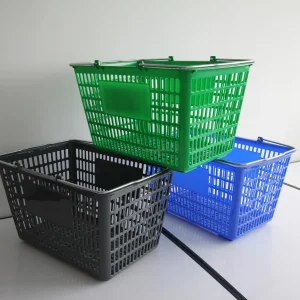
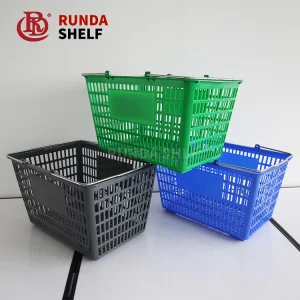
For heavy-duty operations, metallic reinforcement is integrated into the design. Products like the RD 01 Supermarket Shopping Hand Basket utilize a hybrid structure: a high-density PP body paired with zinc-plated or chrome-finished steel handles. This configuration combines the lightweight, non-abrasive qualities of polymer with the tensile strength of metal. In premium cosmetic boutiques and high-end department stores, metal wire mesh baskets finished in rose gold or chrome offer a sleek, modern aesthetic while maintaining long-term durability.
| Basket Configuration | Volume Capacity | Material Formulation | Load Capacity Limit | Primary Application Scenario |
|---|---|---|---|---|
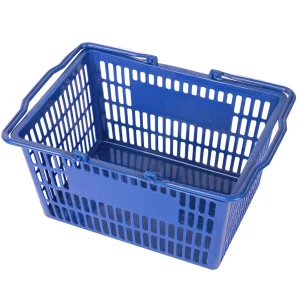
| Standard Hand Basket | 20L - 25L | Virgin High-Impact Copolymer PP | Up to 25 kg | Convenience Stores, Pharmacies, Express Lanes |
| Heavy-Duty Hand Basket | 30L - 32L | PP Body with Reinforced Zinc-Plated Steel Handles | Up to 40 kg | Standard Supermarkets, Hardware Retailers |
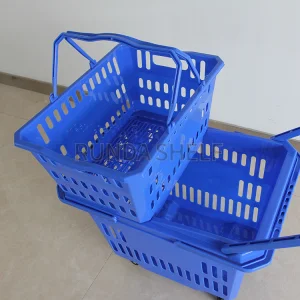
| 2-Layer Rolling System | 40L - 50L Total | Steel Wire Tube Frame + Double PP Insert Baskets | Up to 60 kg (Combined) | High-Density Urban Grocery Stores, Drugstores |
| Mono-Body Wheeled Basket | 50L - 60L | Copolymer PP with Polyurethane (PU) Caster Wheels | Up to 50 kg | Hypermarkets, Cash & Carry, DIY Stores |
As an industrial rack manufacturer with a 38,000-square-meter facility, DuraRacks applies heavy-duty engineering principles to the production of retail accessories. Our R&D team of 68 engineers utilizes Finite Element Analysis (FEA) to simulate stress distribution under load for our shopping baskets and display stands.
Our metal wire and plastic products undergo rigorous testing, including:
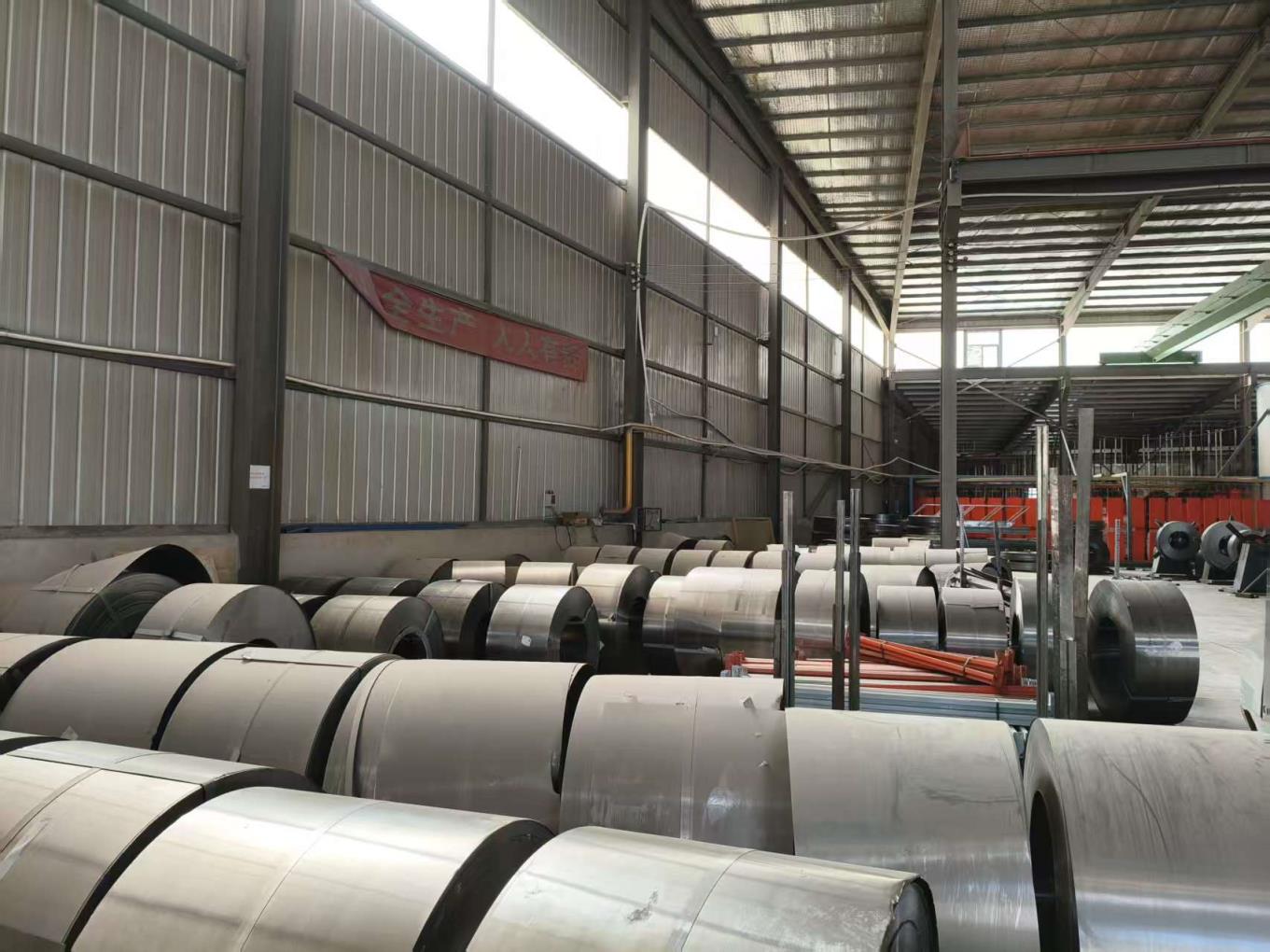
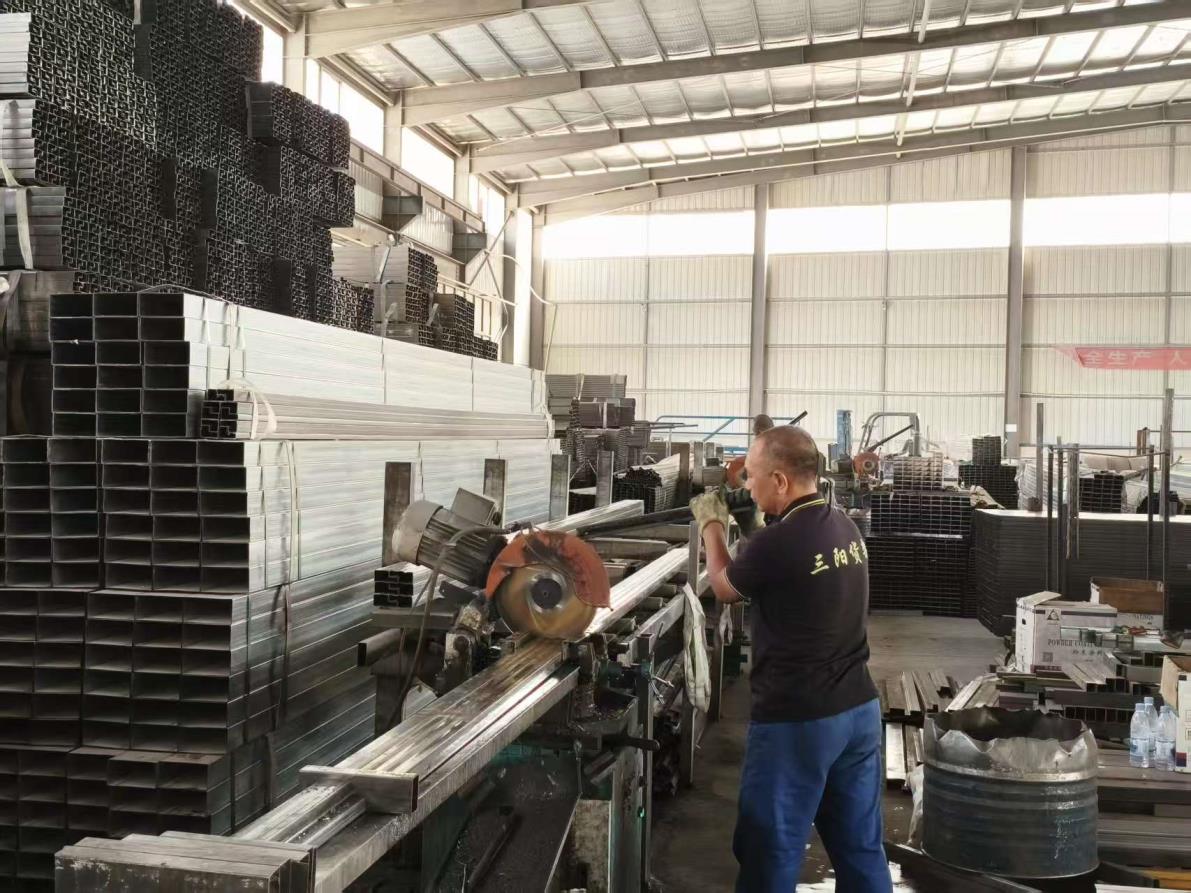
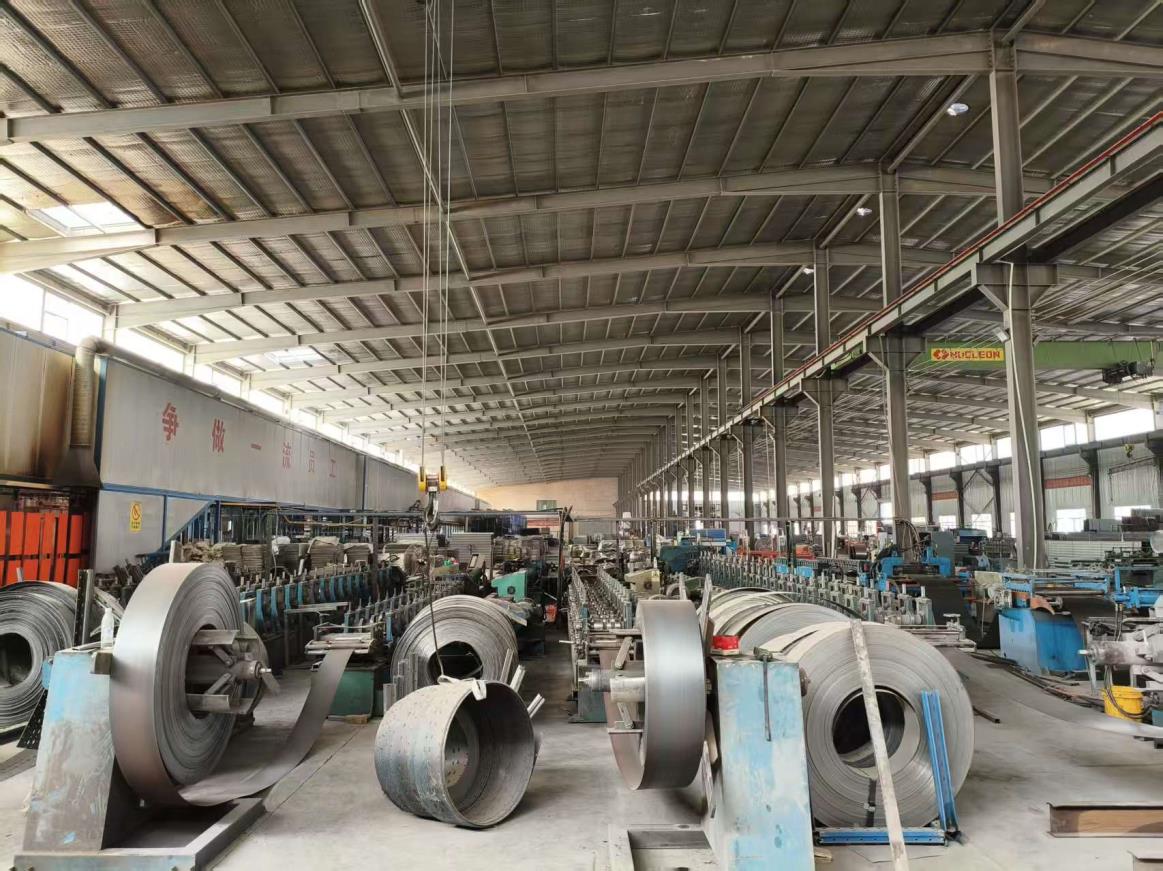
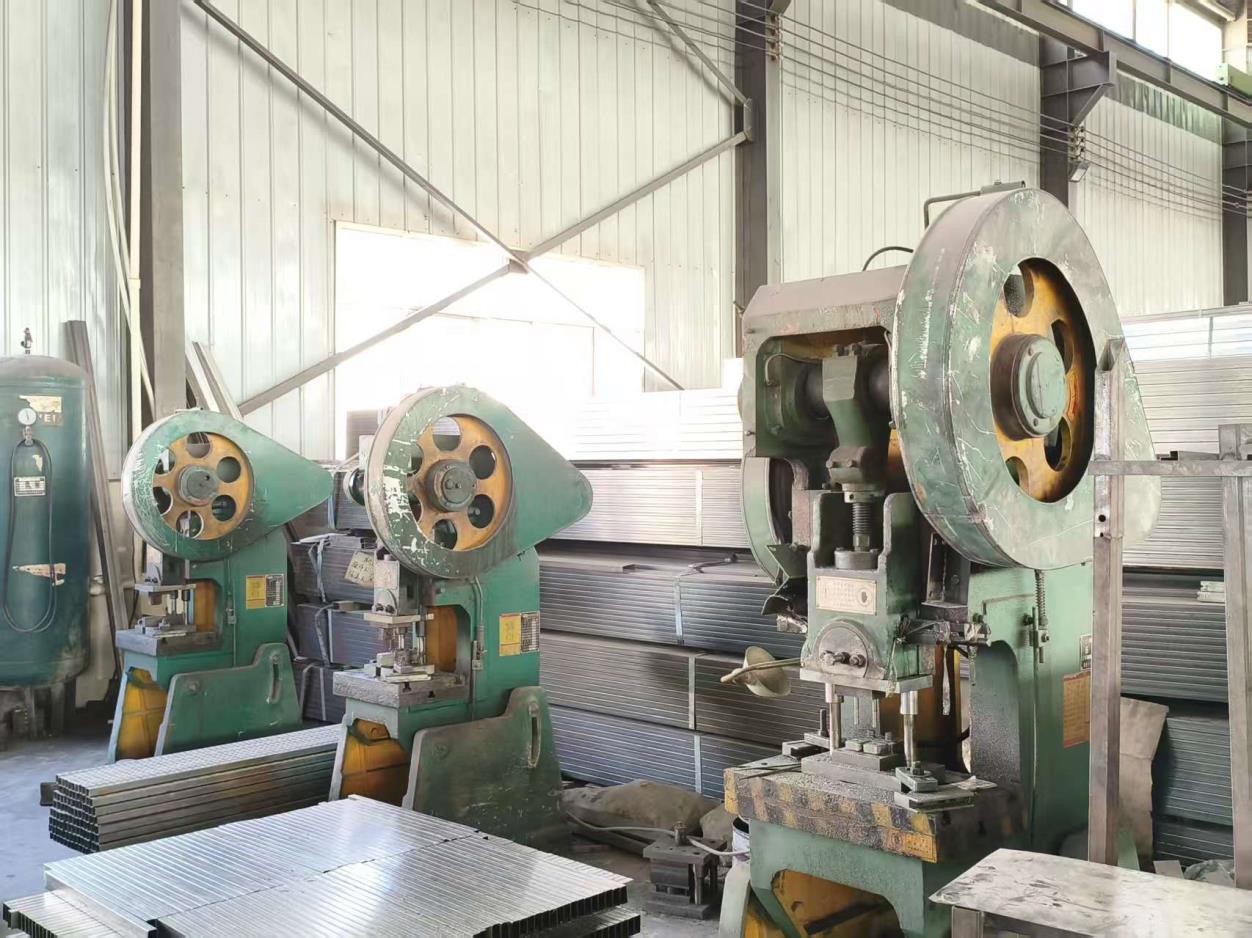
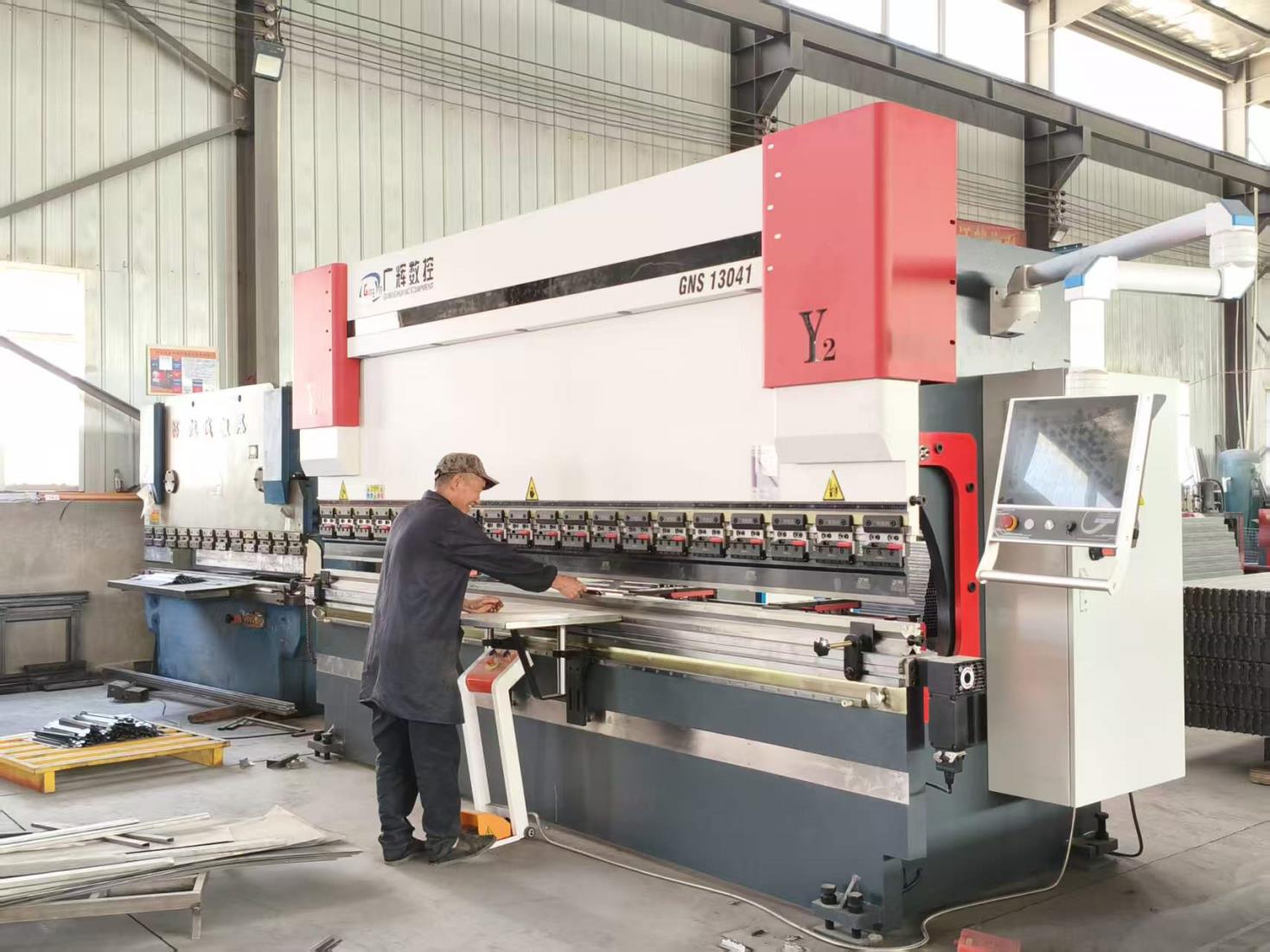
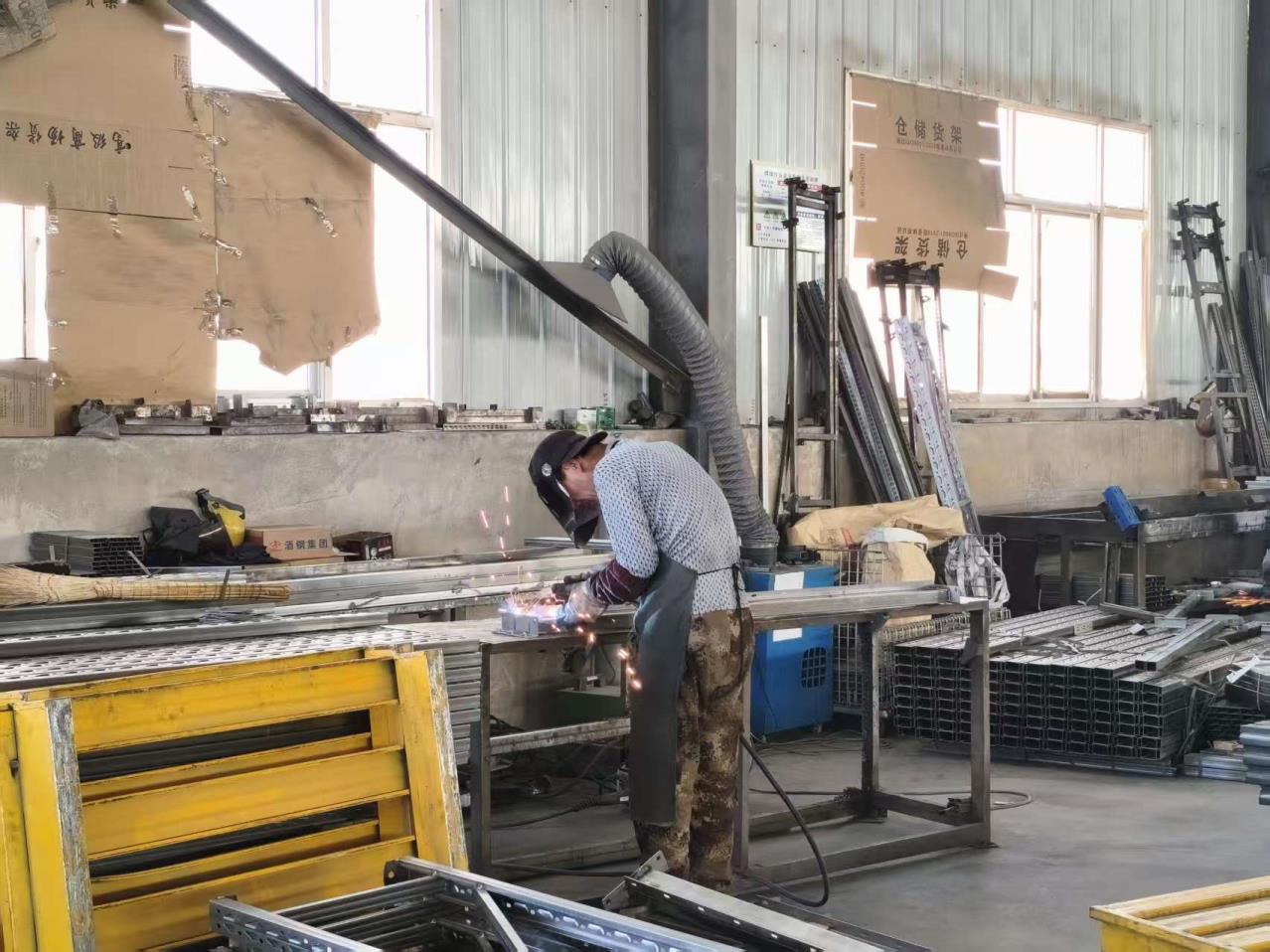
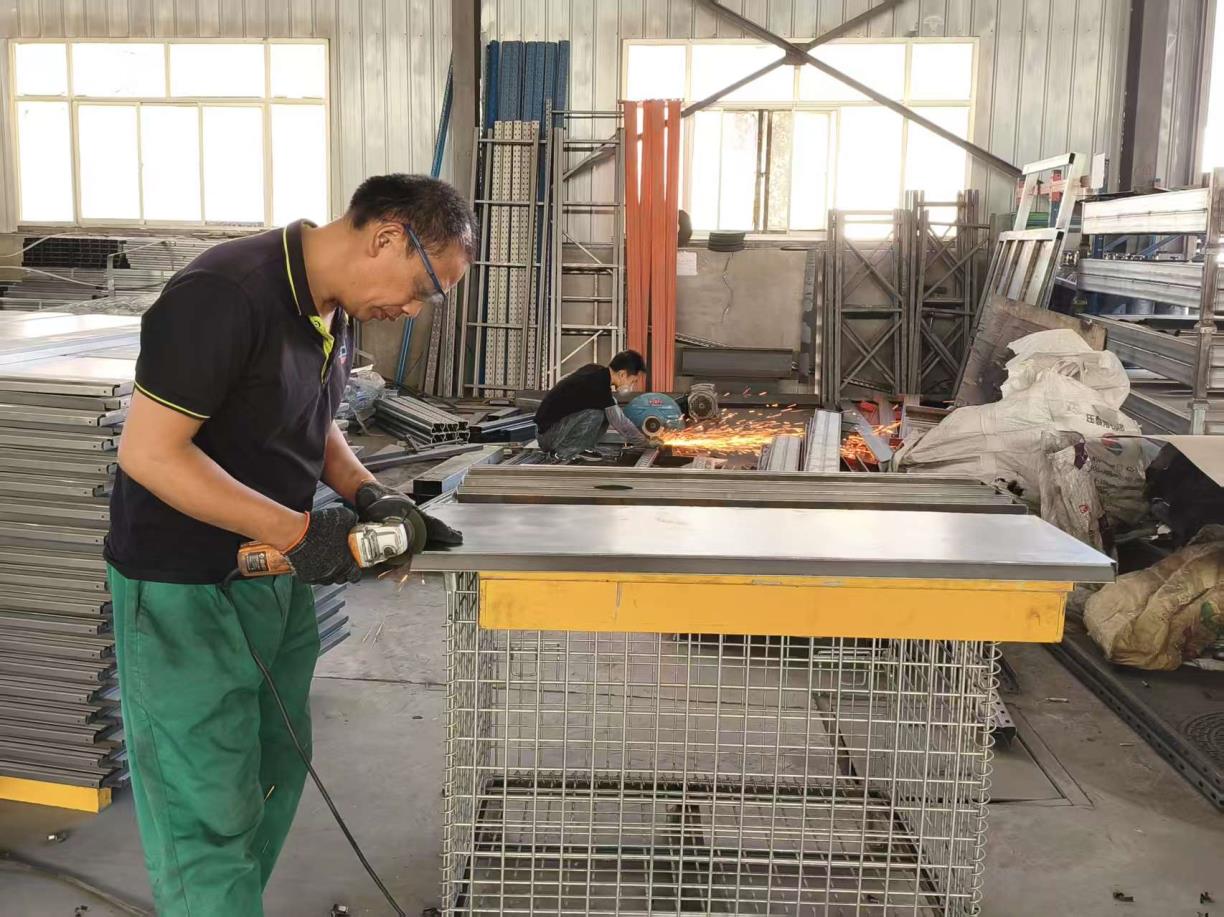
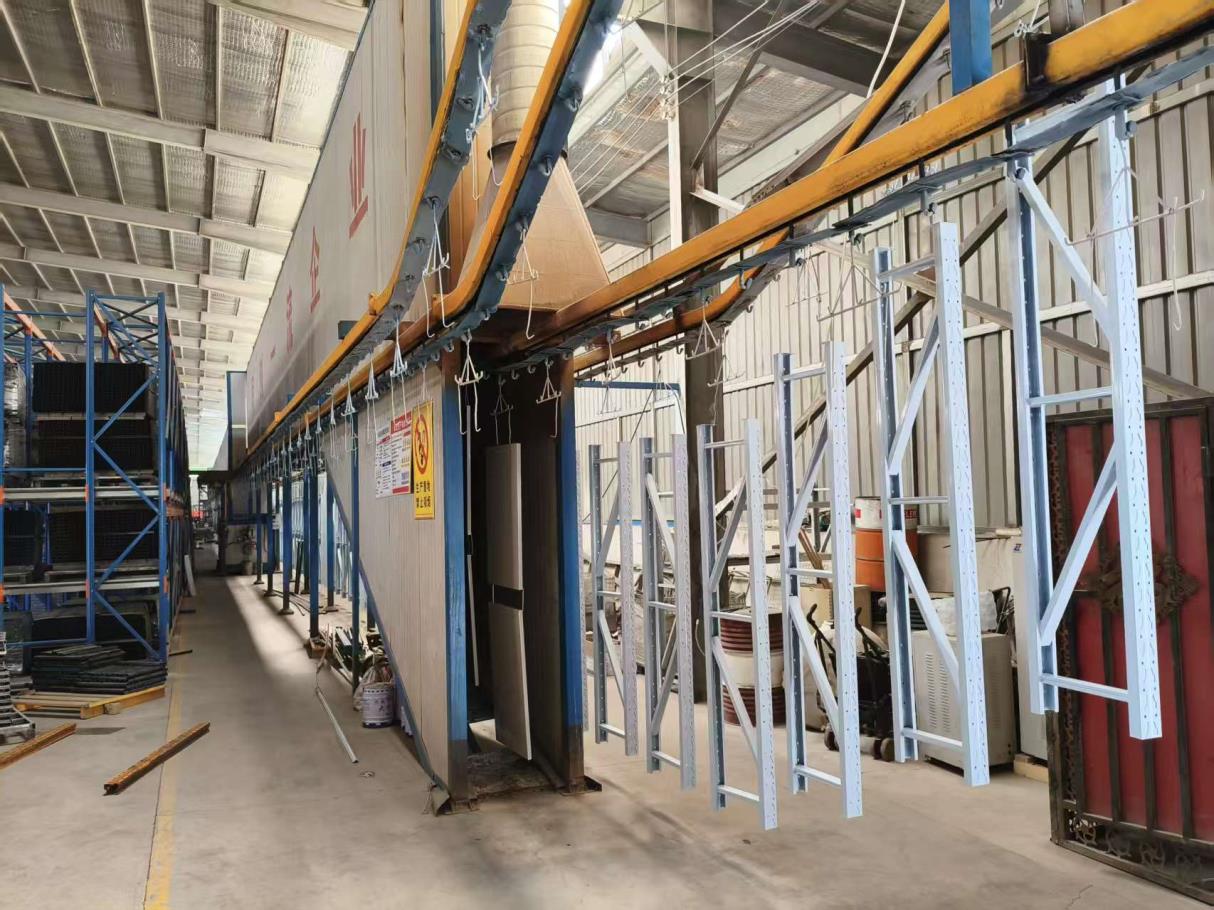
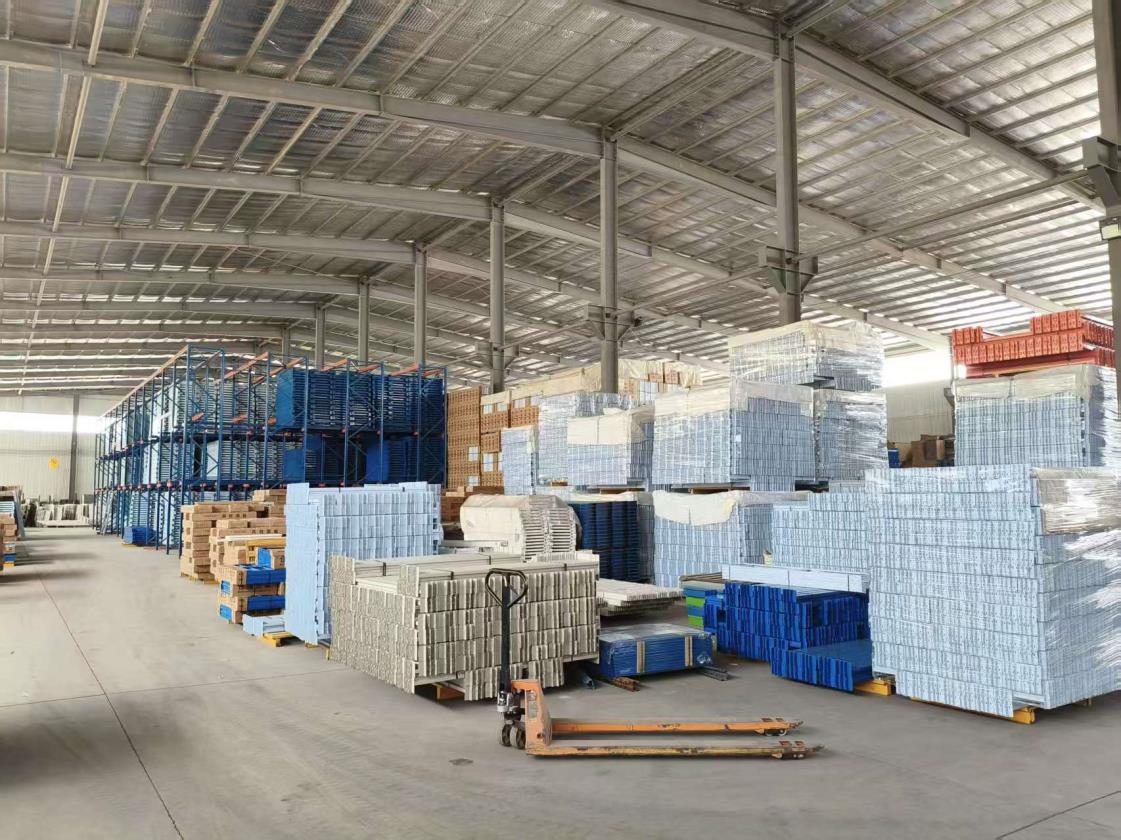
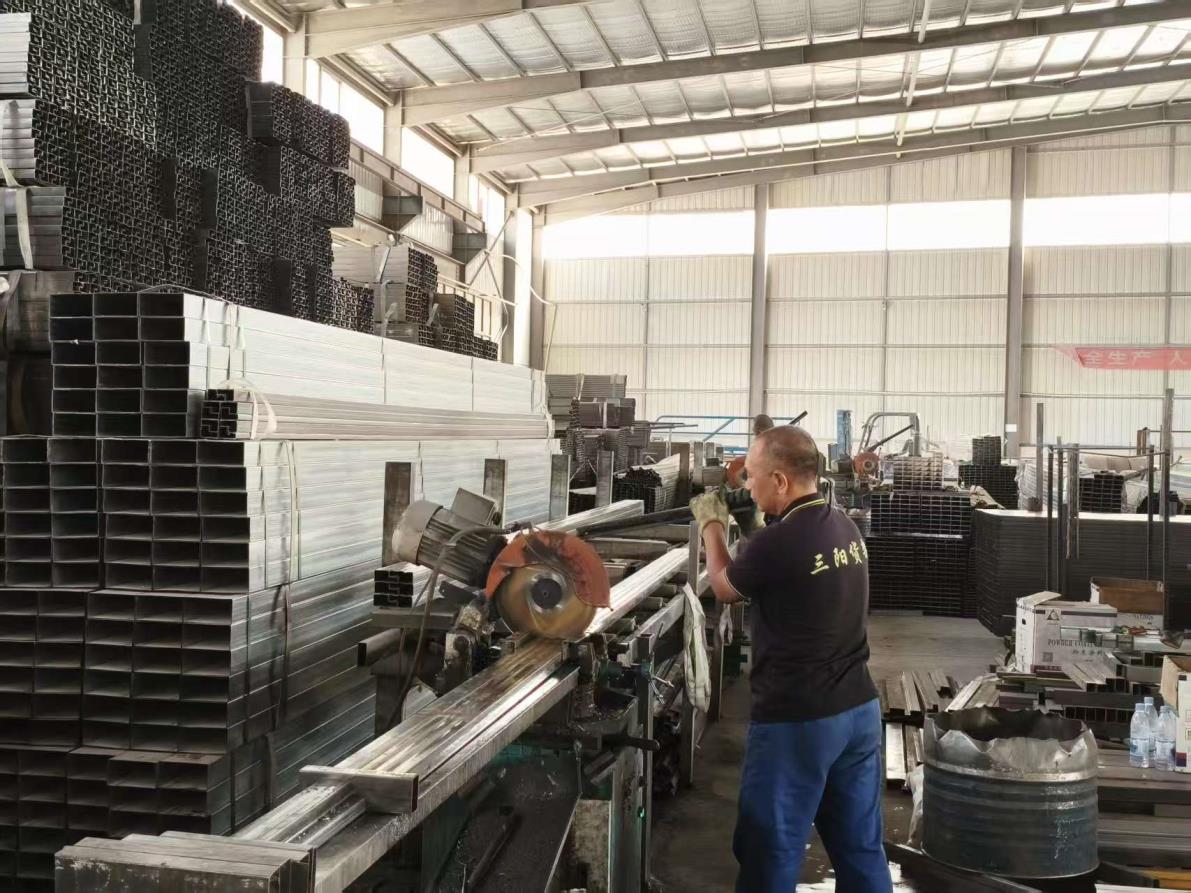
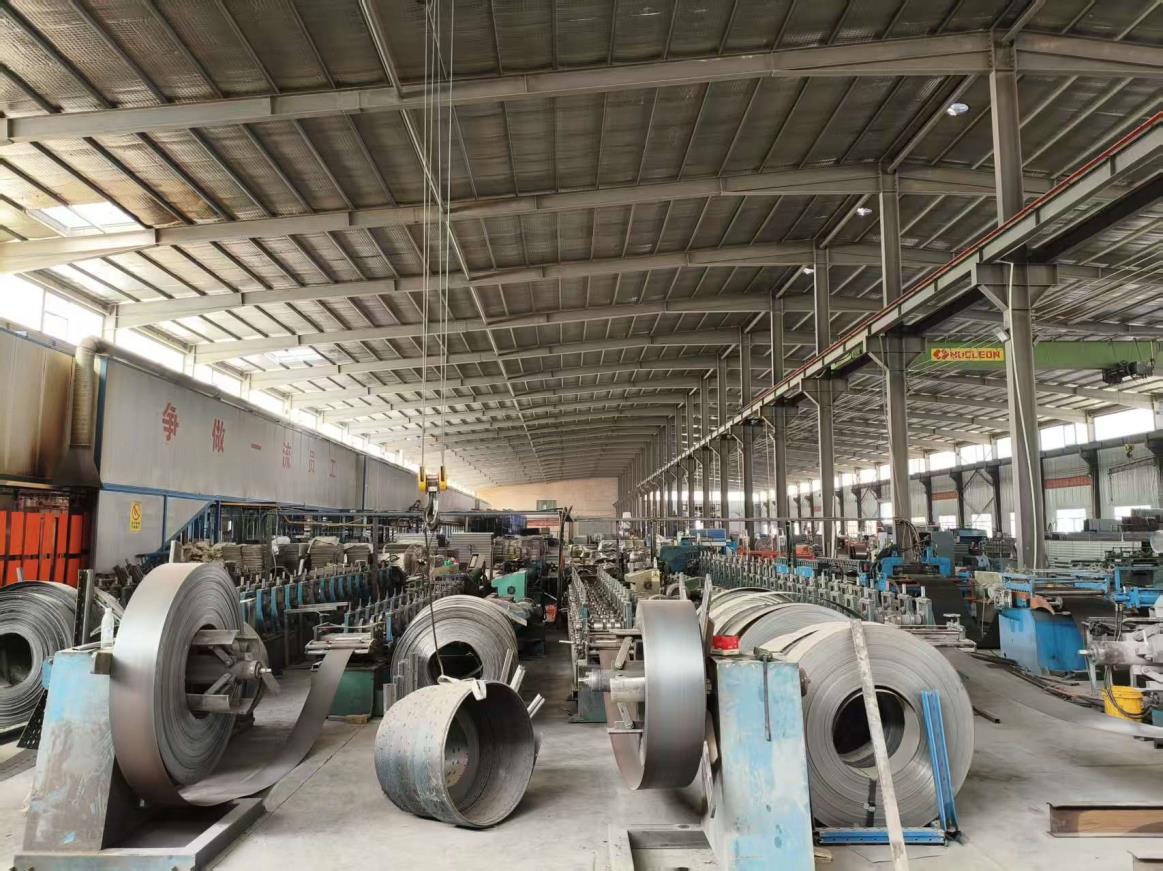
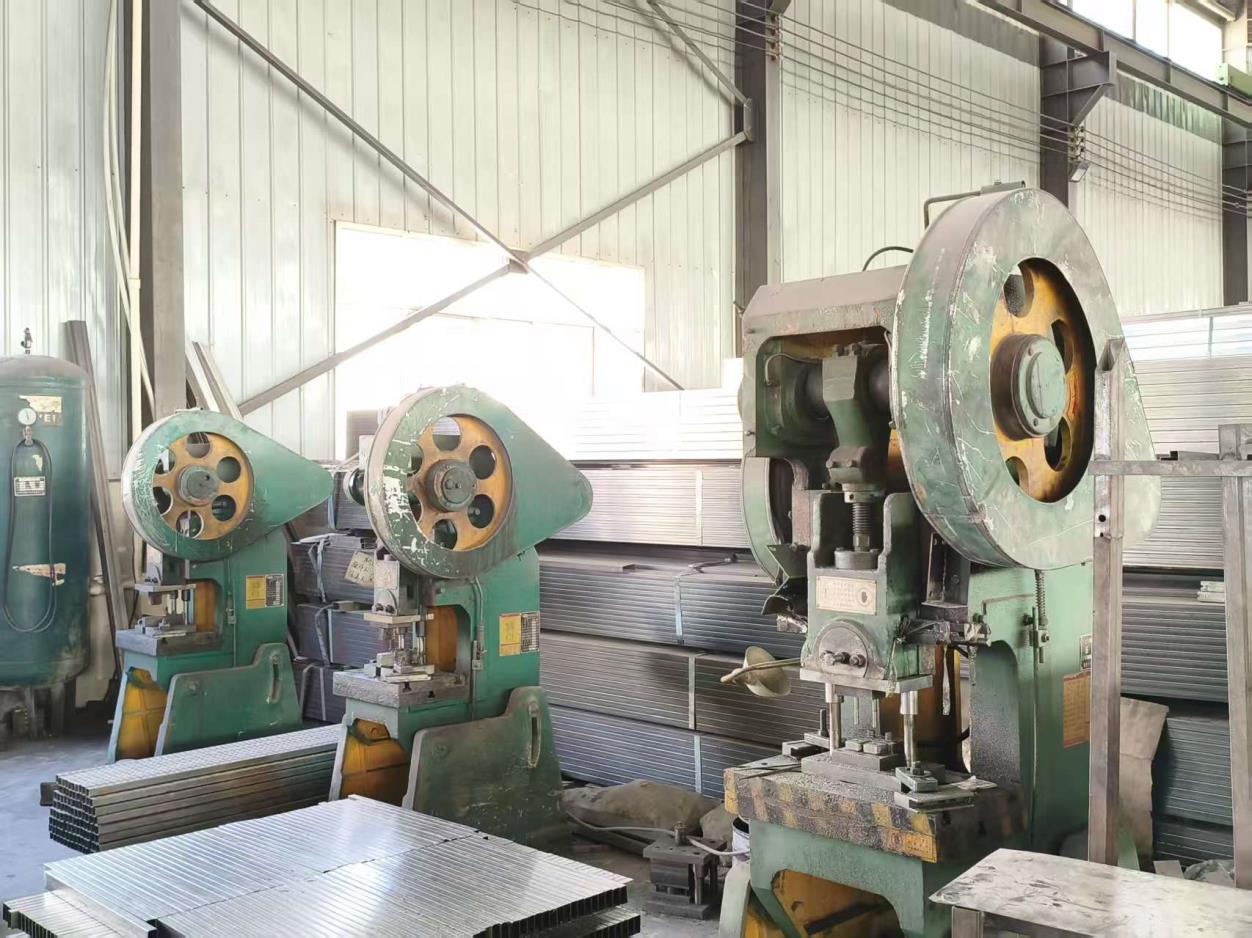
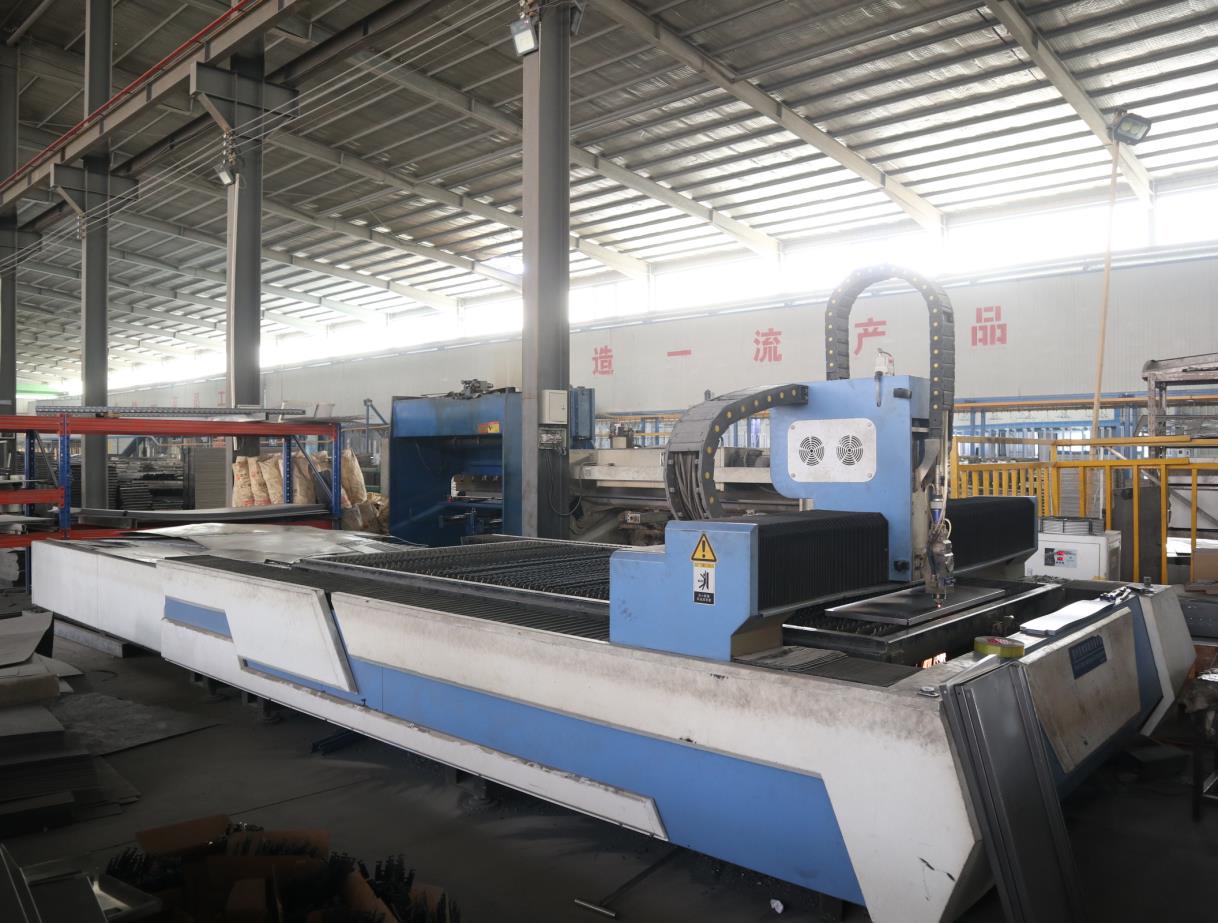
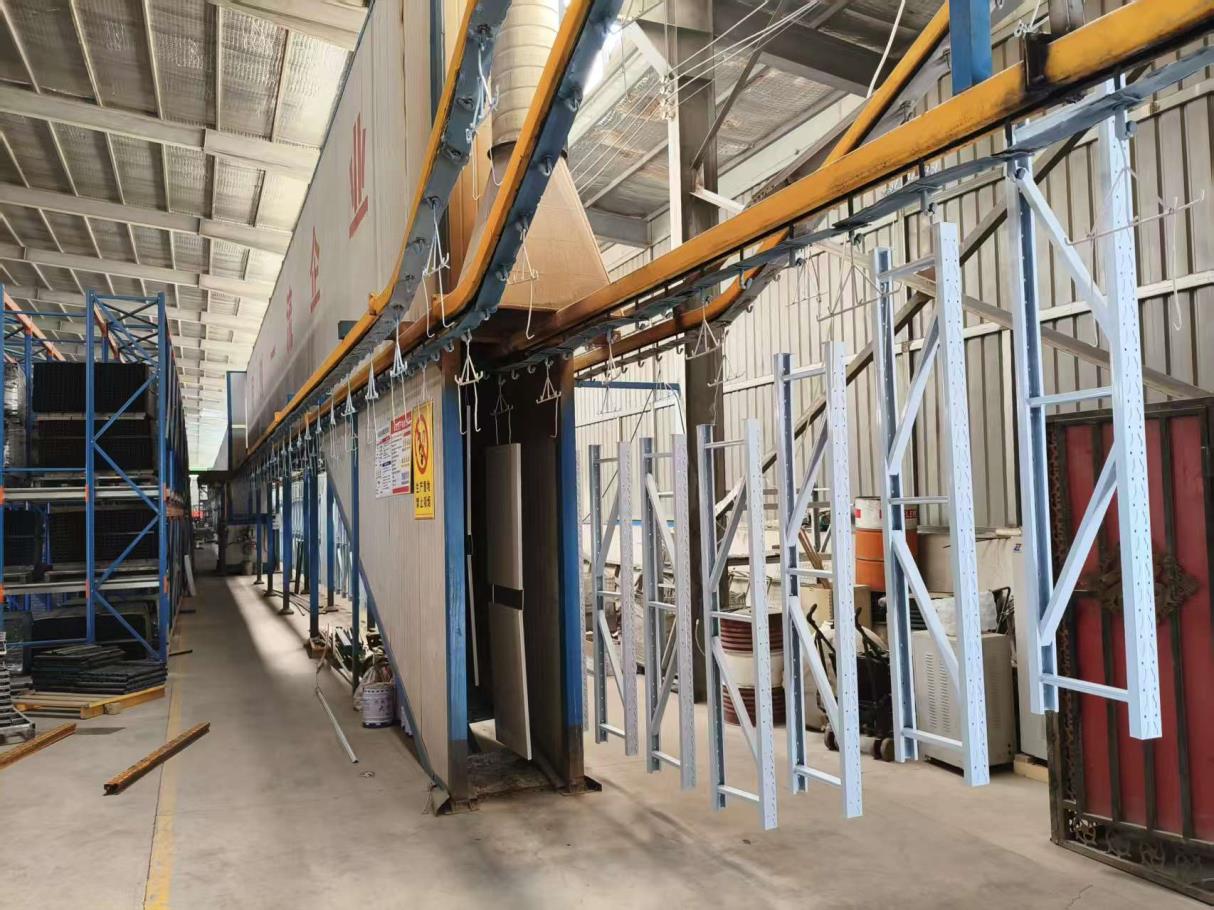
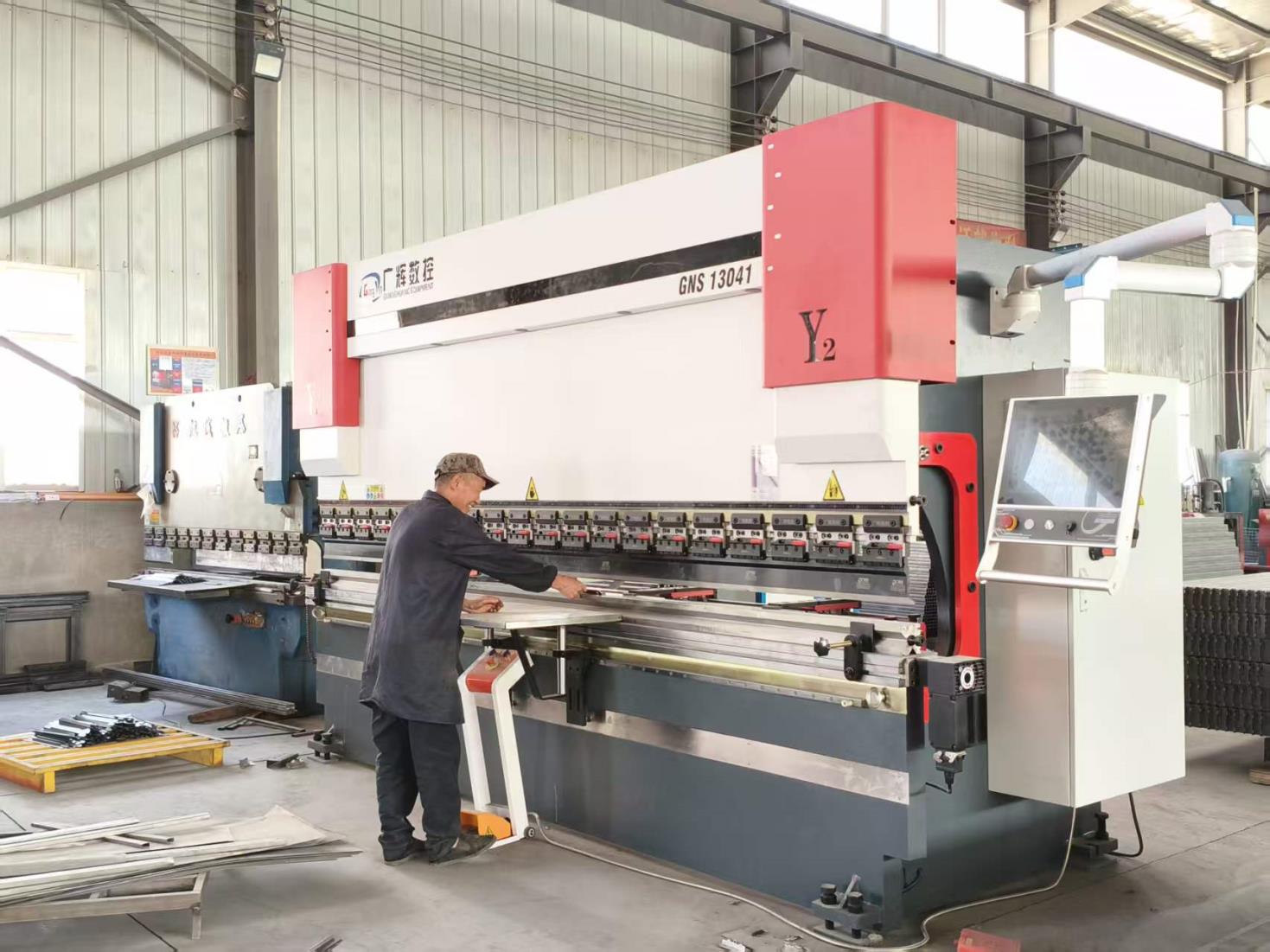
A step-by-step look at our manufacturing workflow, showcasing the raw materials, processing machinery, and finishing stages.
How our products meet regional safety and environmental standards across international markets.
Our plastic resins comply with FDA regulations for indirect food contact, ensuring they are safe for transporting raw produce and groceries. The structural design meets ASTM safety guidelines, minimizing tip-over risks for high-capacity wheeled models.
Designed to align with CE and European FEM standards, our baskets use plastics free of harmful chemical plasticizers. All polymer batches are tested to comply with REACH directives, ensuring sustainability and safety for European retailers.
To withstand intense UV exposure, baskets destined for Australia and Oceania are formulated with specialized UV-stabilizer additives. This prevents discoloration, structural brittleness, and cracking during outdoor cart collection cycles.
The future of retail carrying equipment: sustainability, digital integration, and automated fleet management.
We are embedding passive RFID tags directly into injection-molded baskets. This enables real-time inventory tracking, assists in loss prevention, and integrates with smart checkout systems for a smoother shopping experience.
Our R&D team is developing post-consumer recycled polypropylene (rPP) blends that maintain the performance standards of virgin polymers. This helps retail brands reduce their carbon footprint without sacrificing durability.
We offer optional zinc-pyrithione and silver-ion antimicrobial additives that are mixed directly into the polymer melt. This provides continuous surface protection, reducing cross-contamination between shoppers.
Detailed answers to technical questions concerning manufacturing standards, material specifications, and bulk logistics.
Heavy-duty rolling structures, customized metallic display units, and specialty woven designs for diverse commercial layouts.
 DuraRacks