What Are the Best Stackable Storage Solutions for 2026?

Time:2026-11-08 Author:Oliver
0%

Small homes, busy garages, and seasonal gear make vertical space more valuable in 2026. Stackable Storage can turn a narrow closet or a corner beside the laundry machine into usable space. But the best system is not simply the tallest pile. It must fit the room, protect its contents, and remain easy to reach.

The scale of the wider storage market offers useful context. Grand View Research estimated the global self-storage market at US$58.26 billion in 2023, with projected annual growth of 4.5% from 2024 to 2030. That report concerns storage facilities, not stackable household products. It signals pressure on space, but does not prove which bins or shelves shoppers will prefer. That distinction matters. For 2026, a practical comparison should weigh load capacity, dimensions, materials, access, and safety features. A clear plastic tote may keep labels visible, while a lidded basket can suit lighter items on open shelving. Measure first. A stack that fits the product photo may still block a door or strain a weak shelf. Real homes are messier than catalog pictures, and no single system suits every room. The sections ahead compare options by use, value, and durability, while noting where product specifications deserve a closer look.
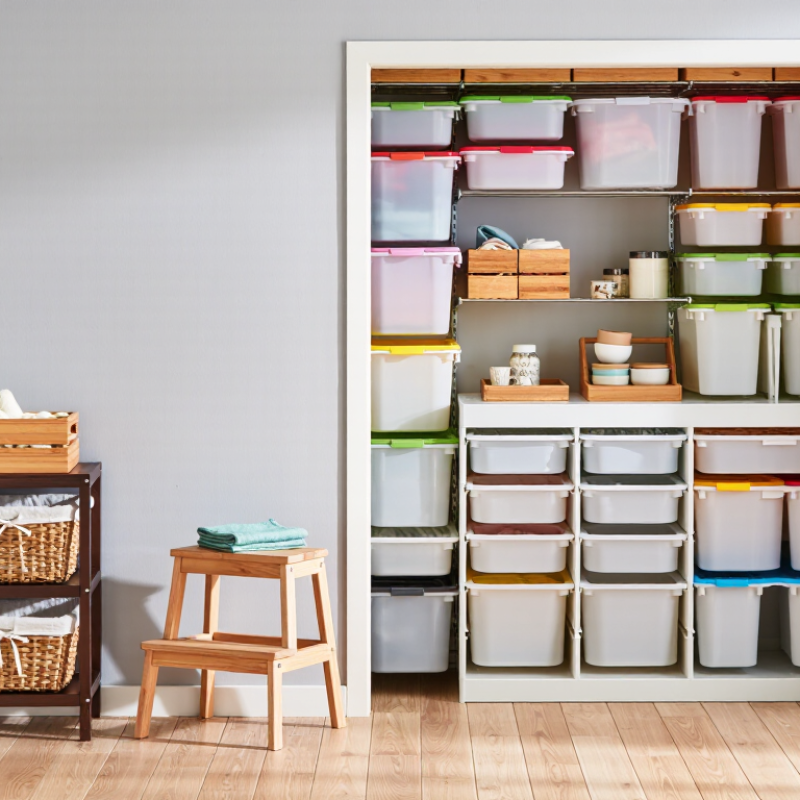
What Are the Best Stackable Storage Solutions for 2026?

What Stackable Storage Solutions Are and How They Work

Stackable storage solutions are containers, bins, drawers, or shelving units designed to sit securely above one another. Their shape transfers weight through reinforced corners or aligned sidewalls, rather than through fragile lids. That detail matters. A stack that looks stable when empty may shift once heavy items sit near the top.

Many systems use matching footprints, interlocking rims, grooves, or clips to limit sliding. Before assembling a set, check whether the stated load capacity applies to each unit or the full stack. Keep dense items low, distribute weight evenly, and use a level floor. In a closet, clear bins make seasonal clothes easy to identify; in a garage, rigid lidded containers help shield tools from dust. Measure shelves and doorways, too. Easy to overlook.

Stackable storage works best when the contents match how each container opens. Frequently used items belong in shallow drawers or near the front, while seldom-used supplies can sit higher. Leave room to lift lids or pull drawers fully open. A tall tower saves floor space, but reaching its top can become awkward. I would not assume a stack is secure just because its parts fit together. Uneven floors, overloaded shelves, and mixed container sizes can still cause wobbling. Check the setup after filling it, not only on day one.

Stackable Storage: Common Modular Footprint Sizes

Modular containers stack most efficiently when their footprints are compatible. These common metric formats have areas calculated from their stated dimensions; actual container heights and load limits vary by product.

Main Types of Stackable Storage for Different Needs

Stackable storage serves different needs, so the container should suit the item and the space. Clear lidded bins help store seasonal clothing, craft supplies, or pantry backups because contents remain visible. Choose straight-sided bins with secure, compatible lids; tapered shapes can waste space when stacked. For garages and utility rooms, ventilated crates allow airflow around sports gear or garden tools. They are less suitable for dusty areas.

Small drawers or stackable trays work well for screws, cables, stationery, and other items that need frequent access. Modular shelving is better for heavier boxes, provided each shelf has a stated load limit and a stable, level floor. Avoid placing heavy containers high up. A stack may look solid but still tip when weight is uneven. One point is easy to overlook: a container that fits a shelf may not fit through a doorway when full.

Tips: Label the front and keep a small gap for pulling bins out. Put heavy items low, and test one stack before adding more. Measure the storage area, including its height. Recheck the stack after loading; real contents rarely distribute weight perfectly.

Key Factors for Choosing a Stackable Storage System

Choosing a stackable storage system starts with the items, not the container. Measure the largest boxes, then check each unit’s internal dimensions and rated load. A “stackable” label alone does not confirm that a loaded tower is stable. Look for interlocking corners, a flat base, and clear weight limits. Measure twice.

Material matters, too. Rigid plastic resists moisture and wipes clean, while wire shelving allows airflow and makes contents easier to see. Match the system to its setting: a damp garage needs different features than a dry pantry. Check the floor’s levelness and leave room to reach the bottom unit without moving the entire stack. Small details matter. They are easy to overlook.

Plan for change. MHI’s 2024 Annual Industry Report found that 55% of surveyed supply-chain professionals planned to increase technology investment over the following two years. That figure is not about household storage, but it underscores the value of adaptable systems. Choose units with compatible sizes and replacement parts, and test a full stack before filling it. A careful test can reveal wobble. It may feel like extra work, but overloaded shelves and awkward access are harder to fix later.

How Leading Stackable Storage Solutions Compare in 2026

Stackable storage solutions in 2026 differ less by appearance than by what they hold and how often you need access. Clear lidded bins make seasonal clothing and pantry supplies easy to identify. Their rigid sides protect contents, but a tall stack can become awkward when the bottom bin holds something you need daily. Modular drawers solve that access problem. They work well for craft supplies, cables, or folded garments, though flimsy drawer stops may disappoint.

Heavy-duty totes suit garages and utility rooms, especially when storing tools or bulky equipment. Check the stated load limit and inspect the lid’s fit; a lid that flexes under weight can make a stack unstable. Wire baskets allow airflow and quick visibility, which helps with towels or sports gear. Small items can slip through, though, so liners may be necessary. Not always convenient.

Before buying, measure the shelf depth, ceiling clearance, and the full footprint of a proposed stack. Compare usable interior dimensions, not just exterior measurements. A container that fits neatly on the floor may block a closet door once stacked. Materials and latch designs vary, so test one unit with a realistic load before committing to a full set. One overlooked detail is grip: smooth sides can be hard to separate when bins are tightly packed. A little extra space between stacks often makes everyday use easier.

How to Arrange and Maintain Stackable Storage Safely

A safe stack starts with a stable base, not a tall pile. Put dense items in the lowest containers and keep lighter, rarely used items above. Match container sizes where possible; uneven edges can shift under a small bump. Before loading, check for cracks, bowed lids, and damp or slippery floors. A neat stack can still be unstable. Looks are not a safety test.

OSHA’s material-handling rule, 29 CFR 1910.176(b), calls for tiered storage to be blocked, interlocked, or otherwise secured against sliding and collapse. At home, that means aligning containers fully and avoiding stacks that lean or overhang. CPSC’s 2022 tip-over report recorded 581 deaths involving furniture, televisions, or appliances from 2000 to 2021; 472 involved children. Those figures are not limited to storage bins, but they underline why tall units should be secured and kept away from climbing routes.

Keep heavier containers low enough to lift without twisting, and leave a clear path to the stack. Use a step stool for high shelves rather than pulling down a top container from an unstable pile. Recheck the arrangement after moving items or cleaning; lids and floors can become slick, and a stack that was steady yesterday may not be steady today. I still find that “temporary” piles tend to linger, so set a height limit before filling them. If a container flexes under its load, reduce the weight or move it lower.

What Are the Best Stackable Storage Solutions for 2026? — How to Arrange and Maintain Stackable Storage Safely

Storage solution Best suited for Practical advantages Limitations to consider Safe stacking and care
Interlocking plastic bins with lids Seasonal clothing, toys, pantry overflow, and general household items Lids help contain dust; molded shapes may help keep compatible bins aligned. Not every bin is designed to support a loaded stack; plastic can deform under excess weight or heat. Use only compatible, undamaged bins. Follow the stated load and stacking limits; place heavier bins at the bottom and keep stacks level.
Clear modular drawers Craft supplies, accessories, office materials, and frequently used small items Contents are easy to see and retrieve without removing an entire stack. Drawers may pull a unit forward when opened; many are intended for light or moderate loads. Stack only units designed to connect. Keep the arrangement low and stable, and secure it to a wall if the instructions call for anchoring.
Heavy-duty plastic totes Tools, sports gear, garage supplies, and bulky items Rigid construction is useful for heavier contents, and some designs have reinforced lids. Large containers can become difficult to lift when full; a lid that fits does not automatically mean it is load-bearing. Check the marked capacity and lid-stacking guidance. Avoid overfilling, and do not place fragile items beneath heavy totes.
Collapsible fabric cubes Clothing, linens, soft toys, and lightweight closet or shelf storage Lightweight and foldable when not in use; fabric sides can suit open shelving. Soft sides can sag, and most cubes are not suitable as structural supports for heavy stacks. Use on a shelf or in a compatible frame. Keep contents light, dry, and evenly distributed; avoid stacking heavy containers on top.
Stackable open-front bins Pantry packets, workshop parts, cleaning supplies, and items needing quick access Open fronts allow access without lifting bins; contents can be grouped by task or category. Items are more exposed to dust and spills than in closed containers; some designs require a rack or wall support. Use the intended interlocks or support frame. Keep frequently accessed bins at a reachable height and do not overload the front edge.
Stackable lidded food containers Dry pantry staples and prepared foods, when the container is labeled for food use Uniform shapes can use shelf space efficiently; clear sides make contents easier to identify. Container suitability varies by food type, temperature, and cleaning method; lids may not be interchangeable. Use food-contact containers as directed, keep them clean and fully dry before storage, and stack only when the design allows it.
Stackable archive boxes Documents, files, and labeled records kept in a dry indoor area Consistent dimensions make filing and labeling straightforward; boxes can be grouped by date or subject. Paperboard can weaken if exposed to moisture or excessive weight; filled boxes can be heavy. Keep boxes dry, avoid overfilling, and place them on a sturdy shelf or pallet rather than directly on a damp floor.

Safe Arrangement and Maintenance Checklist

Task Recommended practice
Check capacity Read the product instructions or markings for weight limits and permitted stack height. Do not assume a lid or base can support another loaded container.
Build a stable stack Use a flat, firm surface; align compatible containers; distribute weight evenly; and put heavier items lower in the stack.
Keep access safe Keep frequently used items within comfortable reach. Use a stable step stool when needed rather than climbing on storage containers.
Prevent tipping Avoid tall or narrow stacks in busy areas. Follow anchoring instructions for drawer units, shelving, and other furniture that could tip.
Inspect and clean Check for cracks, warped lids, loose connectors, and damaged shelves before reuse. Clean with a method suitable for the material and dry containers fully.
Label and rotate Label the contents and keep an inventory for less-visible items. Move older or more frequently needed contents to accessible positions.

Safety note: Stacking capacity, compatible parts, and care requirements vary by product. Follow the instructions supplied with each storage solution and reduce the stack if it wobbles, bends, or shows damage.

FAQS

How do stackable storage containers stay in place?

Matching rims, grooves, clips, or aligned sidewalls can reduce sliding. Check the filled stack, too. Empty bins can mislead.

How should I arrange heavy items?

Keep dense items low and spread their weight evenly. A level floor helps. Heavy at the bottom.

Which storage type works well for seasonal clothes?

Clear, lidded bins make sweaters and coats easy to spot. Rigid sides help protect them from dust.

Are drawers better for items I use often?

Shallow drawers provide easier access to craft supplies, cables, or folded clothes. Leave room to pull them fully open.

What are wire baskets useful for?

They allow airflow and make towels or sports gear visible. Small objects may slip through, so a liner can help.

What should I measure before choosing a stack?

Measure shelf depth, doorway width, ceiling clearance, and the full stack footprint. Check interior dimensions, not just the outside.

How can I check whether a container is suitable for heavy storage?

Review whether its load limit applies to one unit or the entire stack. Test one container with a realistic load first.

Can a tall stack save space without causing problems?

It can free floor space, but reaching the top may feel awkward. Leave clearance for lids and drawers. I sometimes underestimate that.

Conclusion

This guide explores what Stackable Storage is and how modular units use vertical space to keep belongings organized and accessible. It outlines common options for different needs, from clear containers for household items to sturdy bins and adjustable shelving for garages, offices, or shared spaces. By considering capacity, material, dimensions, access, portability, and compatibility, readers can choose a system that suits both their belongings and the area available.

The guide also compares the practical strengths of leading types of storage solutions for 2026, focusing on flexibility, durability, and ease of use rather than brand names. It concludes with straightforward advice on arranging and maintaining stacked units safely: place heavier items low, keep stacks stable and within recommended limits, avoid blocking walkways, and inspect containers and shelves regularly. Together, these considerations help create an efficient storage setup that can adapt as needs change.

Oliver

Oliver

Oliver is a seasoned marketing professional with a wealth of expertise in driving brand awareness and engagement. With a deep understanding of our company's product offerings, he consistently delivers high-quality content that enriches our professional blog. His insights not only shed light on......