Choosing the right Slatwall Displays can shape how customers move, browse, and decide inside your store. A wall that looks impressive may still waste valuable selling space. The real test is practical. Can staff change hooks quickly? Can customers reach products without blocking the aisle? Does the display support your brand, product weight, and daily sales goals?
Retail analyst Paco Underhill is often associated with the useful principle, “Retail is detail.” That idea matters when selecting Slatwall Displays. Small choices create noticeable results. A four-inch hook may present accessories neatly, while a deeper shelf may suit boxed goods. Strong metal inserts can support heavier merchandise. Adjustable brackets can help a seasonal section change without replacing the entire fixture. These details deserve attention.
This guide explains how to compare materials, dimensions, finishes, accessories, and installation methods. It also considers lighting, customer height, traffic flow, and maintenance. A black panel may look refined in a showroom, yet show dust quickly under bright LEDs. A low-cost display may seem sensible, but weak hardware can create replacement costs later. That is an uncomfortable possibility.
There is no universal “best” Slatwall Displays solution. The right choice depends on your merchandise, floor plan, budget, and team’s habits. Measure the wall twice. Test product weight. Watch real shoppers, not only design drawings. Some recommendations may need revision after a busy weekend. That is not failure; it is useful evidence. Reliable display planning comes from observation, careful comparison, and a willingness to improve what initially looked acceptable.
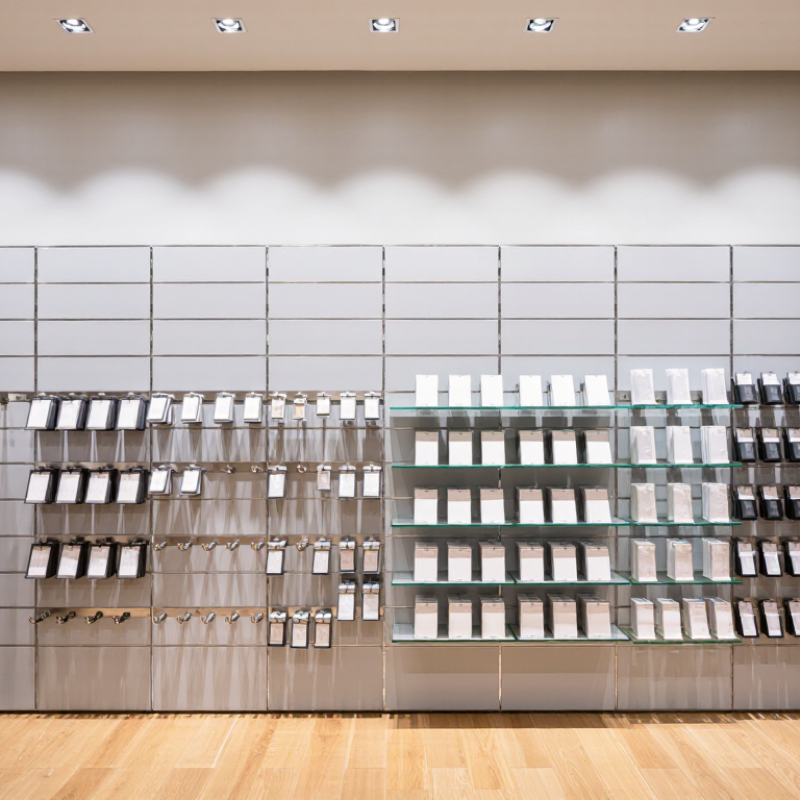
Before choosing the best slatwall displays, define what your store must achieve. Do you need stronger product visibility, flexible merchandising, or better use of narrow walls? Walk through the space during busy hours. Note blocked aisles, low-light corners, doorway traffic, and customer stopping points. Measure each wall, including skirting boards, sockets, doors, and ceiling height. A display that fits on paper may obstruct real movement.
Your products should guide the display plan. Lightweight accessories may need closely spaced shelves, while larger packages require deeper brackets and greater clearance. Keep popular items between eye and waist level. Place related products within easy reach, so customers can compare them without turning around. Leave enough space for restocking without disturbing shoppers. I once planned a dense wall that looked efficient, but staff found replenishment awkward. The layout worked visually, not operationally.
Tips: Sketch the wall before ordering fixtures. Mark every measurement clearly. Test one small section with sample products first. Check visibility from the entrance and checkout. Photograph the area at different times of day. Ask staff where customers hesitate. Their feedback may reveal problems that measurements miss. Also, allow some unused space. A completely filled wall can feel crowded, and I still underestimate how quickly seasonal stock changes.
How to Choose the Best Slatwall Displays for Your Store
Material affects appearance, durability, and carrying strength. MDF slatwall offers a smooth, economical surface for light to medium merchandise. Melamine finishes clean easily and suit busy retail spaces. Metal panels handle heavier loads and frequent fixture changes. Glass shelves add visibility, but they need careful handling and suitable supports. Do not judge capacity by the panel alone. The brackets, shelves, wall anchors, and installation method matter equally.
Style should follow your selling routine. Full wall panels create a strong visual backdrop for clothing, accessories, or packaged goods. Freestanding towers improve aisle flexibility and can separate product zones. Horizontal slats work well when staff regularly move hooks and shelves. A practical fitting lesson is to leave enough space between fixtures. Crowded displays make even attractive products difficult to reach.
Check tested weight ratings before ordering. Ask whether the rating applies to evenly distributed weight or a single point load. A shelf holding 20 kilograms across its length may not support that weight at one bracket. I once underestimated how quickly heavy boxed items stressed a poorly anchored panel. That mistake was avoidable. Use stronger supports near the base, inspect fasteners periodically, and keep fragile merchandise at safer heights. Also, reconsider the finish under your store lighting; a dark panel may look elegant in a sample room but feel too heavy across a long wall.
Compare slatwall materials, display styles, and typical working-load capacities before selecting a fixture system.
An economical option for light-to-medium merchandise. It works well with horizontal grooves and evenly distributed loads.
Offers a smooth, easy-to-clean surface and a consistent retail appearance. Use suitable brackets and avoid concentrated loads.
A stronger wood-based choice for heavier merchandise, especially when the panel is properly anchored to wall framing.
Typically provides the highest working-load potential and suits industrial, hardware, and high-turnover retail environments.
The chart shows representative working-load benchmarks in kilograms per shelf for a 600 mm shelf span and 300 mm shelf depth with evenly distributed weight. Actual capacity depends on panel thickness, bracket design, span, fixing method, and wall construction. Always confirm the supplier’s tested rating before installation.
Compatible shelves, hooks, and accessories determine whether a slatwall works or frustrates staff. Begin with the panel’s groove spacing, material, and rated load. Measure twice. A hook that fits one panel may sit poorly on another.
Choose shelf brackets that match both shelf depth and product weight. Lightweight cosmetics need different support from boxed hardware. Select hooks by product package size, not appearance alone. Long hooks can create crowded rows and unsafe reach points. Short hooks may hide stock behind the front item. Add label holders, baskets, dividers, and sign frames from the same compatibility system. They should lock firmly without forcing the panel.
The National Retail Federation’s 2024 Retail Returns Report estimated $890 billion in returned merchandise, equal to 16.9% of annual retail sales. Clear product presentation cannot prevent every return, but it can reduce confusion at the shelf. Product visibility matters. Zebra Technologies’ 2023 Global Shopper Study reported that 73% of shoppers expect better technology-supported store experiences. In physical retail, that principle can mean readable labels, accurate stock cues, and accessories that simplify comparison. I have seen attractive displays fail because brackets flexed under ordinary stock. Load ratings are easy to overlook. Recheck them after installation, especially near busy aisles. A flexible system is valuable, but compatibility should be tested with real products before ordering in quantity.
How to Choose the Best Slatwall Displays for Your Store
Evaluate Layout Flexibility, Durability, and Maintenance Needs
A flexible slatwall display should adapt as your merchandise changes. Choose panels with evenly spaced grooves and compatible shelves, hooks, and baskets. This lets you move products without rebuilding the entire wall. Measure aisle width carefully before installation. A display that looks efficient on paper may make customer movement uncomfortable.
In a real shop, I have found that adjustable hardware saves time during seasonal changes. Lightweight accessories work well for small packaged goods. Heavier products need reinforced panels and securely anchored supports. Check the panel core, surface finish, and fixing method before purchase. Do not judge strength by appearance alone. That mistake can become expensive.
Durability also depends on daily handling. Look for surfaces that resist scratches, stains, and repeated contact with metal fittings. Ask how the material performs under your store’s humidity and cleaning routine. Some finishes show fingerprints quickly. Others may fade near strong windows. I once selected an attractive panel that required constant wiping, which slowed closing duties. It was not a complete failure, but the maintenance burden was underestimated.
Keep cleaning practical. Smooth, sealed surfaces are easier to wipe than deeply textured ones. Leave enough space around accessories for a cloth to pass through. Inspect screws, brackets, and overloaded hooks each month. Small looseness can become visible damage. A simple maintenance log can reveal which sections need stronger hardware or a different layout.
A slatwall display should support your store, not compete with it. Start by measuring the wall, aisle width, and available lighting. A narrow shop may need shallow panels and fewer accessories. This keeps customers moving comfortably.
Your budget should include panels, brackets, shelves, installation, and future changes. Basic laminate panels can suit a limited budget and many retail interiors. Wood finishes may create warmth, but they often cost more and show scratches sooner. Metal accessories can handle heavier products, though they may look too industrial in a soft, boutique setting. Keep it balanced.
I once chose attractive fixtures before checking product weights. That mistake caused extra costs and delayed installation. Now, I match each shelf to the item it will hold. Lightweight shelves work for folded clothing and small packaged goods. Reinforced shelves suit cookware, tools, or dense merchandise. Ask for load guidance from a qualified installer.
Do not fill every slot. Leave visual breathing room.
Color matters too. Neutral panels can make colorful products stand out. Dark finishes may add contrast but reduce brightness in smaller rooms. Test one sample beside your flooring and counter before ordering. Store lighting changes the result. Sometimes, the sample looks better online than it does under bright ceiling lights.
Check groove spacing, panel material, and rated load before buying accessories. Measure twice. A hook fitting one panel may sit poorly on another.
Match bracket support to shelf depth and product weight. Lightweight cosmetics need less support than boxed hardware. Flexible brackets may bend under ordinary stock.
Choose hooks according to package size, not appearance alone. Long hooks can crowd rows. Short hooks may hide products behind the front item.
Label holders, baskets, dividers, and sign frames can simplify comparison. Each accessory should lock firmly without forcing the panel.
Select evenly spaced grooves and compatible movable hardware. You can reposition shelves and hooks during seasonal changes. No wall rebuilding.
Measure aisle width carefully. Confirm the panel core, surface finish, fixing method, and support strength. A display may look efficient but restrict customer movement.
Look for surfaces resisting scratches, stains, and repeated metal contact. Ask how the finish handles humidity, cleaning, and strong window light. Fingerprints can become a daily burden.
Wipe smooth, sealed surfaces regularly. Leave cleaning space around accessories. Inspect screws, brackets, and overloaded hooks each month. Small looseness can become visible damage.
Do not judge strength by appearance. Test compatibility with real products before ordering in quantity. I once chose an attractive panel that required constant wiping, and underestimated the closing-time workload.
Choosing the best Slatwall Displays begins with understanding your store’s goals, available space, and the products you want to showcase. Consider whether you need to maximize wall space, create flexible product sections, improve customer visibility, or support changing seasonal layouts. Compare materials, finishes, styles, and weight capacities to ensure the display is both attractive and suitable for your merchandise. It is also important to select compatible shelves, hooks, baskets, and other accessories that provide practical organization and easy product access.
Before making a decision, evaluate how easily the system can be rearranged as your inventory changes. Durable construction, simple cleaning, and low maintenance can help protect your investment over time. Finally, choose a Slatwall Displays solution that fits your budget while complementing your store’s overall design, colors, and atmosphere. A well-planned display should balance appearance, functionality, flexibility, and long-term value.

DuraRacks