Buying Metal Shelving across borders is not simply a matter of comparing prices. Buyers must assess load capacity, steel thickness, corrosion resistance, packaging quality, assembly systems, and supplier reliability. A shelf that looks strong in a product photograph may bend under uneven cartons or repeated loading. Small details matter.
Grand View Research reports that the global warehouse racking market is expanding steadily, driven by e-commerce, inventory growth, and warehouse modernization. Its market analysis projects continued growth through 2030. The report does not measure every Metal Shelving application, so using it as a direct market substitute would be imperfect. That limitation deserves attention. Meanwhile, MHI’s 2024 Annual Industry Report identifies labor availability, operational efficiency, and technology adoption as major supply-chain concerns. These pressures make easy-to-install and adaptable shelving increasingly valuable.
Dr. Martin Christopher, a leading supply-chain authority, wrote, “Supply chain management is the management of relationships upstream and downstream.” That principle applies directly to shelving purchases. A dependable supplier should provide accurate drawings, test documentation, replacement parts, and clear export packaging. Ask for proof. Do not rely on promises alone. Buyers also need to compare landed cost, not only factory price. Freight volume, duties, local installation, and warranty handling can change the final result. The following ten Metal Shelving buying tips examine these practical decisions, including several issues buyers often overlook. Even experienced purchasers can miss one.
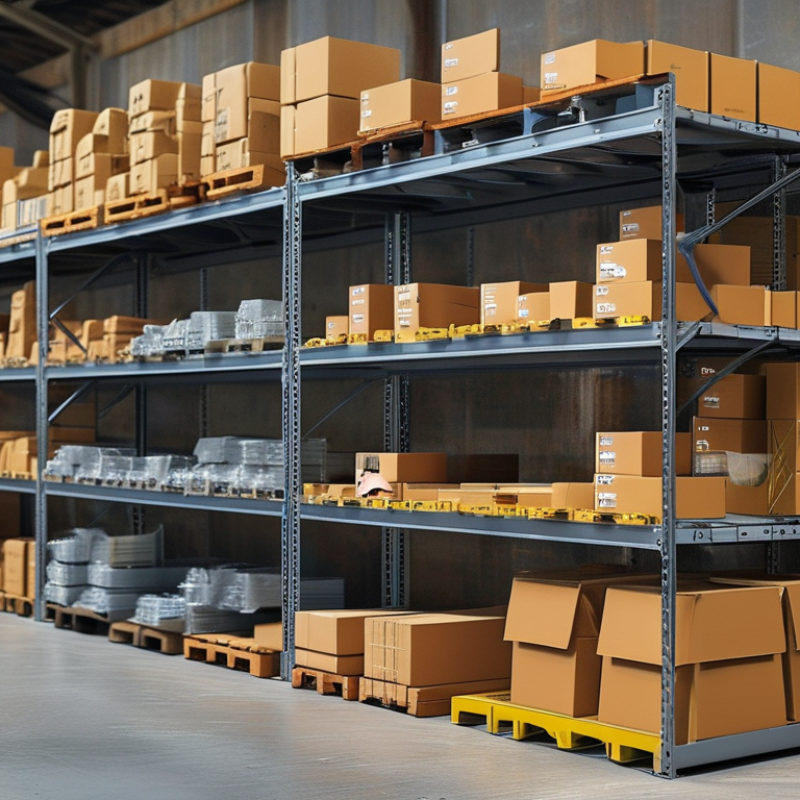
Before buying metal shelving, define what must be stored, moved, and protected. Record each item’s length, width, height, weight, and handling frequency. Include cartons, tools, spare parts, and awkward loads. A shelf that fits today may restrict tomorrow’s workflow. The Global Warehousing Study 2024 reports that space utilization remains a major operational concern for warehouse managers. Measure clear height, aisle width, floor condition, doors, sprinklers, and emergency access. Small errors become expensive after installation.
Set a buying objective beyond “more storage.” You may need faster picking, safer manual handling, higher density, or easier expansion. MHI’s 2024 Annual Industry Report found that 55% of surveyed supply-chain professionals planned to increase investment in innovation. That figure supports careful planning, not automatic automation. For shelving, compare usable capacity, load ratings, installation time, adjustability, and total ownership cost. Ask whether workers can see labels without stretching or bending. Safety matters.
My first storage estimate was too optimistic. I counted shelf levels, but ignored clearance and access space. That mistake reduced practical capacity. Use a simple demand forecast for the next three to five years, then leave room for product changes. Confirm every load rating under the intended configuration, not a catalogue example. Also check local building and workplace requirements with a qualified professional. A low purchase price can become costly when shelves need relocation, reinforcement, or replacement. Test one small bay before approving a full global order.
For global buyers, metal shelving should be compared by material, coating, and verified load capacity.
Carbon steel offers strong value for dry warehouses, while stainless steel suits humid, corrosive, or wash-down areas. The World Steel Association reported about 1.89 billion tonnes of crude steel production in 2023, but production volume does not prove shelving quality. Ask for steel grade, thickness, weld inspection, and dimensional tolerances.
Coating selection depends on the environment.
Powder coating provides a clean finish for offices and dry storage. Hot-dip galvanizing generally offers better protection where moisture is persistent. ISO 9227 salt-spray testing can compare coating resistance, but it does not predict exact service life outdoors. Looks can mislead. Check pretreatment, coating thickness, edge coverage, and repair procedures. In my experience, buyers often compare color before corrosion performance.
Load ratings require closer attention.
Confirm whether the rating applies per shelf, per bay, or to an evenly distributed load. ANSI/RMI MH16.1 provides design guidance for industrial steel storage systems, but local requirements may differ. Request test reports, safety factors, deflection limits, and installation instructions. OSHA warehousing guidance also emphasizes stable stacking, clear aisles, and inspection of damaged components. A shelf rated at 500 kilograms may fail sooner when weight is concentrated at one corner. Load labels matter. Temperature, floor levelness, anchors, and repeated impacts can change real performance.
One uncomfortable question remains: are the published ratings independently verified, or merely calculated?
Choose the Right Shelf Dimensions, Layout, and Adjustability
Measure the storage area before choosing metal shelving. Record wall lengths, ceiling height, door swings, columns, and floor obstructions. I once planned shelves from a simple room sketch and missed a low beam. That mistake reduced usable height and increased installation work.
Select shelf depth according to the products, not the empty space. Small cartons may need 300-millimeter shelves, while bulky containers often require 450 to 600 millimeters. Leave enough clearance for hands and labels. Do not push items against the back frame. It slows picking and can create unstable loading.
A practical layout supports safe movement. Keep aisles wide enough for the equipment and workers using them. Check turning space at corners, especially near loading doors. Place heavier goods on lower levels. Confirm the rated capacity for each shelf and consider uneven loads. Adjustable beams help when inventory changes, but adjustment holes should lock securely. Shelves should remain level after repositioning.
Think beyond the first shipment. Metric dimensions may simplify local purchasing, while standardized parts can support future repairs. Ask suppliers for load tests, material specifications, coating details, and installation guidance. Independent verification is valuable when shelves will carry dense goods. A clean drawing is not proof of a workable layout. Walk through the proposed arrangement with the people who will use it daily. Their feedback may expose blind spots. Always follow applicable local workplace and building requirements.
When global buyers assess metal shelving, safety should begin with the load label, not the lowest price. Ask whether the stated capacity applies per shelf or to the complete unit. In warehouse visits, I have seen overloaded shelves bend slowly before failing. That warning is easy to miss. Upright posts should feel rigid, with secure beams, locking pins, and stable feet. Check for sharp edges, uneven welds, loose hardware, and corrosion under the coating. A shelf that wobbles on a smooth floor may become dangerous on a sloped one.
Assembly instructions deserve a practical test. They should show part names, connection direction, tool requirements, and safe handling steps. If two workers cannot understand the drawings, the design may create installation errors. Push-fit systems can save time, but they still need firm connections and a final level check. Bolted units may take longer, yet replacement parts are often easier to identify. I once assumed more fasteners meant more strength; that was not always true. Poorly aligned holes can weaken the finished frame.
For long-term durability, compare steel thickness, coating quality, shelf reinforcement, and expected humidity. Inspect sample corners after transport, because chipped coating can invite rust. Ask for test reports, batch traceability, and clear replacement policies. These documents do not prove perfect performance, but they improve purchasing confidence. Consider temperature changes, repeated loading, and frequent relocation. A shelf may look strong in a showroom. Daily use is less forgiving. Leave room for maintenance, and avoid treating the maximum load as a normal target.
| Tip | Buying Dimension | What to Evaluate | Practical Benchmark or Requirement | Why It Matters | Verification Method |
|---|---|---|---|---|---|
| 1 | Load Capacity | Check the rated load per shelf and the total unit capacity. Confirm whether the rating applies to evenly distributed or concentrated loads. | Use the manufacturer’s tested rating and maintain a safety margin of at least 20% below the stated shelf capacity for routine operation. | Overloading can cause shelf deflection, connector failure, or complete collapse. | Request a load test report, product specification sheet, and clear labeling of maximum load per shelf. |
| 2 | Frame and Shelf Material | Compare steel thickness, shelf reinforcement, weld quality, and the consistency of protective coatings. | For commercial storage, choose steel construction with reinforced shelves and a corrosion-resistant powder coating or equivalent finish. | Stronger materials improve stability, impact resistance, and service life under repeated loading. | Review material specifications and inspect sample sections for bends, cracks, sharp edges, incomplete welds, or uneven coating. |
| 3 | Anti-Tip and Stability Features | Look for adjustable leveling feet, wall anchoring points, cross-bracing, rear panels, or other anti-tip systems. | Tall or heavily loaded units should be anchored whenever the installation environment and local safety rules require it. | Anchoring reduces the risk of tipping caused by uneven floors, accidental impact, or unevenly distributed loads. | Confirm that anchor holes, brackets, floor fixings, and installation instructions are included or clearly specified. |
| 4 | Assembly Method | Evaluate boltless, bolted, clip-in, or riveted construction, including the number of tools and steps required. | Prefer an assembly method with positive locking connectors, clear instructions, and no loose or easily disengaged shelf supports. | Simple, secure assembly reduces installation time while limiting mistakes that could affect structural performance. | Assemble one sample unit and check connector engagement, shelf seating, frame squareness, and instruction clarity. |
| 5 | Adjustability and Space Efficiency | Check shelf height increments, usable shelf depth, bay width, corner access, and compatibility with storage containers. | Choose shelf positions that can be adjusted without permanent drilling and that accommodate the dimensions of the intended goods. | Adjustable layouts improve storage density and allow the system to adapt to changing inventory. | Measure usable internal dimensions rather than relying only on the overall product dimensions. |
| 6 | Corrosion Protection | Match the surface finish to the environment, such as dry indoor storage, humid areas, garages, warehouses, or coastal locations. | Use a durable coated finish for normal indoor use; consider galvanized or specially protected steel for damp or corrosive environments. | Moisture, salt, chemicals, and condensation can cause rust, weaken components, and increase maintenance costs. | Ask for coating details, salt-spray or corrosion-test information where relevant, and inspect edges, holes, and weld zones. |
| 7 | Safety Edges and Surface Finish | Inspect exposed edges, corners, shelf lips, cutouts, and the smoothness of painted or coated surfaces. | All user-accessible edges should be rounded, folded, capped, or otherwise protected against cuts and snags. | Safe edge treatment protects workers, stored products, and packaging from avoidable damage. | Conduct a visual and manual inspection using gloves, and check for burrs, sharp corners, flaking paint, or exposed metal. |
| 8 | Standards and Documentation | Review safety instructions, technical drawings, test reports, packaging information, and installation documentation. | Documentation should state dimensions, material, load ratings, assembly requirements, maintenance guidance, and applicable test methods. | Reliable documentation makes it easier to compare suppliers and demonstrate safe use to customers or inspectors. | Request controlled documents before purchase and verify that product markings match the supplied specifications. |
| 9 | Packaging and International Shipping | Assess carton strength, moisture protection, part identification, pallet stability, and the risk of transit damage. | Packaging should protect coated surfaces and connectors while keeping individual components clearly labeled for installation. | Good packaging reduces dents, corrosion, missing parts, delivery delays, and assembly errors during international transport. | Request packaging photographs, a packing list, drop or handling information, and spare-part availability. |
| 10 | Long-Term Durability and Support | Consider replacement shelves, posts, connectors, feet, coatings, warranty terms, and after-sales technical support. | Select a modular system with replaceable components and documented maintenance procedures rather than a disposable design. | Repairable shelving lowers lifetime cost and avoids replacing an entire unit because of one damaged part. | Confirm warranty coverage, expected service conditions, spare-part lead times, maintenance intervals, and supplier response procedures. |
Note: Actual load limits depend on shelf dimensions, steel thickness, support spacing, assembly quality, floor condition, and load distribution. Always follow the product’s tested rating and local workplace safety requirements.
For global buyers, metal shelving should be judged beyond product photos and attractive quotations. Verify the supplier’s legal registration, factory address, production capacity, and export history. Request recent loading images, material specifications, and a video call from the production floor. A sample can reveal uneven welding, sharp edges, weak powder coating, or unstable feet. Ask for a load test report showing shelf capacity under clear conditions. Photos help, but they are not proof.
Compliance documents must match the destination market and the actual shelving model. Check steel grade, coating performance, packaging safety, and required testing records. Confirm whether certificates come from an independent laboratory. Some suppliers send old documents or reports for similar products. That mistake is easy to miss. Keep signed drawings, inspection criteria, and approved samples in one file. A third-party inspection before shipment adds cost, but it may prevent expensive returns.
Compare the landed cost, not only the unit price. Include tooling, export packaging, inland transport, duties, insurance, and inspection fees. Confirm the Incoterm, payment schedule, minimum order quantity, and delivery window in writing. Ask for carton dimensions and pallet details before booking freight. Shelving can occupy more container space than expected. A small design change may improve loading efficiency, though it could affect strength. Leave a realistic buffer for port delays, production repairs, and document corrections. Cheap shipping is sometimes expensive later.
This chart compares the number of major cross-border logistics stages typically managed by the buyer under selected Incoterms 2020 rules. The four stages measured are export clearance, main carriage, cargo insurance arrangement, and import clearance. Insurance is counted only when the buyer must arrange it under the selected rule.
Use lower-exposure terms when your team has limited customs or freight experience. Always confirm the named place, unloading responsibility, insurance coverage, packaging requirements, and import duties in the purchase contract.
: Record wall lengths, ceiling height, door swings, columns, and floor obstructions. Check for low beams. Measure twice.
Choose shelf depth according to product size. Small cartons may need 300 millimeters. Bulky containers may need 450 to 600 millimeters. Leave hand clearance for labels.
Keep aisles wide enough for workers and equipment. Check turning space near corners and loading doors. A neat drawing may still fail in practice.
Place heavy goods on lower levels. Confirm each shelf’s rated capacity. Consider uneven loading, not only total weight.
Adjustment holes should lock securely. Shelves must remain level after repositioning. Test the structure after changing shelf heights.
Check legal registration, factory address, production capacity, and export history. Request material details, loading images, and a production-floor video call.
No. Photos are not proof. Inspect a sample for uneven welding, sharp edges, weak coating, and unstable feet. Ask for clear load-test conditions.
Match documents with the destination market and actual shelving model. Check steel grade, coating performance, packaging safety, and testing records. Independent verification is valuable.
Compare landed cost, not unit price. Include packaging, inland transport, duties, insurance, tooling, and inspection fees. Cheap shipping can become expensive later.
Confirm trade terms, payment timing, minimum order quantity, and delivery window in writing. Ask for carton dimensions and pallet details. Leave room for port delays.
Buying Metal Shelving for global operations requires more than comparing prices. Start by defining your storage goals, including the items to be stored, expected weight, available space, access frequency, and future expansion needs. Compare steel types, surface coatings, corrosion resistance, and load ratings to ensure the shelving can perform reliably in its intended environment. Select suitable shelf dimensions, layouts, and adjustable configurations so the system uses space efficiently while remaining flexible as requirements change.
Safety, assembly, and durability should also guide your decision. Look for stable structures, secure connections, smooth edges, clear installation instructions, and finishes that can withstand regular use. Before placing an order, verify the supplier’s production capability, quality controls, relevant compliance documentation, packaging standards, and after-sales support. Request transparent quotations that include product costs, customization, minimum order quantities, shipping terms, lead times, duties, and payment conditions. A careful evaluation of these factors helps global buyers choose dependable Metal Shelving that offers long-term value and practical storage performance.

DuraRacks