Point of Purchase Displays play a crucial role in influencing consumer behavior. Research indicates that nearly 70% of purchasing decisions occur at the point of sale. This reveals the importance of optimizing these displays to capture consumer attention. Effective design can drive impulse purchases and elevate brand visibility.
Moreover, a study from the Retail Feedback Group found that shoppers are significantly more likely to buy a product when they encounter it in a well-structured display. An eye-catching display can increase sales conversion rates by up to 30%. However, not all displays achieve this success. Some may lack engaging elements or miss the target audience.
To make the most of Point of Purchase Displays, retailers must consider key factors such as location, design, and messaging. Retailers often underestimate the power of strategic placement. Yet, failing to optimize these aspects can lead to missed sales opportunities. In today's competitive market, it's vital to reflect on what works and what could be improved.
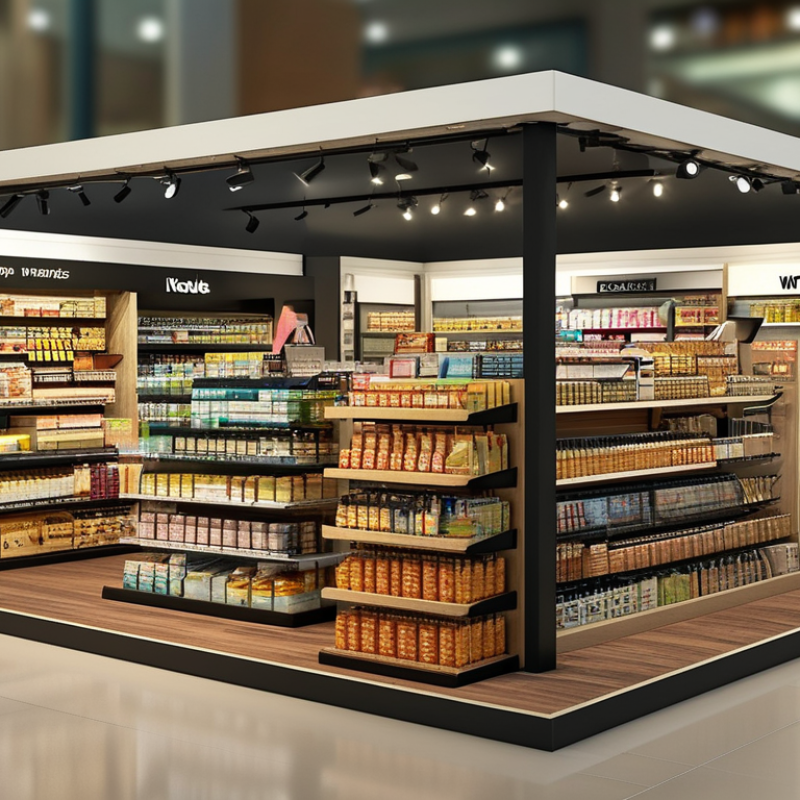
Point of purchase (POP) displays are critical in retail. They guide consumer decisions right at the moment of purchase. Research shows that effective displays can increase impulse buys by 20-30%. This statistic highlights the importance of optimizing these displays for maximum sales.
Creating an engaging display involves understanding consumer behavior. Displays should be eye-catching, organized, and easy to navigate. An attractive setup captures attention and increases dwell time. Incorporating themes or seasonal elements can also make displays more relevant. Retail experts advise that colors should evoke emotion. Bright colors often attract impulse buyers, while softer tones might draw in those looking for quality.
**Tips:**
Ensure products are easy to reach. A cluttered display can confuse shoppers. Incorporate clear signage to guide customers. This helps in quick decision-making. Regularly update displays based on sales data. Some products may require more attention than others.
Reflecting on current trends is vital. The rise of online shopping has shifted consumer expectations. Many now seek personalized experiences in-store. Enhancing the POP display should align with this shift. Consider digital touchpoints that can provide additional information. Experimenting with new strategies will help retailers stay competitive.
| Display Type | Key Element | Importance Level (1-5) | Impact on Sales (%) |
|---|---|---|---|
| End Cap | Visibility | 5 | 30% |
| Floor Display | Height | 4 | 25% |
| Shelf Talker | Message Clarity | 3 | 20% |
| Point of Purchase Signage | Design Appeal | 5 | 40% |
| Promotional Bundle | Value Proposition | 4 | 35% |
Effective point of purchase (POP) displays can significantly boost sales. Research shows that nearly 70% of purchase decisions are made at the shelf. This highlights the importance of design elements in POP displays. Key factors include visibility, attractiveness, and ease of access. For instance, displays should have bold colors and engaging graphics to catch the eye of shoppers. A study found that color increases brand recognition by up to 80%.
Another crucial aspect is the placement of products within the display. Items placed at eye level sell 2 to 3 times more than those positioned higher or lower. Additionally, incorporating interactive elements can increase consumer engagement. Displays with touchscreens or QR codes encourage shoppers to interact, driving impulse buys. However, displays must not be overcrowded. Clutter can overwhelm consumers and reduce purchase intent.
It’s essential to test different layouts and designs. What works for one store may not work for another. Continuous optimization based on sales data can lead to better results. Monitoring consumer behavior and gathering feedback can reveal what elements resonate. Striking the right balance between aesthetics and functionality is crucial for maximizing the impact of POP displays.
To optimize point of purchase displays, understanding consumer behavior is crucial. Research shows that four key factors drive purchasing decisions: sight, sound, touch, and smell. This means displays should engage multiple senses to capture attention. A vibrant color scheme can attract shoppers, while tactile elements encourage interaction. For example, allowing customers to touch products before purchasing can increase their confidence in the buy.
Another insight from consumer behavior is the importance of placement. Displays at eye level are often more effective. This strategic positioning increases visibility and can lead to impulse buys. However, simply placing a display in a prominent spot is not enough. It must also relate to the overall shopping experience. An incoherent display can confuse customers, leading to missed sales opportunities.
Experimentation is key. Each store has a unique environment, so testing different display configurations can yield surprising results. Gather feedback from customers and staff. This input is vital for refining your approach. A successful display is one that evolves based on consumer interaction. Reflecting on these aspects helps create a more impactful shopping experience that resonates with customers.
Strategic placement of point-of-purchase (POP) displays can significantly boost sales. When considering visibility, location is paramount. Place displays at eye level to attract attention. Items in prime sight-lines are more likely to draw in customers. Think about the flow of customer traffic. High-traffic areas are ideal. Ensure displays are not obstructed by other merchandise. Clarity in presentation is crucial.
Use bright colors and clear signage. This can make displays stand out. Short slogans or visuals can communicate a message quickly. Sometimes, simplicity is key to effective marketing. Customers often appreciate clean, easy-to-read layouts. However, overcrowded displays can overwhelm them. Surveys show that less is often more in POP design.
Consider the context of the display. Seasonal themes can enhance appeal. For example, holiday decorations can create excitement and prompt impulse buys. Think about lighting as well. Proper illumination can highlight products effectively. While experimentation is important, it’s essential to track results. Adjustments based on sales data can lead to better outcomes. There’s always room for improvement. Regularly reassess your display strategies and adapt accordingly.
Evaluating the effectiveness of point of purchase displays is critical for driving sales. Analyzing sales data can uncover insights about customer behavior. Sales spikes can indicate successful design choices. However, not every display will yield positive results. Some might fail to engage customers.
It’s important to set specific metrics for assessment. For example, track foot traffic and conversion rates. Surveys and customer feedback also provide valuable input. Observing customers' interactions with displays can shed light on their interests. Sometimes, displays that look great on paper do not translate well in practice.
Regularly reviewing and adjusting strategies based on these insights is vital. Testing different layouts or product placements can lead to unexpected successes. Not every change will be effective, and some may need rethinking. Emphasizing continuous improvement allows businesses to adapt and thrive in a competitive landscape.
This bar chart illustrates the sales volume before and after optimizing point of purchase displays. The significant increase highlights the effectiveness of strategic display positioning and design.
: Point of purchase displays are setups in retail that influence buying decisions. They aim to guide consumers right before purchase.
Effective displays can increase impulse buys by 20-30%. They play a crucial role in driving sales at the point of purchase.
Displays should be eye-catching and organized. Use bold colors and engaging graphics to attract shoppers’ attention.
Placing items at eye level can sell 2 to 3 times more. The right placement maximizes visibility and attracts customers.
Yes, clutter can confuse shoppers. A clean setup helps customers make quick decisions, increasing the likelihood of a purchase.
Understanding consumer behavior is key. Effective displays resonate with shoppers and can enhance the overall shopping experience.
Absolutely, updating displays based on sales data is crucial. It ensures that products receiving attention remain visible and appealing.
Yes, incorporating digital touchpoints can enhance engagement. Tools like QR codes create a more interactive shopping experience for customers.
Testing different layouts can reveal what works best. Continuous adaptation based on consumer feedback is vital for improved results.
Point of Purchase Displays play a crucial role in influencing consumer purchasing decisions and maximizing sales potential. To optimize these displays, it's essential to understand their importance and integrate key design elements that capture attention effectively. This includes utilizing consumer behavior insights to create impactful displays that resonate with shoppers, ensuring they are visually appealing and strategically placed for maximum visibility.
Furthermore, implementing placement techniques that consider foot traffic patterns can significantly enhance the likelihood of consumer engagement. To gauge the success of these Point of Purchase Displays, businesses should evaluate their effectiveness through sales metrics and consumer feedback. By continuously refining their approach based on these insights, retailers can ensure their displays not only attract attention but also drive increased sales.

DuraRacks