7 Tips for Choosing Adjustable Shelving for Your Warehouse?

Time:2026-09-16 Author:Charlotte
0%

Warehouse space is expensive, and poor shelving choices quietly increase picking time, damage, and safety risks. Adjustable Shelving can help warehouses respond to changing inventory, seasonal demand, and uneven product sizes. However, flexibility does not automatically mean efficiency. A shelf moved only a few inches may improve access, or it may reduce clearance around forklifts and walking paths.

The 2024 MHI Annual Industry Report found that 55% of supply chain leaders planned to adopt artificial intelligence within one or two years. That investment shows a wider industry shift toward adaptable, data-informed operations. Yet digital tools cannot correct weak storage planning. The Rack Manufacturers Institute’s ANSI MH16.1 guidance emphasizes proper rack design, loading, installation, and inspection. OSHA 29 CFR 1910.176 also requires materials to remain secure and stored without creating hazards.

Small details matter.

A 48-inch carton needs more than a 48-inch opening. Workers need hand clearance, visibility, and safe movement around the bay. Load weight, shelf depth, floor condition, and future product changes also deserve careful review. Many purchasing decisions focus too heavily on initial price. That can be a mistake. Maintenance, relocation, labeling, and employee training affect the real cost.

This guide presents seven practical tips for choosing Adjustable Shelving for your warehouse. It considers capacity, adjustability, accessibility, safety, durability, layout, and long-term value. No formula replaces a site walk. Some recommendations may need revision after measuring actual aisles, products, and workflows. That honest limitation is useful, because the best shelving system must work in the warehouse you operate, not the one shown in a brochure.
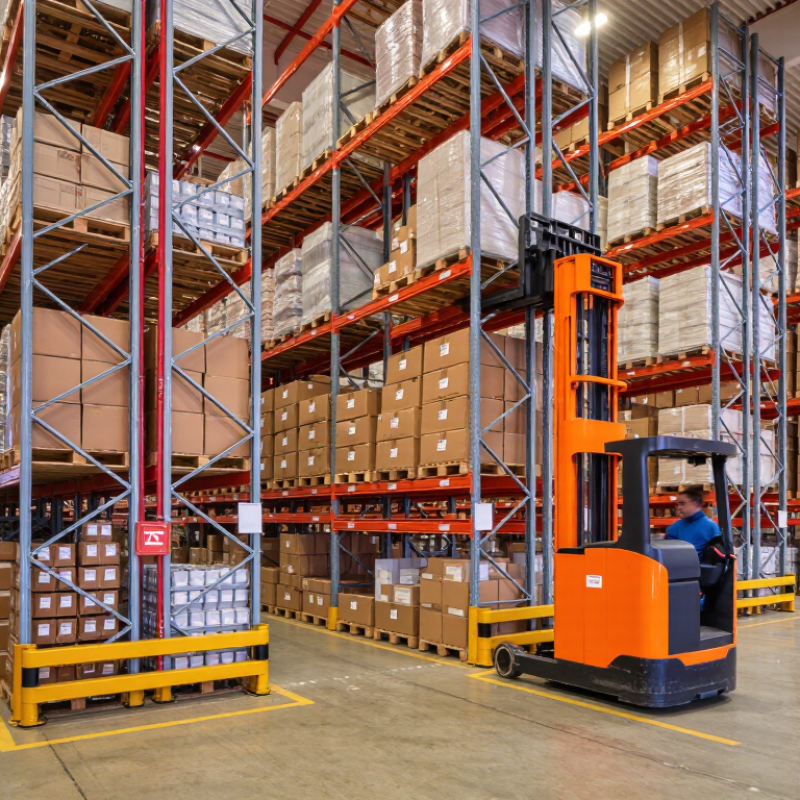
7 Tips for Choosing Adjustable Shelving for Your Warehouse?

Define Your Warehouse Storage Needs and Available Space

Before choosing adjustable shelving, define what your warehouse must store today. Record each item’s length, width, height, weight, and handling frequency. A carton measuring 60 centimeters high needs more than a shelf that simply looks spacious. Measure twice.

Walk through the storage area with a tape measure. Note wall height, columns, doors, sprinklers, lighting, and floor obstructions. Then mark required aisles for carts, forklifts, or manual picking. Leave room. Shelving that fills every corner may reduce safe movement and future flexibility.

Group products by size, turnover, and weight. Fast-moving cartons should sit between waist and shoulder height when workers pick them by hand. Heavy loads need lower levels and verified shelf capacities. Adjustable beams help when product dimensions change, but adjustment alone cannot fix poor planning.

Include a realistic growth allowance, perhaps 15 to 25 percent, based on seasonal demand and purchasing plans. Check that the floor can support the expected load. Confirm anchoring, stability, and local workplace requirements with a qualified professional. A layout drawing can reveal problems before installation.

I once underestimated clearance near a loading door. The shelves fit, but the workflow did not. That mistake showed me why measurements must include movement, not just storage volume. Review the plan with warehouse staff; their daily experience often exposes details missing from spreadsheets.

Compare Shelving Materials, Load Ratings, and Structural Designs

Adjustable shelving can change a warehouse quickly, but flexibility should not replace careful selection.

Tip: Compare steel, aluminum, and composite panels for your environment. Steel handles heavy cartons and frequent impacts. Aluminum resists corrosion and remains easier to move. Composite panels may suit lighter, cleaner storage areas. I have seen attractive shelves sag because material choice was based on appearance alone.

Tip: Read the load rating for each shelf level, not only the total unit rating. Confirm whether the rating applies to evenly distributed weight. A concentrated box can create a dangerous weak point.

Tip: Add a safety margin for seasonal stock, damaged packaging, and future growth. Perfect forecasts rarely exist.

Structural design matters just as much as material.

Tip: Examine upright thickness, beam connections, bracing, and base stability. Bolted systems can offer strong, serviceable frames.

Clip-in designs allow faster adjustment, but poor installation may reduce stability.

Tip: Check the adjustment range against your actual carton heights. Empty space wastes capacity.

Tip: Measure floor conditions and aisle clearance before ordering. Uneven floors can affect alignment, especially in tall units.

Tip: Ask for tested load data, installation guidance, and inspection records. Reliable suppliers should explain assumptions clearly.

Tip: Inspect shelves after relocation or impact. A small bent connector deserves attention.

I would also review the design after several months, because real warehouse use often exposes weaknesses that drawings miss.

Select Adjustable Features for Changing Inventory Requirements

Changing inventory rarely follows a neat forecast. Adjustable shelving helps warehouse teams respond without rebuilding every aisle. Measure cartons, bins, and pallets, then record their height, weight, and turnover. Choose tool-free height changes when product dimensions shift weekly. Use movable beams or clips that lock firmly. A loose connection is not a small problem.

Select load ratings above normal demand, not just today’s heaviest box. Leave clearance around sprinklers, lights, and handling equipment. Keep access clear. Add dividers, bins, and back stops for small or unstable goods. Choose corrosion-resistant finishes where moisture or frequent cleaning is common. For fast-moving stock, adjustable levels should support clear labels and direct access. Wide openings may improve picking speed, but they can waste vertical space.

Test one bay with a real picking task before fitting the entire warehouse. Measure twice. Time the reach, check shelf deflection, and ask workers where products snag. This trial often exposes awkward gaps that drawings miss. Review the system after seasonal changes, because yesterday’s ideal layout can become today’s bottleneck. I once favored maximum shelf density, then learned that crowded levels slowed replenishment. Flexibility matters, but disciplined review matters too. Keep inspection records, tighten hardware, and replace damaged parts promptly.

Evaluate Accessibility, Safety, and Workflow Efficiency

7 Tips for Choosing Adjustable Shelving for Your Warehouse

Adjustable shelving should make products easy to reach, not merely fit more cartons. Begin by mapping hand height, package weight, and picking frequency. Keep fast-moving items between knee and shoulder level. This reduces stretching, bending, and unnecessary steps. Tip 1: Test a full pick route with an empty cart. A shelf that looks accessible may block turning space.

Safety needs measurable limits. Check the manufacturer’s load rating, shelf deflection, anchoring method, and floor condition. Never assume evenly distributed weight. The U.S. Bureau of Labor Statistics recorded 2.6 million nonfatal workplace injuries and illnesses in private industry during 2023. The HSE reported 604,000 work-related injuries among workers in Great Britain during 2023/24. Tip 2: Label every shelf with its safe capacity. Tip 3: Leave clear aisles for people, carts, and emergency access. One overlooked beam can create a serious hazard.

Workflow efficiency depends on the details between storage and dispatch. Use adjustable levels for seasonal stock, but review them after demand changes. Place labels toward the aisle, with consistent locations and readable contrast. Tip 4: Measure walking distance before and after installation. MHI’s 2024 Annual Industry Report highlights continued investment in supply-chain efficiency and technology. Still, technology cannot repair poor shelf placement. I have seen layouts optimized for density become slower during replenishment. Leave room for inspection, cleaning, and honest mistakes. A practical trial is often more revealing than a perfect drawing.

Review Installation, Maintenance, and Long-Term Operating Costs

7 Tips for Choosing Adjustable Shelving for Your Warehouse

Installation decisions shape every later expense. Tip one: measure ceiling height, aisle width, door clearances, and floor conditions before ordering. Tip two: match shelf capacity with real loads, not optimistic estimates. Tip three: use qualified installers and follow the supplier’s anchoring instructions. Uneven floors can make adjustable frames unstable. Level each bay carefully. Leave room for forklifts, lighting, and sprinkler access.

Maintenance should be simple enough for busy teams. Tip four: inspect beams, clips, uprights, and anchors during monthly checks. Look for bent metal, loose connections, and scraped coatings. Tip five: record damage immediately, then remove unsafe sections from service. Small defects grow quickly. A written inspection log improves accountability, although many warehouses underuse it. Labels should show maximum load limits clearly. Staff also need brief training on safe shelf adjustment.

Long-term operating cost includes labor, repairs, downtime, and future expansion. Tip six: compare systems by adjustment speed, replacement-part availability, and cleaning access. A cheaper frame may demand more labor later. Tip seven: calculate the cost of relocating shelves when inventory changes. Modular components can reduce disruption, but only if compatible parts remain available. Request maintenance guidance and warranty terms in writing. Review energy use too, especially when shelving blocks lighting or ventilation. One practical mistake is measuring only today’s stock. Reserve some capacity for seasonal growth.

7 Tips for Choosing Adjustable Shelving for Your Warehouse? - Review Installation, Maintenance, and Long-Term Operating Costs

Tip Selection Dimension Recommended Planning Data Installation Review Maintenance Review Long-Term Operating Cost Impact
1 Match load capacity to actual inventory Common light- to medium-duty adjustable shelving is rated at approximately 150–1,000 lb (68–454 kg) per shelf, depending on shelf construction and span. Select a system with at least 20% reserve capacity above the heaviest expected load. Confirm that uprights, beams, shelves, anchors, and floor conditions support the stated rating. Install heavier loads on lower levels to improve stability. Inspect shelves and connections at least annually, and immediately after an impact. Replace bent or permanently deformed components. Correct capacity selection reduces product damage, emergency repairs, and premature replacement. Overloading can create significant safety and downtime costs.
2 Choose useful dimensions and adjustability Typical warehouse shelving heights are approximately 72–96 in (1.83–2.44 m), depths are 12–24 in (305–610 mm), and shelf spacing can often be adjusted in 1–2 in (25–51 mm) increments. Measure aisle width, door openings, ceiling clearance, sprinkler clearance, and column locations before delivery. Allow enough room for safe picking and material handling. Reconfigure shelf levels when product dimensions change, but keep all clips, bolts, and supports fully engaged after adjustment. Adjustable levels can improve cubic-space utilization and reduce the need for additional shelving as SKU dimensions change.
3 Evaluate installation time and labor A basic boltless bay may take roughly 20–45 minutes for two trained workers. Bolted or anchored systems commonly require more time because of leveling, fastening, and safety checks. Prepare a level floor, staging area, assembly tools, lifting equipment if required, and a documented installation sequence. Verify plumb, level, bracing, and anchor points. Retighten fasteners after initial settling and check that locking tabs or clips remain seated after any reconfiguration. Faster installation lowers initial labor cost, while a more robust installation may reduce future adjustment, repair, and downtime expenses.
4 Prioritize safe access and ergonomics Frequently picked items are generally most efficient between approximately 30–60 in (760–1,520 mm) above the floor. Use approved ladders or platforms for higher levels rather than standing on shelves. Keep aisles unobstructed and provide end-of-row protection where forklifts or carts operate. Anchor tall or narrow units where required by the risk assessment. Remove damaged labels, protruding hardware, and debris. Check that frequently handled containers do not overhang shelf edges. Better access can reduce picking time, worker strain, product handling errors, and incident-related costs.
5 Check material and corrosion resistance Painted or powder-coated steel is suitable for many dry warehouses. Galvanized or stainless components are more appropriate for humid, washdown, or corrosive environments. Keep steel components dry during storage and installation. Avoid direct contact with corrosive chemicals unless the finish has been specifically rated for that exposure. Use a mild detergent and water for routine cleaning. Dry surfaces promptly and treat scratches or exposed metal before corrosion spreads. Higher initial material cost may be justified where moisture or chemicals would otherwise shorten service life and increase repainting or replacement frequency.
6 Compare modularity and future expansion Plan for approximately 10–20% additional storage demand when forecasting near-term growth. Select compatible add-on bays, replacement shelves, dividers, and braces. Leave expansion zones and maintain access to connection points. Keep a layout drawing showing bay dimensions, load ratings, and anchor locations. Standardize shelf sizes and spare parts across the warehouse to simplify inspection, repair, and reconfiguration. Modular systems can reduce relocation and replacement costs, particularly when inventory profiles or warehouse layouts change.
7 Calculate total cost of ownership Include purchase price, delivery, installation labor, anchoring, accessories, inspections, repairs, reconfiguration, and disposal. A practical review period is 5–10 years. Record actual installation hours, additional tools, floor preparation, and any required safety modifications rather than evaluating equipment price alone. Budget for periodic inspections, replacement clips or fasteners, touch-up materials, and damaged-part replacement. Keep maintenance records by bay. Use this formula: Total Cost of Ownership = Purchase + Installation + Maintenance + Reconfiguration + Downtime − Residual Value.

Planning note: Capacity, dimensions, installation time, and service life vary by shelf material, span, load distribution, floor condition, local safety requirements, and operating environment. Confirm final specifications with the shelving supplier and applicable workplace-safety regulations.

FAQS

Which shelving material is best for heavy warehouse cartons?

Steel suits heavy cartons and frequent impacts. It is strong, but usually less convenient to move.

When might aluminum or composite panels work better?

Aluminum resists corrosion and remains easier to relocate. Composite panels suit lighter, cleaner storage areas.

Should I check the total shelving capacity only?

No. Check the rating for every shelf level. Confirm whether it assumes evenly distributed weight.

Why is a safety margin important?

Seasonal stock, damaged packaging, and future growth can increase loads. Perfect forecasts rarely exist.

Which structural details deserve close inspection?

Examine upright thickness, beam connections, bracing, and base stability. Small connectors matter.

Are clip-in systems always stable?

Clip-in systems adjust quickly, but poor installation can reduce stability. Check each connection carefully.

How should shelving support safer picking?

Keep fast-moving items between knee and shoulder height. This reduces stretching, bending, and extra steps.

What should I test before final installation?

Walk a full picking route with an empty cart. Check turning space, aisle clearance, and floor alignment.

How can shelving improve workflow?

Place labels toward the aisle with readable contrast. Measure walking distance before and after installation.

What inspections are needed after installation?

Inspect shelves after relocation or impact. A bent beam needs attention, even if the shelf still looks usable.

Conclusion

Choosing the right Adjustable Shelving system begins with a clear understanding of your warehouse storage needs, available floor space, ceiling height, and the types of products you handle. Consider the materials, load ratings, and structural designs that can safely support your inventory while making the most of your storage area. Adjustable components are especially valuable when product sizes, quantities, or seasonal demands change, allowing your layout to adapt without requiring a complete replacement.

Accessibility and workflow should also guide your decision. Select shelving that provides convenient product visibility, efficient picking routes, and safe access for workers. Before making a purchase, review installation requirements, maintenance needs, durability, and long-term operating costs. A system that is easy to assemble, modify, inspect, and repair can reduce disruptions and improve overall warehouse efficiency. By balancing flexibility, safety, performance, and cost, you can create a practical storage solution that supports current operations and future growth.

Charlotte

Charlotte

Charlotte is a seasoned marketing professional with a deep understanding of the company's portfolio and a passion for elevating its presence in the market. With a keen eye for detail and a commitment to excellence, she ensures that our professional blog is regularly updated with insightful articles......