China’s shelving supply chain serves retailers, warehouses, workshops, and homes. Yet choosing a supplier is not as simple as comparing a price sheet. Shelving Boards must carry expected loads, fit the rack system, and withstand daily handling. Small details matter. Edge finish, thickness tolerance, surface coating, and packaging can affect installation and service life.
This guide introduces ten manufacturers in China and explains what buyers can examine before requesting quotations. It considers product range, material options, customization, production capacity, quality documentation, and export experience. These points help create a practical shortlist, not a universal ranking. A supplier that suits a high-volume warehouse may not fit a small retail project. Context matters.
Claims should be checked against current samples, specifications, and shipment records. Ask for board dimensions, load guidance, moisture or abrasion information where relevant, and clear packaging details. Request photographs or samples. Then compare like with like. A polished catalogue is useful, but it cannot prove consistency across every production run. That is worth remembering. Manufacturer information and capabilities can change, and public descriptions may leave gaps. Buyers should confirm details directly and assess them against their own requirements. The companies profiled here offer a starting point for research, not a substitute for technical review. Some comparisons will remain imperfect, because product specifications and buyer priorities do not always align neatly. A careful conversation often reveals more than a long product list.
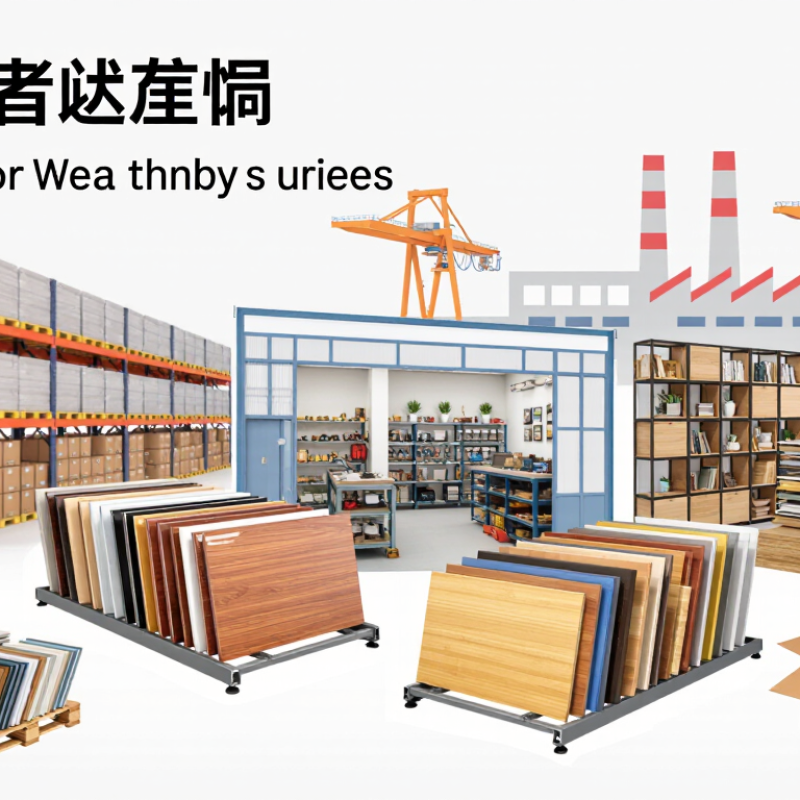
A shelving board is the horizontal surface that carries books, tools, pantry goods, or display items. Its best material depends on load, shelf span, room conditions, and finish—not appearance alone. Particleboard is economical and often covered with a decorative surface, but it can sag under heavy loads if the span is too wide. MDF has a smooth face for painting and even edges, though it is heavy and less suited to damp rooms. Plywood uses layered veneers, which can provide useful strength and screw-holding ability. Solid wood is sturdy and repairable, but may move with changes in humidity. No option fits every room.
Surface treatments matter, too. Laminated boards are easy to wipe clean, while veneered boards show a natural wood face over a core material. Check the board’s thickness and recommended load, then consider the supports beneath it. In practical installations, a strong board can still bow when brackets are far apart. People often overlook that detail. I would also inspect exposed edges, especially near sinks or entryways, where moisture and knocks collect.
Tips
Measure the clear span, not just the shelf length. Store heavier items near the supports, and use extra brackets for long shelves. If the room is humid, verify the board’s moisture suitability before buying.
China’s Shelving Board Manufacturing Industry
China’s shelving board industry supplies furniture makers, retailers, and contractors with panels for shelves and storage systems. Factories commonly process particleboard, MDF, plywood, and laminated panels. Edge-banding, drilling, and sizing may happen in-house or through nearby workshops. This flexible production network can support different order sizes, though factory capabilities vary.
For buyers, the board’s core and finish matter as much as its quoted thickness. Check dimensions at several points, inspect the edges for chipping, and ask how the surface handles scratches and moisture. A simple load test on a sample can reveal sagging that photographs will not show. Ask for material specifications and a pre-production sample before confirming a large order.
The process is not always perfectly tidy. Small differences in pressing, adhesive coverage, or trimming can affect how boards fit during installation. A polished sample does not guarantee every batch will match it. Clear drawings, agreed tolerances, and written inspection steps help reduce surprises. These checks take time, but they make supplier comparisons more meaningful than price alone.
This table summarizes ten common shelving-board product categories manufactured in China. It is an industry overview, not a company ranking; thicknesses are typical commercial ranges and can vary by specification and supplier.
| No. | Board Category | Typical Core Material | Common Thickness Range | Common Surface or Finish | Typical Shelving Applications |
|---|---|---|---|---|---|
| 1 | Melamine-Faced Particleboard | Wood particles bonded with resin | 9–25 mm | Melamine-impregnated decorative paper | Wardrobes, bookcases, cabinets, and general indoor shelving |
| 2 | Medium-Density Fiberboard (MDF) | Wood fibers bonded under heat and pressure | 3–30 mm | Paint, veneer, laminate, or melamine facing | Painted shelves, furniture components, and decorative interiors |
| 3 | Film-Faced Plywood | Cross-laminated wood veneers | 9–21 mm | Resin-impregnated film, commonly with sealed edges | Utility shelving and applications where a washable surface is useful |
| 4 | Decorative Plywood | Cross-laminated wood veneers | 3–30 mm | Decorative wood veneer or coated face | Furniture shelving, display units, and interior fit-outs |
| 5 | Oriented Strand Board (OSB) | Engineered wood strands arranged in layers | 6–25 mm | Usually unfinished; may be sanded or coated | Workshop, storage, and utility shelving where appearance is secondary |
| 6 | High-Pressure Laminate-Faced Board | MDF or particleboard core | 12–30 mm | High-pressure decorative laminate | Retail fixtures, office furniture, and hard-wearing interior shelves |
| 7 | Veneered Engineered-Wood Board | MDF, particleboard, or plywood core | 12–30 mm | Natural or reconstituted wood veneer | Living-room furniture, cabinetry, and decorative shelving |
| 8 | Solid-Wood Panel | Joined solid-wood strips or boards | 10–40 mm | Clear coating, stain, oil, or paint | Furniture shelves and made-to-measure interior projects |
| 9 | Bamboo Panel Board | Laminated or strand-woven bamboo | 10–30 mm | Clear finish or factory-coated surface | Furniture, display shelving, and interior applications |
| 10 | Compact Laminate Board | Resin-bonded layers of decorative paper | 6–20 mm | Decorative laminate surface integral to the panel | Moisture-exposed interiors, washrooms, and commercial shelving |
China Top 10 Shelving Board Manufacturers
Criteria for Comparing Shelving Board Manufacturers
Choosing a shelving board manufacturer requires more than comparing prices per sheet. The FAO’s Global Forest Products Facts and Figures 2023 reports that global wood-based panel production reached about 401 million cubic metres in 2022, a 1% increase year on year. At this scale, consistent grading and documented quality matter. Ask for board type, actual thickness, density range, and batch-specific test reports. Check whether load ratings specify shelf span and test conditions. A 600 mm shelf may bow under heavy books, even when a small sample feels rigid.
Compare moisture resistance, edge strength, surface finish, and emissions. FAO’s figures describe panel categories, not individual factories, so verify supplier claims with current test records and production samples. For indoor boards, request formaldehyde results and the test method used. Confirm thickness tolerances, packaging, lead times, and whether repeat orders match previous batches. Ask for a written specification. It reduces ambiguity. I would also inspect a cut edge and test screw holding; showroom samples can hide a weak core. One limitation: audits and laboratory reports take time, and no single score suits every project. Record exceptions openly. A lower-cost board may work for light-duty shelving, but only when its limits are clear.
China’s shelving-board sector includes producers of particleboard, medium-density fibreboard, plywood, and prefinished panels. FAOSTAT’s 2022 forestry production data places global wood-based panel output at roughly 400 million cubic metres, showing the scale of the supply chain behind furniture and storage products. This is broad industry context, not a measure of shelving boards alone.
The ten profiles compare manufacturers by board type, production focus, and evidence buyers can verify. Some emphasize consistent thickness for adjustable shelves; others offer melamine-faced surfaces that arrive ready for assembly. Edge quality matters. A rough or chipped edge can complicate installation, even when a board looks sound on the pallet. Useful checks include published density and moisture specifications, batch traceability, and independent test reports. Product descriptions alone are not proof.
Factory scale is only one signal. Buyers should request samples and compare flatness, screw-holding performance, and finish under the same conditions. A humid warehouse can expose weaknesses that a showroom sample hides. The comparison also has limits: public specifications may use different test methods, so figures are not always directly comparable. That part is easy to miss. The profiles are best treated as a starting point, not a substitute for checking the actual board and its intended use.
Shelving boards serve in wardrobes, kitchens, garages, retail displays, and warehouse storage. Each setting brings different demands. A pantry shelf may face steam and spills, while a garage shelf may carry heavy toolboxes. Choose the board’s core, thickness, and surface finish for the actual load and environment, not appearance alone. Particleboard and MDF suit many indoor uses; plywood often handles heavier loads or more frequent fixing. These are general guides, not guarantees.
FAO’s 2023 Global Forest Products Facts and Figures reports roughly 400 million cubic metres of wood-based panels produced worldwide in 2022. That scale makes supplier consistency worth checking. Ask for board specifications, thickness tolerances, load-test details, moisture guidance, and applicable emissions documentation.
Compare samples for flatness, edge strength, and finish quality. Details matter. For long spans, confirm supported-load limits rather than relying on a sales estimate. Check whether repeat orders use consistent materials and whether packaging protects corners during delivery.
Price still matters, but a low quote can hide uneven thickness or weak edges. I would inspect a sample before committing; that step is easy to skip, and sometimes it should not be. A practical selection balances use, measurable performance, and dependable supply.
Factories commonly process particleboard, MDF, plywood, and laminated panels. Some also arrange edge-banding, drilling, and sizing through nearby workshops.
Match the core, thickness, and finish to the shelf’s environment and load. Pantry shelves may face steam and spills; garage shelves may hold heavy toolboxes.
Measure thickness at several points, inspect chipped edges, and check flatness. A small load test can reveal sagging that photos may miss.
No. Differences in pressing, adhesive coverage, or trimming can affect fit. It is worth remembering that one sample cannot show every batch.
Ask for material details, thickness tolerances, load-test information, moisture guidance, and applicable emissions documentation. Get the requirements in writing.
No. Particleboard and MDF suit many indoor uses, while plywood often handles heavier loads or repeated fixing. These are general guides, not guarantees.
Compare samples for edge strength, surface finish, and flatness. Check supported-load limits for long spans, plus packaging around corners.
Share clear drawings, agreed tolerances, and written inspection steps before production. These checks take time. Skipping them may cause avoidable surprises.
This article explores the main types of Shelving Boards, including options made from different materials and designed for varied storage needs. It also introduces China’s shelving board manufacturing industry, describing its production capabilities and the factors that can influence product quality, customization, and supply. Readers will find a practical framework for comparing manufacturers, with attention to material selection, construction, finishing, production capacity, quality control, and communication.
The article profiles ten leading manufacturers in China without focusing on brand promotion, then considers how shelving boards are used in residential, commercial, and industrial settings. It concludes with supplier-selection considerations to help buyers match board specifications with their intended application, budget, durability requirements, and delivery needs. By combining an overview of product types, industry context, and evaluation criteria, the guide offers a clear starting point for making informed sourcing decisions.

DuraRacks