Top 10 Supermarket Fixtures in China for Global Buyers?

Time:2026-08-05 Author:Madeline
0%

As the retail landscape evolves, understanding the best Supermarket Fixtures in China is crucial for global buyers. This diverse market offers a unique blend of traditional and modern fixtures, catering to a wide range of consumer needs. From innovative shelving systems to eye-catching display units, the choices can be overwhelming.

Buyers must navigate both aesthetics and functionality. Each fixture must enhance the shopping experience while optimizing space. The right display can draw customers in, influencing their purchasing decisions. Yet, it’s essential to balance cost and quality. Some options may look appealing but lack durability.

China's supermarket fixtures showcase the country’s manufacturing capabilities. However, not all products are equally reliable. Some fixtures may require frequent replacements, impacting long-term costs. Evaluating suppliers carefully is vital, as is seeking feedback from other retailers. Making informed decisions can lead to more successful retail environments.
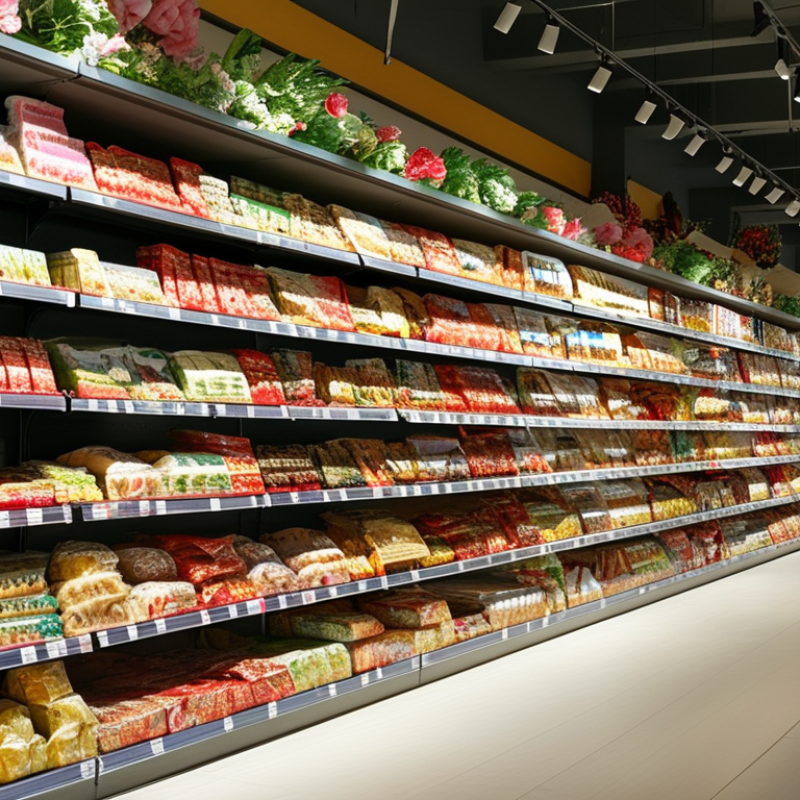
Top 10 Supermarket Fixtures in China for Global Buyers?

Overview of the Supermarket Fixture Industry in China

The supermarket fixture industry in China has shown remarkable growth over the past few years. According to a report by Research and Markets, the market reached approximately $8 billion in 2022 and is expected to grow at a CAGR of 6% through 2030. This surge is linked to the rising demand for organized retail spaces. More supermarkets are adopting high-quality fixtures to enhance shopping experiences.

Innovative designs and materials are reshaping this sector. Fixtures made from sustainable materials are gaining popularity among domestic and international buyers. There is a shift towards smart fixtures that integrate technology, such as electronic shelf labels. However, challenges remain. Many manufacturers struggle with the pace of technological changes and customer expectations, leading to inconsistent product quality across the industry.

Participation in global trade has also impacted this sector. International buyers seek to source fixtures that meet global standards. A report from the China National Light Industry Council indicates there are still quality control issues that need to be addressed. Many suppliers may not comply with international regulations, which raises concerns among global buyers. This dichotomy highlights the importance of thorough vetting in the procurement process.

Key Features of Effective Supermarket Fixtures

Supermarket fixtures play a vital role in enhancing customer experience. In China, effective fixtures blend functionality and aesthetic appeal. Key features include adaptability, visibility, and durability. Adaptable fixtures allow stores to change layouts easily, catering to seasonal promotions or new products. Customers are drawn to well-organized displays, which enhance product visibility. Durability ensures fixtures withstand heavy use without compromising appearance.

Tips for selecting fixtures include considering materials. High-quality metal or wood can add elegance. Opt for pieces that are easy to clean and maintain. This choice not only improves hygiene but also prolongs the lifespan of the fixtures. Furthermore, involve your staff in the selection process. Their insights can guide decisions tailored to customer preferences.

Pay attention to the overall theme of your store. Fixtures should harmonize with your brand's identity. Mismatched styles or colors can confuse customers and dilute the shopping experience. Reflect on past fixture arrangements in your store. Consider what worked and what didn’t. Learning from these experiences can lead to better strategies in future setups.

Top Materials Used in Supermarket Fixtures in China

In China, the supermarket fixtures industry has evolved significantly. The primary materials utilized include metal, plastic, wood, and glass. According to recent industry reports, metal holds the largest market share, accounting for over 50%. Its durability and strength make it a preferred choice for shelving and racks.

Plastic fixtures follow closely, recognized for their lightweight and cost-effectiveness. They are often used in smaller stores or temporary setups. Wood, while more expensive, offers an aesthetic appeal. It is used in high-end supermarkets to create a warm, inviting atmosphere. Glass fixtures can enhance visibility of products, but they may pose challenges regarding safety and maintenance.

Despite advancements, some fixtures lack adaptability. Many existing designs do not cater to evolving consumer preferences. A lack of renewable materials can raise sustainability concerns. Data indicates that only 15% of fixtures made in China currently focus on eco-friendly materials. This gap presents an opportunity for innovation within the sector.

Innovative Design Trends in Supermarket Fixture Solutions

The supermarket fixture landscape in China is evolving rapidly. Innovative designs dominate the market, driven by consumer needs and technology. Fixtures now integrate aesthetics with functionality, enhancing the shopping experience. Bright colors and clean lines attract customers, while smart layouts promote easy navigation.

Sustainability is another strong trend. Many fixtures are made from eco-friendly materials. This approach resonates with environmentally conscious consumers. The challenge lies in balancing durability with sustainability. Not all materials perform equally over time. It's essential for manufacturers to reflect on this aspect.

Digital integration is also becoming crucial. Fixtures equipped with screens provide information and promotions. However, too much technology may overwhelm shoppers. Striking the right balance between innovation and simplicity is key. Retailers must consider user experience while pushing design boundaries.

Considerations for International Buyers of Supermarket Fixtures

When purchasing supermarket fixtures in China, international buyers should consider several factors. Chinese supermarket fixtures often embody a blend of traditional designs and modern needs. Cost-efficiency is essential. According to a report by IBISWorld, the average annual growth of the supermarket fixture market in China is estimated to be around 6%, indicating robust demand.

Quality assurance is crucial, too. Many suppliers may provide products that do not meet international safety standards. Buyers must conduct due diligence. Conducting factory visits can help verify claims. A study by Statista shows that around 70% of international buyers prioritize quality control. This emphasizes the importance of direct engagement with manufacturers.

Cultural nuances can also influence fixture design. Understanding local consumer behavior can guide purchasing decisions. A Nielsen report indicates that 65% of Chinese consumers favor eco-friendly materials. This insight can help shape marketing strategies. Engaging local experts can bridge knowledge gaps. Embracing these considerations can lead to successful procurement of supermarket fixtures in a dynamic market.

FAQS

: What is the current market size of the supermarket fixture industry in China?

: The industry reached about $8 billion in 2022 and is expected to grow further.

What factors are driving growth in this industry?

Increasing demand for organized retail spaces is a key driver for growth.

What type of materials are becoming popular in supermarket fixtures?

Sustainable materials are gaining traction among buyers both domestically and internationally.

How are technological advances affecting fixture designs?

There is a notable shift towards smart fixtures with tech integrations like electronic shelf labels.

What challenges do manufacturers face in the industry?

Many struggle with technological changes and meeting customer expectations, impacting product quality.

Why is quality control a concern for international buyers?

Some suppliers may not comply with international standards, raising quality concerns.

What are essential features of effective supermarket fixtures?

Adaptability, visibility, and durability are crucial for enhancing customer experiences.

How can retailers select the best fixtures?

Consider materials, involve staff in selection, and ensure fixtures align with store themes.

What trends are currently influencing fixture designs?

Innovation, sustainability, and digital integration are shaping the future of supermarket fixtures.

What is a potential downside of integrating too much technology?

Overwhelming customers with technology may lead to confusion and a negative shopping experience.

Conclusion

The supermarket fixture industry in China has been experiencing significant growth, driven by the rising demand for efficient and visually appealing retail environments. Effective supermarket fixtures are characterized by their functionality, durability, and the ability to enhance the shopping experience. Key materials, such as metal, wood, and plastic, are commonly utilized to create versatile fixtures that meet various display needs.

Innovative design trends are also shaping the future of supermarket fixtures, focusing on sustainability, modularity, and technology integration. For international buyers, understanding these trends and key features is essential to making informed purchasing decisions. Careful consideration of local preferences and market conditions can lead to successful investments in China's burgeoning supermarket fixture market.

Madeline

Madeline

Madeline is a dedicated marketing professional with a wealth of expertise in our company's core offerings. With a keen understanding of the industry, she brings a unique perspective to her role, consistently delivering high-quality content that highlights the superior aspects of our products. As......