In the competitive world of retail, the way products are displayed can significantly impact sales. Retail displays play a crucial role in attracting customers and influencing their purchasing decisions. A well-designed display not only showcases products but also tells a story. It engages shoppers in a way that mere shelves cannot.
Imagine walking into a store where products are grouped creatively, catching your eye immediately. Each display should reflect the brand’s identity and resonate with the target audience. This connection is vital. However, many retailers overlook the potential of their displays. A lack of planning can lead to uninspiring setups that fail to capture attention.
To enhance sales, it is essential to explore the top retail displays that truly make a difference. From interactive setups to strategic lighting, the right display can elevate a shopping experience. Retail displays are not just about aesthetics; they are an investment in customer engagement. Reflecting on your current displays might reveal areas for improvement. Are they working as hard as they could? Understanding this can transform your retail strategy.
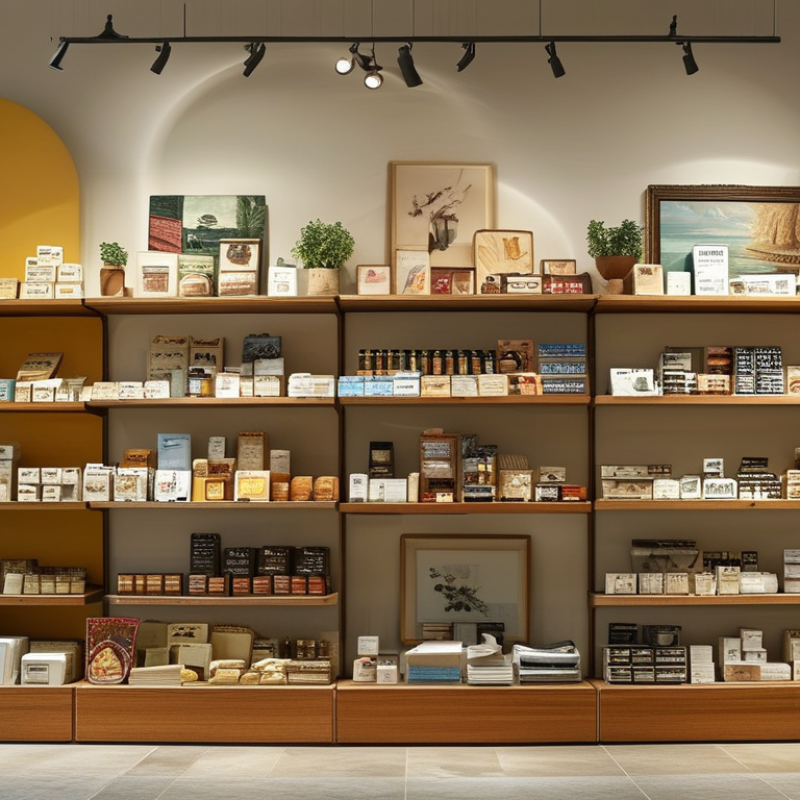
In the competitive retail landscape, effective display strategies can significantly enhance customer engagement. Engaging displays draw attention and create an inviting atmosphere. Highlighting seasonal items or promotions can drive traffic. Use bright colors and eye-catching designs to grab customers’ interest. Simple, clean layouts also help to showcase products clearly.
Customers are more likely to stop and explore an organized, appealing display.
Interactive elements can elevate the shopping experience. Allow customers to touch products or experience demonstrations. Such tactics create memorable interactions. Involve sensory aspects, too; smells and textures can influence purchasing decisions. Not every display will resonate with shoppers, however. It's essential to gather feedback to refine approaches regularly.
Some displays may lead to confusion or clutter. Analyze which layouts drive sales, and adjust accordingly.
Consider the placement of displays carefully. High-traffic areas often yield better results. Yet, too many displays can overwhelm. Find a balance that keeps the store feeling spacious. Track how each display performs over time. Successful retailers remain adaptable, always willing to experiment.
A display that worked wonders last season might not be effective today. Embrace change and continuously improve to meet evolving customer expectations.
: Visual merchandising attracts customers and enhances their shopping experience, influencing their purchasing behavior.
Placing high-demand items at eye level often leads to increased purchases by catching customer attention.
Proper lighting highlights products, making them more appealing and encouraging customers to explore further.
Specific colors can evoke emotions; for instance, red can create urgency, while blue fosters trust and calmness.
Retailers must balance colors to avoid overwhelming customers, experimenting to find combinations that resonate well.
Analyzing heat mapping data can help in placing displays in high-traffic areas, maximizing engagement and sales.
Regularly updating displays keeps the shopping environment dynamic, appealing to returning customers and maintaining interest.
Tools like A/B testing can help assess the effectiveness of different display strategies, ensuring continual improvement.
Gathering feedback helps identify successful strategies and areas for improvement, ensuring displays resonate with the target audience.
Relying too heavily on a single element, like color, can be risky; a holistic approach is often more effective.
Retail displays play a crucial role in enhancing in-store customer engagement and driving sales. Effective retail display strategies focus on creating visually appealing environments that captivate shoppers' attention and encourage interaction. Essential elements of visual merchandising, such as layout, product placement, and signage, contribute to a compelling shopping experience, ultimately influencing purchase decisions.
Moreover, understanding the impact of color psychology on consumer behavior can significantly enhance the effectiveness of retail displays. Innovative techniques, such as dynamic displays and interactive elements, further elevate the shopping experience, leading to higher conversion rates. By leveraging data-driven insights to measure the effectiveness of various retail display strategies, businesses can refine their approaches and maximize sales potential. In summary, well-executed retail displays are vital tools for retailers aiming to elevate customer engagement and boost sales.

 DuraRacks