In the fast-evolving landscape of logistics, choosing the right Warehouse Storage Systems is paramount. As global trade expands, efficient storage solutions have become essential. Expert Dr. James Liu, a leading authority in warehouse management, emphasizes, "Effective storage systems are the backbone of a successful supply chain." This insight underlines the critical role these systems play in enhancing operational efficiency.
China boasts a diverse range of warehouse storage solutions, catering to various needs. From pallet racking to automated storage, the options are plentiful. However, not all systems suit every warehouse. Buyers must assess their unique requirements carefully. For instance, space limitations and inventory types influence the best choices. It is crucial to avoid a one-size-fits-all approach.
While many solutions offer advantages, potential challenges exist. Some systems may necessitate high initial investments, which can deter smaller businesses. Additionally, maintenance costs can be overlooked in the planning stages. This complexity calls for thorough research and consideration of long-term implications. Insightful planning can turn challenges into opportunities for operational improvement in the realm of Warehouse Storage Systems.
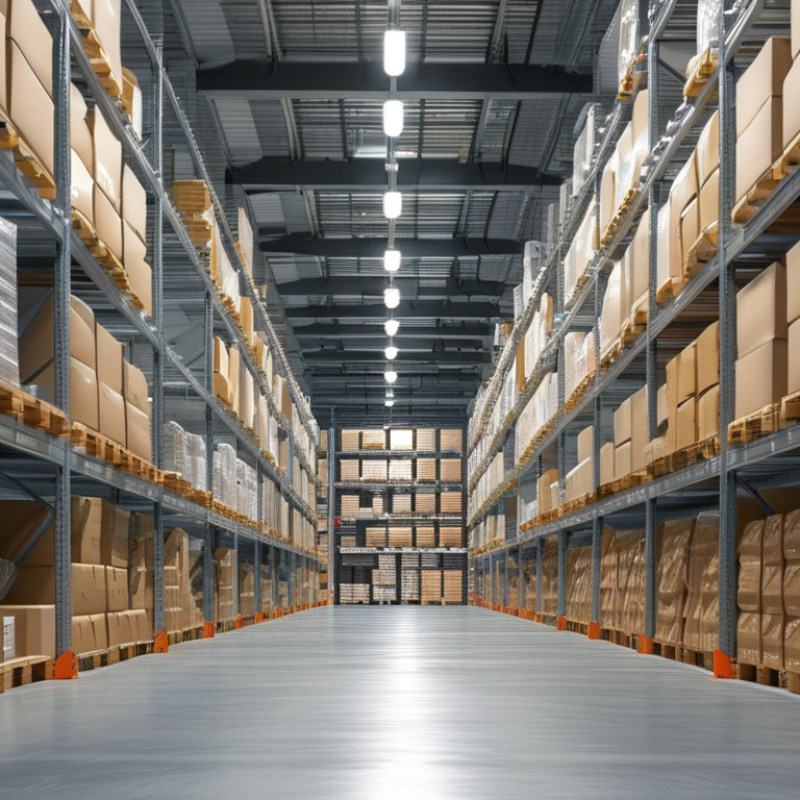
Warehouse storage systems in China have become vital for global buyers seeking efficient logistics solutions. The variety of systems ranges from traditional shelving to automated solutions. Each system caters to specific needs, providing flexibility for different types of goods. For instance, pallet racking is commonly used for heavy items. It offers easy access and maximizes vertical space.
In recent years, automated storage and retrieval systems (AS/RS) have gained popularity. They significantly reduce labor costs and improve efficiency. However, the initial investment can be daunting for small businesses. Understanding the long-term benefits is essential, as it may lead to cost savings. Additionally, modular options allow for customization, adapting to changing inventory demands.
Despite the advantages, many warehouses struggle with implementation. Employees may resist new technologies or lack proper training. This can hinder the potential efficiency gains. As a global buyer, being aware of these challenges is critical. Selecting a suitable storage system requires careful consideration of both current and future needs.
| Storage System Type | Dimensions (mm) | Load Capacity (kg) | Usability | Price Range (USD) |
|---|---|---|---|---|
| Selective Pallet Racking | 1000 x 1200 x 3000 | 3000 | General Warehousing | 200-300 |
| Drive-In Racking | 1100 x 1200 x 5000 | 5000 | High-Density Storage | 250-400 |
| Push Back Racking | 1200 x 1200 x 4000 | 3000 | FIFO Stock Management | 300-500 |
| Cantilever Racking | 1000 x 3000 x 5000 | 2000 | Long Goods Storage | 150-250 |
| Mobile Racking | 1200 x 1100 x 3000 | 4000 | Efficient Space Utilization | 350-600 |
| Mezzanine Racking | 1500 x 2000 x 2500 | 1000 | Two-Story Storage | 300-450 |
| Stacking Frame | 800 x 800 x 2000 | 1500 | Flexible Storage | 100-200 |
| Automated Storage / Retrieval Systems | Customizable | Variable | High Efficiency | 1000-5000 |
| Gravity Racking | 1200 x 800 x 3000 | 2500 | Dynamic Storage | 200-350 |
: Common systems include traditional shelving, pallet racking, and automated solutions. Each serves different needs.
Pallet racking is ideal for heavy items. It maximizes vertical space and allows easy access.
AS/RS uses robotics to improve efficiency. It speeds up retrieval and reduces human error significantly.
Modular storage options allow customization. They adapt to changing inventory demands easily.
Employees may resist change or lack training. This can reduce the effectiveness of new systems.
Data analytics enables real-time inventory analysis. However, overdependence may overlook critical human insights.
Yes, they offer flexibility and maximize space. Regular maintenance is vital for optimal performance.
Evaluate both current needs and future demands carefully. This helps in making informed choices.
The initial investment can be high, which may deter small businesses from adopting them.
It ensures effective decision-making. Technology alone may miss valuable insights based on experience.
This article provides a comprehensive overview of Warehouse Storage Systems in China, highlighting their significance for global buyers. It discusses key factors that influence warehouse design and functionality, including space optimization, efficiency, and technology integration. The analysis of the top 10 preferred warehouse storage systems reveals trending options that align with international standards and buyer preferences.
Moreover, the article compares various popular storage technologies and innovations, emphasizing their advantages and applicability in different warehouse settings. Looking ahead, future trends in warehouse storage solutions in China are explored, showcasing advancements aimed at enhancing operational efficiency and adaptability in an ever-evolving logistics landscape. Overall, understanding these Warehouse Storage Systems is crucial for global buyers seeking effective and reliable storage solutions.

 DuraRacks