What Is Wire Shelving and What Types Are Available?
Wire Shelving is a practical storage system made from welded metal wires. Its open design allows air, light, and sprinkler coverage to move through each level. This makes it useful in kitchens, warehouses, healthcare rooms, retail stores, and garages.
“Good shelving should fit the workflow, not merely fill the room,” says Michael O’Connor, a storage-systems consultant with experience in commercial organization. That principle matters when choosing between available designs. Stationary wire shelving suits stockrooms and pantry walls. Mobile units add casters, allowing supplies to move between work areas. Wall-mounted models save floor space, while freestanding units provide flexible placement. Some shelves use chrome for dry environments. Stainless steel and epoxy-coated finishes perform better where moisture, cleaning chemicals, or temperature changes are common.
Measure carefully.
A shelf may hold impressive weight, yet its capacity depends on spacing, installation, and load distribution. Heavy boxes should rest near the posts, not at the front edge. Adjustable shelves help when carton sizes change. Slanted or FIFO shelving can improve product rotation in busy storage areas. In practice, however, “adjustable” does not always mean effortless. Posts may need leveling, and casters can make a loaded unit harder to steer than expected.
This guide examines Wire Shelving materials, structures, finishes, and applications. It also considers safety labels, manufacturer instructions, and documented load ratings. Those details support a more reliable decision than appearance alone. The best system is rarely the cheapest one. It is the system that remains stable, clean, accessible, and useful after daily handling begins.
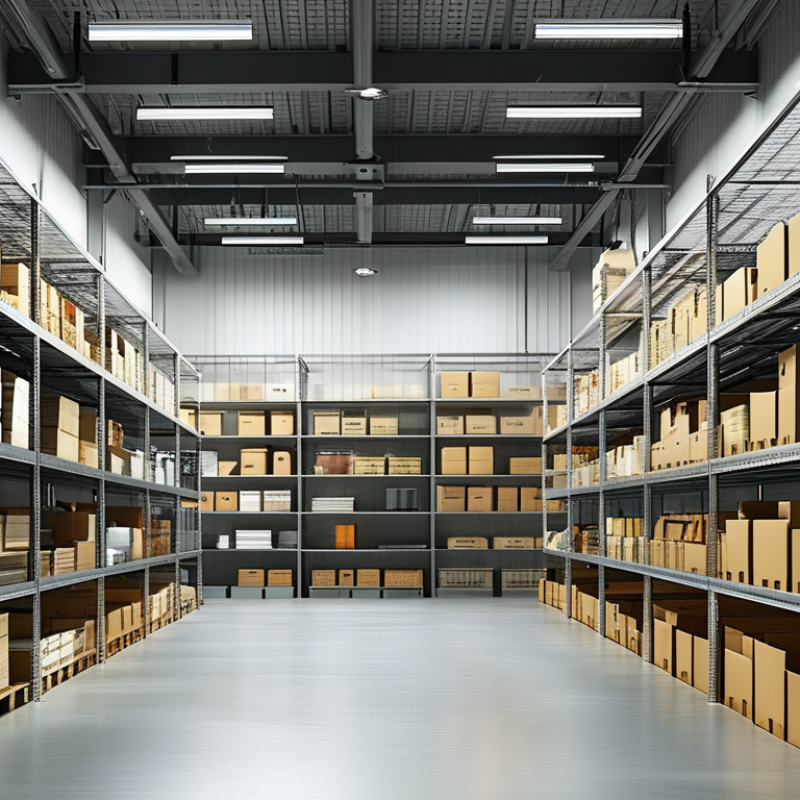
What Is Wire Shelving and What Types Are Available?
Wire shelving is a storage system made from steel wire grids and supporting posts. Unlike solid shelves, its open surface allows air, light, and water to move through. In practical use, this reduces dust buildup and helps stored items remain visible. The structure is simple, but each part has a specific job. A shelf still needs balanced loading.
Its core components usually include vertical posts, horizontal shelves, and adjustable clips or sleeves. Vertical posts carry the main weight and determine the unit’s height. Adjustable connectors let users change shelf spacing without permanent tools. Shelves may have reinforced edges for greater stability. Casters can create a mobile unit, while leveling feet improve balance on uneven floors. Load ratings must be checked for each configuration, because shelf span and weight distribution affect performance. I have seen overloaded shelves bend slowly, with little warning.
Common types include stationary wire shelving, mobile shelving, heavy-duty units, and narrow-depth models. Mobile versions suit cleaning areas or changing workspaces. Stationary units work well in storage rooms and utility spaces. Heavy-duty designs use thicker wire and stronger frames. Some users add shelf liners for small containers. A liner can stop narrow bottles from tipping through the grid. That detail is easy to overlook. I still question whether every shelf needs one. The answer depends on the item size, cleaning routine, and expected handling.
| Category | Item | Definition or Structure | Typical Characteristics | Common Applications |
|---|---|---|---|---|
| Definition | Wire shelving | A storage system made from horizontal wire shelves supported by vertical posts, frames, or brackets. | Open design, adjustable levels, good visibility, and airflow. | Kitchens, warehouses, retail areas, offices, laboratories, and utility rooms. |
| Core component | Wire shelf deck | A rectangular grid formed by welded or mechanically joined longitudinal and transverse wires. | Supports stored loads while allowing light, air, and water to pass through. | General storage, drying, food-service storage, and stockroom organization. |
| Core component | Vertical post | An upright tube or wire post with regularly spaced grooves, holes, or slots for shelf positioning. | Provides height, stability, and shelf-level adjustment. | Freestanding shelving units, mobile racks, and modular storage systems. |
| Core component | Shelf collar or clip | A connector fitted around a post to hold a shelf at a selected height. | Usually removable and designed for tool-free shelf adjustment. | Adjustable shelving where storage heights change frequently. |
| Core component | Foot, leveler, or caster | A base element that supports the unit, compensates for uneven floors, or enables movement. | Fixed feet improve stability; casters provide mobility; levelers help balance the rack. | Stationary storage, cleaning areas, service carts, and movable racks. |
| Type | Stationary wire shelving | A freestanding unit fixed in place with feet or levelers. | Stable, simple to assemble, and suitable for consistent storage layouts. | Pantries, storerooms, workshops, offices, and back-of-house areas. |
| Type | Mobile wire shelving | A shelving unit mounted on swivel or fixed casters. | Can be repositioned; locking casters help prevent unintended movement. | Supply transport, kitchens, healthcare areas, laundry rooms, and warehouses. |
| Type | Wall-mounted wire shelving | Shelves attached to a wall using brackets, standards, or support rails rather than floor posts. | Uses vertical wall space and leaves the floor area open. | Retail displays, utility rooms, closets, garages, and work areas. |
| Type | Corner wire shelving | A unit with angled or triangular shelves designed to fit into a corner. | Makes use of otherwise difficult-to-access corner space. | Bathrooms, kitchens, storage closets, and compact workspaces. |
| Type | Wire rack with baskets or dividers | Wire shelves combined with removable baskets, bins, shelf liners, or vertical dividers. | Improves containment and separates small or loose items. | Small-parts storage, produce storage, documents, garments, and supplies. |
| Material | Chrome-plated steel | Steel wire and posts finished with a decorative and protective chromium coating. | Smooth appearance and suitable for dry indoor environments. | Retail, household storage, offices, and dry stockrooms. |
| Material | Epoxy-coated steel | Steel components covered with a bonded protective resin coating. | Available in multiple colors and offers added protection in controlled environments. | Storage rooms, offices, retail areas, and light industrial spaces. |
| Material | Stainless steel | Corrosion-resistant steel containing chromium, commonly used where hygiene and moisture resistance matter. | Durable, washable, and appropriate for damp or demanding environments. | Commercial kitchens, food preparation areas, laboratories, and healthcare spaces. |
| Performance factor | Load capacity | The maximum evenly distributed weight a shelf can safely support under specified conditions. | Varies with wire diameter, shelf dimensions, span, post design, and installation. | Selection should be based on the heaviest expected load and the supplier’s rating. |
| Performance factor | Ventilation and hygiene | The open grid minimizes enclosed surfaces and permits circulation around stored products. | Reduces dust-trapping areas, supports cleaning, and helps airflow around items. | Useful for food service, cold storage, drying, laboratory, and clean utility applications. |
: Wire shelving uses steel grids, vertical posts, and adjustable connectors. The open design improves airflow, lighting, and item visibility. It also reduces dust buildup.
Common types include stationary, mobile, wall-mounted, heavy-duty, and narrow-depth units. Stationary shelves suit stable storage rooms. Mobile shelves help when supplies move between work areas.
Adjustable clips or sleeves set the height of each shelf. You can fit cartons, bins, bottles, and equipment more efficiently. Seat every connector fully. Small errors matter.
Measure the room, doorway, ceiling, aisle, and largest container. Leave enough space for hands and carts. A perfect sketch can still miss a narrow doorway.
Coated shelves usually handle damp areas better than basic metal finishes. Stainless steel suits frequent washing and food preparation areas. Inspect damaged coating and corrosion each month.
Check the tested load rating for the exact shelf configuration. Spread weight evenly across each level. Place heavy items on lower shelves. Never guess.
Liners help stabilize small bottles, narrow containers, and loose parts. They can prevent items from tipping through the wire grid. Not every shelf needs one. Item size decides.
Keep aisles clear and lock mobile casters before loading shelves. Inspect posts, clips, frames, and leveling feet regularly. Crowded aisles can make a mobile unit less useful.
Wire Shelving is a practical storage solution built from vertical posts, horizontal shelves, support collars, and connecting accessories. Its open-wire structure promotes airflow, visibility, and easy cleaning, making it suitable for kitchens, warehouses, laboratories, retail areas, and other organized storage environments. Shelf performance depends on wire gauge, span, dimensions, and the total load capacity required. For food-related or sanitary applications, users should also consider NSF/ANSI 2 compliance and select materials that support appropriate hygiene standards.
Available options include chrome-plated shelving for general indoor use, epoxy-coated shelving for damp or controlled environments, stainless steel shelving for demanding sanitary conditions, and polymer shelving for corrosion resistance and easy maintenance. Systems may be mobile with casters, stationary with adjustable feet, wall-mounted for space efficiency, or height-adjustable for flexible organization. The best choice should reflect the available space, expected weight, temperature and moisture conditions, cleaning requirements, and the specific needs of the industry.

 DuraRacks