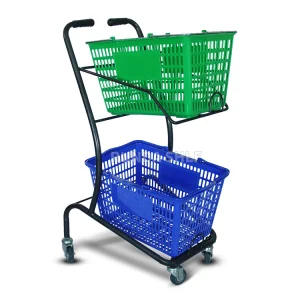
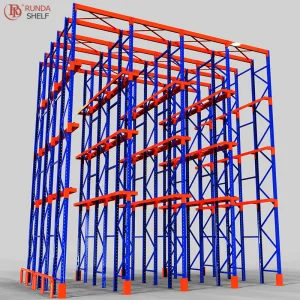
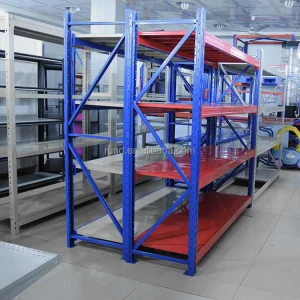
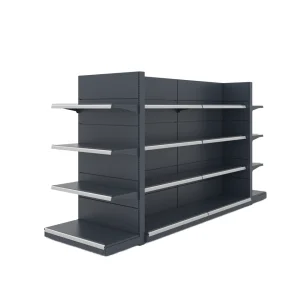
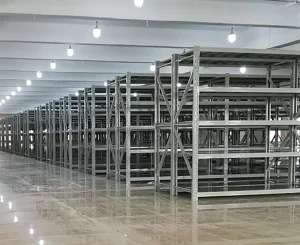
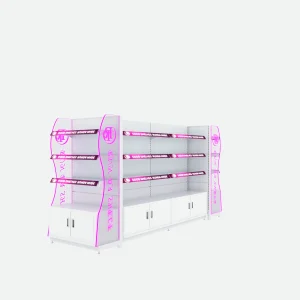
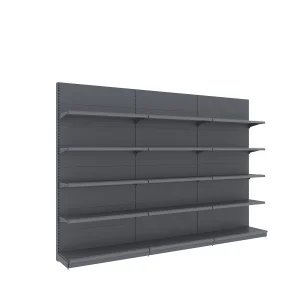
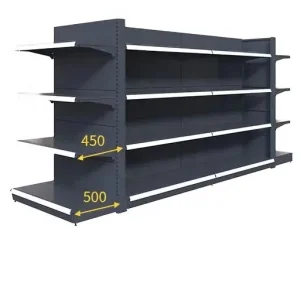
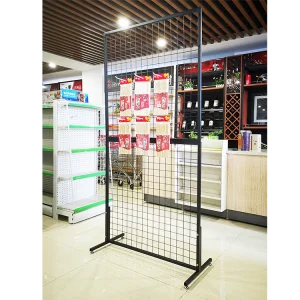
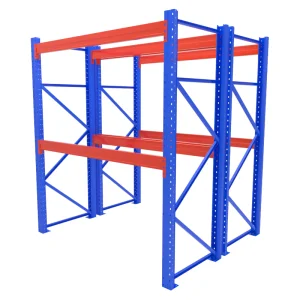
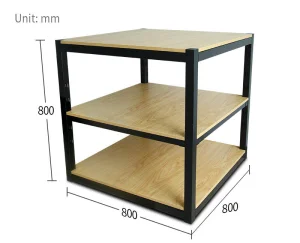
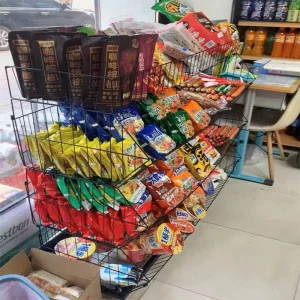
Premium quality supermarket equipment, heavy-duty warehouse racking, and customization units optimized for global logistics.
Established in 2014, Nanjing Dulis Warehouse Equipment Co., Ltd. (operating globally under the premier industrial brand DuraRacks) is a top-tier structural rack manufacturer headquartered in Nanjing, China. Drawing upon over 12 years of industry experience and 9 years of direct export experience, our state-of-the-art manufacturing infrastructure spans a modern industrial footprint of 38,000 square meters.
We specialize in heavy-duty, high-capacity structural pallet racking, drive-in warehouse configurations, advanced logistics platforms, and industrial-grade commercial garden rack engineering. Annually, we generate over $32 million USD in direct export revenue, servicing corporate clients, 3PL logistics networks, and massive agricultural distributors worldwide.
"Structural stability is not an option; it is an engineering mandate. From raw hot-rolled steel coil selection to electrostatic architectural powder coatings, our products meet structural regulations including CE, ISO9001, and FEM standards."
We believe in absolute transparency and technical verification. Our QA department consists of 45 certified QC inspectors overseeing every production batch. Our structural testing protocol covers:
An in-depth look at supply chain dynamics, microclimatic design requirements, and market expansion.
The global commercial and agricultural sectors are witnessing an unprecedented structural transition. Modern industrial horticulture, logistics-heavy garden centers, and high-yield indoor vertical farms demand racking systems that go far beyond standard warehouse shelving. A true commercial garden rack system must operate as an adaptable piece of logistics machinery, bridging the gap between delicate nursery cultivation and aggressive, high-throughput retail logistics.
Currently, the global horticultural logistics supply chain heavily relies on standard size optimization, such as the classic "Danish Trolley" or localized container specifications. However, as large-scale home improvement retailers (like Home Depot, Lowe's, B&Q, and Bunnings) scale their live-goods operations, there is an urgent demand for CE certified, high-capacity, heavy-duty, and weather-resistant display and transport racks.
Within this global market, the pressure is on manufacturing plants to guarantee safety compliance. The European CE mark serves as a mandatory declaration of conformity for products sold within the European Economic Area. For structural steel racking systems, this means compliance with structural steel design and execution guidelines (such as EN 1090 and EN 15512). When a factory produces CE-certified garden racks, it assures procurement executives that the steel grade, welding integrity, load ratings, and corrosion protection layers conform to stringent occupational and consumer safety directives.
A transparent look inside the DuraRacks production plant, demonstrating high-capacity automated equipment and specialized fabrication steps.
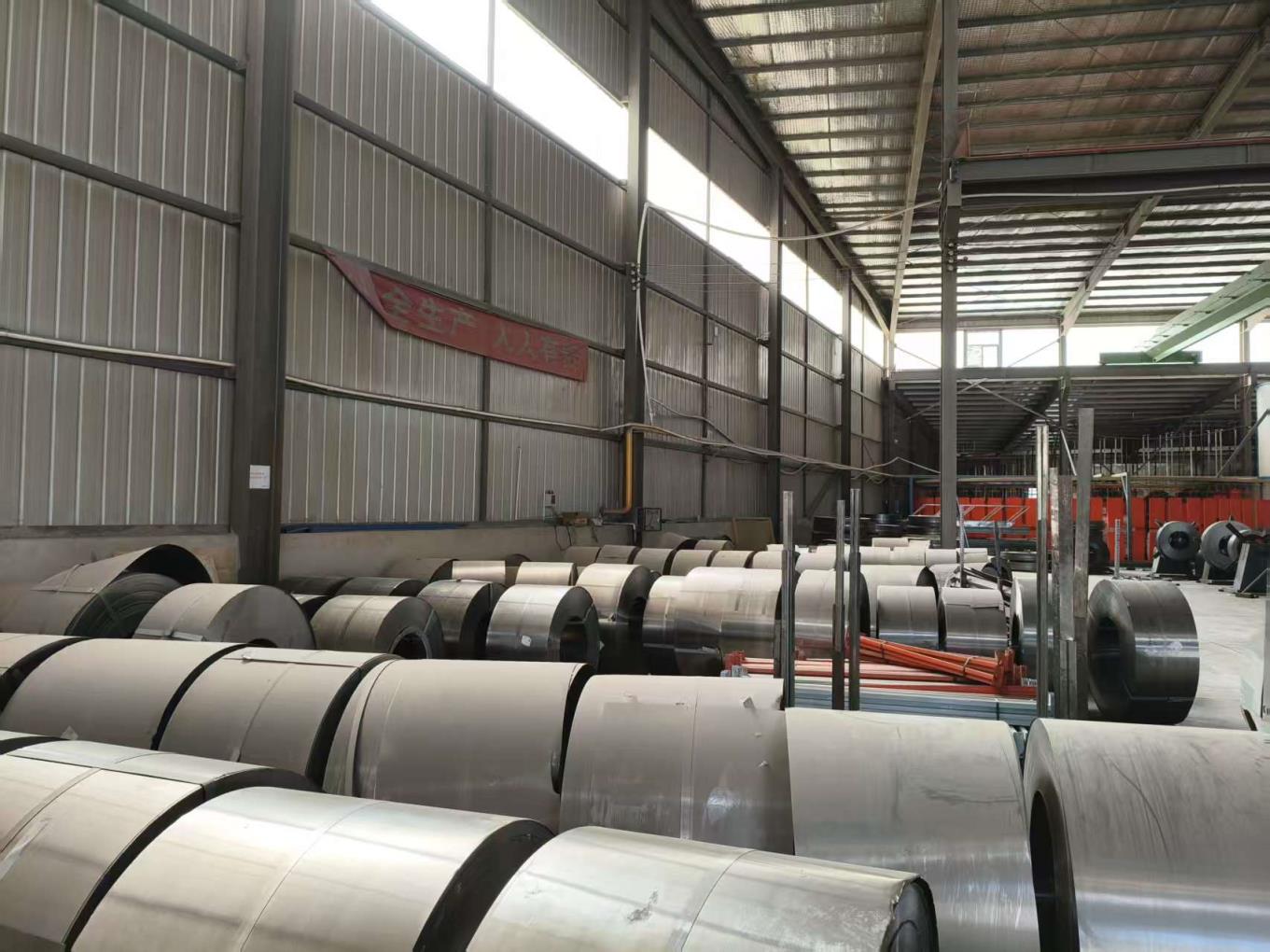
Raw Material
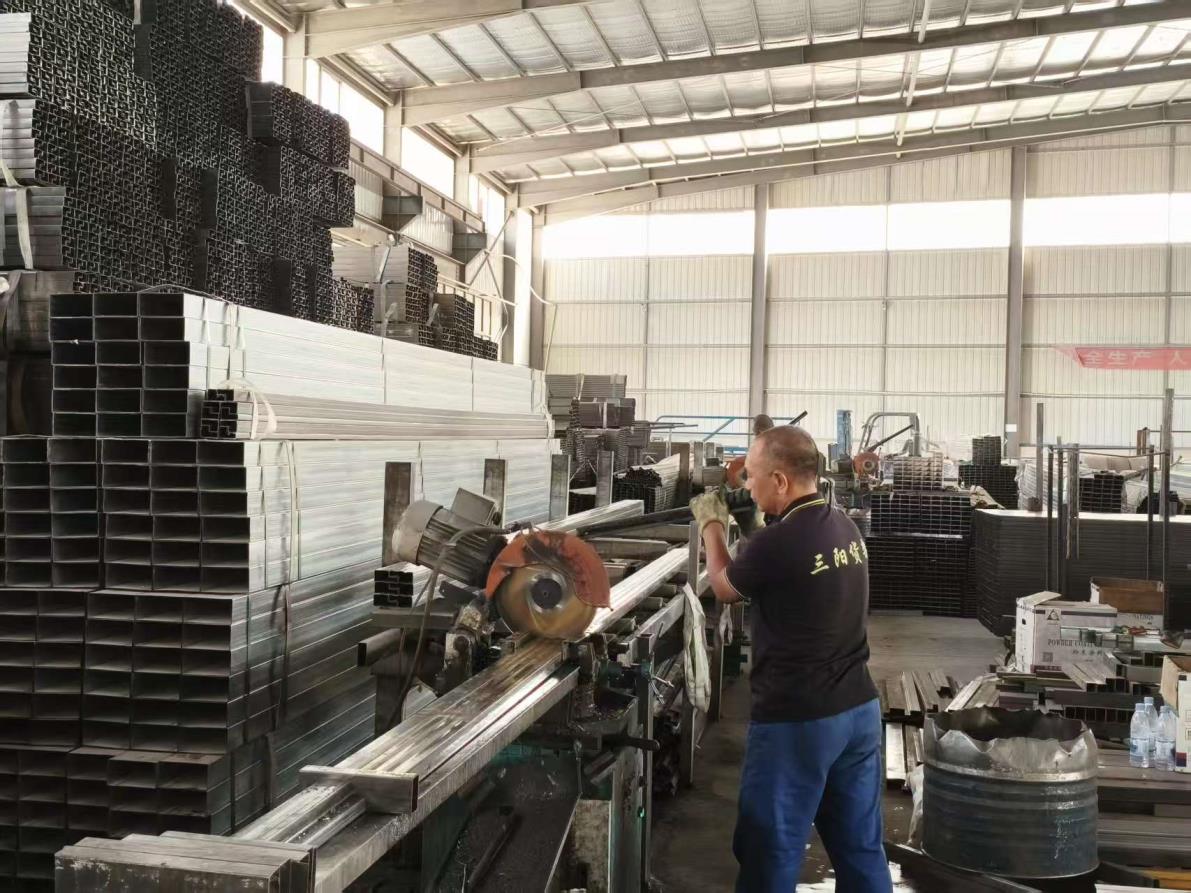
Cutting
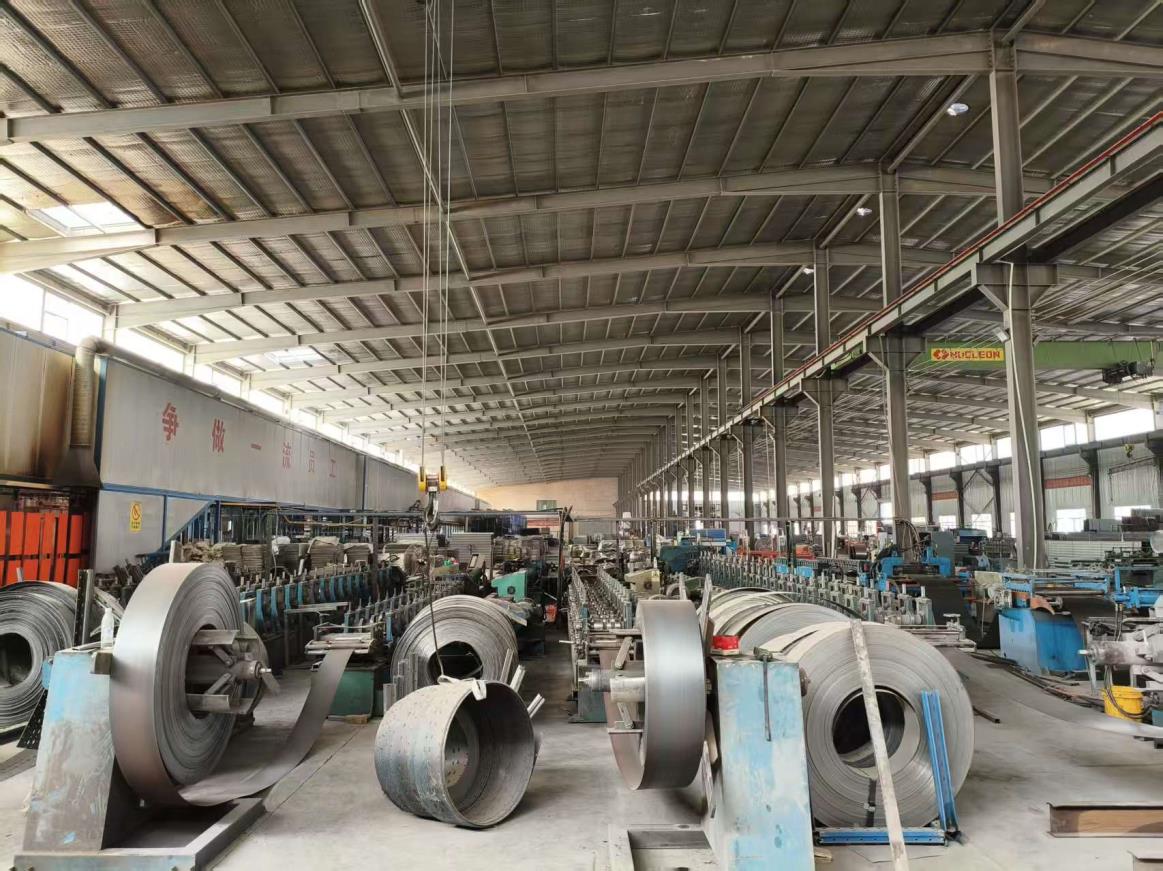
Cold Rolling
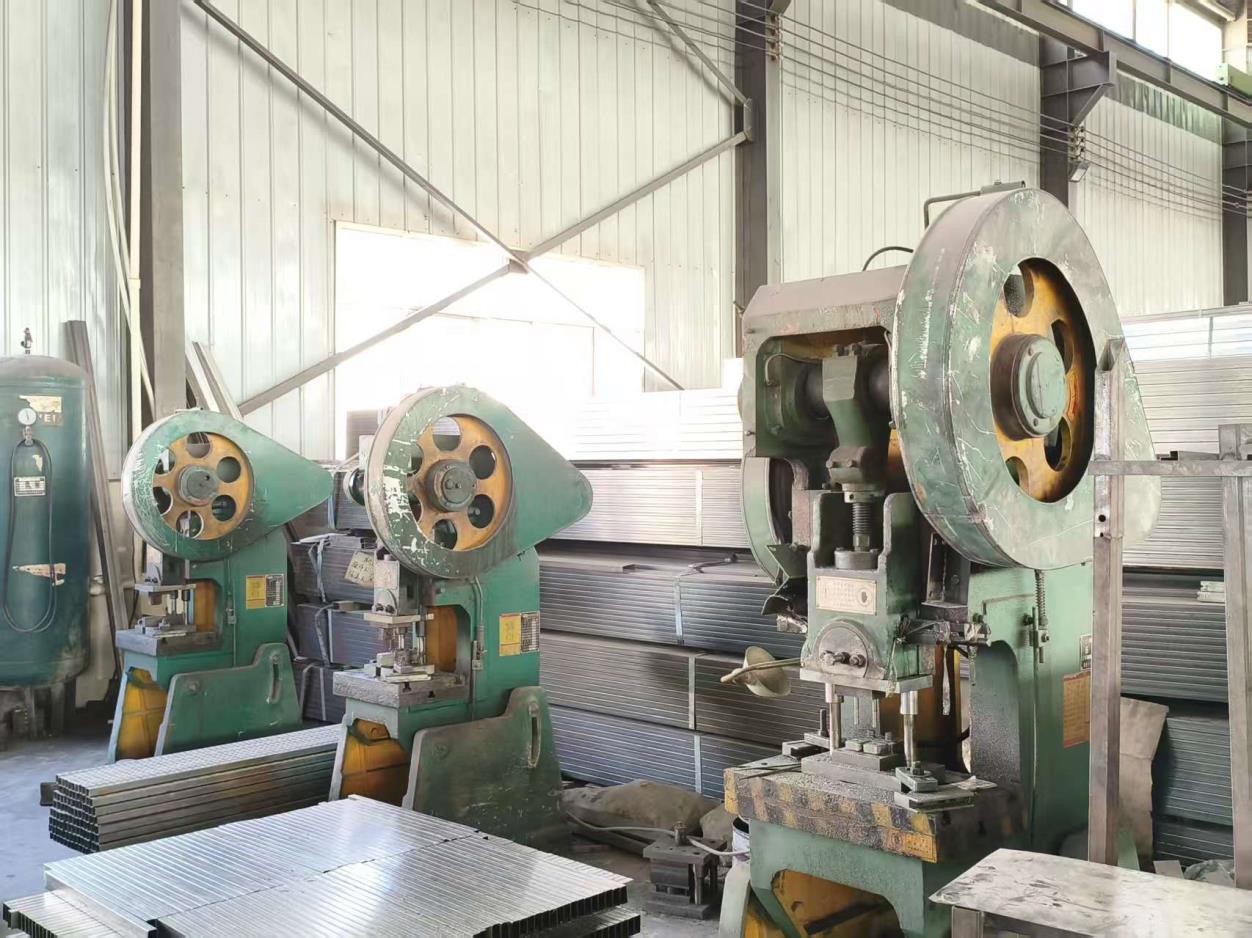
Punching
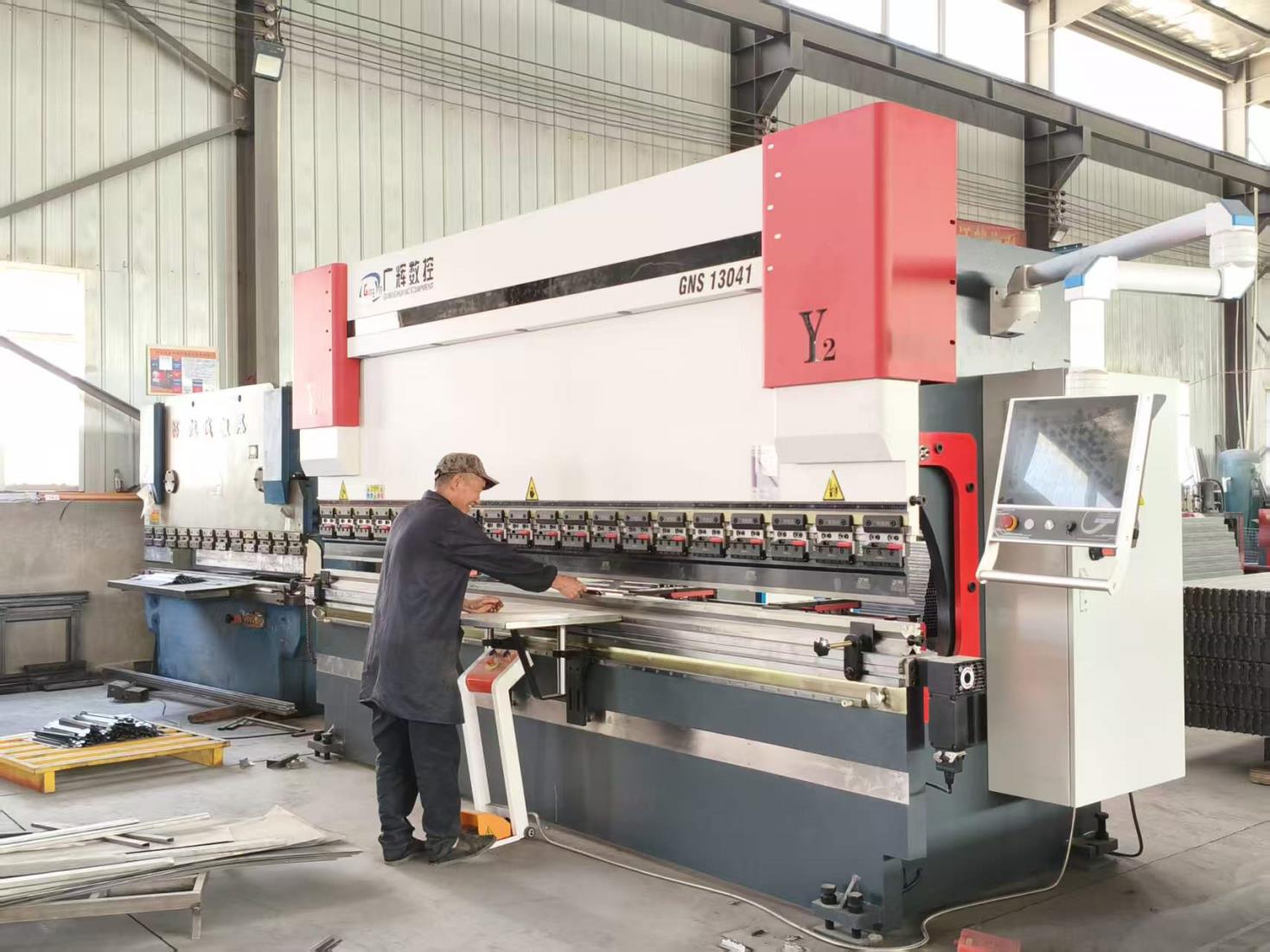
Bending
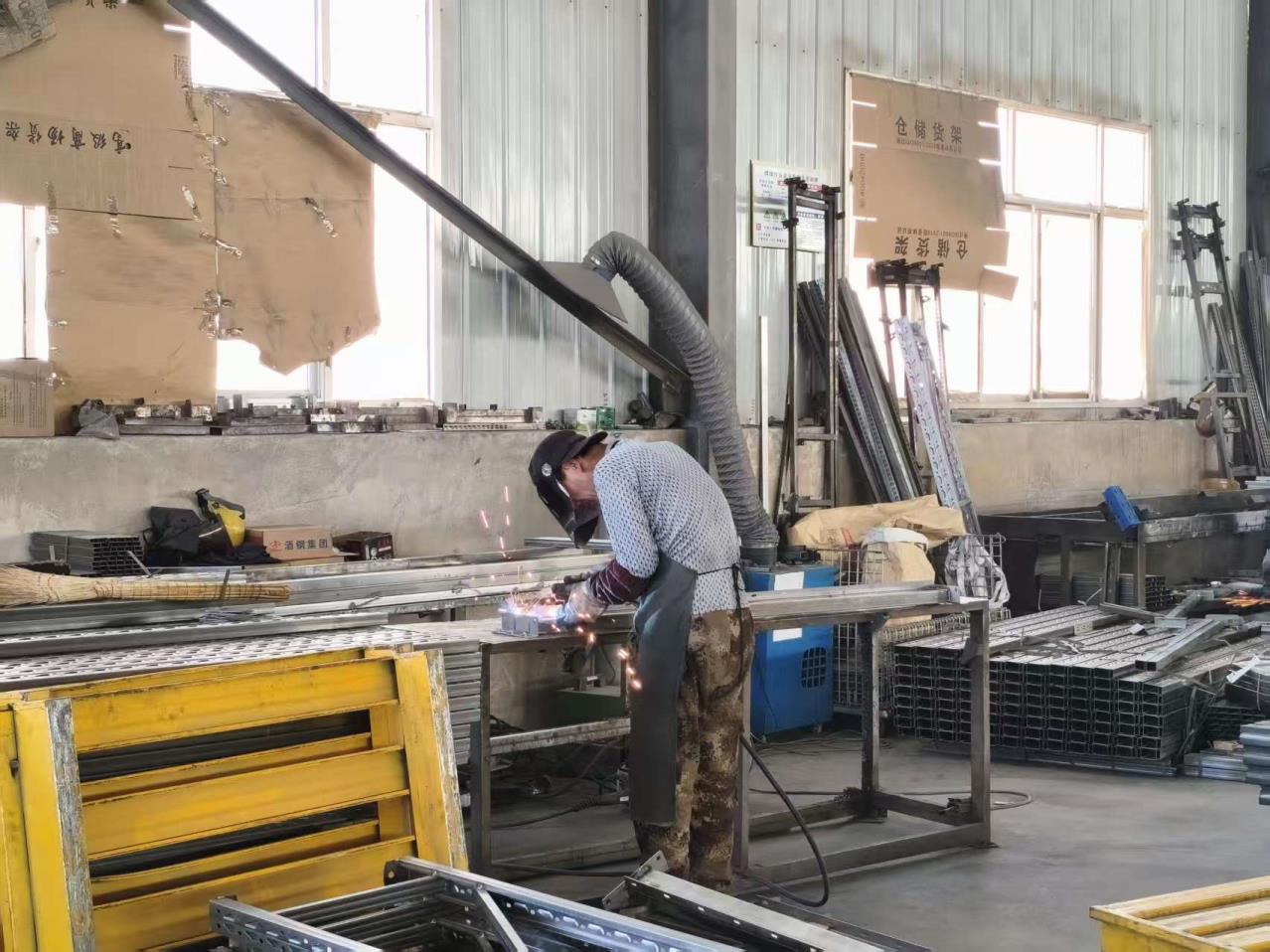
Welding
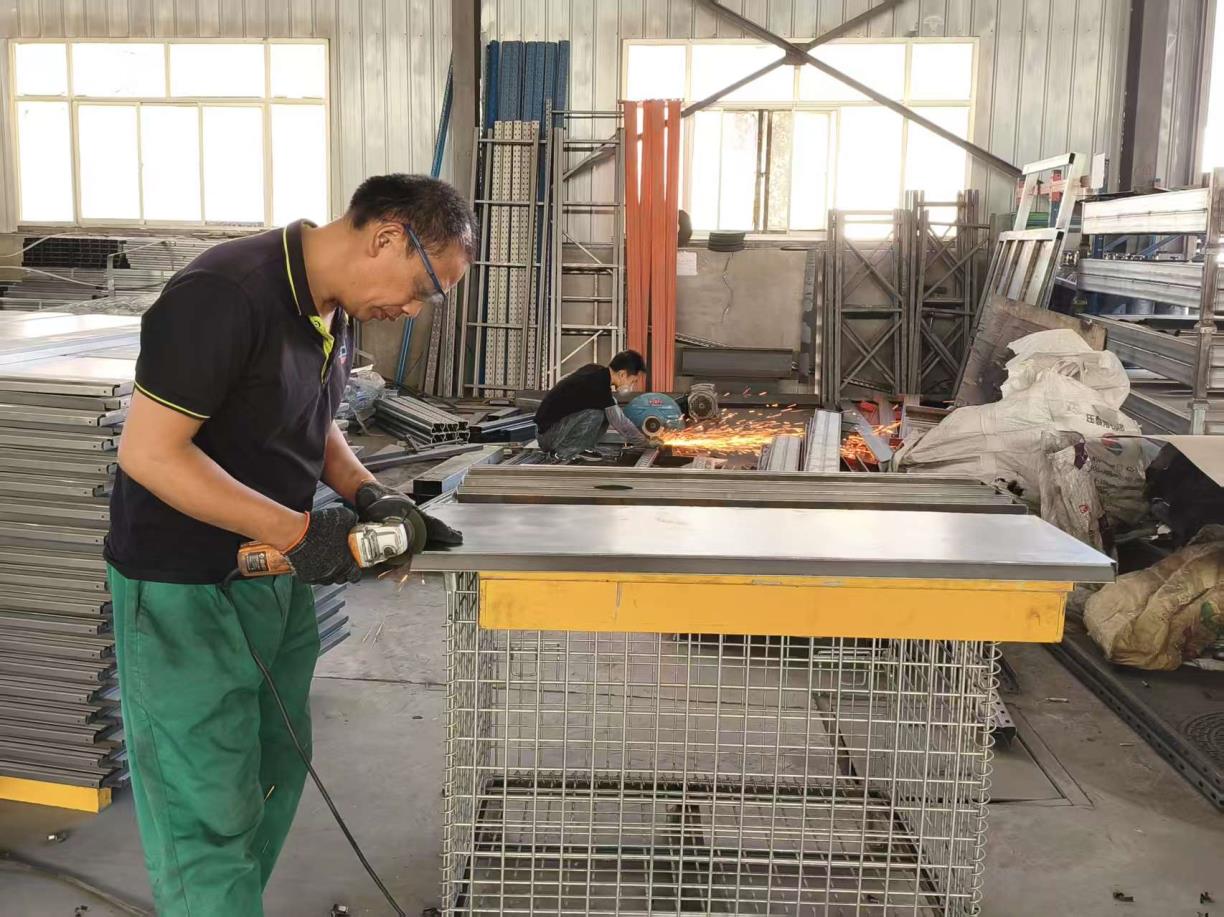
Polishing
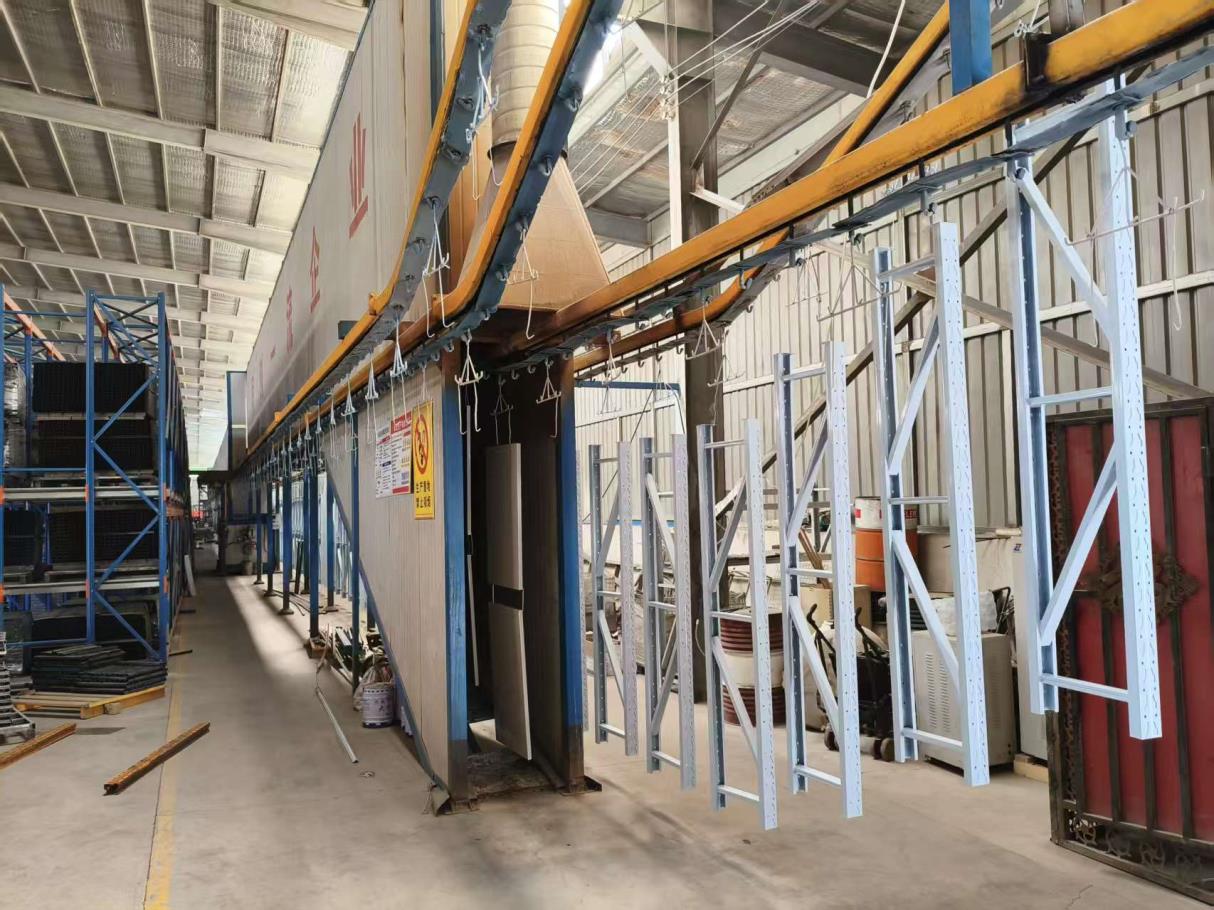
Painting
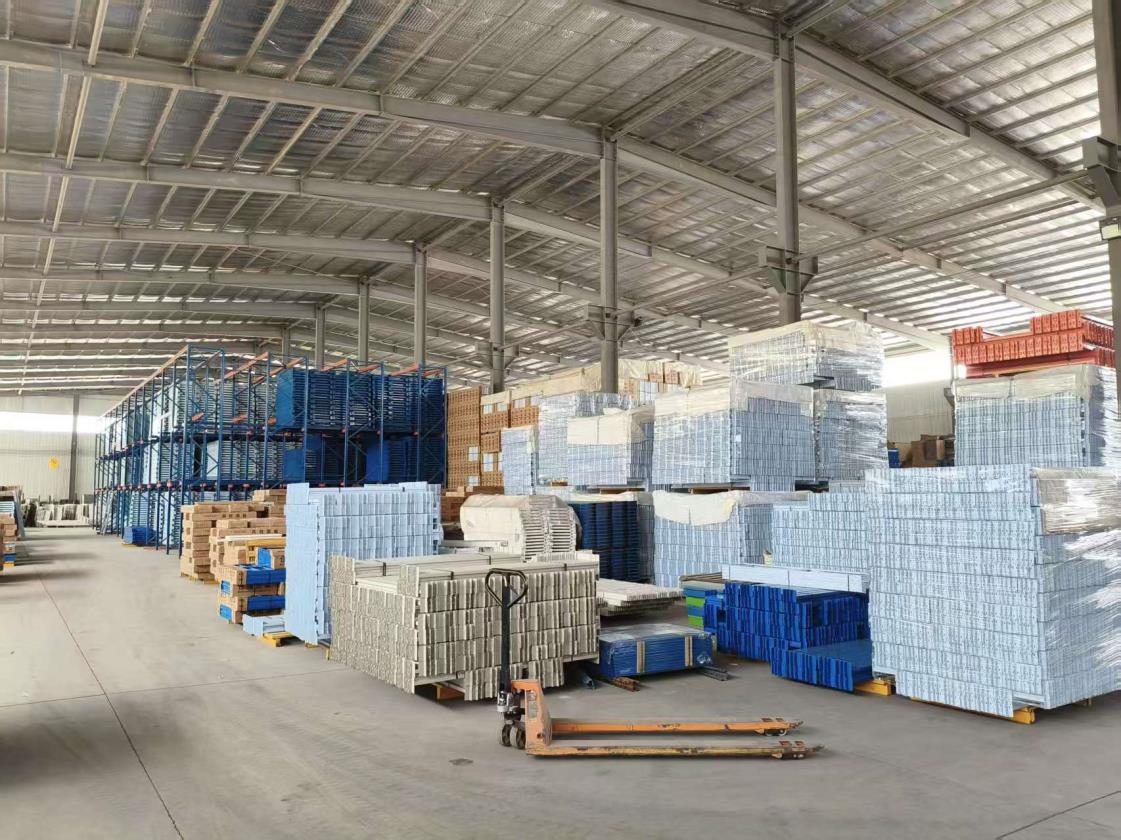
Warehouse
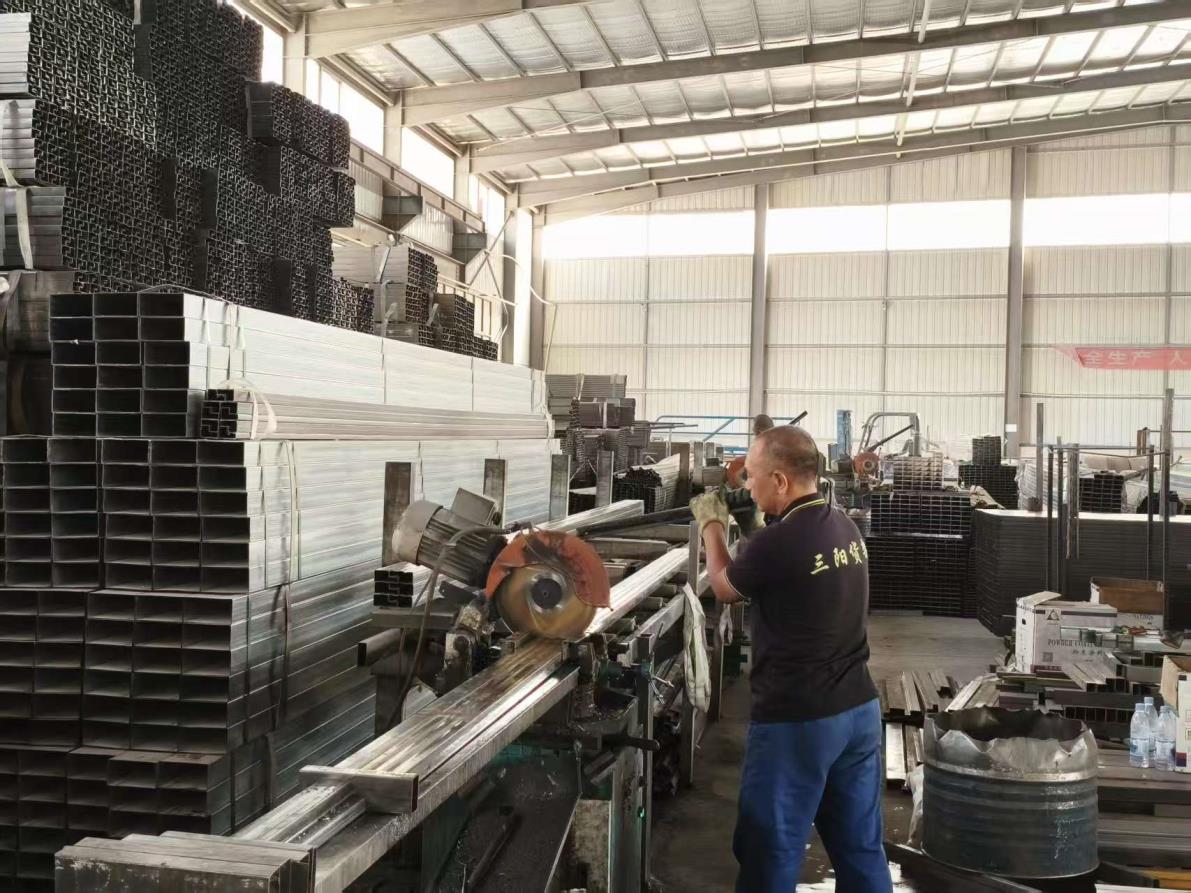
Cutting Machine
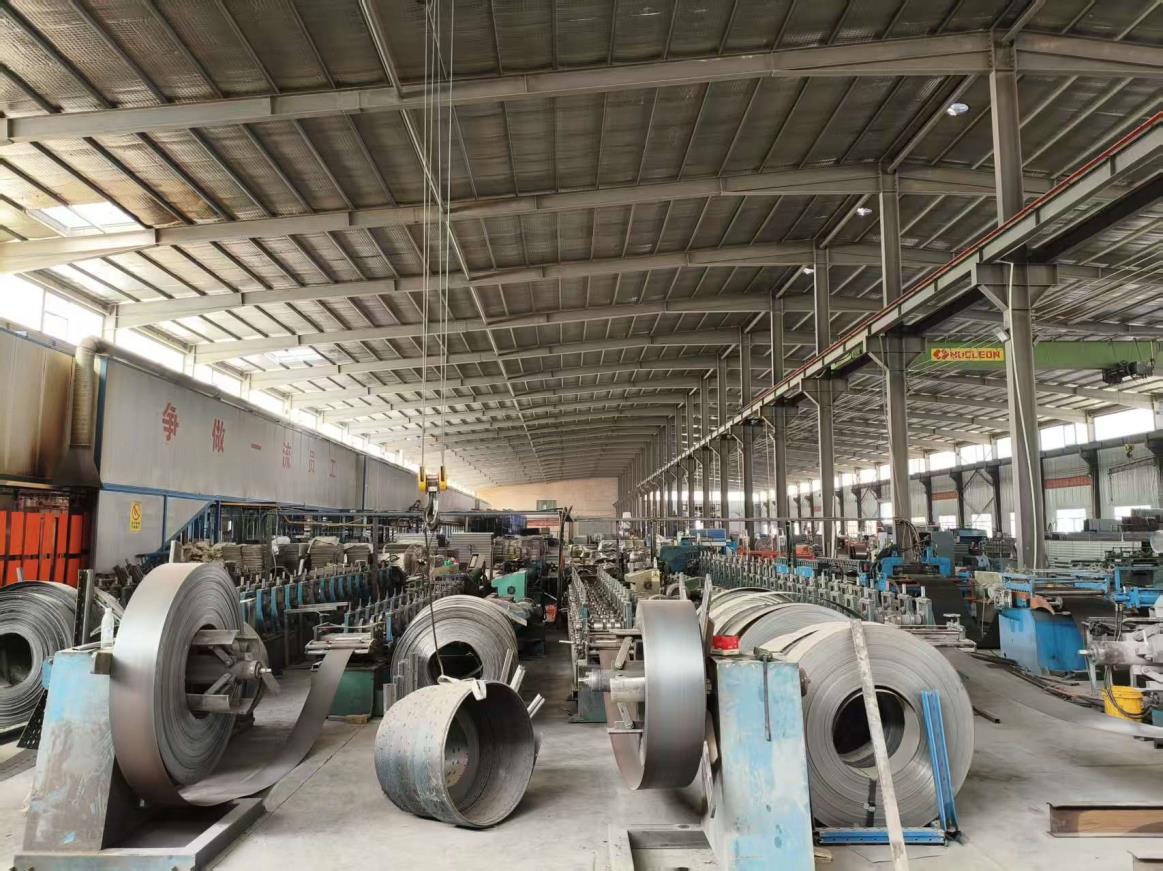
Cold Rolling Machine
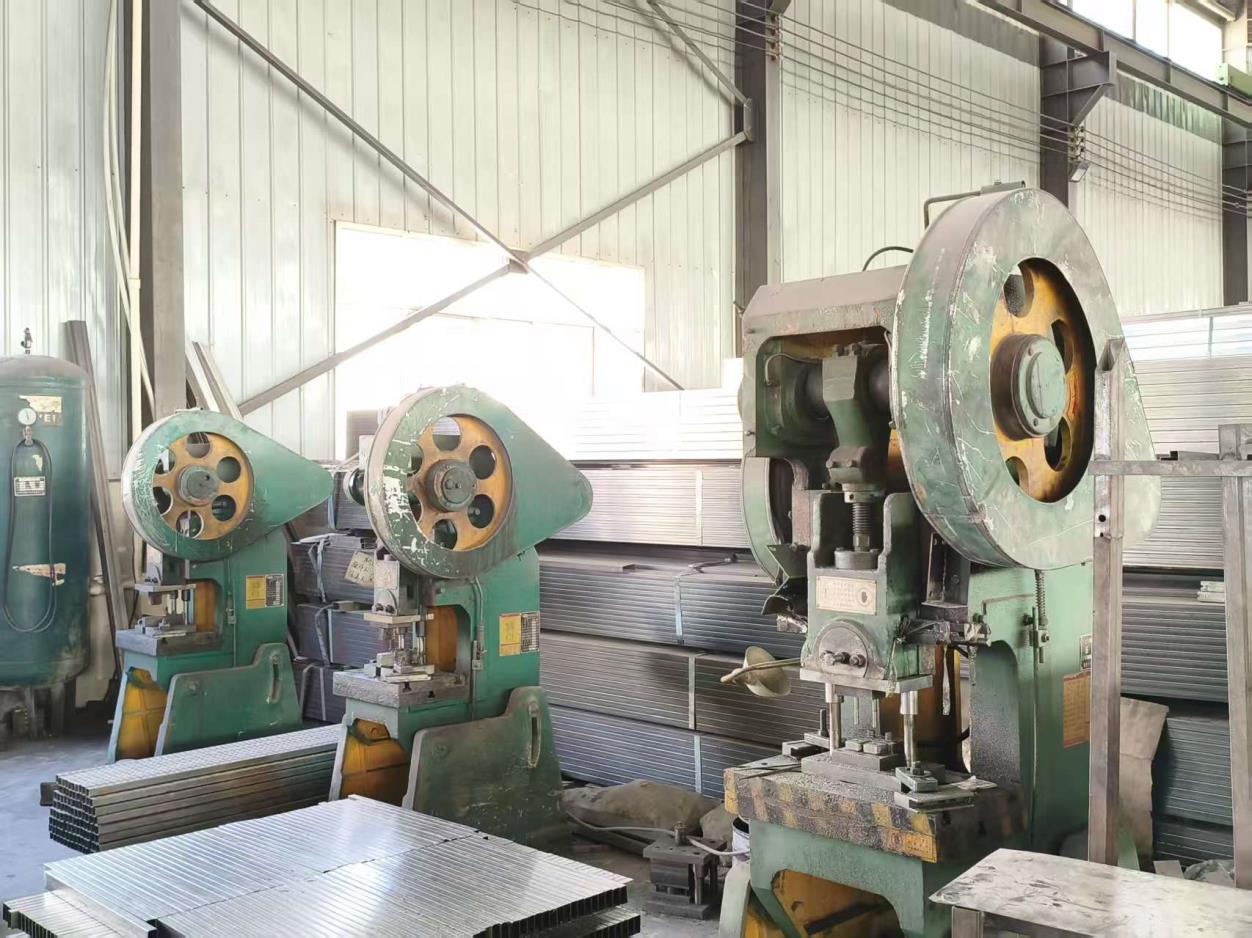
Punching Machine
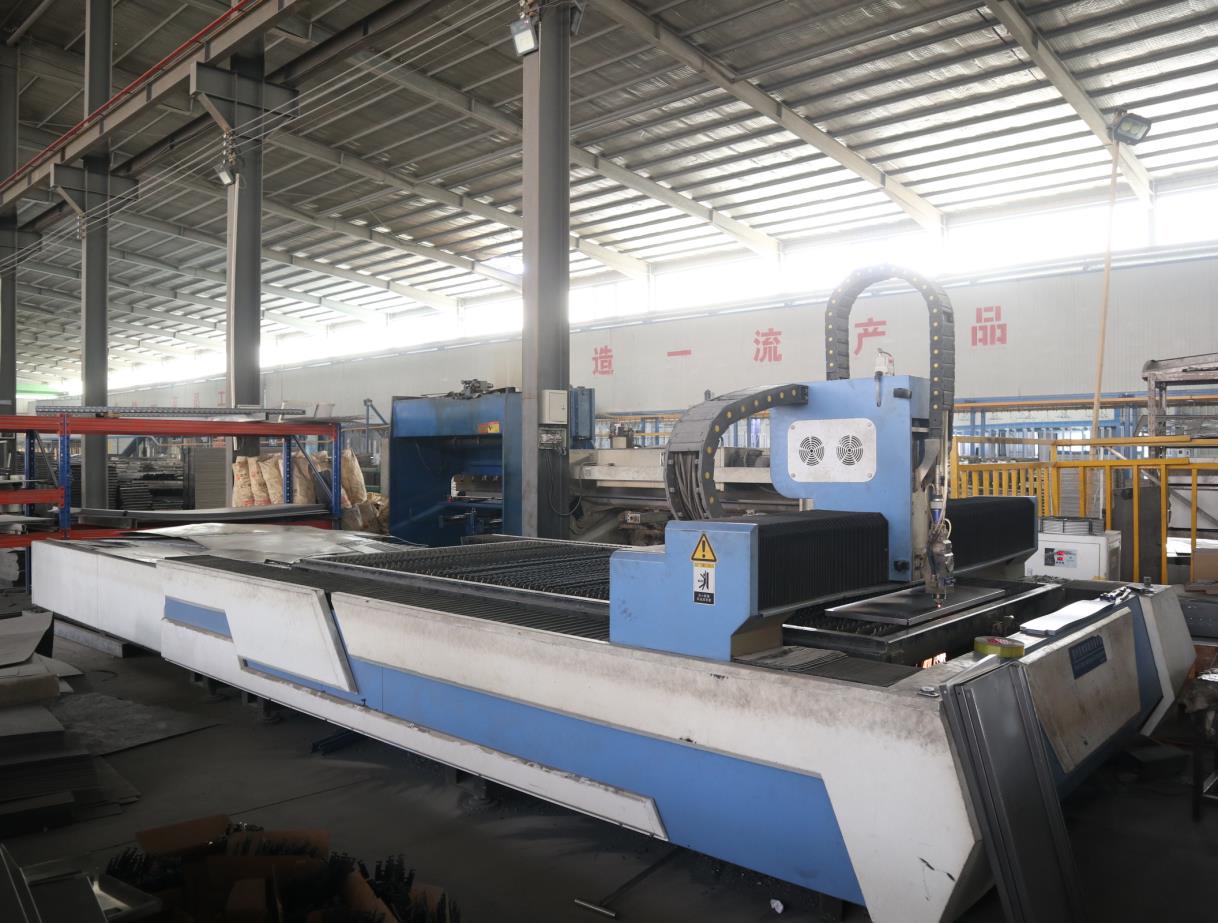
Laser Cutting Machine
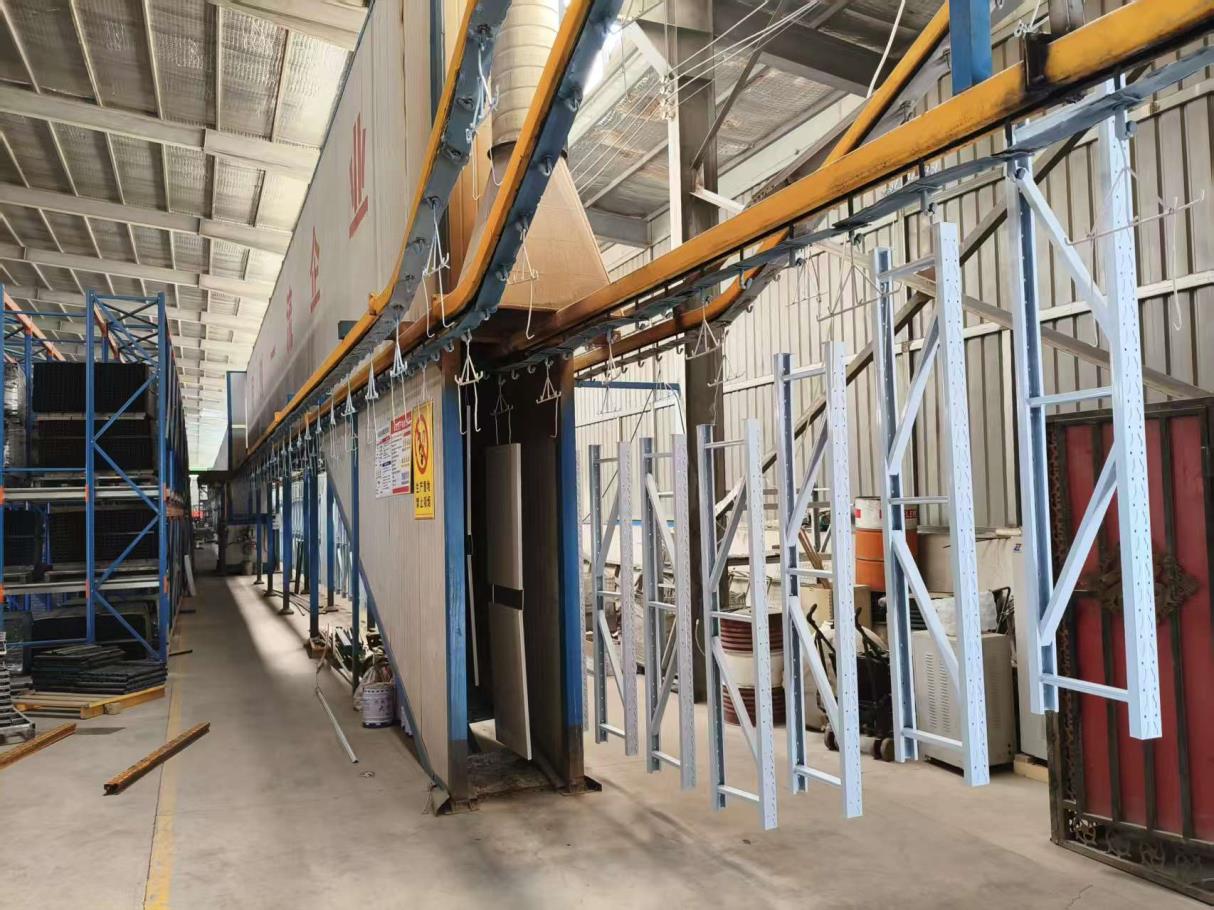
Painting Line
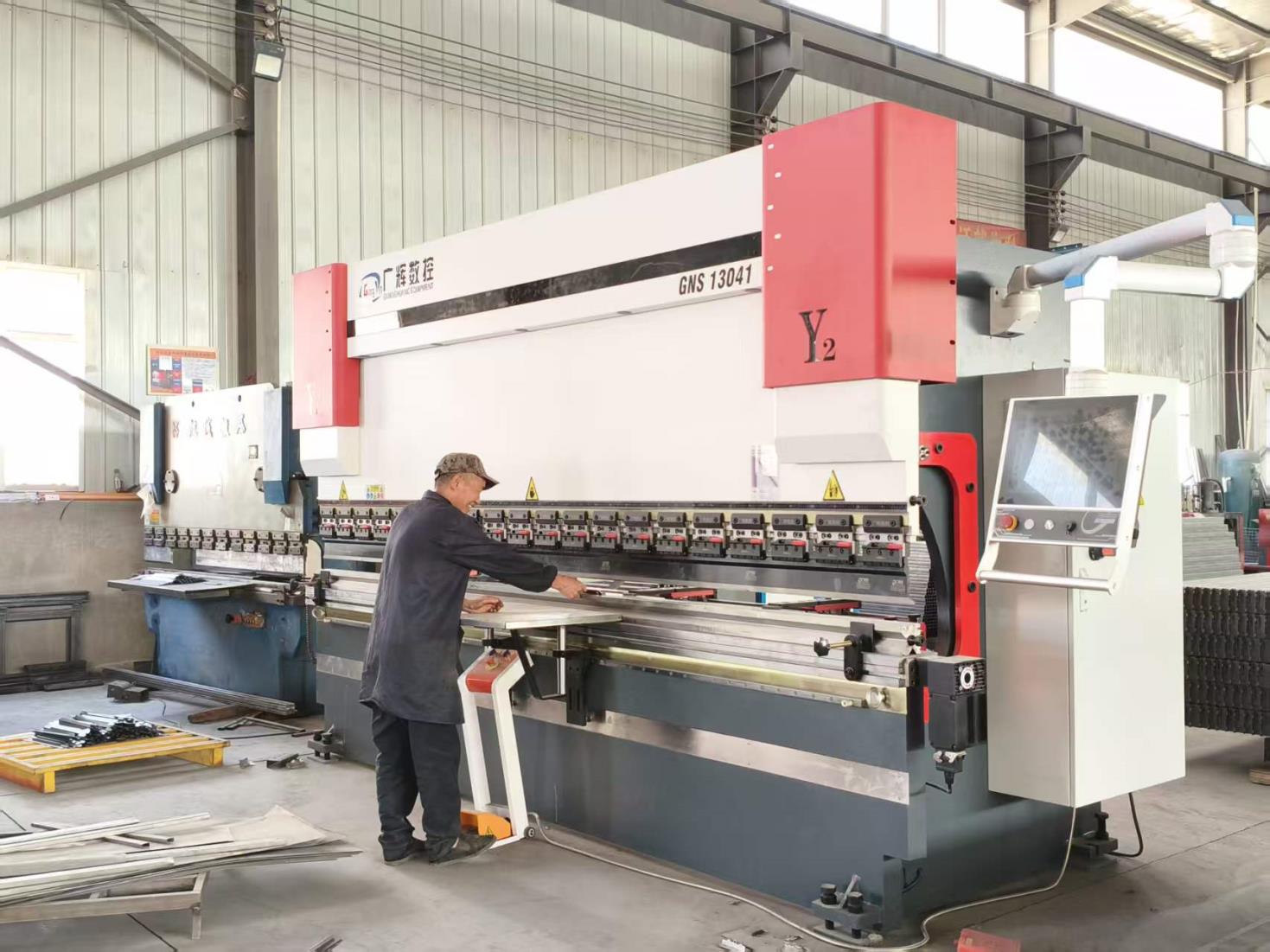
Bending Machine
Key technological, regulatory, and environmental transformations driving the next generation of garden storage systems.
Garden racks are constantly subjected to extreme environments, including daily overhead irrigation, fertilizers, high moisture, and outdoor UV rays. Traditional painted steel deteriorates within months under these conditions. The industry is moving rapidly toward hot-dip galvanizing (HDG) and specialized zinc-rich primers coupled with electrostatic UV-resistant thermosetting powders. In accordance with ASTM B117 salt spray standards, advanced commercial racks are now engineered to withstand over 1,000 hours of continuous exposure without structural coating degradation.
Standard static shelving limits storage capacity and visual appeal. Next-generation garden rack designs incorporate quick-connect boltless connectors and adjustable shelving tracks, enabling workers to adjust rack clearance heights in minutes. This modularity allows garden centers to change structural layouts to match seasonal plant sizes (from ground-hugging bedding plants in spring to tall potted shrubs in autumn) without the use of specialized tools, maximizing vertical space utilization.
With the rapid adoption of automated indoor vertical farming, garden racking systems are transforming into high-tech capital equipment. The integration of structural channels designed specifically to route automated drip irrigation, integrated hydroponic trays, and heavy horticultural LED arrays is now standard. Racks must support both the heavy weight of water channels and the heat-generating electrical configurations of automated systems while maintaining structural integrity and electrical grounding pathways.
How technical specifications and compliance requirements shift across different regions and industrial environments.
In the United States and Canada, big-box garden retail is a high-volume, highly standardized industry. Rack designs must withstand heavy foot traffic and outdoor weather conditions, and must comply with safety regulations such as the RMI (Rack Manufacturers Institute) guidelines and local IBC (International Building Code) seismic standards.
DuraRacks engineers specialized structural designs for North American partners. These systems feature heavy-gauge uprights, baseplate anchor pins, and safety locks on beam connections, ensuring safety even in earthquake-prone zones like California or high-wind environments.
The European market has strict regulations regarding worker safety and chemical emissions. Racks must carry the CE mark and comply with FEM 10.2.02 (the European design code for static steel pallet racking) and EN 15512.
Furthermore, coatings must comply with the REACH directive to ensure they do not leach hazardous substances into the plants or the surrounding soil. Our production lines use eco-friendly powder coatings that emit zero volatile organic compounds (VOCs) and contain no heavy metals, making them ideal for European retail and commercial operations.
Australian logistical chains deal with intense heat, high UV exposure, and long transport distances. Racks must comply with AS 4084 steel storage racking standards, which require rigorous load calculations and high structural stability.
Our Australian designs feature hot-dip galvanized finishes and robust, structural baseplates. This prevents rust caused by coastal humidity and ensures the racks can withstand rough transport across remote farming regions.
Commercial greenhouses operate at near 100% relative humidity. In these conditions, standard steel rusts quickly. We design our green-industry racking systems using pre-galvanized components and marine-grade protective coatings.
We also design the rack channels to route automated watering systems, LED lighting, and sensor wiring, helping commercial growers maximize space and efficiency.
How DuraRacks plans to integrate advanced materials, automation, and environmental engineering into our upcoming product lines.
As logistics systems become more automated, the racking industry must evolve. Over the next five years, DuraRacks is focusing its R&D efforts on three major engineering goals:
By investing in these technologies, DuraRacks ensures that our clients receive racking systems that are not only durable and reliable but also ready for the future of automated logistics.
How we design, engineer, and deploy high-capacity storage systems for large-scale operations.
Before we begin manufacturing, our team of 68 R&D engineers creates a digital model of the racking system. We use Finite Element Analysis (FEA) to simulate how the racks behave under full load, seismic activity, and wind forces.
This virtual testing allows us to optimize the design, ensuring the racks are strong enough to support the intended loads while minimizing material waste.
Every warehouse has a unique layout. We provide custom CAD and BIM (Building Information Modeling) drawings to help our clients plan their space.
These models help warehouse managers optimize storage density, plan forklift travel paths, and ensure the racking layout aligns with building fire safety codes and exit pathways.
Expert answers to common engineering, regulatory, and logistics questions about commercial garden racks.
CE certification is a legal requirement for products sold in the European Economic Area. For structural steel racking systems, it verifies that the product complies with standards like EN 1090 and EN 15512. It guarantees that the steel grades, welding processes, load-bearing capacities, and manufacturing methods have been tested and approved to meet strict occupational safety standards.
For high-humidity environments, we recommend hot-dip galvanizing (HDG) or a multi-stage powder coating process that includes a zinc-rich primer. Hot-dip galvanizing provides a thick, metallurgically bonded zinc coating that protects the steel from rust, even if the surface is scratched. Our multi-stage powder coating uses eco-friendly, UV-stable powders that resist chemicals and moisture.
Yes. Our engineering team uses Finite Element Analysis (FEA) to design racking systems that comply with local seismic codes, including RMI/ANSI MH16.1 in North America and AS 4084 in Australia. We customize the structural profiles, connections, and anchoring systems to ensure the racks remain stable during seismic events.
We perform both computer-simulated structural analysis and physical testing. Our physical testing protocols include static load testing, where we apply weights that exceed the rated capacity to measure deflection, and dynamic testing to simulate warehouse forklift impacts. All tests are conducted in compliance with ISO9001 and FEM standards.
The lead time depends on the complexity of the design and the size of the order. Generally, the design and engineering phase takes 1-2 weeks, including CAD drawings and FEA testing. Once the design is approved, manufacturing takes 3-4 weeks. Shipping times vary depending on the destination port, but we work with a network of logistics partners to ensure timely delivery.
Professional gridwall panels, heavy-duty warehouse storage, retail display stands, and high-mobility folding wire shopping trolleys.
 DuraRacks