Engineered structural components designed for maximized volumetric efficiency, safety compliance, and high load capacity.
In the contemporary landscape of global trade and distribution, warehousing operations face an unprecedented challenge: maximizing spatial efficiency while minimizing physical footprint. As land acquisition costs escalate and urban proximity becomes a key component of last-mile delivery, the demand for sophisticated, modular, and stackable storage systems has accelerated. China's manufacturing sector, historically recognized as a production hub, has undergone a fundamental transformation, emerging as a primary source for high-quality, engineered storage solutions that satisfy the strict criteria established by international regulatory bodies.
This whitepaper provides an in-depth analysis of China's top-tier stackable storage manufacturing sector. Using Nanjing Dulis Warehouse Equipment Co., Ltd. (DuraRacks) as a primary model of engineering excellence, we examine the structural integrity, metallurgy, custom design capacity, and supply chain logistics required to operate effectively in global industrial environments. Whether you represent a third-party logistics (3PL) provider, an e-commerce fulfillment giant, a cold-chain operator, or a heavy manufacturing enterprise, this document outlines the criteria necessary for choosing reliable manufacturing partners in the modern storage industry.
Operational capabilities and core engineering metrics of Nanjing Dulis Warehouse Equipment Co., Ltd. (DuraRacks)
Established in 2014, Nanjing Dulis Warehouse Equipment Co., Ltd. (operating globally under the brand DuraRacks) is a premier industrial rack manufacturer headquartered in Nanjing, China. Boasting over 12 years of industry experience and 9 years of direct export experience, our facility spans a modern industrial building area of 38,000 square meters. We specialize in high-capacity pallet racking, drive-in systems, and automated storage solutions, generating an annual export revenue of $32 million USD.
DuraRacks operates with an integrated direct-export structure, supported by a robust network of over 1,200 qualified supply chain partners. Our primary overseas markets encompass North America, Western Europe, and Australia. We serve a diverse portfolio of client types, primarily catering to 3PL logistics hubs, large-scale e-commerce fulfillment centers, cold storage operations, and heavy industrial manufacturing plants.
Exacting material manipulation, precision cold roll forming, robotic welding, and automated powder coating processes that define the structural integrity of DuraRacks systems.
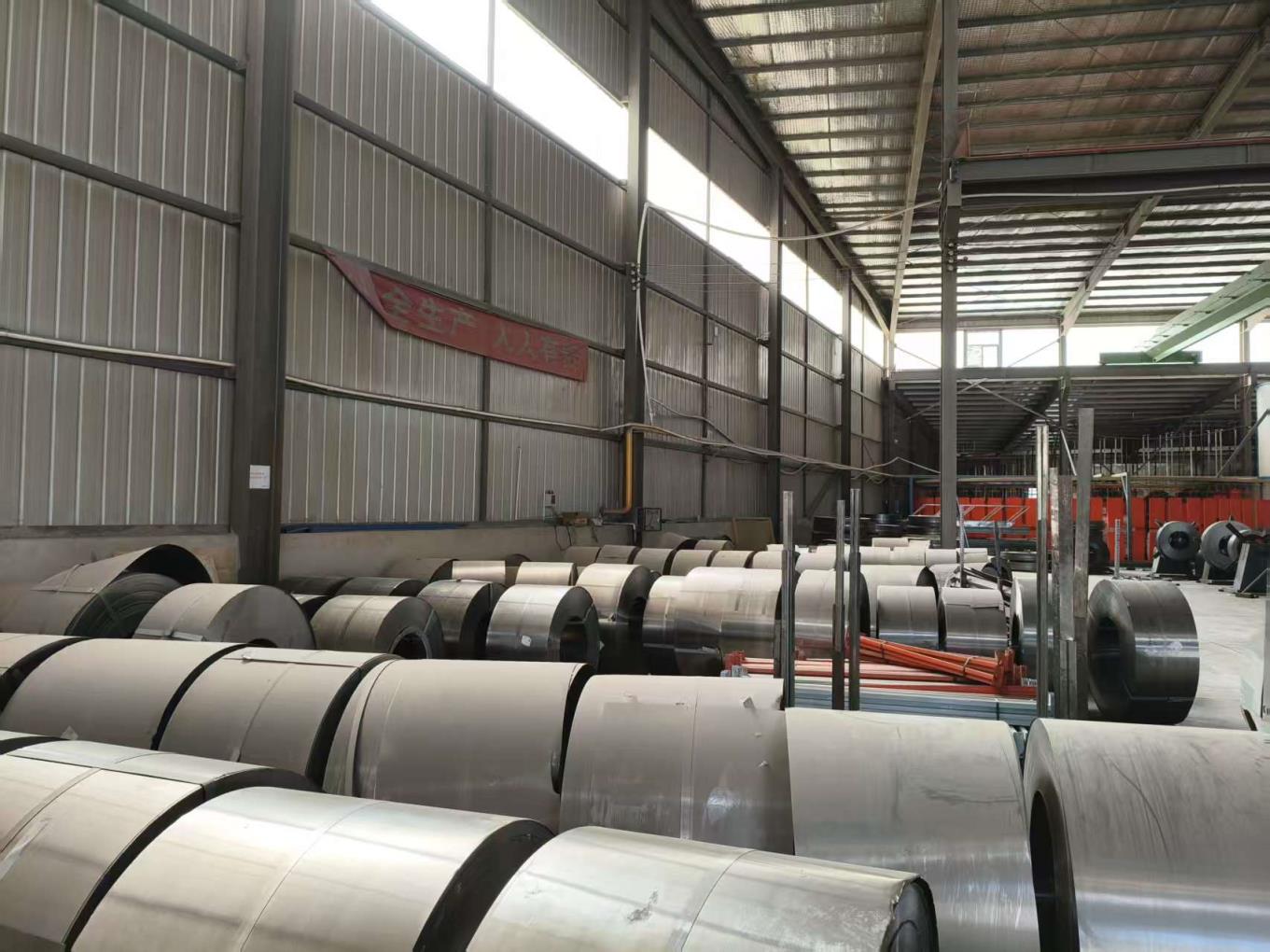
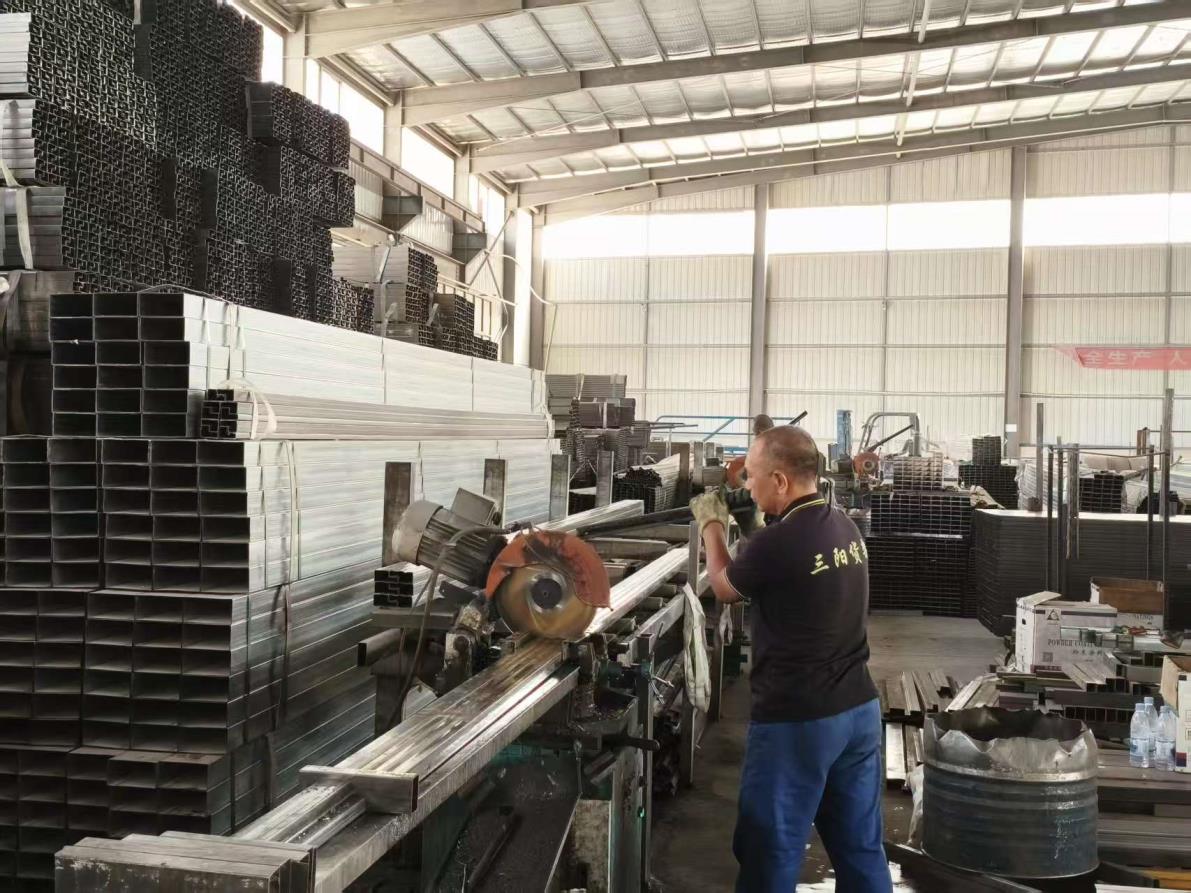
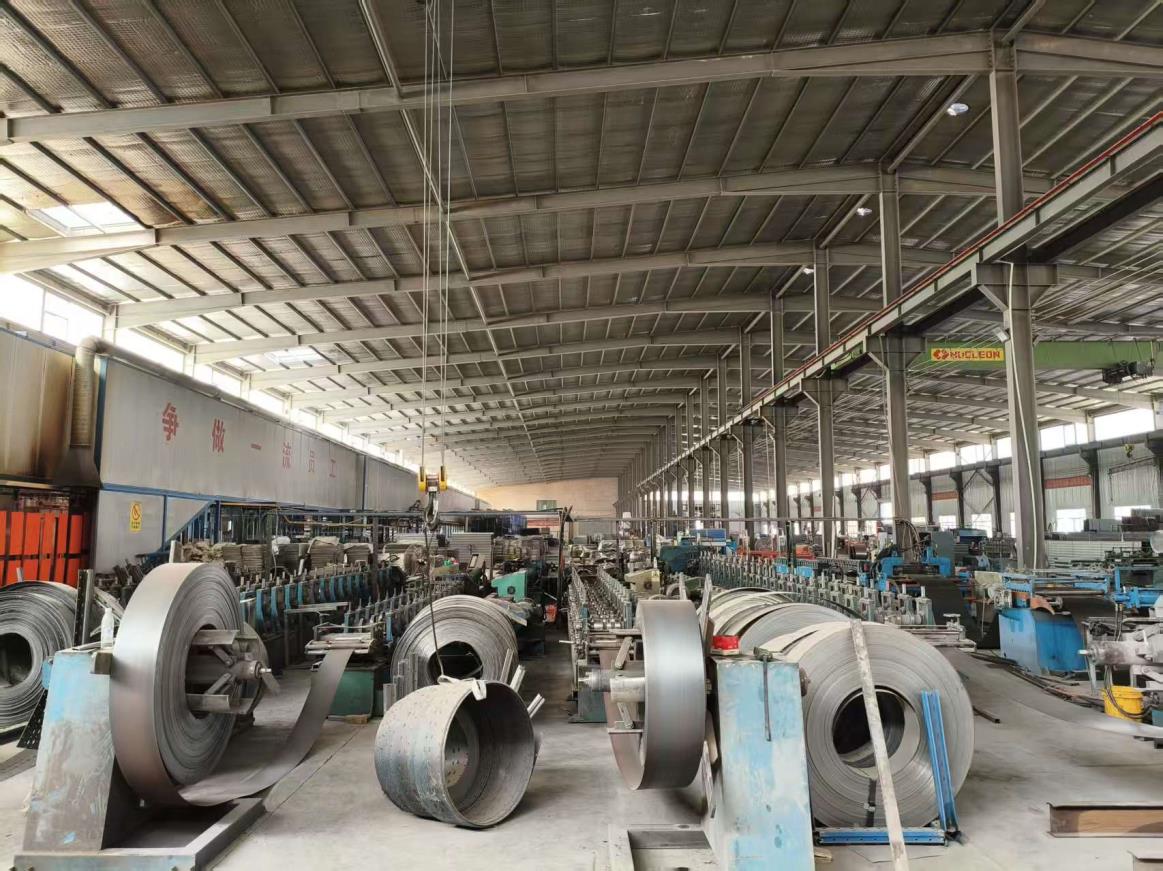
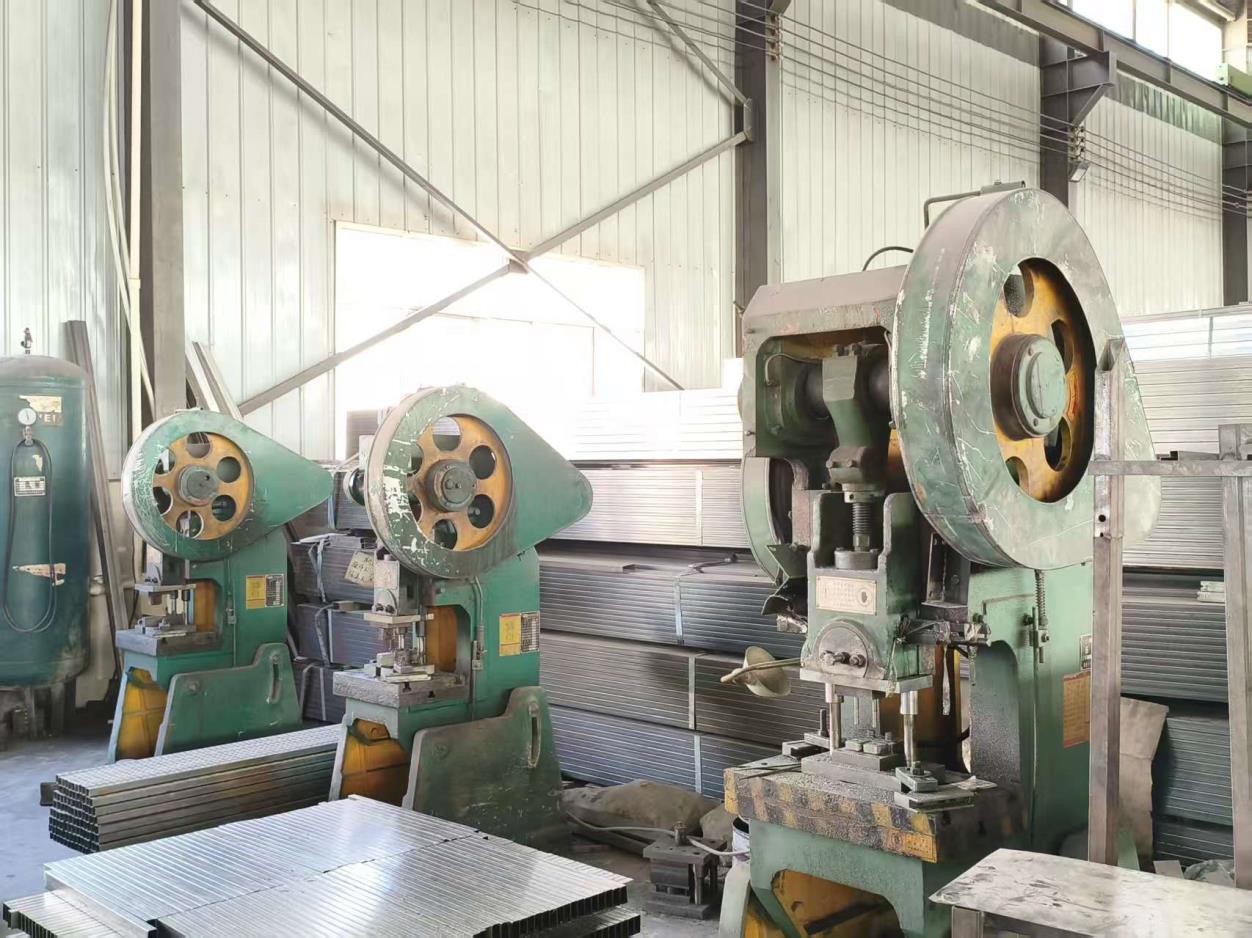
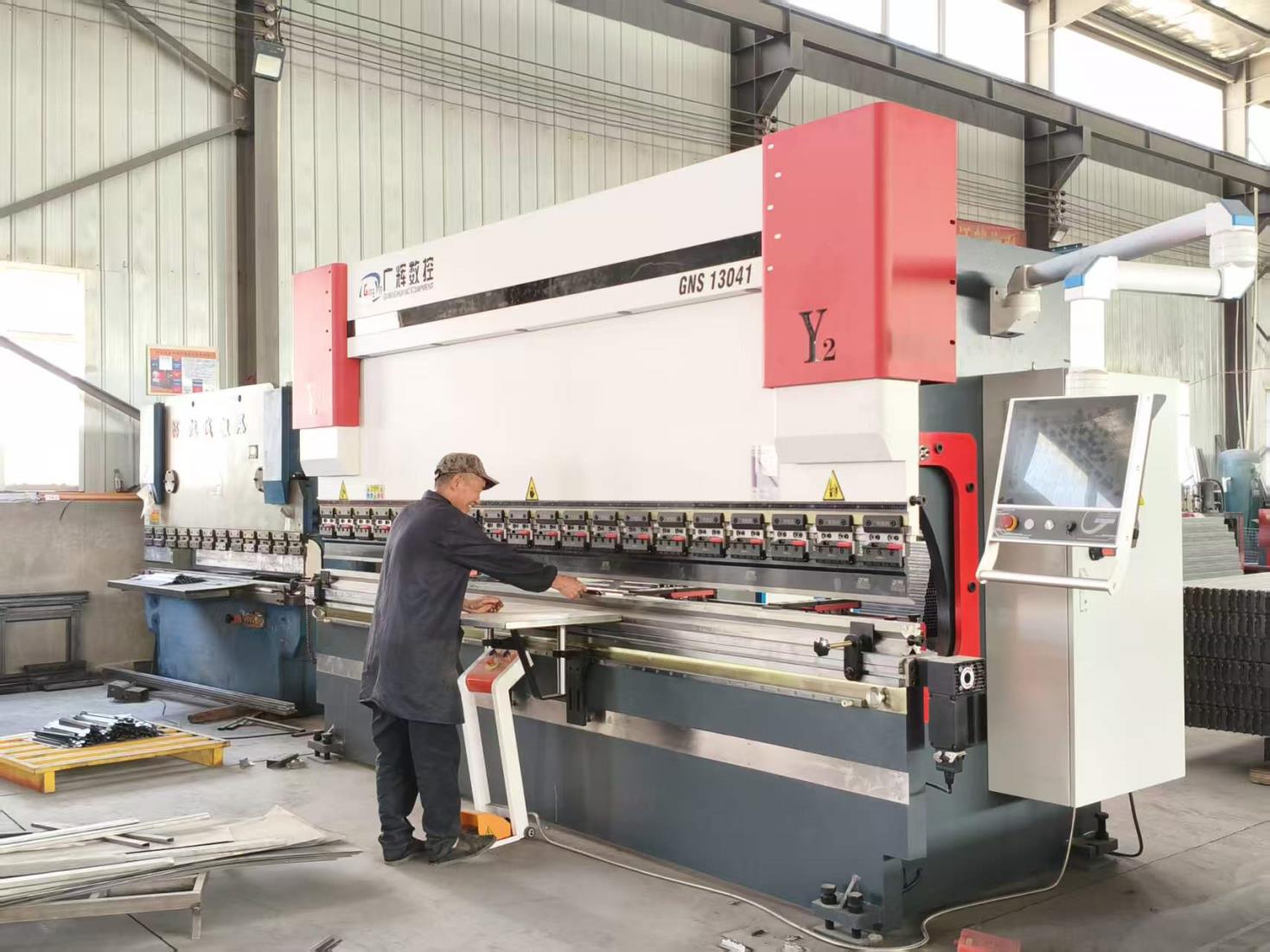
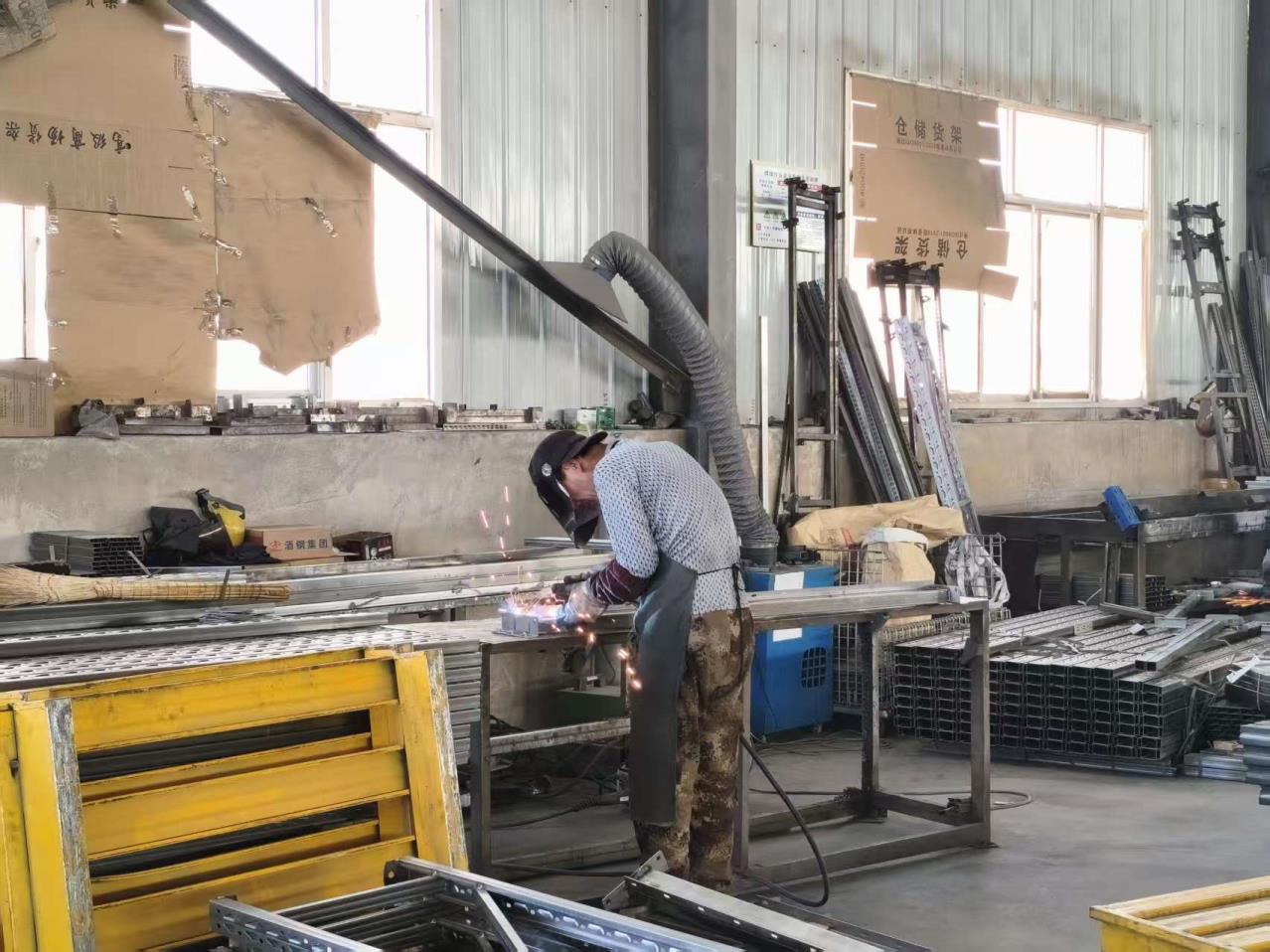
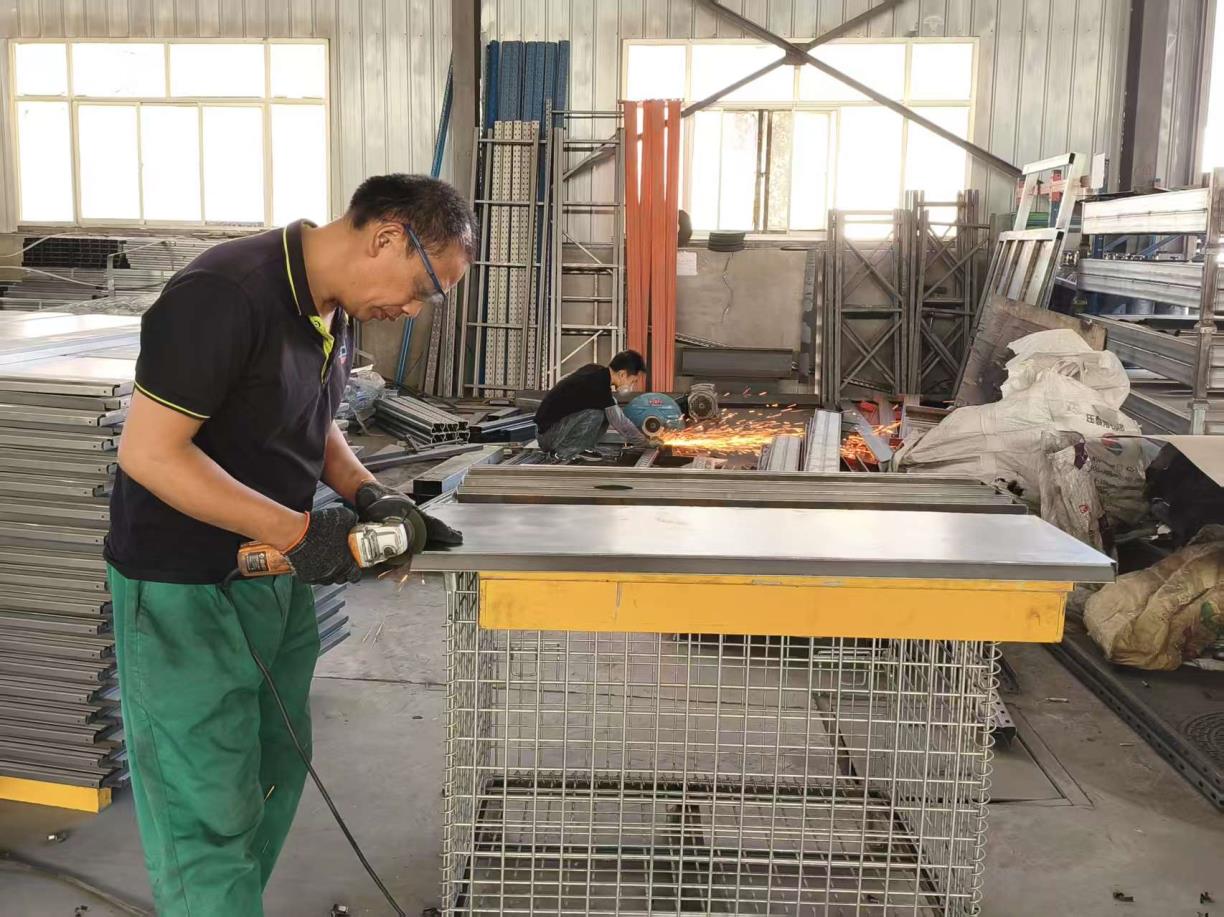
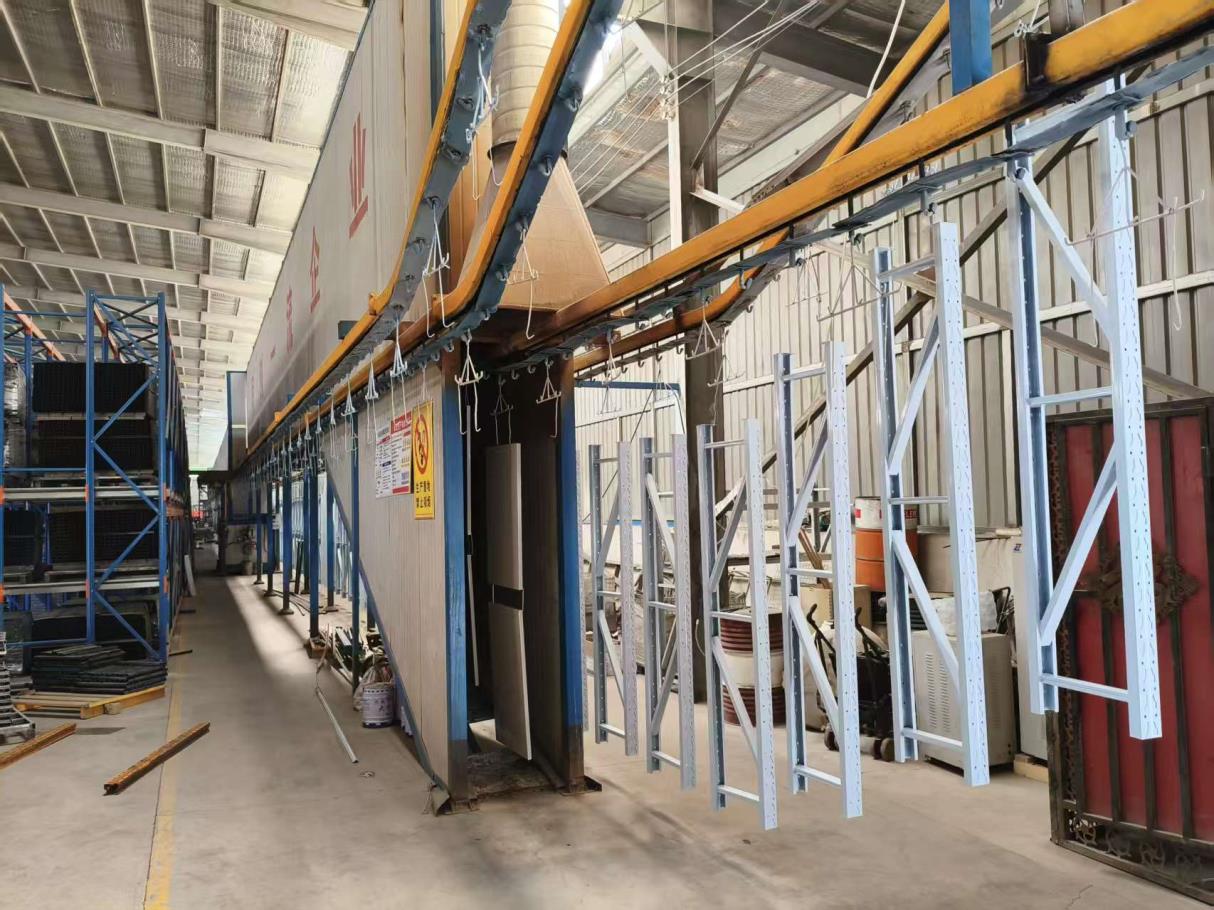
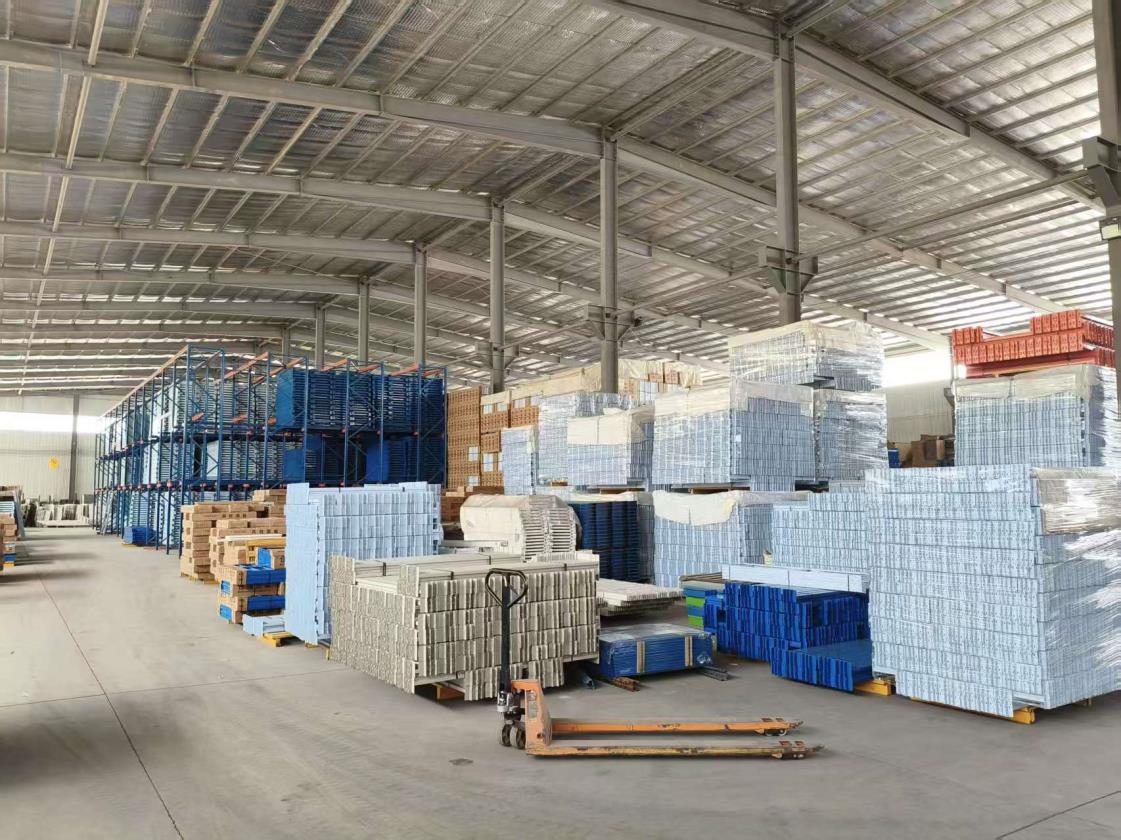
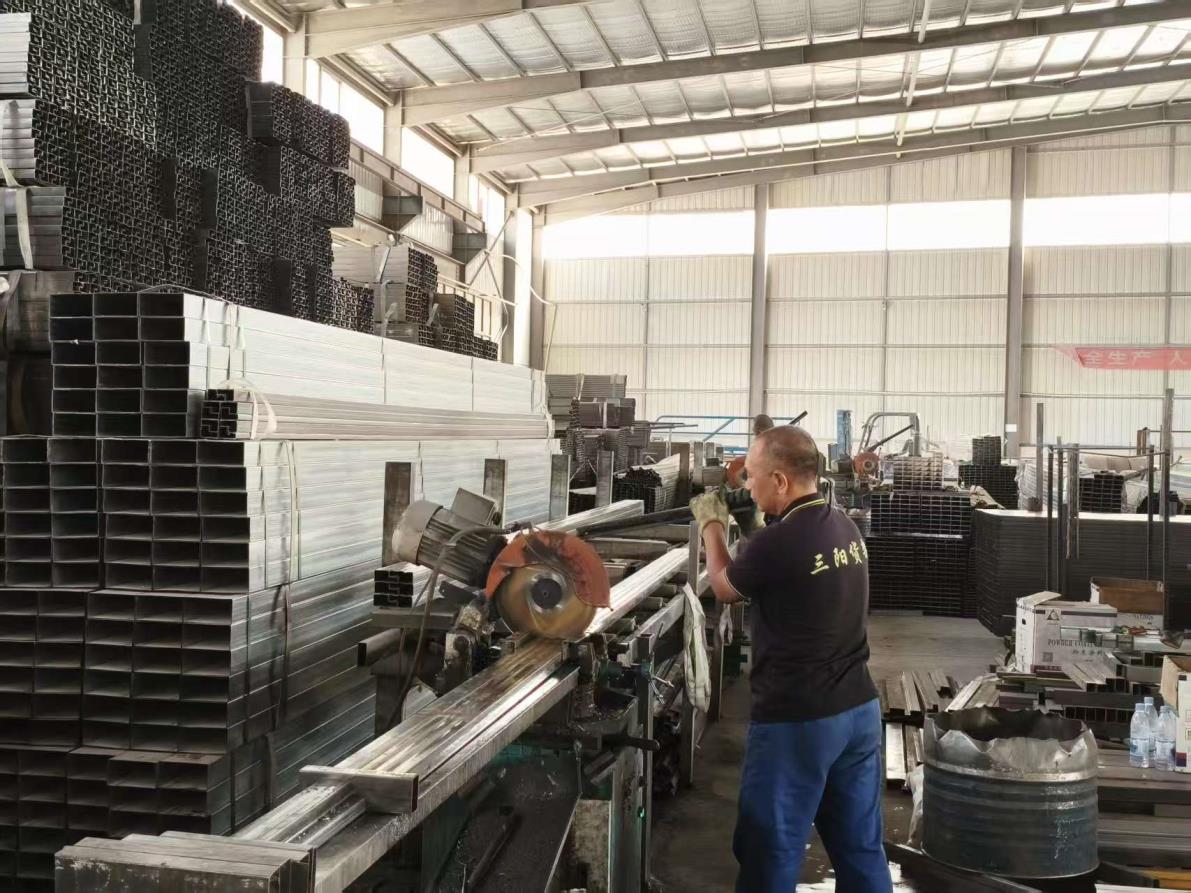
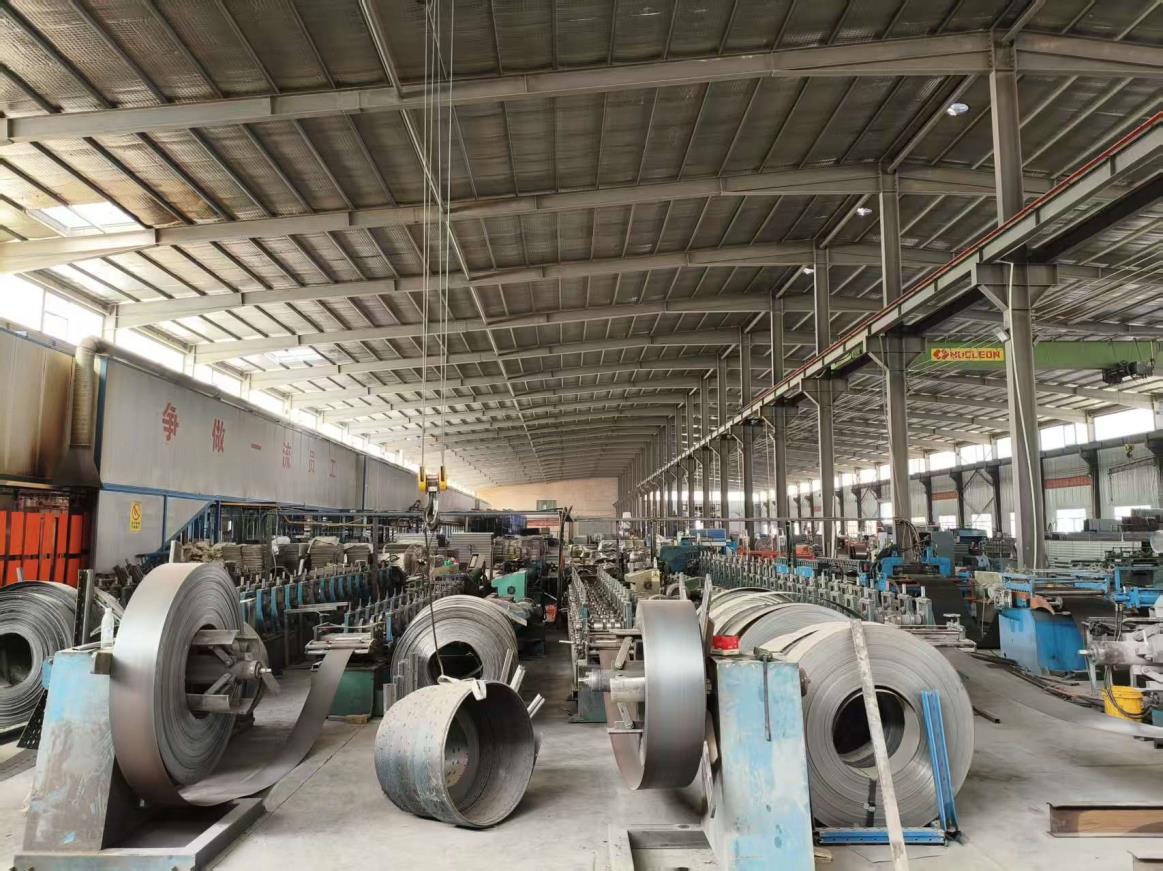
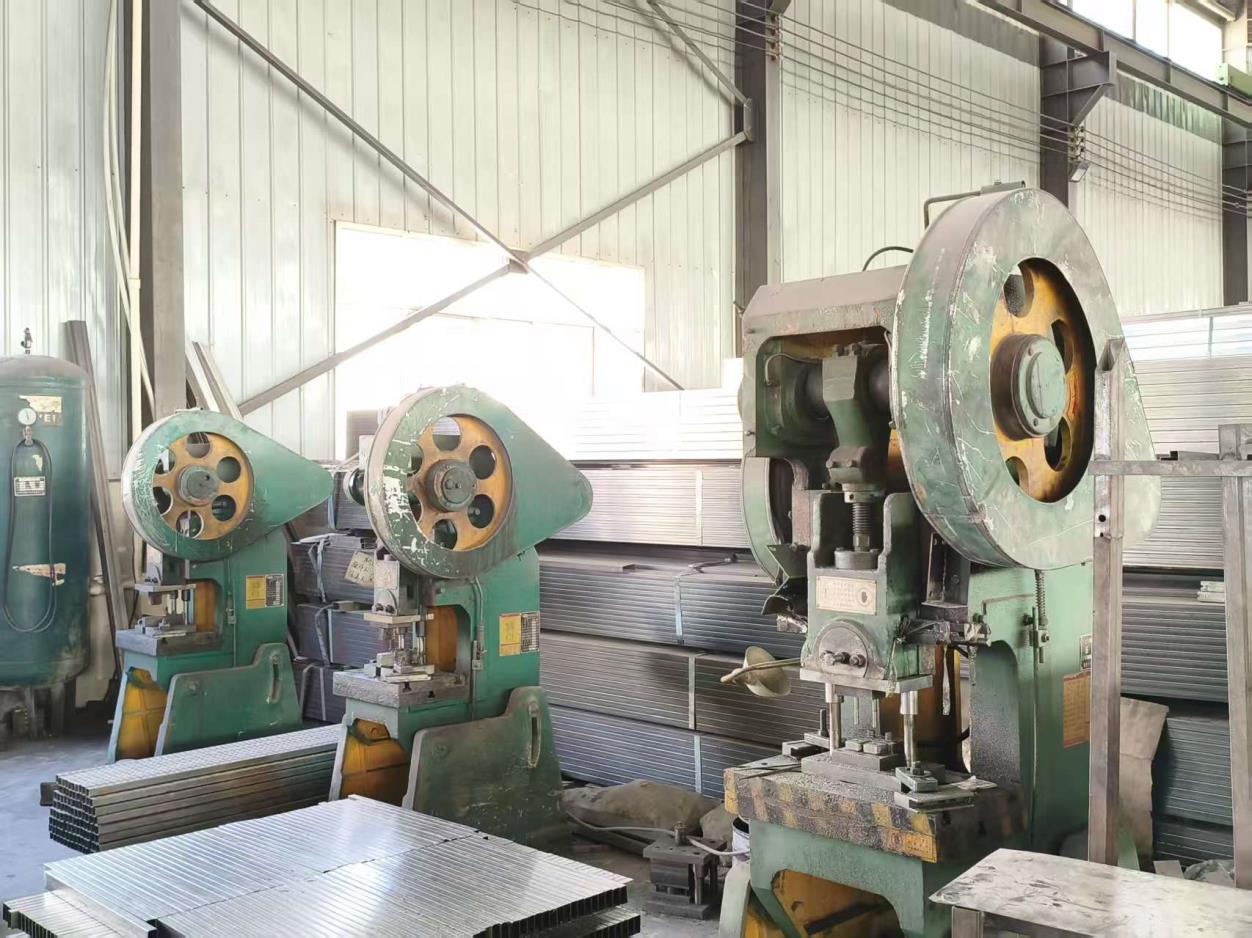
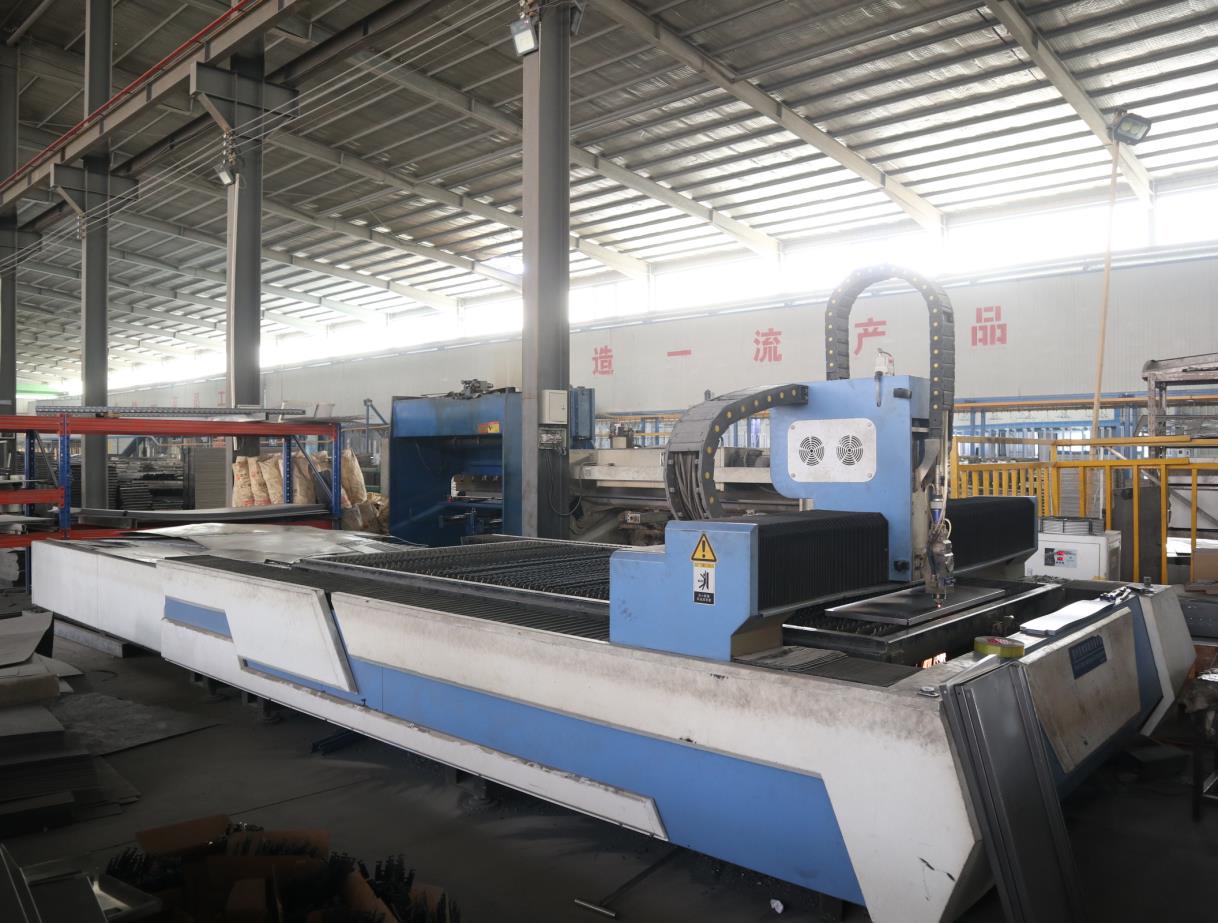
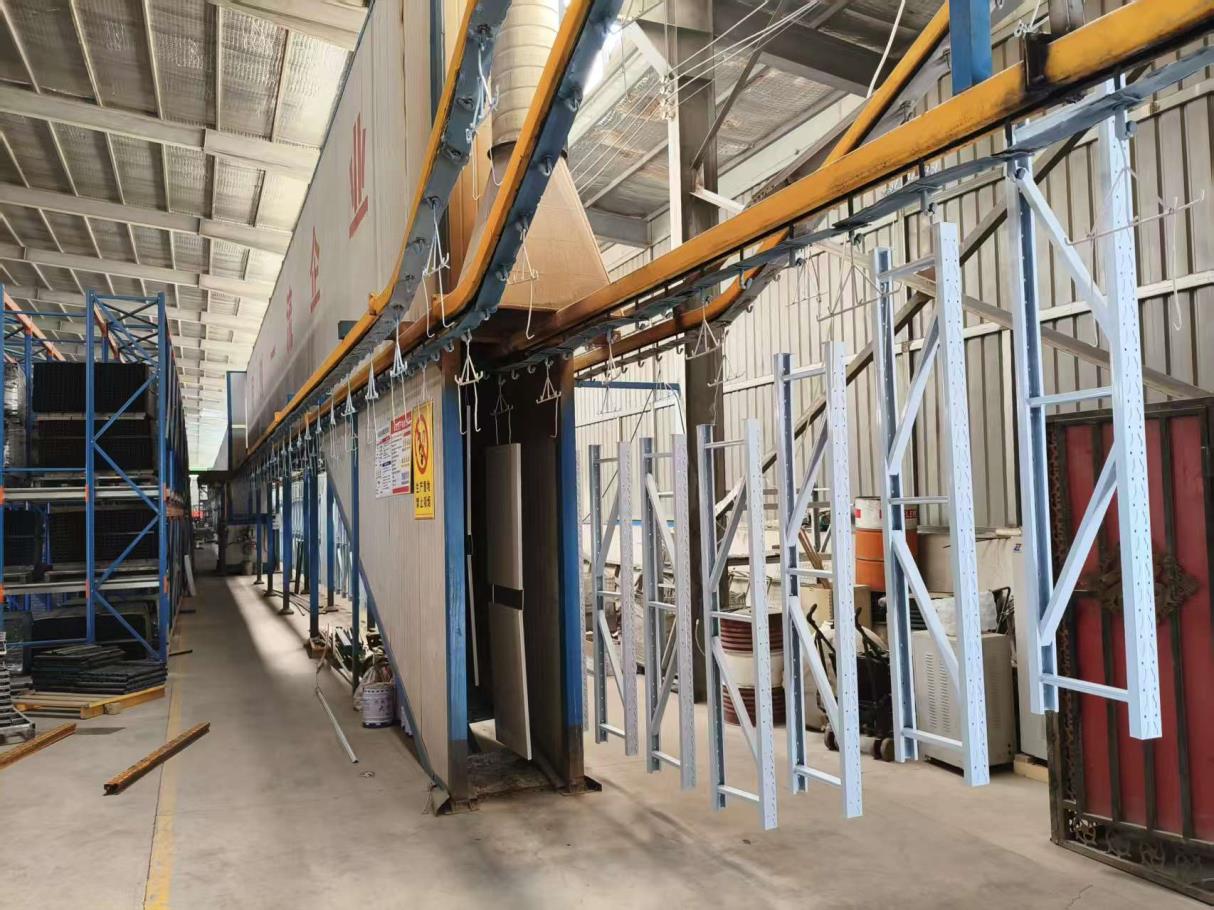
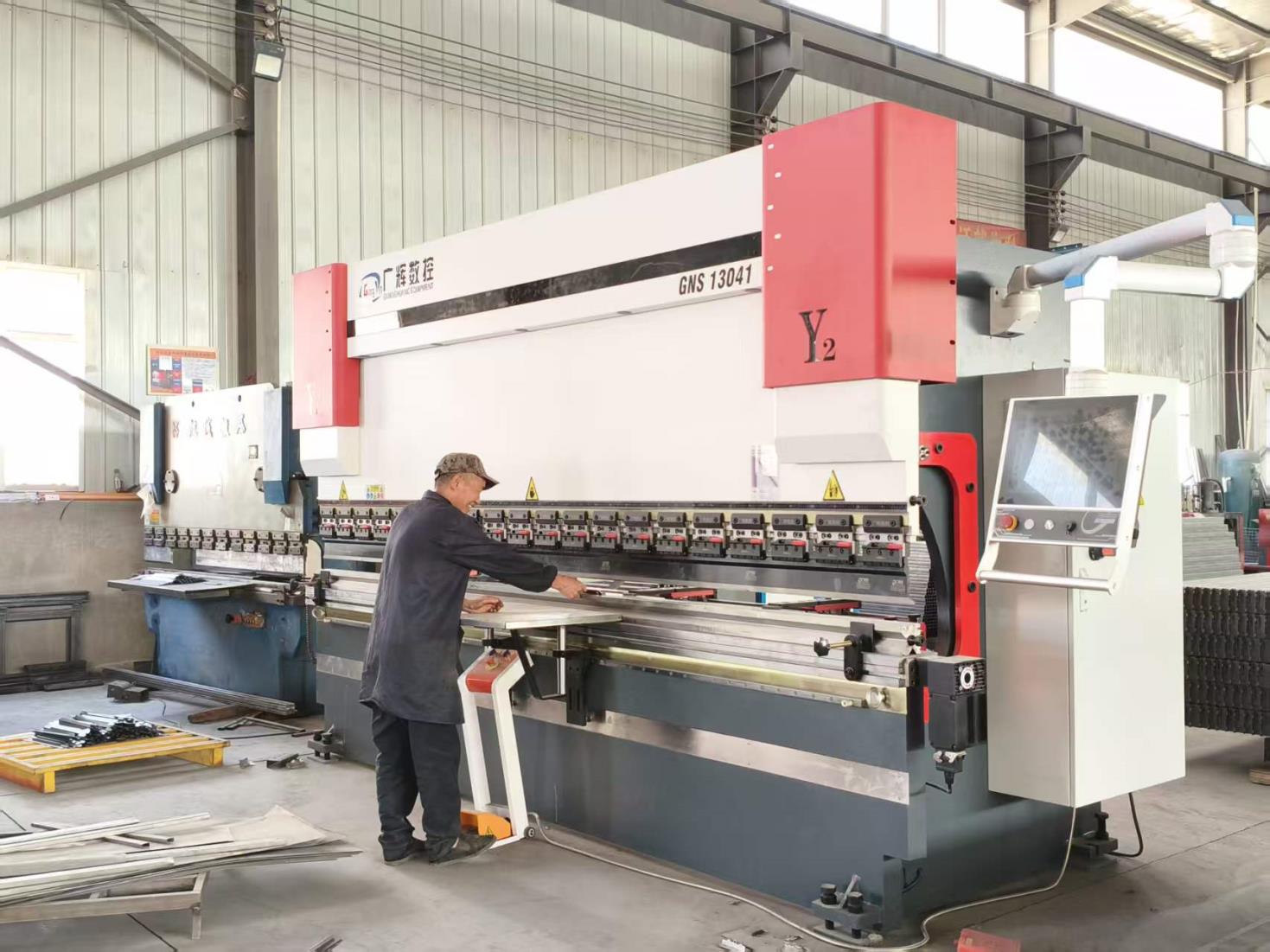
Structural reliability in material storage systems relies on continuous research and development paired with rigorous quality control. DuraRacks is staffed by an engineering group consisting of 68 R&D engineers. This team utilizes advanced structural Finite Element Analysis (FEA) and customized CAD/BIM warehouse layout simulations to ensure every proposed layout is structurally sound and optimized for space efficiency.
The R&D group offers full OEM/ODM customization options, tailored seismic load engineering, custom powder-coating finishes, and specialized beam profile dimensions. In the previous fiscal year, the team launched 85 new product innovations and patented racking components, ensuring our storage structures remain robust and optimized for vertical capacity.
Quality and structural integrity form the bedrock of our manufacturing philosophy. Our dedicated team of 45 certified QA personnel implements rigorous quality control processes aligned with ISO9001, CE, and FEM standards. Every batch undergoes comprehensive product inspection methods, including:
Modern supply chains require more than standard storage; they need integrated, scalable solutions. The expansion of multi-channel e-commerce, global manufacturing networks, and specialized cold-chain storage has increased demand for custom-designed racking systems. These systems must interface with modern Material Handling Equipment (MHE) such as Very Narrow Aisle (VNA) forklifts, Automated Storage and Retrieval Systems (AS/RS), and Autonomous Mobile Robots (AMRs).
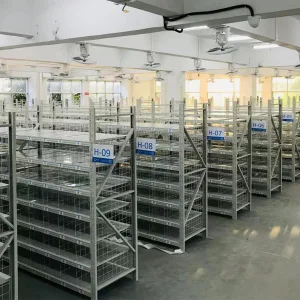
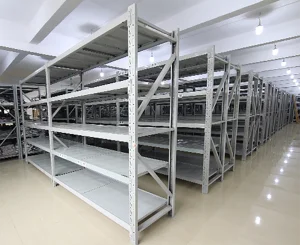
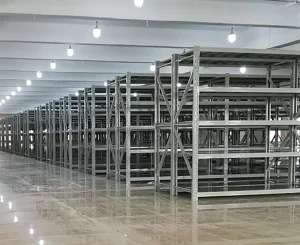
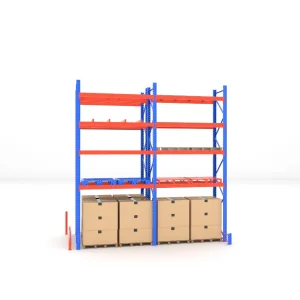
Increasing storage density and item accessibility is critical for multi-client fulfillment hubs. The implementation of selective and drive-in pallet racking systems helps maximize vertical clearance and floor utilization.
Cold storage facilities require significant energy to maintain temperature control. Utilizing high-density storage configurations, such as drive-through or dynamic push-back systems, helps contain energy overhead and maximize capacity.
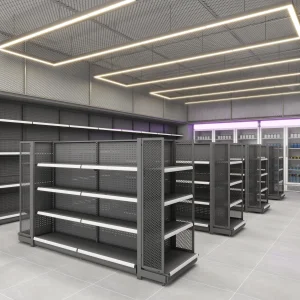
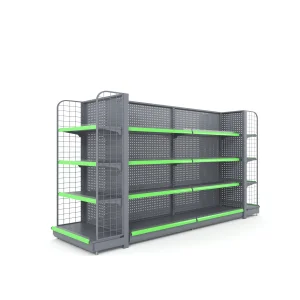
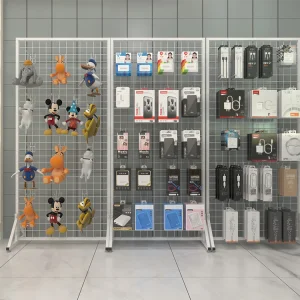
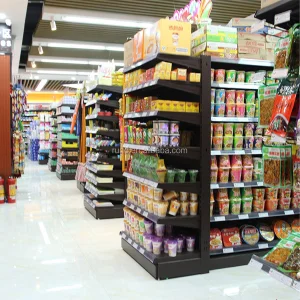
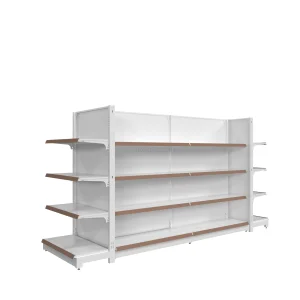
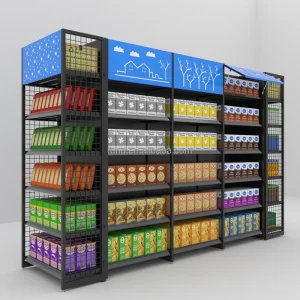
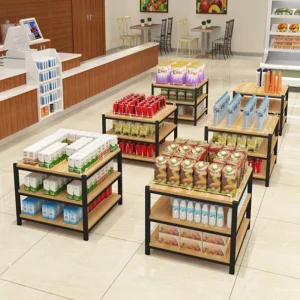
Modern hypermarkets and grocery distribution stores require reliable gondola displays and modular shelving systems that combine robust structural capacity with professional aesthetics.
Globally, supply chain managers are shifting from transactional purchasing toward strategic, long-term supplier partnerships. When sourcing from China, modern procurers look beyond pricing to evaluate structural engineering processes, compliance certificates, and technical support. Top-tier manufacturers must demonstrate compliance with international standards, such as Europe’s FEM guidelines and North America’s Rack Manufacturers Institute (RMI) specifications.
A key factor in selecting a Chinese manufacturing partner is their ability to navigate regional regulations and compliance standards. Different jurisdictions maintain distinct engineering, safety, and environmental requirements for industrial storage installations.
In addition to structural compliance, managing international transport is a key component of global sourcing. Experienced manufacturers minimize shipping complications through structured container packing, protective wrap solutions, and detailed documentation. Providing clear product drawings and installation guides supports smooth local permitting and assembly processes.
The industrial storage industry is transitioning from passive steel framing to active, intelligent systems. As warehouses adopt automation, racking structures must adapt to interface with new technologies. Key areas of development include:
1. Structural Integration with Robotic Systems: The tolerance requirements for Automated Storage and Retrieval Systems (AS/RS) are significantly tighter than those for traditional forklift-operated racks. Automated systems require vertical deviations of less than a few millimeters, necessitating precise manufacturing tolerances and structural stiffness.
2. Smart Racking and Structural Monitoring: Future racking systems will incorporate embedded IoT sensors designed to monitor structural load distribution, frame alignment, and impact stress in real time. These sensors provide automated alerts for structural irregularities or impact damage, supporting proactive maintenance and safer working environments.
3. Advanced Surface Treatments and Environmental Compliance: Industrial storage manufacturers are adopting eco-friendly coating technologies. Transitioning to VOC-free powder-coat finishes and low-emission curing ovens reduces environmental impact while maintaining durability against abrasion and chemical exposure.
Detailed engineering and procurement insights for purchasing stackable warehouse equipment from China.
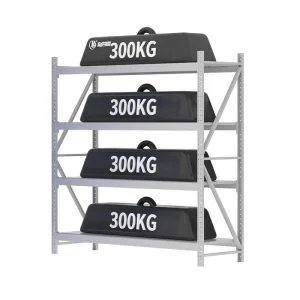
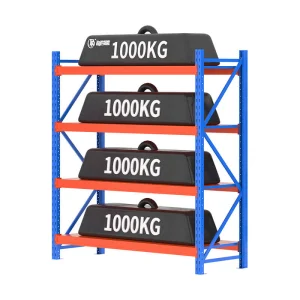
DuraRacks constructs high-capacity racking using Q235B and Q355B structural steel sourced from leading domestic steel mills. Q355B is selected for heavy-duty components and seismic regions due to its yield strength of 355 MPa, which helps prevent structural deformation. Q235B is utilized for standard load-bearing frames and lighter-duty accessories.
DuraRacks conducts Finite Element Analysis (FEA) during the design phase to calculate safety margins under simulated structural load conditions. Physical production components then undergo static and dynamic loading tests, tensile strength testing, and ultrasonic weld flaw inspections to ensure safety margins meet ISO9001, CE, and FEM structural guidelines.
To generate a custom CAD/BIM layout simulation, clients need to provide architectural drawings of the facility (including ceiling heights, columns, and fire doors), pallet dimensions (width, depth, height), target load weights, forklift turning radius parameters, and local seismic zone classifications.
Components are bundled, wrapped in heavy-duty plastic film, and secured with steel strapping. Exposed structural corners and finished surfaces are protected with cardboard padding to prevent abrasion and corrosion during shipping. Wood blocks are integrated to facilitate unloading with local forklifts.
The standard production lead time is 20 to 30 days after design approval and deposit receipt. Shipping transit times depend on the destination port, taking approximately 15 to 22 days to Australia, 25 to 30 days to Europe, and 30 to 45 days to the East Coast of North America.
Yes. DuraRacks utilizes low-bake powder coatings that maintain adhesion and impact resistance in temperatures down to -30°C. Standard powder coating thickness is 60 to 80 microns, with optional hot-dip galvanized finishes available for high-humidity or freezing cold environments.
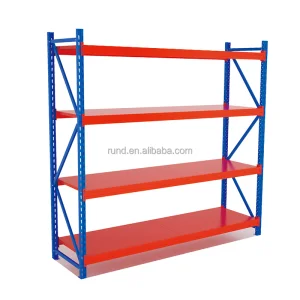
Complete structural systems designed to optimize vertical space and maintain high load-bearing reliability.
 DuraRacks