Direct-factory high-performance structural systems designed to optimize supermarket layouts, warehousing facilities, and consumer-facing retail shelves.
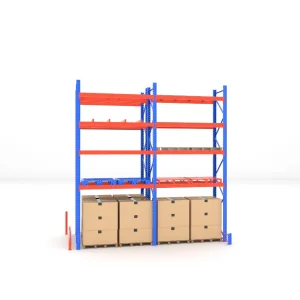
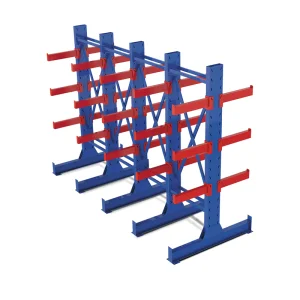
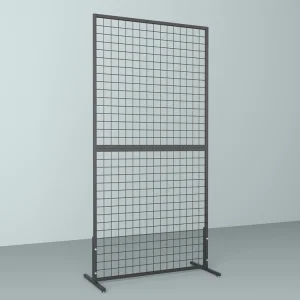
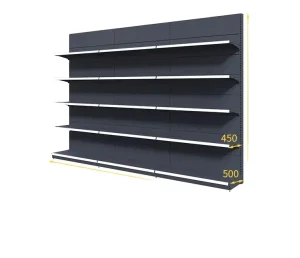
In the hyper-competitive global FMCG (Fast-Moving Consumer Goods) market, snack foods occupy a unique, high-velocity segment. Maximizing footprint productivity requires engineering-driven, visually engaging merchandising systems. Modern snack displays are no longer passive shelves; they are dynamic sales tools. They leverage consumer psychology, ergonomics, and structural optimization. This balances high volume loads with low structural profiles.
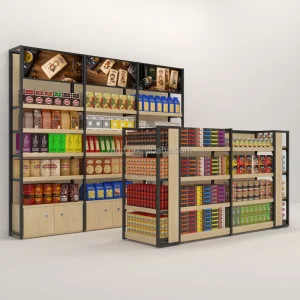
Globally, retail networks face shifting formats. These range from high-density urban convenience stores and micro-fulfillment nodes to massive hypermarkets and automated checkout channels. In North America and Europe, the surge in "Grab-and-Go" snacking has forced supermarkets to redesign checkout lines. They now feature modular snack display racks. This structural change demands that rack systems carry heavier loads—such as glass-packaged premium nuts, canned sodas, and bulk confectionery. Yet they must preserve visibility and ensure quick restocking.
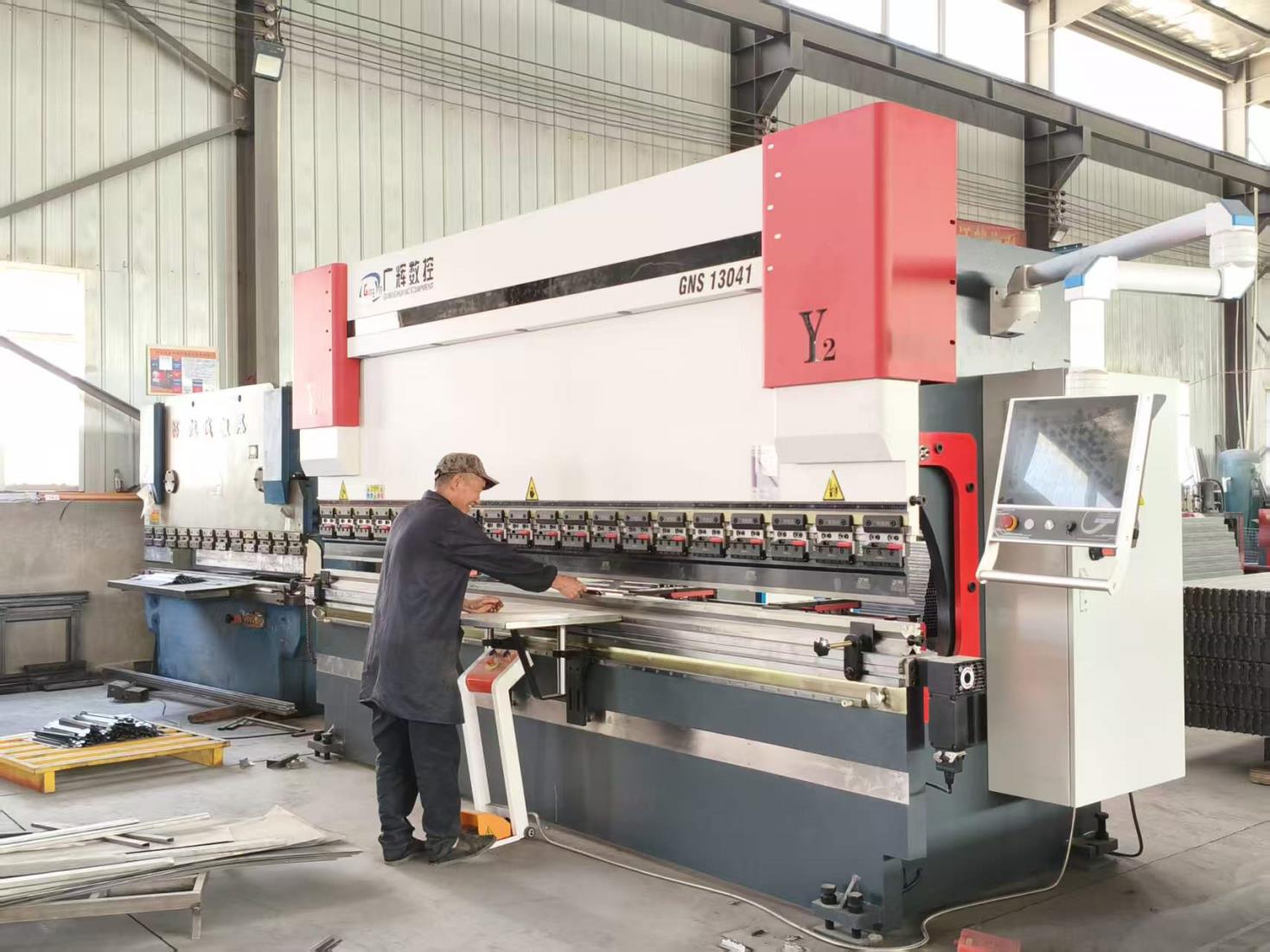
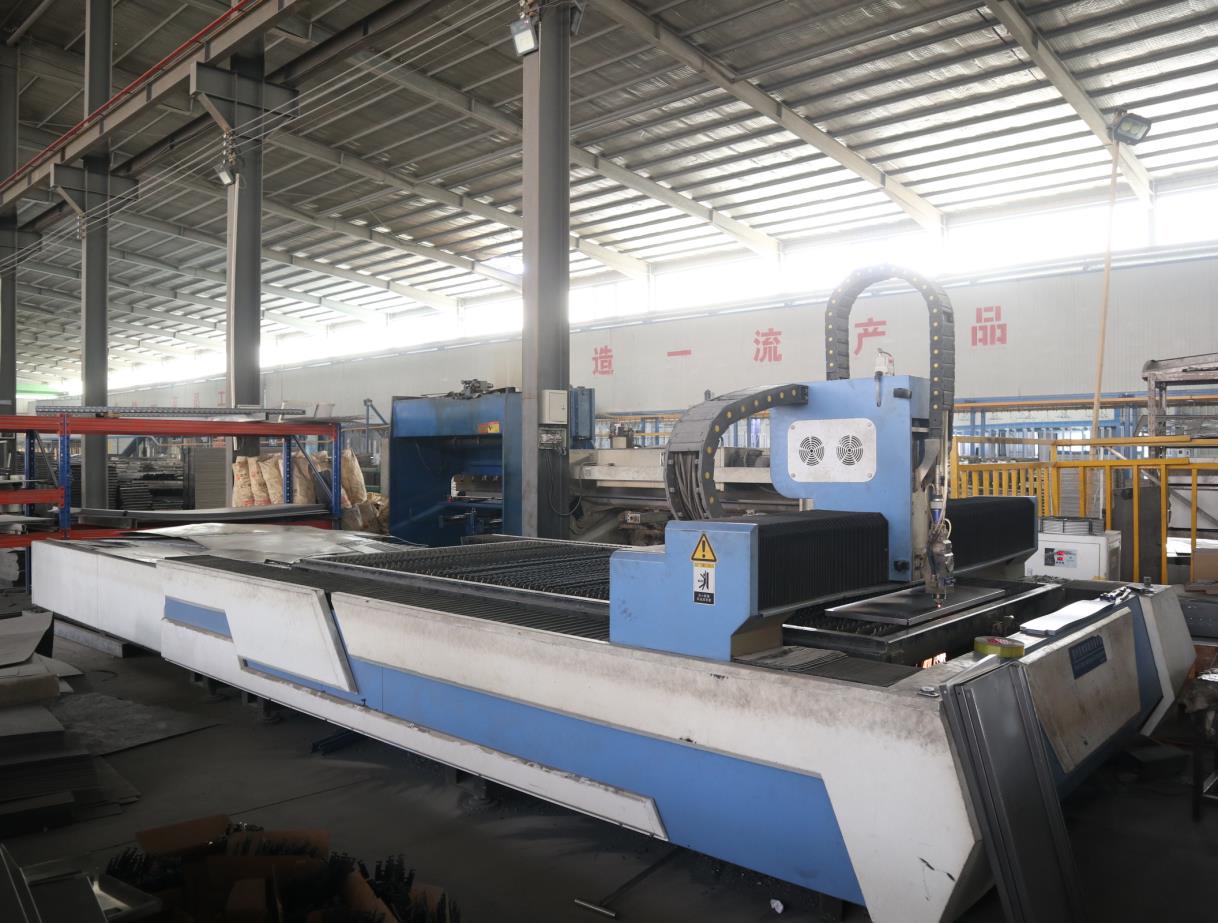
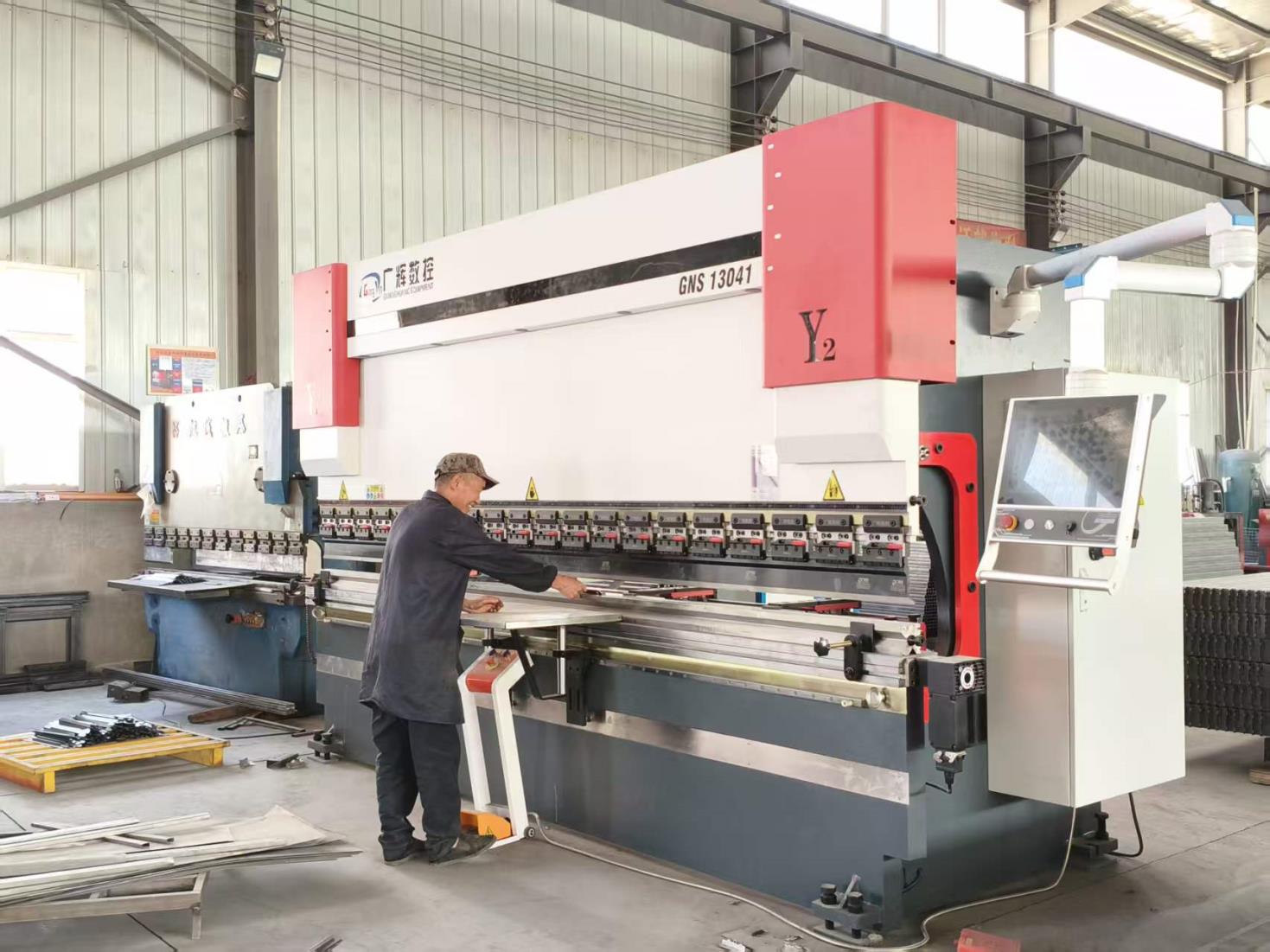
As a leading player in international warehouse and retail system manufacturing, DuraRacks addresses these demands. We apply industrial-grade manufacturing principles to consumer-facing retail display systems. Our snack display units are designed to withstand high-traffic environments, with heavy-gauge steel cold-rolled in our state-of-the-art facility. This ensures long operational lifespans and a lower Total Cost of Ownership (TCO) for global retail brands.
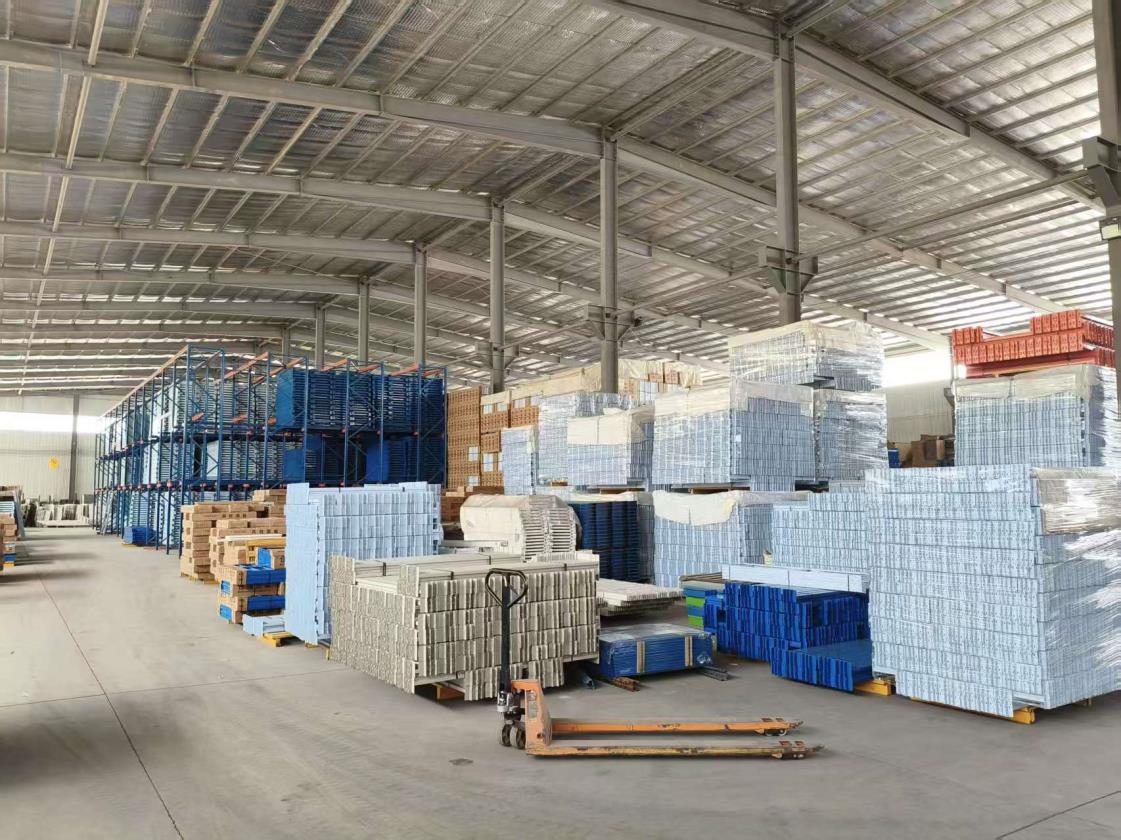
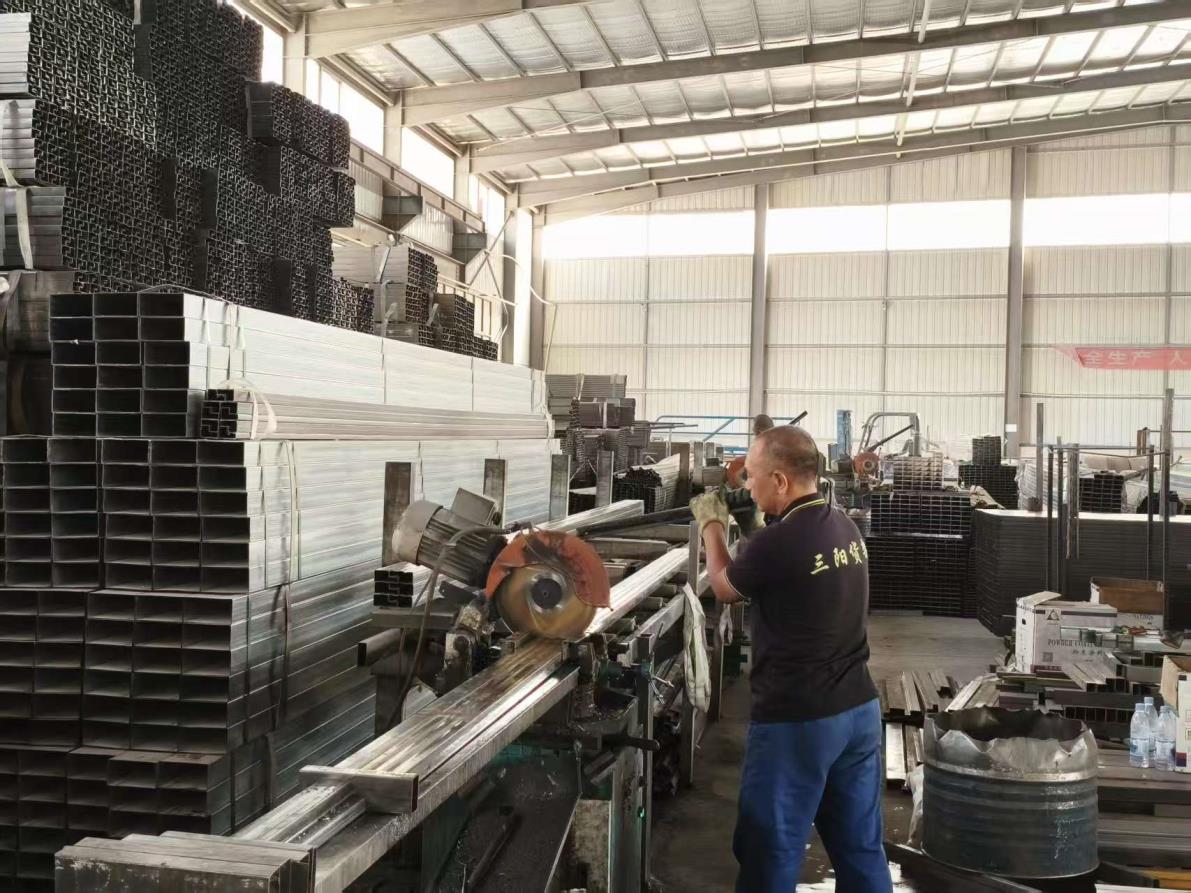
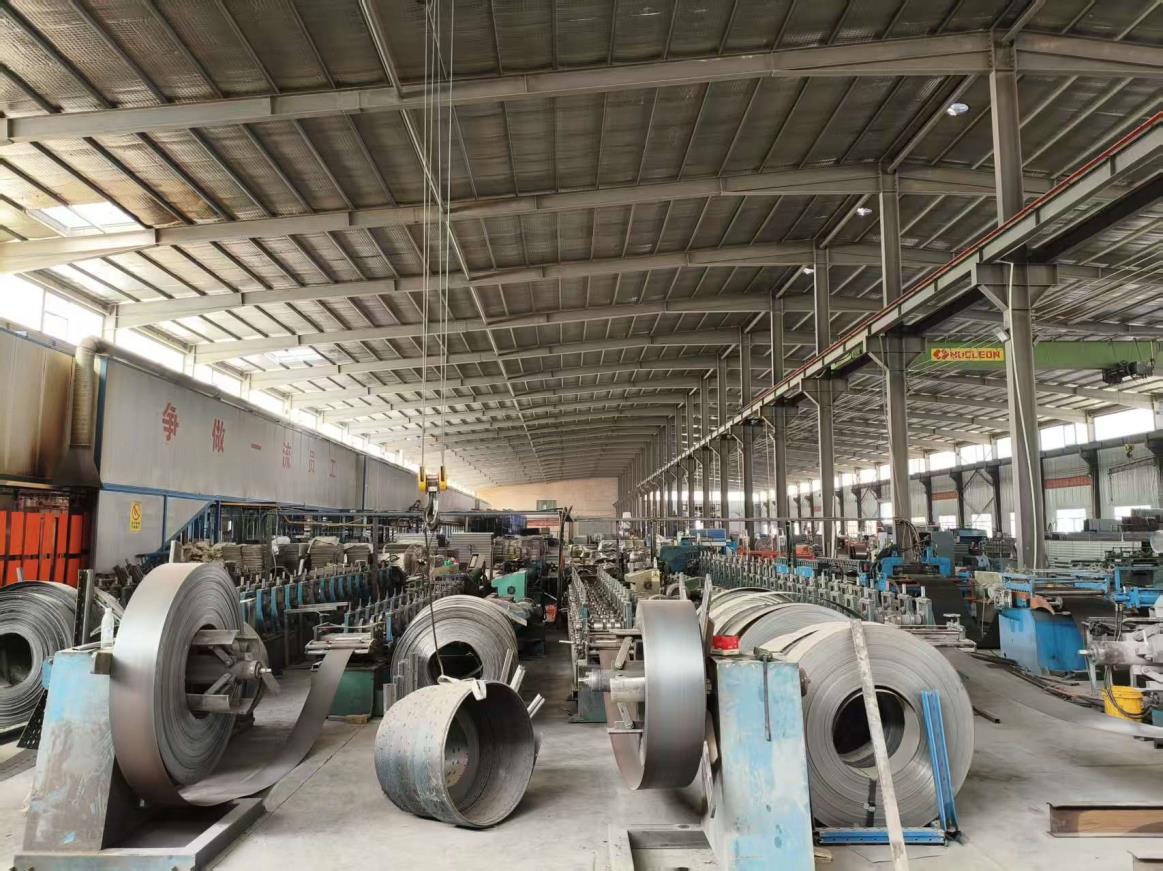
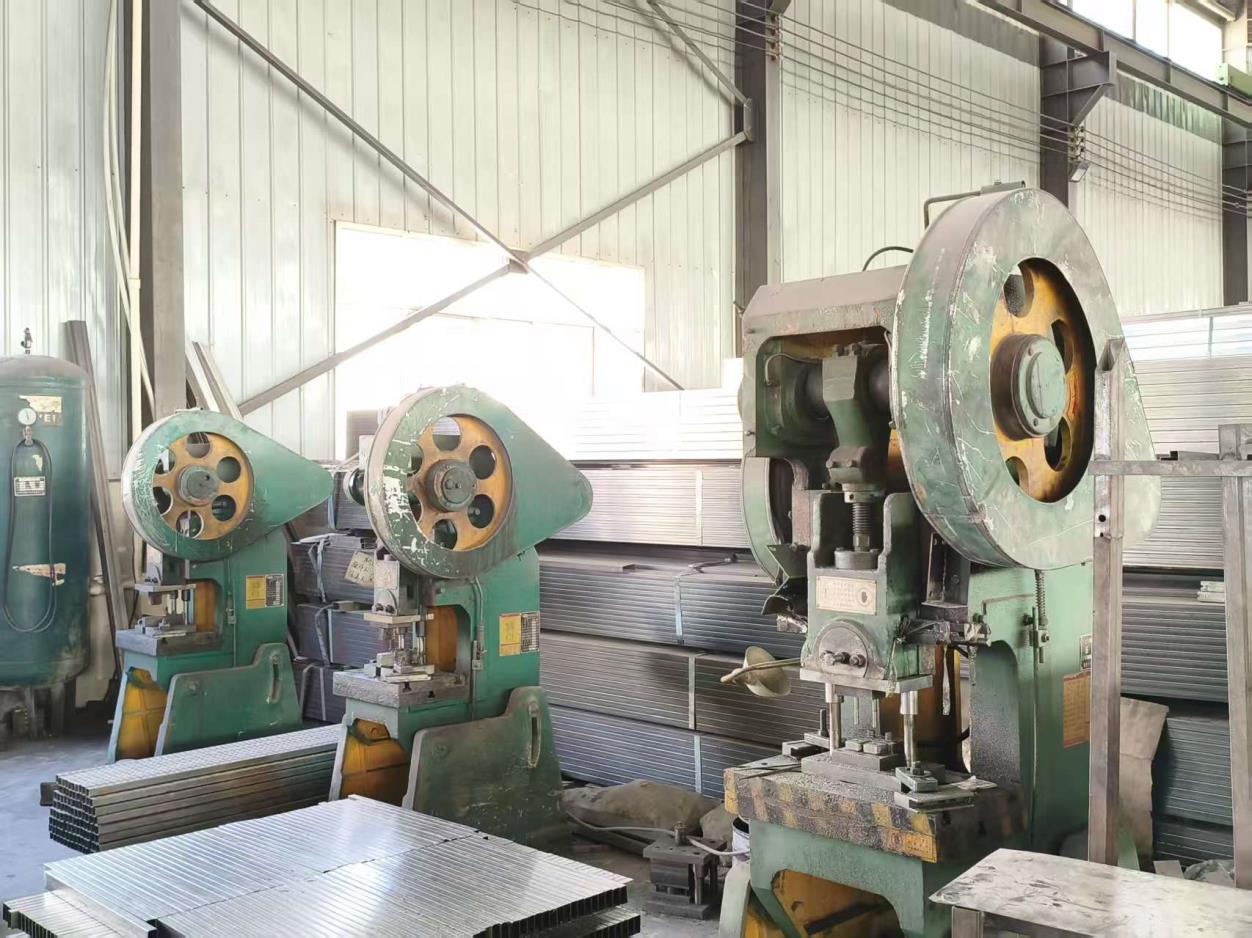
Established in 2014, Nanjing Dulis Warehouse Equipment Co., Ltd. (operating globally under the brand DuraRacks) is a premier industrial rack and commercial display system manufacturer headquartered in Nanjing, China. With over 12 years of industry experience and 9 years of direct export experience, our operations are housed in a modern industrial complex spanning 38,000 square meters. We generate an annual export revenue of $32 million USD, serving demanding markets across North America, Western Europe, and Australia.
Our engineering team applies structural Finite Element Analysis (FEA) and customized CAD/BIM simulations to ensure that every snack display rack and warehouse support bar can handle high dynamic stresses. We focus on customization, creating solutions tailored to seismic zones, high humidity, and intensive customer interactions.
Last year, DuraRacks launched 85 new product innovations and patented racking components. This focus on engineering lets us supply systems that minimize steel usage while maintaining high structural load limits.
Quality and structural integrity are core to the DuraRacks manufacturing philosophy. Our team of 45 certified QA personnel implements quality control processes aligned with ISO9001, CE, and FEM standards. Every batch of display racks and warehouse support systems undergoes testing, including:
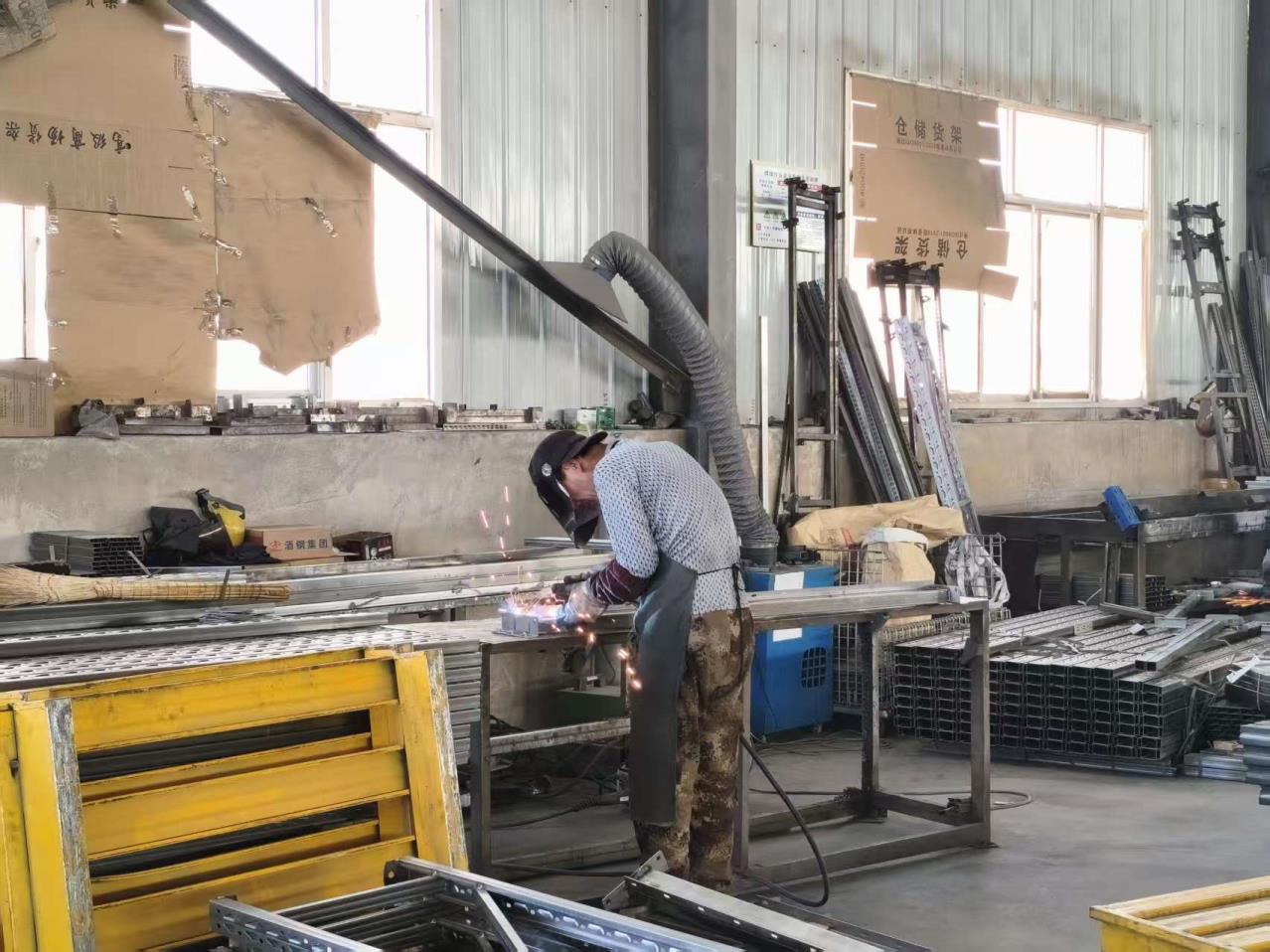
We perform ultrasonic weld flaw detection on all primary structural connections. This ensures deep joint penetration and eliminates internal gas pockets. Furthermore, raw steel coils undergo mechanical tensile testing to verify yield strength and compliance with structural standards.
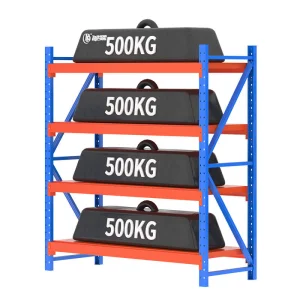
Every shelf configuration undergoes static and dynamic load capacity testing, pushing systems past their rated limits to establish safety margins. We also perform salt spray corrosion resistance evaluations to ensure our paint finishes withstand high humidity and frequent chemical cleaning.
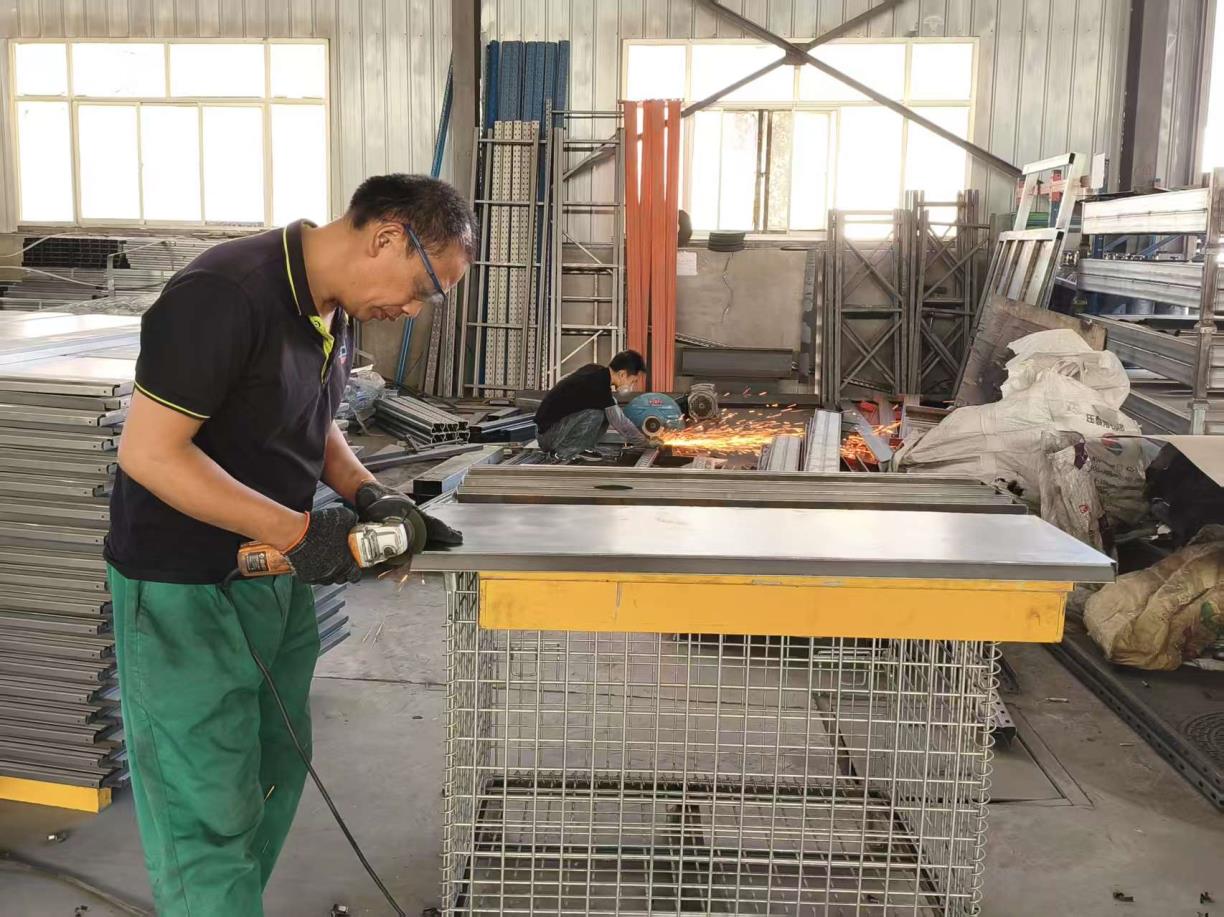
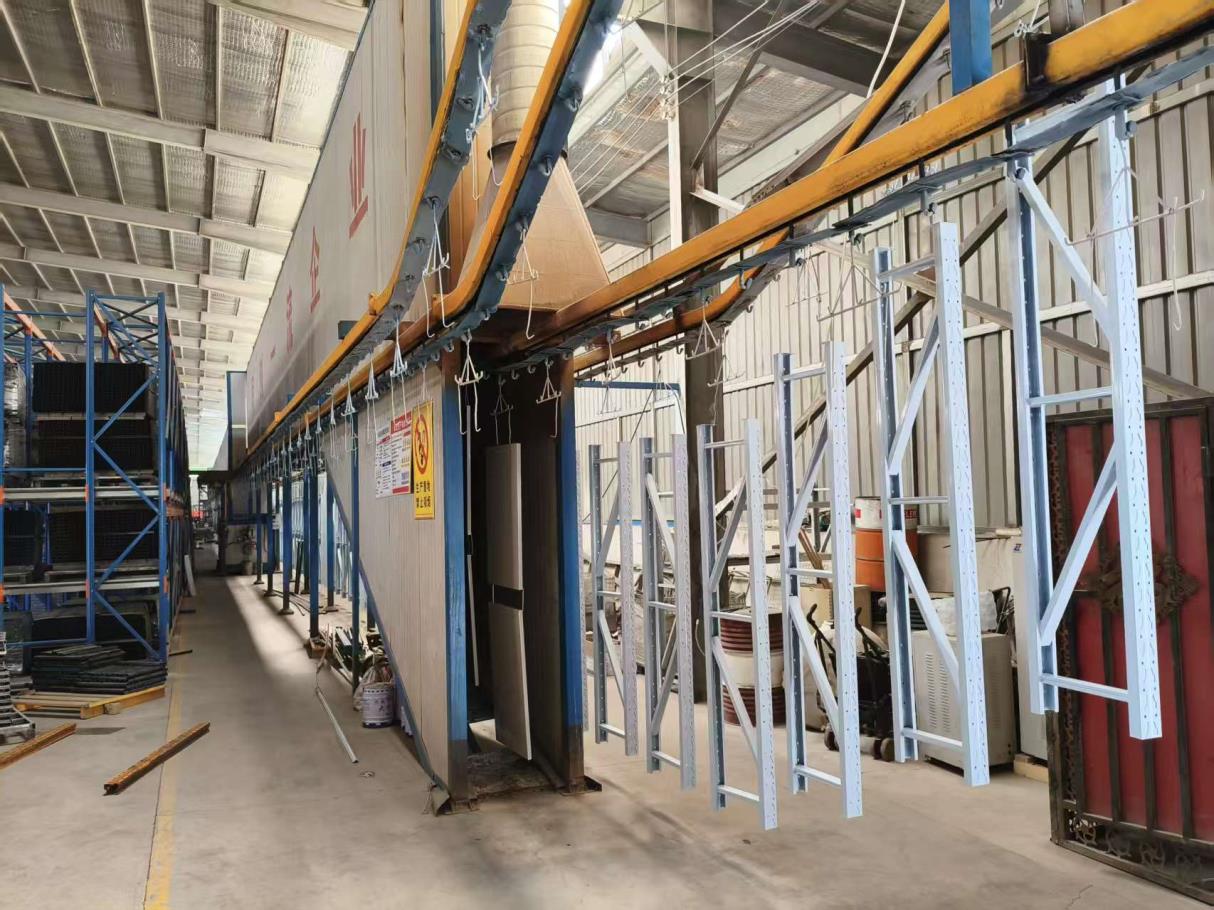
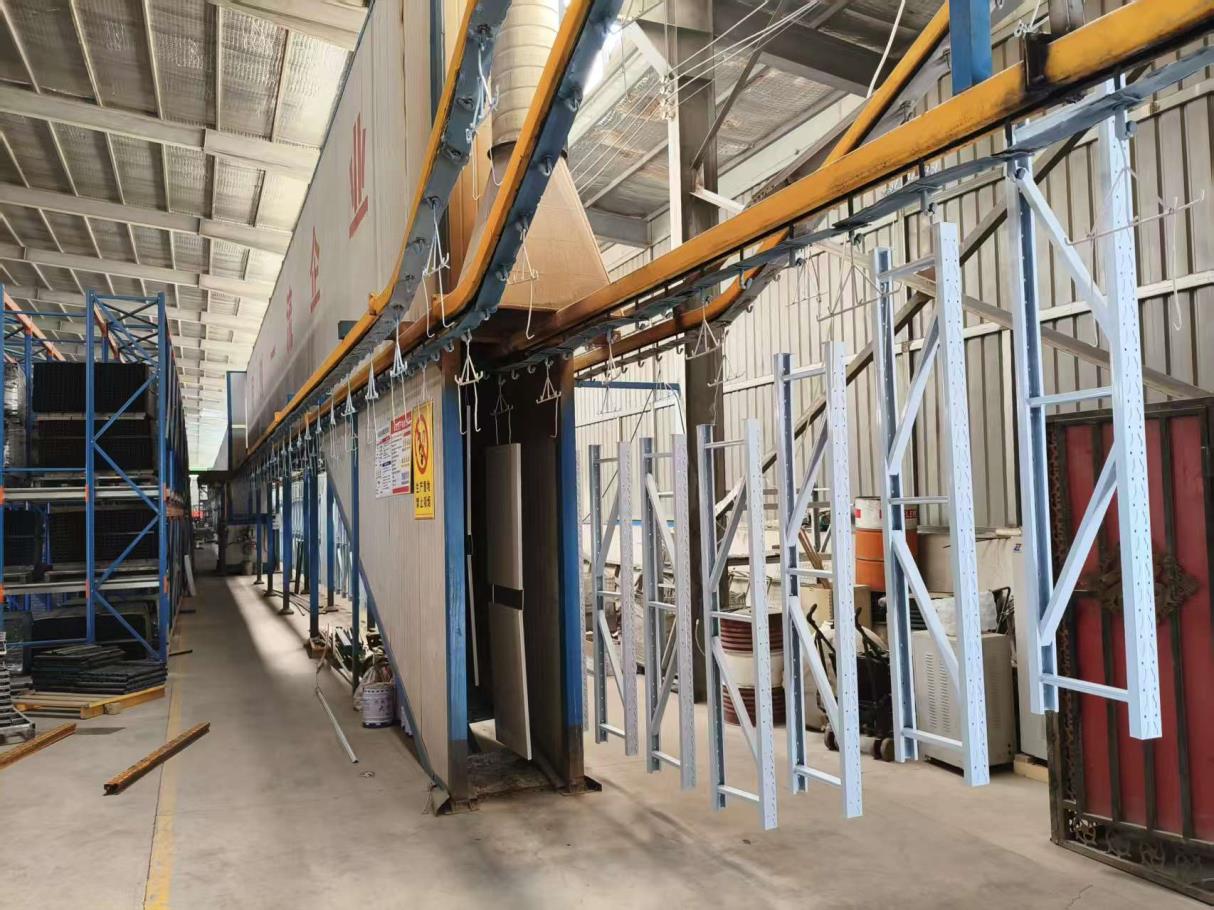
From premium raw steel coils to the final finished product, our integrated factory processes maintain close tolerance limits and structural strength.
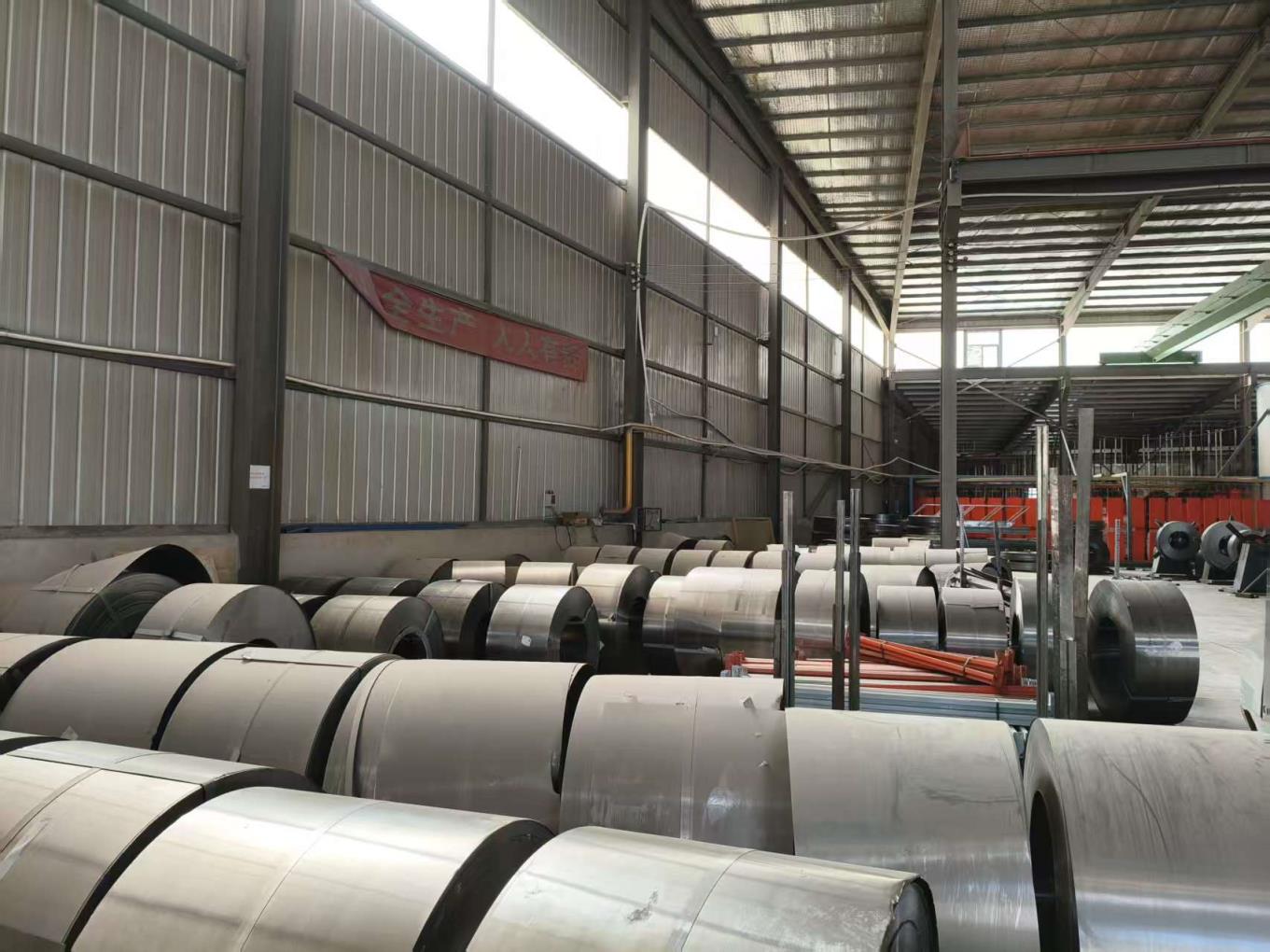
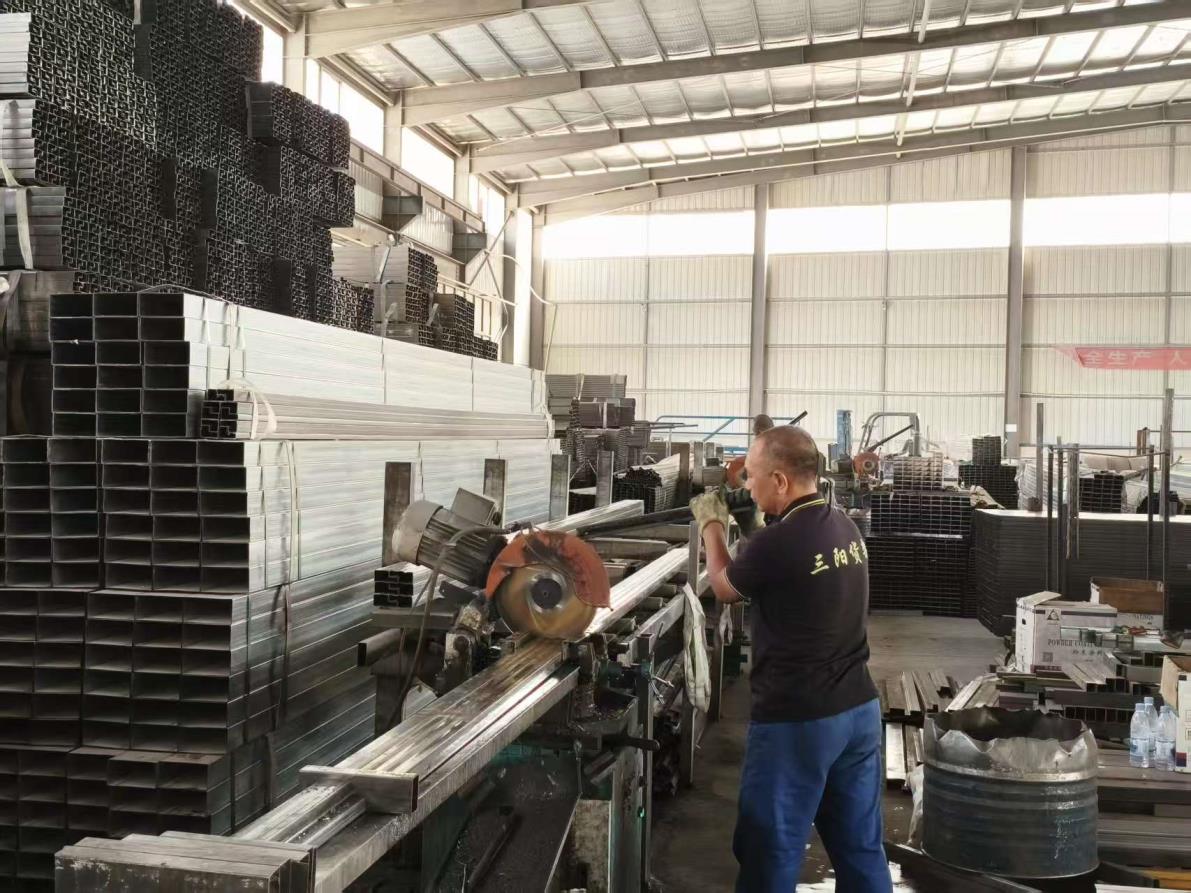
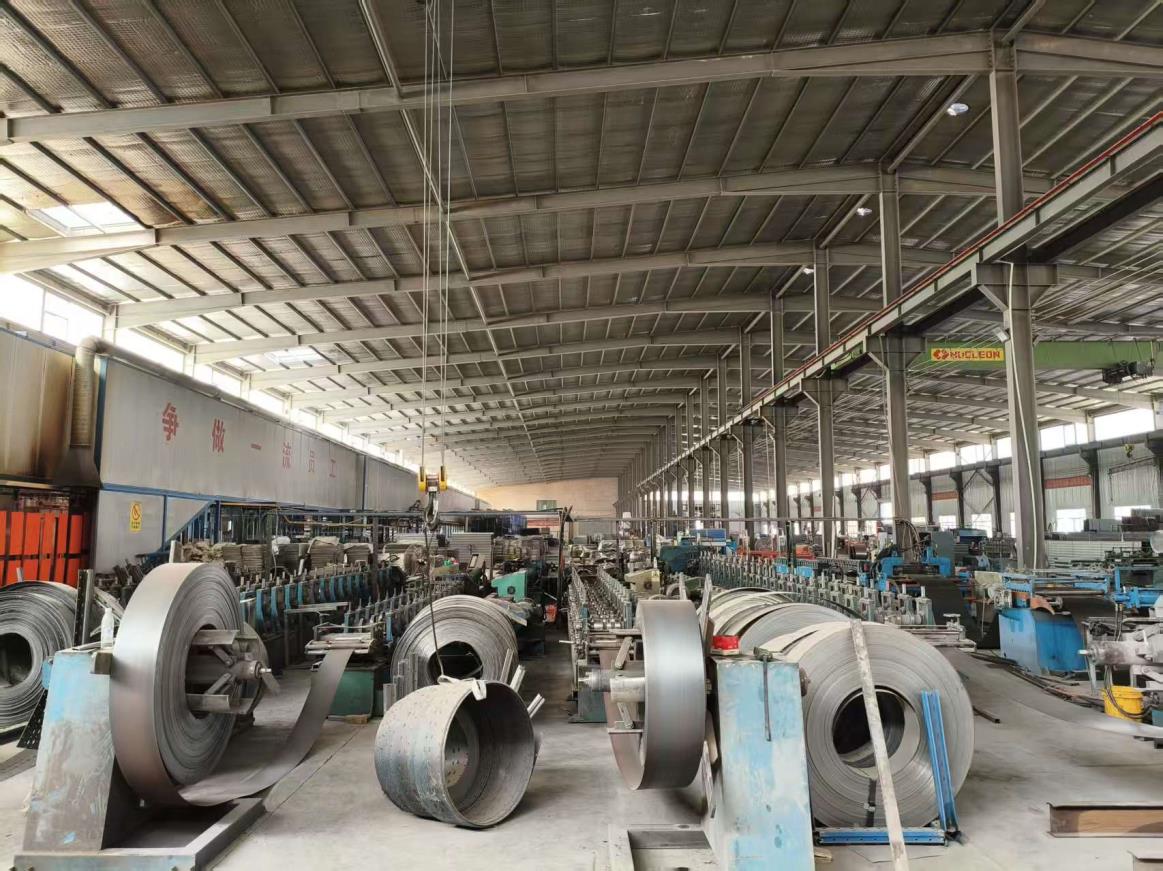
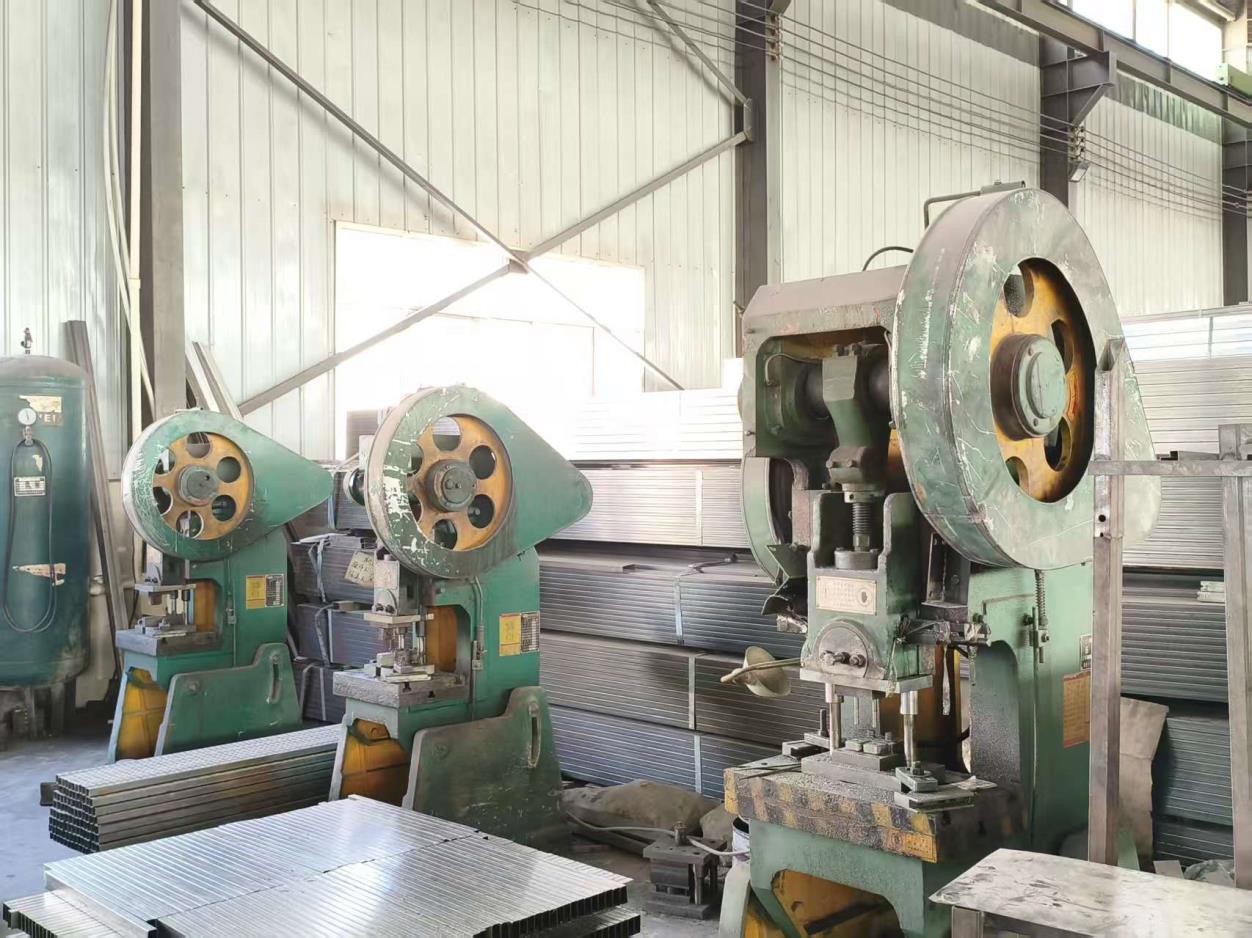
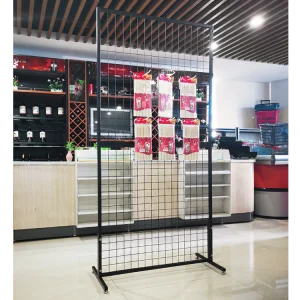
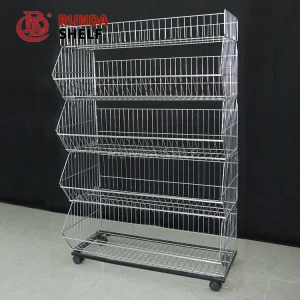
Different regions have distinct retail layouts. In North America, hypermarket displays require structural depth to hold large quantities of product. This reduces restocking trips by store staff. Meanwhile, Western European retail formats emphasize smaller foot traffic areas, requiring modular, narrow-aisle displays with integrated wire grids. These units must look clean while using as much vertical space as possible.
In Australia, heavy-duty toy and snack combinations require bottom-heavy structures. This prevents tipping when younger customers interact with the displays. DuraRacks designs products for these localized retail rules, engineering units for regional weight-loading and safety standards.
The future of retail display systems lies in modularity, smart sensor integration, and sustainable materials. In response, DuraRacks is developing automated inventory tracking shelves. These systems alert store managers when snack inventory drops below critical levels, helping retailers optimize their shelf space.
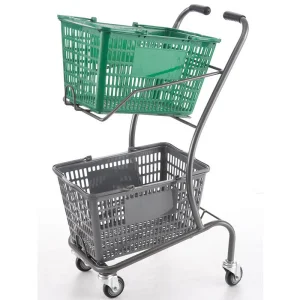
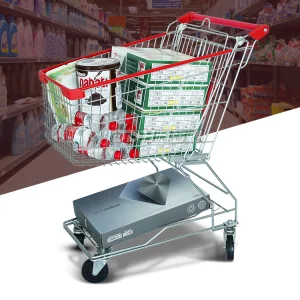
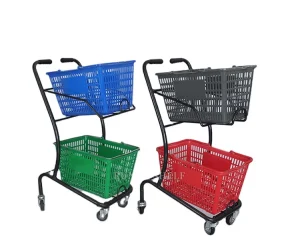
DuraRacks operates a network of 1,200 qualified supply chain partners. This integration allows us to bridge frontline retail display racks with high-density warehouse storage systems. Our product portfolio spans industrial pallet racking, drive-in structures, shopping trolleys, and checkout counters, providing a complete logistics-to-retail hardware solution.
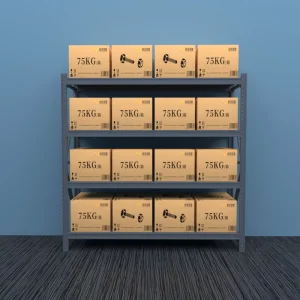
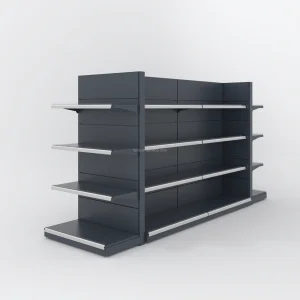
This dual focus on warehouse logistics and retail display systems helps us design unified products. For example, our Pallet Rack Support Bars use the same high-strength steel chemistry as our retail gondolas. This creates structural systems that work together to streamline product movement from distribution centers to the store floor.
Critical engineering and commercial answers to help procurement managers make informed decisions.
We primarily use Q235B and Q345B carbon structural steel, conforming to Chinese GB/T 700-2006 and European equivalent steel grades. These grades offer high tensile strength and ductility, ensuring the displays maintain structural integrity under heavy loads.
Each configuration is evaluated using structural Finite Element Analysis (FEA). We then perform physical testing on prototype units, subjecting them to static and dynamic loads up to 1.5 times their rated limits. This confirms they meet safety regulations and will perform reliably in high-traffic commercial environments.
Yes, our automated powder painting line applies an electrostatic polyester-epoxy coating, followed by high-temperature curing. The resulting finish is cross-cut adhesion tested and salt-spray evaluated to ensure long-term resistance to impact, scratches, and common cleaning agents.
Our engineering team delivers initial CAD layout drawings within 48 to 72 hours. Once design approvals are complete, manufacturing typically takes 20 to 30 days, depending on order size and complexity. This speed is supported by our 38,000 square meter facility and dedicated workforce.
Our broader range of heavy-duty material handling, retail transport, and custom shelving systems designed for international markets.
 DuraRacks