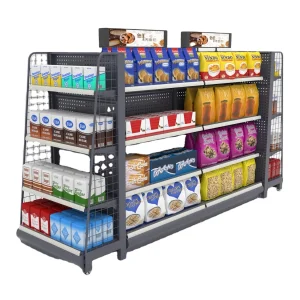
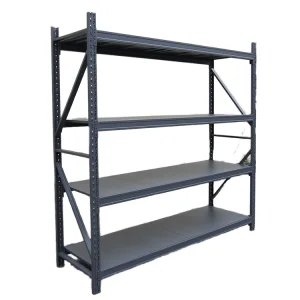
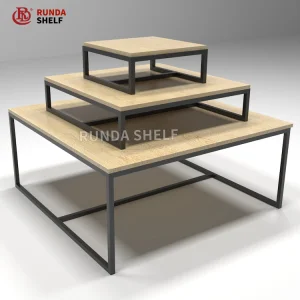
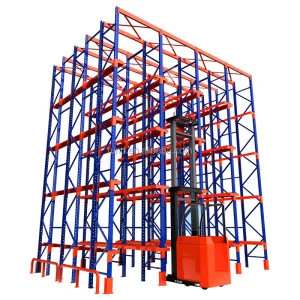
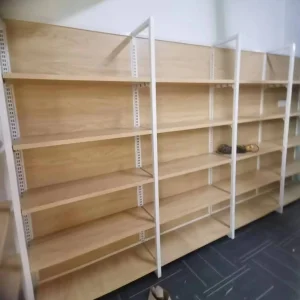
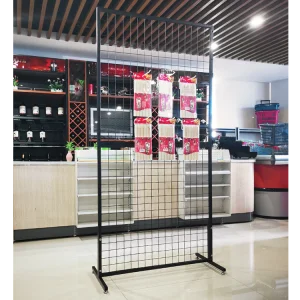
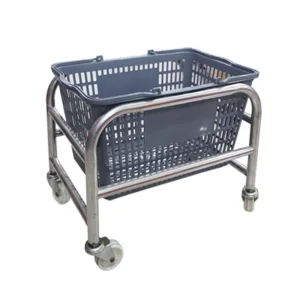
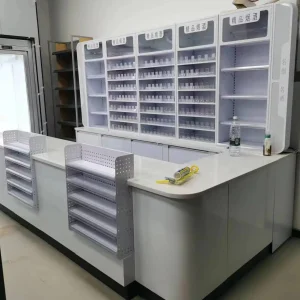
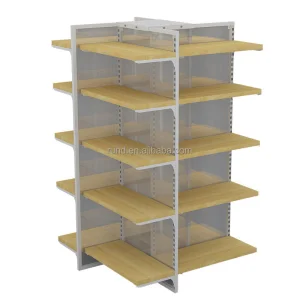
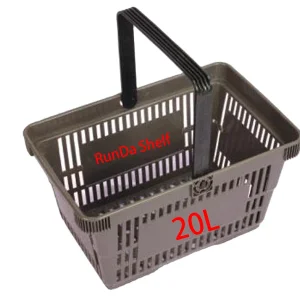
Premium grade material handling and retail shelving systems designed for extreme load cycles, high-frequency access, and modular layout adaptability.
In the modern supply chain and commercial facility management landscape, storage systems are no longer passive equipment but critical components of operational efficiency. The demand for laundry shelves and industrial storage systems has undergone a structural transformation. What once comprised basic wire frames has evolved into precision-engineered, multi-material systems capable of resisting aggressive chemical environments, high levels of humidity, and extreme dynamic load shifts.
B2B buyers, institutional procurement departments, and warehouse facility operators face the complex challenge of balancing density, accessibility, and material durability. For laundry facilities—both commercial-scale laundromats and hospitality back-of-house operations—the environmental parameters require advanced metallurgy. High humidity, high heat, and chemical exposure (detergents, bleaching agents, water vapor) accelerate the oxidation of sub-par metals. Therefore, selecting manufacturers with advanced powder-coating lines, hot-dip galvanization options, and certified structural steel testing is paramount to operational safety and return on investment (ROI).
Analyzing key structural shifts, material innovations, and space utilization paradigms defining the next decade of commercial and industrial storage.
Modern laundry shelf designs rely on hybrids of SS304 stainless steel, powder-coated Q235 steel, and composite wood shelves (MDF/HDF). This delivers high aesthetic value for retail-adjacent commercial spaces while maintaining the chemical resistance of structural steel.
With sanitation guidelines tightening globally under ISO and healthcare agency compliance, manufacturers are introducing antimicrobial agent additives into the electrostatic thermosetting powder coating process to restrict pathogen transmission.
Real estate costs in major urban hubs mean facilities must optimize vertical space. Slide-out racking systems, over-the-appliance structural bridges, and mobile high-density track systems are growing at a CAGR of 7.4% globally.
A closer look at Nanjing Dulis Warehouse Equipment Co., Ltd. (DuraRacks), setting the benchmark for industrial-grade racking and custom commercial storage fabrication.
Established in 2014, Nanjing Dulis Warehouse Equipment Co., Ltd. (operating globally under the brand DuraRacks) is a premier industrial rack manufacturer headquartered in Nanjing, China. Boasting over 12 years of industry experience and 9 years of direct export experience, our facility spans a modern industrial building area of 38,000 square meters. We specialize in high-capacity pallet racking, drive-in systems, and automated storage solutions, generating an annual export revenue of $32 million USD.
Quality and structural integrity form the bedrock of our manufacturing philosophy. Our dedicated team of 45 certified QA personnel implements rigorous quality control processes aligned with ISO9001, CE, and FEM standards. Every batch undergoes comprehensive product inspection methods, including ultrasonic weld flaw detection, mechanical tensile testing, static and dynamic load capacity testing, and salt spray corrosion resistance evaluation.
Supported by a robust network of over 1,200 qualified supply chain partners, DuraRacks operates as an integrated direct-export manufacturer. Our primary overseas markets encompass North America, Western Europe, and Australia. We serve a diverse portfolio of client types, primarily catering to 3PL logistics hubs, large-scale e-commerce fulfillment centers, cold storage operations, and heavy industrial manufacturing plants.
Driven by an experienced team of 68 R&D engineers, DuraRacks delivers advanced structural Finite Element Analysis (FEA) and customized CAD/BIM warehouse layout simulations. We offer full OEM/ODM customization options, tailored seismic load engineering, special powder-coating finishes, and custom beam profile dimensions. Last year alone, our engineering team launched 85 new product innovations and patented racking components, ensuring cutting-edge storage efficiency for our global clientele.
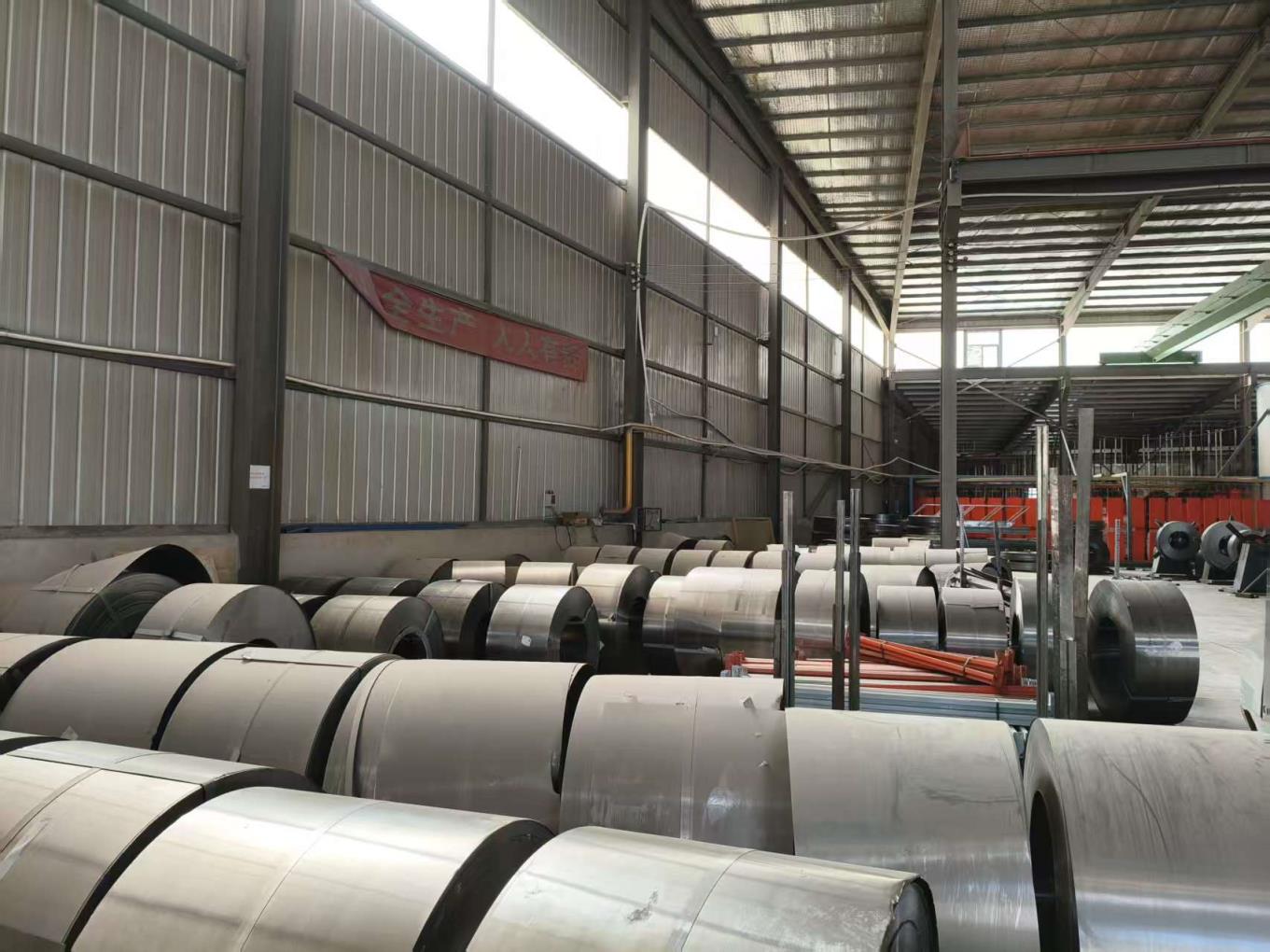
Behind the scenes look at the precision machinery, forming techniques, and surface treatment methodologies that ensure compliance with global high-load structural storage standards.
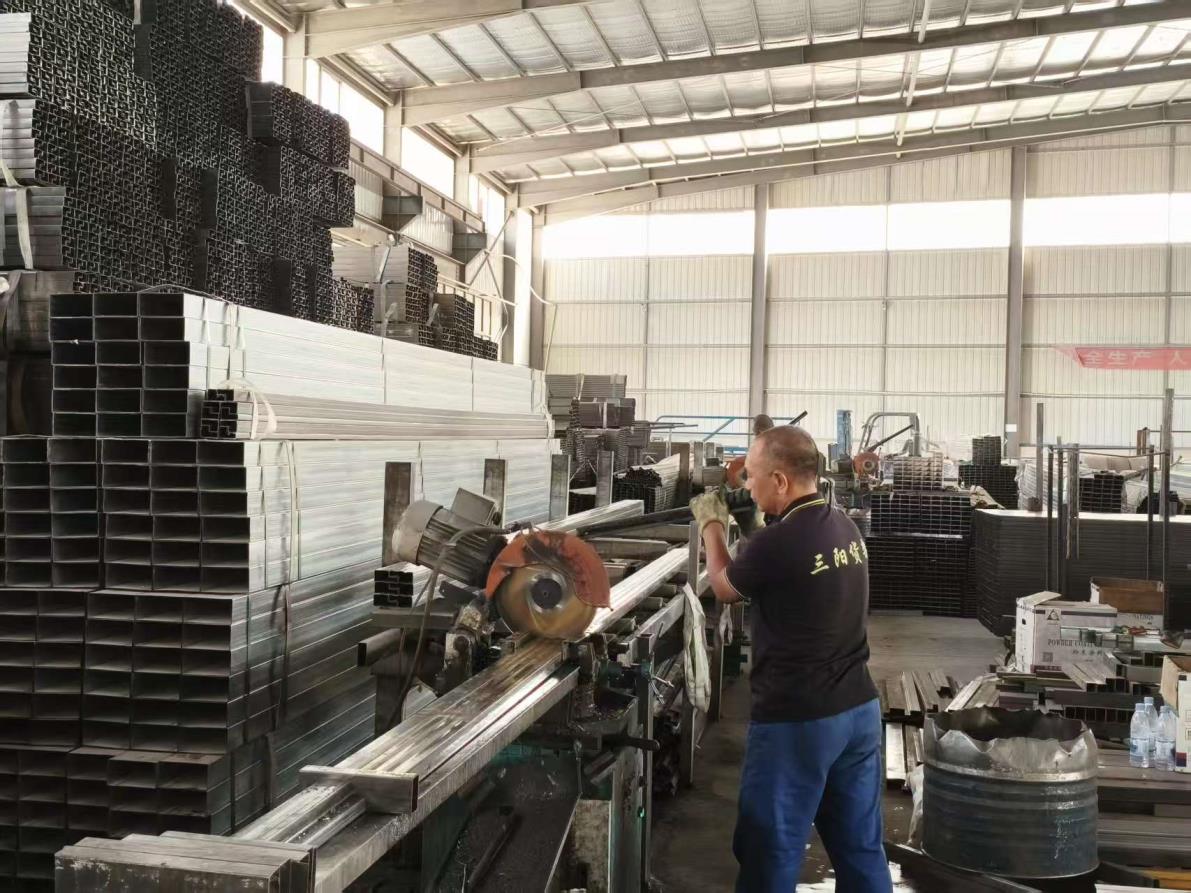
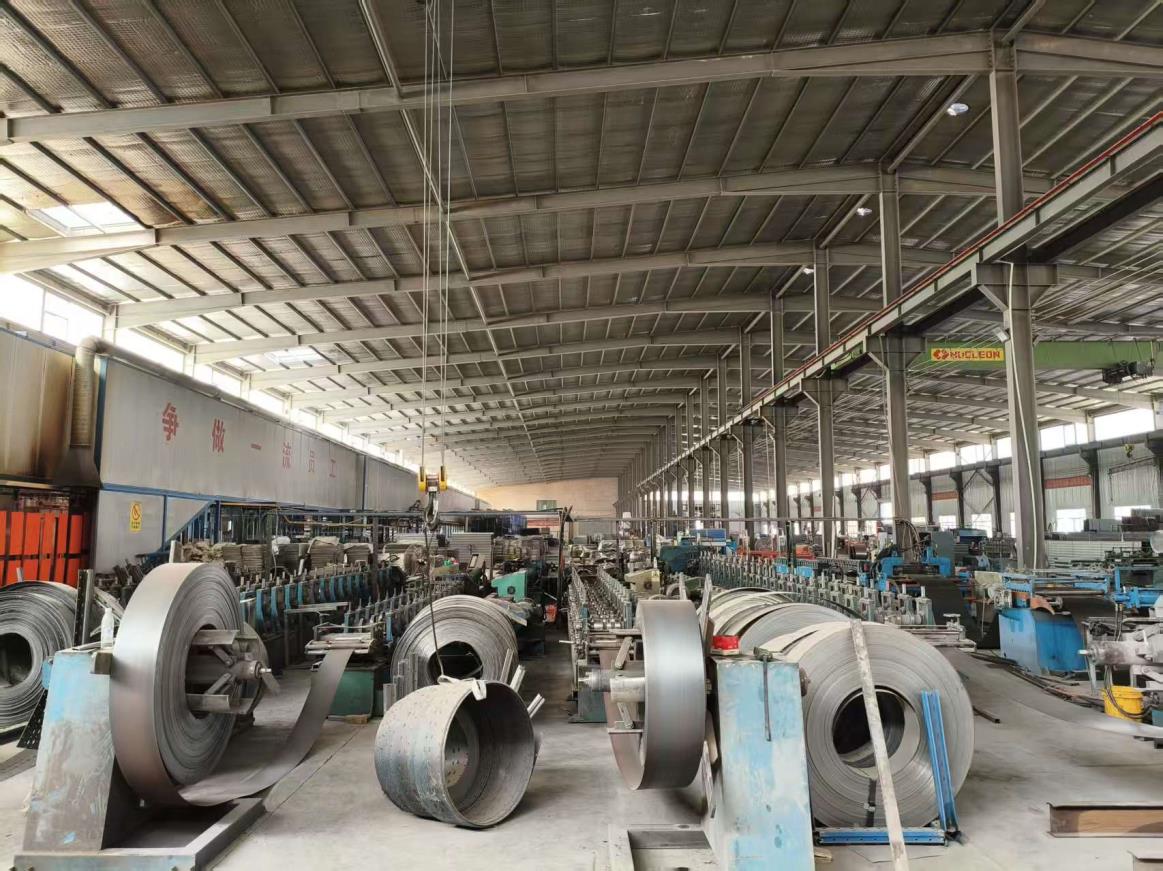
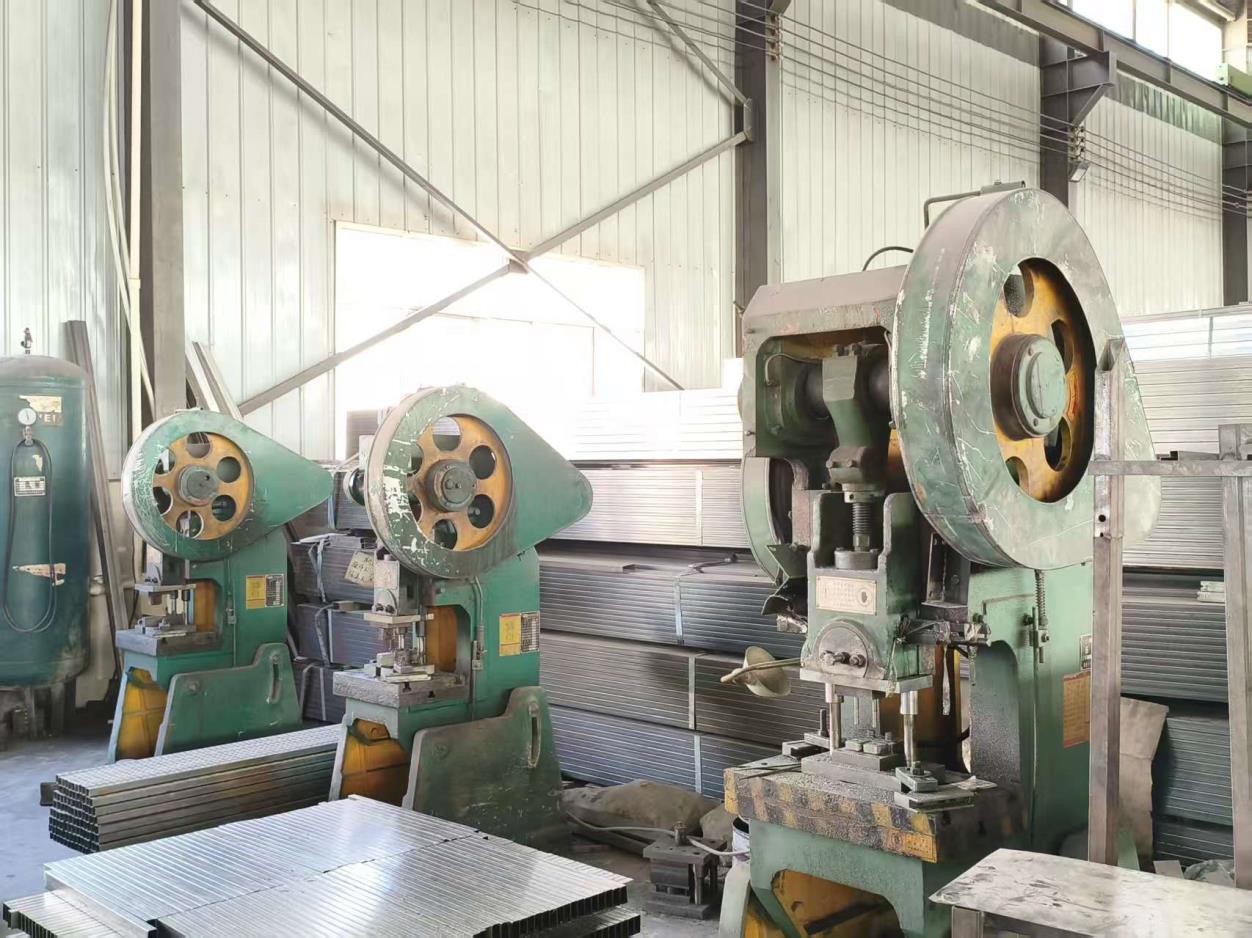
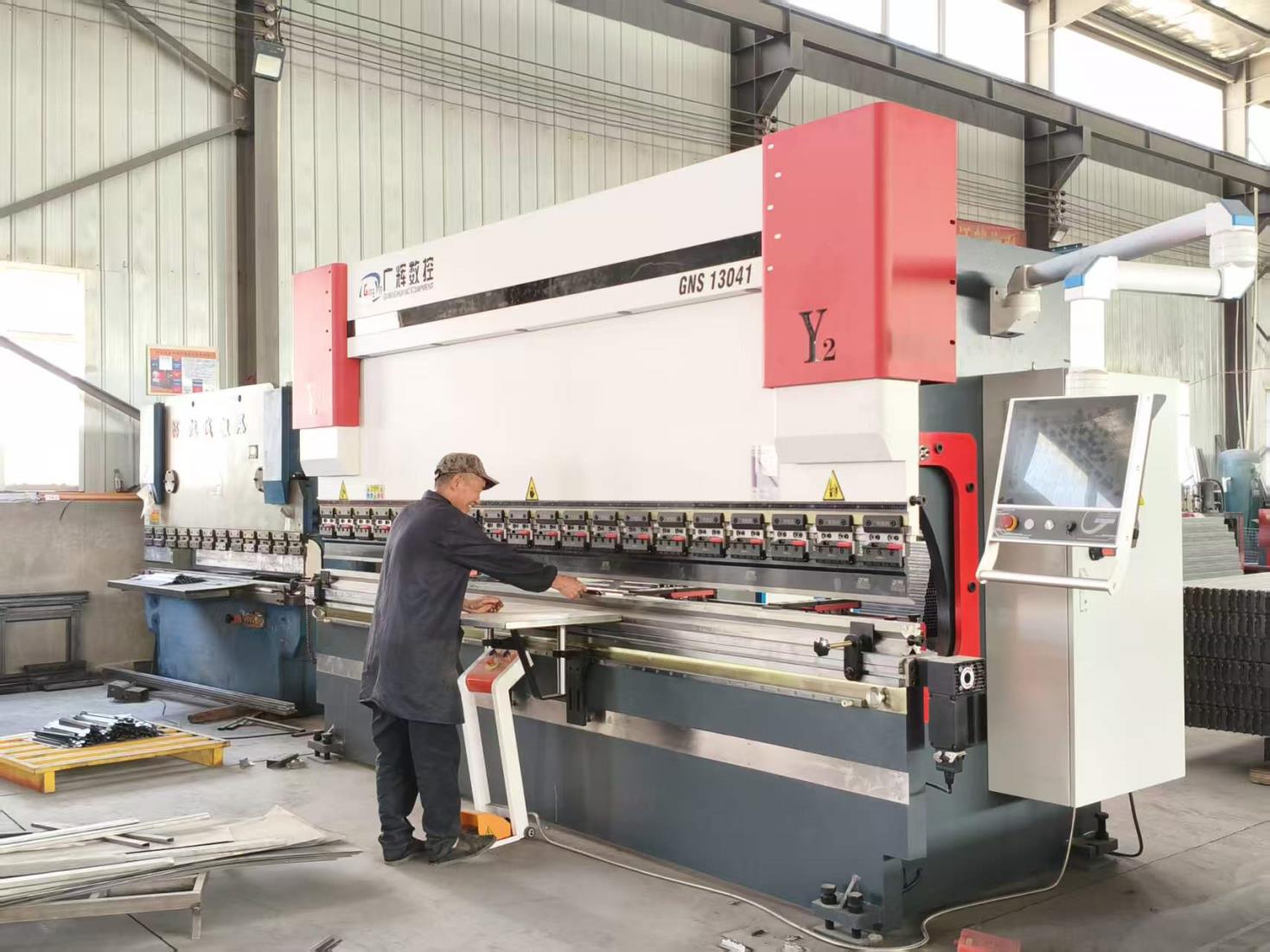
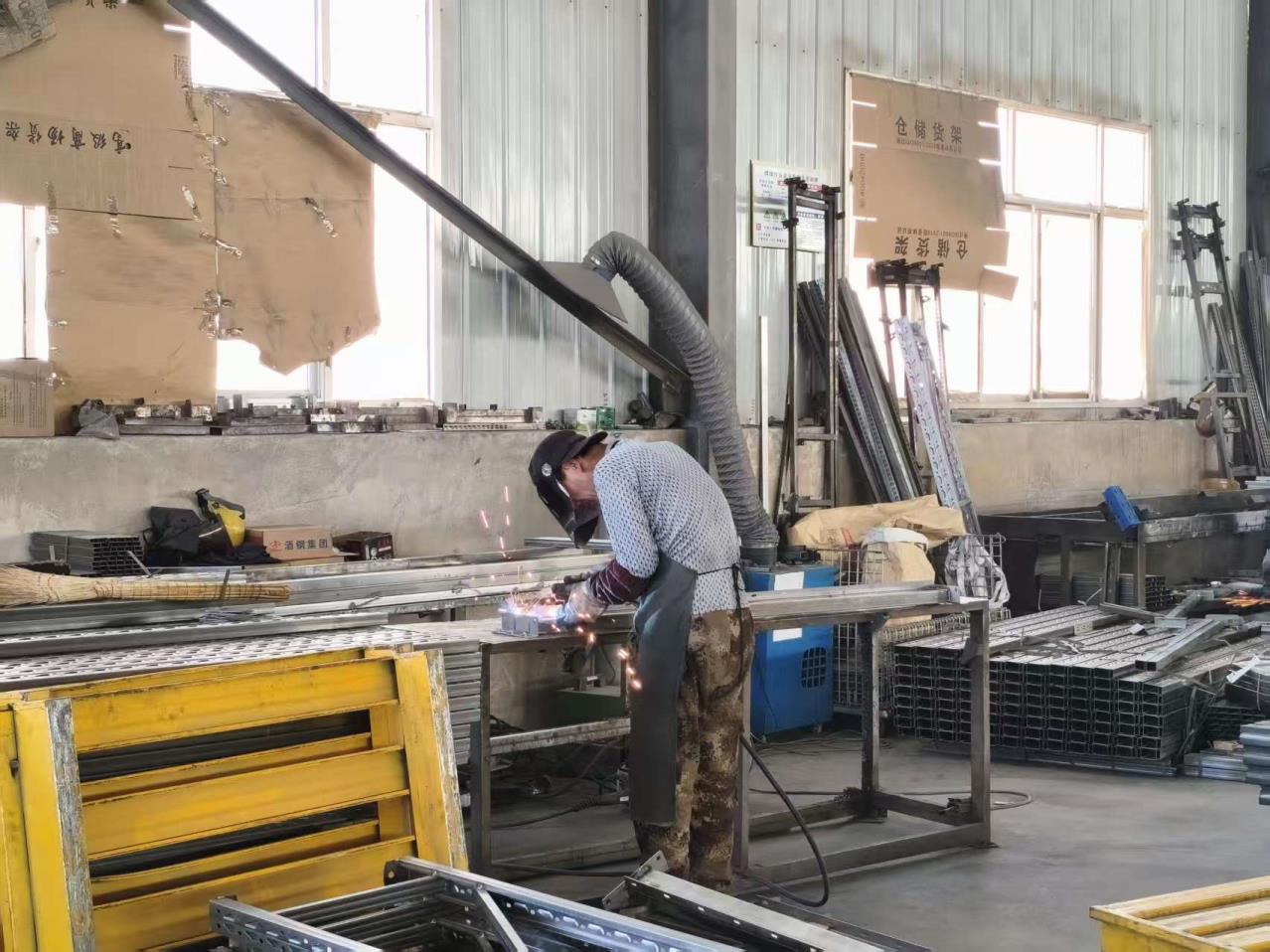
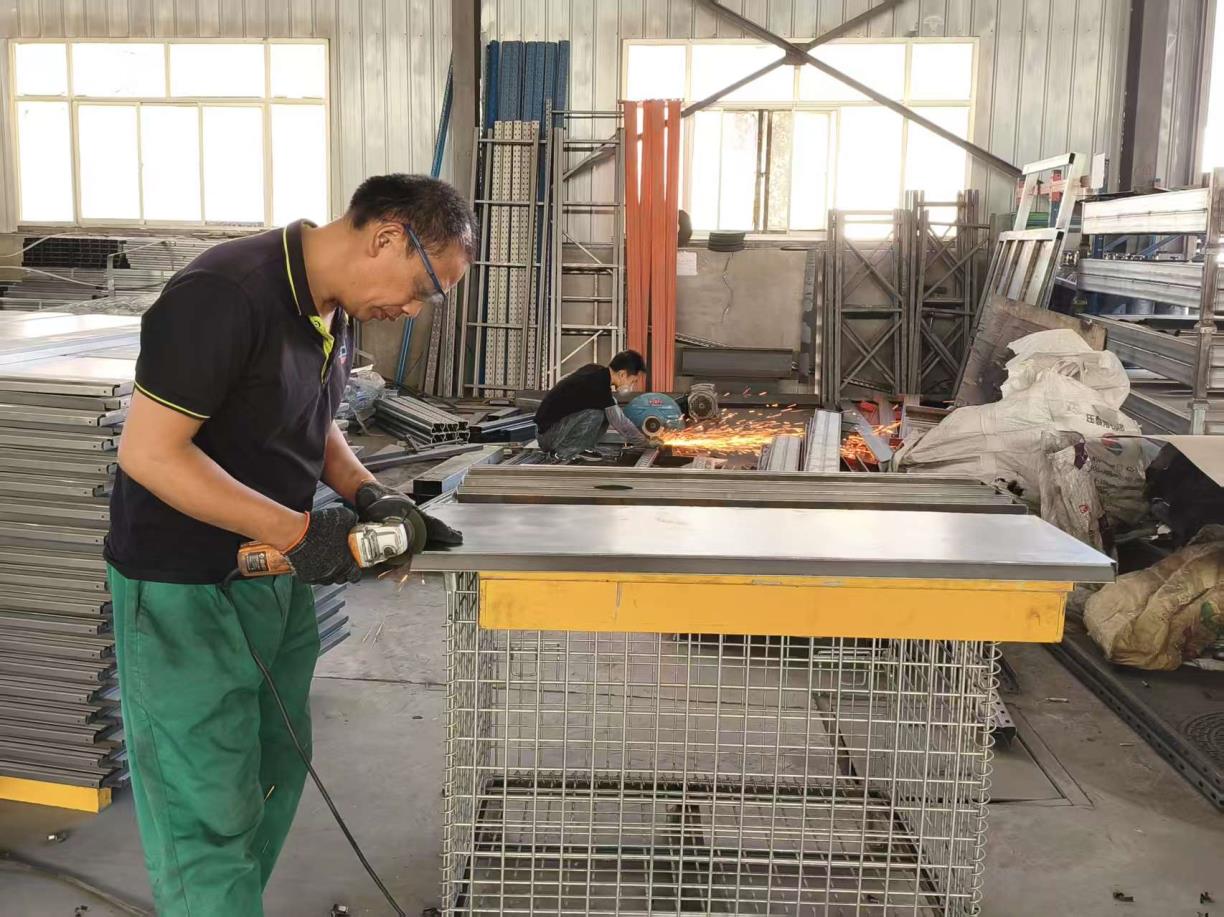
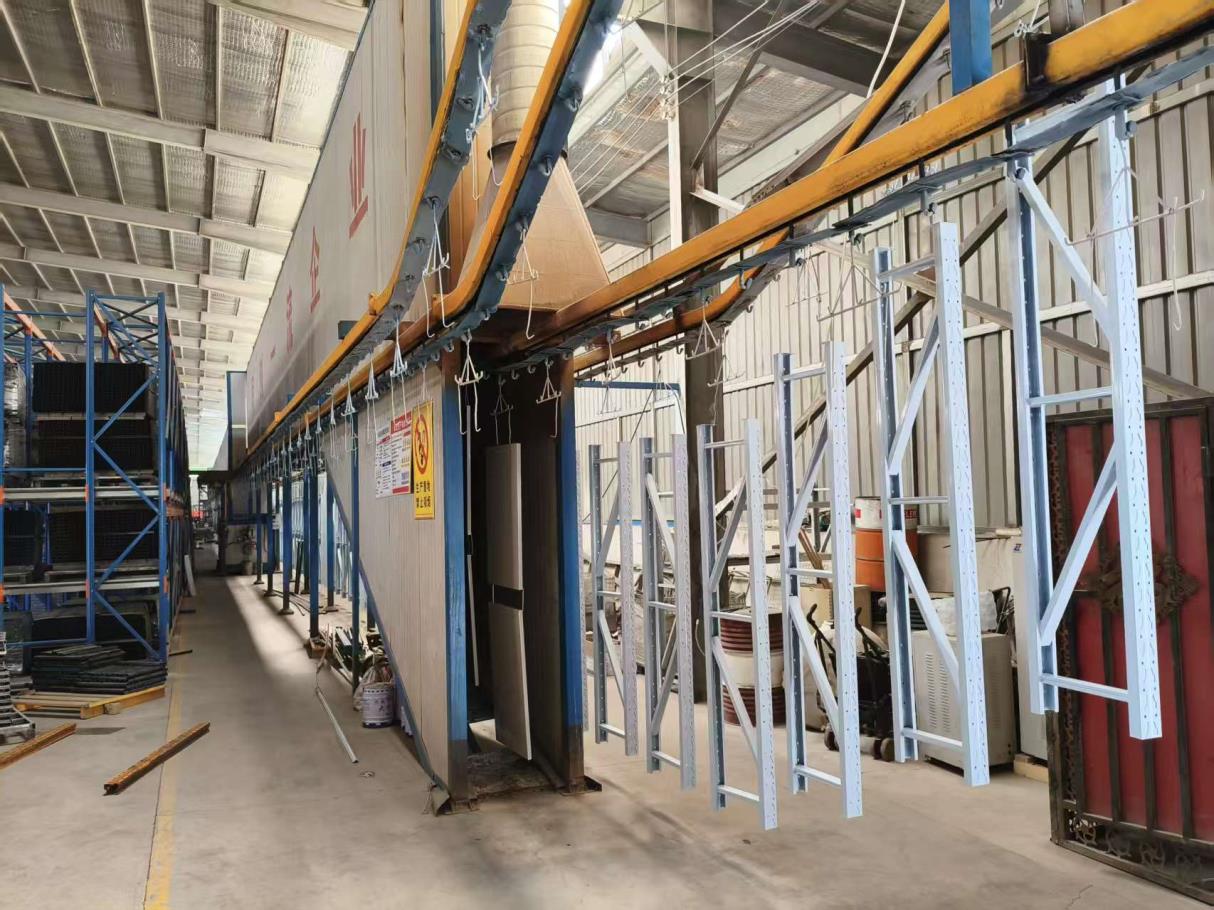
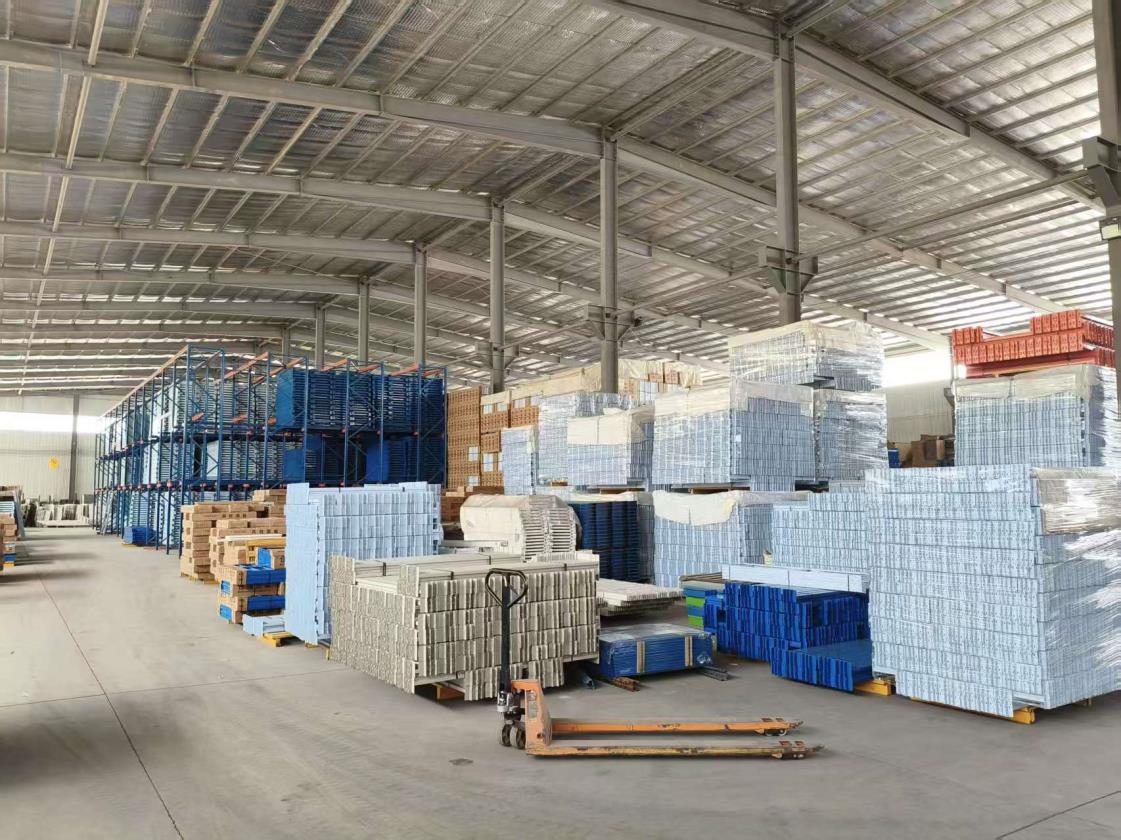
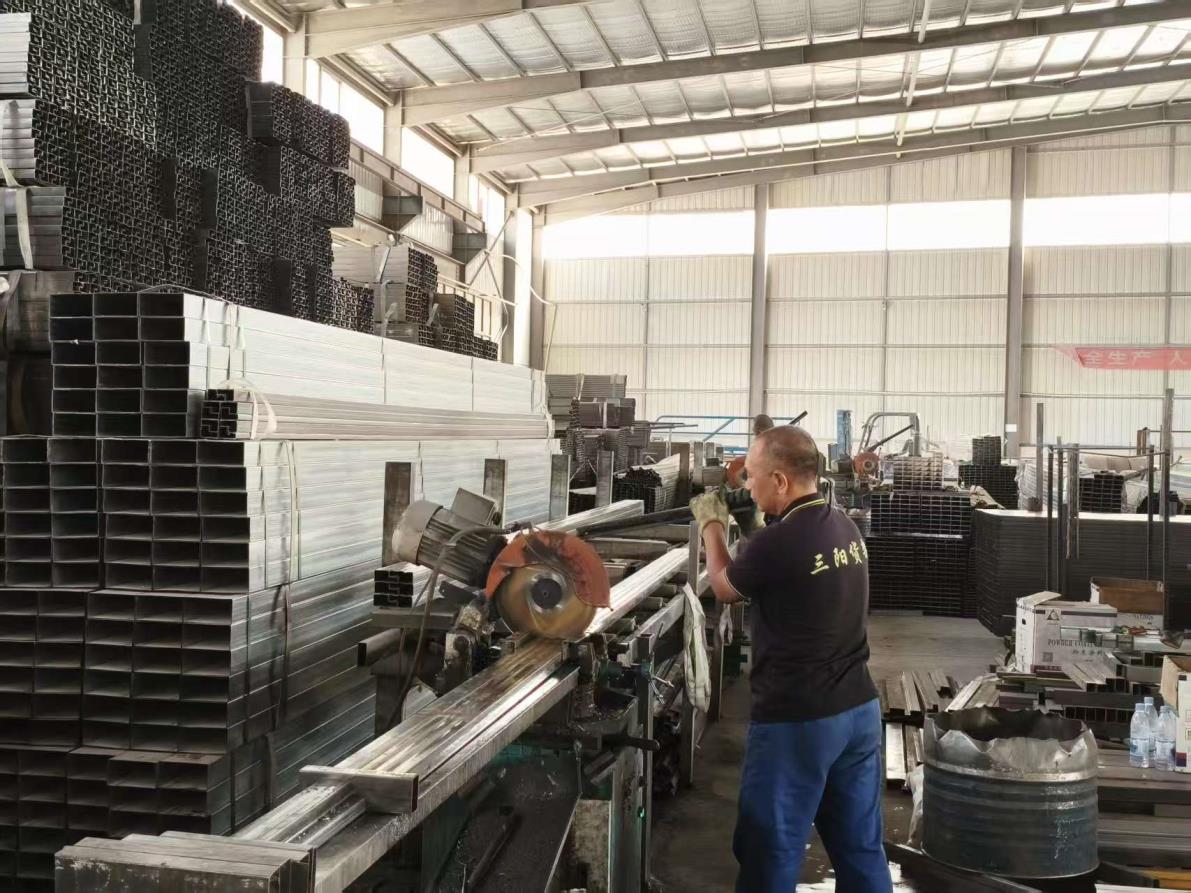
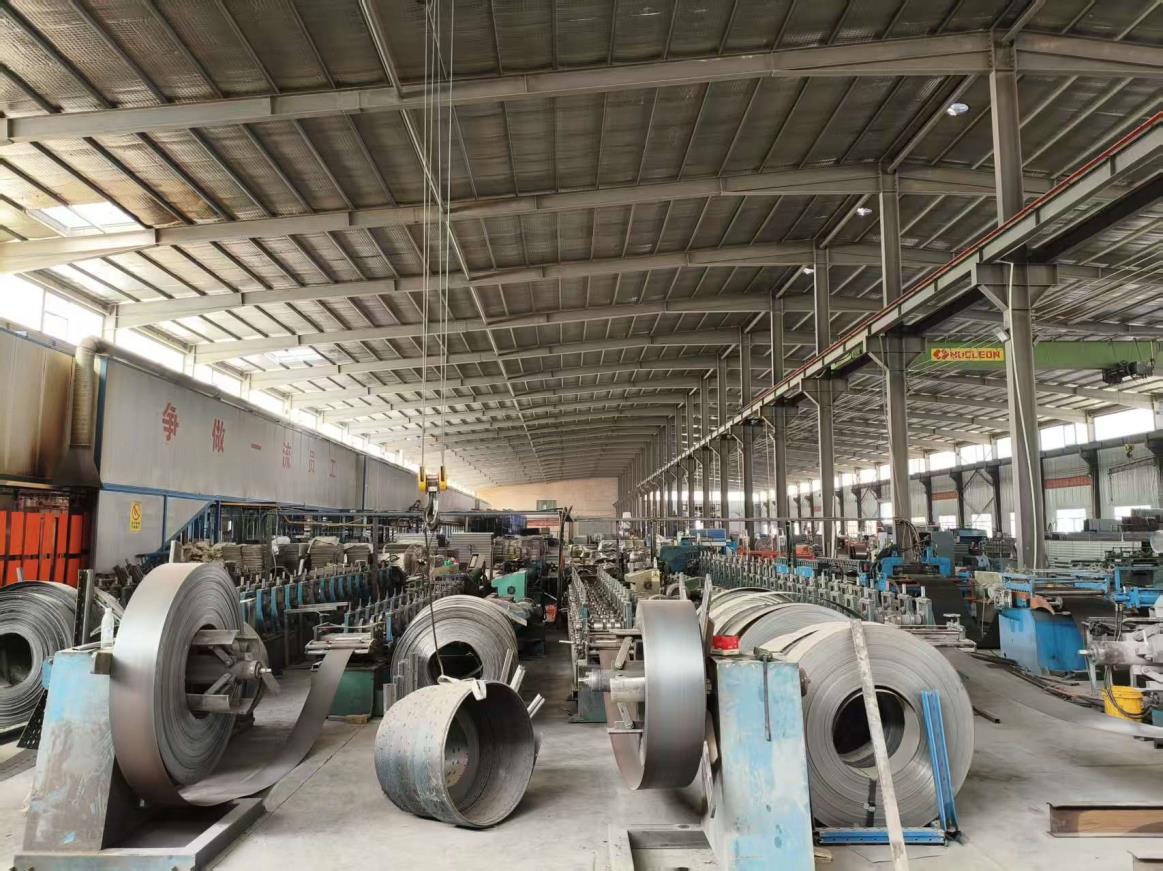
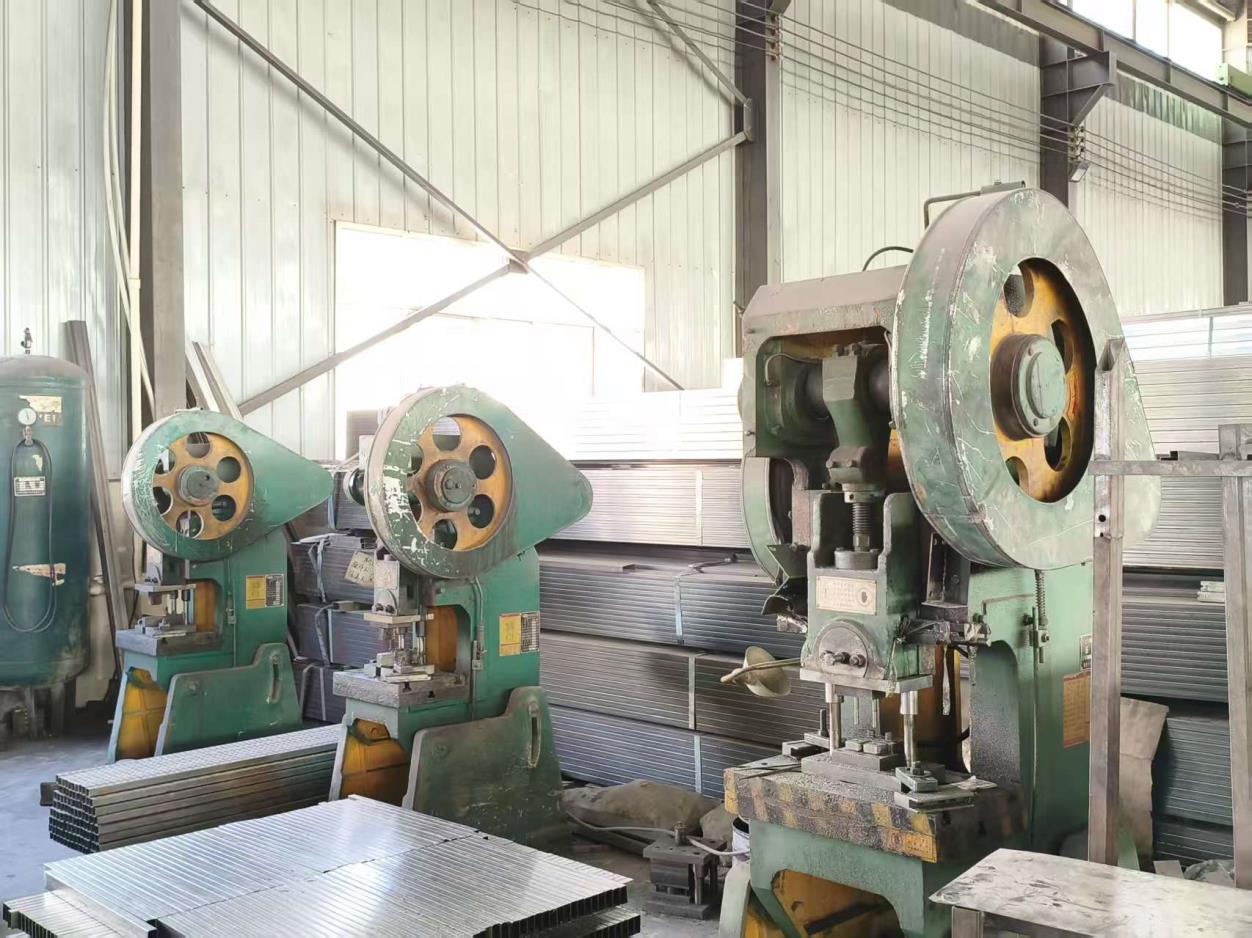
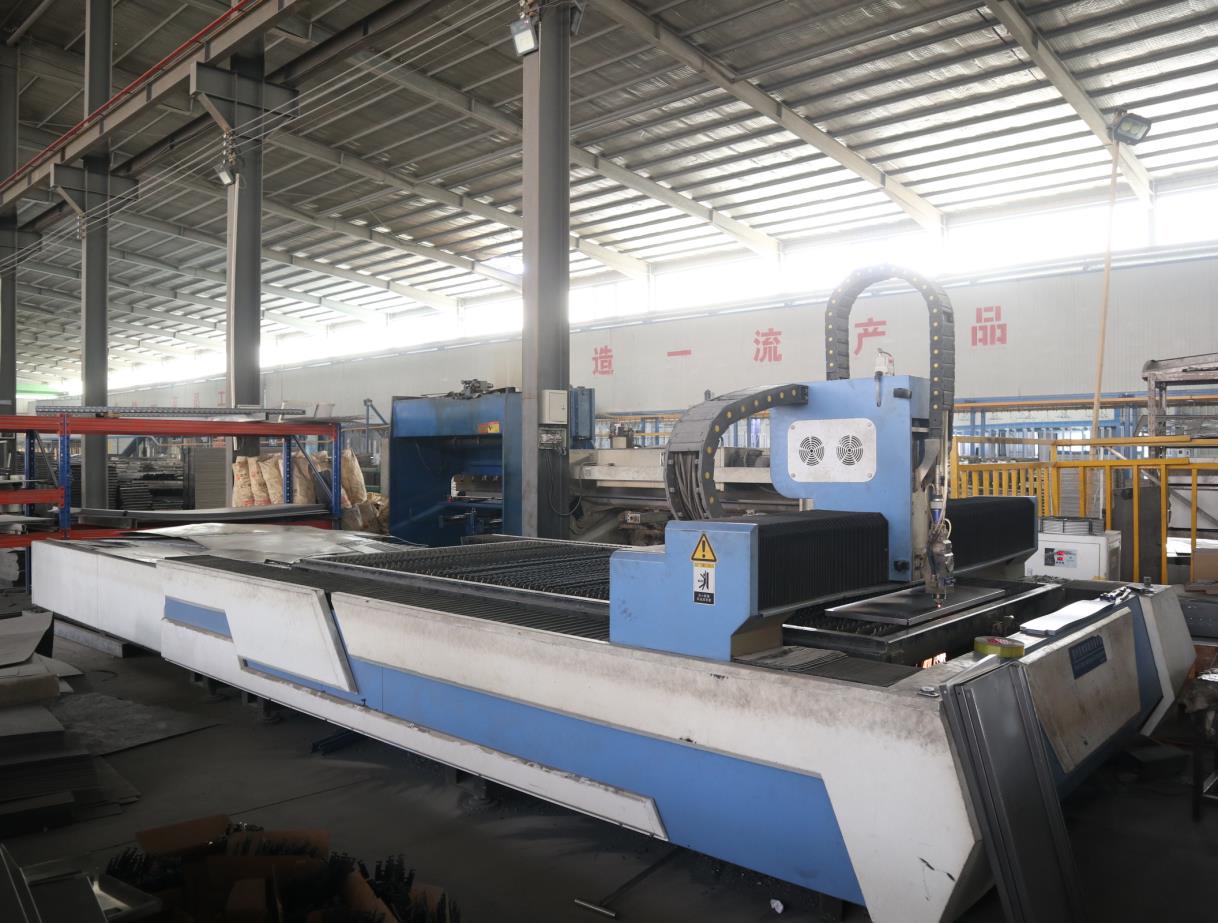
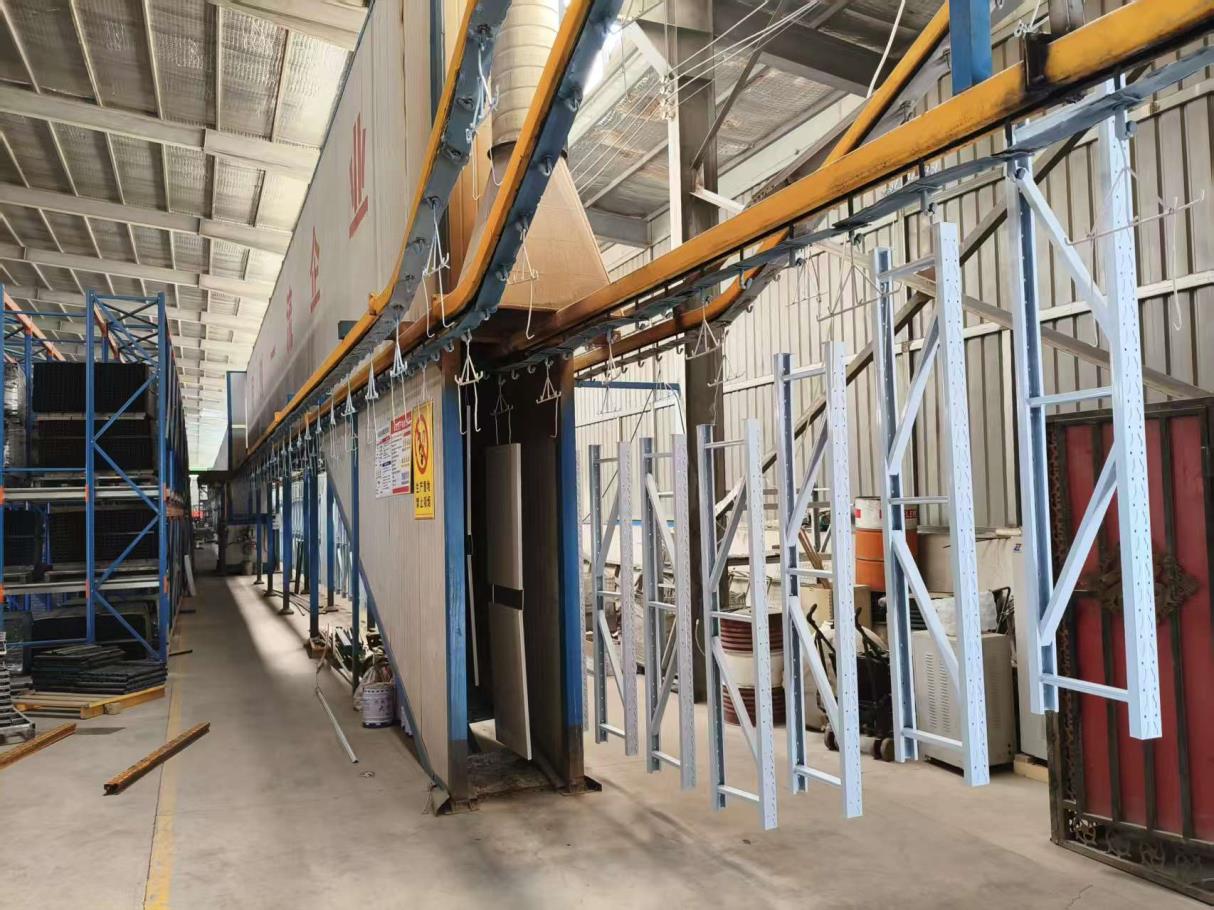
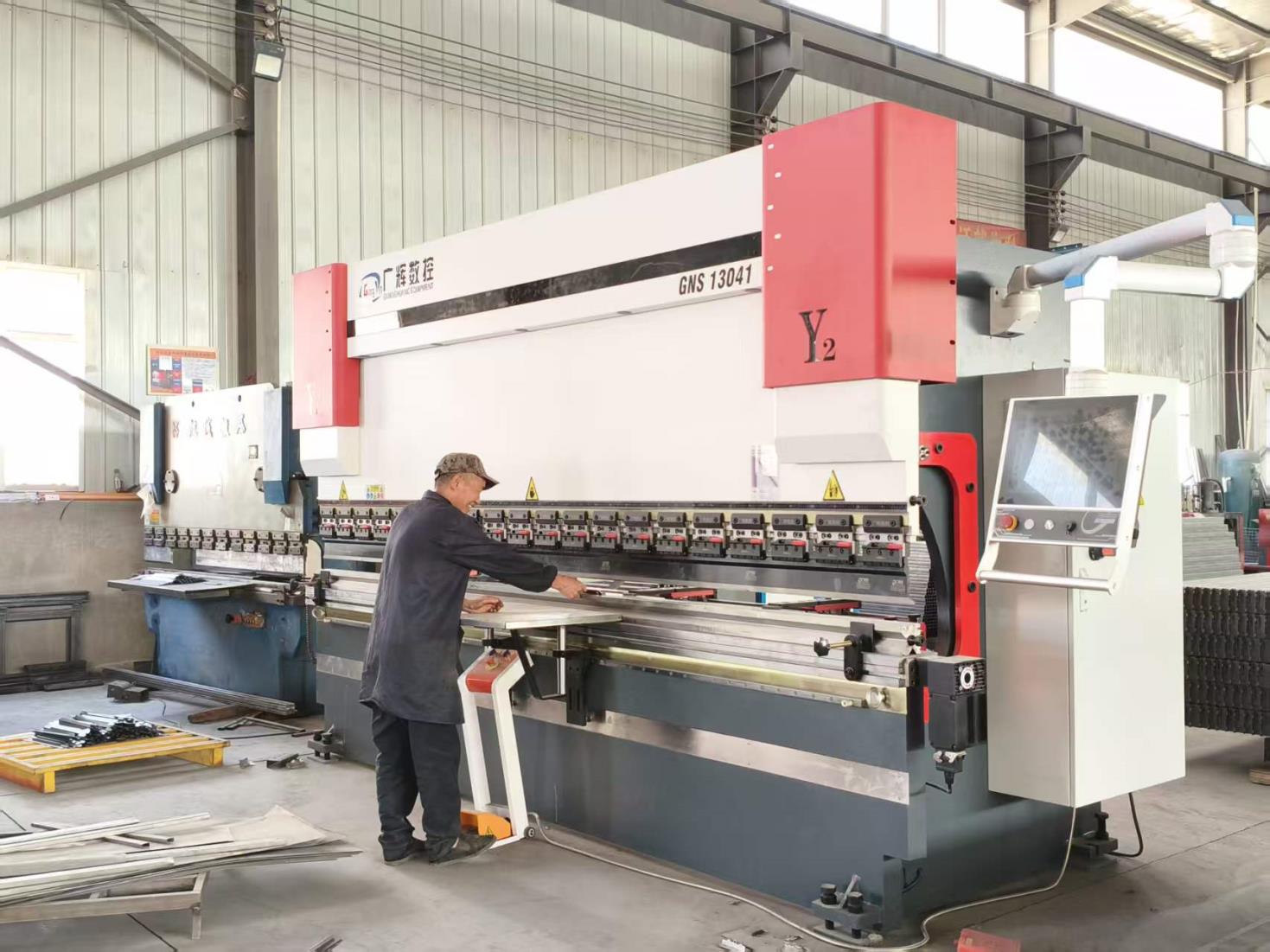
Important procurement guidelines for supply chain managers, commercial architects, and system integrators looking to implement safety-compliant storage frameworks.
Verify that your manufacturer performs FEA modeling. Under heavy laundry, liquid, or raw material storage configurations, FEA ensures load-bearing profiles prevent dynamic buckling and comply with regional safety margins.
Facilities based in regions with high seismic activity (e.g., California, Japan, portions of Europe) must match their shelving and pallet racking to specific floor anchorage protocols. Ask for engineered baseplates and heavy upright configurations.
Ensure that all factories you evaluate provide verifiable certificates, specifically the GS Certificate, CE mark, FEM 10.2.02 standard for steel racking, and standard ISO 9001 system compliance.
The convergence of material science, IoT tracking, and structural efficiency in commercial and laundry shelving configurations.
Smart commercial storage solutions now feature built-in weight sensors, RFID reader arrays, and LED picking aids (Put-to-Light). In laundry supply chain logistics, these systems track linen rotations, monitor inventory levels automatically, and flag understocking in real time. This minimizes manual audits and reduces supply leakage across hospitality networks.
Reducing VOC emissions and heavy metal content in powder coating is a primary goal for leading global manufacturers. The industry is moving towards bio-based resins and low-temperature curing powder formulations that reduce energy consumption by up to 25% during the painting phase while maintaining excellent cross-cut adhesion and corrosion performance.
Answering high-intent questions concerning material specs, custom configurations, shipping variables, and regulatory adherence.
Heavy-duty structures, display panels, and utility carts designed to increase material flow efficiency in commercial environments.
 DuraRacks