High-performance modular shelving configurations engineered for distribution hubs, supermarkets, and smart retail facilities.
The macroeconomic factors driving next-generation storage optimization across 3PL, retail, and manufacturing sectors.
As industrial land costs climb globally, enterprise operators are looking upward. Integrating modular shelving with high-strength structural profiles ensures that vertical storage margins are maxed out, optimizing warehouse floor footprints by up to 60%.
E-commerce volatility requires storage infrastructures that adjust instantly. Boltless, dynamic modular systems allow field technicians to reconfigure rack elevations and structural spans without shutting down operational flows.
Modern modular installations are no longer static steel frames. The integration of sensor cavities, RFID channels, and laser-guided positioning surfaces makes standard modular shelving the fundamental grid for autonomous mobile robots (AMR).
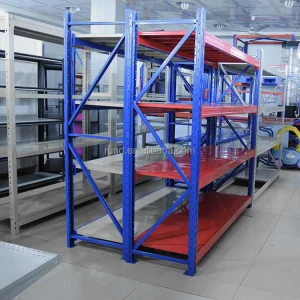
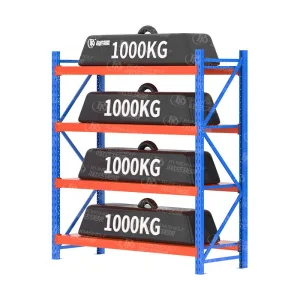
Historically, commercial and industrial shelving was categorized into rigid, heavy welded-steel columns or light, flimsy wire display units. Today's global supply chain operates in a hybrid landscape where retail channels bleed into logistics networks. From supermarket display units that require quick brand modifications to heavy-duty logistics platforms sustaining over 1000kg of payload per level, modularity is the primary architectural requirement. High-precision production techniques ensure that components remain interchangeable, scalable, and safe under seismic loads.
The shift toward digital integration, composite materials, and zero-carbon industrial coatings.
Developing industrial storage systems for the next decade requires addressing several critical technical domains:
| Technology Area | Legacy Specifications | Modern Modular Standards | Target Industry Advantage |
|---|---|---|---|
| Material Grades | Standard Carbon Steel (Q235) | High-Tensile Micro-Alloyed Steel (Q355 / Q355B) | Increased load-to-weight ratio; reduces raw material consumption. |
| Connection Type | Standard Bolted Frames / Static Welding | Interlocking Hook / Tapered Double-Stud Keyhole | Faster configuration changes; lowers warehouse installation costs. |
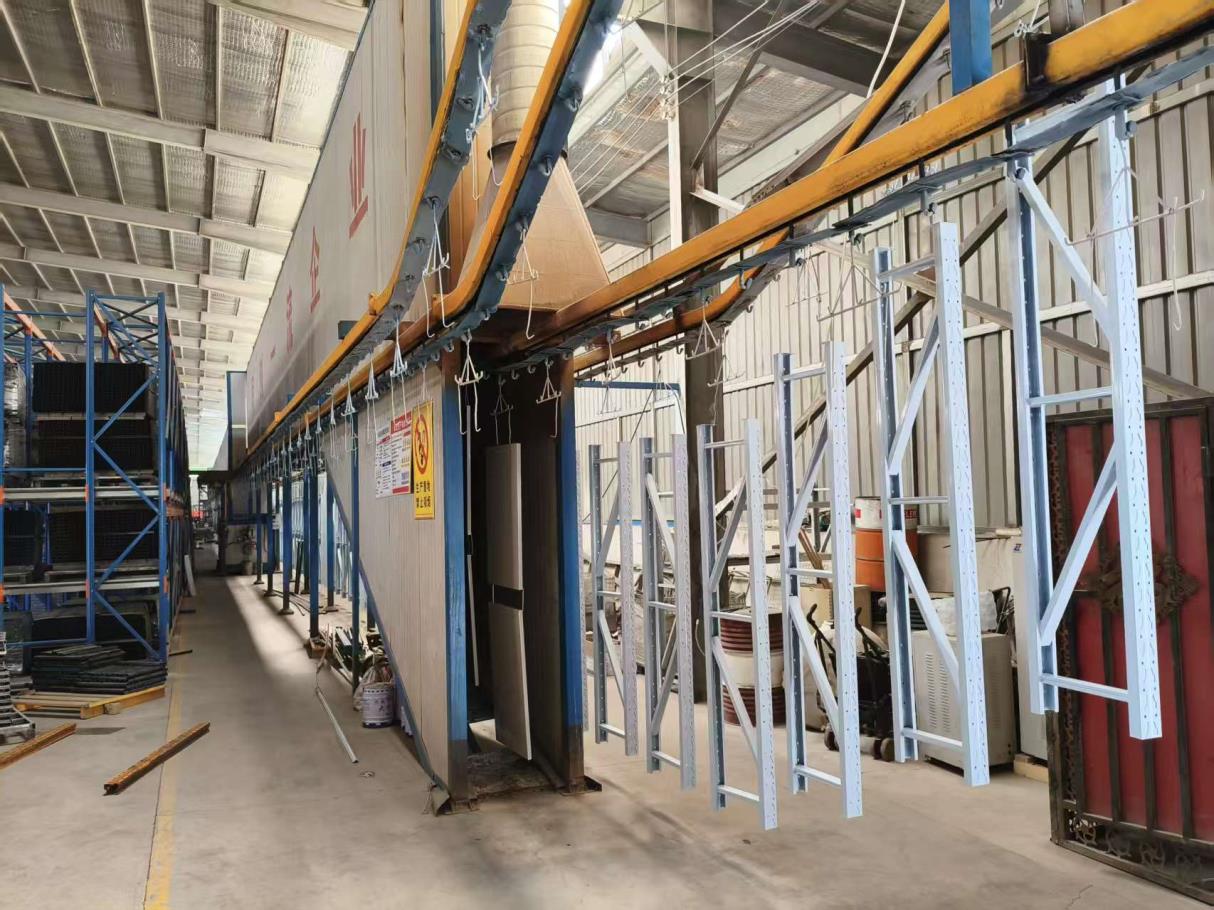
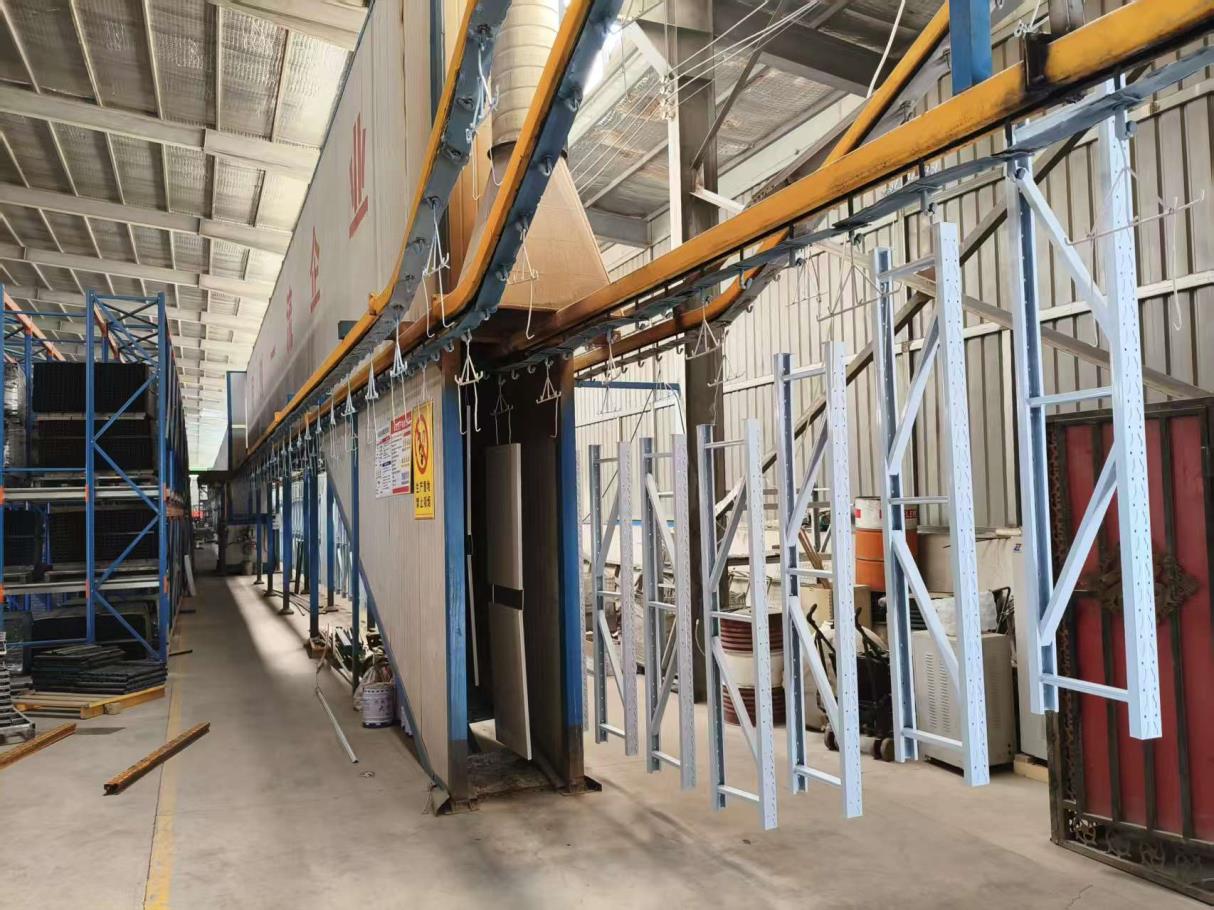
| Surface Finishing | Standard Wet Spray Paint | Epoxy-Polyester Electrostatic Powder Coat (60-80μm) | Corrosion resistance; food-contact safety compliant. |
| Seismic Safety | Fixed Base Anchor Systems | Elastic Base-Plate Shims & Heavy-Duty Anchoring | Improved structural absorption under seismic force. |
A premier global manufacturing leader in high-performance industrial pallet racking and automated storage configurations.
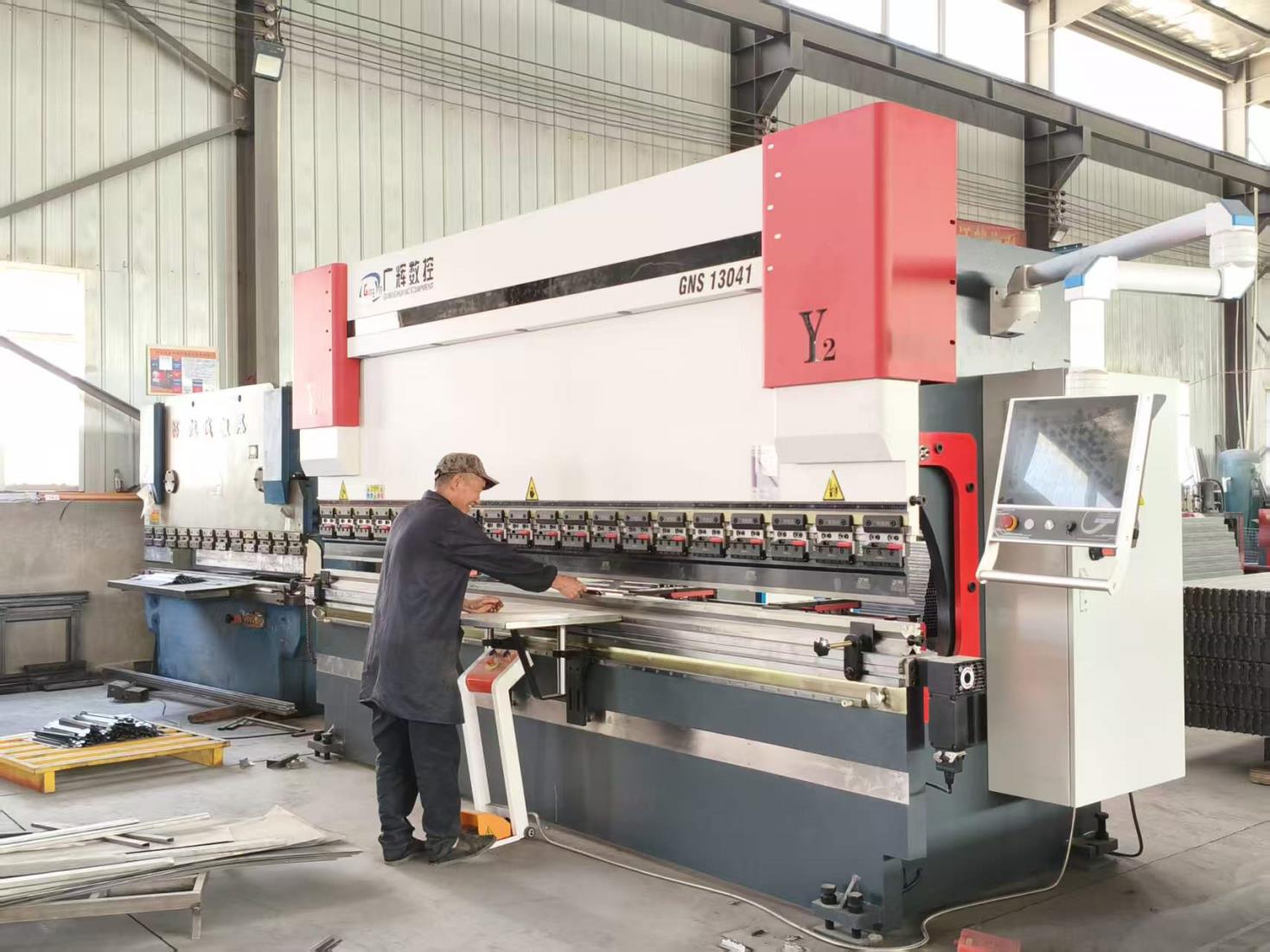
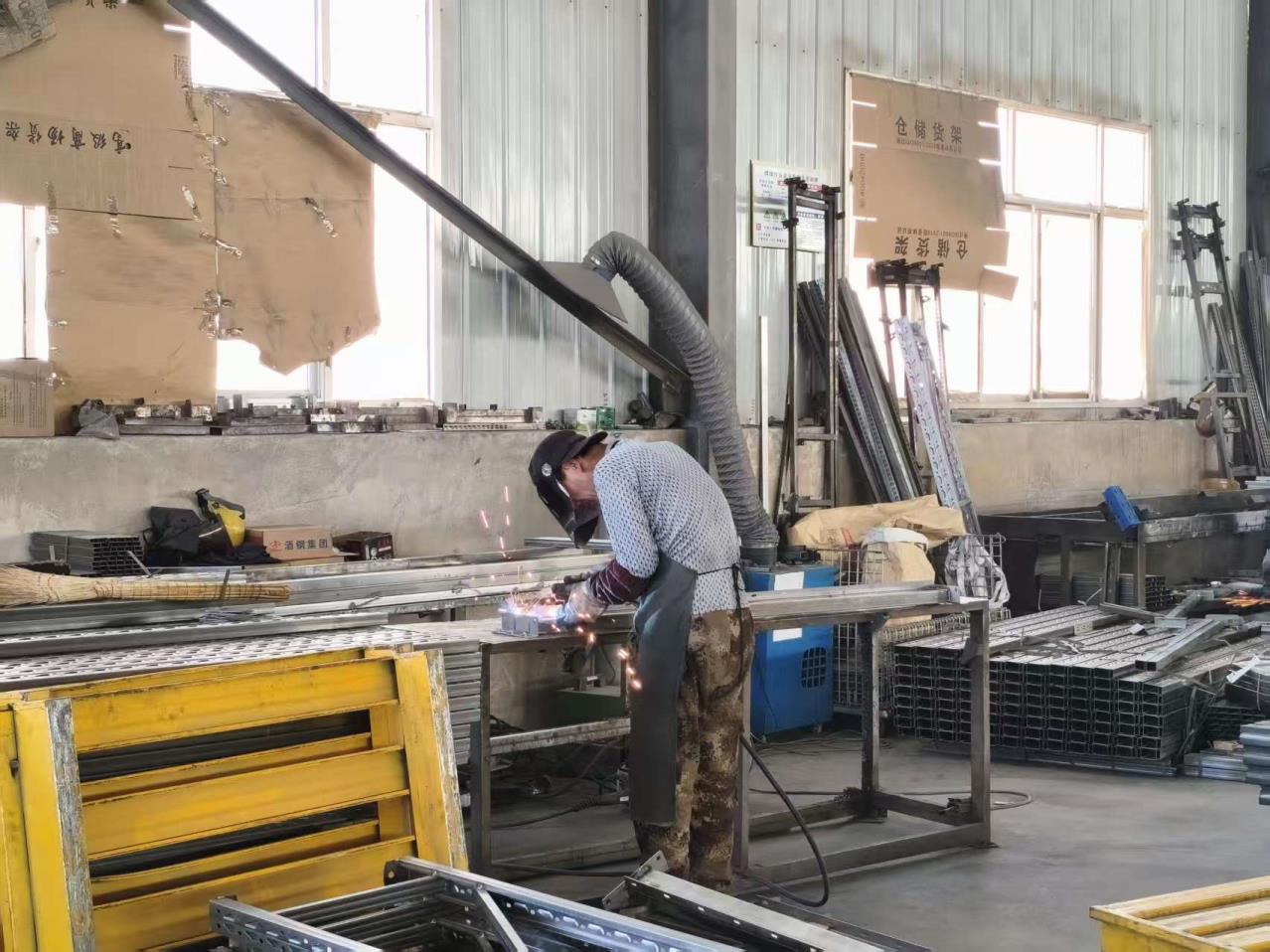
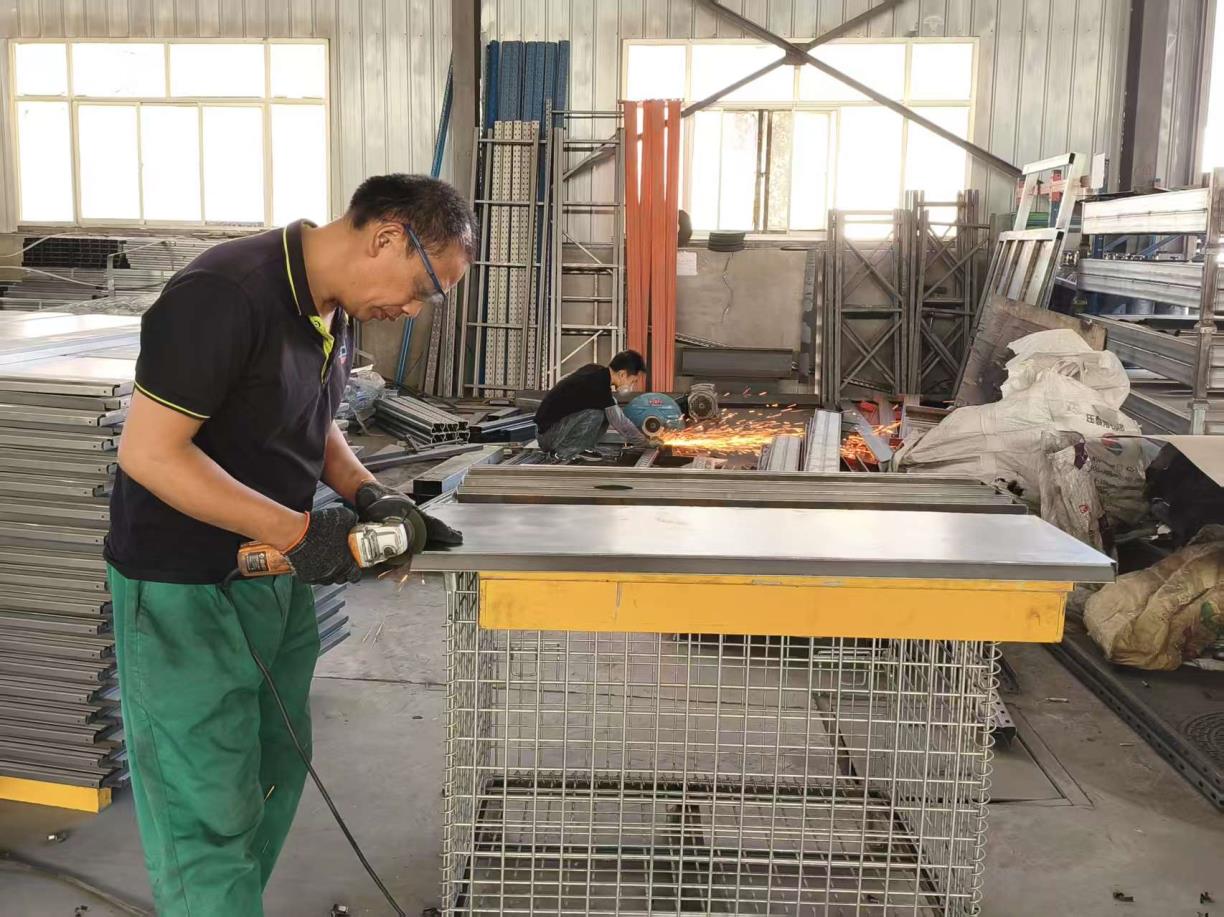
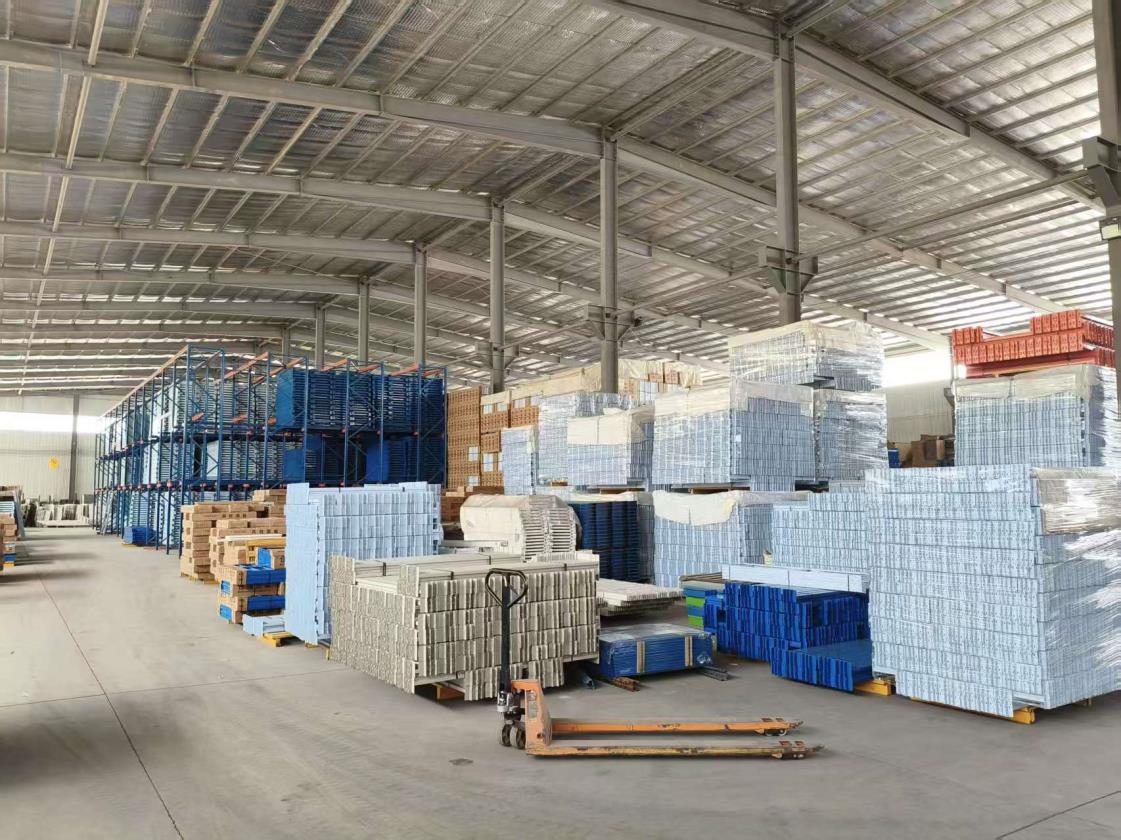
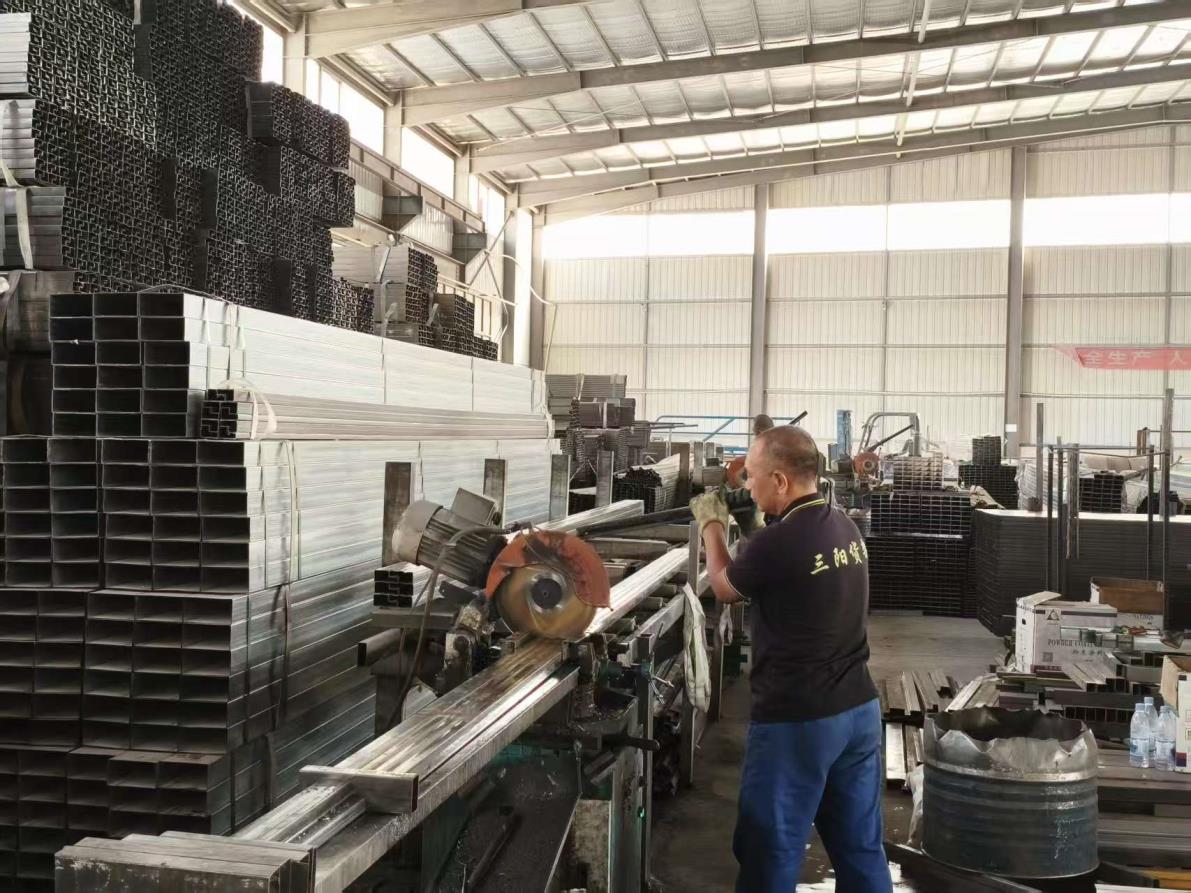
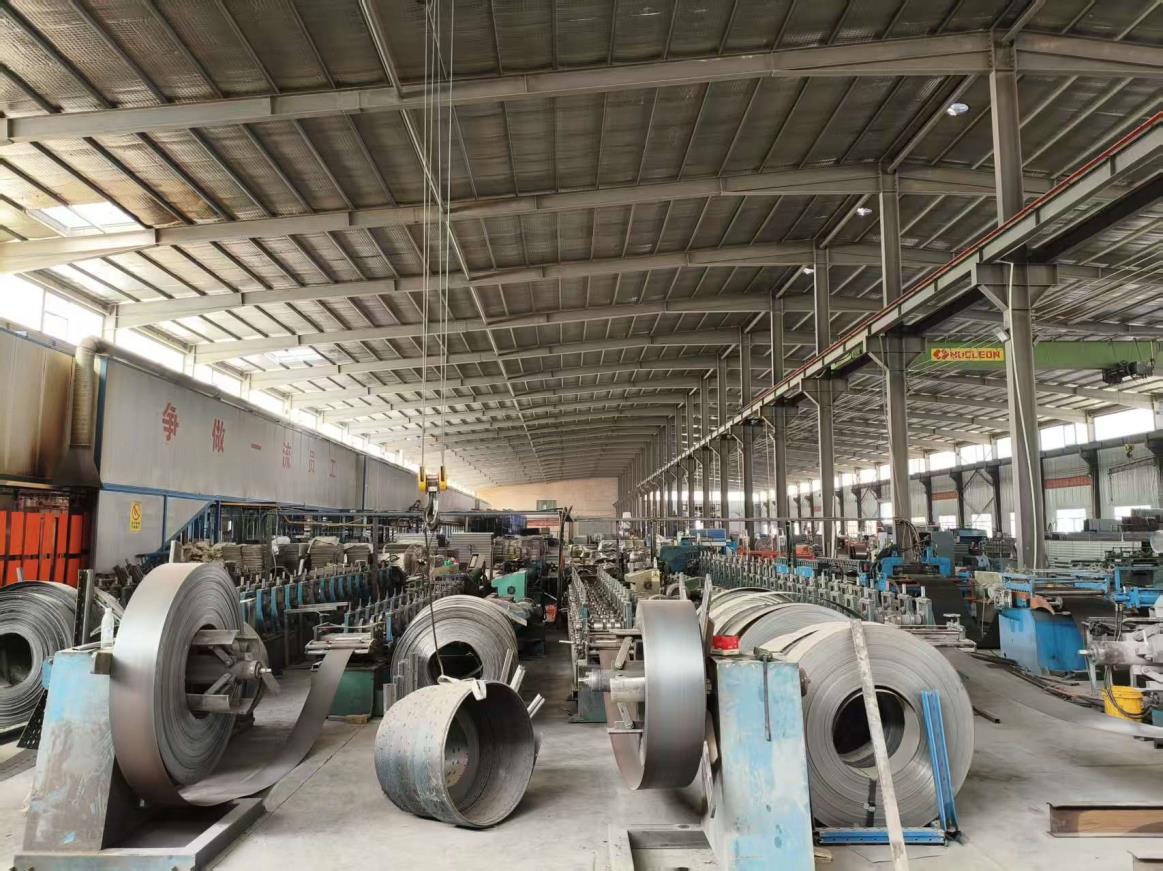
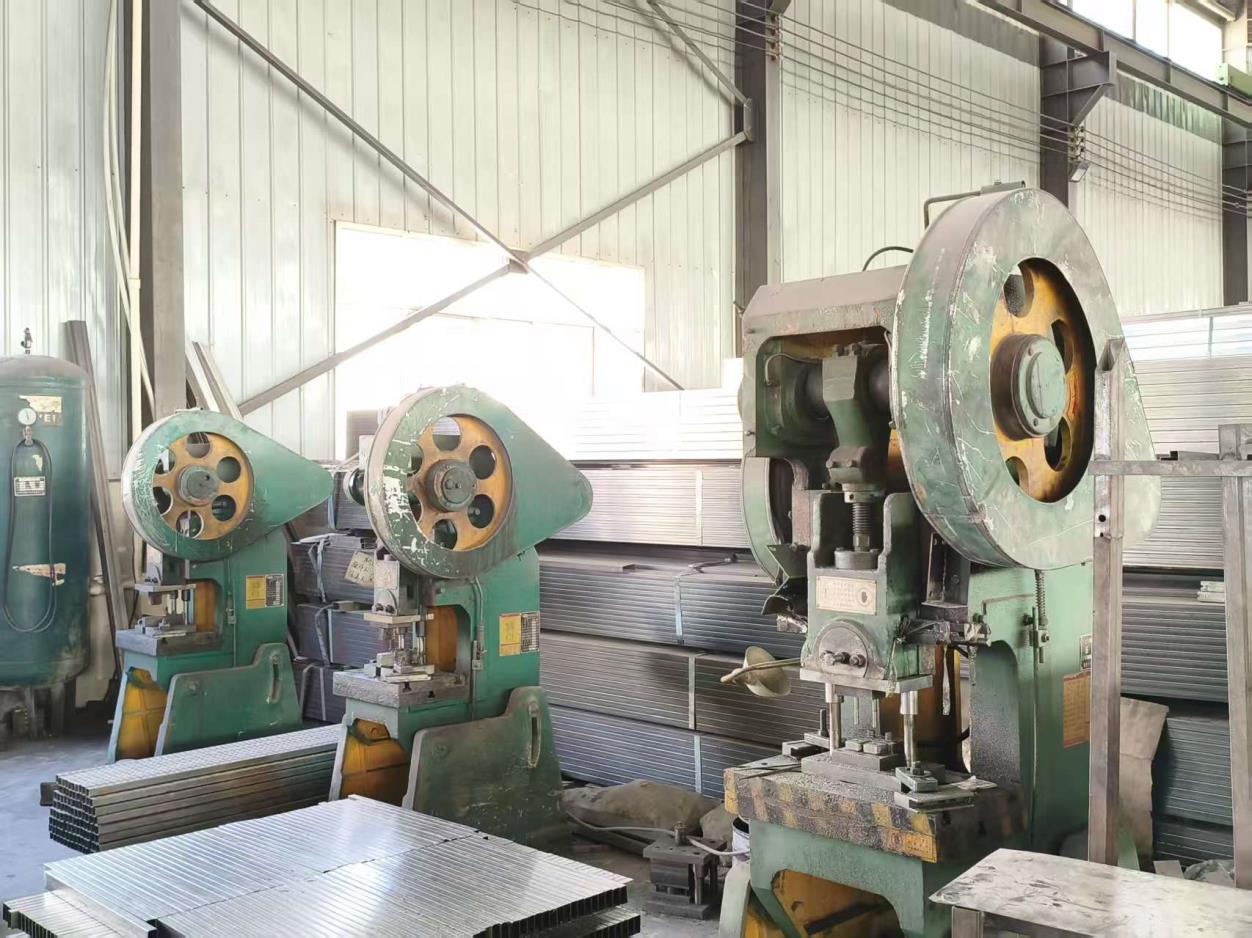
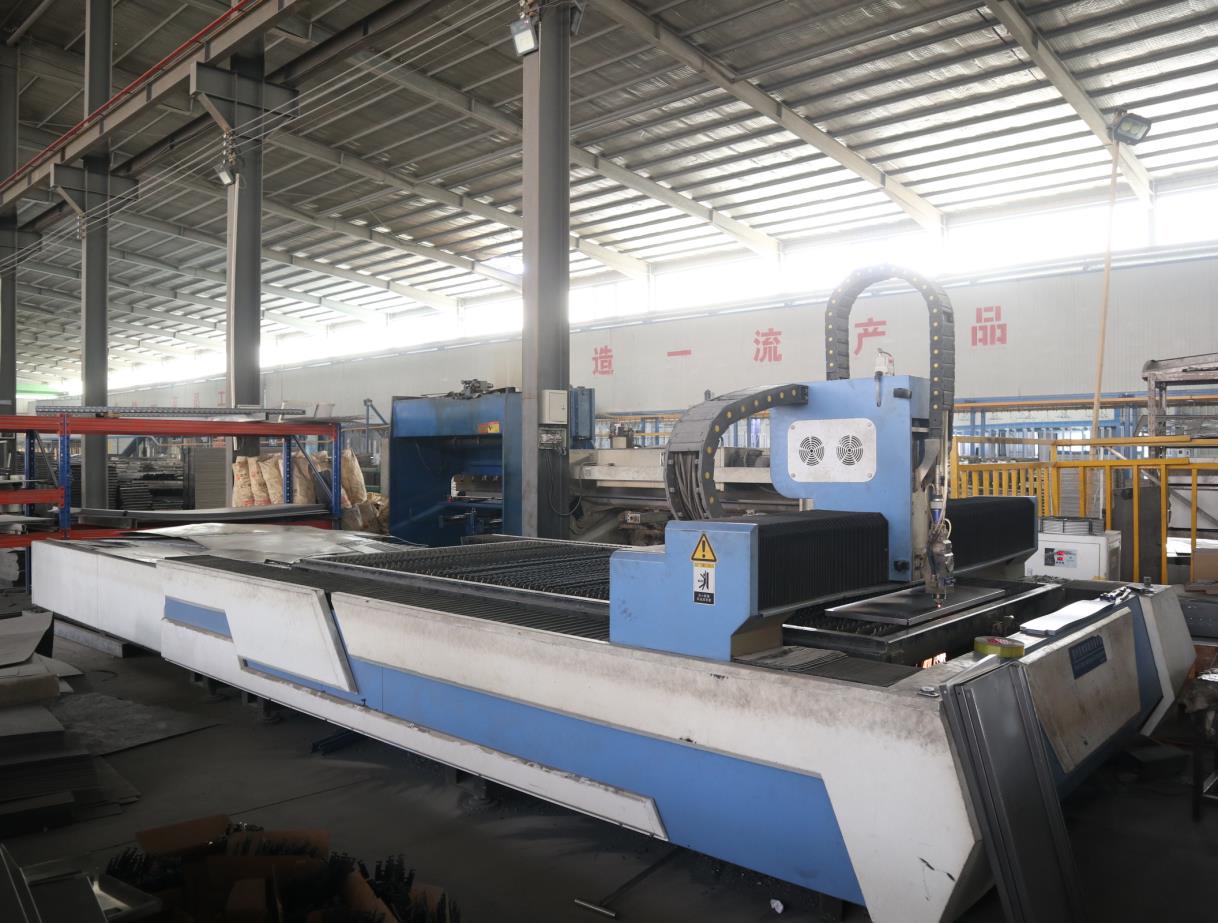
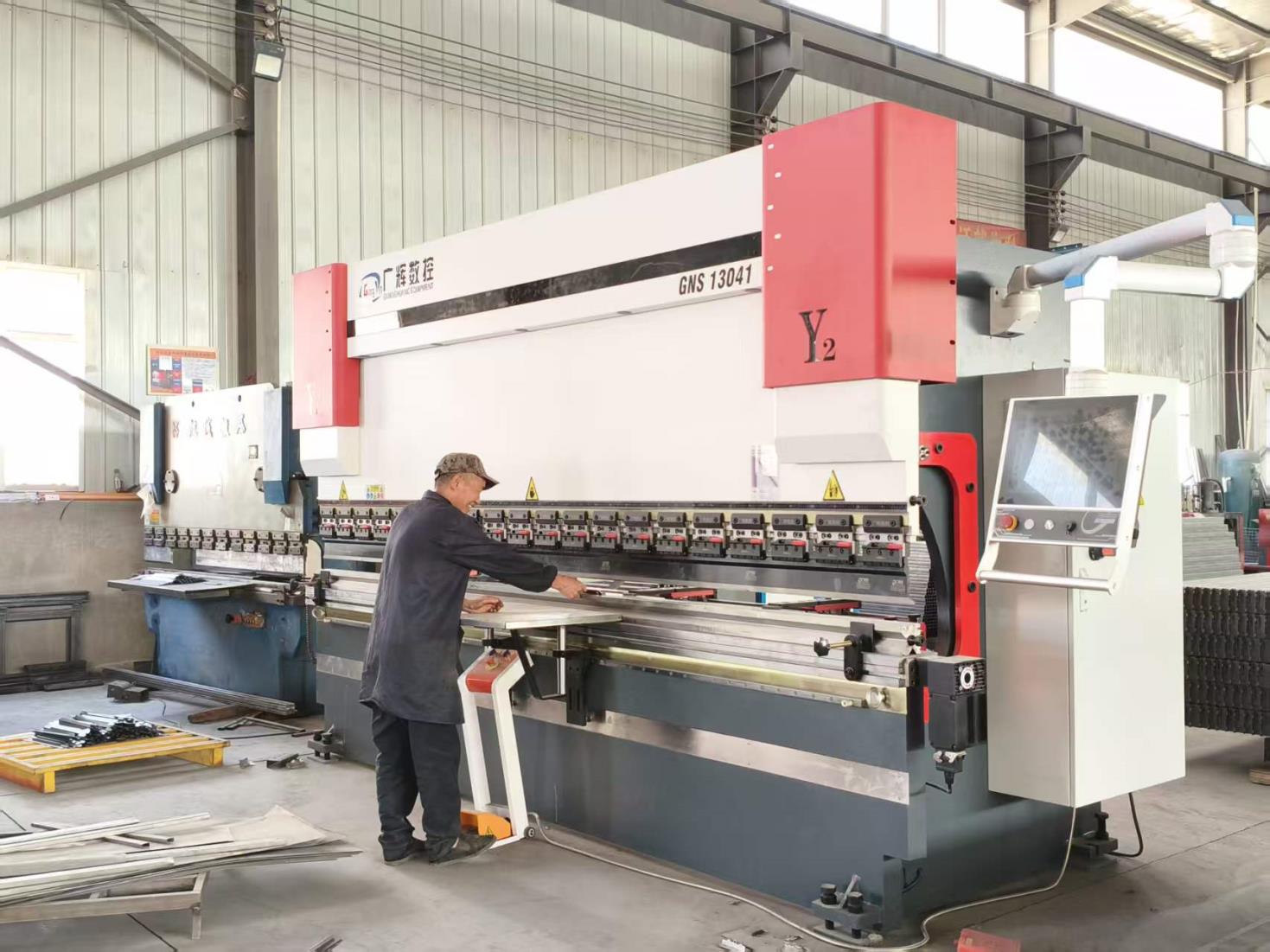
Established in 2014, Nanjing Dulis Warehouse Equipment Co., Ltd. (operating globally under the brand DuraRacks) is a premier industrial rack manufacturer headquartered in Nanjing, China. Boasting over 12 years of industry experience and 9 years of direct export experience, our facility spans a modern industrial building area of 38,000 square meters. We specialize in high-capacity pallet racking, drive-in systems, and automated storage solutions, generating an annual export revenue of $32 million USD.
Quality Assurance & Testing Standards: Quality and structural integrity form the bedrock of our manufacturing philosophy. Our dedicated team of 45 certified QA personnel implements rigorous quality control processes aligned with ISO9001, CE, and FEM standards. Every batch undergoes comprehensive product inspection methods, including ultrasonic weld flaw detection, mechanical tensile testing, static and dynamic load capacity testing, and salt spray corrosion resistance evaluation.
Global Trade & Supply Chain: Supported by a robust network of over 1,200 qualified supply chain partners, DuraRacks operates as an integrated direct-export manufacturer. Our primary overseas markets encompass North America, Western Europe, and Australia. We serve a diverse portfolio of client types, primarily catering to 3PL logistics hubs, large-scale e-commerce fulfillment centers, cold storage operations, and heavy industrial manufacturing plants.
R&D & Customization Capabilities: Driven by an experienced team of 68 R&D engineers, DuraRacks delivers advanced structural Finite Element Analysis (FEA) and customized CAD/BIM warehouse layout simulations. We offer full OEM/ODM customization options, tailored seismic load engineering, special powder-coating finishes, and custom beam profile dimensions. Last year alone, our engineering team launched 85 new product innovations and patented racking components, ensuring cutting-edge storage efficiency for our global clientele.
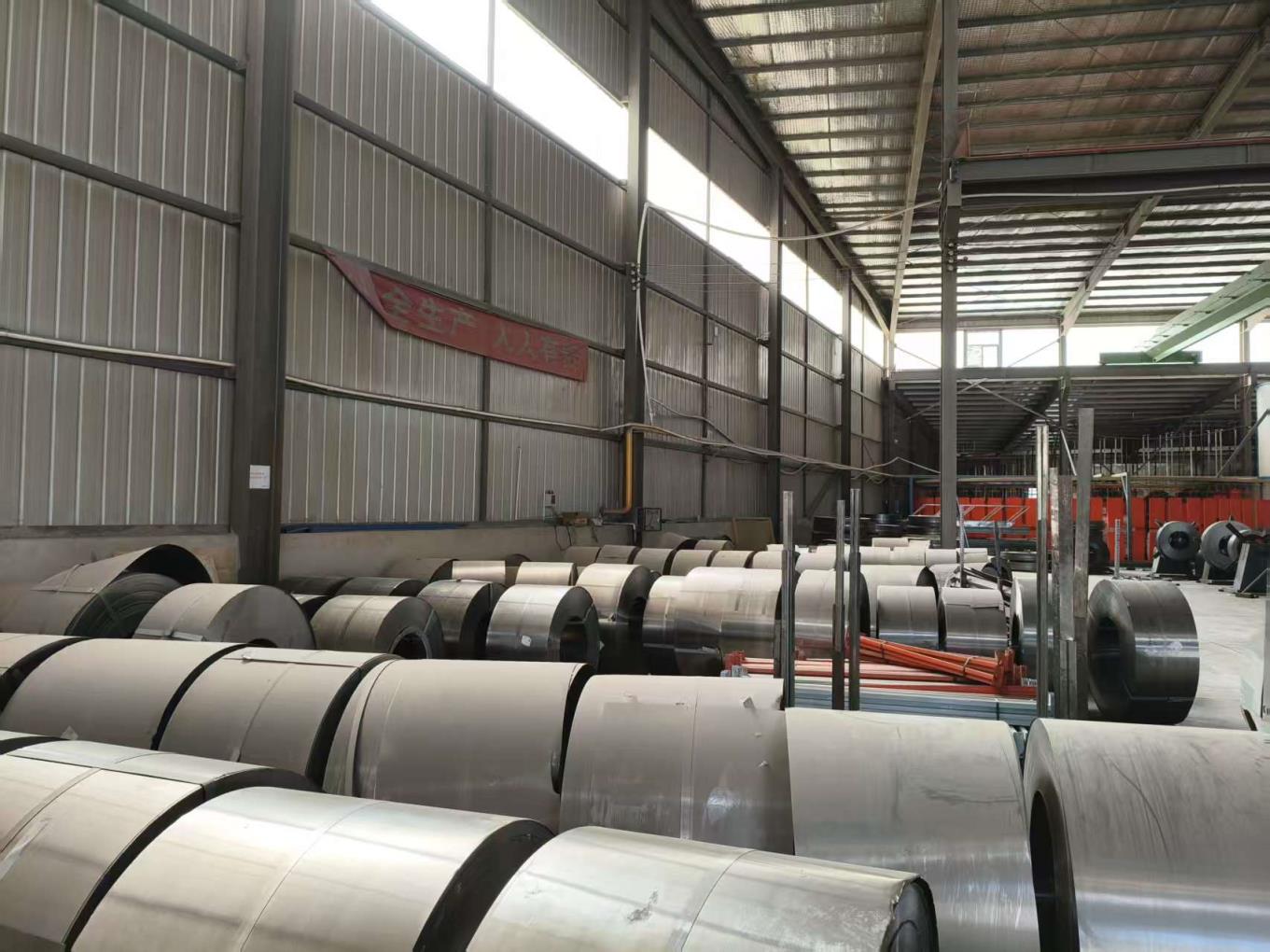
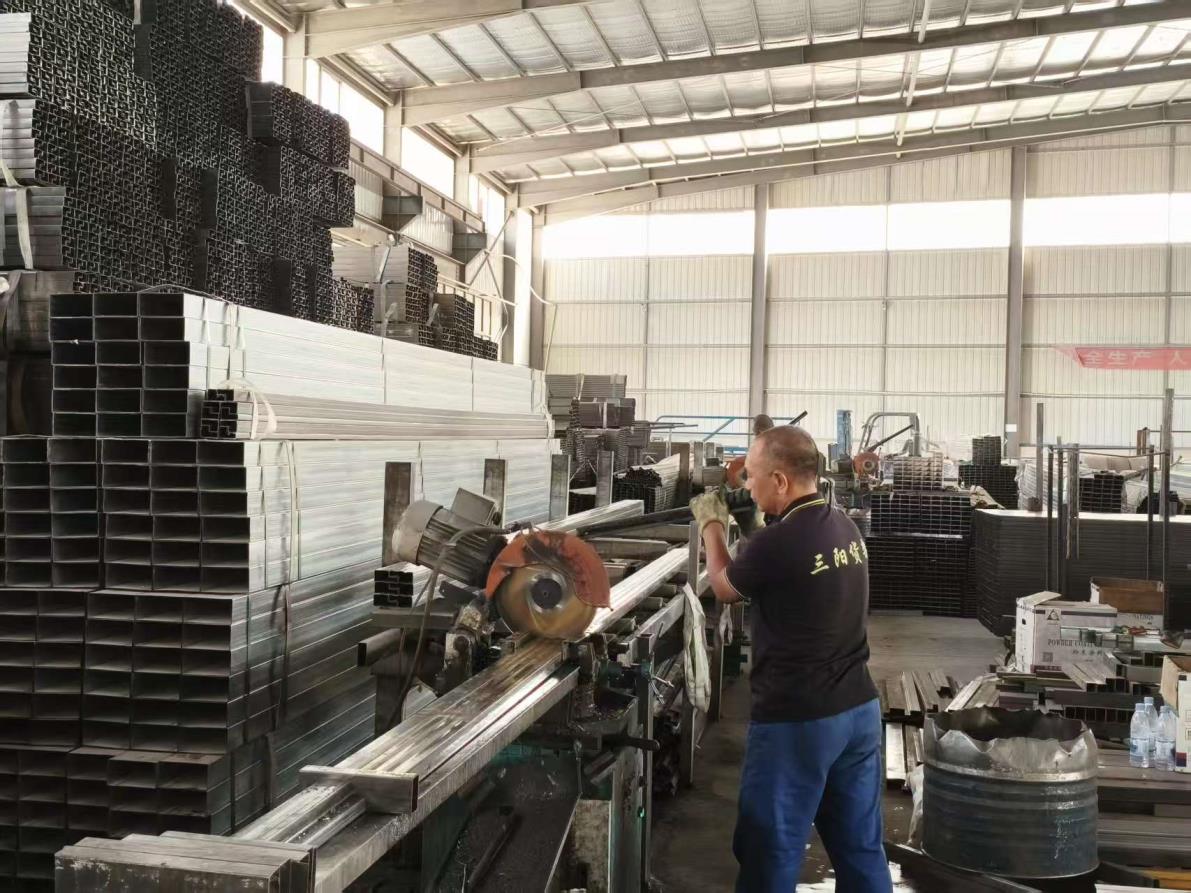
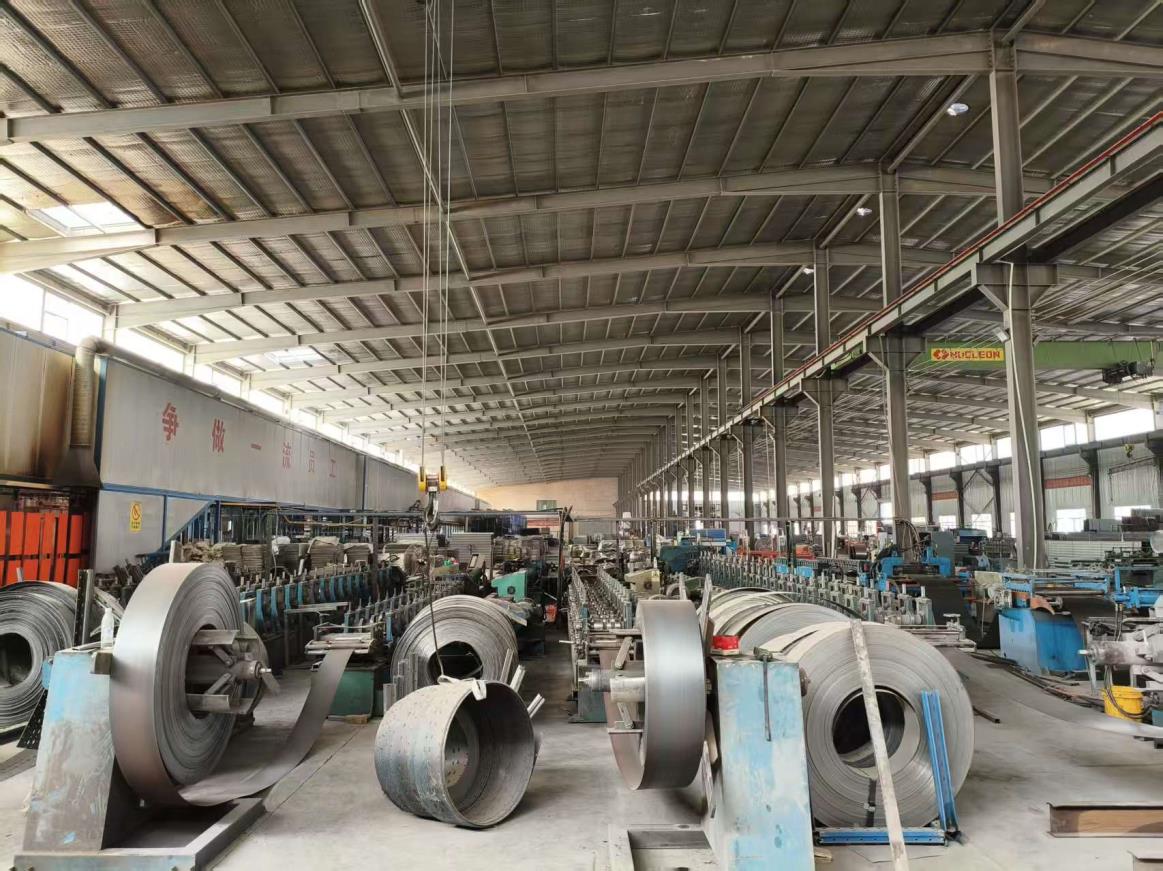
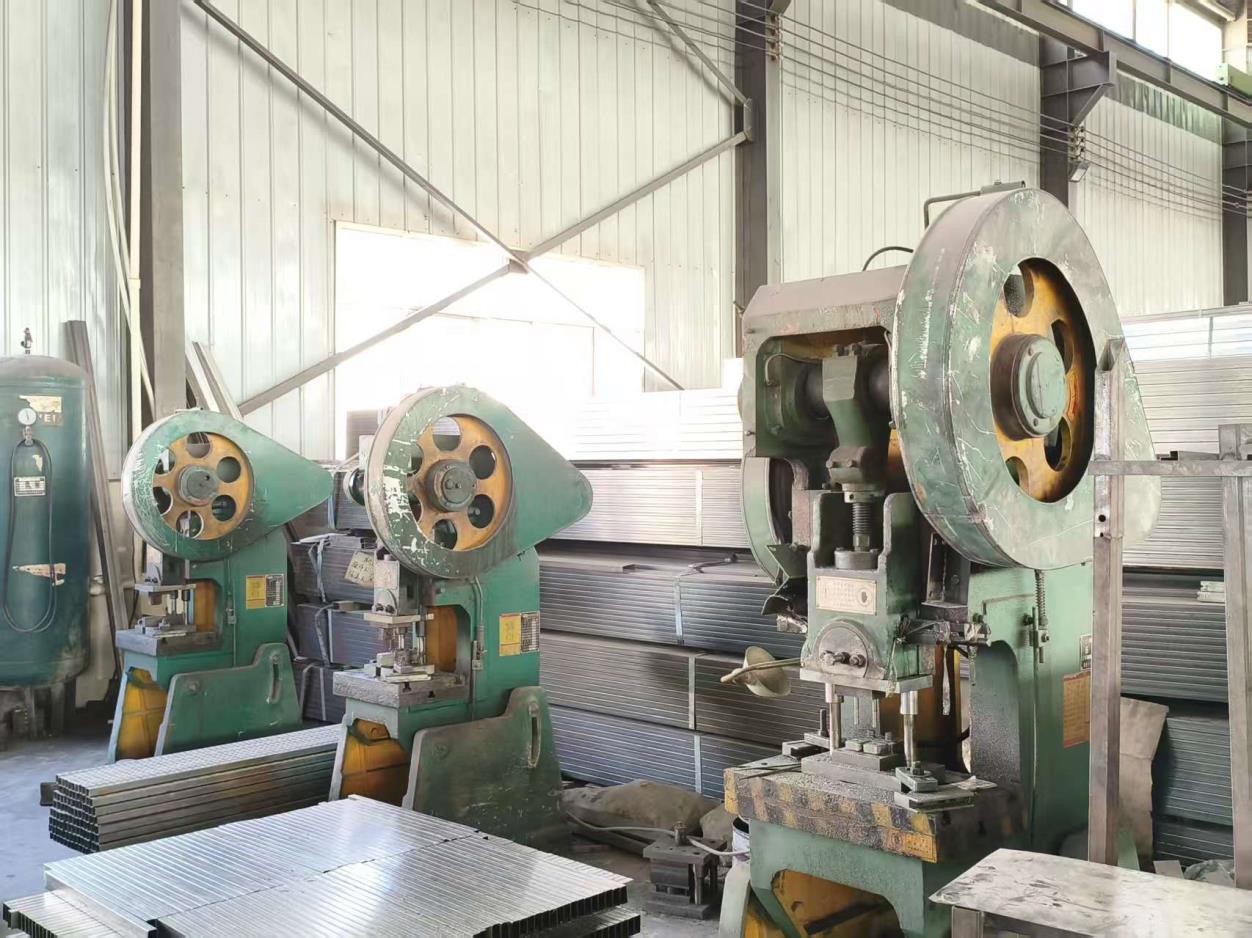
Tailored modular configurations designed to meet specific regulatory, load, and layout constraints.
Operating in environments down to -30°C requires specific steel selection to avoid low-temperature brittleness. Standard systems are configured with galvanized upright frames to ensure continuous operations under constant condensation cycles without losing load capacities.
Fulfillment centers need structural pathways optimized for high picking frequencies. Incorporating modular wire mesh decks and carton flow tracks directly into pallet racking systems improves accuracy while meeting strict local warehouse fire safety standards.
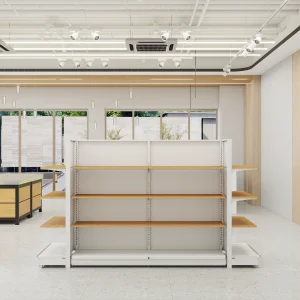
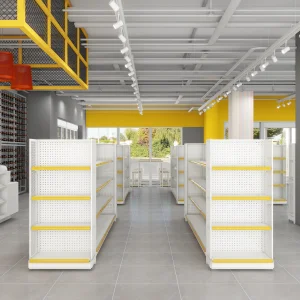
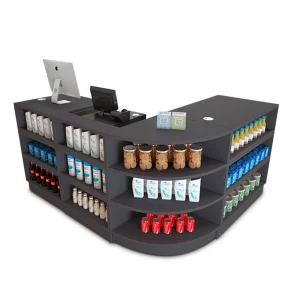
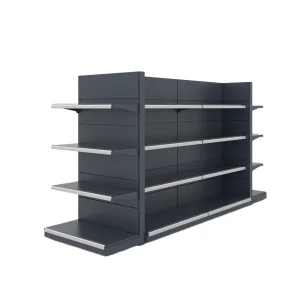
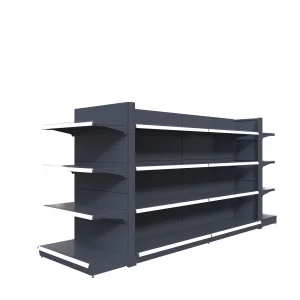
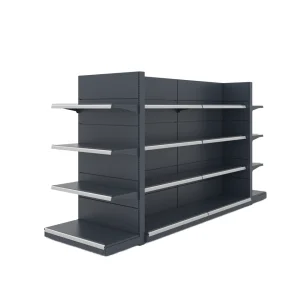
Supermarkets and convenience stores require structural shelf profiles that integrate clean wooden details and perforated steel back panels. This balance of aesthetic detail and heavy-duty load capacity supports high-density retail displays.
Each solution is custom-engineered using finite element software models that determine physical structural parameters like optimal baseplate dimensions, anchor specifications, and column frame configurations. By customizing the layout based on flow path characteristics and storage density targets, operational overhead can be reduced, contributing to long-term facility ROI.
An objective engineering blueprint for supply chain officers evaluating global modular shelving suppliers.
When selecting a global storage system supplier, procurement teams must verify technical capabilities beyond basic catalog prices. The following engineering metrics should be assessed:
A typical structural evaluation checklist for purchasing groups involves comparing a supplier's design capabilities with active warehouse layouts:
| Evaluation Parameter | Minimum Acceptable Spec | Optimal Enterprise Standard | Validation Method Required |
|---|---|---|---|
| Load Capacity Validation | Self-certified load tables | Third-party verified structural test data | Dynamic and static pressure testing reports |
| Quality Audits | Basic ISO 9001 | ISO 9001 + CE + AWS Welding Certification | On-site audits & weld test inspections |
| Custom Engineering | 2D CAD Layouts | 3D BIM integration + Finite Element Analysis (FEA) | FEA structural modeling logs |
| Corrosion Resistance | 24-hour Salt Spray test | 500-hour Salt Spray test (for humid/cold conditions) | ASTM B117 certification reports |
Expert technical insights regarding modular shelving procurement, compliance, and structural performance.
Roll-formed shelving is manufactured from coil steel through cold-rolling mills at room temperature, creating lightweight profiles that are cost-effective and highly customizable. Structural steel components are hot-rolled from thick carbon-steel channels, providing superior resistance to impact and higher load capacities, making them ideal for heavy industrial storage and high-impact environments.
Temperatures below freezing require micro-alloyed steel grades that maintain ductility under thermal stress. Standard systems use specialized powder coatings or hot-dip galvanization to prevent rust from condensation cycles during temperature transitions.
Systems in seismic zones must comply with localized standards, such as AS4084 in Australia or RMI MH16.1 in North America. R&D engineers must calculate parameters using finite element analysis, including custom anchor plate sizes and heavier floor bolting patterns, to withstand seismic forces.
Even minor deviations in steel thickness can significantly reduce calculated structural load capacities. Procurement teams should require independent testing of raw coil materials rather than relying solely on mill test certificates.
High-capacity structural components, grocery displays, and specialized material handling systems.
 DuraRacks