Explore our highly-engineered commercial storage shelves, dynamic retail racking, motorized counter solutions, and logistics equipment built to international safety standards.
Understanding the strict microclimatic demands, global food safety benchmarks, and logistics performance parameters required for commercial cold chain infrastructure.
Under international food safety frameworks like NSF/ANSI Standard 2 and HACCP, storage shelves in direct contact with food or medicine must feature seamless weld structures and anti-microbial coatings. Eliminating micro-cracks prevents bacterial accumulation, mold germination, and cross-contamination during temperature cycles.
Effective walk-in cooler shelves utilize an open wire or slotted deck pattern. This physical layout facilitates uniform air circulation driven by evaporator fans. Uniform airflow guarantees consistent temperature zones, reduces energy consumption, and eliminates dangerous "hot spots" where spoilage can occur.
Extreme cold temperatures can trigger structural steel embrittlement. Substandard alloys under constant heavy loads in cold environments face high fatigue risks. Walk-in shelves must utilize cold-resistant, high-tensile steel grades (like Q235 or Q355 structural steel) engineered with specialized welds.
How varying commercial and industrial environments dictate specific materials, coatings, and configuration plans.
In high-pace kitchens, walk-in coolers are accessed hundreds of times daily, exposing shelves to ambient humidity spikes. Standard options include heavy-duty wire shelves finished in a thick layer of green or blue anti-microbial epoxy. This finish resists acids from citrus, vinegar, and biological fluids. Removable, dishwasher-safe polymer shelf plates are increasingly popular to simplify deep cleaning routines.
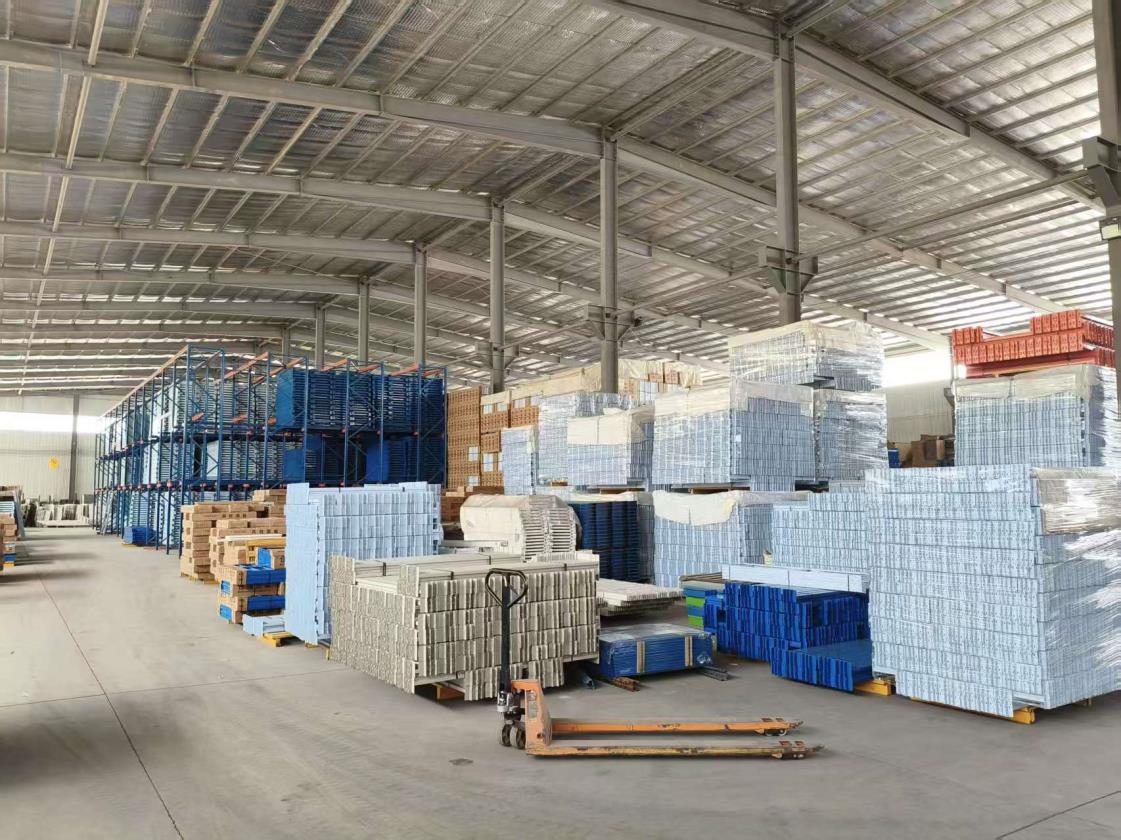
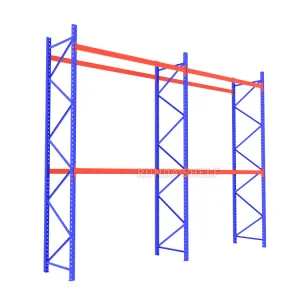
Logistics facilities store heavy bulk pallets and crates of frozen goods. Standard commercial wire shelving is replaced here by heavy-duty steel pallet racks and drive-in systems. Crucially, these systems require hot-dip galvanized finishes or specialized low-temperature powder coatings to protect steel beams from rusting under constant forklift scraping and moisture condensation.
Medical refrigeration demands strict cleanliness. Bio-pharma walk-in cold storage facilities frequently mandate electro-polished AISI 304 or AISI 316 stainless steel shelving. Stainless steel offers maximum resistance to harsh chemical sterilizers and prevents paint chipping, ensuring zero particulate shedding in sterile cleanrooms.
While warm, dry locations can occasionally use standard powder coatings for backroom dry storage, walk-in coolers in coastal or humid tropical regions require either hot-dip galvanization (which offers self-healing zinc-oxide protection) or multi-layer epoxy coatings containing zinc-rich primers. Always consult with your engineering partner regarding the specific relative humidity (RH) levels of your walk-in unit.
Why sourcing walk-in shelving systems from advanced manufacturers like Nanjing Dulis (DuraRacks) yields massive commercial benefits.
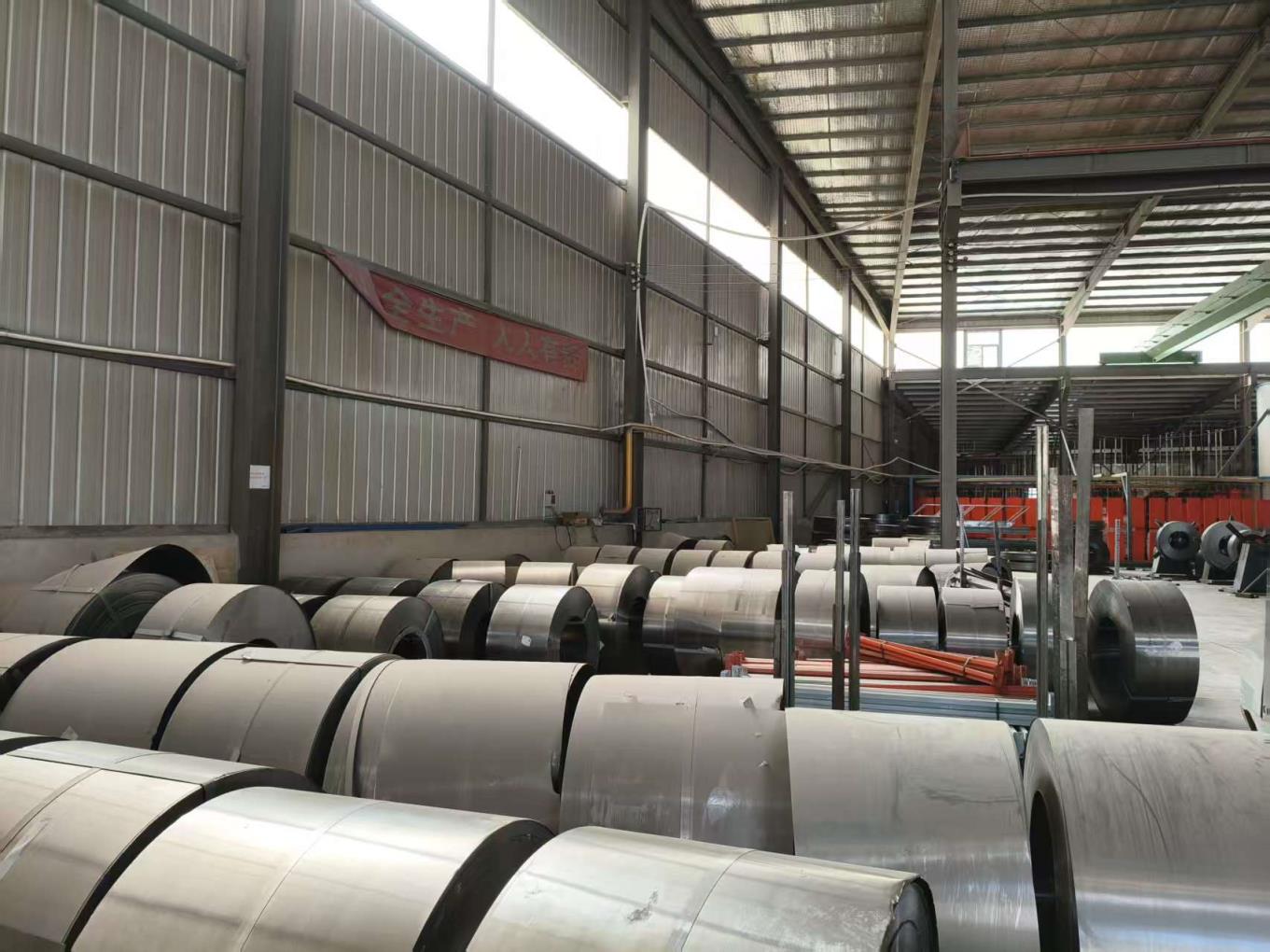
Located in core industrial steel corridors, our manufacturing center links directly with top-tier steel mills. This structure guarantees a steady supply of certified structural steel, buffers us against raw material price volatility, and reduces procurement lead times.
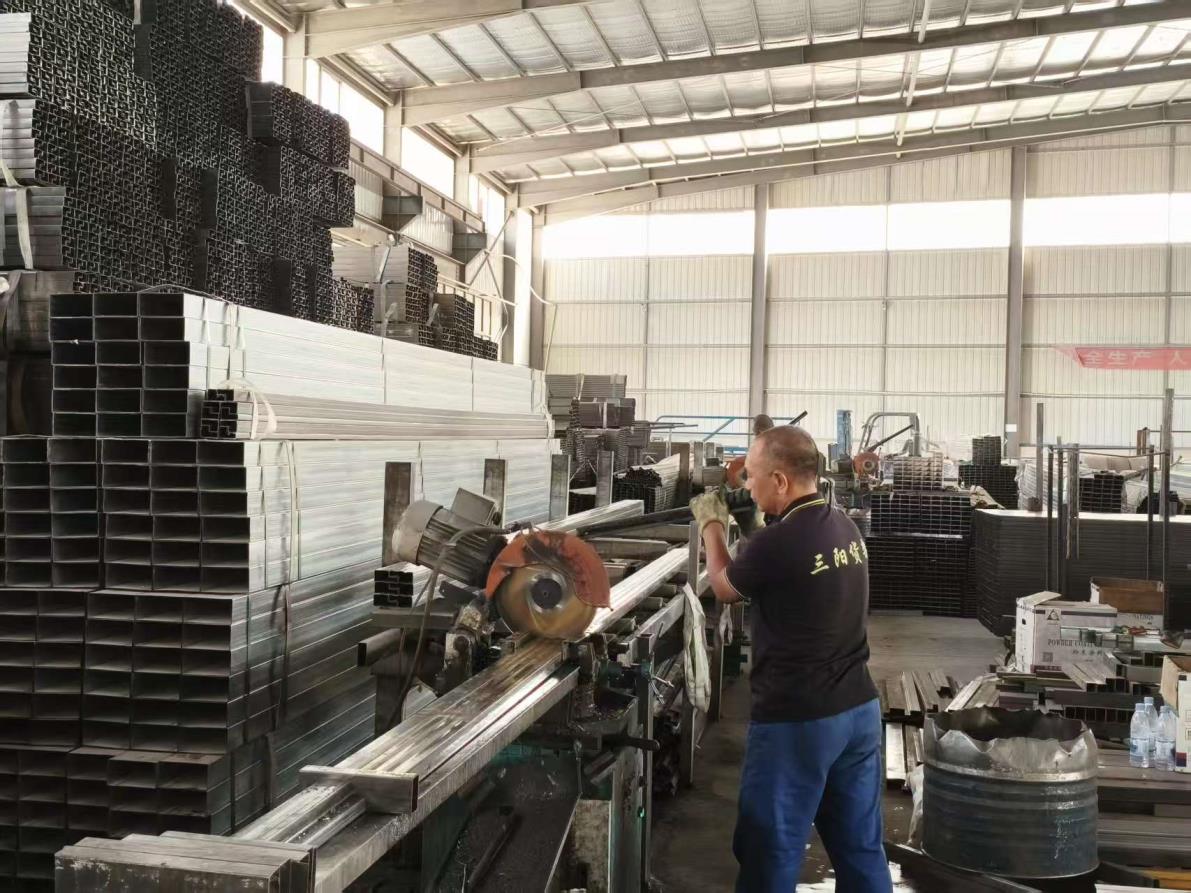
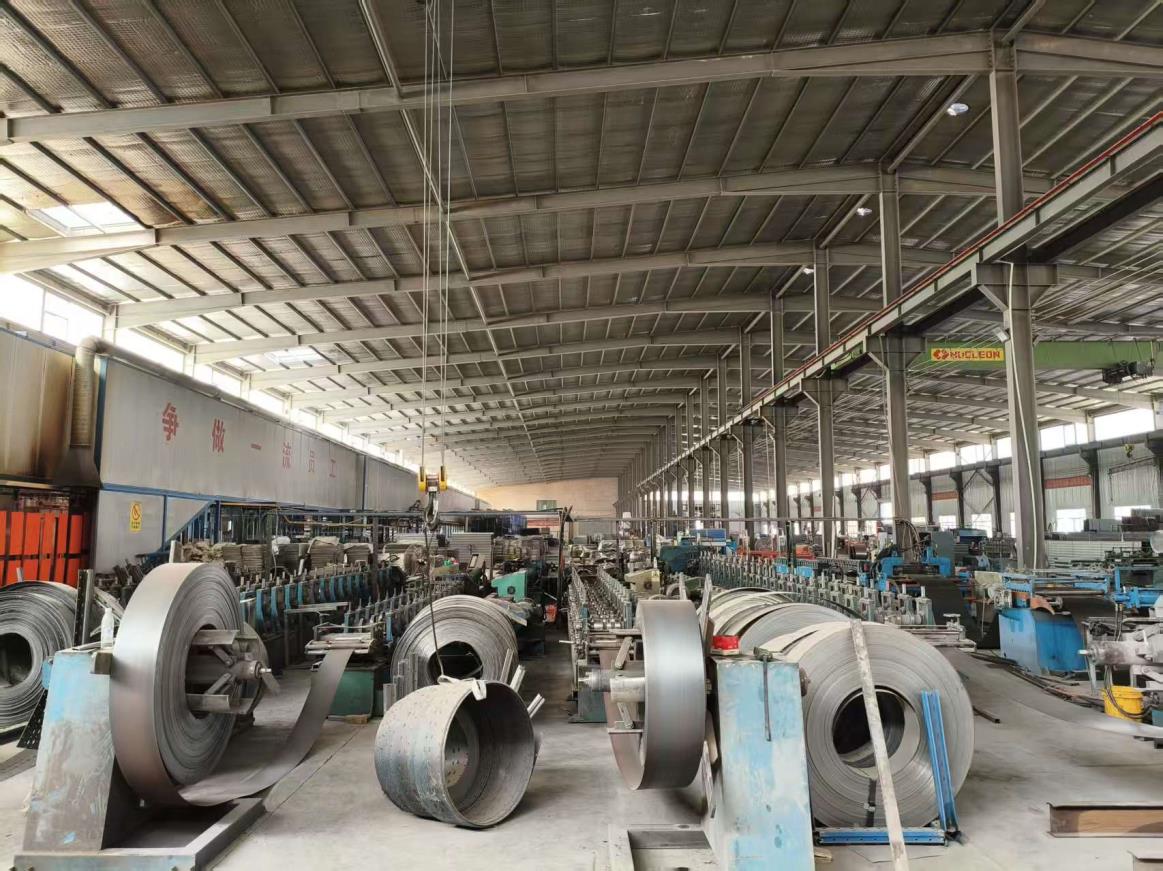
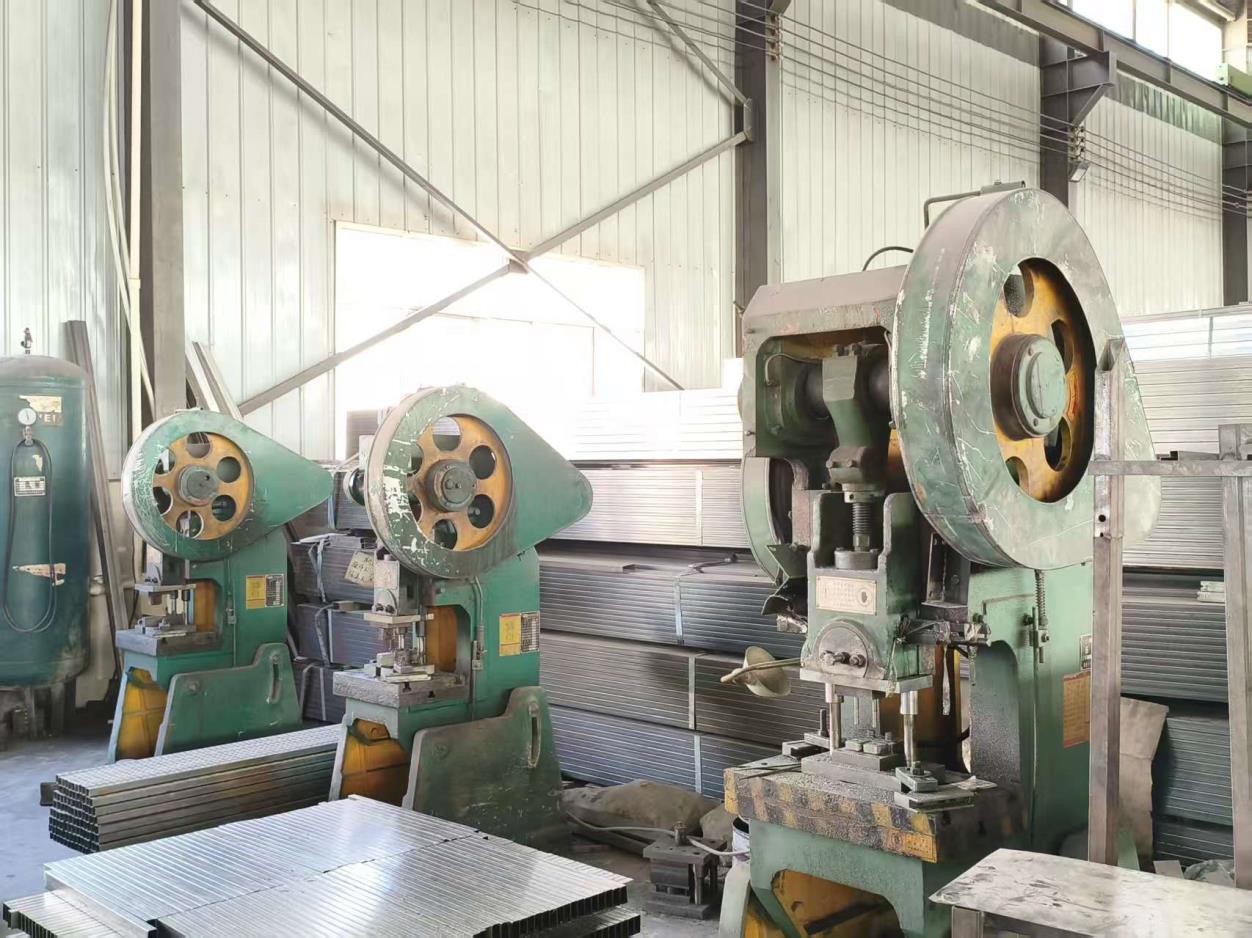
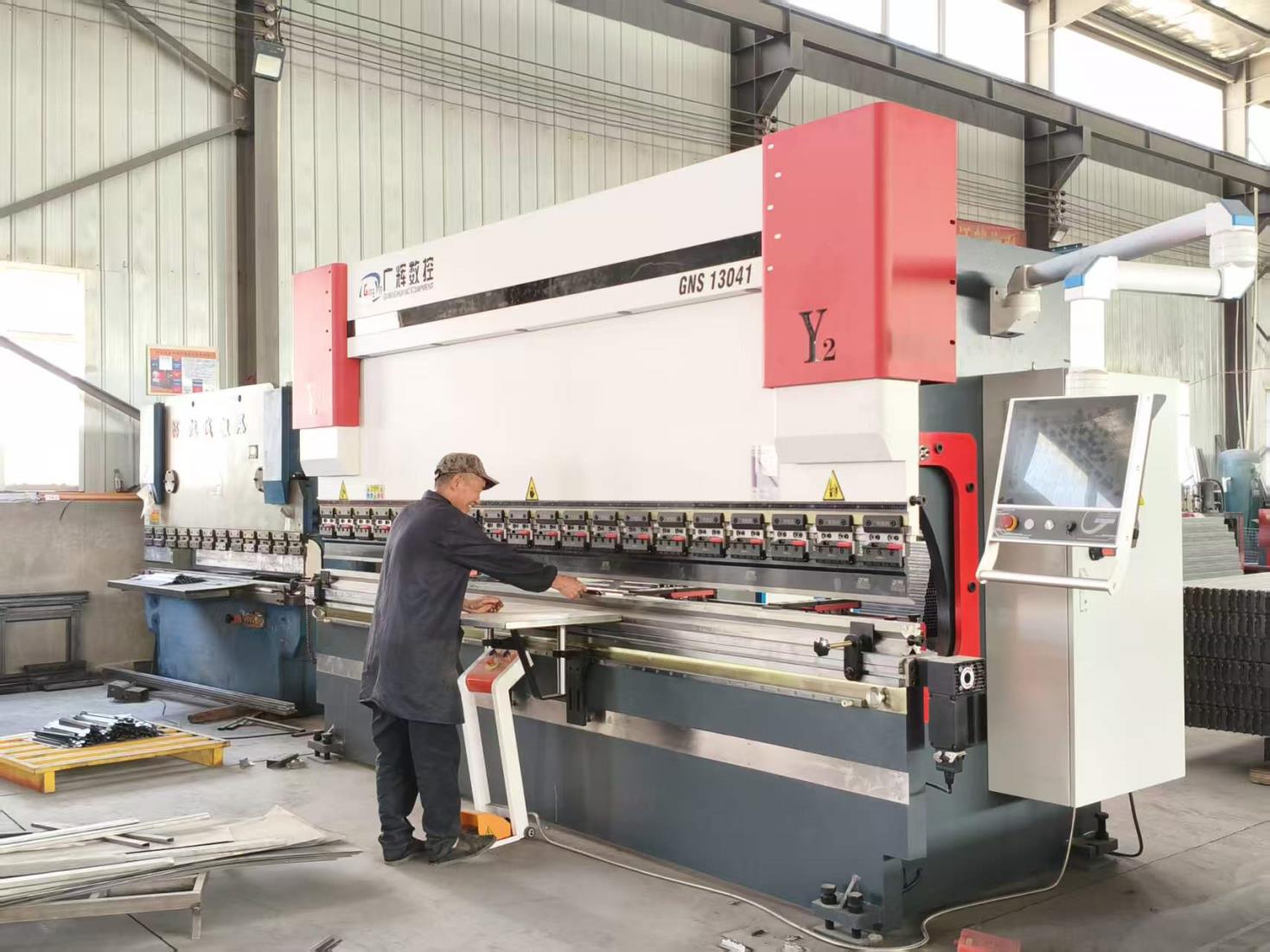
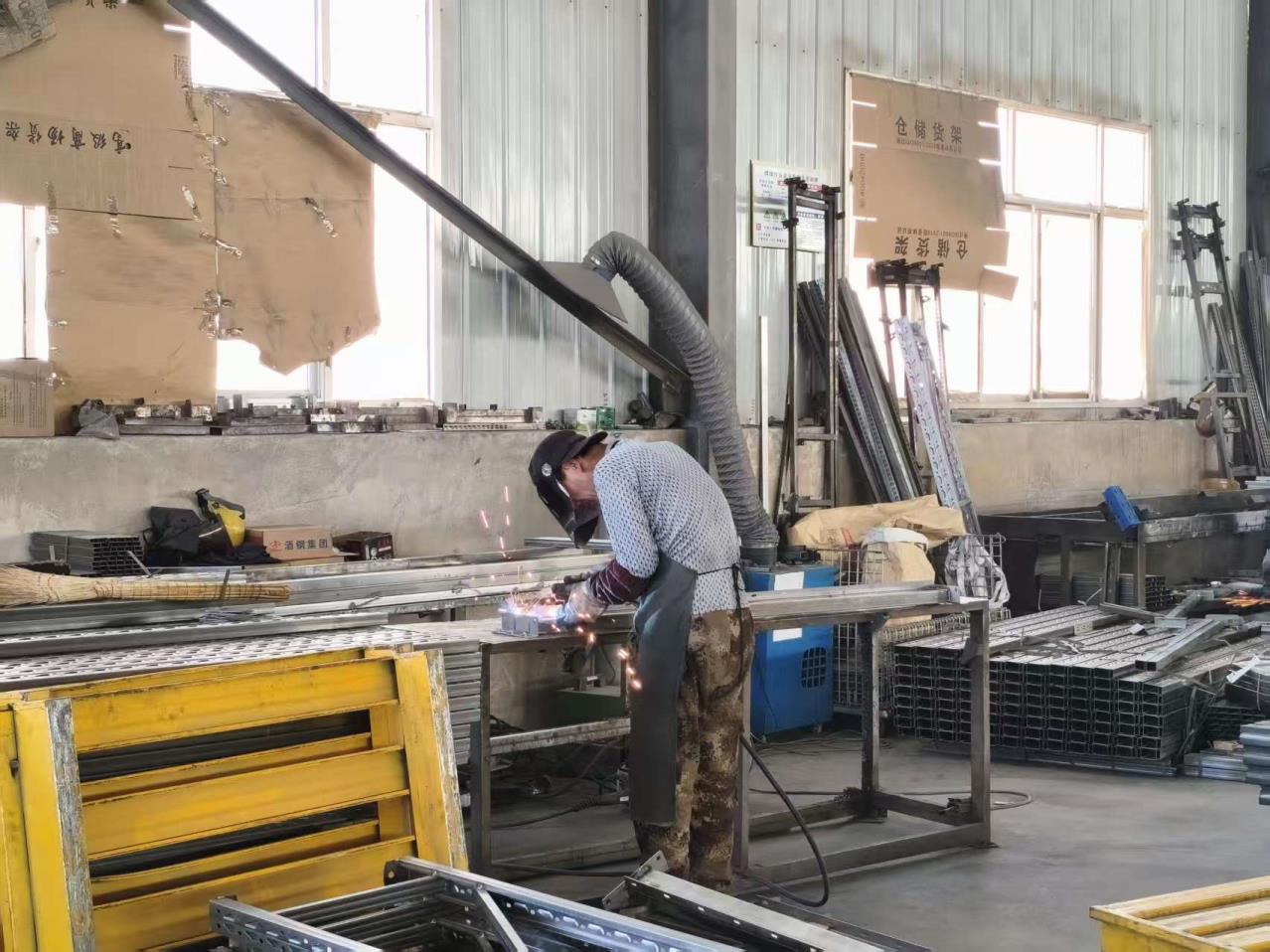
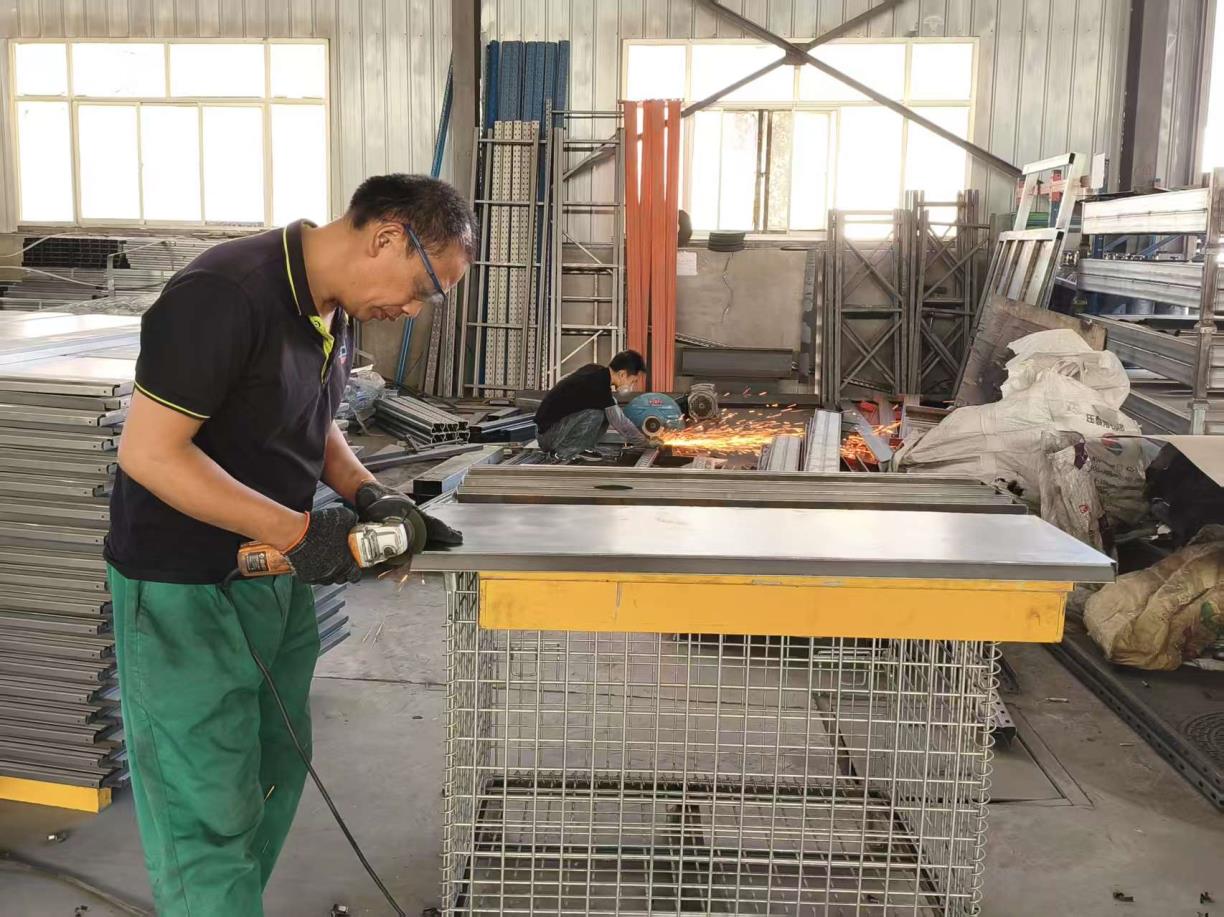
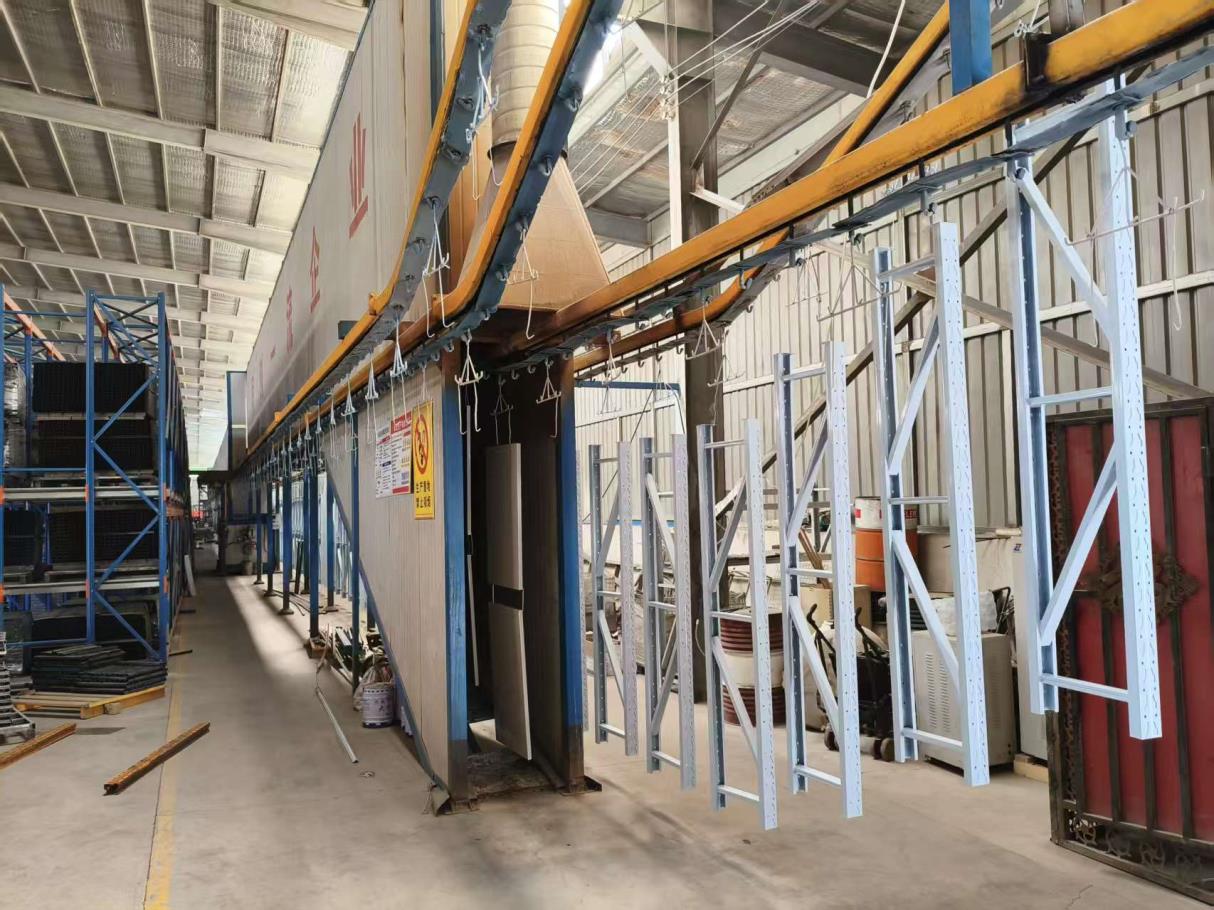
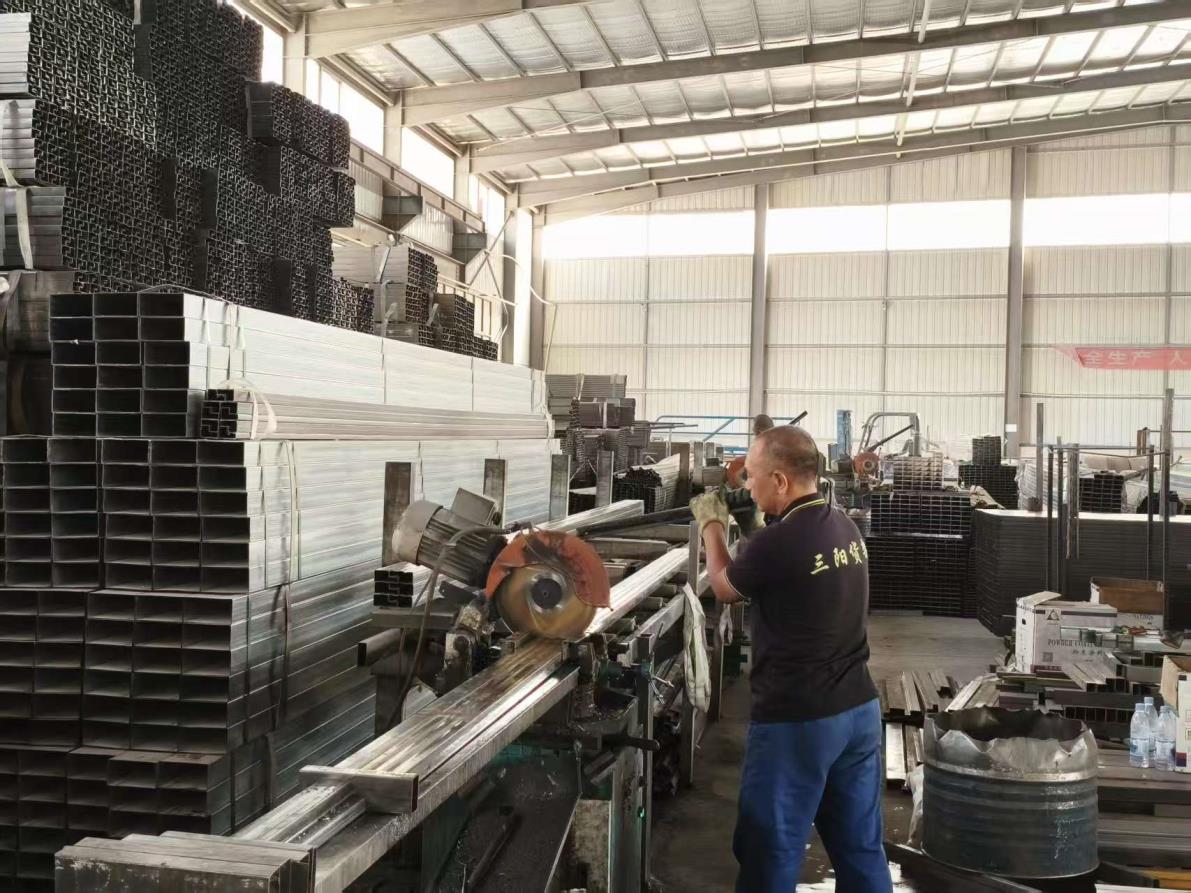
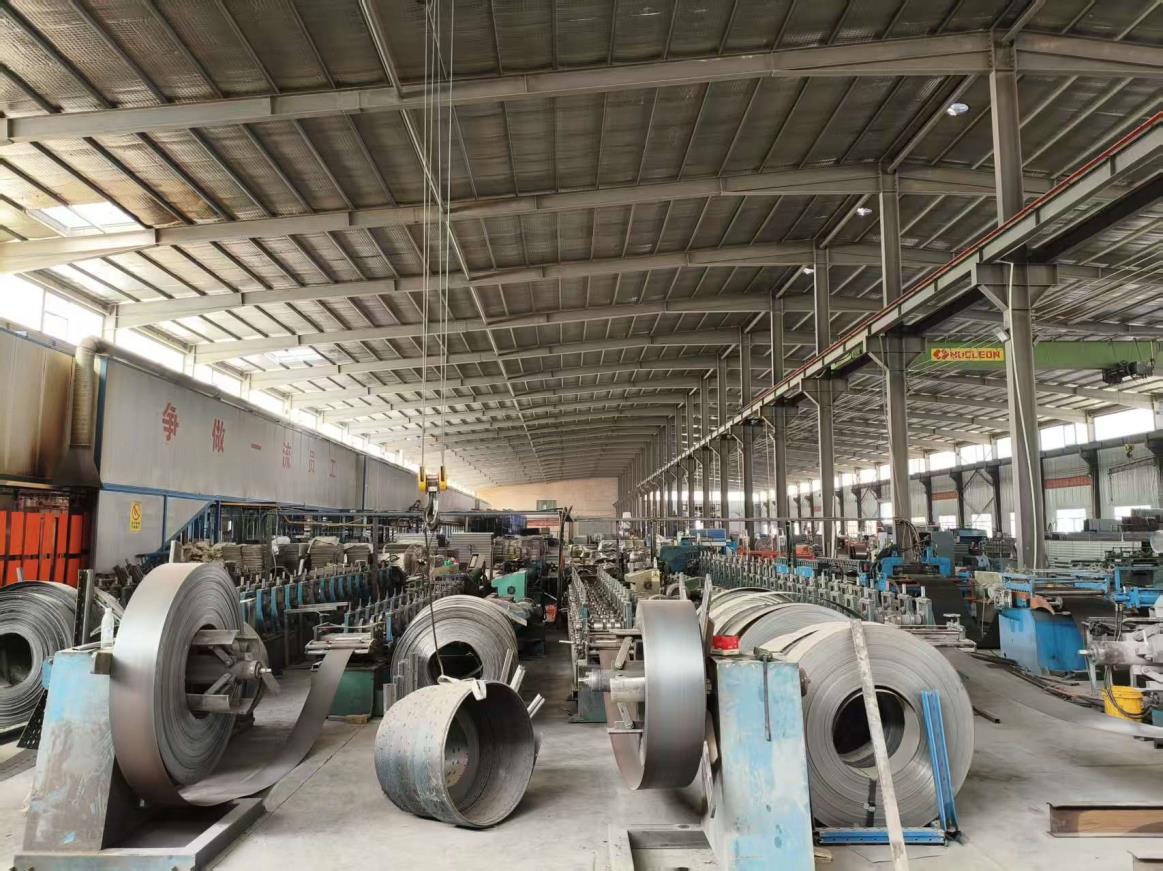
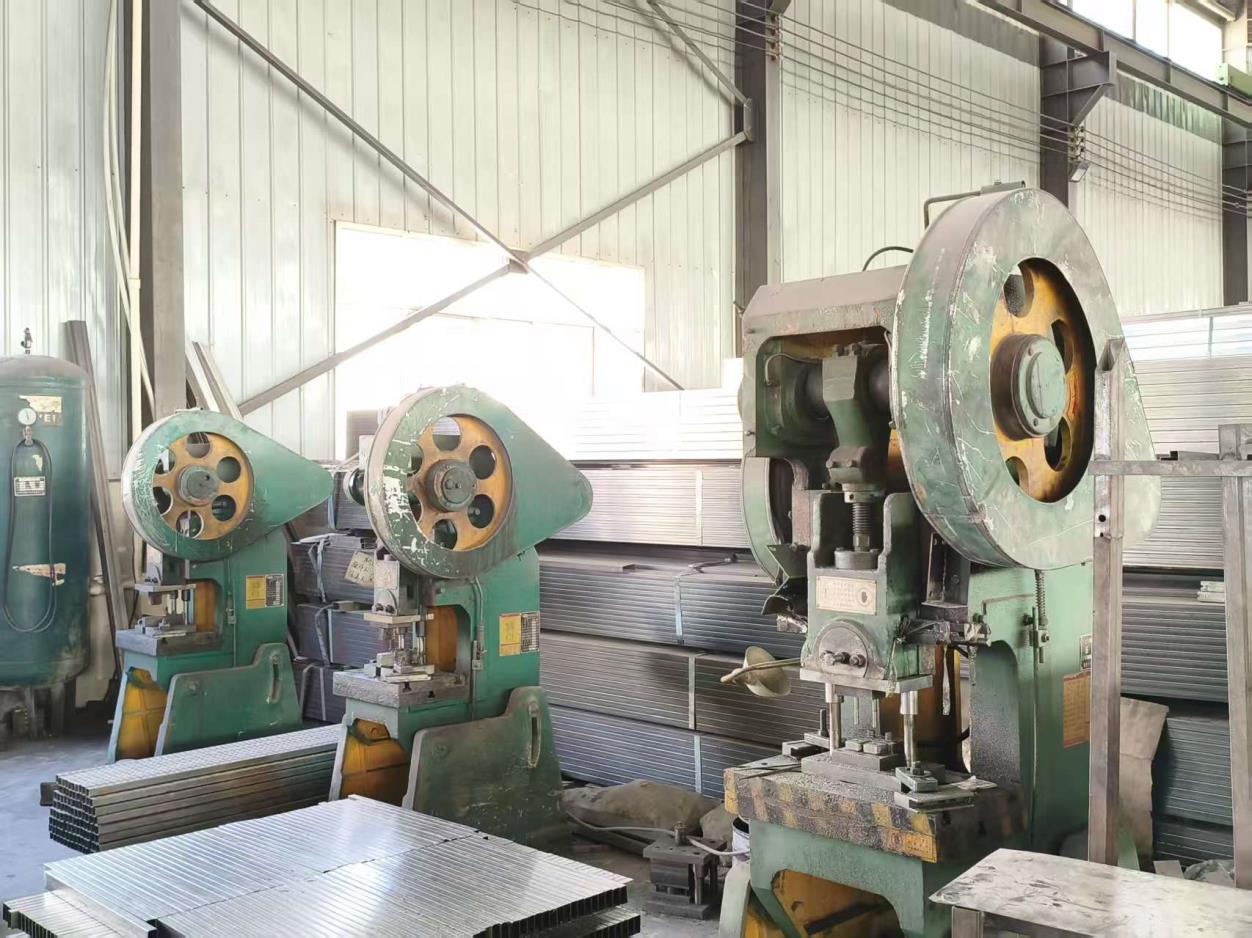
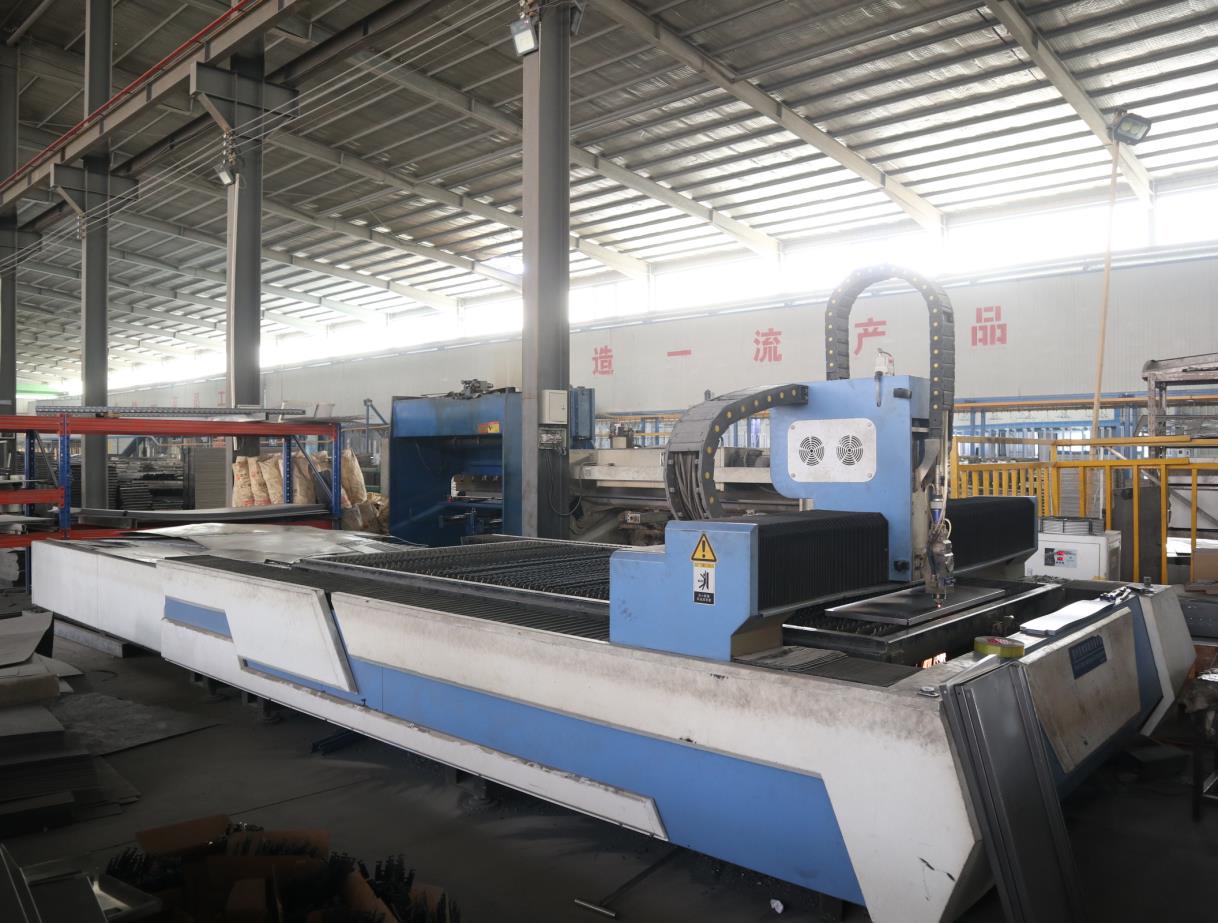
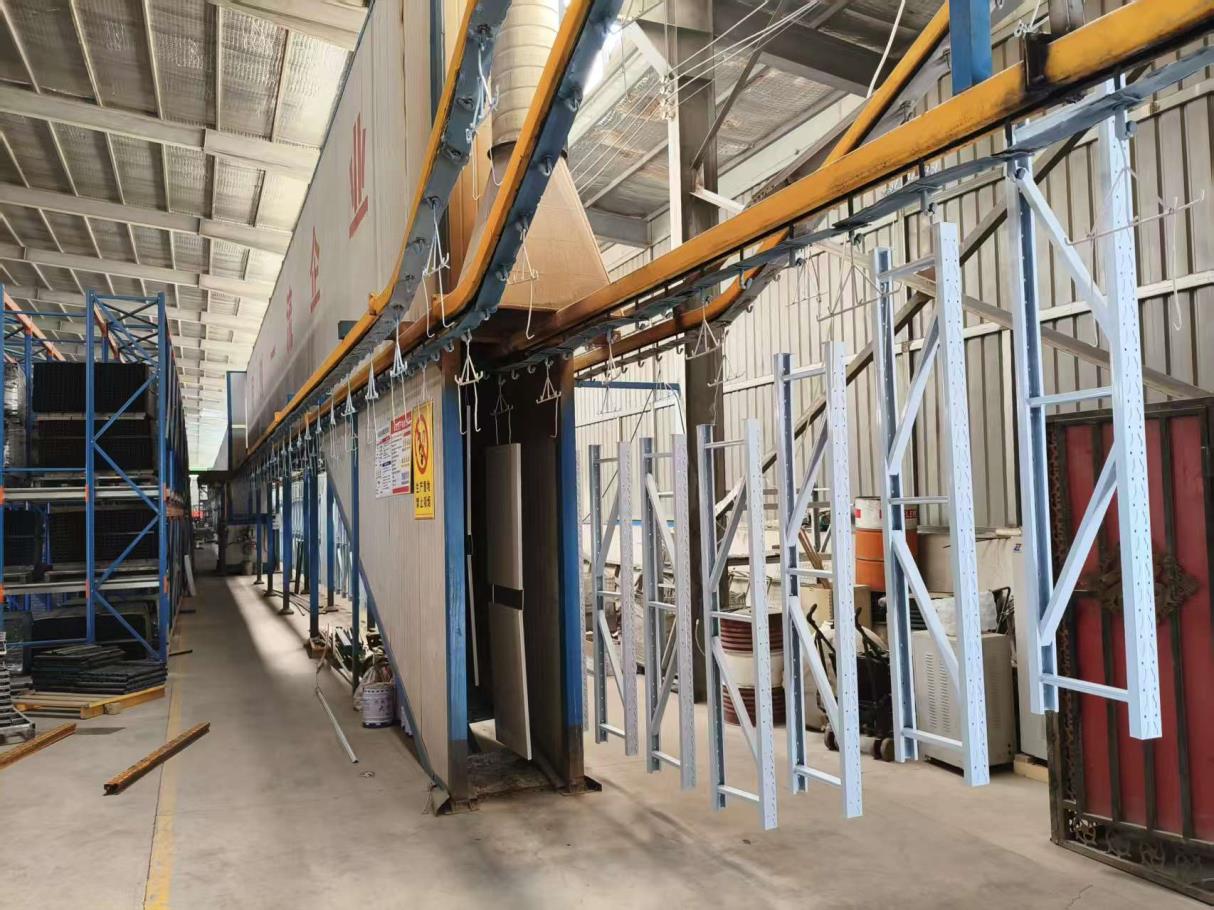
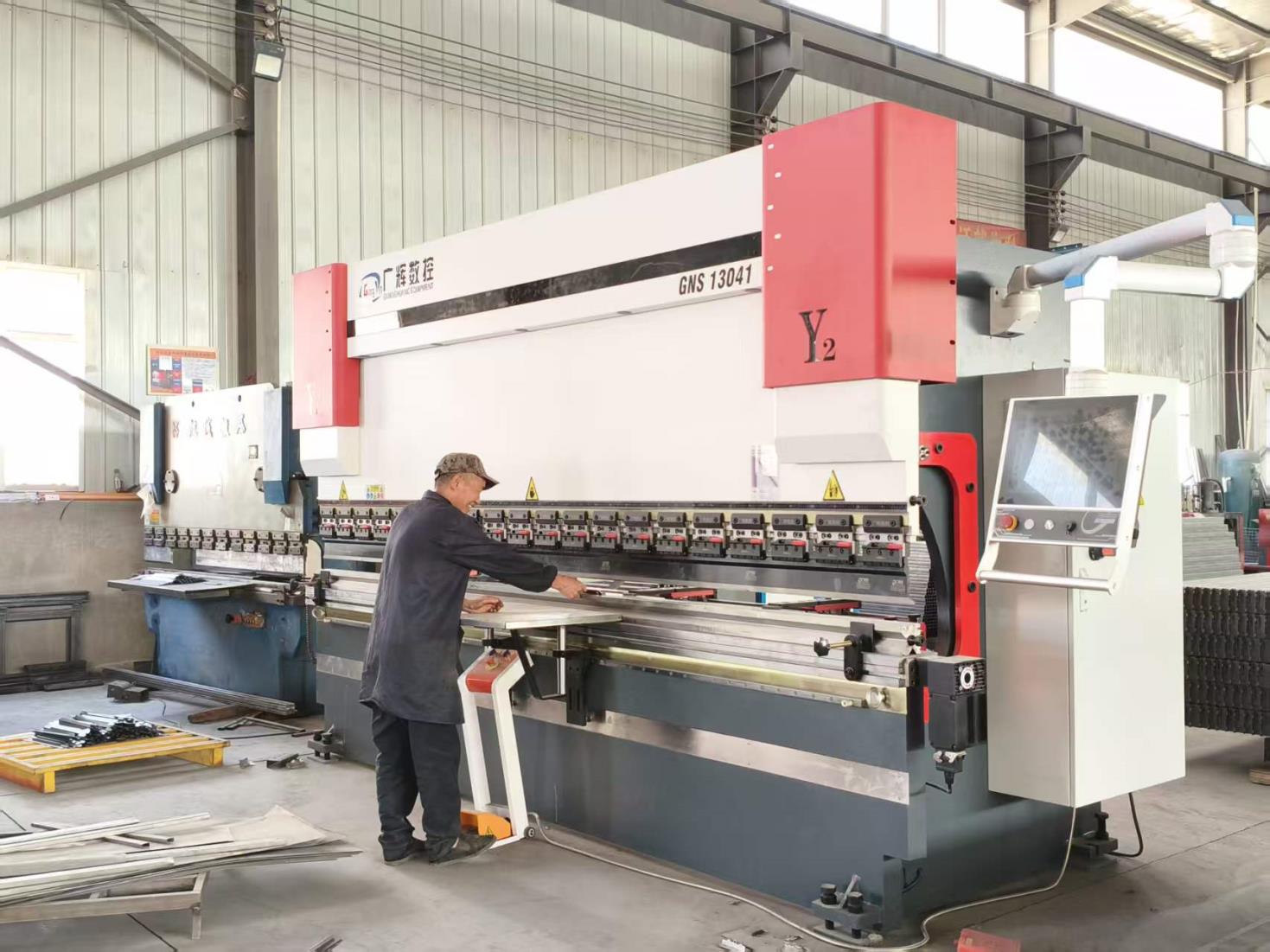
Our production floor uses robotic welding arms, automated continuous roll-forming lines, and computerized electrostatic powder coating tunnels. This extensive automation guarantees high weld consistency and uniform coating thicknesses, minimizing human error.
We build our products to meet strict international standards, ensuring seamless integration globally. Our components comply with CE directives, ISO 9001 quality management benchmarks, and European FEM racking codes.
Our engineering division consists of 68 experienced R&D engineers who design customized warehouse solutions using Finite Element Analysis (FEA) and detailed CAD/BIM simulations. We offer:
A trusted global leader in professional storage systems and high-capacity racking engineering.
Take an inside look at our state-of-the-art machinery and step-by-step production flow.
What engineering and procurement teams look for when choosing cold storage solutions.
Procurement teams need documented proof of safe load limits. Specifications must outline the difference between static load capacity (stationary pallets) and dynamic load capacity (moving/loading stresses). We verify our designs through rigorous destructive load testing and computer FEA simulations.
Racking systems in food processing environments must comply with strict hygiene regulations. Our shelves feature open wire layouts that prevent dust buildup, simplify washdowns, and allow clear water passage for overhead fire sprinklers.
Smart buyers look beyond the initial purchase price to consider long-term durability. Buying cheap, under-treated shelves leads to premature rust, deformation under heavy loads, and early replacement costs. Investing in quality materials and proper coatings lowers overall operations costs.
Expert answers addressing the design, chemistry, and engineering behind cold storage racking systems.
Explore our high-capacity pallet racking systems, multi-tier platforms, and heavy-duty steel shelves designed for demanding warehousing applications.
 DuraRacks