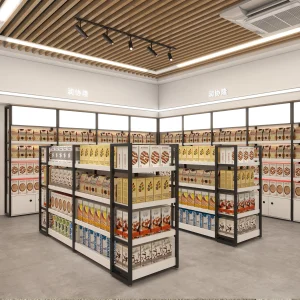
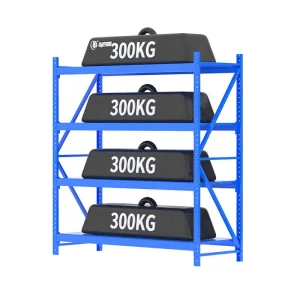
Explore our foundational range of highly durable storage, retail display, and heavy-duty logistics systems engineered to maximize space and efficiency.
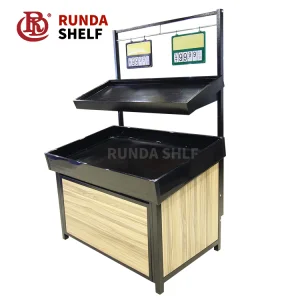
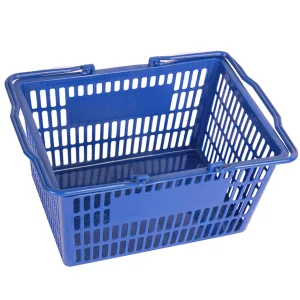
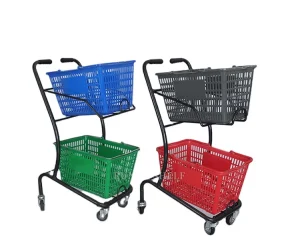
Established in 2014, Nanjing Dulis Warehouse Equipment Co., Ltd. (operating globally under the premium brand DuraRacks) has emerged as an elite, pioneering force in the global industrial racking and heavy-duty warehousing systems sector. Headquartered in Nanjing, the epicentre of China's structural steel production, we have combined over 12 years of industry experience and 9 years of direct export expertise to engineer and deploy high-performance storage environments.
Our state-of-the-art facility encompasses an expansive footprint of 38,000 square meters. Backed by an annual export turnover of $32 million USD, our systems are optimized for heavy load thresholds, high seismic stability, and maximum spatial efficiency. From high-capacity selective pallet racking to cold storage layouts and highly integrated automated storage retrieval systems (AS/RS), DuraRacks delivers structural peace of mind for the world’s most demanding operations.
Every racking beam, upright, and support frame is subjected to standard industrial testing protocols to ensure maximum load capacities and operational safety.
DuraRacks works in direct alignment with international warehouse safety and structural regulations, including European FEM 10.2.02, Australian AS4084-2012, and American RMI standards. Our QA division of 45 certified inspectors ensures raw materials are traceable and mill-certified.
We deploy ultrasonic weld flaw detection, mechanical tensile testers, and cyclic salt spray chambers to prevent oxidation and metal fatigue. This guarantees a safe working life cycle exceeding 15 years under active warehouse operations.
Using structural Finite Element Analysis (FEA) and customized CAD/BIM software, our 68 R&D engineers model seismic responses, dynamic live load distributions, and deflection indices (L/200 limits) before any metal is cold-rolled.
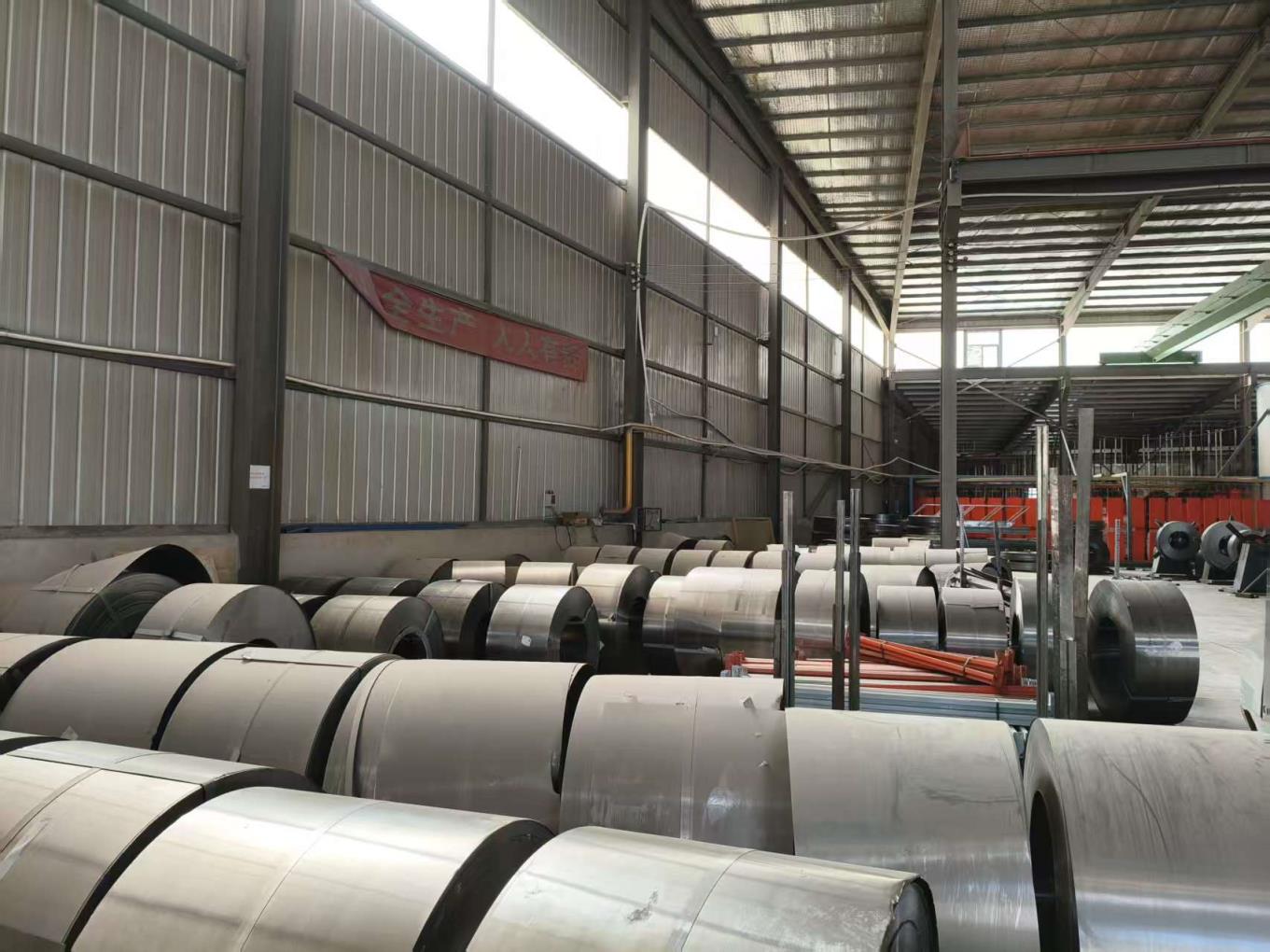
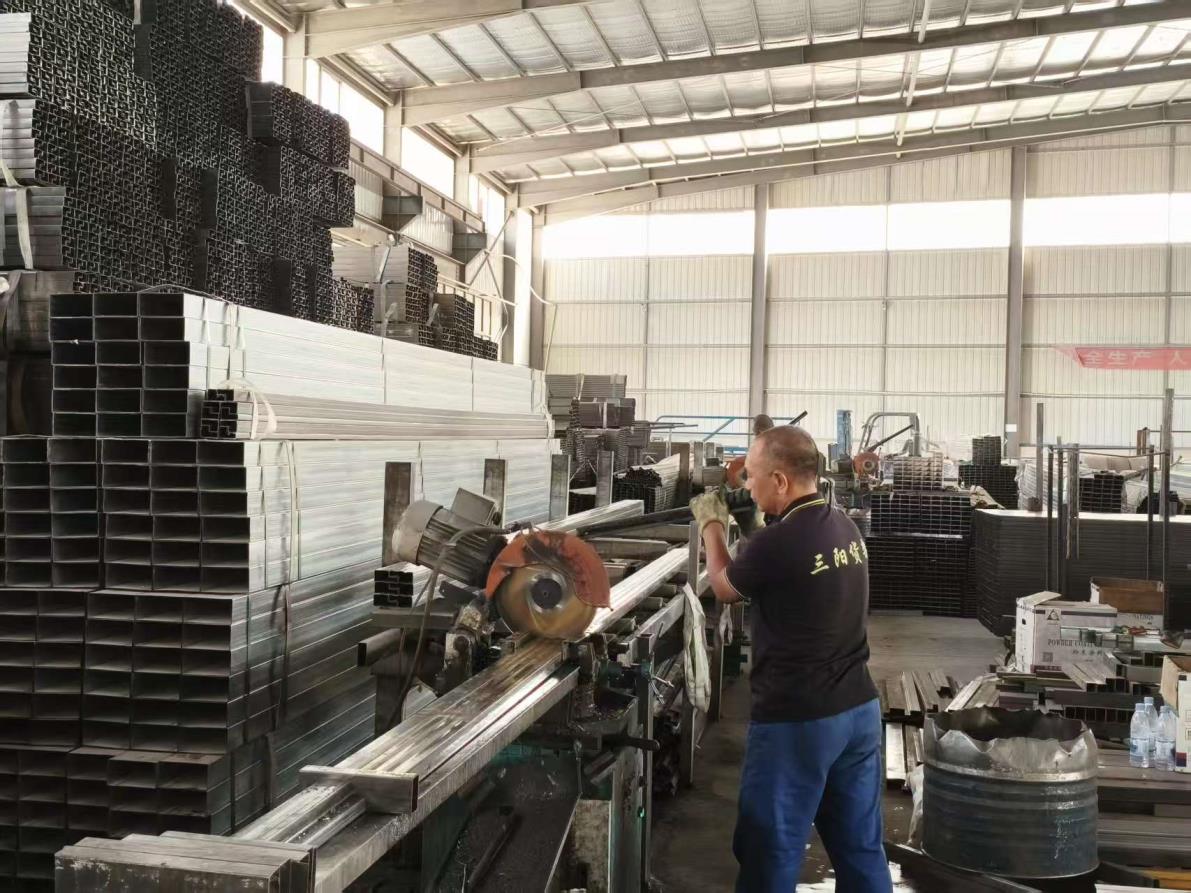
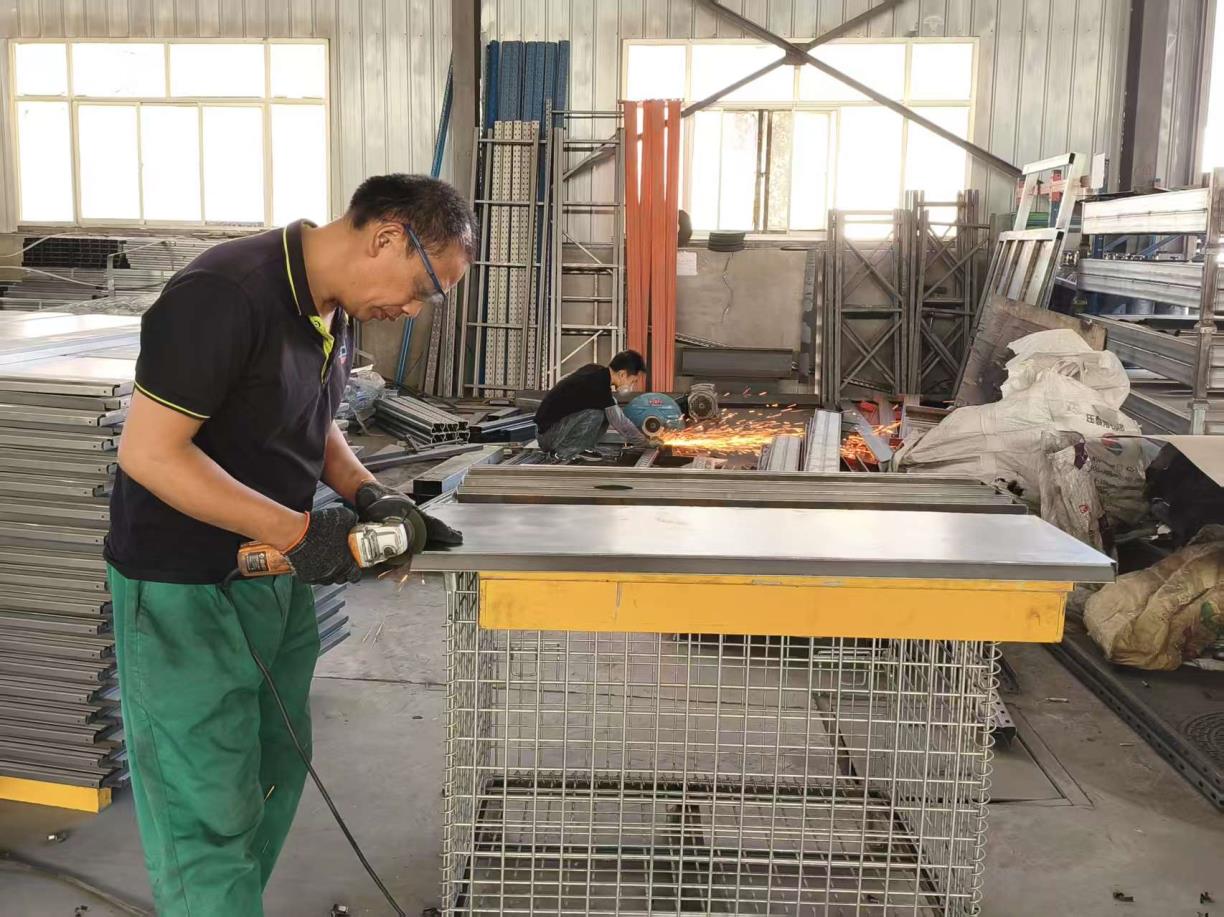
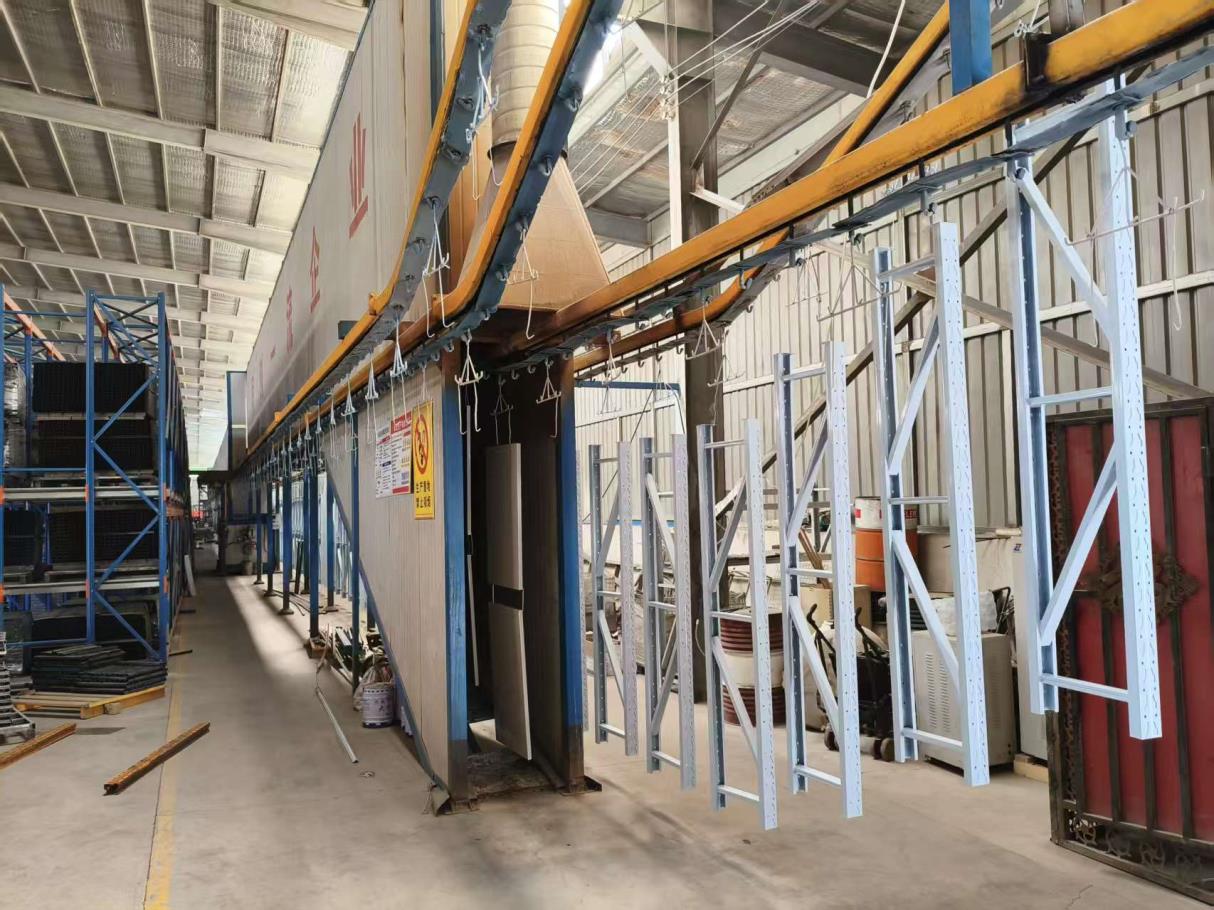
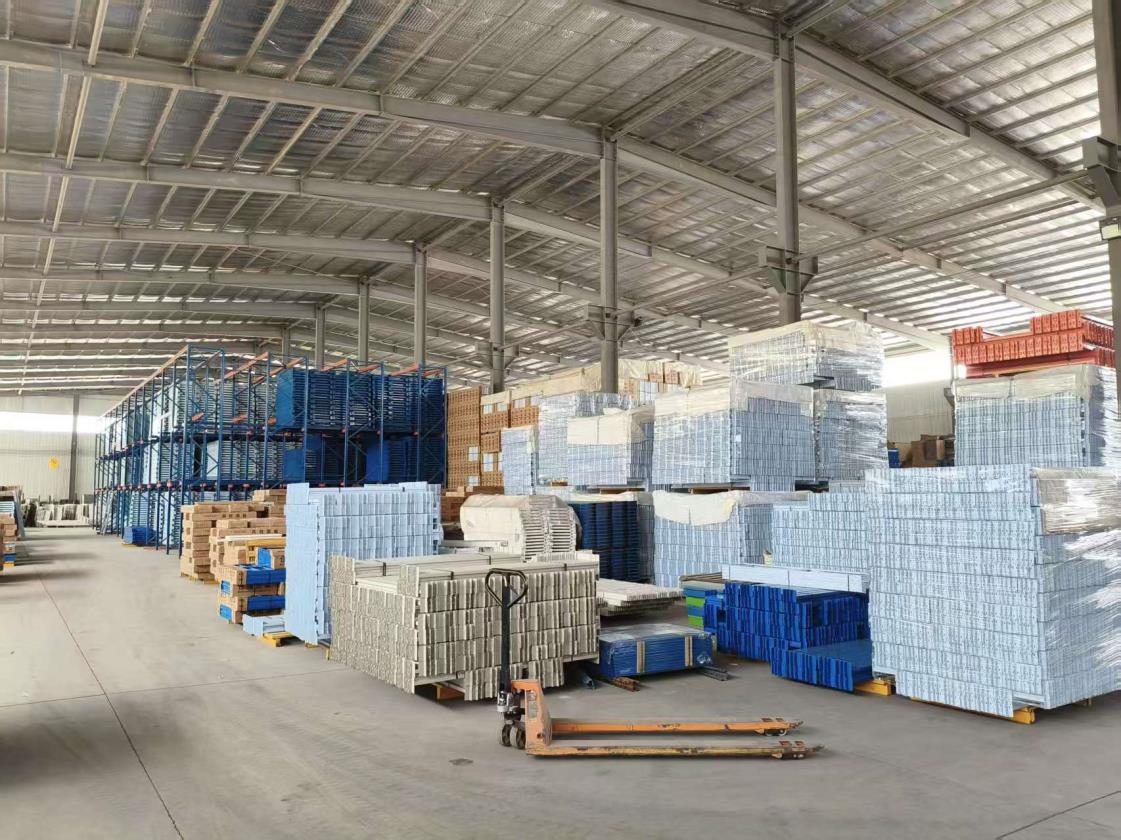
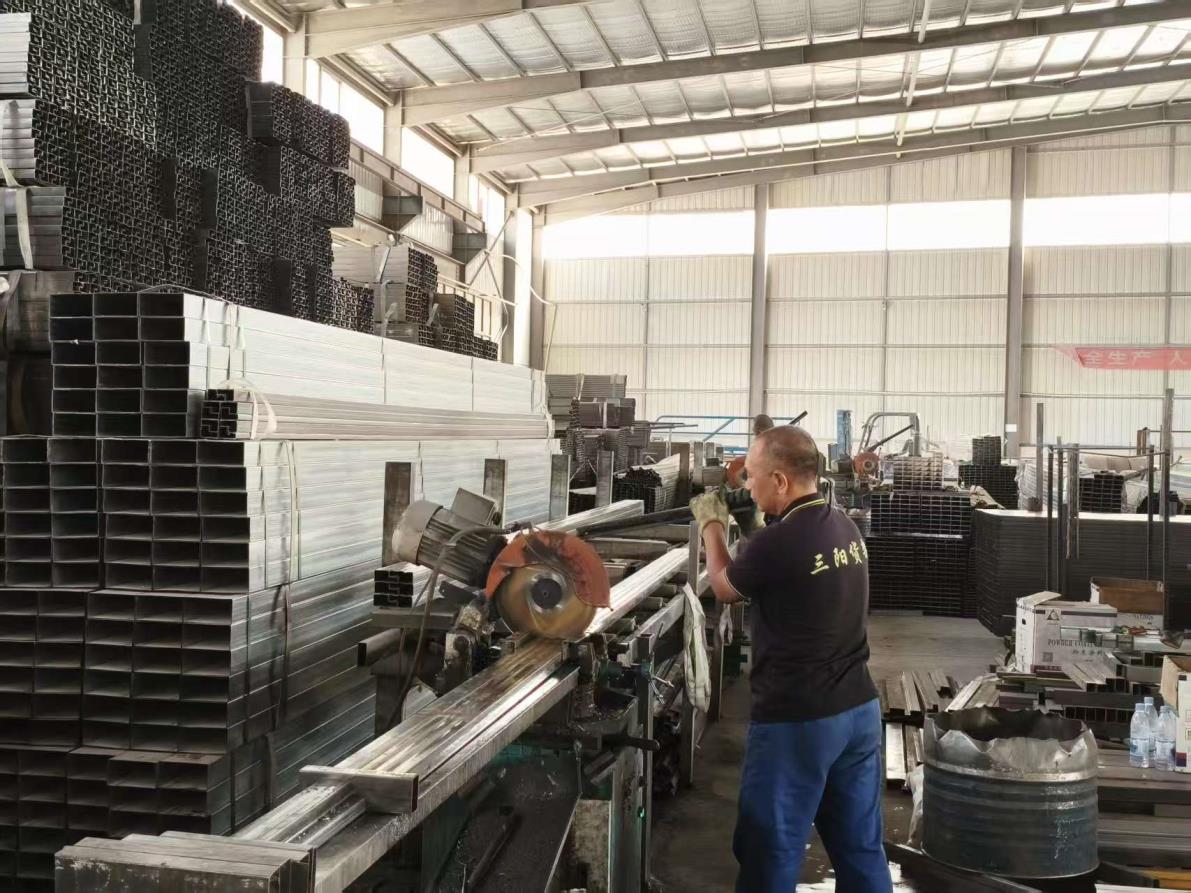
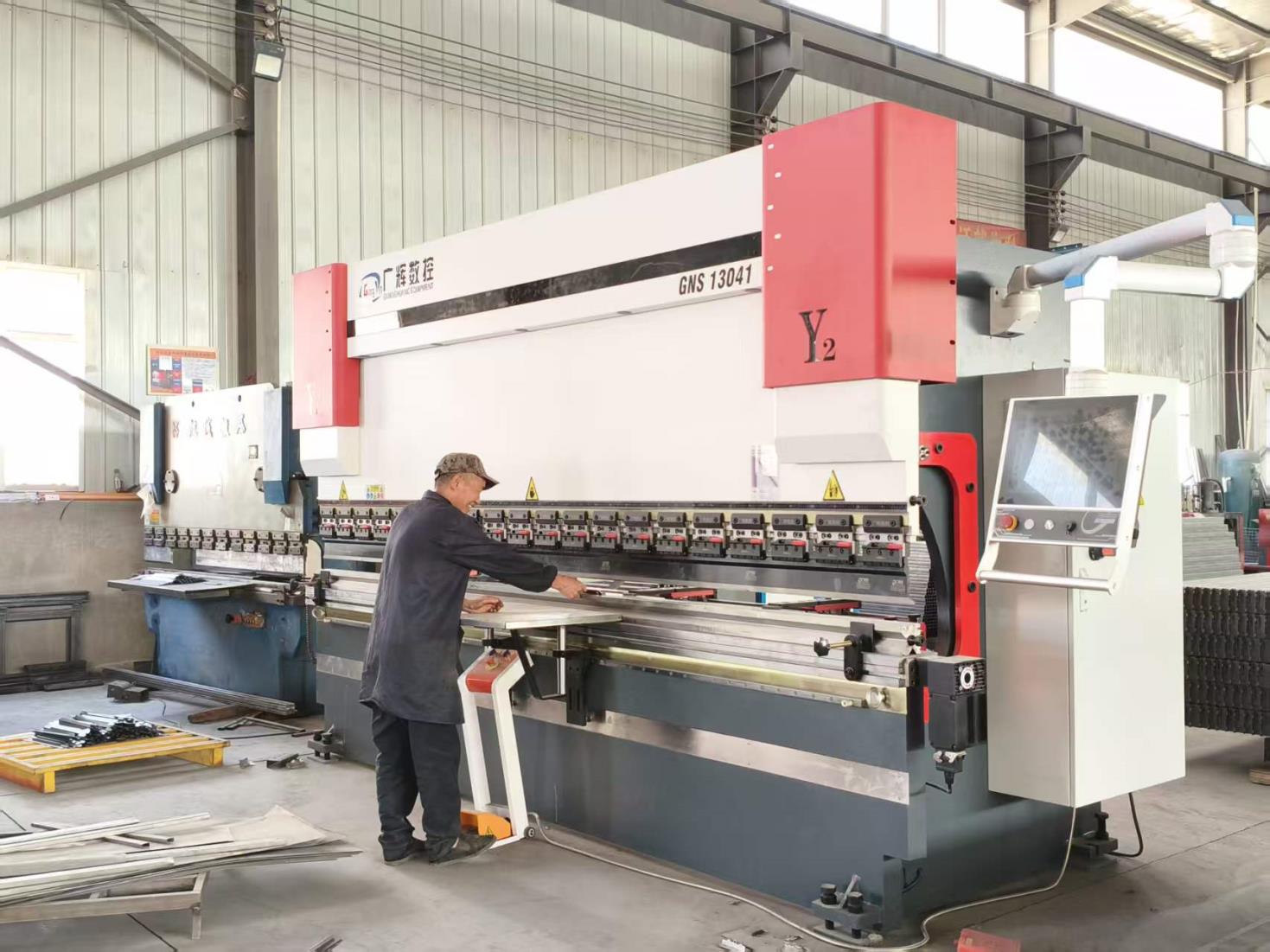
Our heavy-duty steel processing steps utilize automation to maintain minimal tolerance limits, uniform paint finishes, and high-strength weld joins.
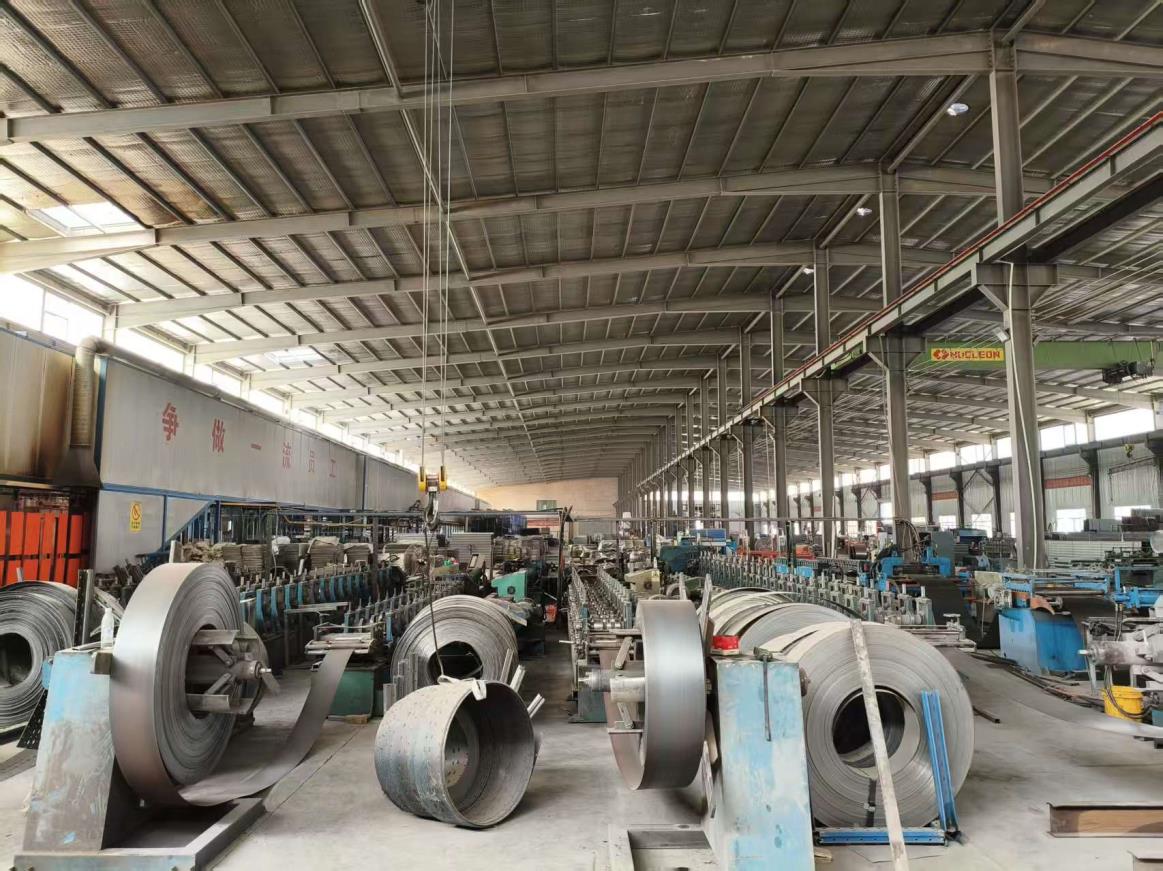
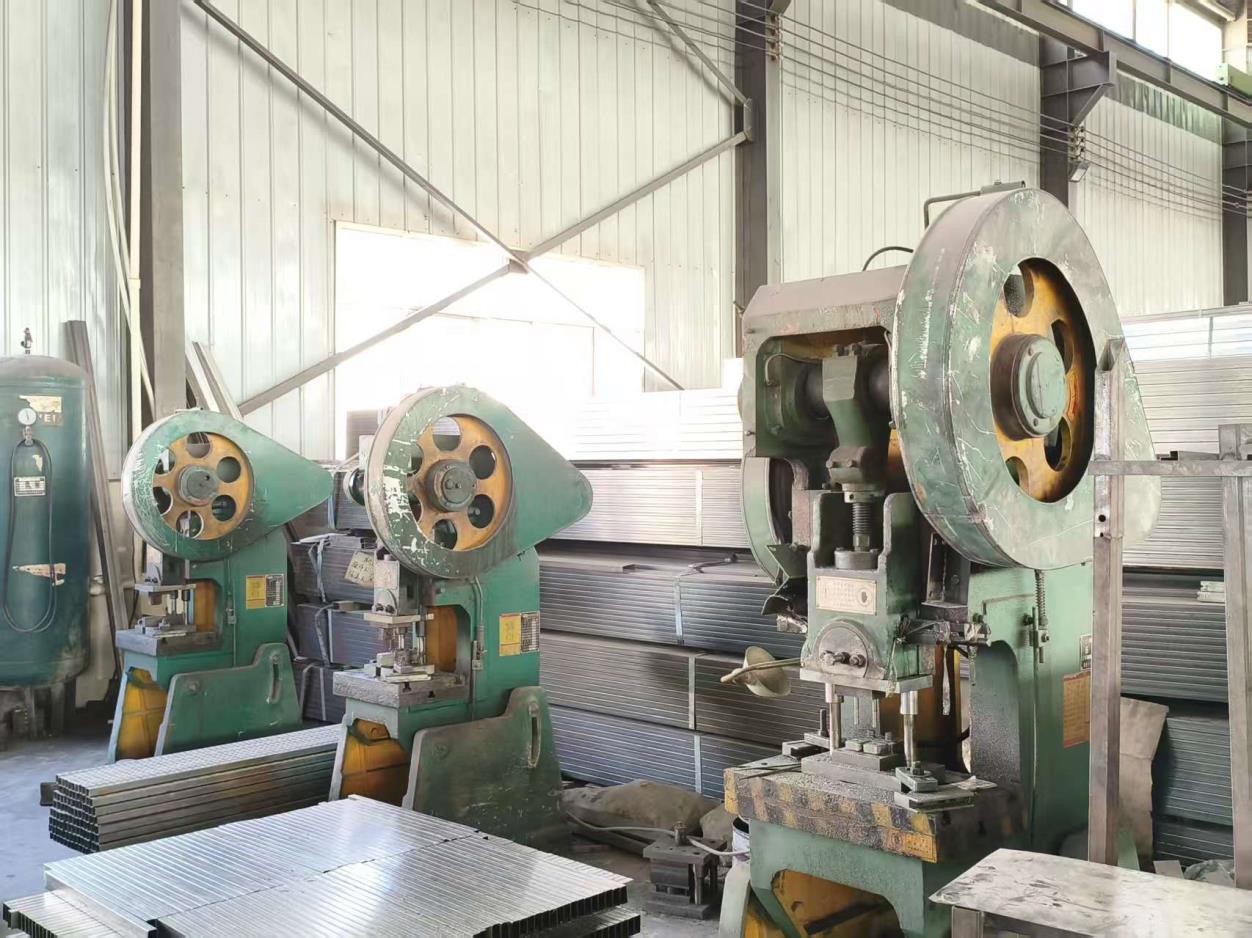
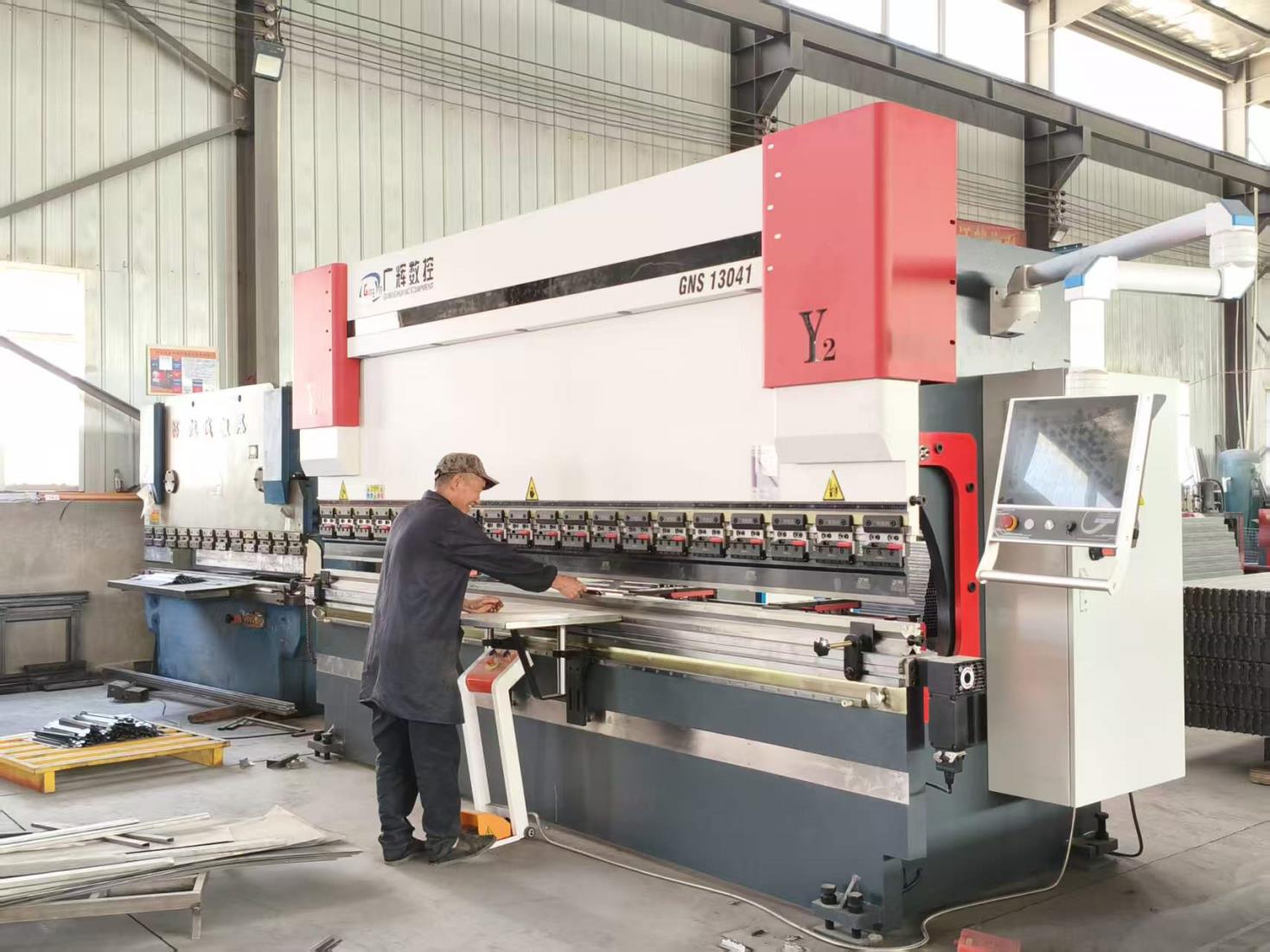
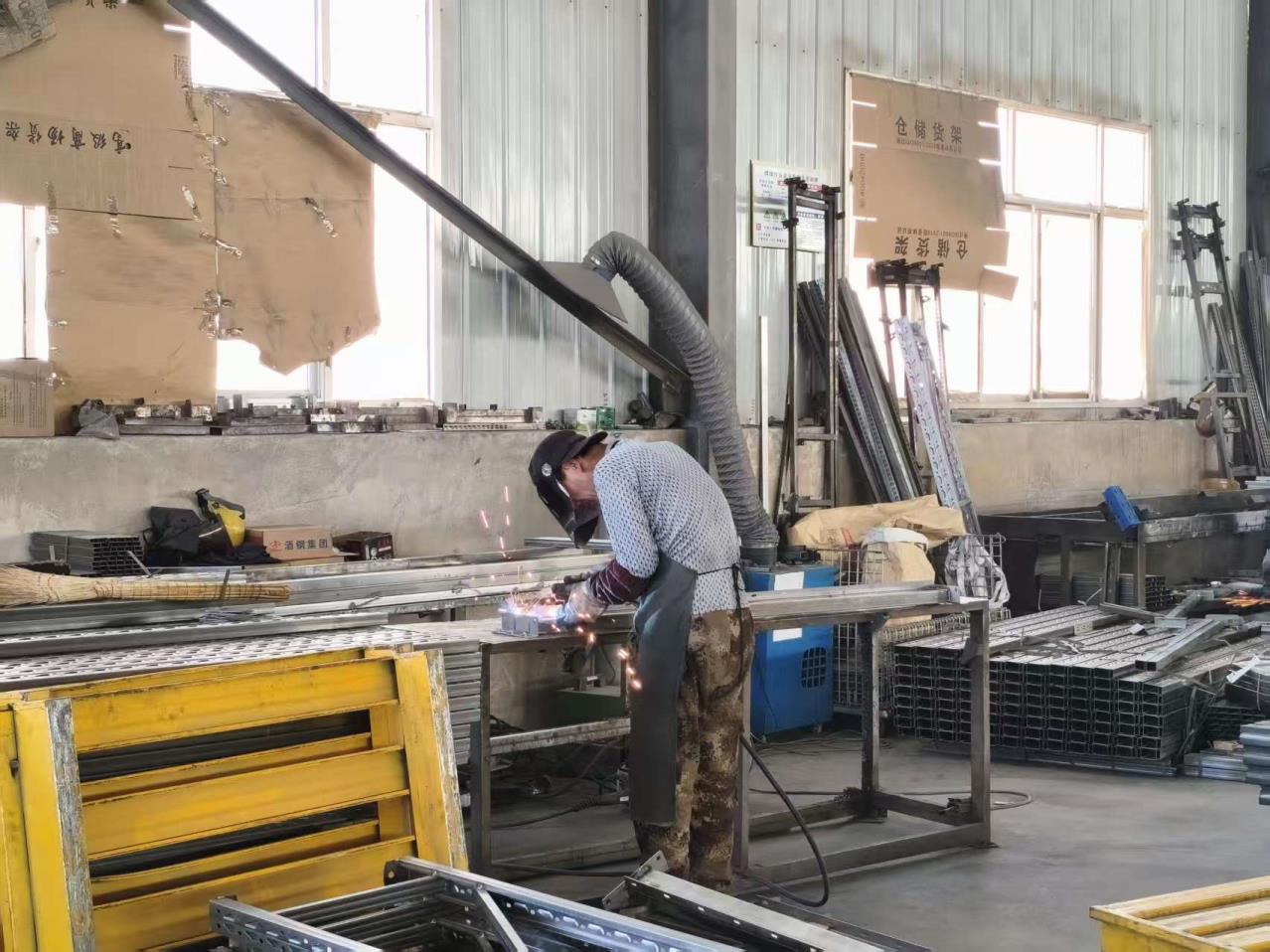
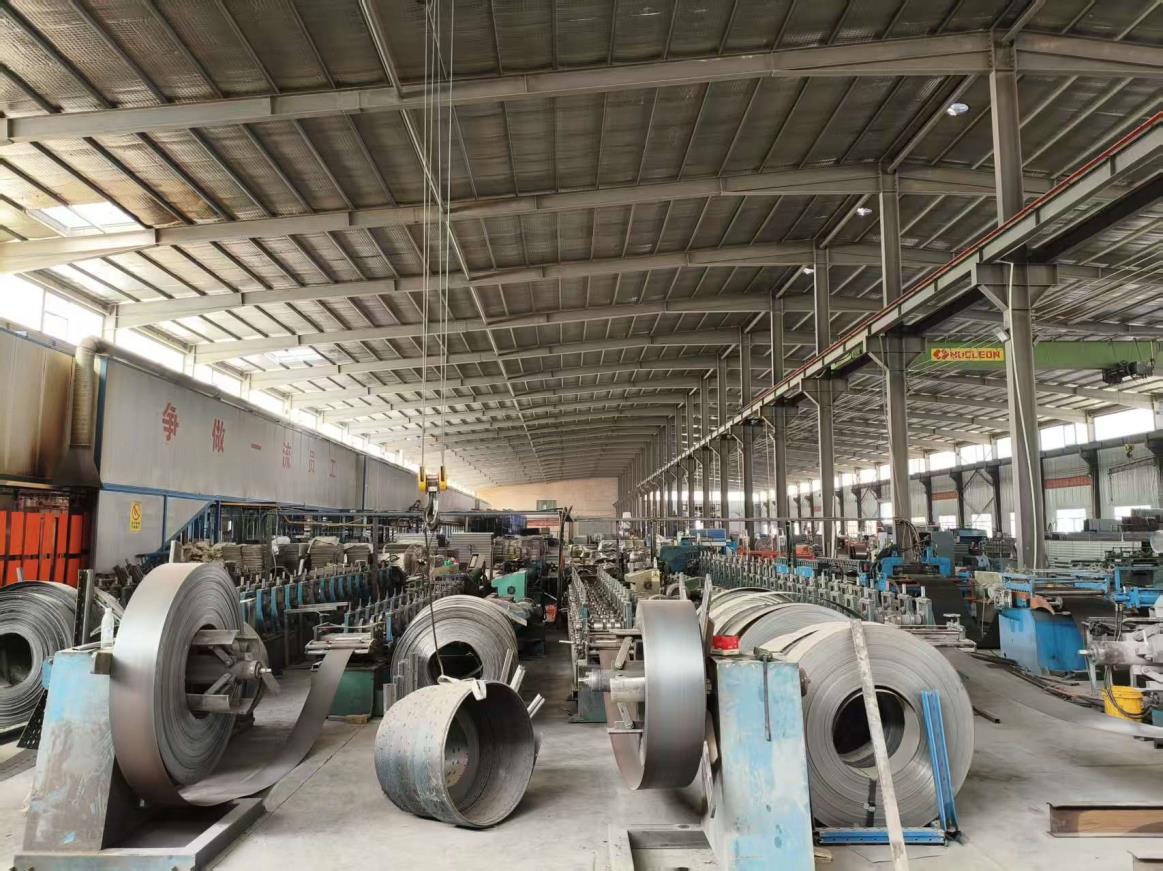
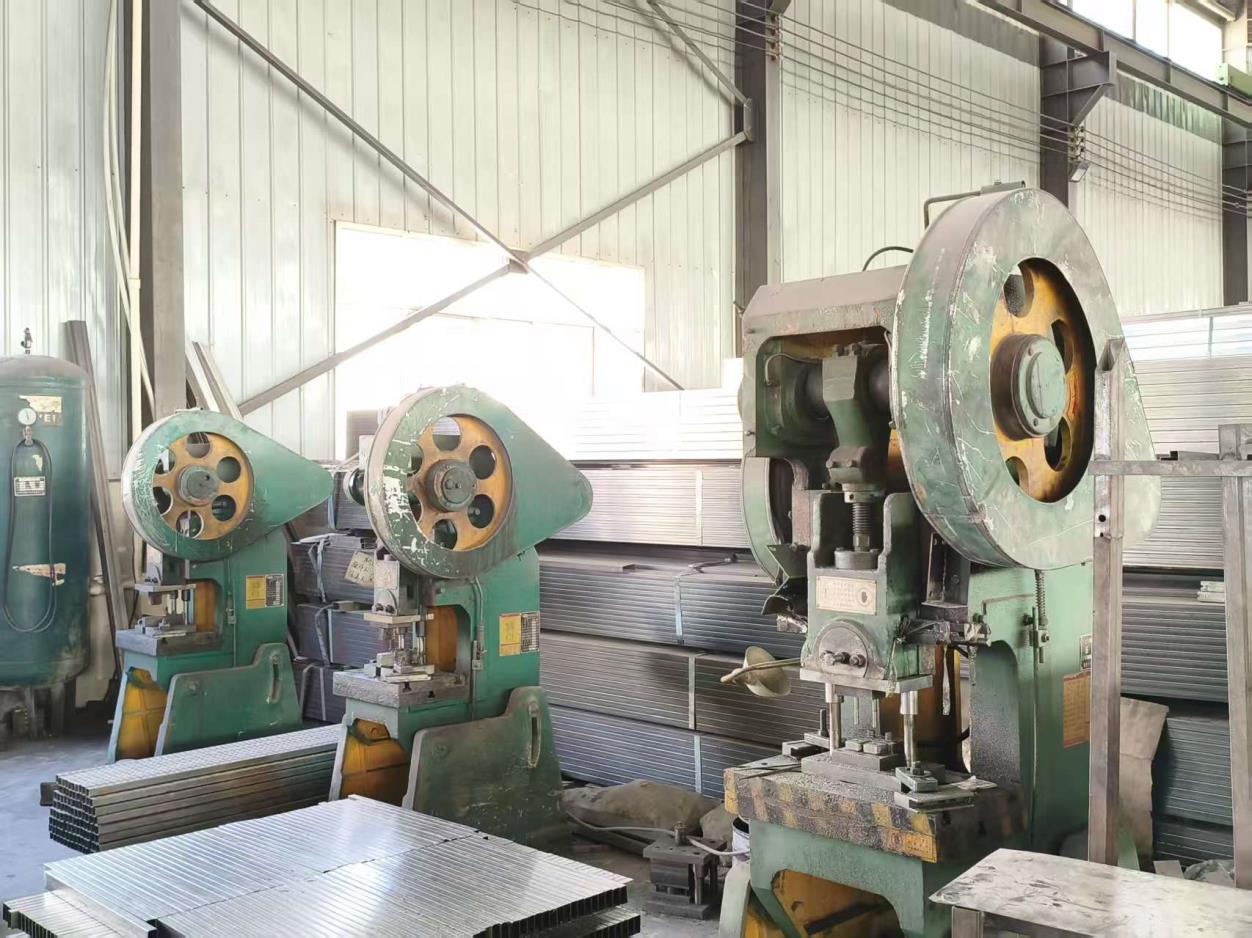
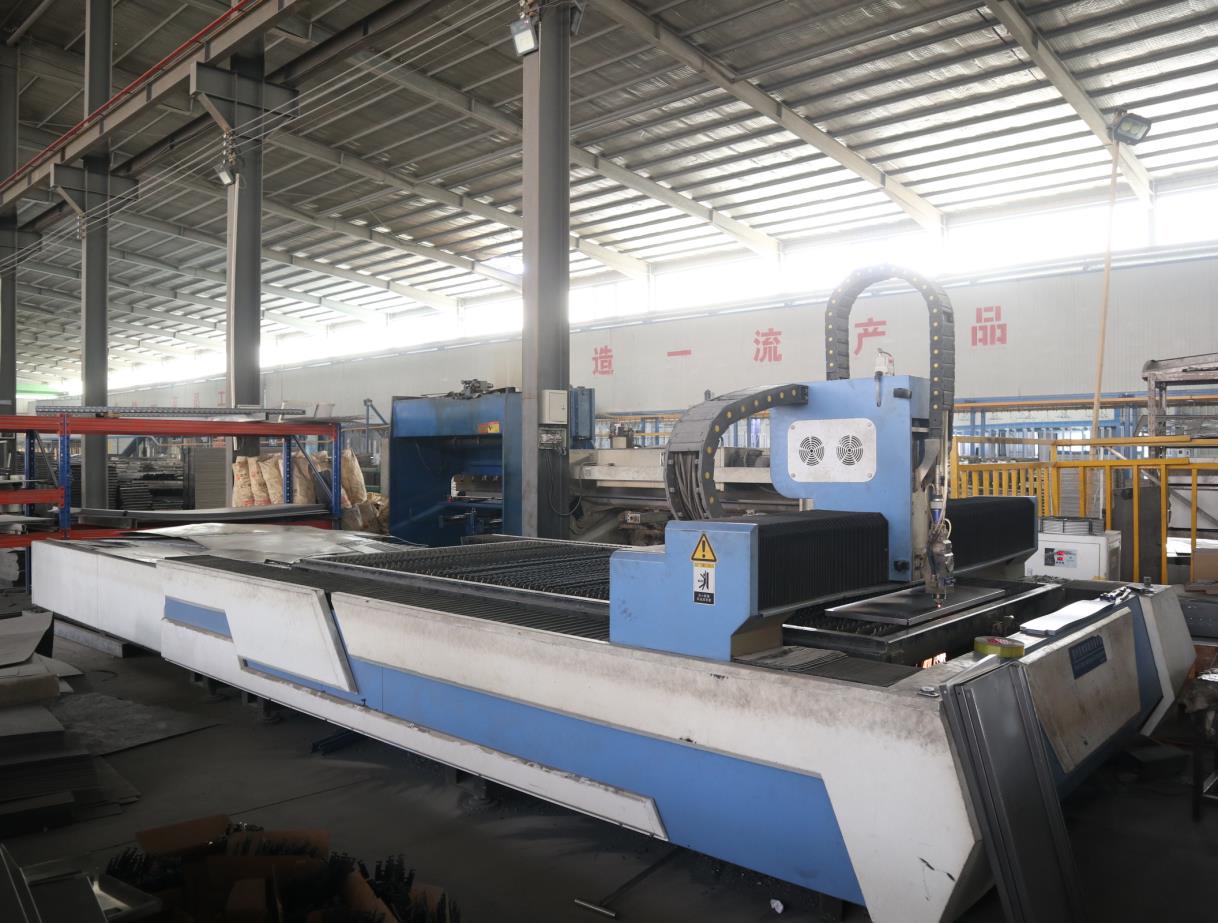
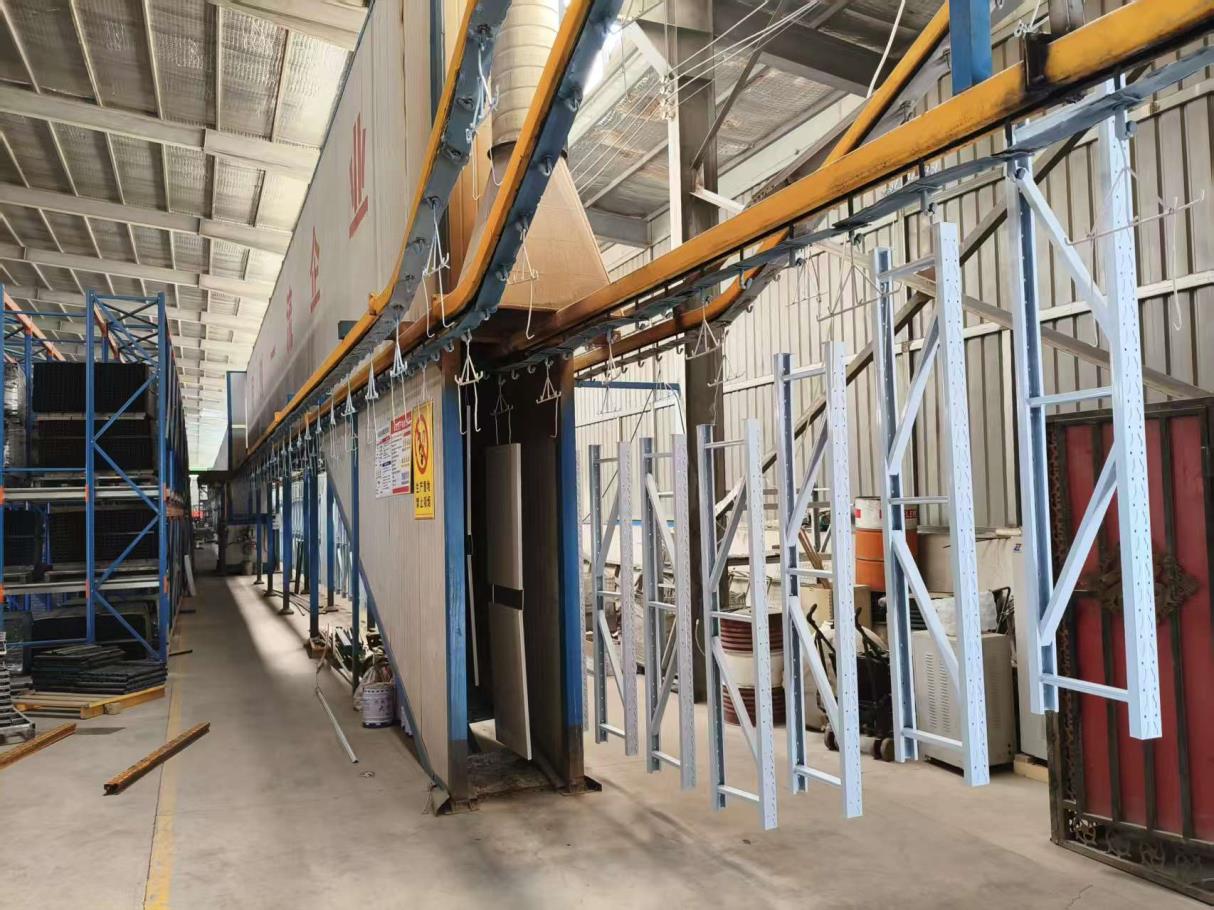
Why modern logistics systems sourced from Chinese high-precision clusters offer unique financial and physical resilience.
For logistics managers and industrial plant directors globally, sourcing racking systems involves balancing capital expenditure with uncompromising safety requirements. Chinese industrial clusters, particularly the Nanjing steel manufacturing zone, offer distinct advantages. Due to a highly integrated upstream supply chain, manufacturers have immediate access to certified structural carbon steel grades like Q235B and Q355B, reducing raw-material freight costs and stabilizing production lead times.
Furthermore, the deployment of advanced robotics in cutting, punching, and welding minimizes physical defects while maintaining tight dimensional tolerances. These continuous automation upgrades ensure that multi-tier storage systems are produced with consistent quality. Additionally, established hubs benefit from nearby deep-water ports (such as Shanghai or Ningbo), optimizing international shipping routes and streamlining custom clearances.
By working directly with direct-export manufacturers like DuraRacks, buyers bypass intermediary traders. This direct relationship secures factory-direct prices, customizable finishes (including hot-dip galvanization and custom powder coatings), and structural layout modifications tailored to local seismic zones.
| Core Parameter | Chinese Manufacturing Advantage (DuraRacks) | Conventional Western Sourcing |
|---|---|---|
| Raw Material Access | Direct mill integration, continuous Q235B & Q355B steel supply | Subject to localized trade tariffs and material shortages |
| Customization Capabilities | In-house CAD/BIM structural adjustments at no extra engineering cost | High engineering overhead fees per modification |
| Lead Time Coordination | 4-6 weeks from initial FEA structural sign-off to container loading | Often 12-16 weeks due to fragmented material components |
| Price-to-Performance Ratio | High optimization due to automated assembly lines and low wastage | Higher overhead, leading to inflated per-pallet-position costs |
Addressing the specific operational challenges of logistics managers, 3PL hubs, and heavy manufacturing sites.
Modern distribution facilities are continuously tasked with expanding inventory capacities without expanding their physical building footprints. Sourcing high-capacity pallet systems requires careful calculation of dynamic warehouse loads, material flow, and vehicle handling clearance.
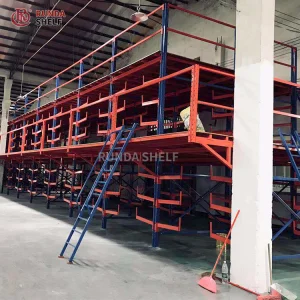
Whether implementing drive-in systems for high-density storage or multi-tier mezzanine racks for e-commerce, matching storage layouts with specific load characteristics is vital. Industrial engineers must account for slab floor capacities, pallet weights, forklift reach limitations, and standard overhead fire suppression clearances.
At DuraRacks, our design philosophy prioritizes product protection and human safety. Every structural configuration is modeled to withstand forklift impacts, uneven load placement, and localized seismic forces.
The transformation of modern warehousing from static steel shelving into responsive digital systems.
Integration of warehouse racking structures with high-speed crane and shuttle components, requiring tight tolerance limits (+/- 1mm) to prevent mechanical jams.
Special structural steels designed to perform in sub-zero temperatures (down to -30°C) without losing ductility or developing micro-cracks under load.
Transitioning to heavy metal-free powder coatings that release zero VOCs during manufacturing, supporting corporate carbon-neutrality initiatives.
Utilizing Building Information Modeling (BIM) to export storage systems directly into digital layouts, streamlining predictive maintenance cycles.
Technical answers to common questions raised during global B2B procurement evaluations.
A: Q235B and Q355B are carbon structural steel grades defined by Chinese National Standards (GB). The key difference is their yield strength. Q235B has a yield strength of 235 MPa, making it suitable for light to medium-duty racking systems. Q355B has a yield strength of 355 MPa, which is selected for heavy-duty storage configurations, high-rise pallet setups, and seismic locations.
A: Racking deflection refers to the temporary bending of structural beams under load. Industry standards (like FEM and RMI) recommend that deflection should not exceed 1/200th of the span width (L/200). For a 2700mm beam, the maximum allowable deflection is 13.5mm. Exceeding this threshold can lead to metal fatigue, dropped inventory, and unsafe operating conditions.
A: Cold storage environments exhibit high moisture levels, temperature swings, and condensation. Standard powder coatings can chip, trapping moisture underneath and causing hidden rust. Hot-dip galvanizing bonds a zinc-iron alloy layer to the steel, protecting it from corrosion even under constant sub-zero temperatures.
A: We gather localized seismic data (such as Ss and S1 spectral acceleration coefficients) and soil classifications from local construction codes. Our engineering department runs Finite Element Analysis (FEA) models to determine the required upright thickness, baseplate size, and floor anchor configuration for seismic stability.
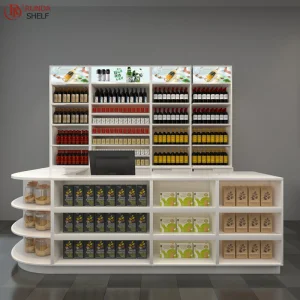
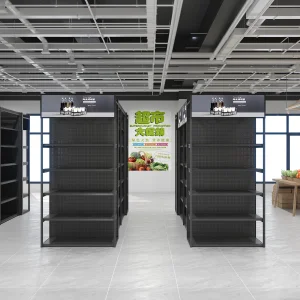
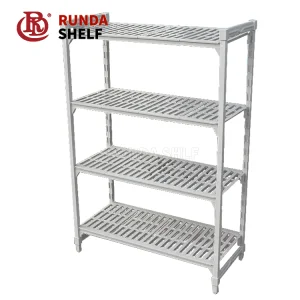
Explore our core selection of heavy-duty industrial shelving, multi-level storage combinations, and retail display components.
 DuraRacks