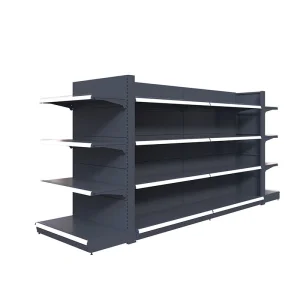
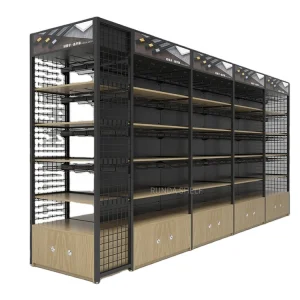
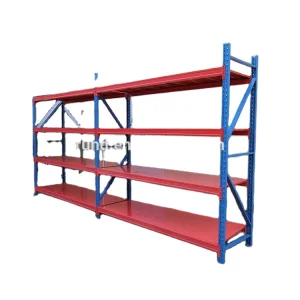
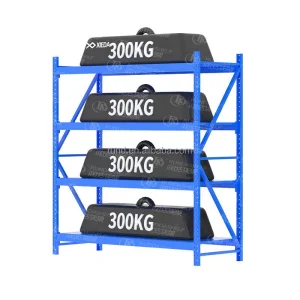
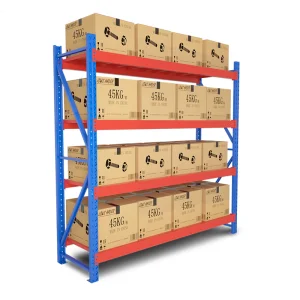
Engineered for high accessibility, durability, and standard compliance. Ideal for retail support and quick-access parts storage.
In the heart of Europe’s logistics corridor, German enterprises face an unprecedented squeeze on commercial and industrial footprints. From the logistics hubs of North Rhine-Westphalia (NRW) to the manufacturing clusters in Baden-Württemberg and Bavaria, the cost of industrial real estate has escalated dramatically. To mitigate these pressures, supply chain architects are shifting focus from horizontal expansion (Flächenerweiterung) to highly optimized vertical volume utilization (Raumausnutzung). This is where Attic Shelves, also known across Germany as Mehrgeschossanlagen, Lagerbühnen, or industrial mezzanines, become a critical structural asset.
Unlike conventional racking, German attic shelving represents a hybrid architectural solution. It transforms unused overhead space into highly productive, multi-tiered platforms. Whether configured for manual parts picking, automated sorting, or heavy-duty machinery placement, these structures must handle complex load distributions. In Germany, where the density of automated guided vehicles (AGVs) and autonomous mobile robots (AMRs) is among the highest globally, attic shelves are no longer passive steel assemblies; they are high-tech interfaces designed for continuous mechanical and human transit.
When specifying an attic shelf for the German market, the calculation of structural deflection (Durchbiegung) is paramount. Under European Standard EN 15512 and FEM regulations, the structural deflection of beams and floor supporting components under full load must not exceed L/200 (where L is the span between columns) for standard storage, and up to L/300 or L/400 when supporting precision machinery or conveyor tracks. Excessive deflection causes structural wear, compromises mechanical automated systems, and presents safety risks to warehouse personnel.
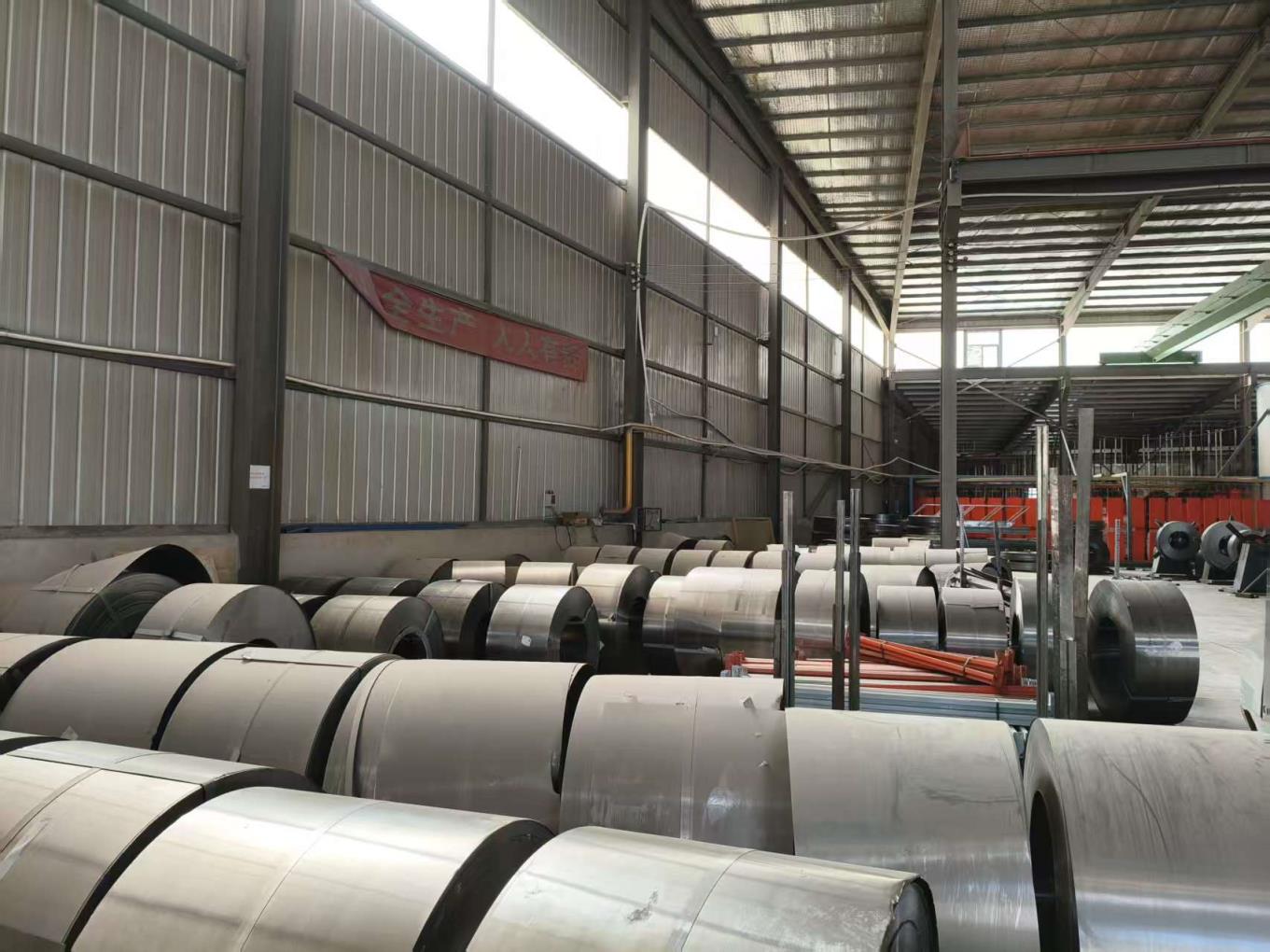
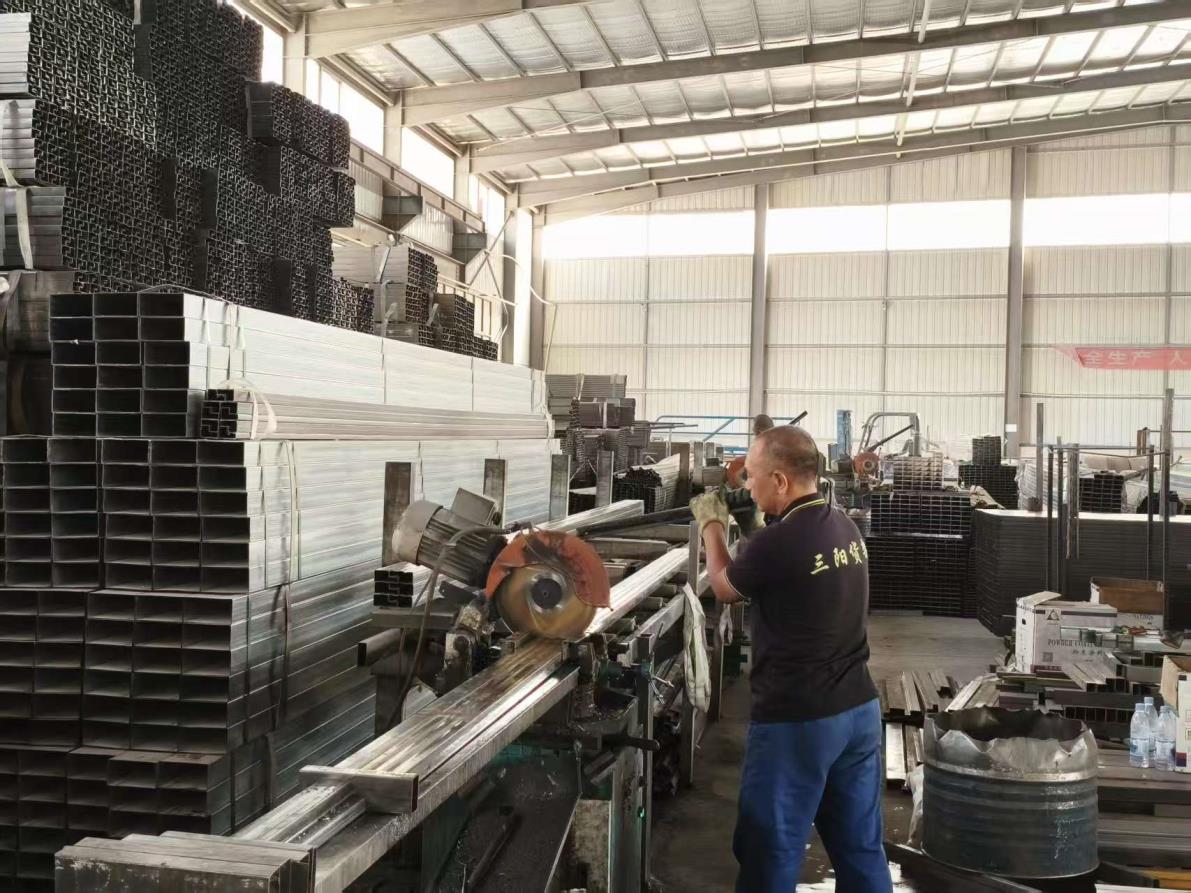
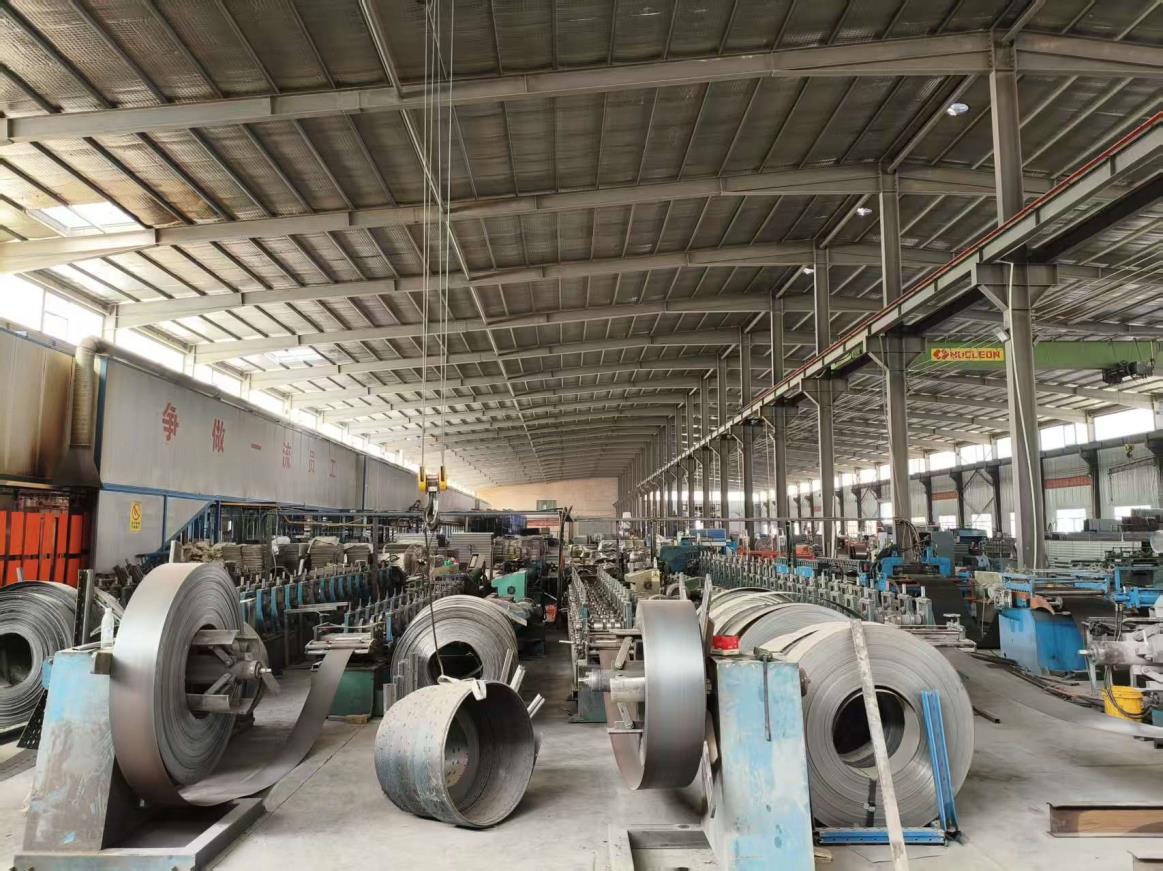
At DuraRacks (Nanjing Dulis Warehouse Equipment Co., Ltd.), we specialize in fabricating attic shelving systems with materials matching and exceeding European standards. The structural integrity starts with raw materials. We primarily use certified Q235B and high-tensile Q355B (equivalent to European S355JR) hot-rolled and cold-formed steel coils. These steel grades are selected for their outstanding yield strength and ductility, ensuring the structure can absorb dynamic stresses under seismic loads (conforming to Eurocode 8).
Floor decking (Bodenbelag) selection determines both functionality and compliance with local German fire codes (Brandschutzvorschriften). Depending on the warehouse setup, DuraRacks offers three main classes of attic decking:
Precision Industrial Rack Manufacturer & Global Exporter with over 12 Years of Industrial R&D and QA Leadership
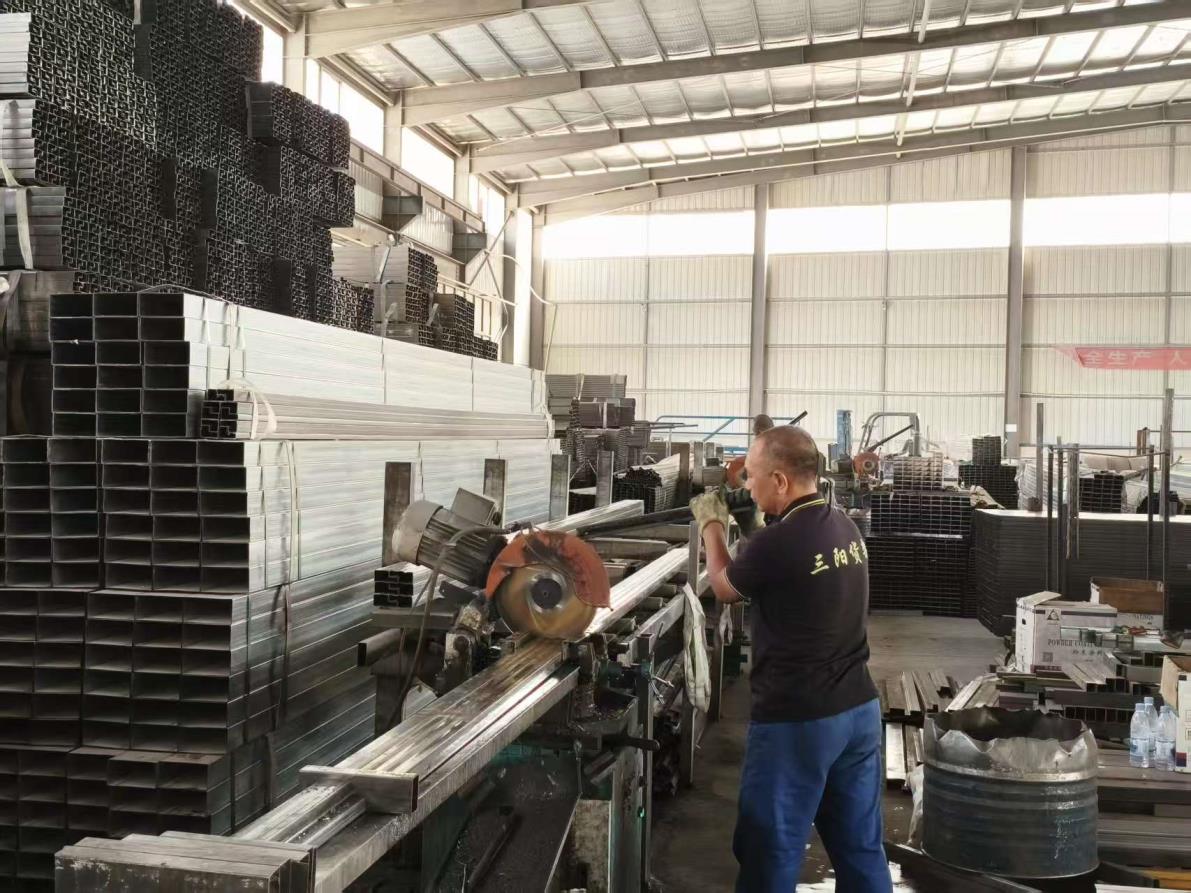
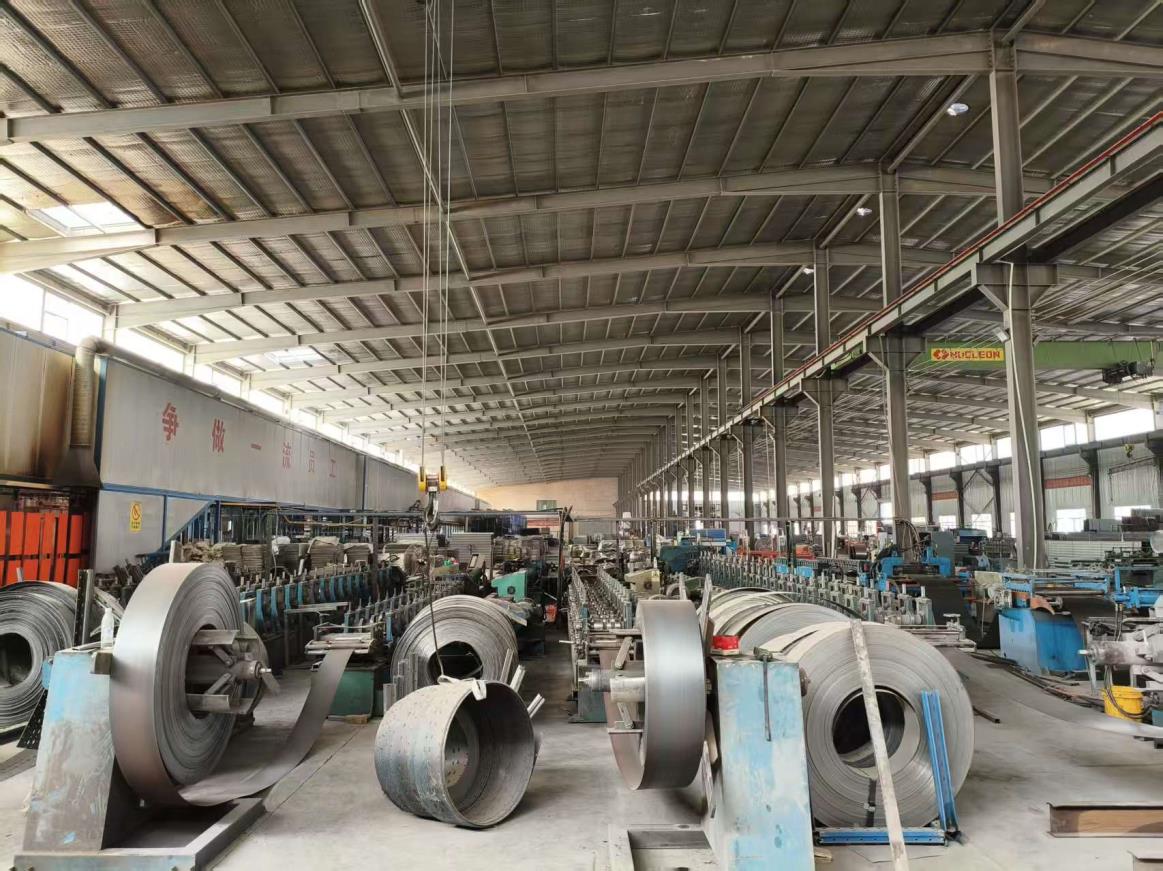
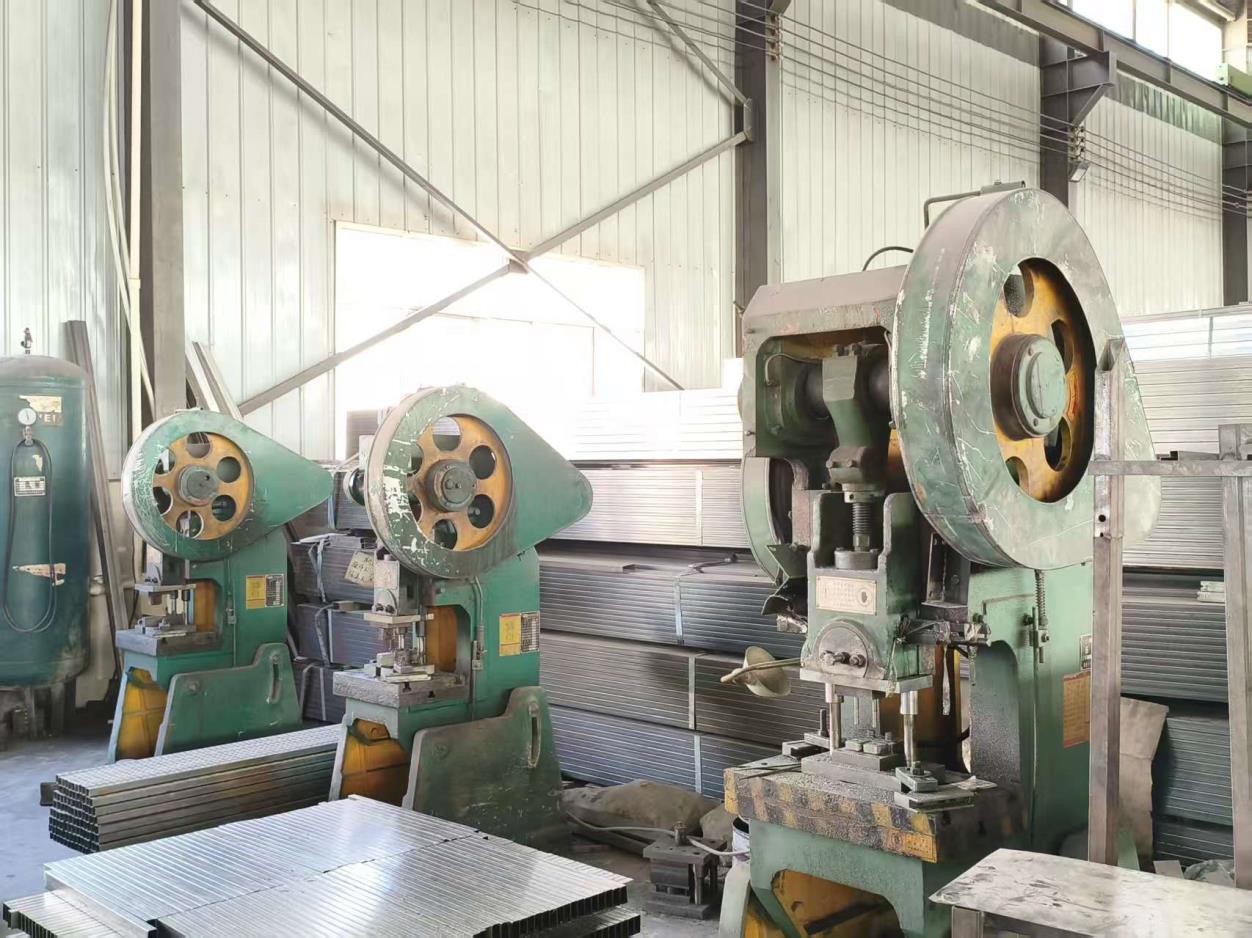
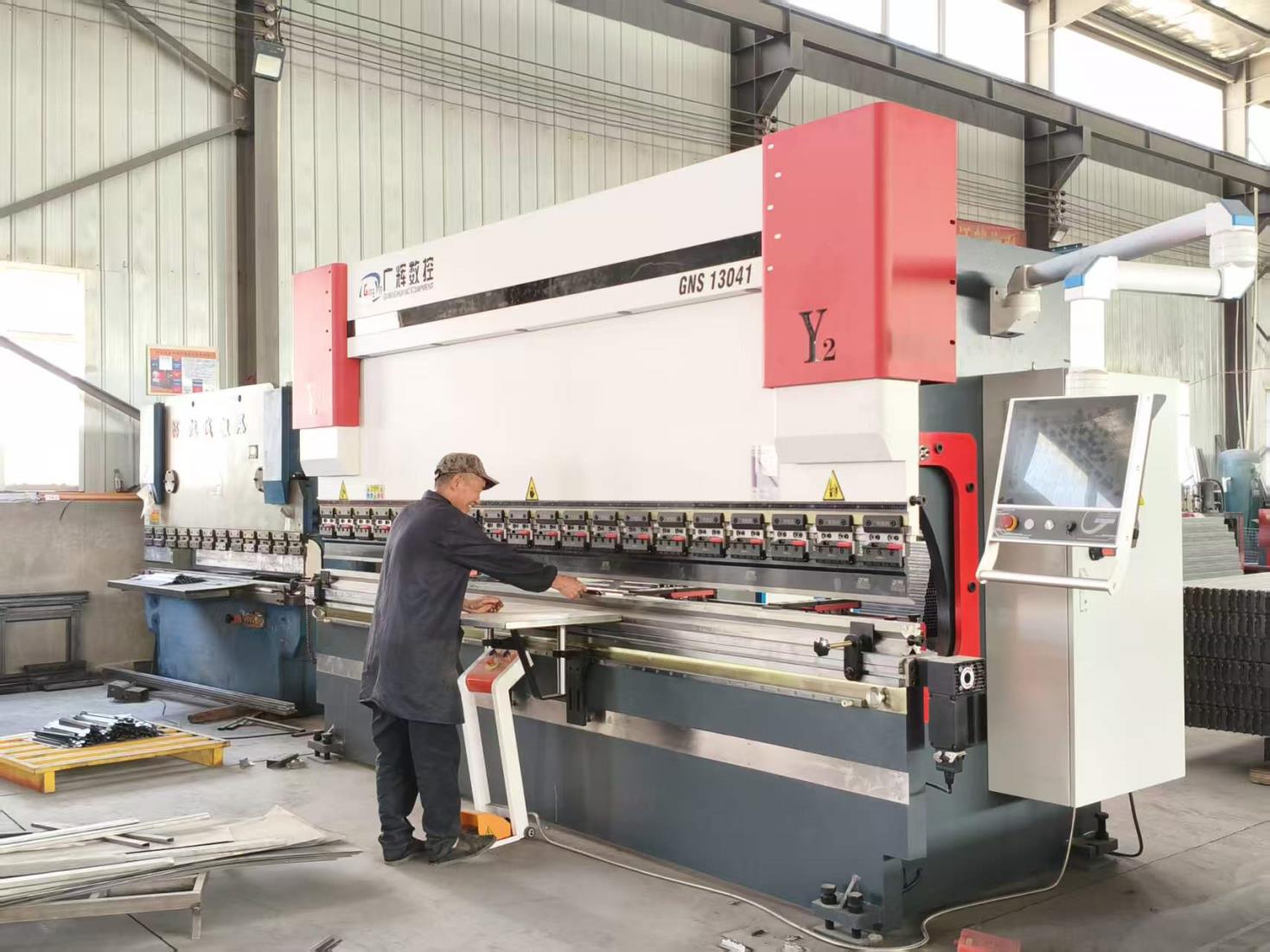
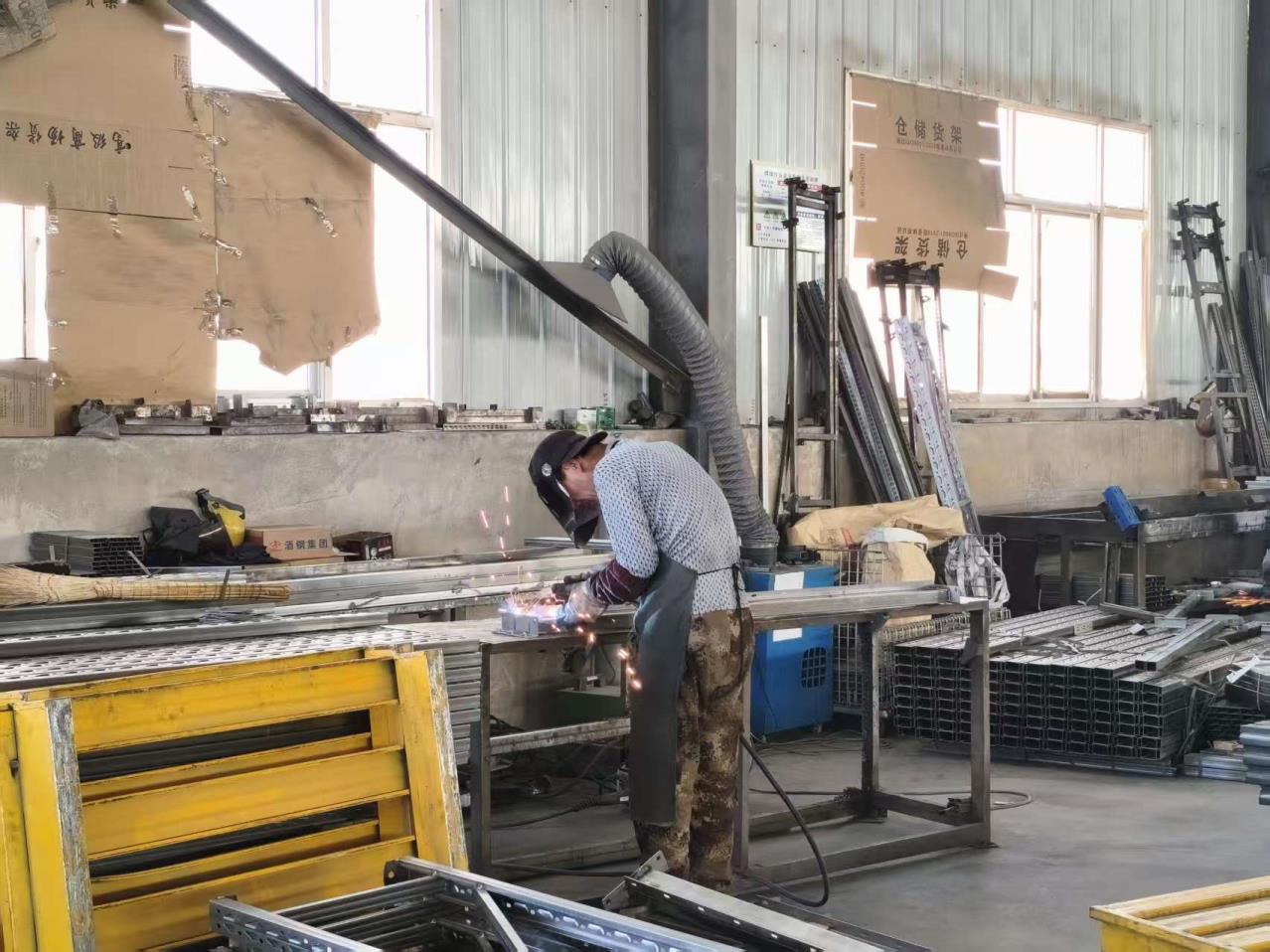
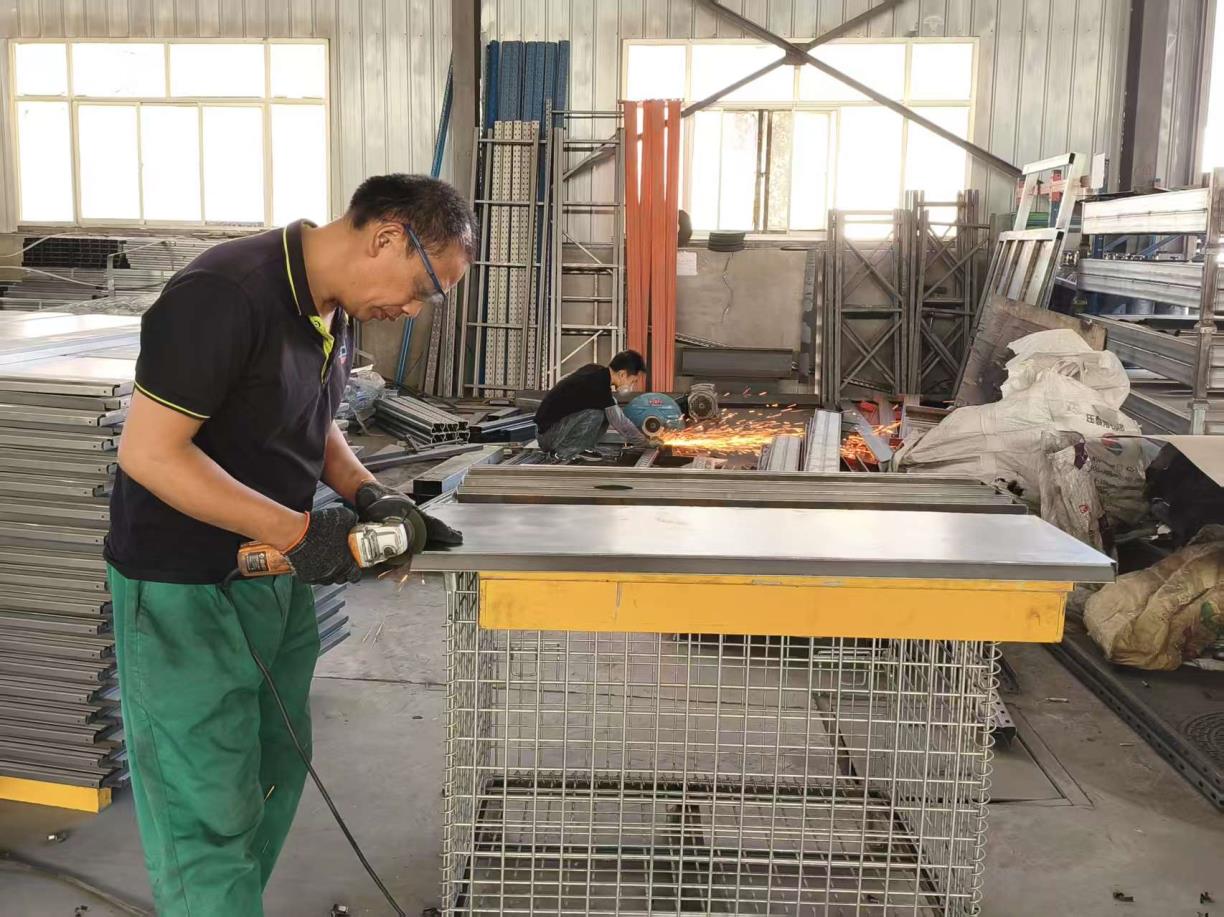
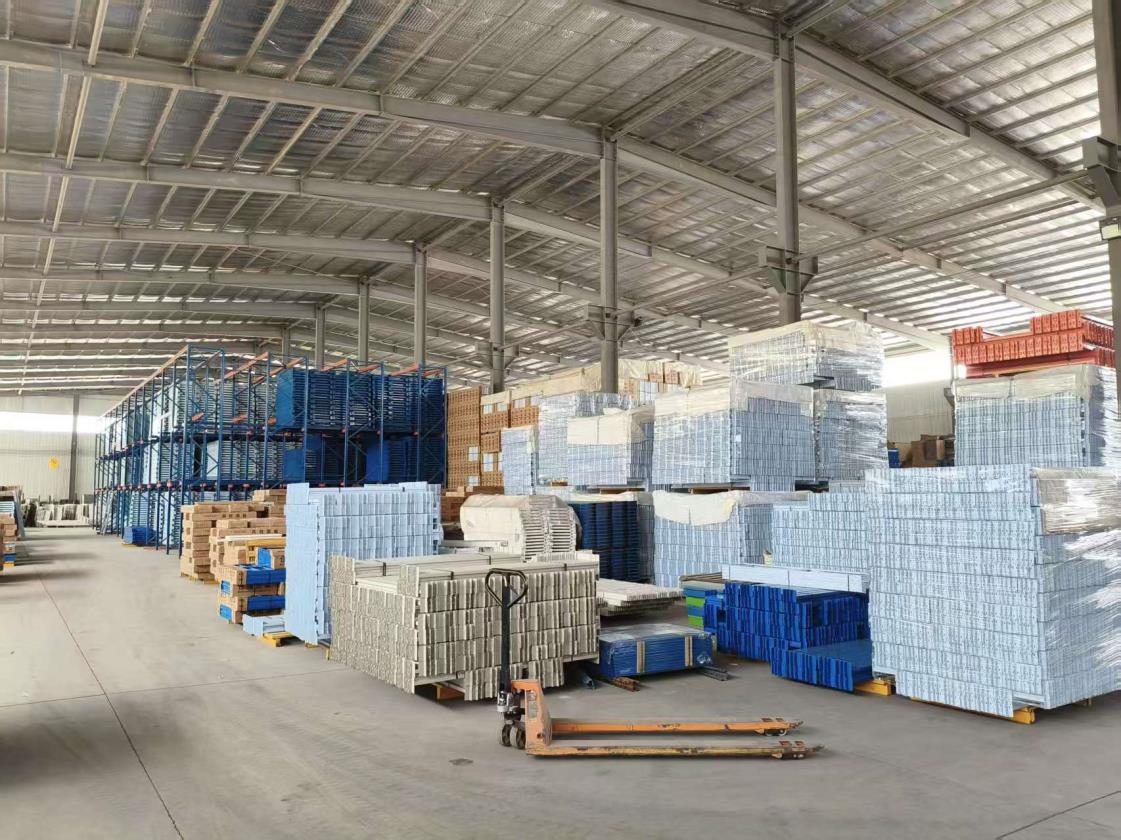
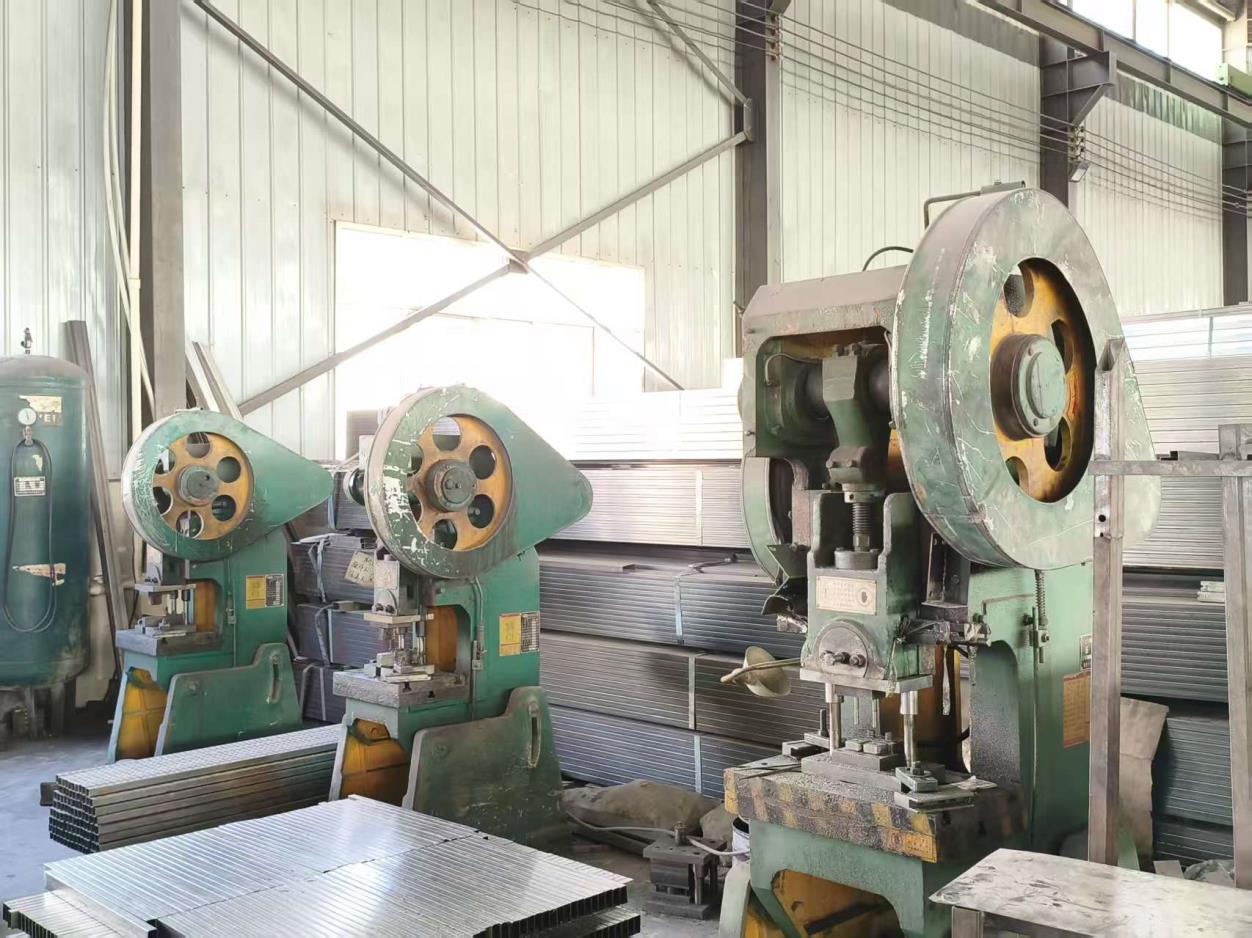
Established in 2014, Nanjing Dulis Warehouse Equipment Co., Ltd. (operating globally under the brand DuraRacks) is a premier industrial rack manufacturer headquartered in Nanjing, China. Boasting over 12 years of industry experience and 9 years of direct export experience, our facility spans a modern industrial building area of 38,000 square meters. We specialize in high-capacity pallet racking, drive-in systems, and automated storage solutions, generating an annual export revenue of $32 million USD.
Quality Assurance & Testing Standards: Quality and structural integrity form the bedrock of our manufacturing philosophy. Our dedicated team of 45 certified QA personnel implements rigorous quality control processes aligned with ISO9001, CE, and FEM standards. Every batch undergoes comprehensive product inspection methods, including ultrasonic weld flaw detection, mechanical tensile testing, static and dynamic load capacity testing, and salt spray corrosion resistance evaluation.
Global Trade & Supply Chain: Supported by a robust network of over 1,200 qualified supply chain partners, DuraRacks operates as an integrated direct-export manufacturer. Our primary overseas markets encompass North America, Western Europe (including extensive project deliveries in Germany), and Australia. We serve a diverse portfolio of client types, primarily catering to 3PL logistics hubs, large-scale e-commerce fulfillment centers, cold storage operations, and heavy industrial manufacturing plants.
R&D & Customization Capabilities: Driven by an experienced team of 68 R&D engineers, DuraRacks delivers advanced structural Finite Element Analysis (FEA) and customized CAD/BIM warehouse layout simulations. We offer full OEM/ODM customization options, tailored seismic load engineering, special powder-coating finishes, and custom beam profile dimensions. Last year alone, our engineering team launched 85 new product innovations and patented racking components, ensuring cutting-edge storage efficiency for our global clientele.
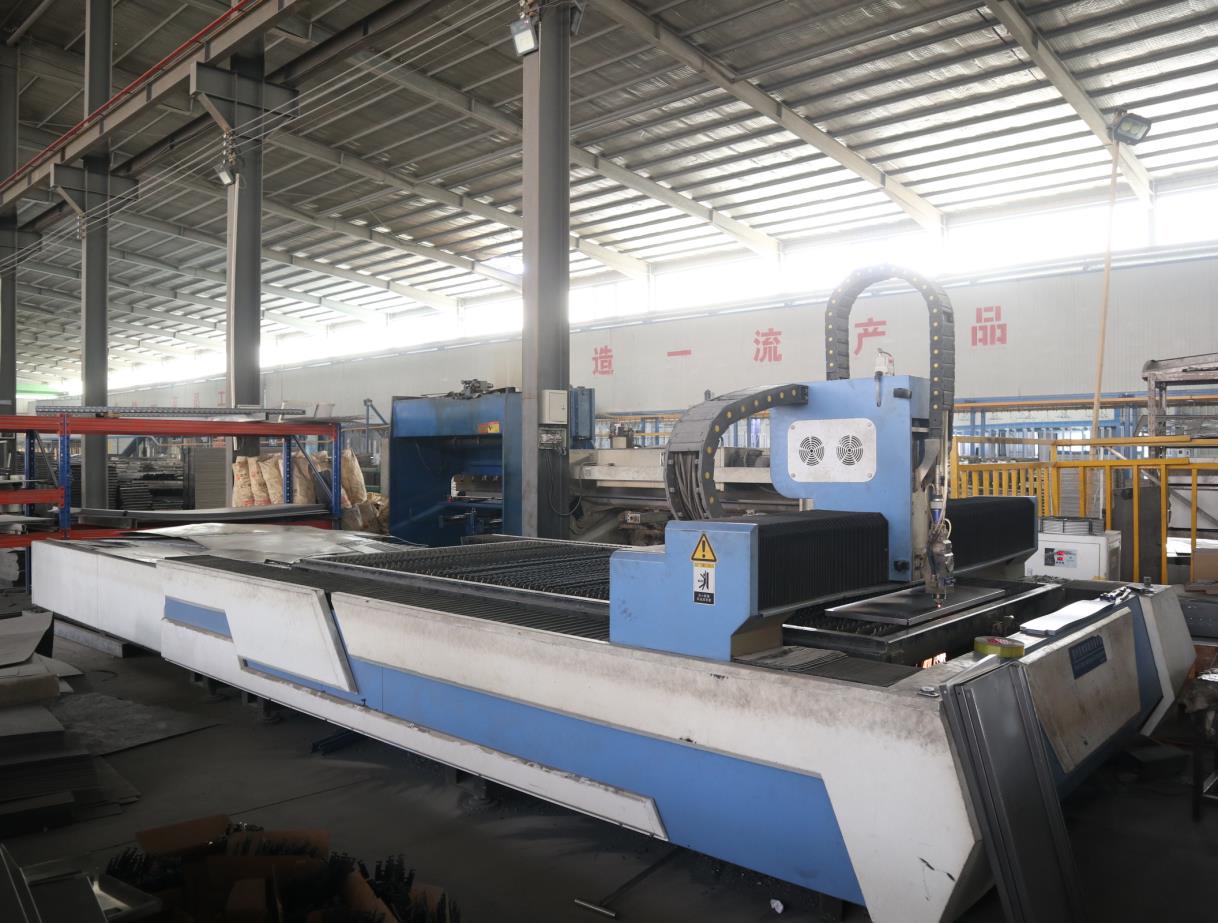
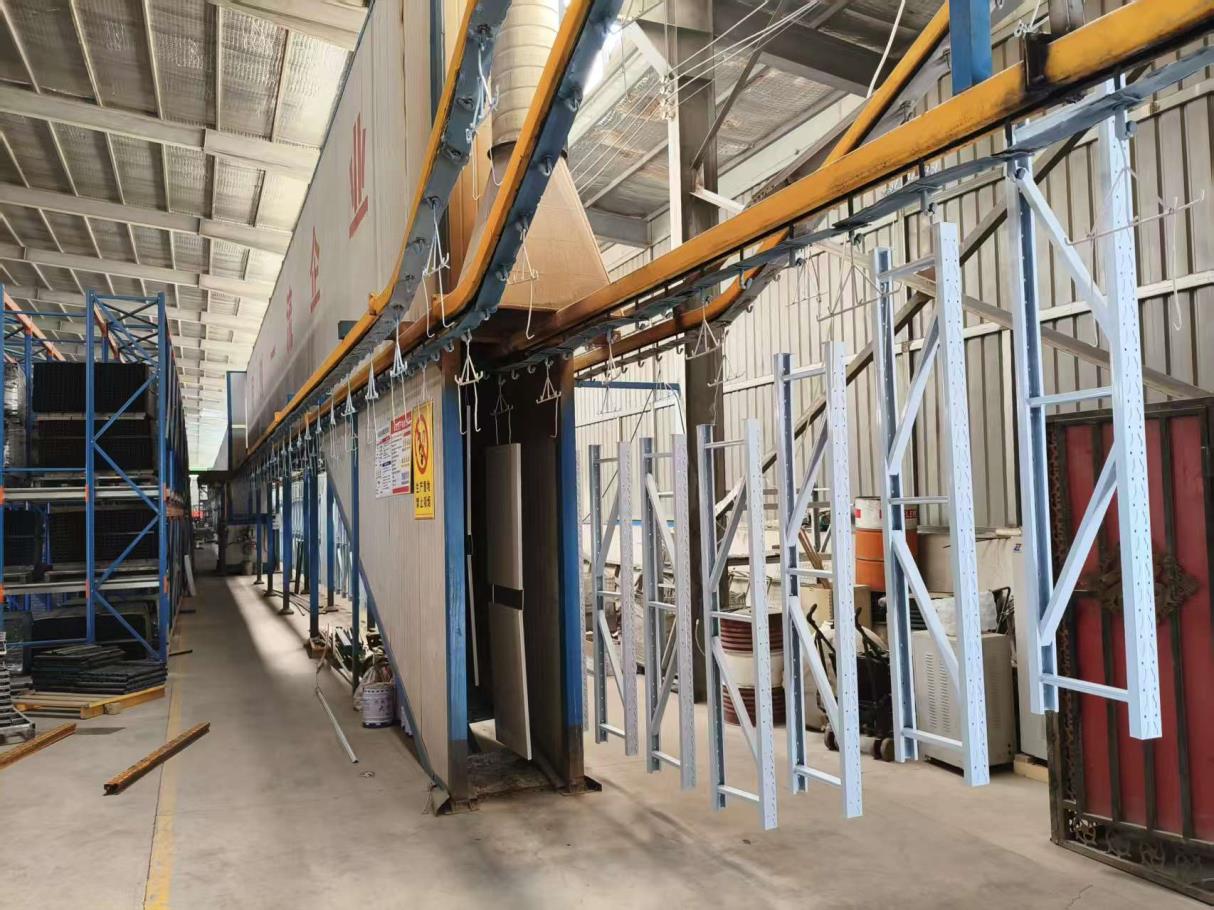
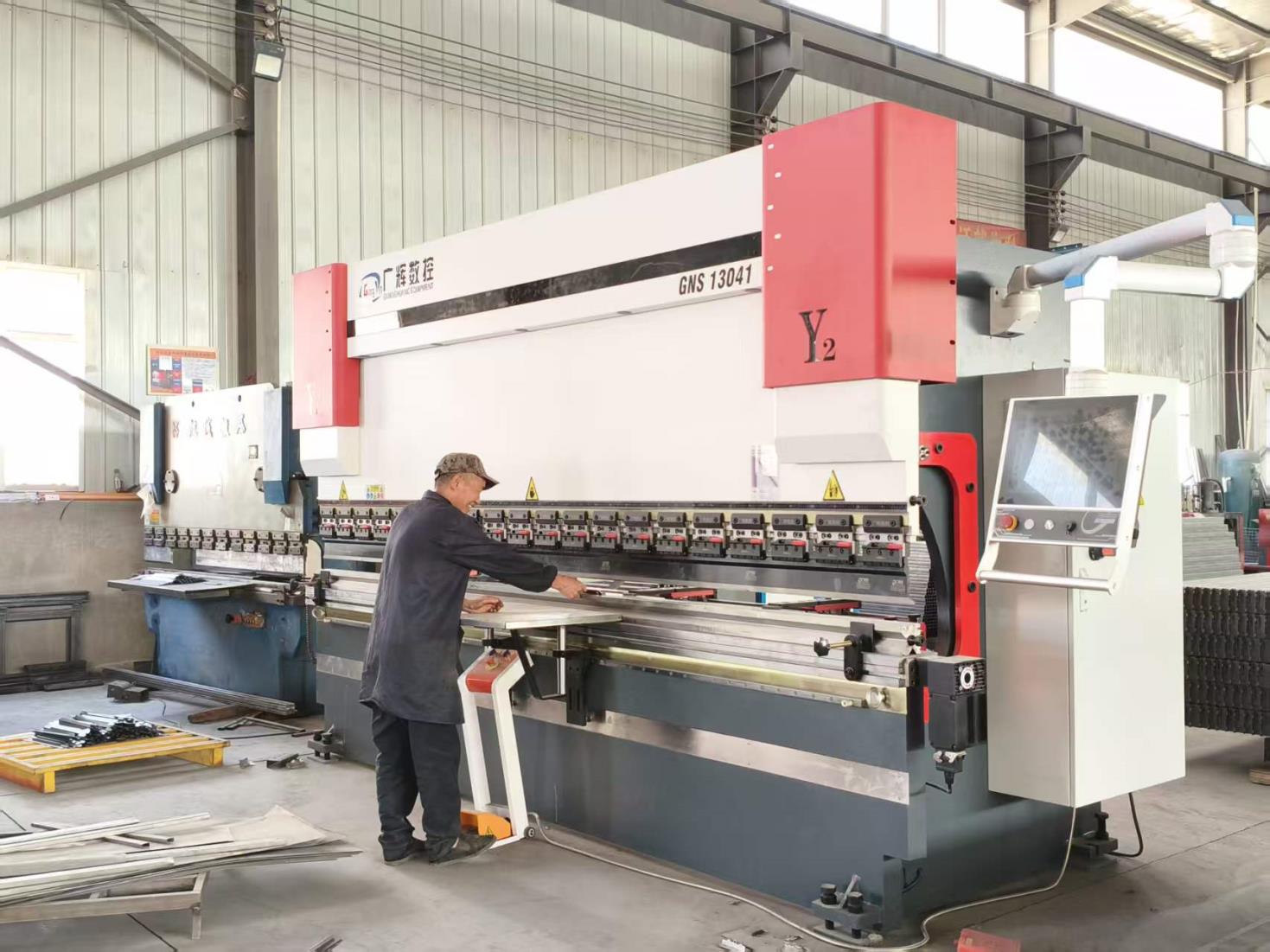
Commissioning storage installations in Germany demands unwavering compliance with regional laws. German professional associations, along with state committees, enforce strict regulations regarding structural loads, emergency egress routing, and seismic protection. When partnering with a global supplier, procurement heads must verify structural calculation reports under three main frameworks:
DIN EN 15635 ("Ortsfeste Regalsysteme aus Stahl - Anwendung und Wartung von Lagereinrichtungen") requires routine verification and annual inspections of industrial racking by certified experts (Regalprüfer). DuraRacks design and structural profiles are optimized for easy damage monitoring. The structural tolerances match European standard limits, ensuring your facilities pass annual external safety audits seamlessly.
Mandated by the German Social Accident Insurance (Deutsche Gesetzliche Unfallversicherung), DGUV Rule 108-007 (previously BGR 234) governs the configuration of walkways, stairs, safety railings, and loading gates on attic platforms. Essential specifications include:
Even within low-seismicity regions of Germany, attic structures in industrial sectors require structural engineering checks that align with Eurocode 3 (Steel structures design) and Eurocode 8 (Seismic design). DuraRacks engineering team calculates horizontal load-bearing capacities using localized floor acceleration coefficient maps to ensure robust structural design.
For German industrial procurement managers, raw material cost is only a fraction of the purchasing decision. A true Total Cost of Ownership (TCO) assessment must evaluate manufacturing lead times, ocean freight logistics, import custom duties (Zolltarife), localized structural engineering, and installation management.
By sourcing from DuraRacks, German clients achieve a strategic cost balance:
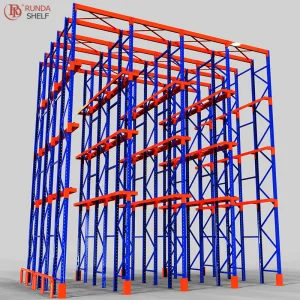
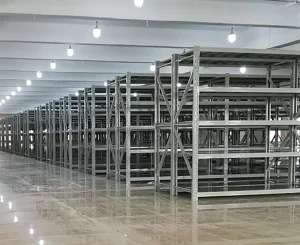
Designed for heavy loads, high warehouse environments, and direct integration into large scale 3PL and industrial installations.
The integration of industrial automation inside German warehouses has reshaped structural design criteria. Modern factories are moving away from purely manual attic shelving, turning instead to hybrid structures that interface directly with technology. In Germany, this is driven by three key factors:
Robotic navigation demands a highly stable floor decking. Traditional timber decking can wear and warp, creating surface irregularities that disrupt AMR sensors. DuraRacks designs custom steel sub-floors with laser-leveled steel plate coverings to meet these demands, ensuring a smooth path for autonomous vehicles.
Using Finite Element Method (FEM) simulation platforms, our R&D team can model dynamic seismic loads, checking that columns, braces, and interlocking beam connections stay structurally sound even under high-load shifts.
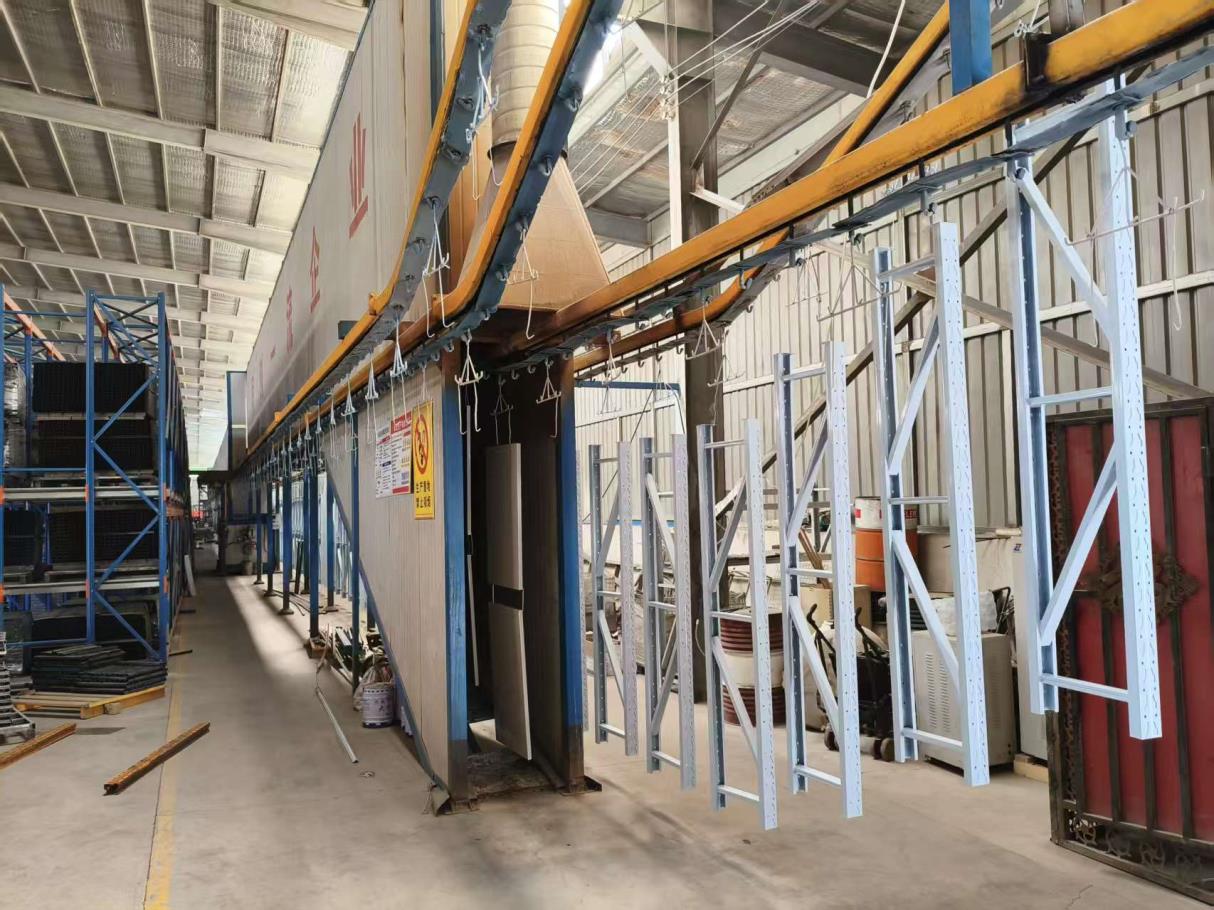
Compliance with German environmental criteria (Umweltbundesamt) requires a reduction in volatile organic compounds (VOCs). DuraRacks uses a fully automated, environmentally friendly electrostatic powder-coating line to guarantee high corrosion protection without harmful solvent emissions.
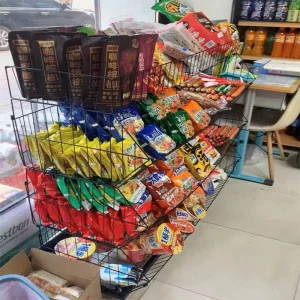
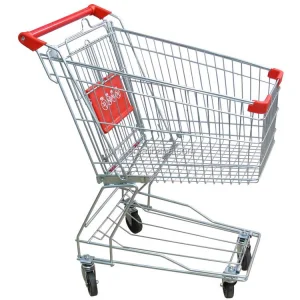
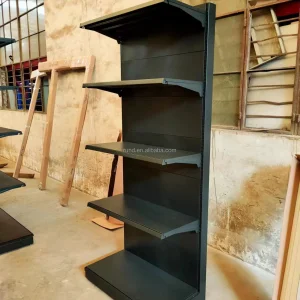
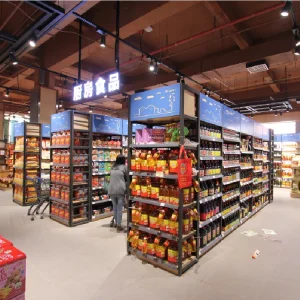
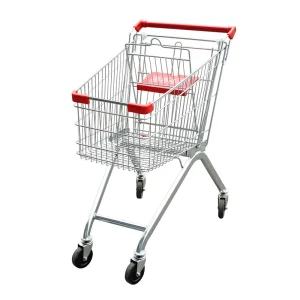
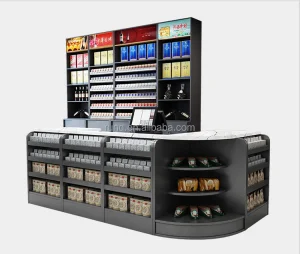
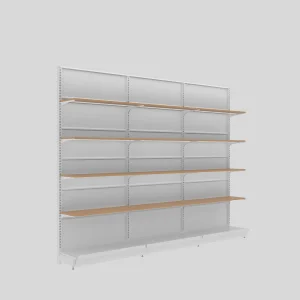
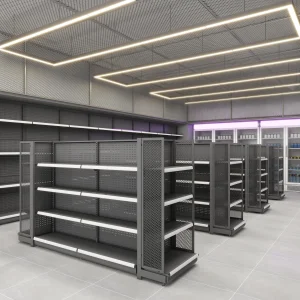
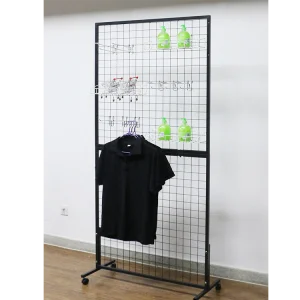
Completing our global supply range with auxiliary components and retail fixtures designed to the same demanding export standards.
Expert engineering answers on compliance, load calculations, and global delivery logistics for the German market.
 DuraRacks