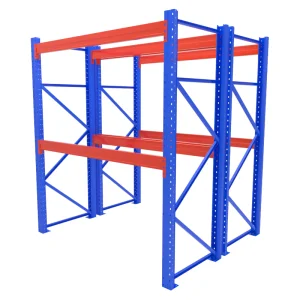
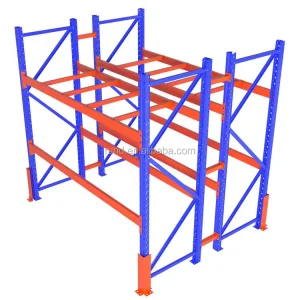
Heavy-duty structural storage configurations designed for the manufacturing hubs of Nagoya, ensuring optimal load distributions and uncompromised safety.
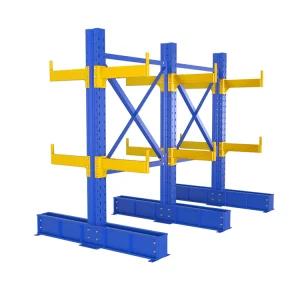
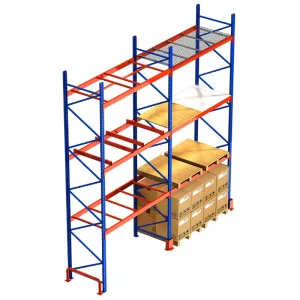
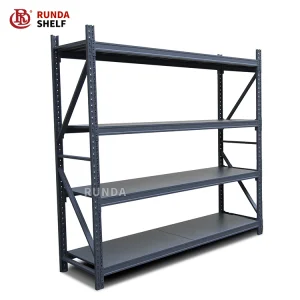
Nagoya, the capital of Japan's Aichi Prefecture, stands as the undisputed heart of the nation’s heavy manufacturing, automotive, and aerospace industries. As home to the globally recognized Greater Nagoya Area industrial cluster, this region demands robust, highly engineered warehouse infrastructure to manage massive quantities of raw materials, steel bars, heavy machinery parts, and long-span aluminum extrusions. Traditional pallet racking systems fail to accommodate these oversized loads, making custom-designed cantilever racking systems the primary storage technology of choice for local distribution hubs and production lines.
From Toyota City's automotive supply chain warehouses to the aerospace assembly halls near Chubu Centrair International Airport, optimizing floor space is critical. Industrial floor space in Japan carries premium real estate costs, forcing logistics managers to transition from horizontal floor storage to dense vertical rack systems. With the ability to hold several tons of load per arm and eliminate front upright columns, cantilever racks enable forklifts to load and unload long items, such as tubing, pipes, and metal plates, with unprecedented efficiency and safety.
The Port of Nagoya handles the highest cargo throughput tonnage in all of Japan. This immense trade volume requires quick-turnaround warehouse facilities where heavy-duty cantilever structures facilitate seamless crane and forklift operations.
High-performance cantilever racks deployed in Nagoya must conform to Japan's rigorous seismic building codes (Building Standard Law) to withstand local tremors and major earthquakes.
Our structural steel profiles conform strictly to JIS G3101 (SS400 Grade) and JIS G3131 specifications, ensuring the correct yield strength and elongation limits required for heavy structural loading frames.
Racks are engineered using advanced Finite Element Analysis (FEA) to endure a base shear coefficient (C0) of 0.2 to 0.4. This ensures structural integrity even during high horizontal acceleration ground movements.
Featuring customized baseplates secured with heavy-duty mechanical expansion anchors or chemical anchor bolts, calculating the concrete slab thickness and shear capacity of Nagoya warehouses.
During seismic events, cantilever racks face unique challenges. Because cantilever arms are unsupported at the outer edge, the vertical and horizontal loads are entirely transferred as high bending moments to the vertical columns and the heavy bases. To mitigate this hazard, our engineering team implements tapered arm profiles that reduce arm deflection and high-tensile connection pins that distribute stresses uniformly without structural tearing. Furthermore, structural horizontal and diagonal X-bracing bays are integrated between upright frames to ensure complete lateral-directional stability.
Leveraging Nanjing Dulis Warehouse Equipment Co., Ltd. (DuraRacks) world-class production capacity to provide Nagoya enterprises with cost-efficient, high-quality warehousing systems.
Established in 2014, Nanjing Dulis Warehouse Equipment Co., Ltd. (operating globally under the brand DuraRacks) is a premier industrial rack manufacturer headquartered in Nanjing, China. Boasting over 12 years of industry experience and 9 years of direct export experience, our facility spans a modern industrial building area of 38,000 square meters. We specialize in high-capacity pallet racking, drive-in systems, and automated storage solutions, generating an annual export revenue of $32 million USD.
Through a highly integrated supply chain featuring more than 1,200 qualified supply chain partners, DuraRacks operates as an integrated direct-export manufacturer. Our primary overseas markets encompass North America, Western Europe, and Australia, and we are increasingly serving the strict industrial markets of Japan. We cater to 3PL logistics hubs, large-scale e-commerce fulfillment centers, cold storage operations, and heavy industrial manufacturing plants in Nagoya and surrounding prefectures, providing high-load capacity storage systems at competitive pricing structures compared to domestic Japanese fabricators.
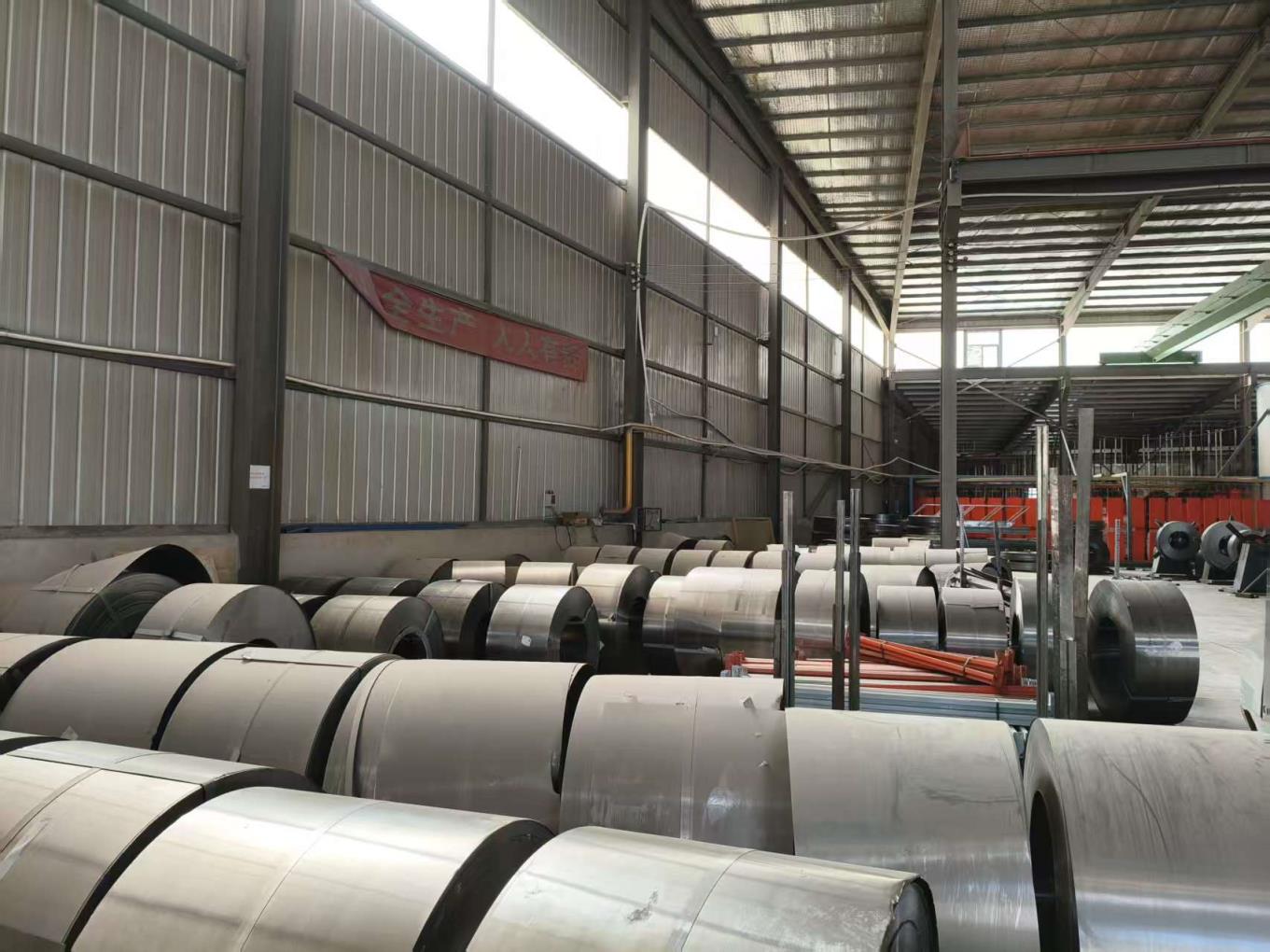
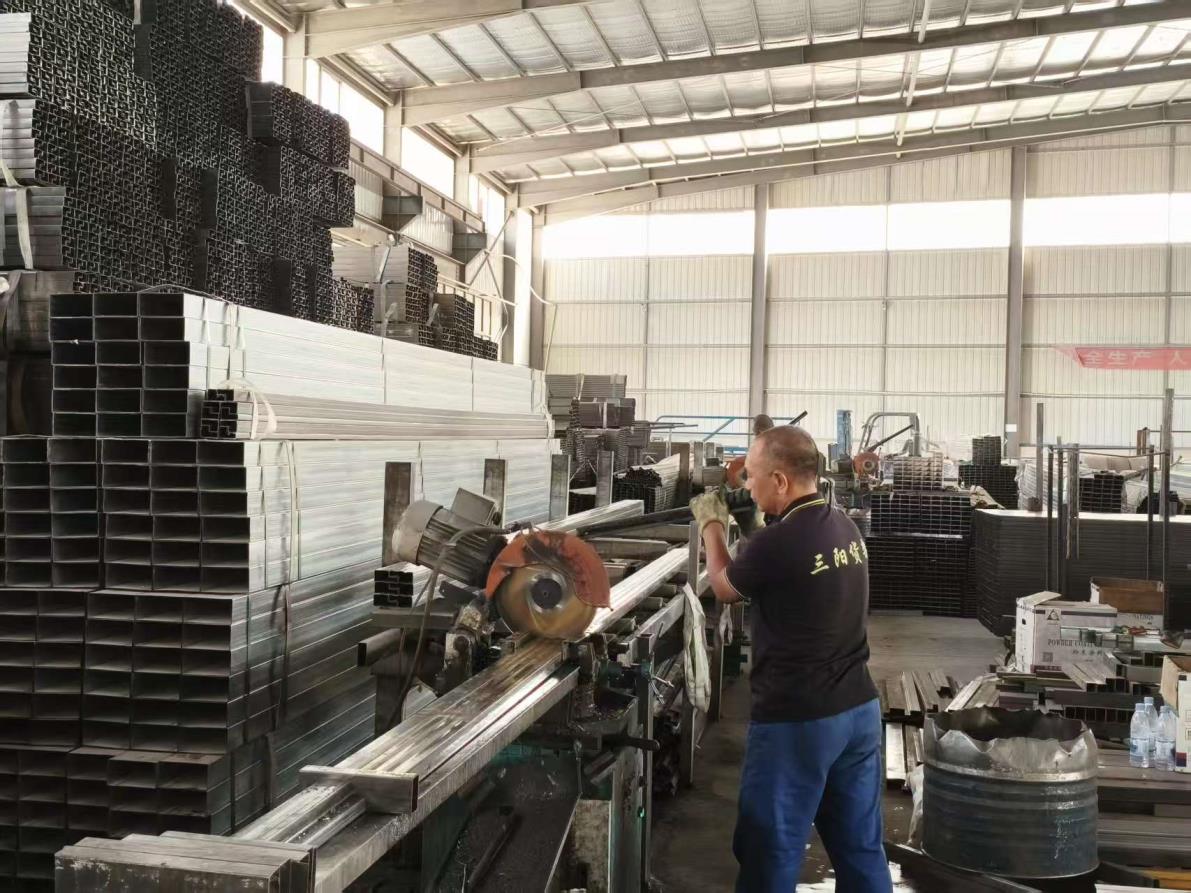
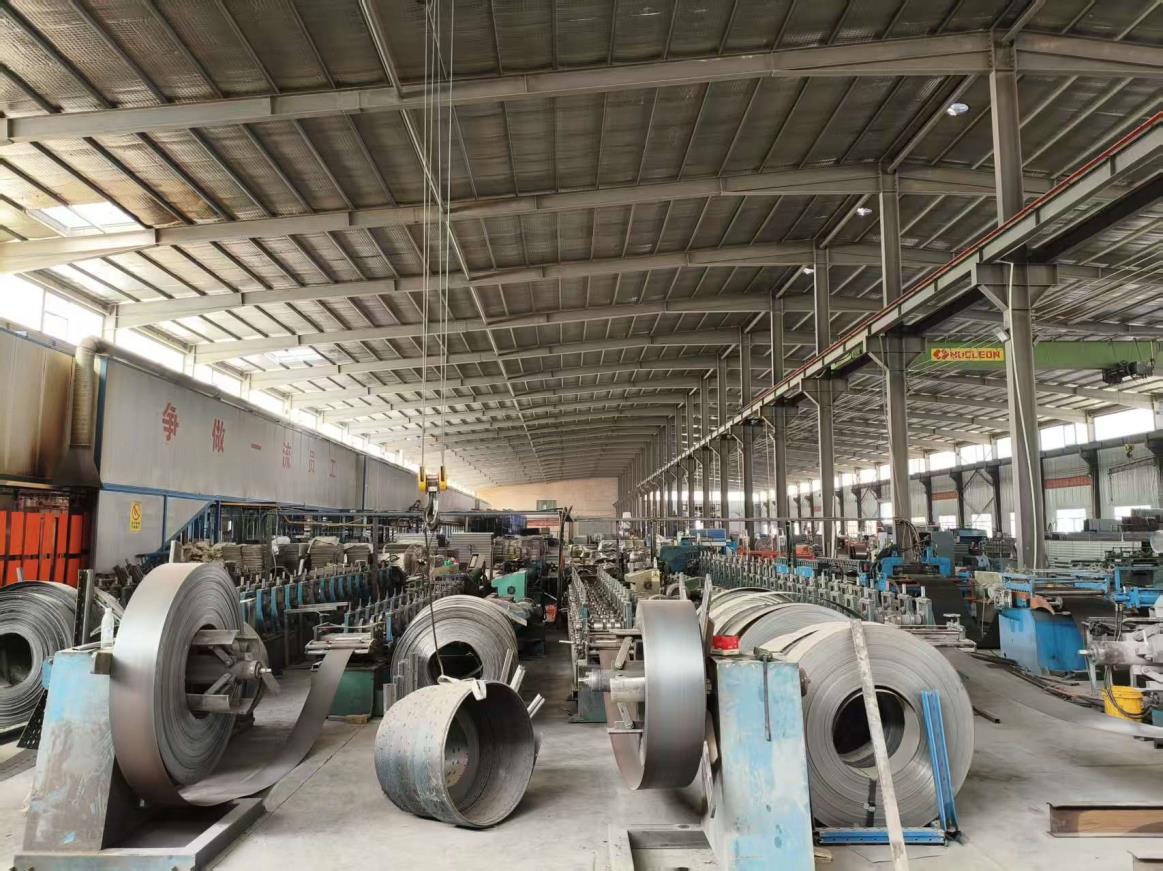
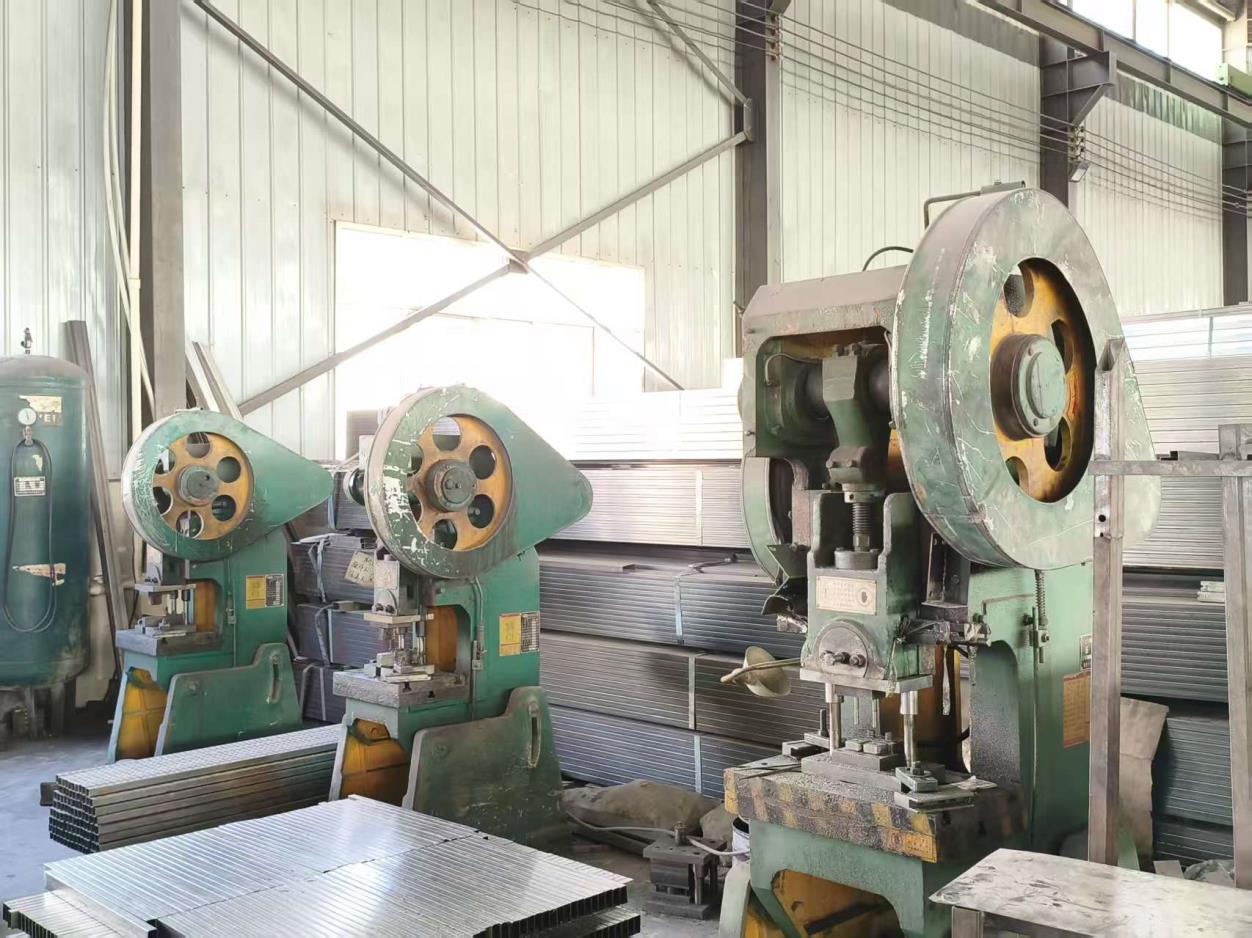
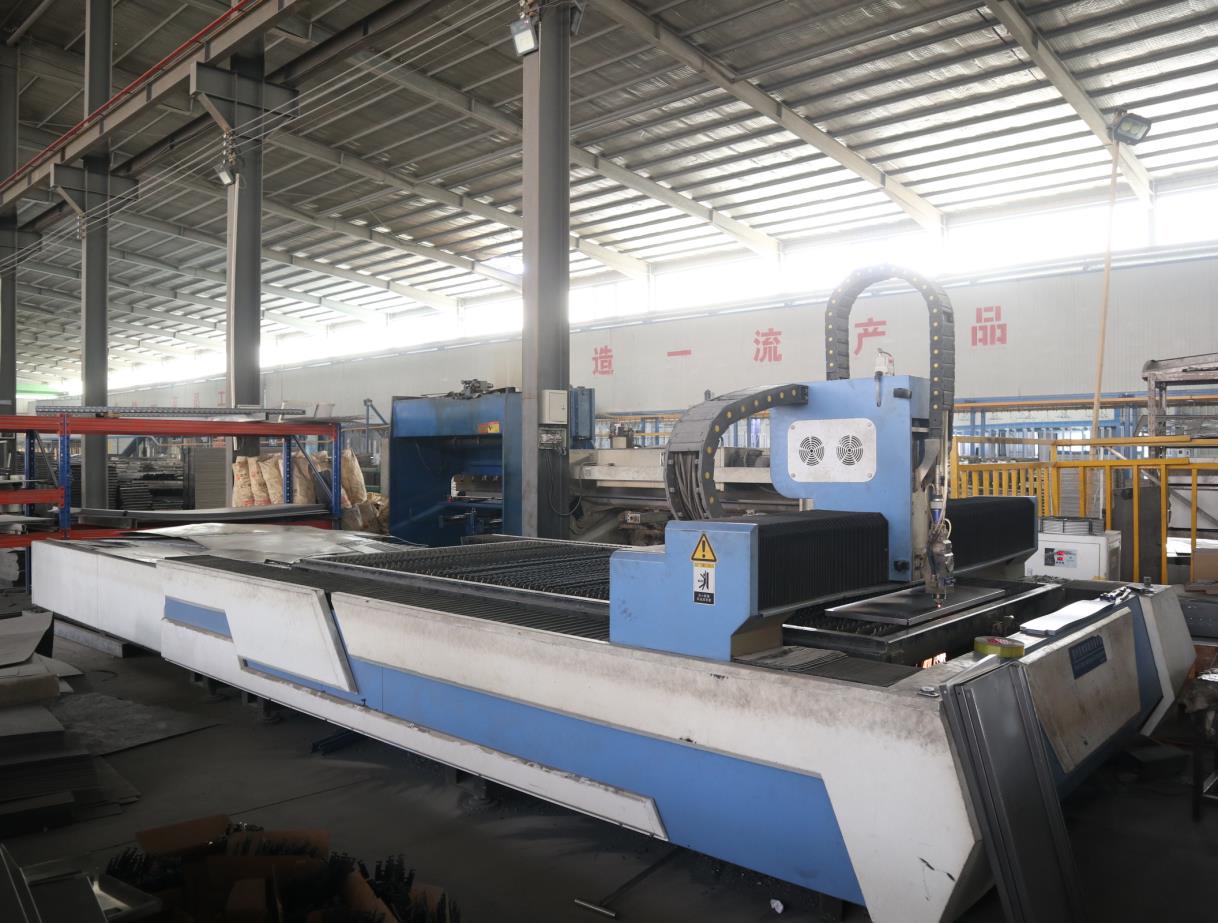
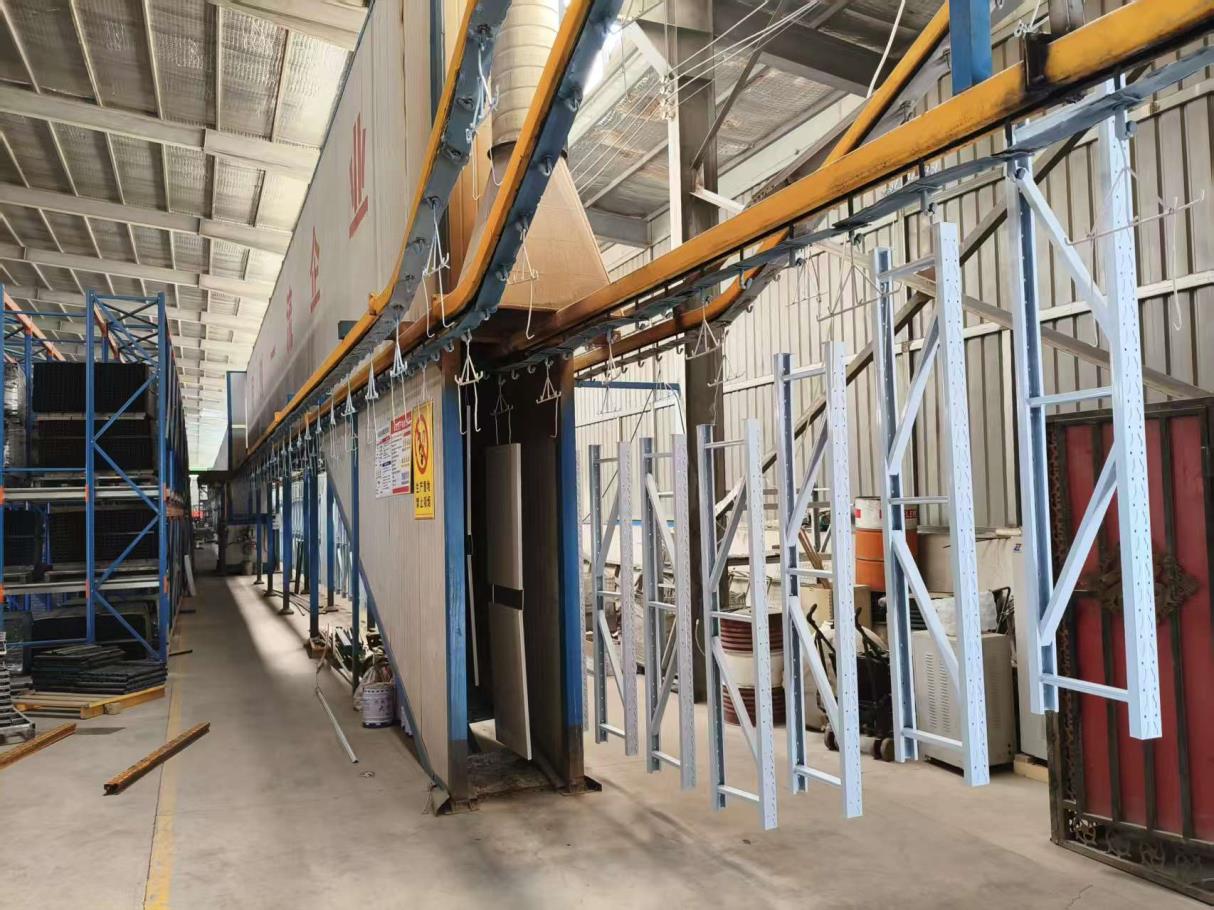
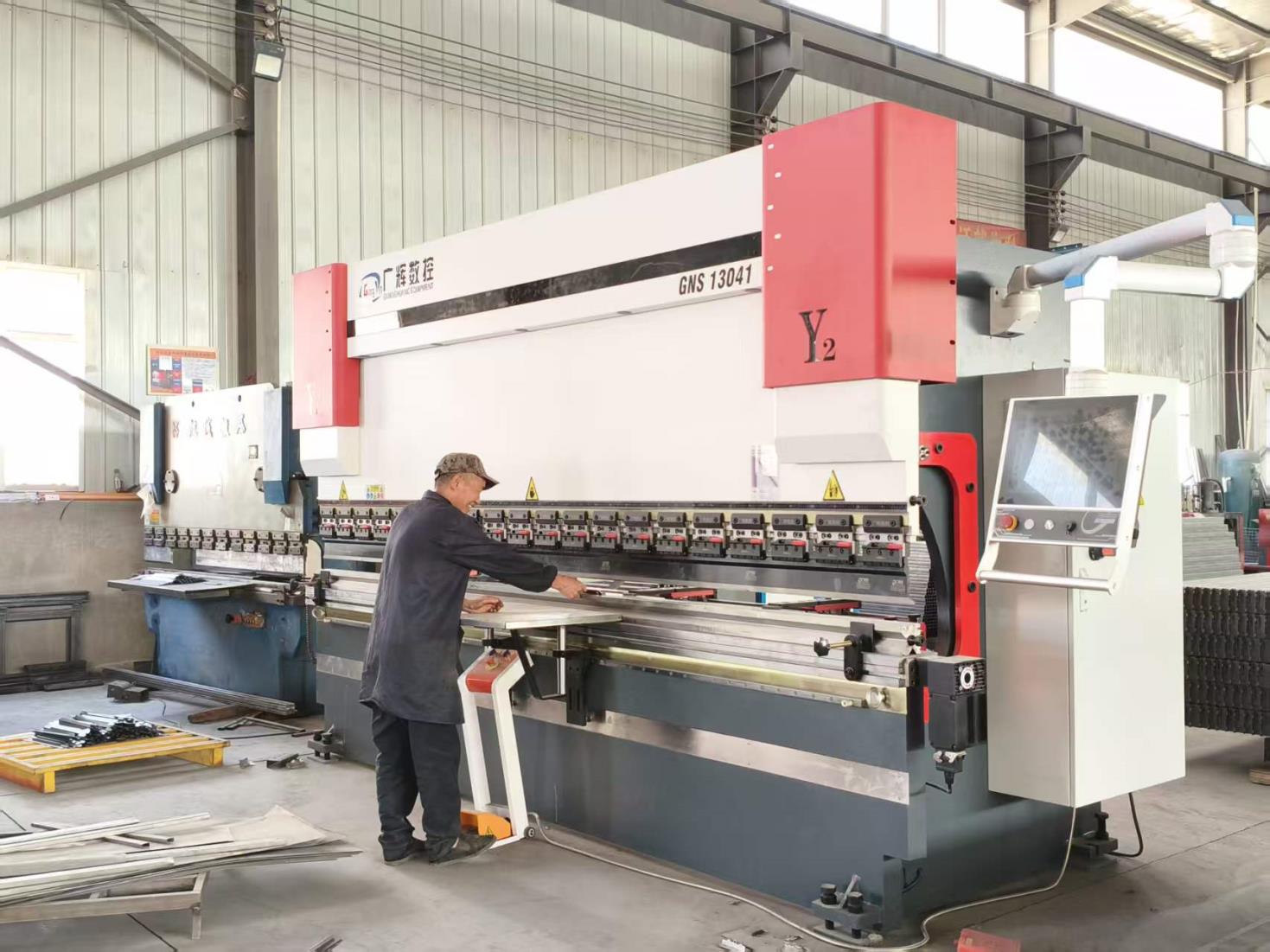
Take a look inside our 38,000m² manufacturing complex. From raw steel selection to precision laser cutting, punching, and automated coating, we maintain complete control over quality.
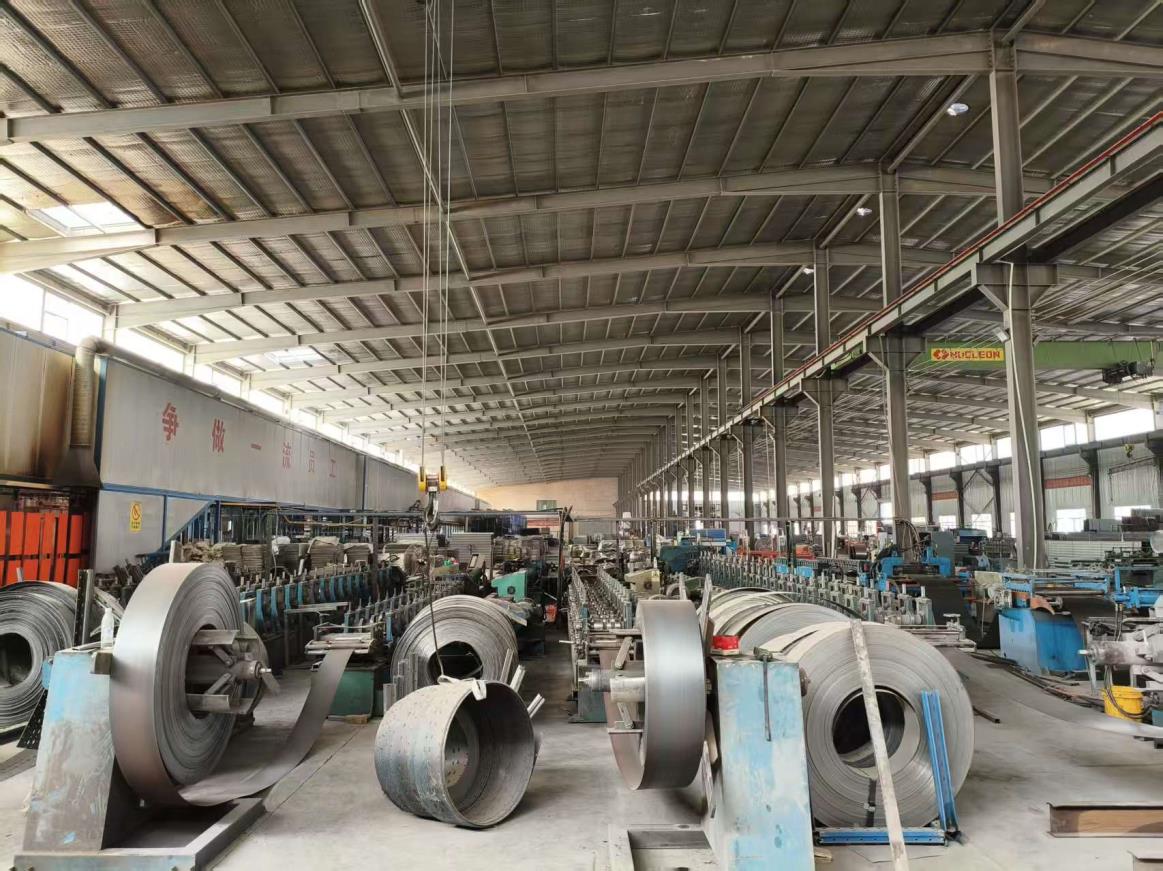
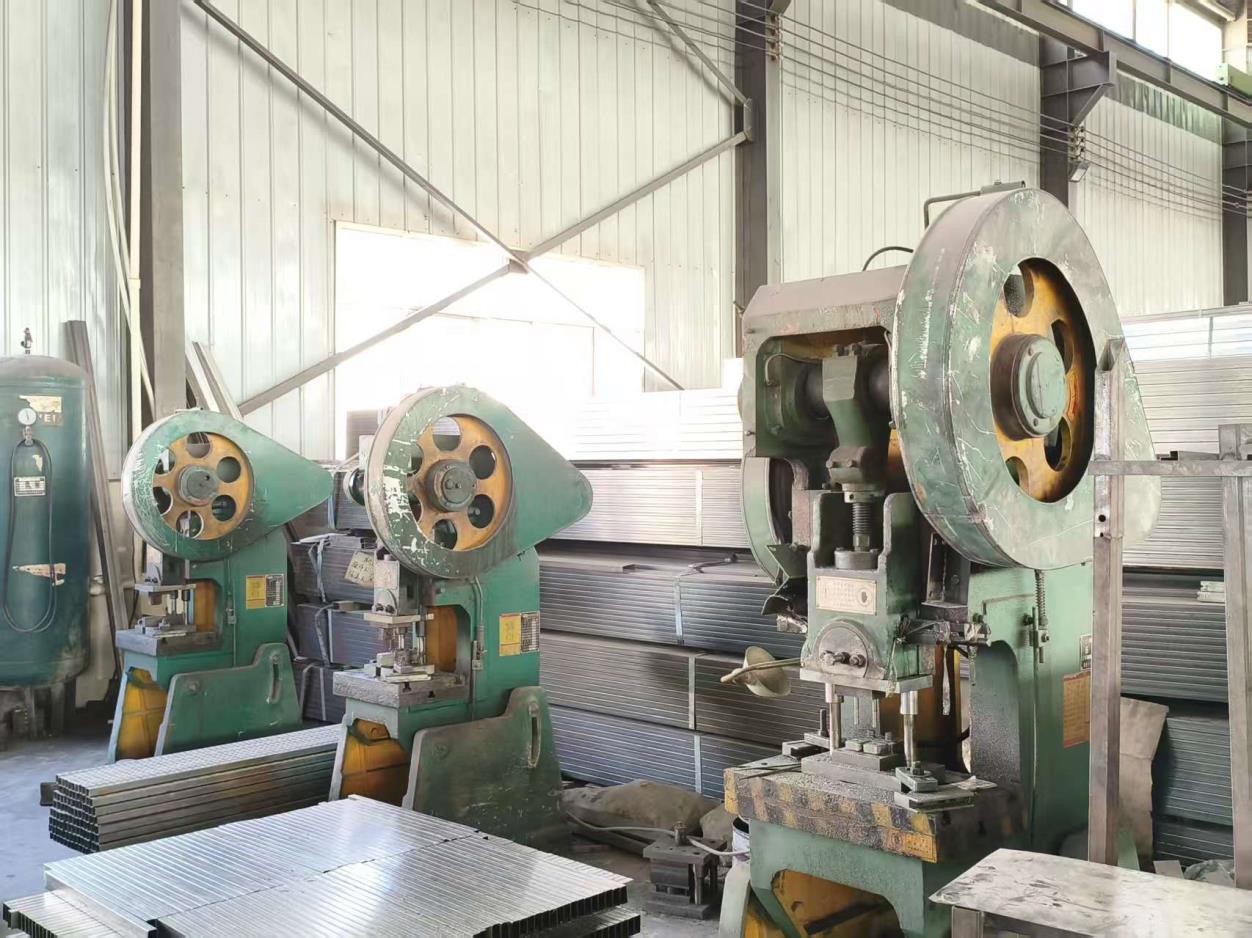
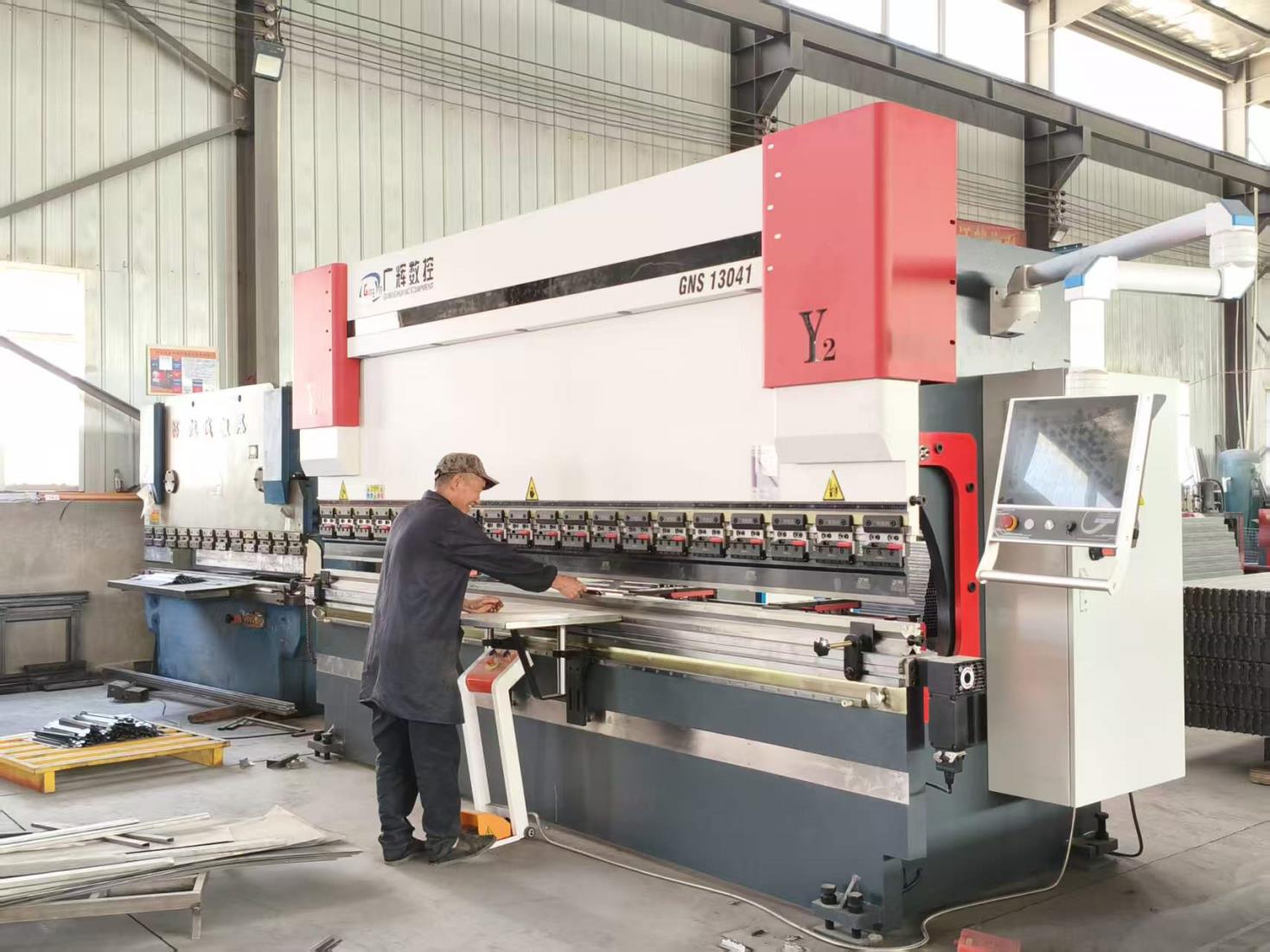
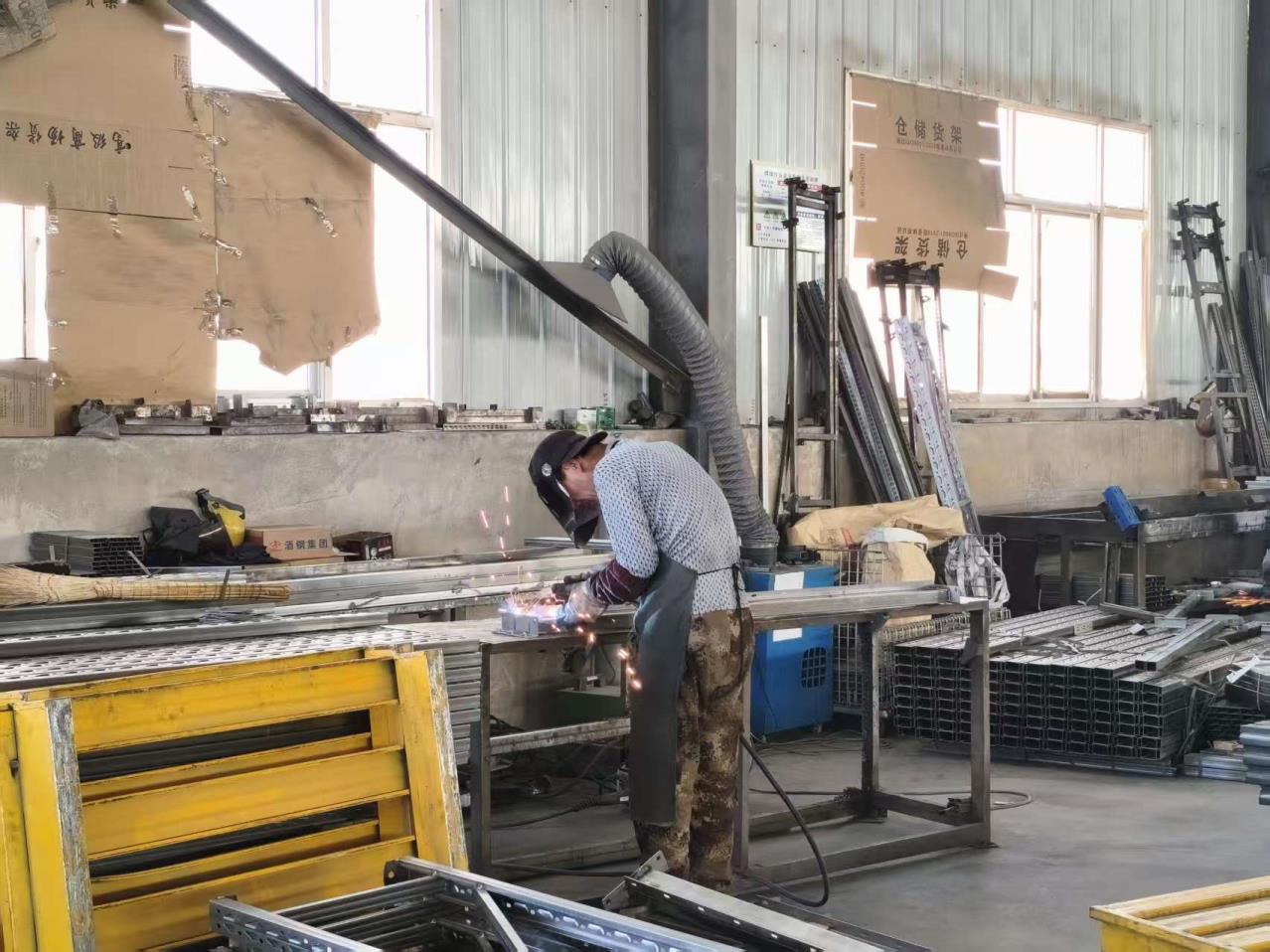
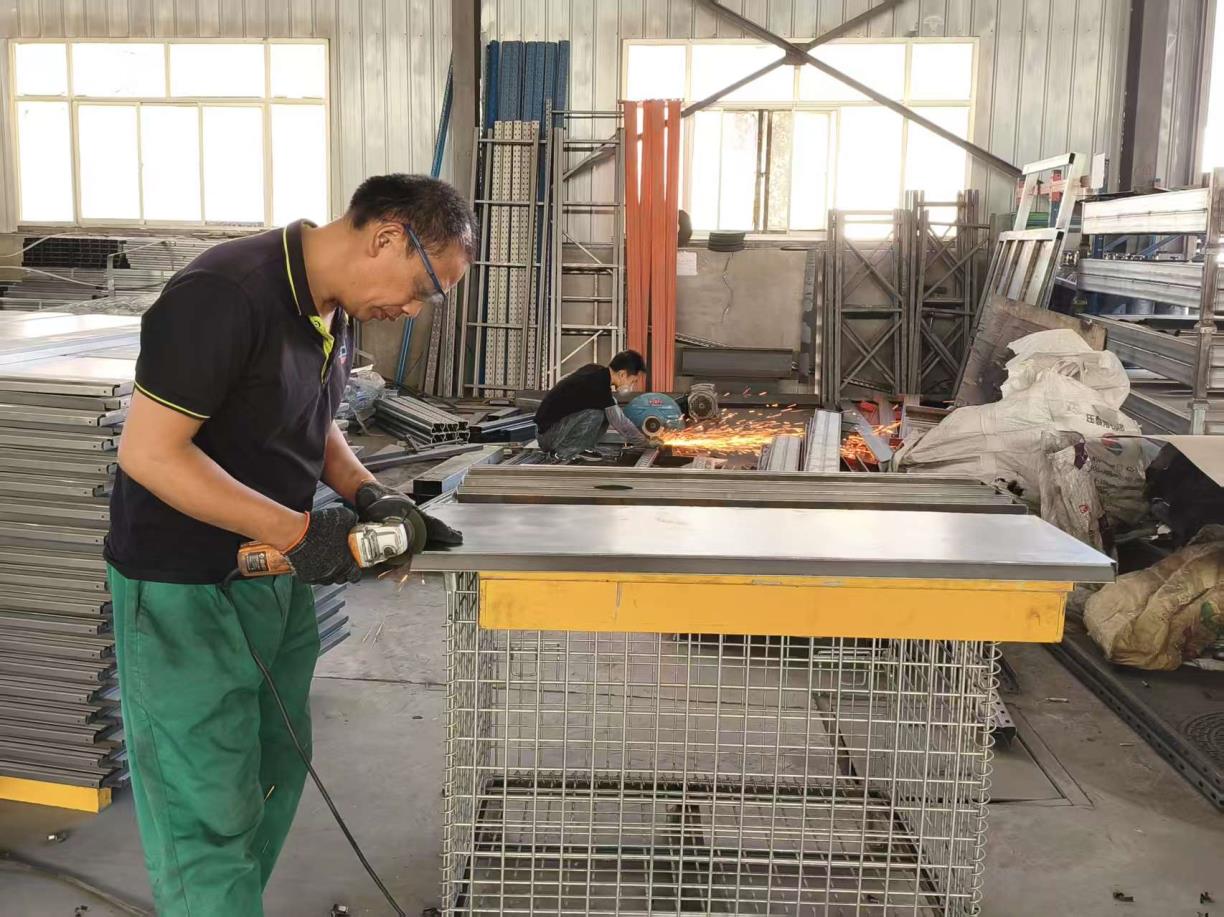
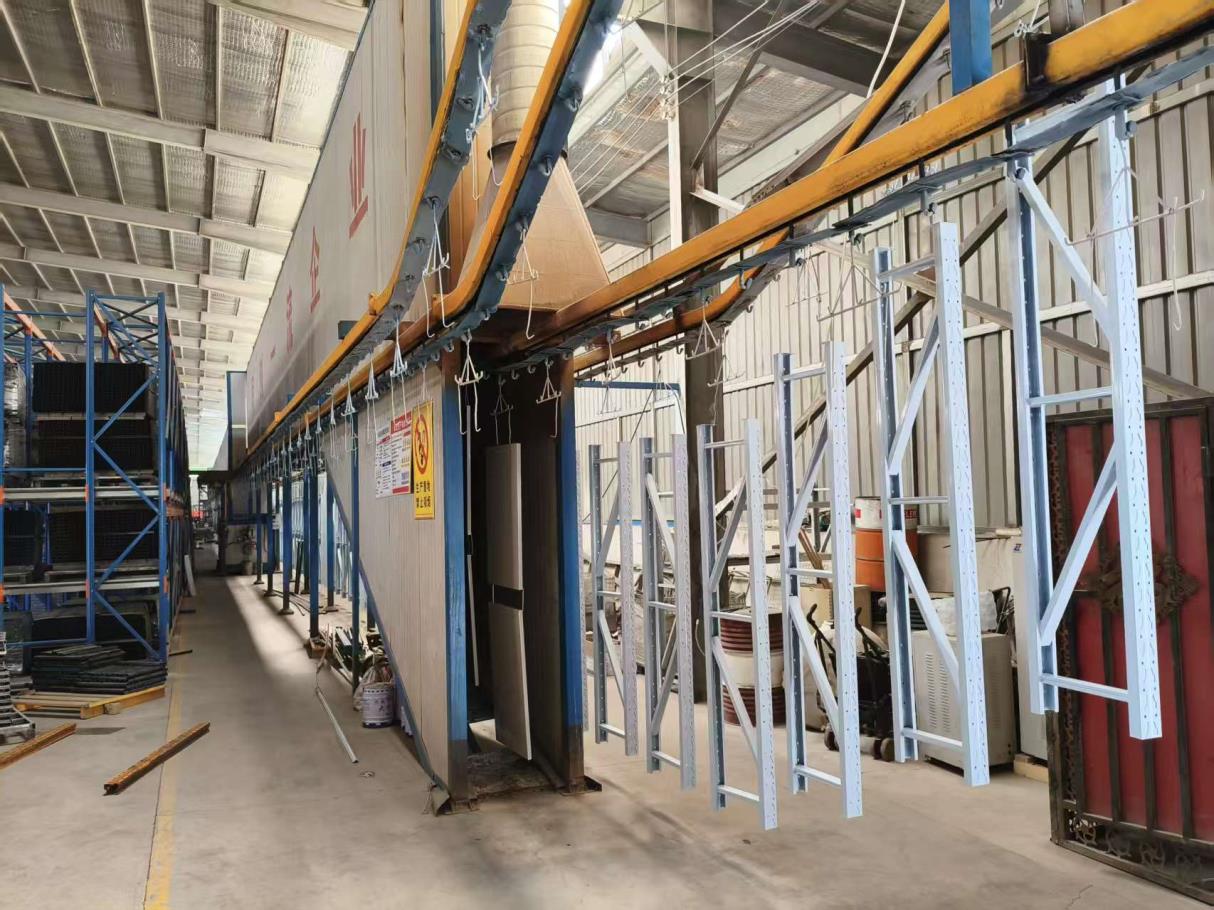
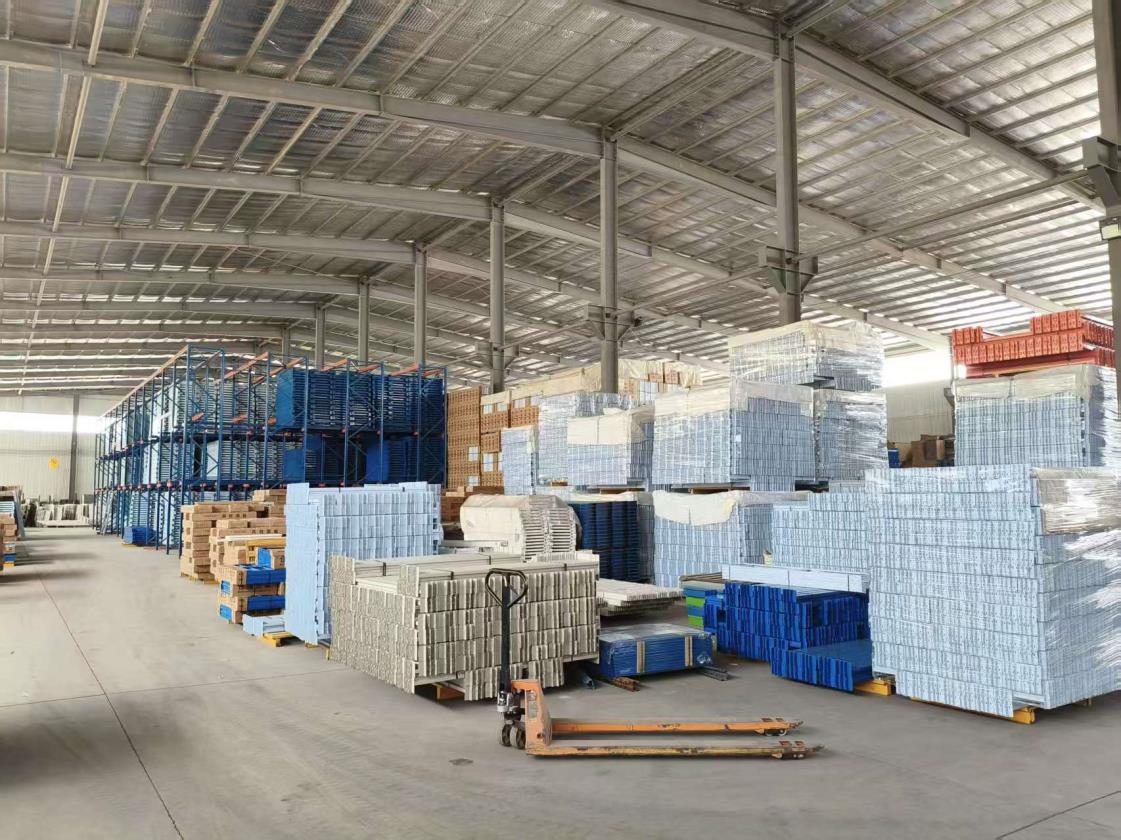
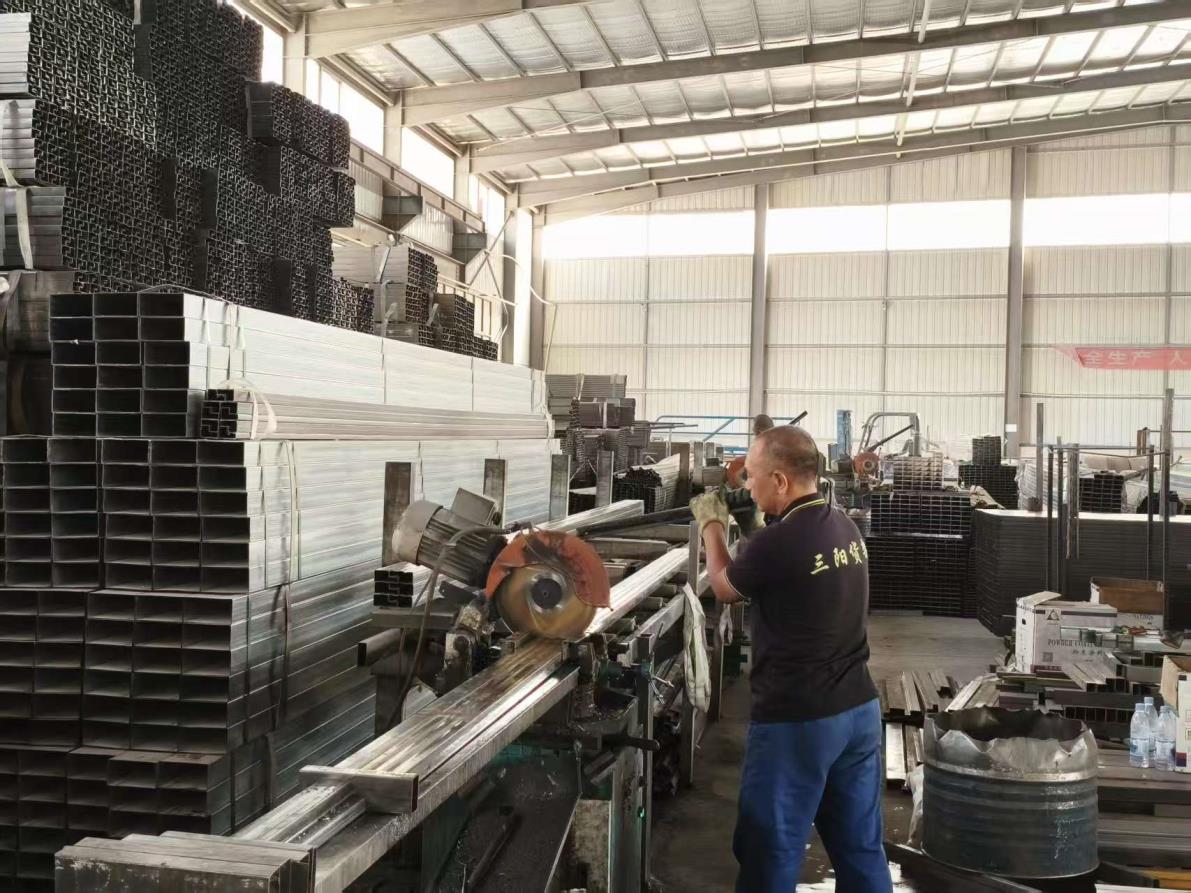
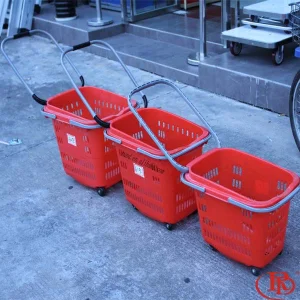
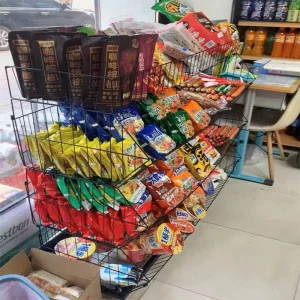
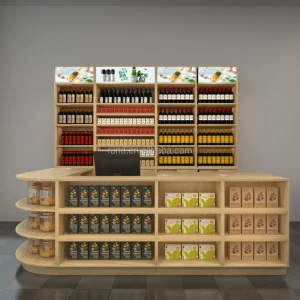
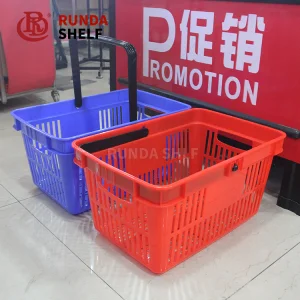
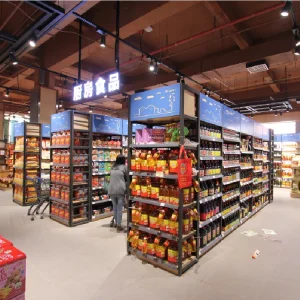
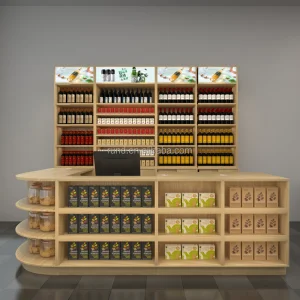
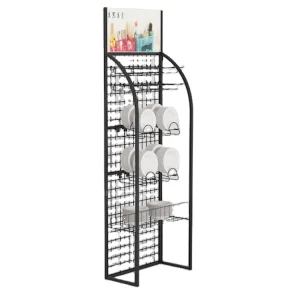
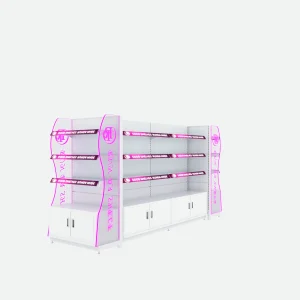
Beyond heavy-duty cantilever racks, we manufacture auxiliary transport systems, display racks, and cash checkout points for commercial operations, factory depots, and warehouse storefronts in Nagoya.
Quality and structural integrity form the bedrock of our manufacturing philosophy. Our dedicated team of 45 certified QA personnel implements rigorous quality control processes aligned with ISO9001, CE, and FEM standards. Every batch undergoes comprehensive product inspection methods, including ultrasonic weld flaw detection, mechanical tensile testing, static and dynamic load capacity testing, and salt spray corrosion resistance evaluation.
Our QA laboratory contains dedicated testing rigs designed to verify that welding beads exhibit zero structural defects. We test welded joints under continuous hydraulic pressure to verify strength properties. For Nagoya’s coastal warehousing units, our salt spray test simulates decades of maritime moisture and humidity, confirming that our powder coatings prevent under-film corrosion.
Driven by an experienced team of 68 R&D engineers, DuraRacks delivers advanced structural Finite Element Analysis (FEA) and customized CAD/BIM warehouse layout simulations. We offer full OEM/ODM customization options, tailored seismic load engineering, special powder-coating finishes, and custom beam profile dimensions. Last year alone, our engineering team launched 85 new product innovations and patented racking components, ensuring cutting-edge storage efficiency for our global clientele.
By simulating warehouse load distributions in Autodesk Inventor and ANSYS, we ensure structural elements perform as planned. This capability allows us to design optimized structural frames that meet the safety guidelines expected by major international enterprise clients.
Find answers to frequently asked technical questions regarding engineering specs, importing procedures, and custom seismic certifications for Nagoya operations.
To design an optimized cantilever racking system, our R&D engineers require:
• Total length, height, and width of the materials to be stored.
• Maximum load weight per arm or per level.
• Center-to-center spacing of the arm columns to prevent material deflection.
• Forklift vertical reach capacity and turning radius.
• The seismic location classification of the facility in Nagoya to determine appropriate baseplate sizing and anchoring configurations.
DuraRacks operates with direct export logistics. Racks are loaded at Nanjing Port or Shanghai Port and shipped to the Port of Nagoya. The transit time is approximately 5 to 7 days. We provide complete documentation for Japanese Customs, including Certificates of Origin, Bill of Lading, Packing Lists, Commercial Invoices, and engineering data sheets to assist with import clearance. We cooperate with several Japanese freight agents to coordinate door-to-door delivery and on-site unloading.
Yes, we specialize in customizing roll-formed and structural steel cantilever arms. Light-duty arms support 100 kg to 500 kg per arm, while our heavy-duty structural steel arms support over 1,500 kg to 3,000 kg per arm. Arm designs can be straight, tapered (slanted to prevent material deflection), or fitted with removable end-stops to secure cylindrical items like pipes or metal coils.
We source raw steel materials from certified domestic mills. We utilize high-yield Q235 and Q355 structural steel grades, which correspond directly to ASTM A36 / ASTM A572 (US standards) and SS400 / SM490 (JIS standards) respectively. Mill Test Certificates (MTC) are issued for every manufacturing run to confirm metallurgical chemistry and tensile strength.
We supply structural calculation documents, Finite Element Analysis (FEA) safety data, material specifications, and test certificates. These documents help logistics managers demonstrate structural integrity to Japanese occupational safety and fire inspection authorities.
Production cycles generally require 20 to 30 days depending on the structural scope. This includes fabrication, welding, QA testing, surface treatment, and packaging. Shipping to Japan requires 5 to 7 days, allowing customers to receive custom structural racking on-site within 5 to 6 weeks from approval of final drawings.
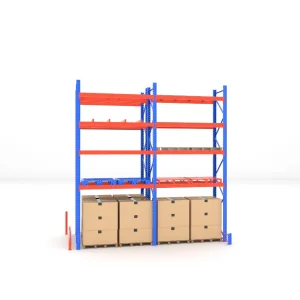
Industrial storage accessories, support components, and retail racking systems exported directly to international distributors and logistics centers.
 DuraRacks