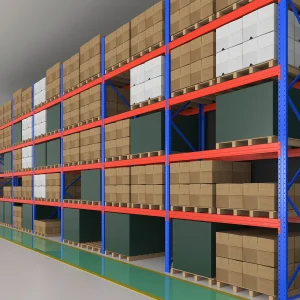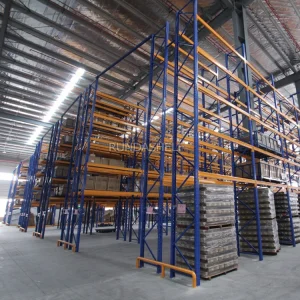
The Australian industrial landscape is currently experiencing a profound paradigm shift driven by astronomical urban land values, rapid growth in cold-chain logistics, and an urgent demand for supply chain resilience. Traditional selective racking systems, while versatile, are increasingly viewed as space-inefficient for single-SKU bulk inventory storage. As a leading Drive-in shelf manufacturer and exporter serving the Australian market, DuraRacks produces high-density structural engineering solutions designed to optimize spatial footprints by up to 75% compared to conventional layouts.
By implementing a Last-In, First-Out (LIFO) storage logic, drive-in systems consolidate valuable warehouse space by eliminating individual access aisles. Forklifts enter the racking structure directly to deposit or retrieve pallets, making this configuration highly advantageous for businesses managing high-volume, homogenous inventory batches.
Australian logistics centers—particularly those centered around major transport arterial corridors in Sydney (such as Eastern Creek and Kemps Creek), Melbourne (Tullamarine and Altona), and Brisbane (Lytton and Redbank)—face unprecedented land acquisition costs. These soaring prices demand that operators maximize cubic storage metrics rather than horizontal square footage. The industrial storage market has transformed from basic shelving installations to highly complex structural engineering projects.
Crucially, Australian operations are regulated by rigid safety parameters. Structural integrity compliance to AS 4084:2023 (Steel Storage Racking) is non-negotiable. This standard dictates strict criteria for rack testing, deflection limits, column configurations, baseplate thickness, and seismic design parameters. Unlike standard international profiles, systems exported to Australia must account for unique regional geological features, soil classifications, and wind loads, particularly in coastal, cyclonic northern regions.
Every system shipped by DuraRacks is custom-engineered to meet or exceed AS 4084 guidelines, integrating customized baseplates and heavy-duty structural upright protections to withstand the high-torque forces characteristic of heavy forklift activity in narrow drive-in aisles.
Globally, the cold storage sector is expanding rapidly. Rising consumer demand for fresh produce, biologics, and frozen food imports has triggered a wave of construction for temperature-controlled facilities. Because refrigeration costs increase exponentially with warehouse volume, maximizing storage density within cold rooms is critical for commercial viability.
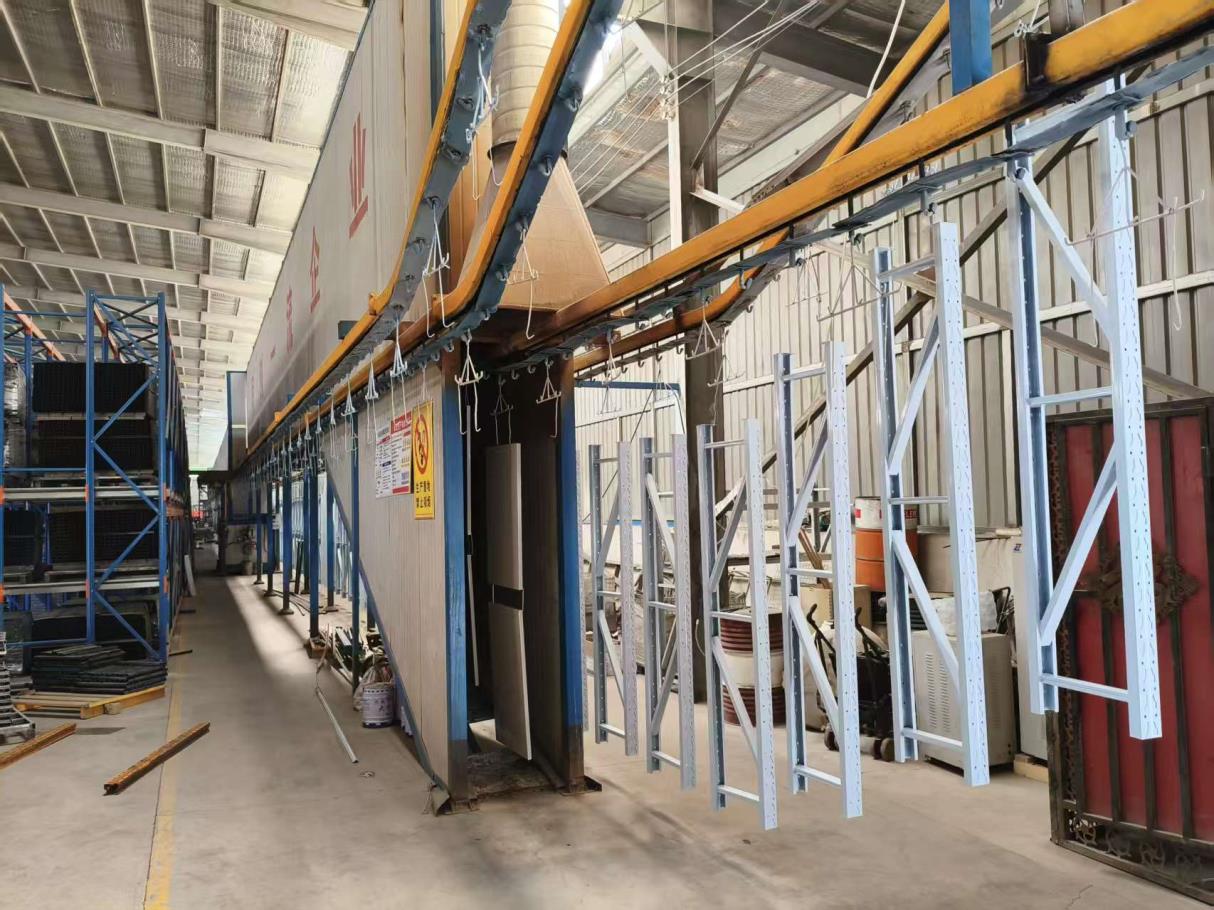
Drive-in racking represents the most cost-effective density solution for cold chain logistics. By eliminating unnecessary access aisles, it reduces the overall volume of air that must be cooled. This efficiency directly lowers operational electricity costs, yielding a significant return on investment (ROI). Large multinational 3PL operators and retail giants demand structural longevity under freezing temperatures (-25°C to -30°C), where raw steel characteristics can become brittle without precise metallurgical formulation and high-grade powder coatings.
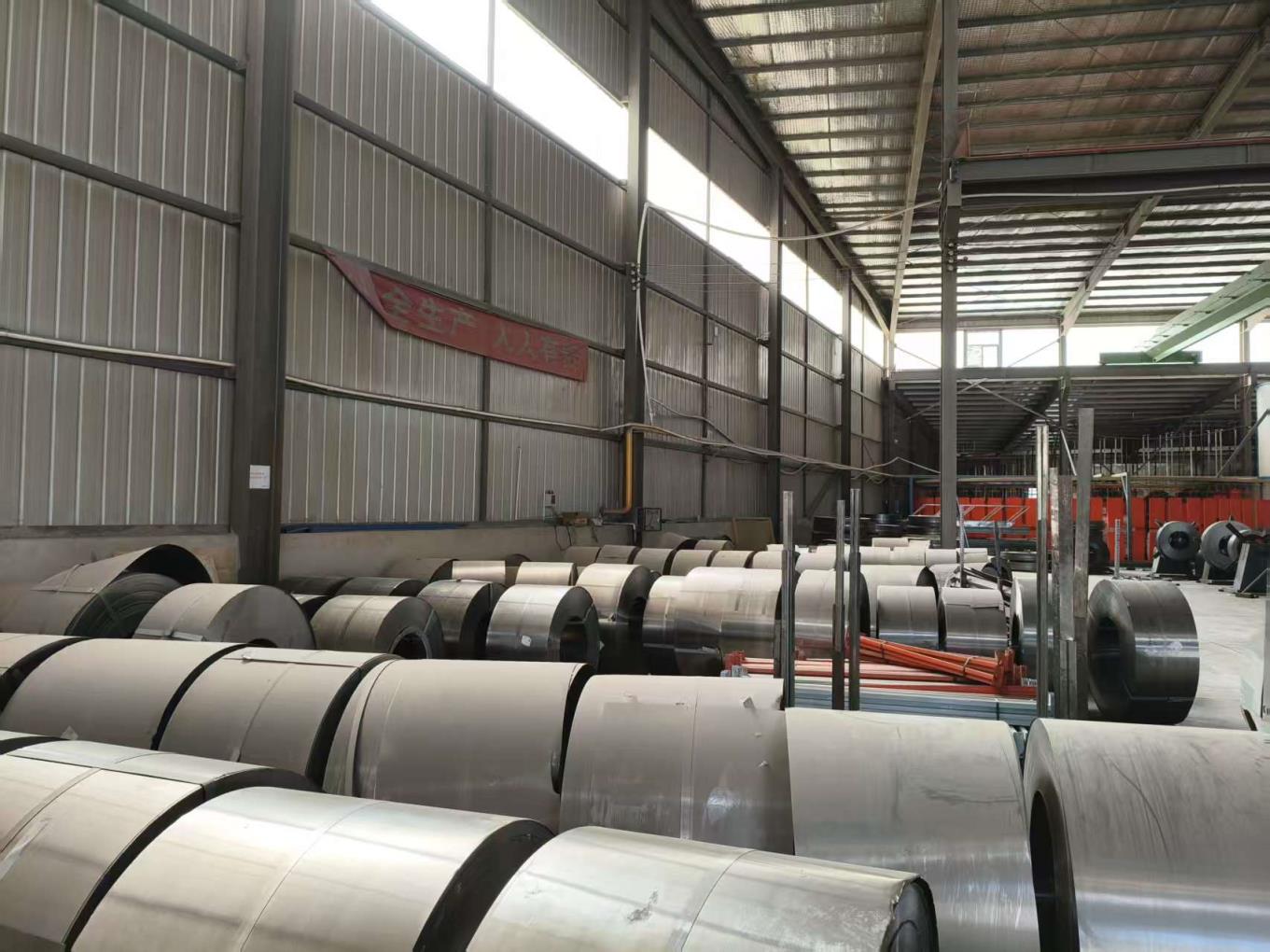
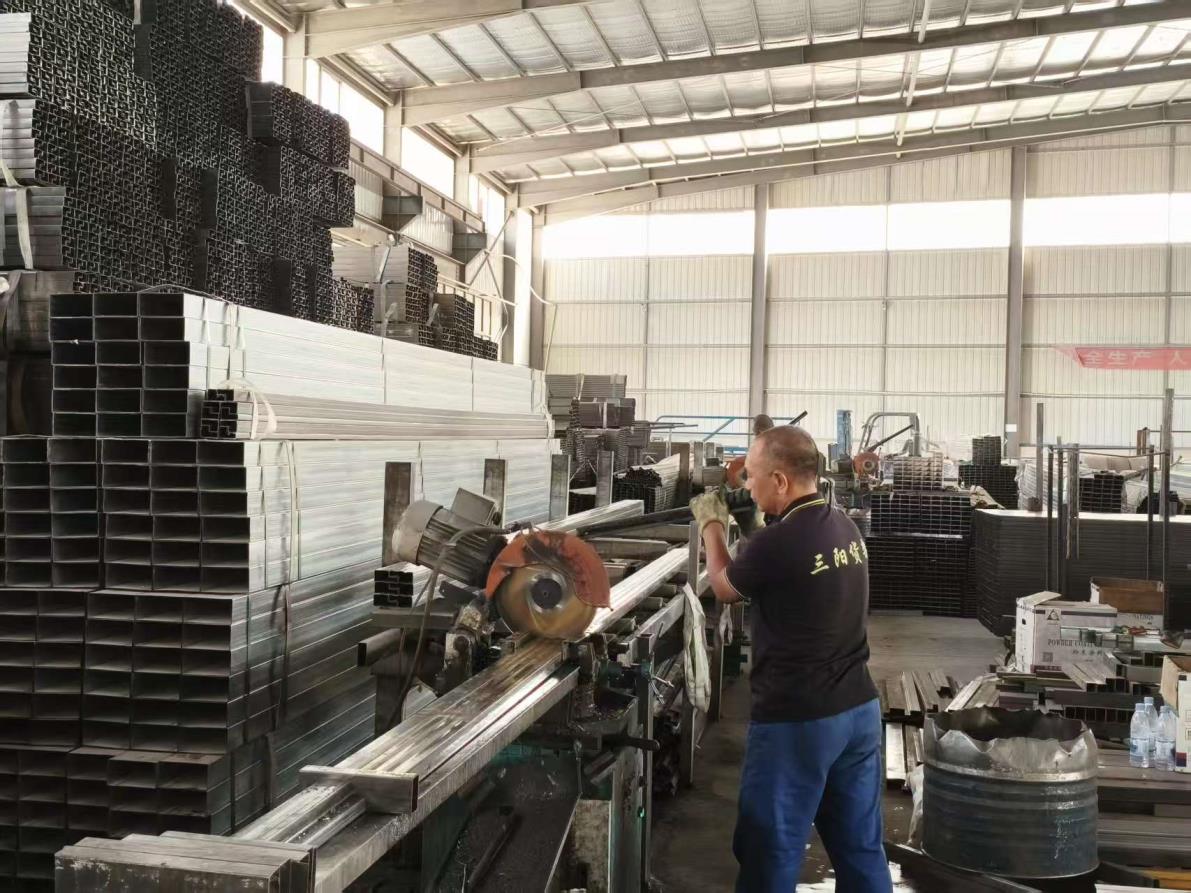
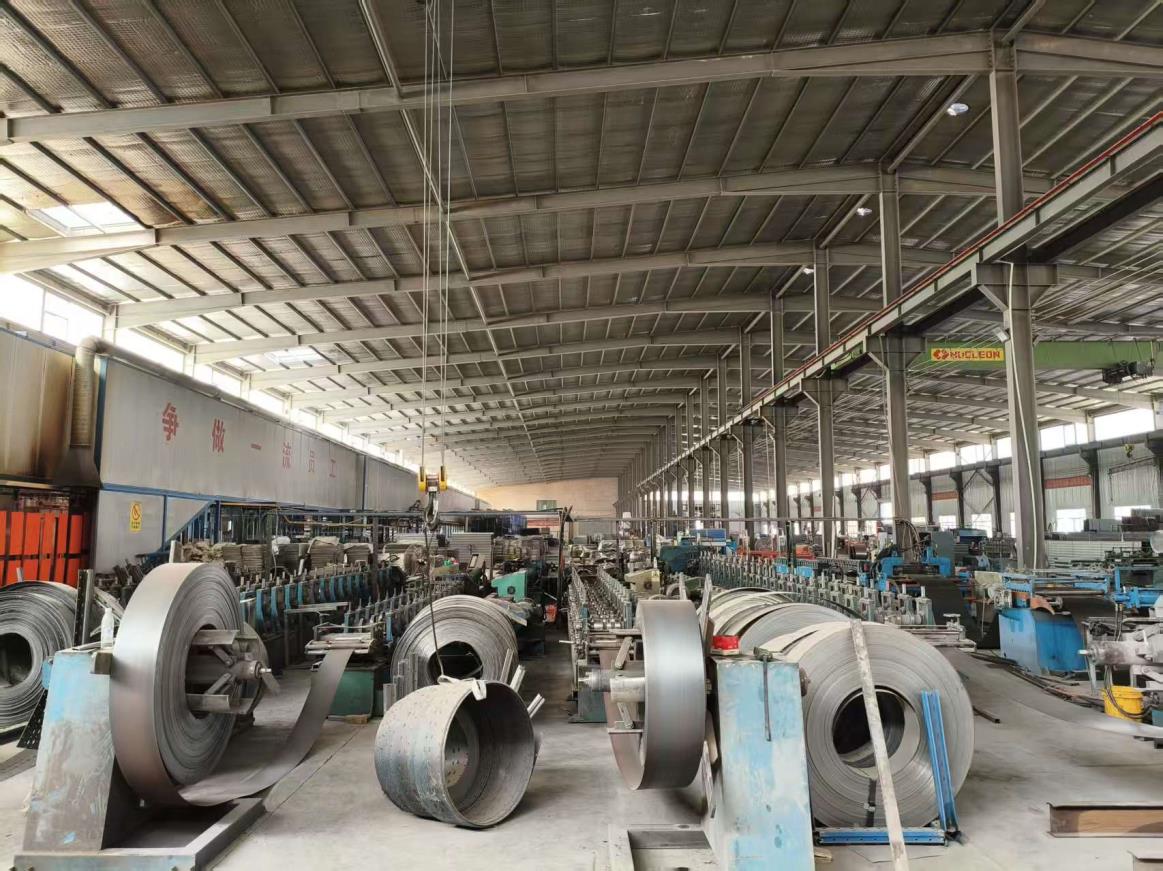
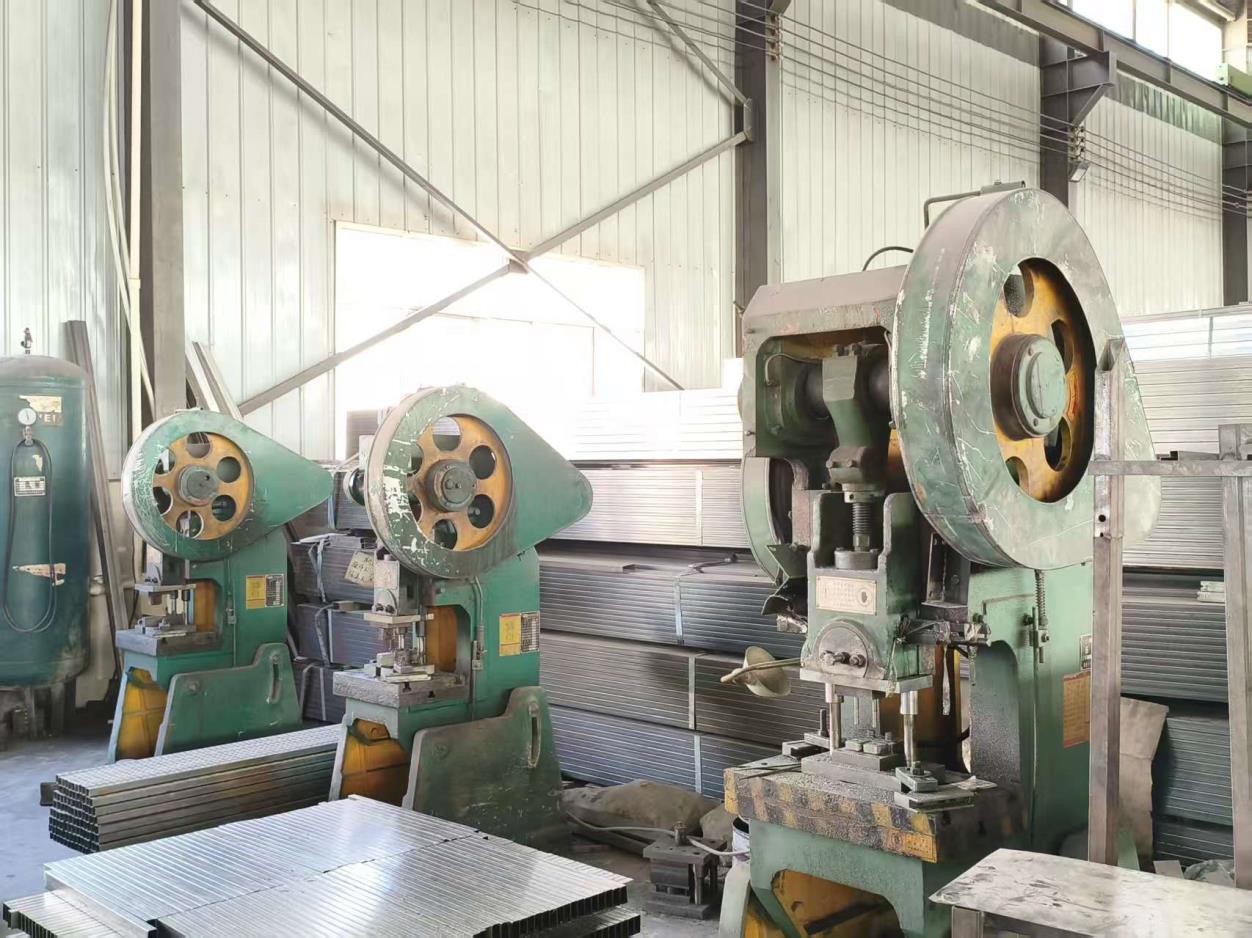
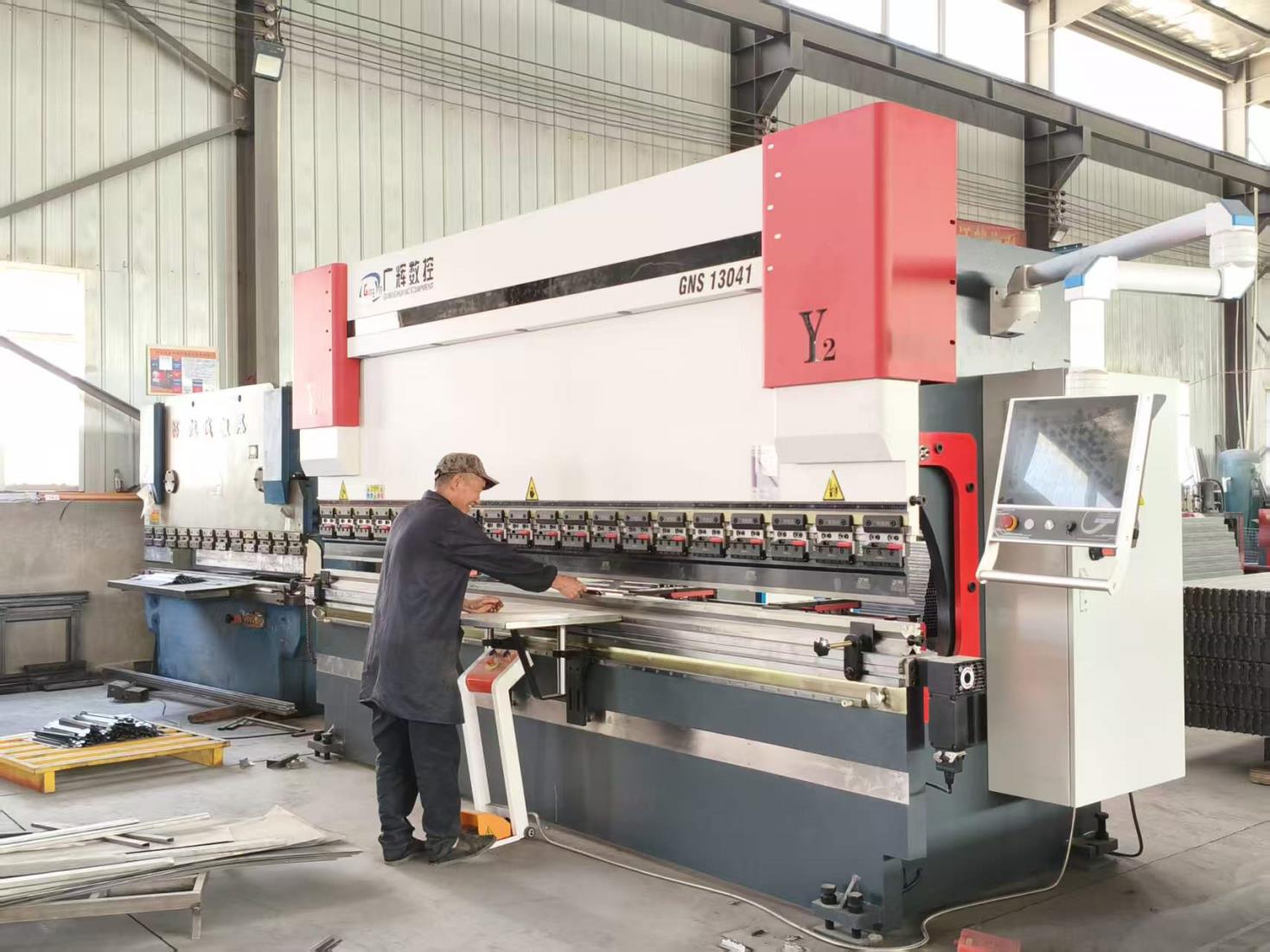
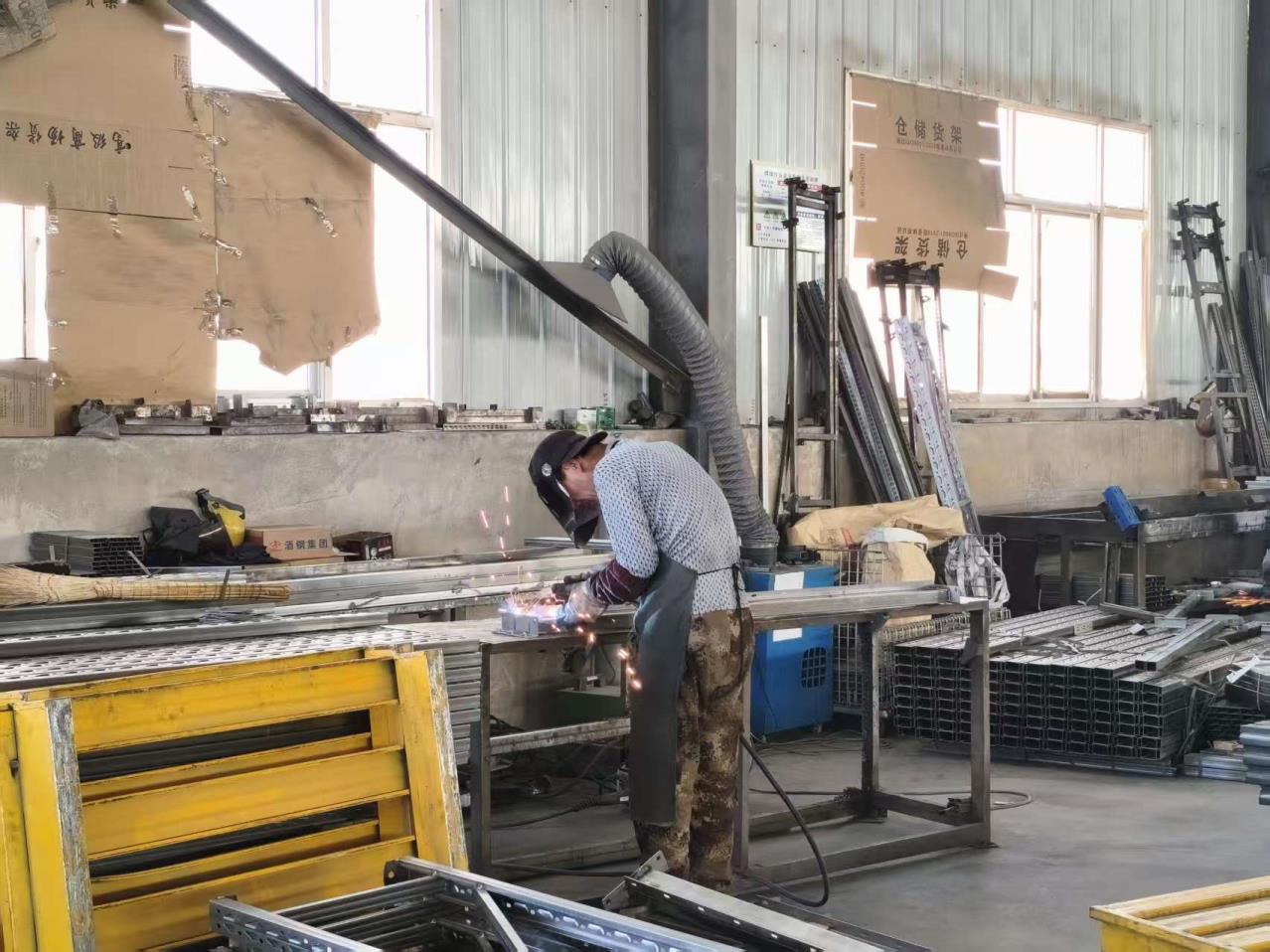
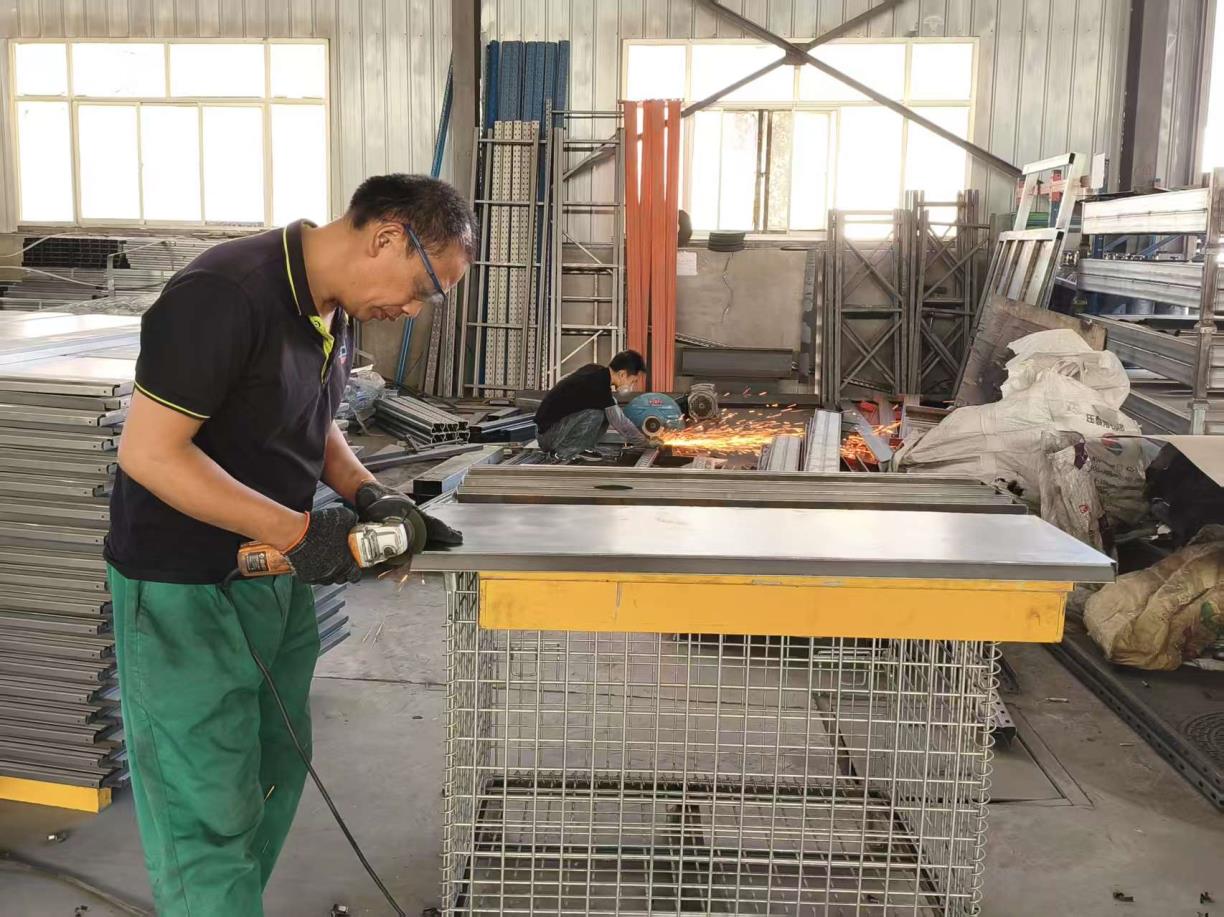
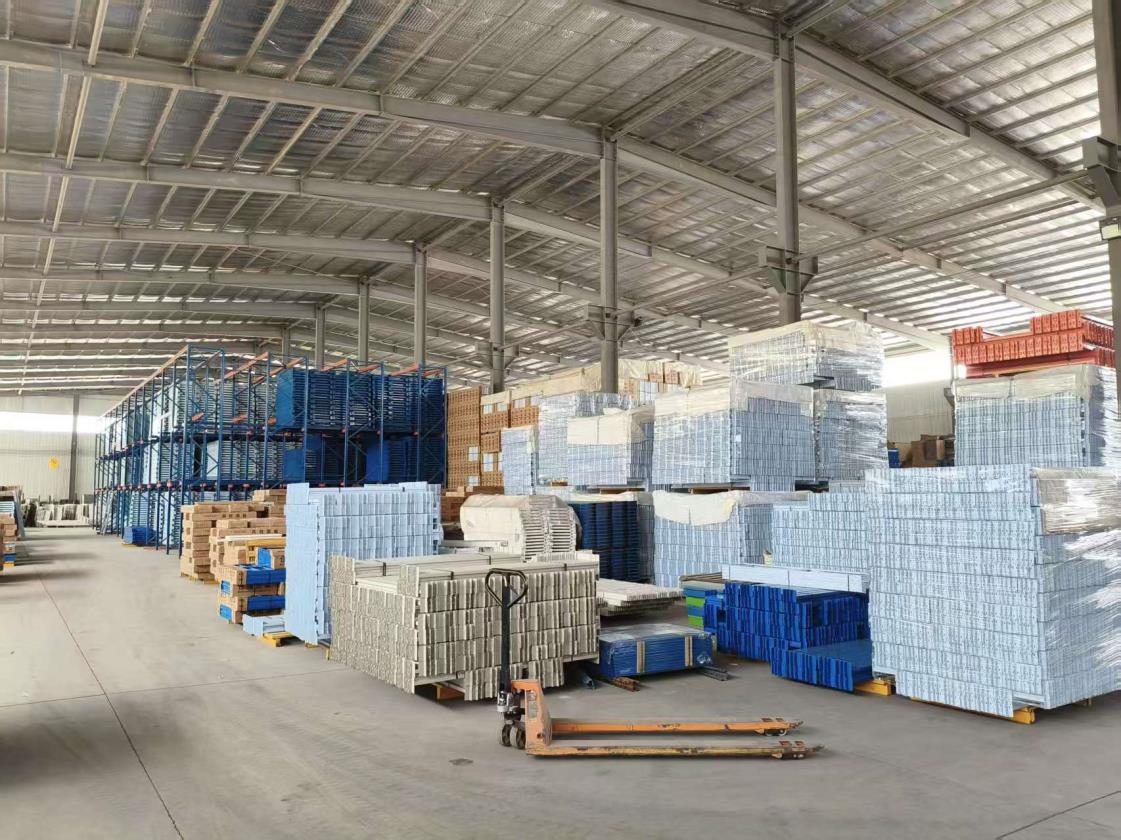
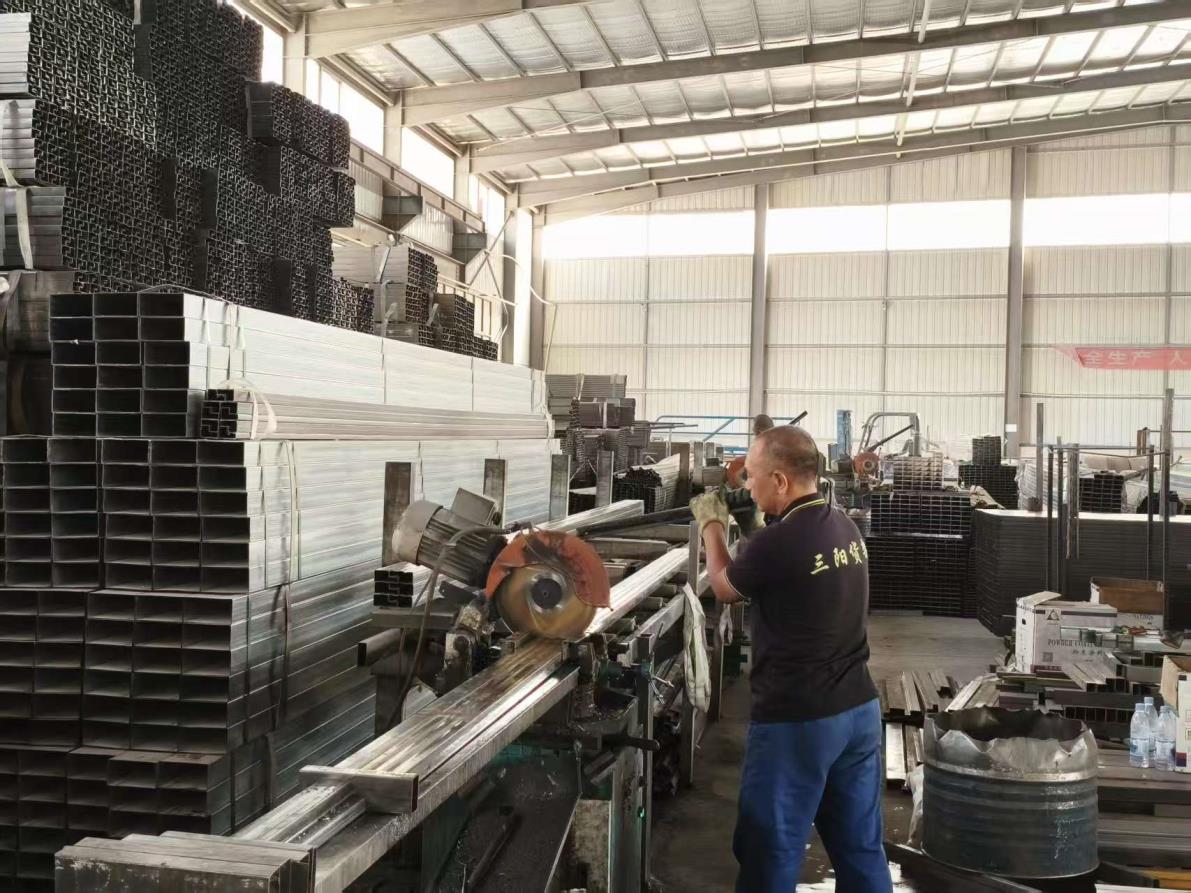
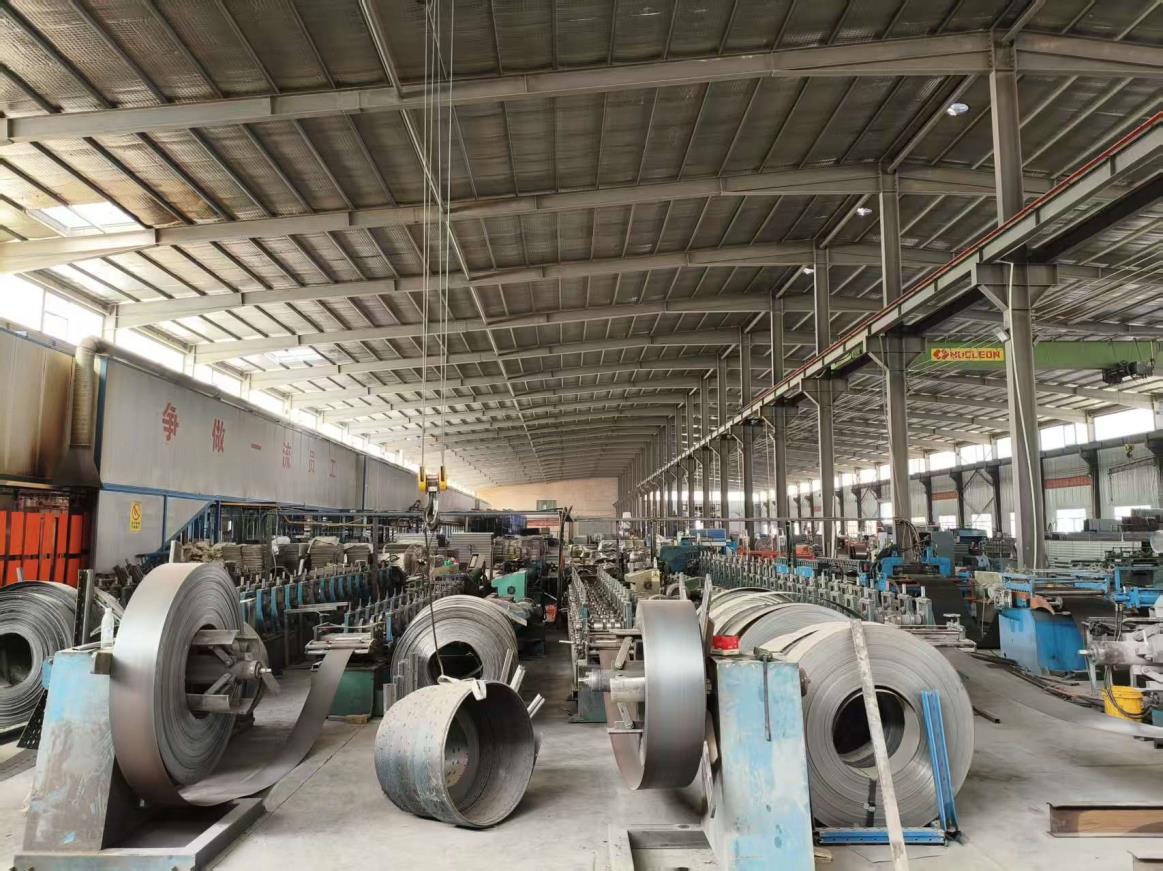
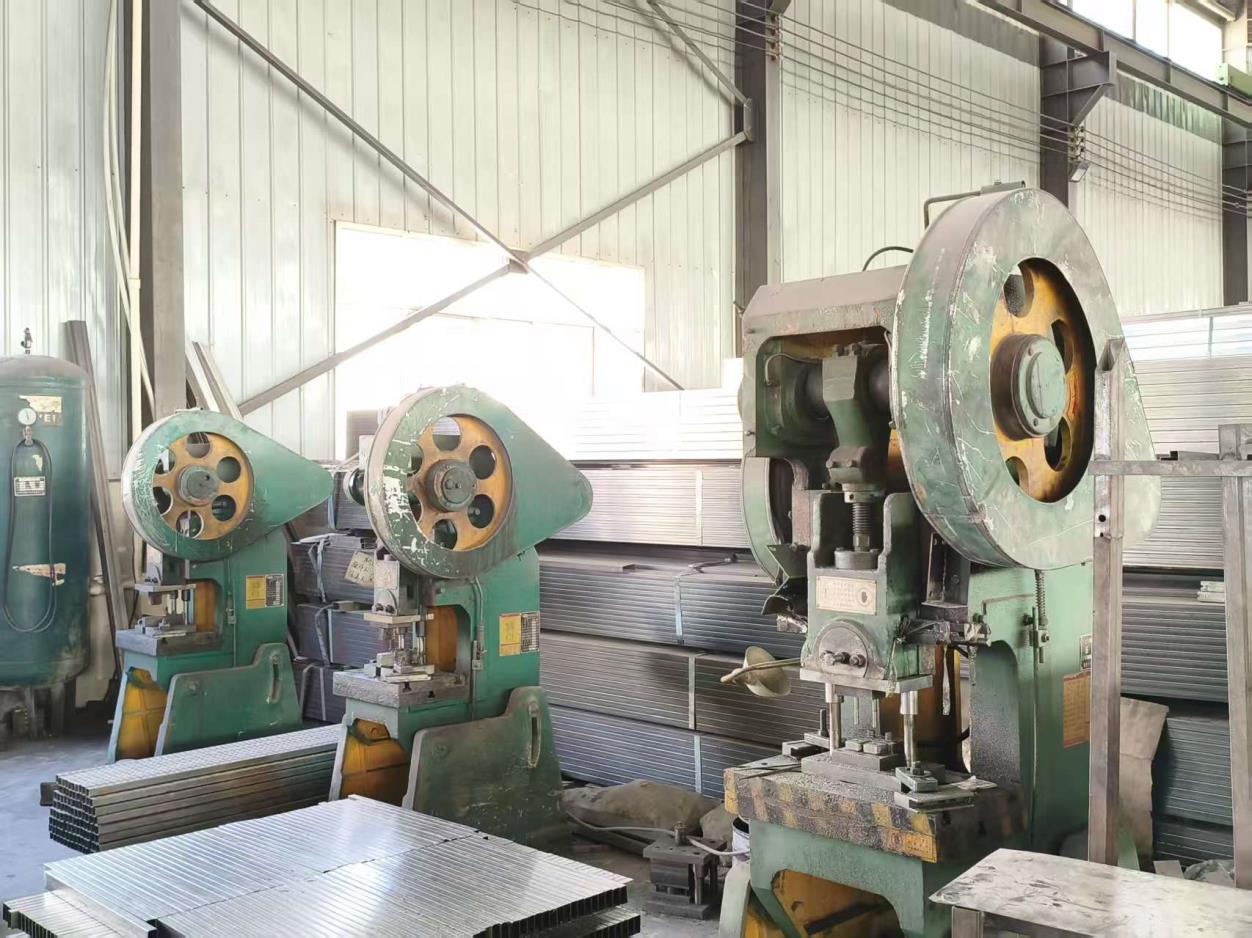
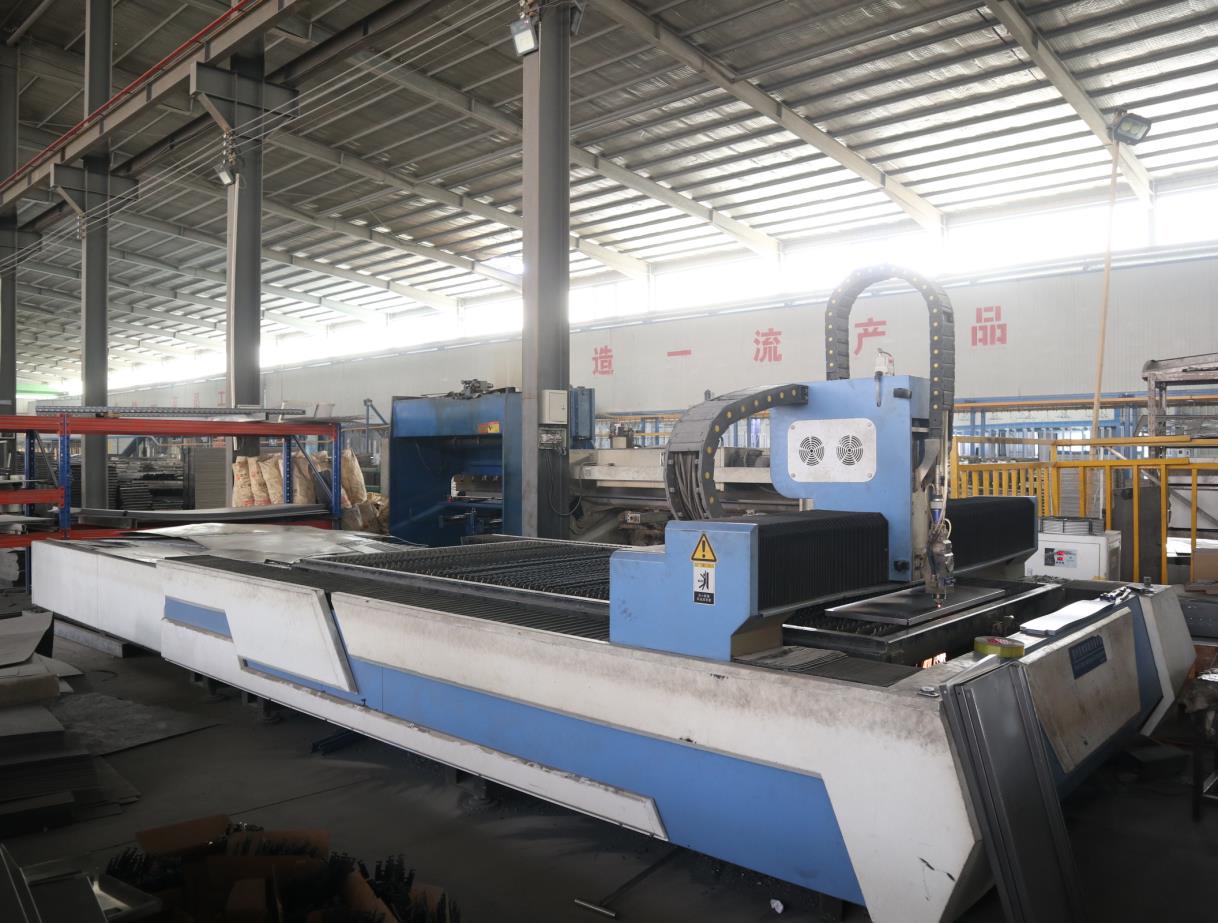
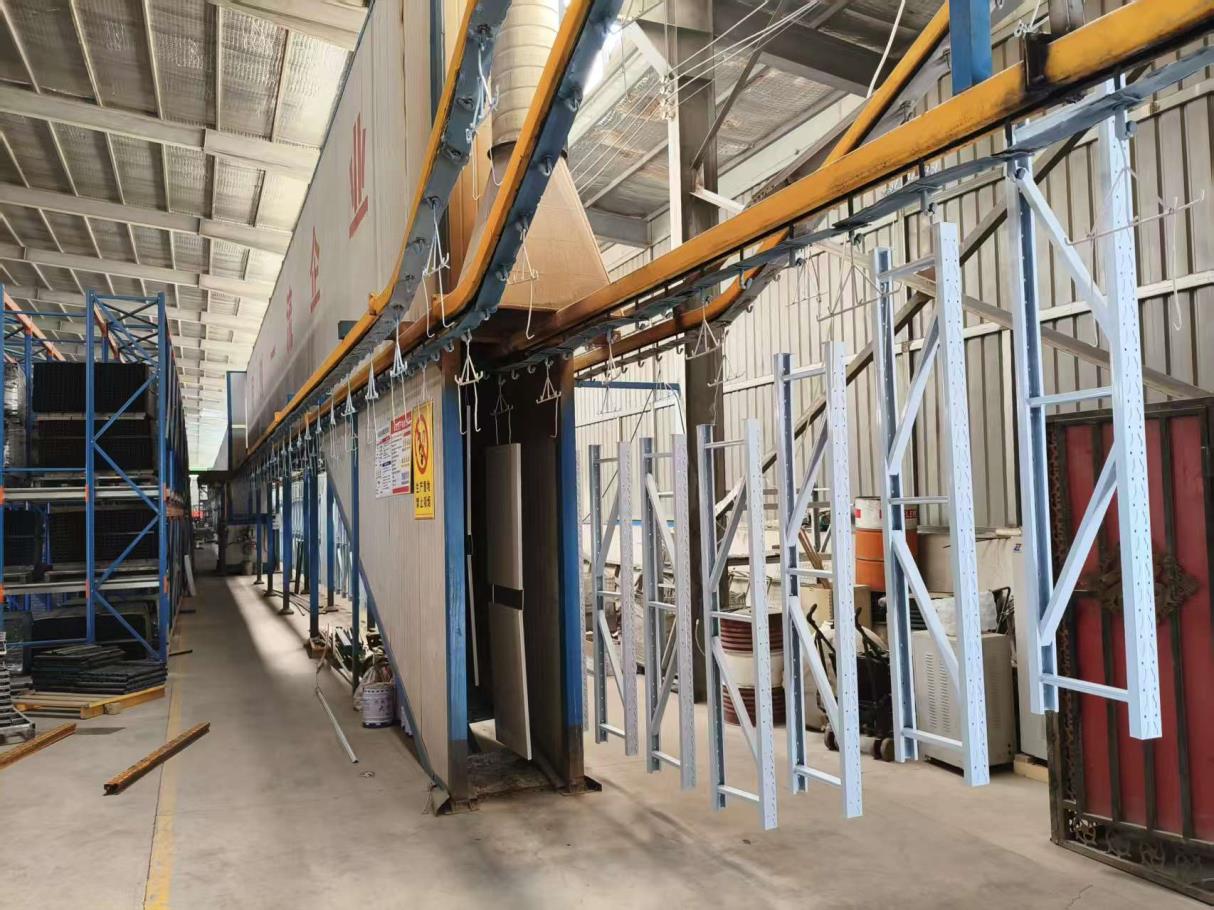
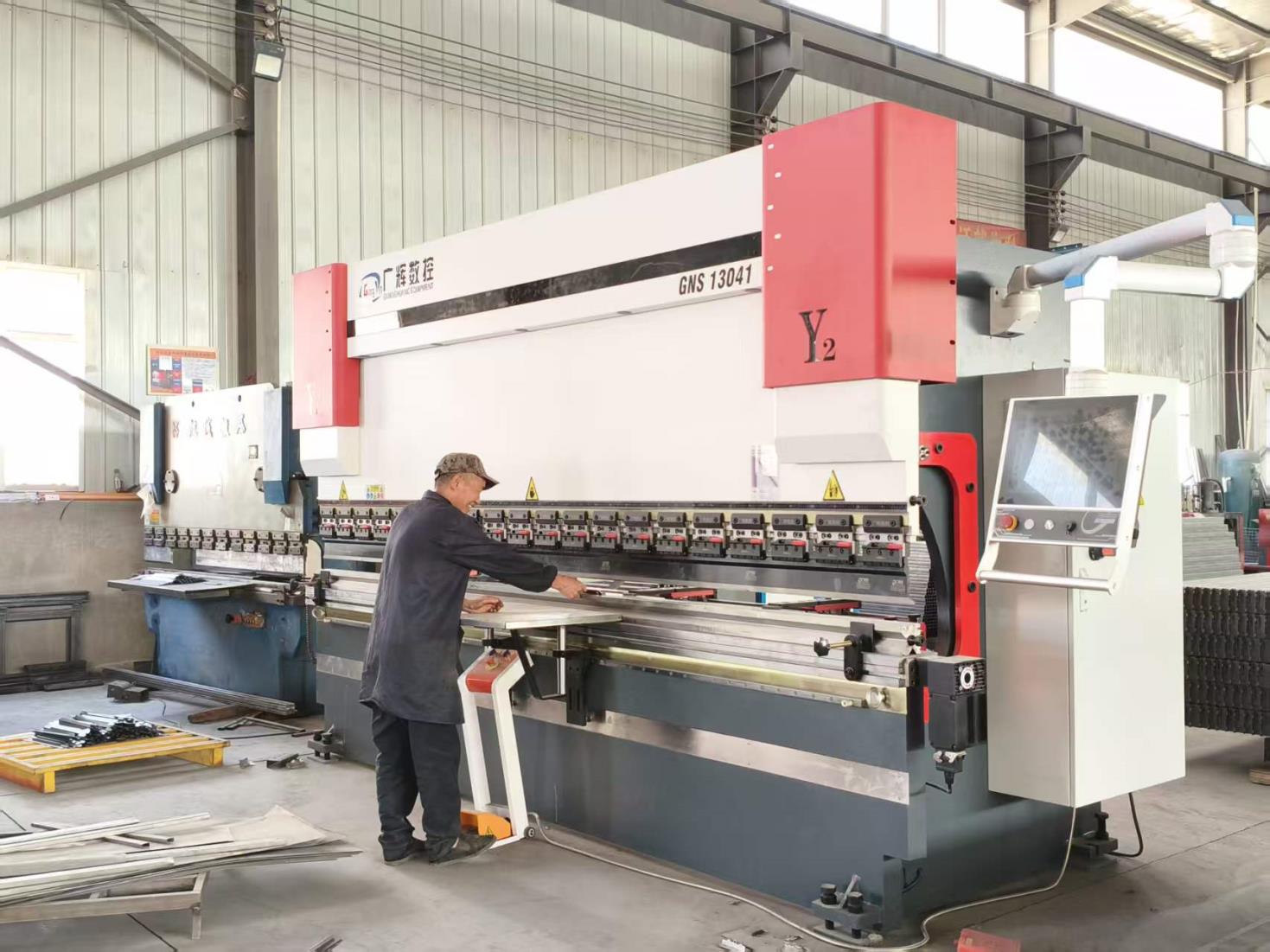
Nanjing, China, stands as the global epicentre of high-quality industrial racking production. Nanjing Dulis Warehouse Equipment Co., Ltd. (operating as DuraRacks) leverages local structural steel refining lines, advanced robotic welding clusters, and precision automated cold roll forming machinery to manufacture international-grade systems at competitive price points.
DuraRacks operates a modern 38,000-square-meter facility with direct shipping access to major Australian ports, including Sydney, Melbourne, Brisbane, and Fremantle. Our localized manufacturing advantage lies in our end-to-end supply chain integration, raw material purchasing power, and precision engineering capability. This setup enables us to offer fully customized structural sizing, seismic base configuration options, and custom-formulated finishes that meet Australia's strict safety standards.
The industry is transitioning toward semi-automated systems. The integration of Radio Shuttles within standard drive-in frames is rapidly replacing traditional manual forklift drive-in setups. Shuttle racking increases safety by eliminating the need for forklifts to enter the rack structure. This reduces structural collision risks while improving throughput speed.
Additionally, modern smart sensors and structural health monitoring tags are beginning to appear in high-throughput distribution hubs. These systems alert warehouse managers in real time to any frame damage or overload events, helping operators meet Australian workplace health and safety (WHS) compliance standards.
Contact our engineering desk for a complimentary CAD layout design and quote aligned with AS 4084:2023 guidelines.
Send Inquiry Now DuraRacks