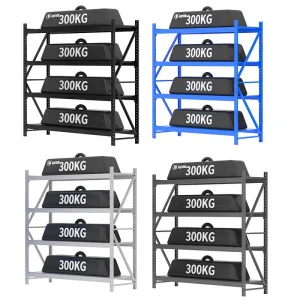
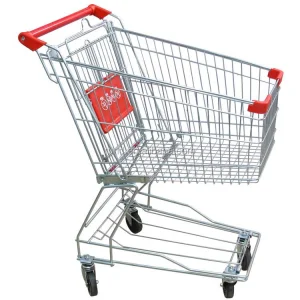
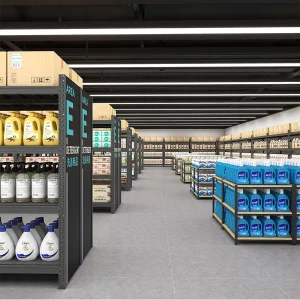
Premium heavy-duty structures, display racking, and checkout counters optimized for European regulatory codes.
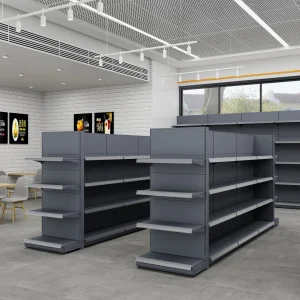
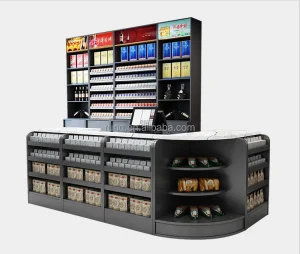
The Berlin-Brandenburg metropolitan region is experiencing an unprecedented expansion in logistics demand, driven by its geographic position as a critical corridor linking Western Europe with the growing economies of Eastern Europe. Industrial freight terminals like GVZ Grossbeeren, GVZ Wustermark, and GVZ Schönefelder Kreuz are facing escalating operational challenges. As real estate development land becomes costlier, warehouse operations, third-party logistics (3PL) providers, and cold storage chains require heavy-duty storage methods that optimize volumetric density without sacrificing stability.
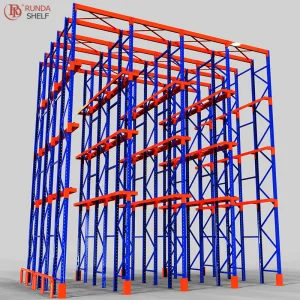
Drive-in shelf systems represent the peak of high-density pallet storage engineering. Designed to maximize both floor area and overhead clearance, these systems allow forklifts to drive directly into the racking bays, eliminating standard service aisles. For the Berlin industrial market, where cold chain temperature maintenance and automated retail fulfillment demand maximum space utilization, drive-in systems manufactured by DuraRacks provide up to 75% more pallet storage capacity compared to traditional selective pallet racks.
Unlike conventional pallet racking that relies on horizontal load beams supporting pallets from below, drive-in systems utilize continuous cantilevered guide rails. Pallets rest on these rails, which run the entire depth of the storage lane. The stability of such systems hinges on the structural design of the upright frames and the load-bearing arms. Without structural cross-bracing in the forklift lanes, engineers must design the steel columns to resist significant torsional stresses, longitudinal impacts, and buckling forces.
"For cold chain operations in Germany, dynamic temperature shifts can degrade material ductility. DuraRacks utilizes cold-rolled structural steel with specialized low-temperature impact tests down to -30°C to guarantee long-term physical integrity."
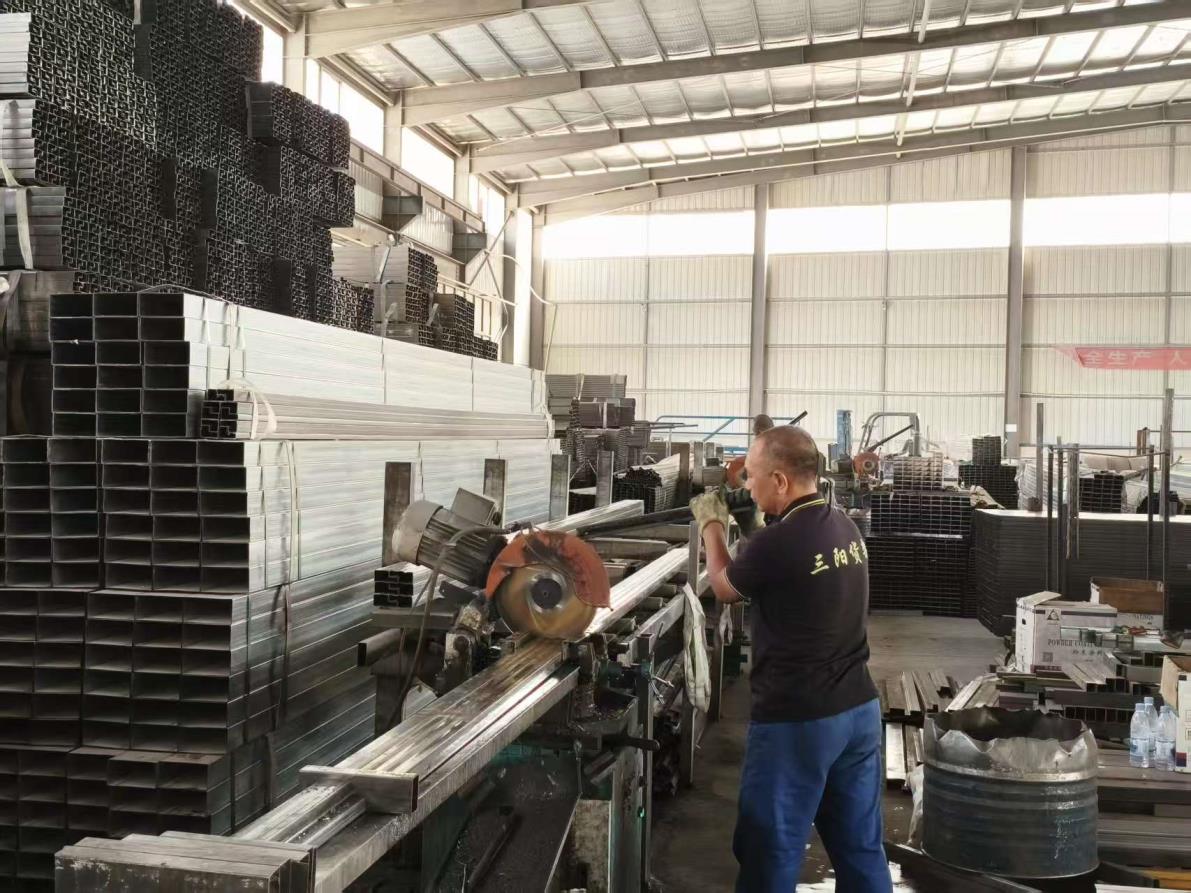
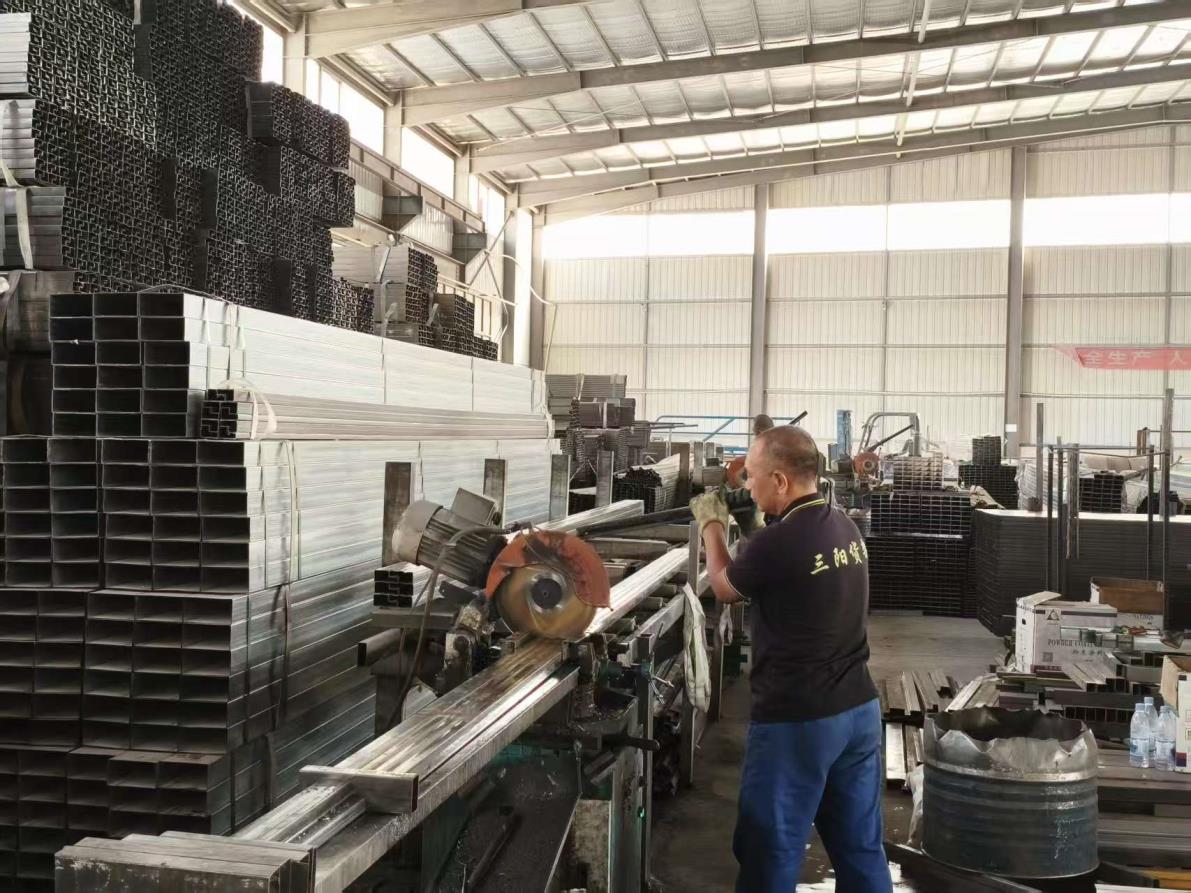
DuraRacks utilizes heavy-duty cold-rolled steel columns constructed with continuous profile folding machines. The structural steel meets or exceeds the specifications of Q235B (comparable to S235JR under European EN 10025 standards) and Q355B (comparable to S355JR). The structural design incorporates dynamic amplification factors to withstand accidental impacts from forklifts operating in narrow lanes.
When exporting racking systems to Germany, strict regulatory compliance is mandatory. In accordance with the German insurance guidelines (DGUV Rule 108-007, former BGR 234) and the European standard DIN EN 15635, warehouse operators are legally responsible for the systematic safety and structural calculations of their storage equipment. Racks must carry visible load charts indicating permissible load distributions, pallet heights, and maximum frame capacities.
| Parameters | Standard Specs | DuraRacks Specifications |
|---|---|---|
| Upright Material | EN 10025 S235 / S355 | Q235B & Q355B High-Tensile Steel |
| Safety Standards | DIN EN 15635 / FEM 10.2.07 | Fully Certified CE, ISO9001, & FEM Compliance |
| Corrosion Resistance | ISO 12944 C2/C3 | Epoxy Powder Coating & Galvanized Options |
| Dynamic Impact Allowance | FEM Standard | Floor-guided rails & heavy-duty upright guards |
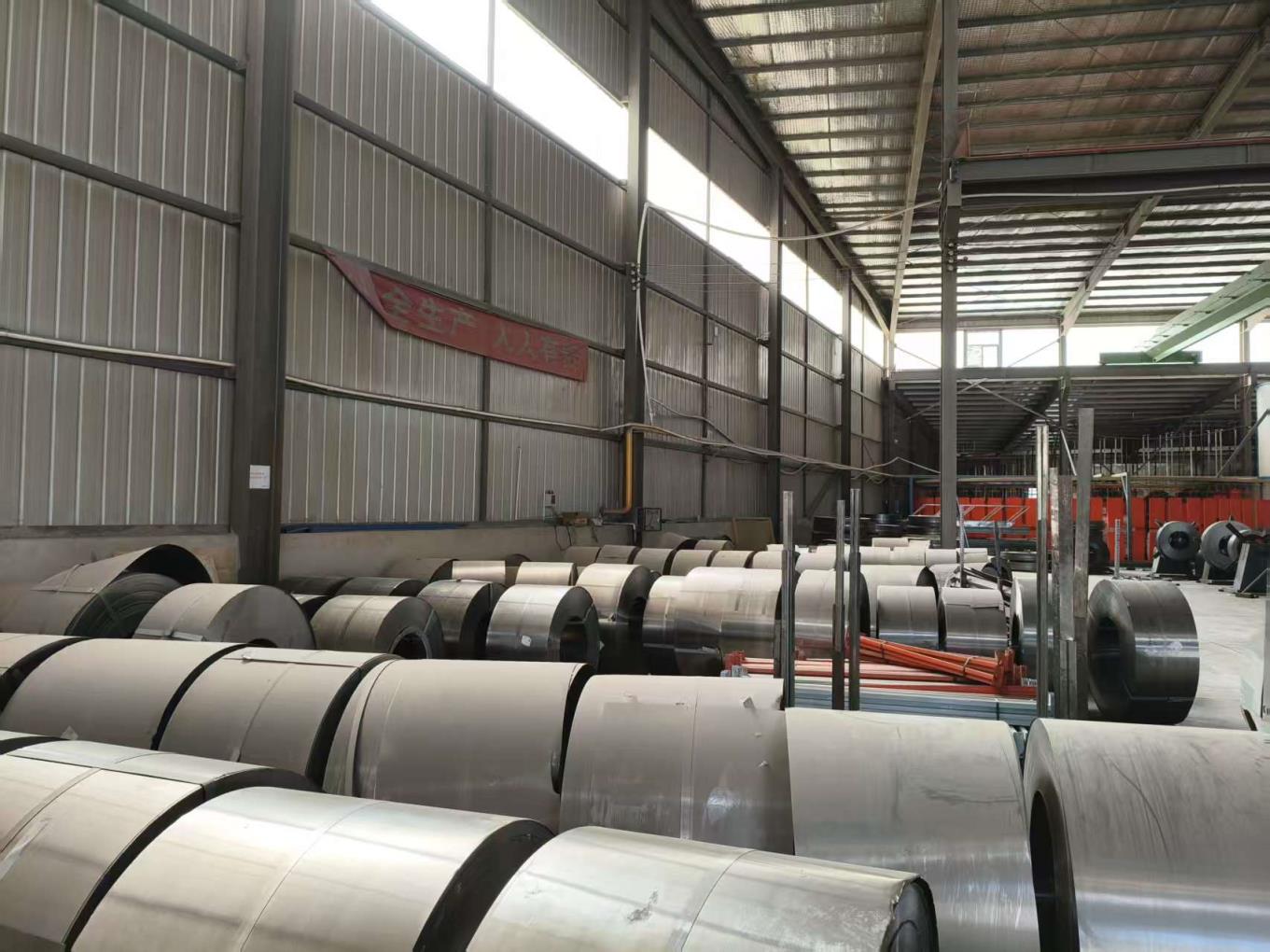
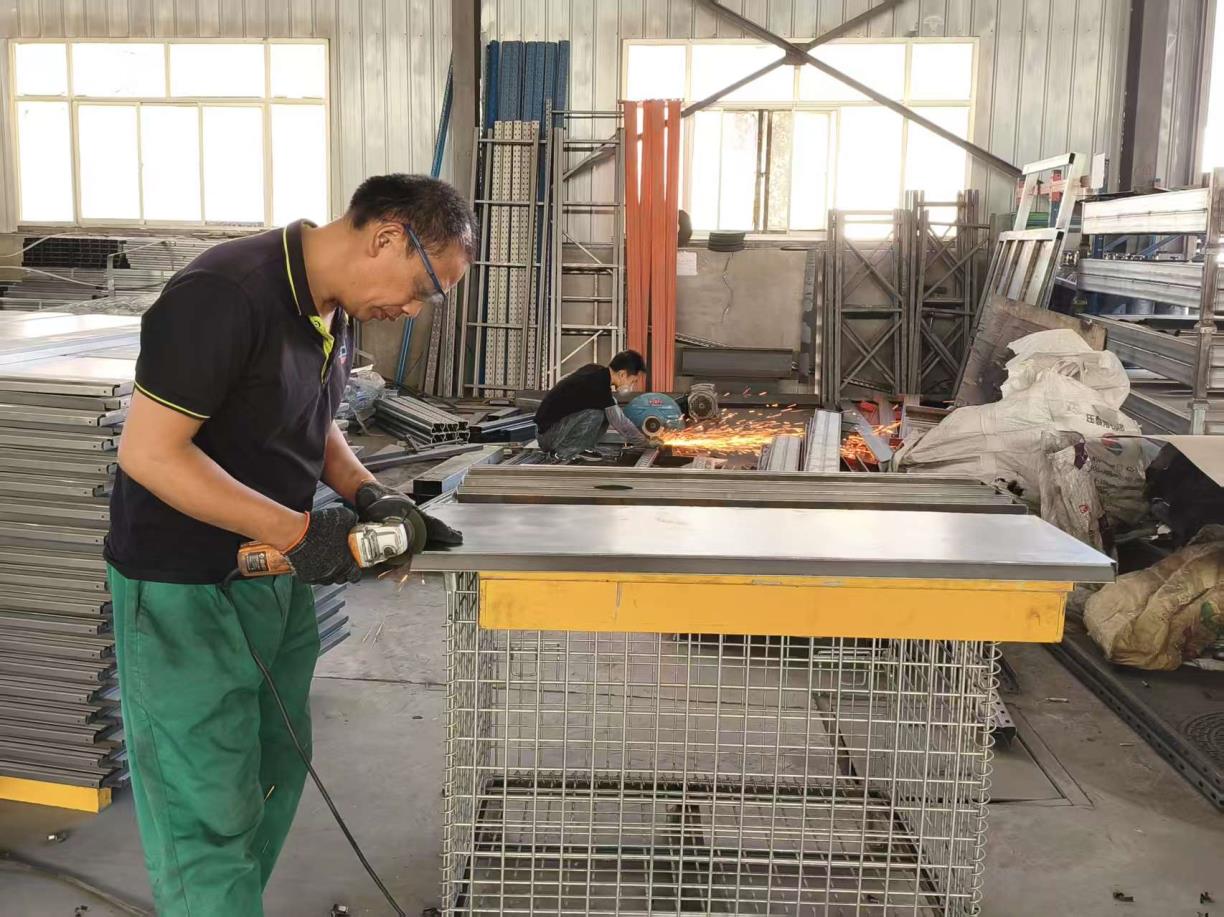
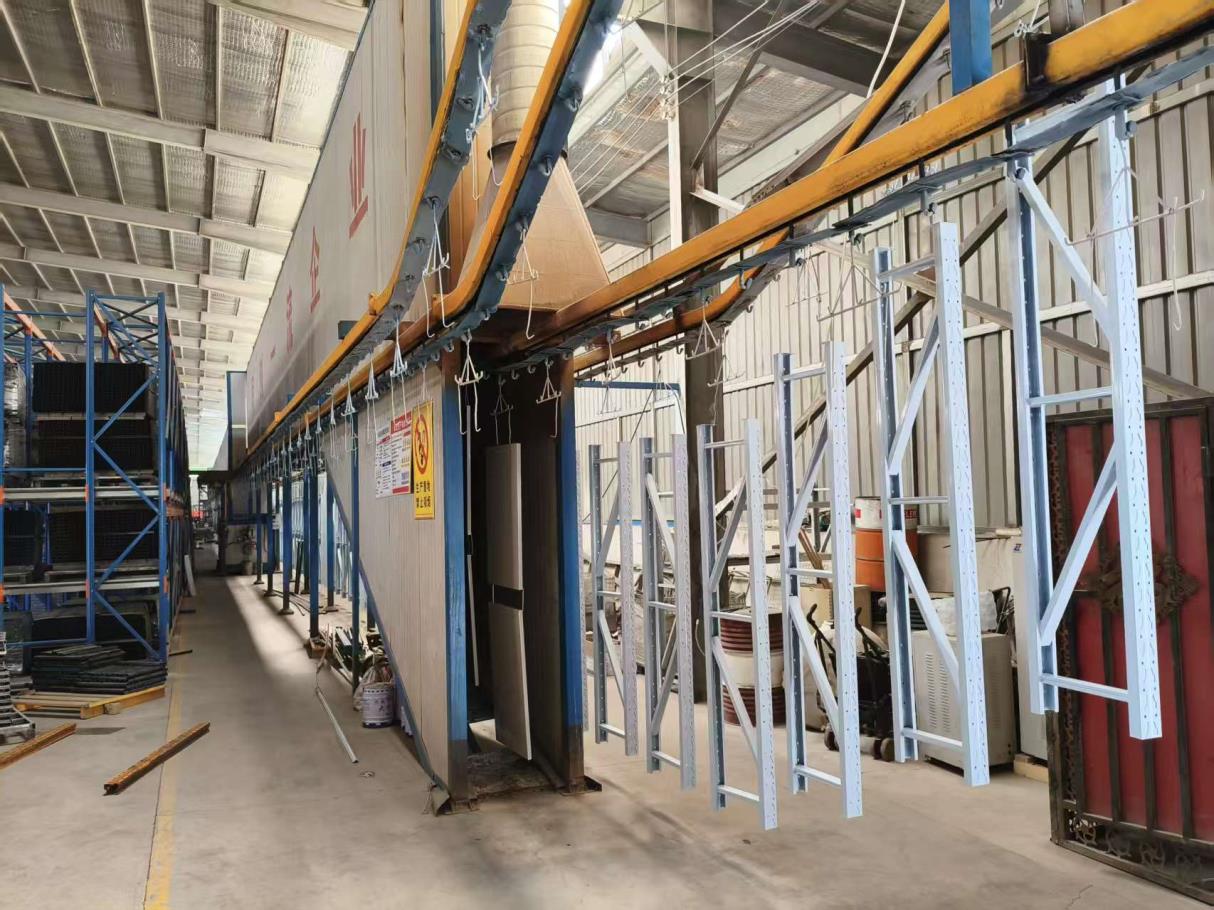
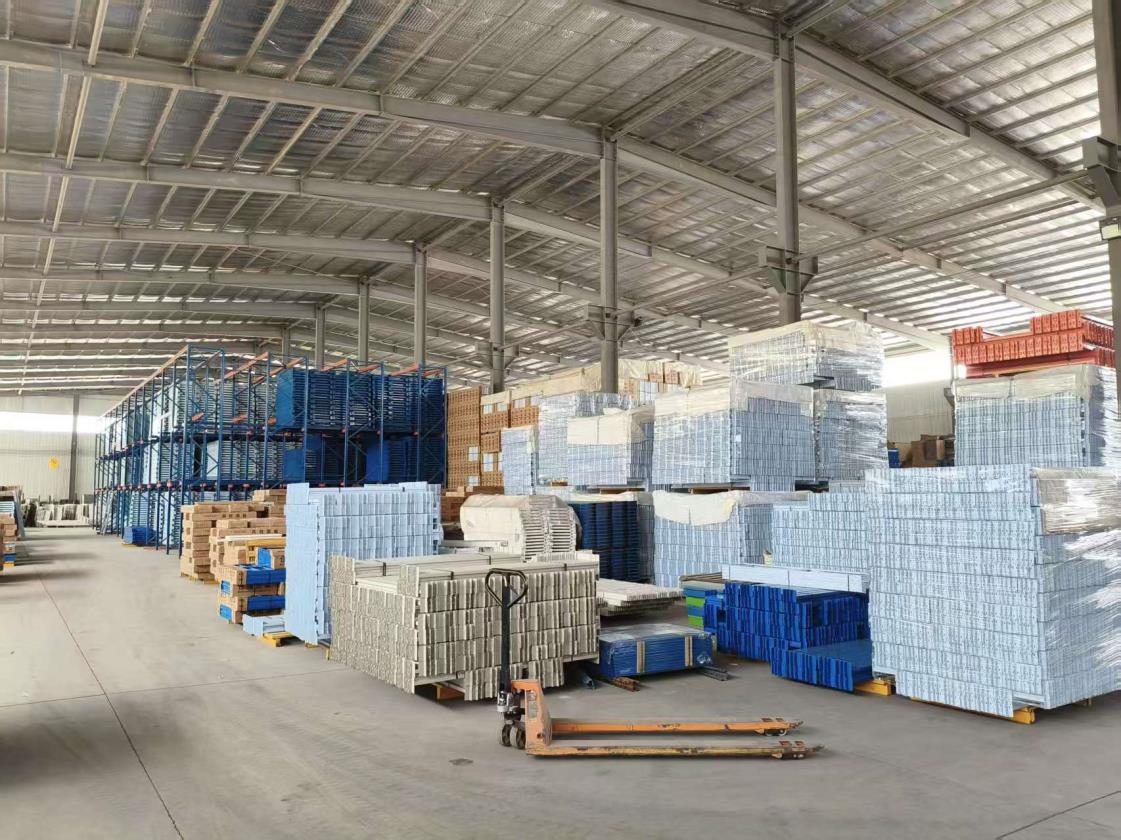
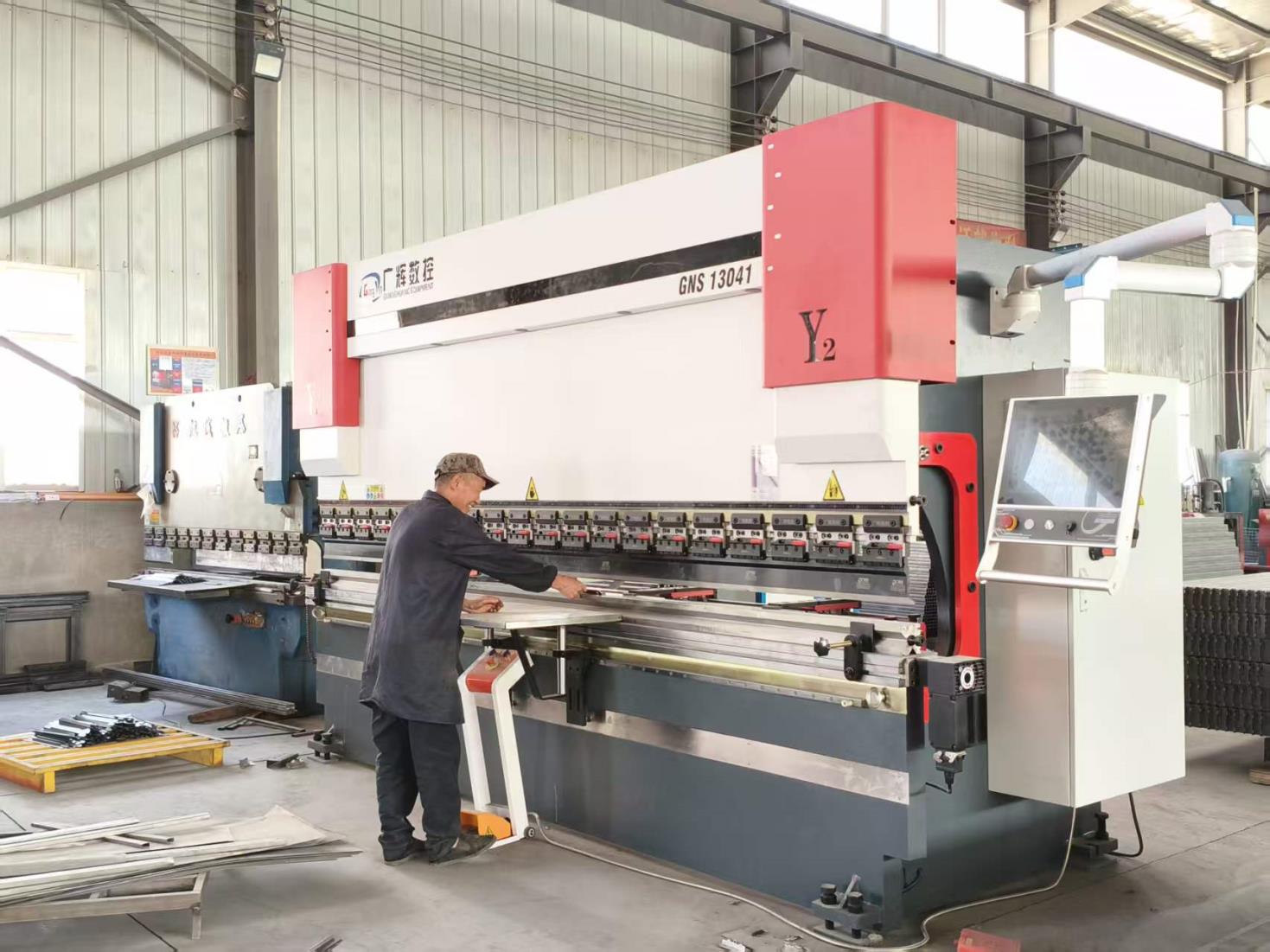
With 12 years of industry experience and 9 years of direct export credentials, Nanjing Dulis Warehouse Equipment Co., Ltd. (operating as DuraRacks) manages the entire lifecycle of storage manufacturing inside a modern 38,000 square meter industrial plant. Our dedicated team of 45 QA personnel employs advanced testing methodologies to verify that every structural column, arm bracket, and floor base meets exact mechanical parameters. Below is a detailed view of our standard production process pipeline:
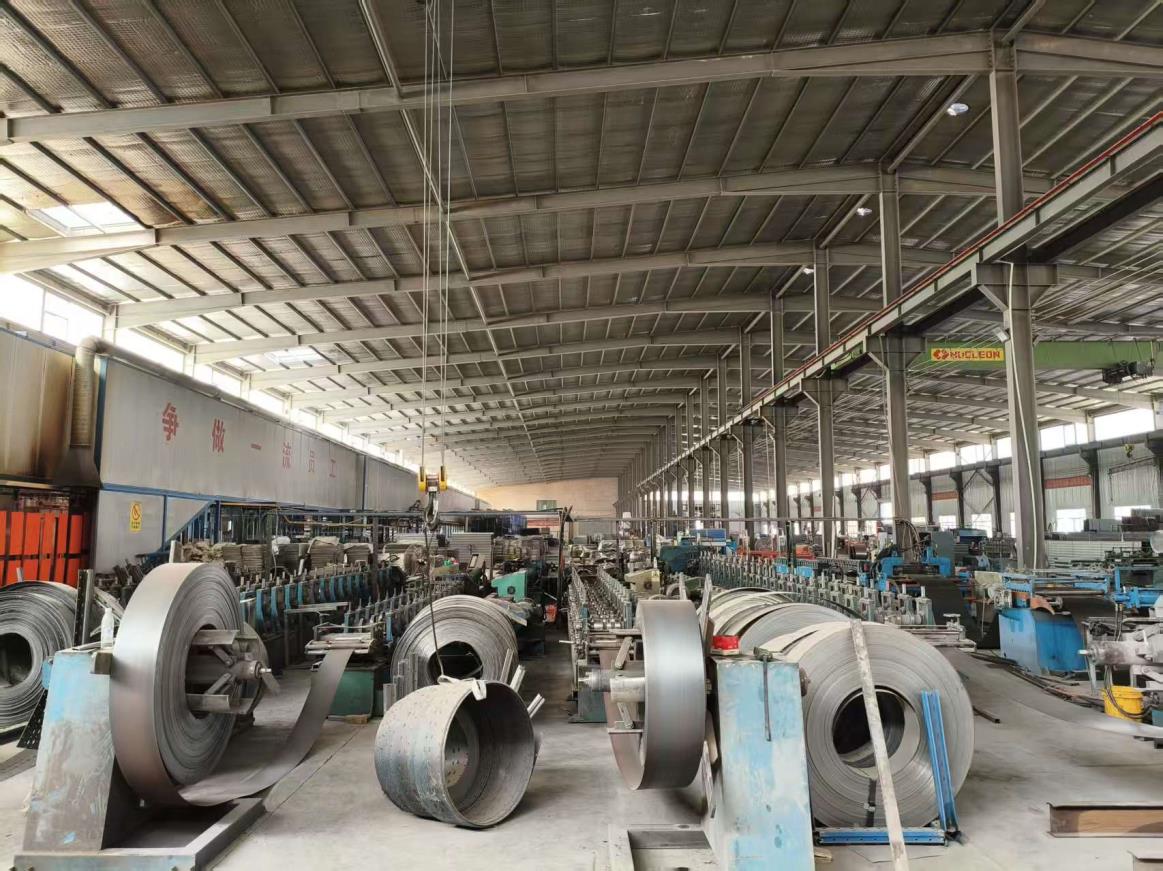
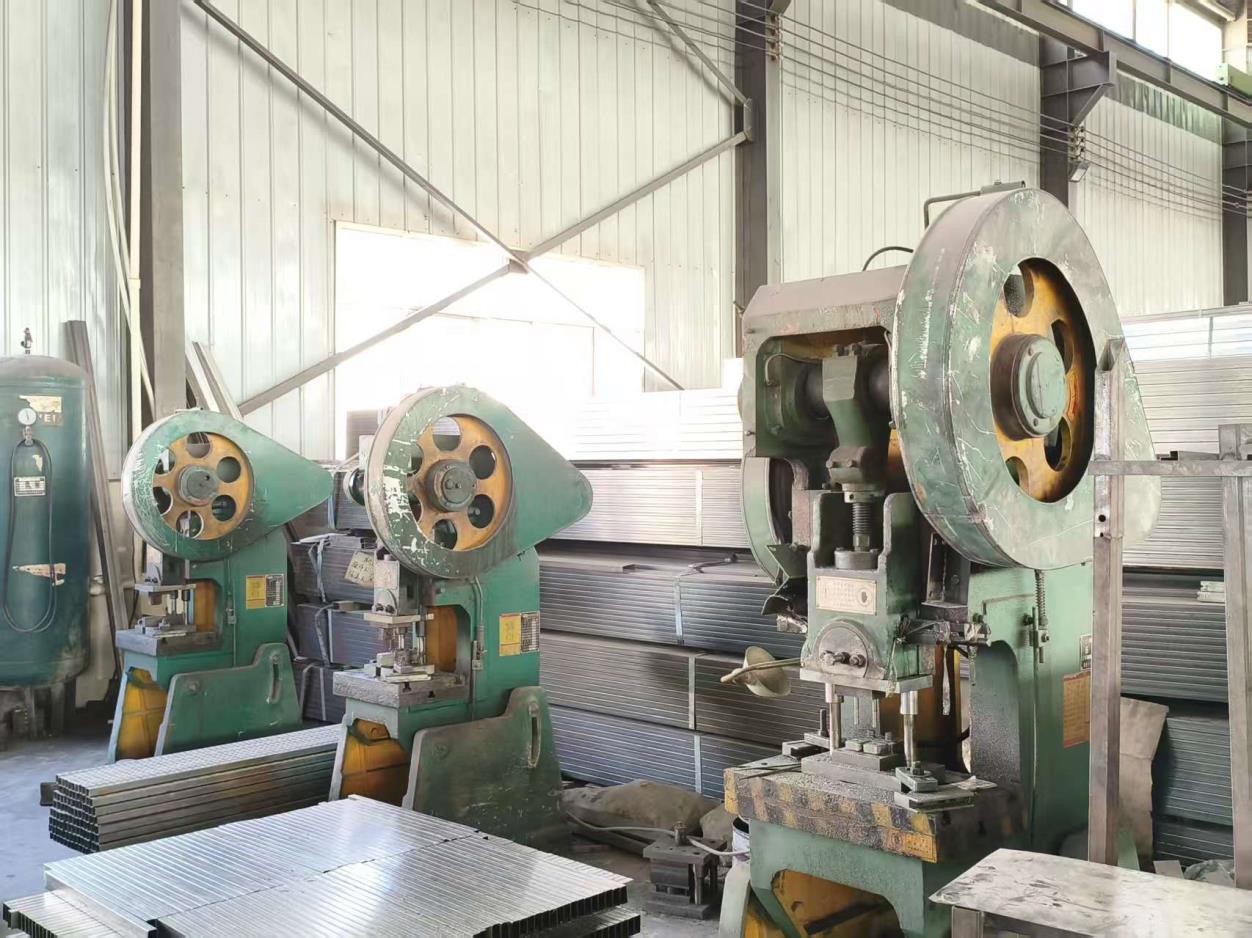
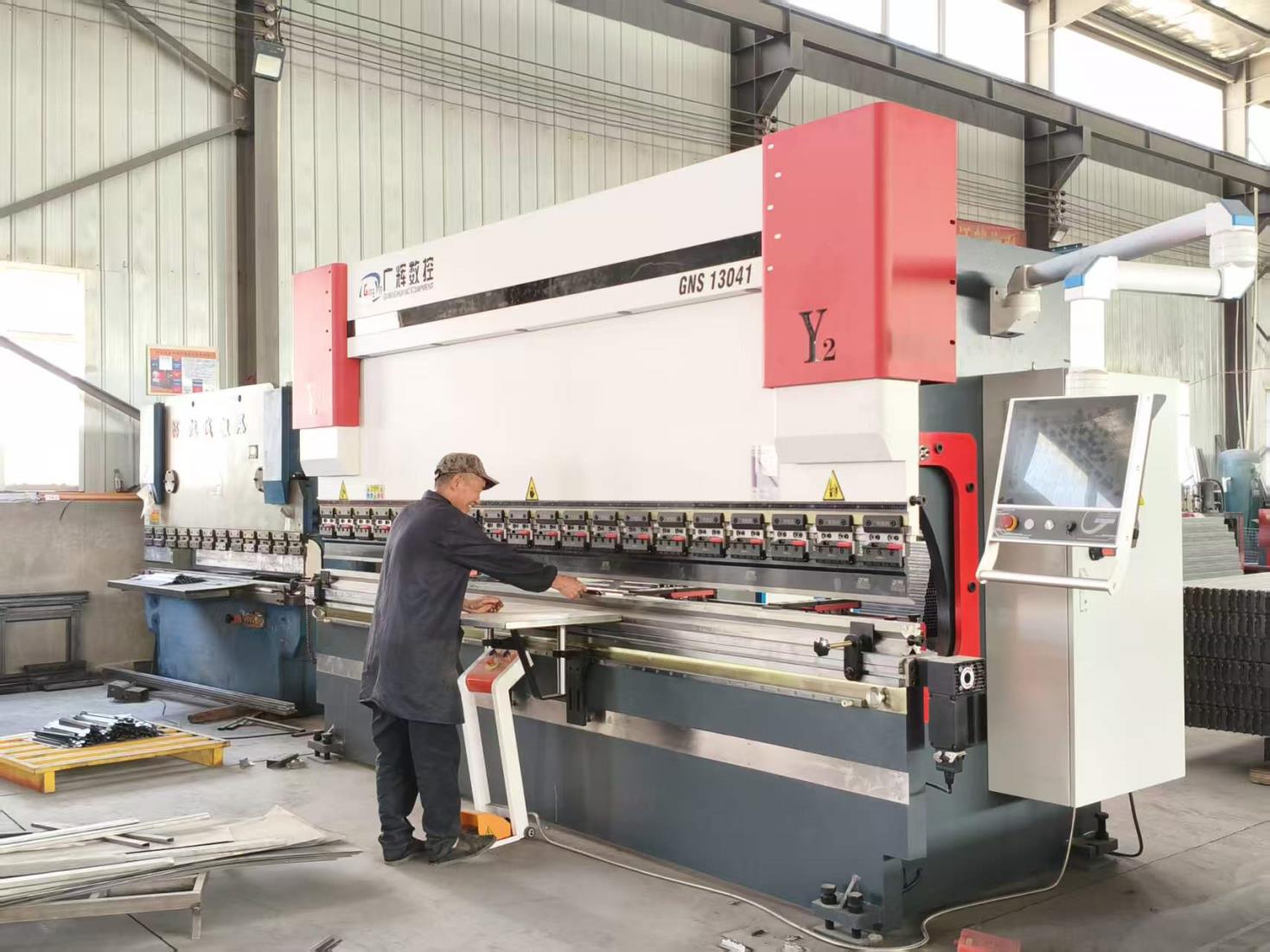
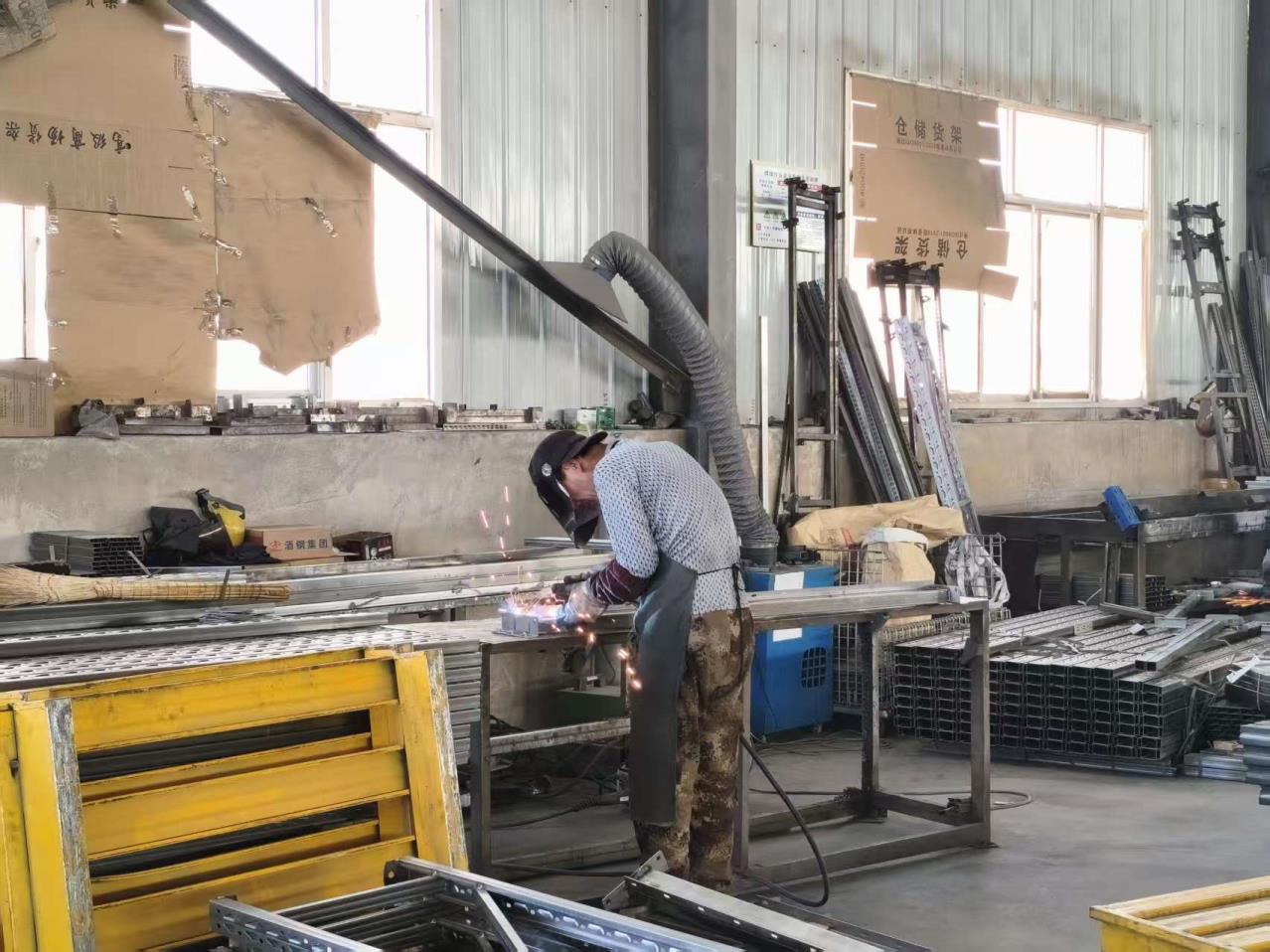
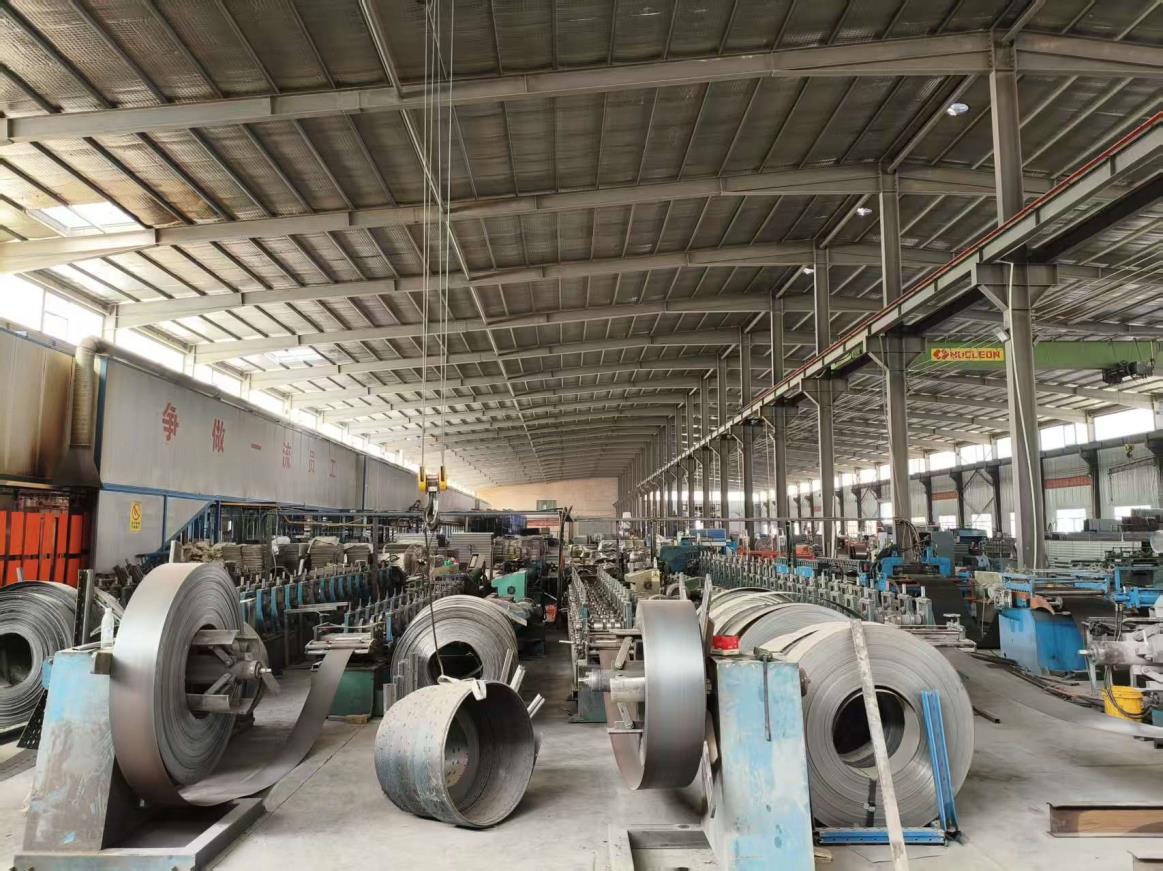
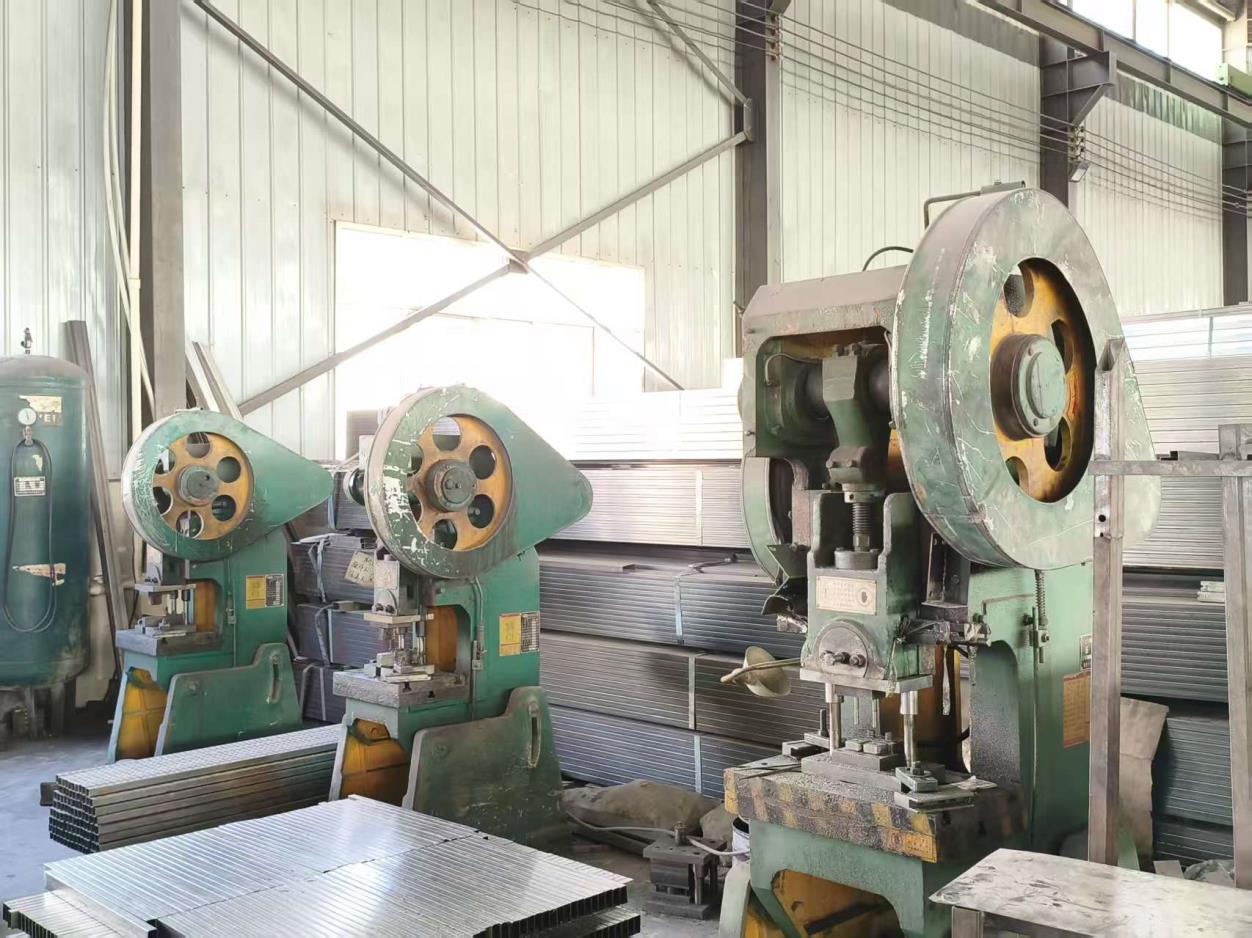
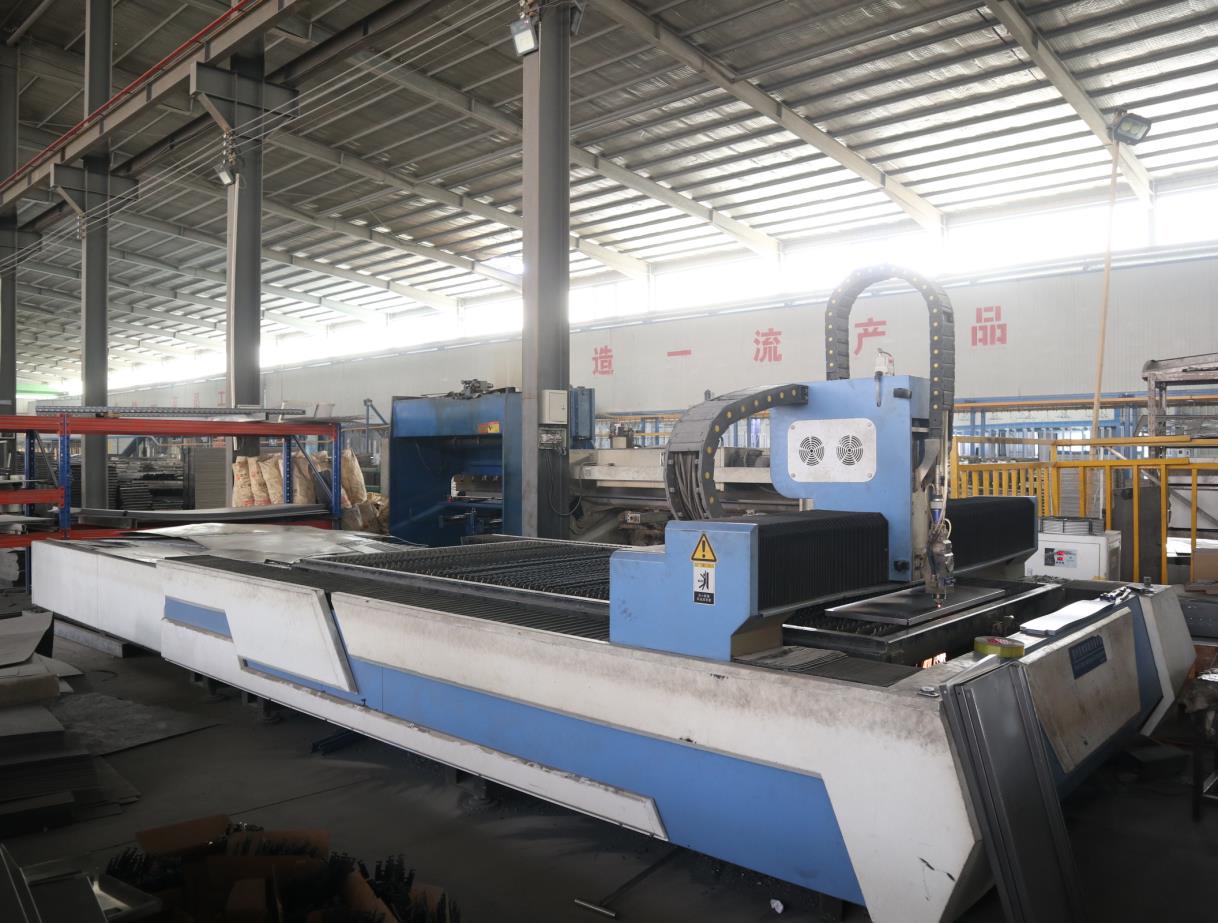
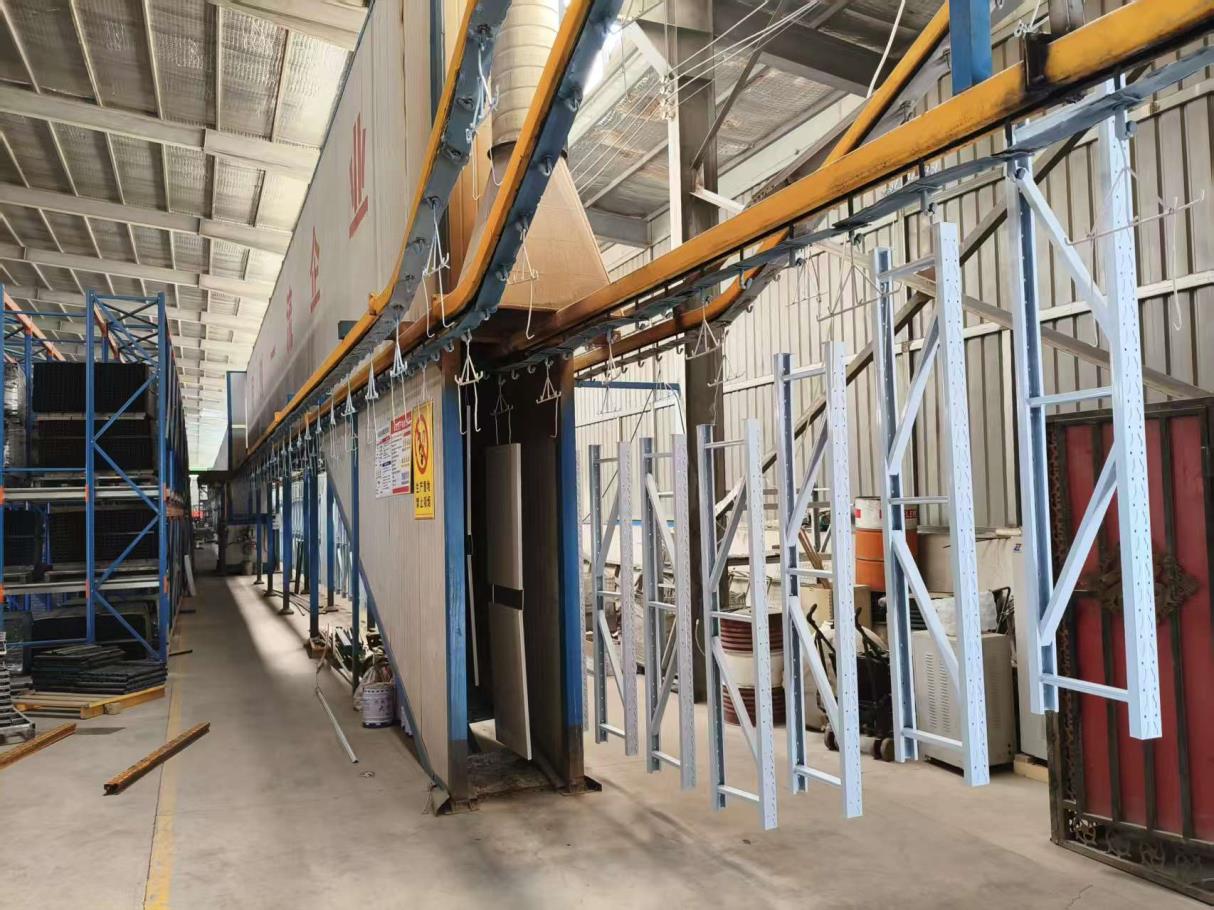
Comprehensive range of industrial cantilever racks, automated steel shelving, heavy-duty mobile carts, and selective pallet systems.
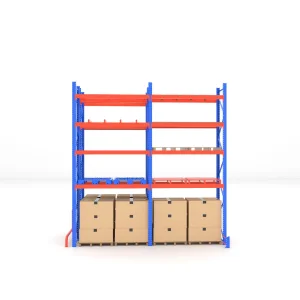
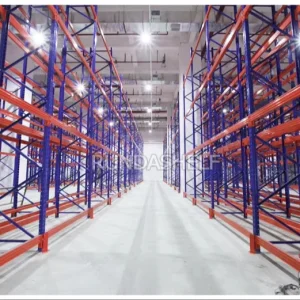
Designing and deploying a Drive-In racking system requires strict calculation of vertical load distributions and dynamic forklift impact parameters. Unlike selective pallet racking systems where horizontal beams provide lateral stability, Drive-In systems feature open corridors for forklift entry. This layout makes them susceptible to lateral buckling. To mitigate this risk, DuraRacks engineers use advanced finite element analysis (FEA) tools to simulate dynamic wind loads, seismic movements (specifically for regions classified under German seismic zone classifications like DIN 4149), and static vertical deflections.
The steel used in these systems plays a key role in their safety. We use high-yield, cold-formed structural steel profiles. The columns are shaped through cold-rolling machines to produce complex cross-sections with multiple stiffening ribs. This geometry provides high load-carrying capacity with minimal weight. Every batch of steel undergoes mechanical tensile strength tests to ensure the yield strength meets the specified requirements.
For applications in cold storage facilities, which operate down to -30°C, the steel's toughness becomes critical. At low temperatures, carbon steel can become brittle and susceptible to cracking under impact. DuraRacks addresses this by using low-temperature resilient steel grades. This ensures the racking systems maintain their structural integrity even in demanding cold chain environments.
According to German health and safety rules (BetrSichV) and DIN EN 15635, industrial storage racks must undergo regular inspections by qualified personnel. A weekly inspection by the warehouse safety officer is recommended, with a comprehensive audit by an independent certified expert required every 12 months.
Key inspection areas include upright upright deformation, checking weld connections for cracking, verifying the secure placement of locking pins, and inspecting structural anchor bolts at the floor. In Drive-In racking, where forklifts operate close to the uprights, protecting the columns is critical. DuraRacks installs heavy-duty steel upright guards with internal shock-absorbing materials. Floor-mounted guide rails are also used to keep forklifts centered within the lanes, minimizing the risk of collision with the structure.
Contact our design engineers today for a customized CAD layout and structural load calculations for your Berlin facility.
Send Inquiry Now DuraRacks