Explore our elite configurations designed for hyper-efficient retail and heavy industrial spaces throughout Romania and Europe.
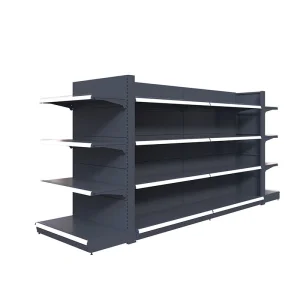
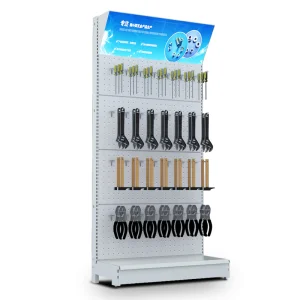
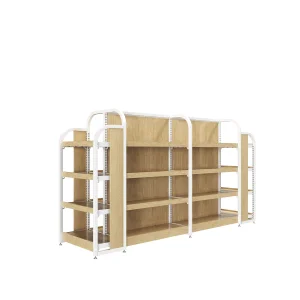
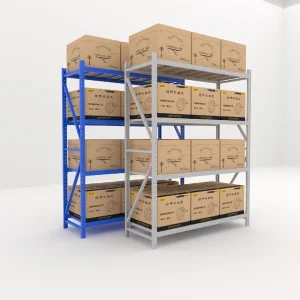
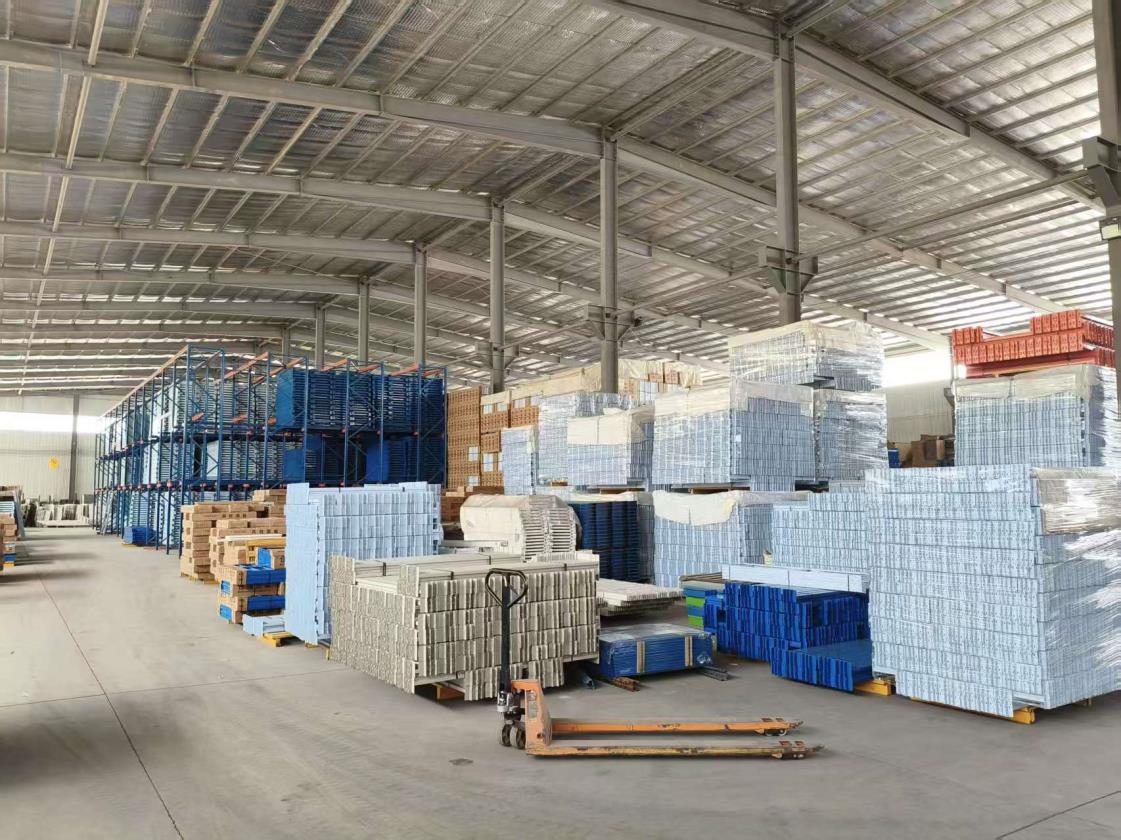
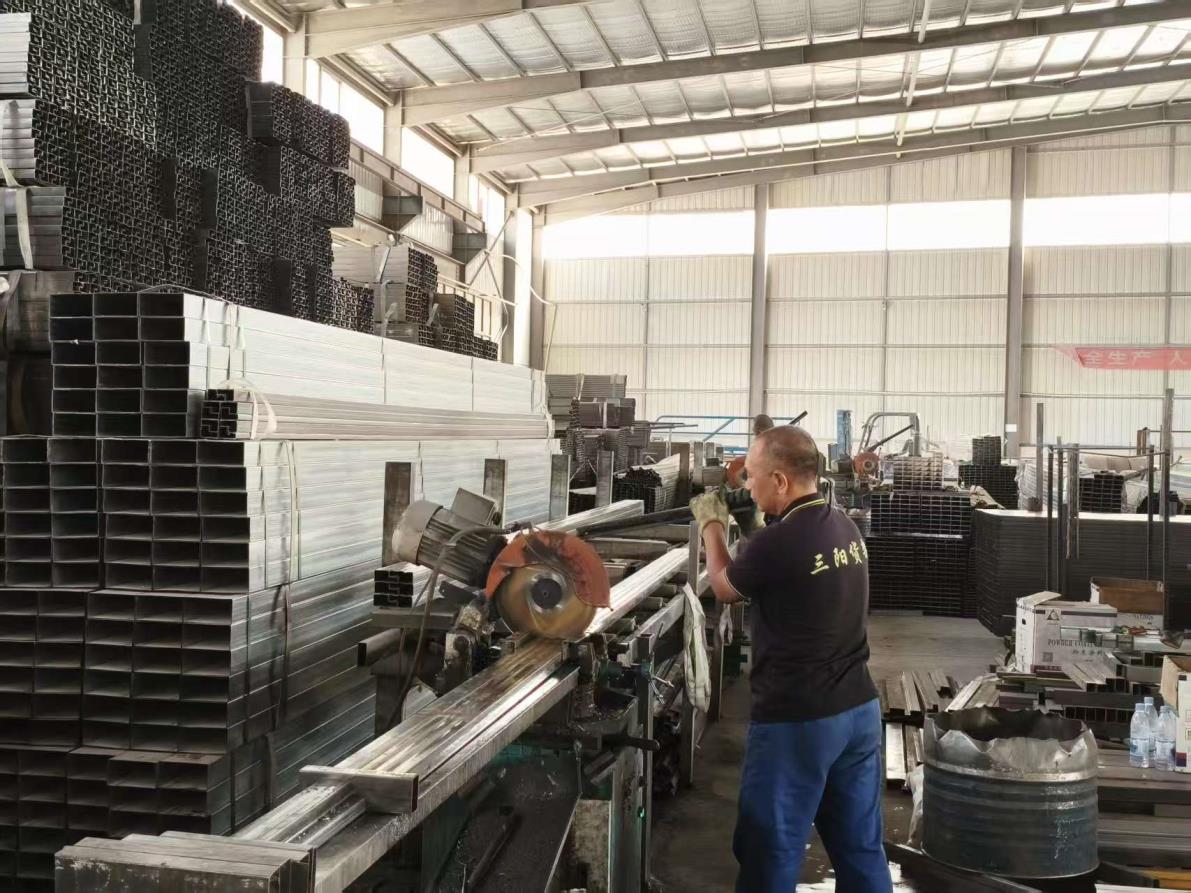
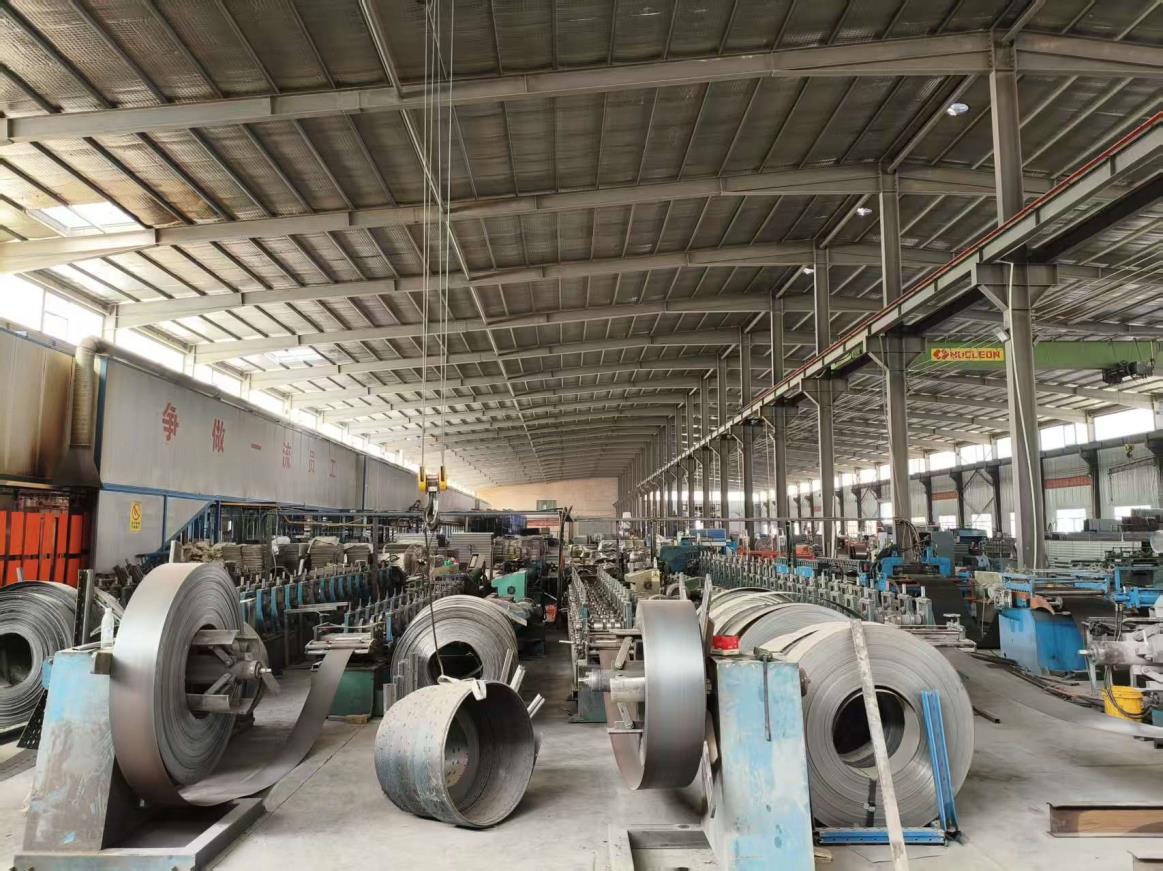
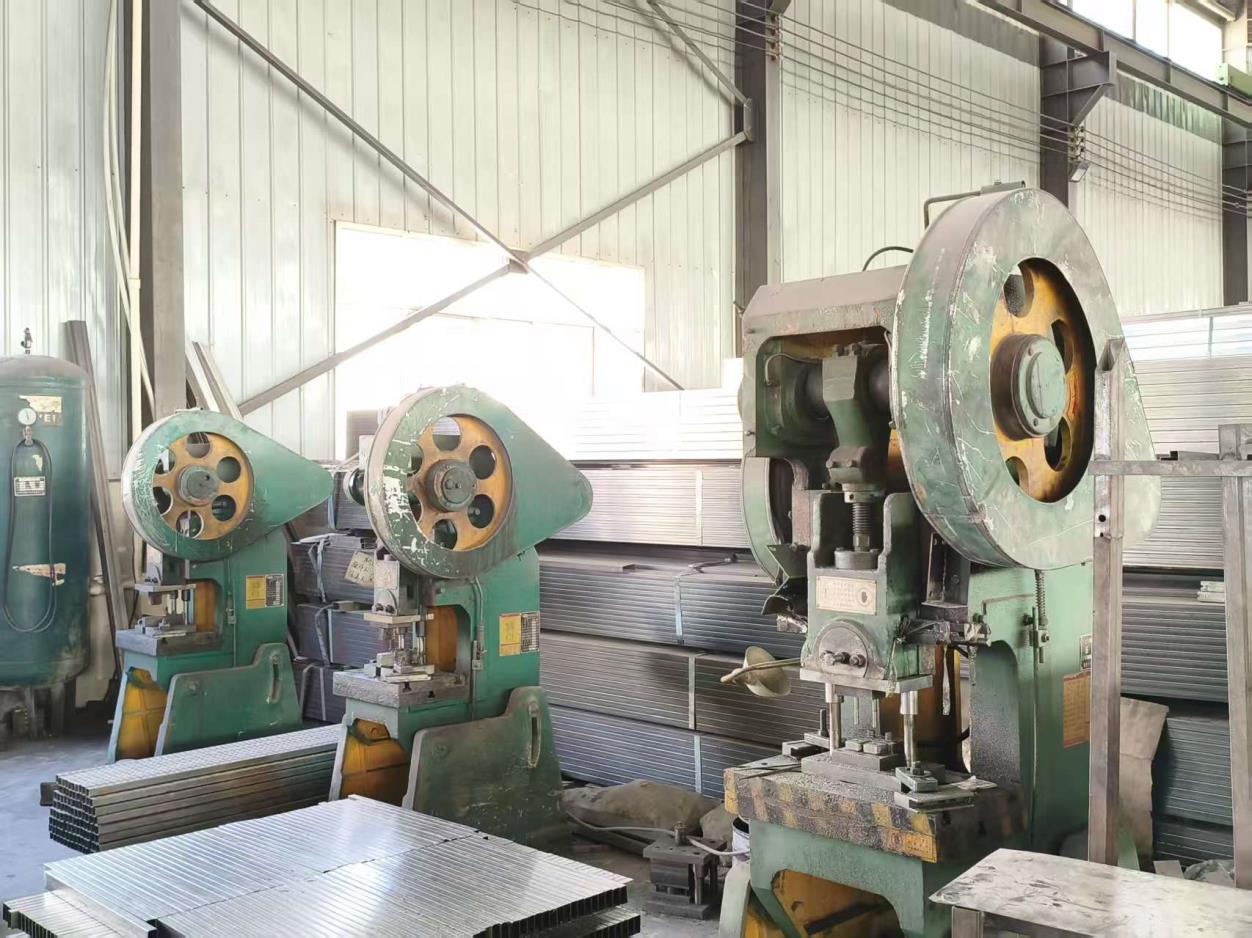
A look into DuraRacks' (Nanjing Dulis Warehouse Equipment Co., Ltd.) manufacturing footprint supplying Romania and the global supply chain.
Romania has positioned itself as the logistical gateway of Central and Eastern Europe. Driven by substantial infrastructure expansions along the Pan-European Corridors IV and IX, and anchored by the growth of key industrial hubs in Bucharest, Timișoara, Cluj-Napoca, and Constanța, the demand for sophisticated warehouse racking solutions has surged. Among these, the implementation of fluent shelf configurations (commonly known as carton flow and gravity flow racking systems) represents a critical design pivot for modern 3PL providers, e-commerce giants, and automotive supply chains.
The Romanian logistics market recently exceeded 6 million square meters of modern industrial space. Major developers continue to expand their portfolios to support international e-commerce platforms (such as eMAG, Amazon Europe, and Lidl's logistics divisions) and manufacturing powerhouses like Ford Otosan in Craiova and Dacia in Pitești. In these high-throughput environments, spatial inefficiency translates directly to lost revenue. Fluent shelving and gravity-driven storage solutions solve this by transforming floor layouts into high-density fulfillment matrices.
In Pitești and Cluj-Napoca, automotive component distributors utilize customized metal shelving with precise angle tolerances. This ensures components automatically slide to the picking face, facilitating lean manufacturing line feeding. As labor costs rise in Eastern Europe, migrating from static industrial storage racks to dynamic gravity flow shelving reduces warehouse transit times and optimizes labor deployment.
Internationally, racking systems are no longer treated as simple steel structures. Structural safety standards—primarily Europe's EN 15512 and the Federation Européenne de la Manutention (FEM 10.2.02)—dictate strict criteria for structural deflection, load calculations, and impact protection. A global industrial enterprise sourcing racking from an international manufacturer must verify that the engineering designs can withstand local physical forces.
For Romania, this validation becomes even more critical. The country's unique seismic vulnerability, centered in the Vrancea zone, means that rack configurations in areas like Bucharest must adhere to strict Eurocode 8 standards. Seismic-resistant racking systems require thicker structural steel (such as certified Q235B or Q355B hot-rolled steel), wider baseplates, and thicker floor anchor bolts. Our engineering department at DuraRacks uses structural Finite Element Analysis (FEA) to verify the seismic resilience of every system we export to Southern and Eastern Europe.
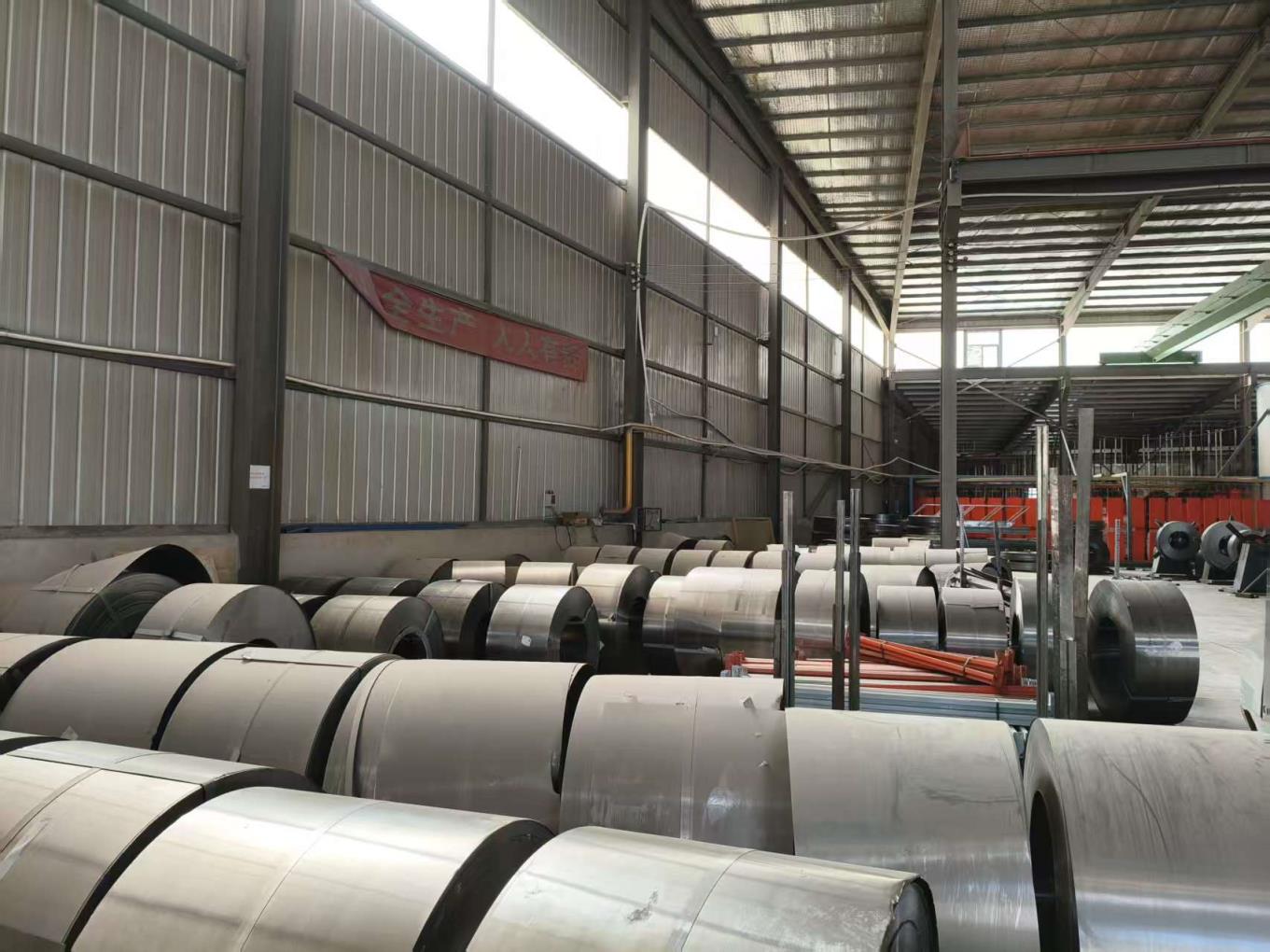
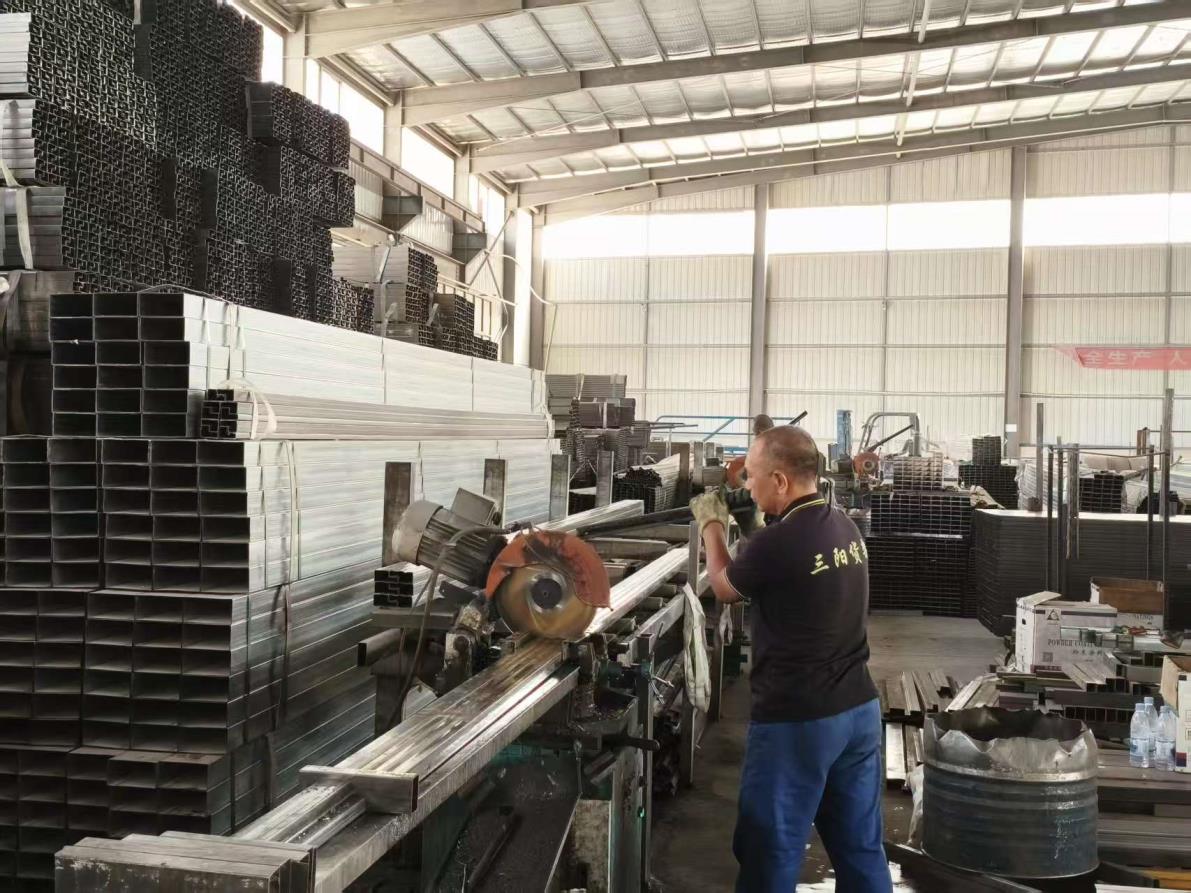
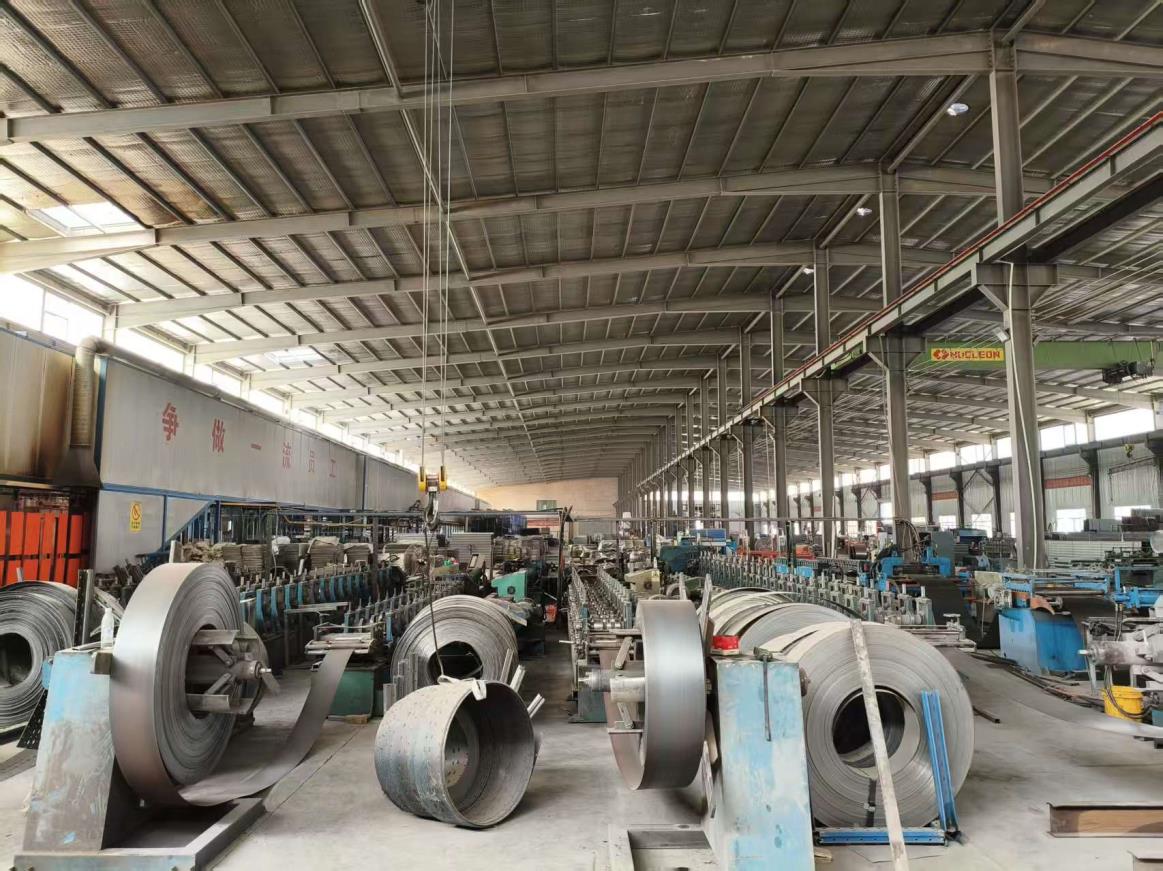
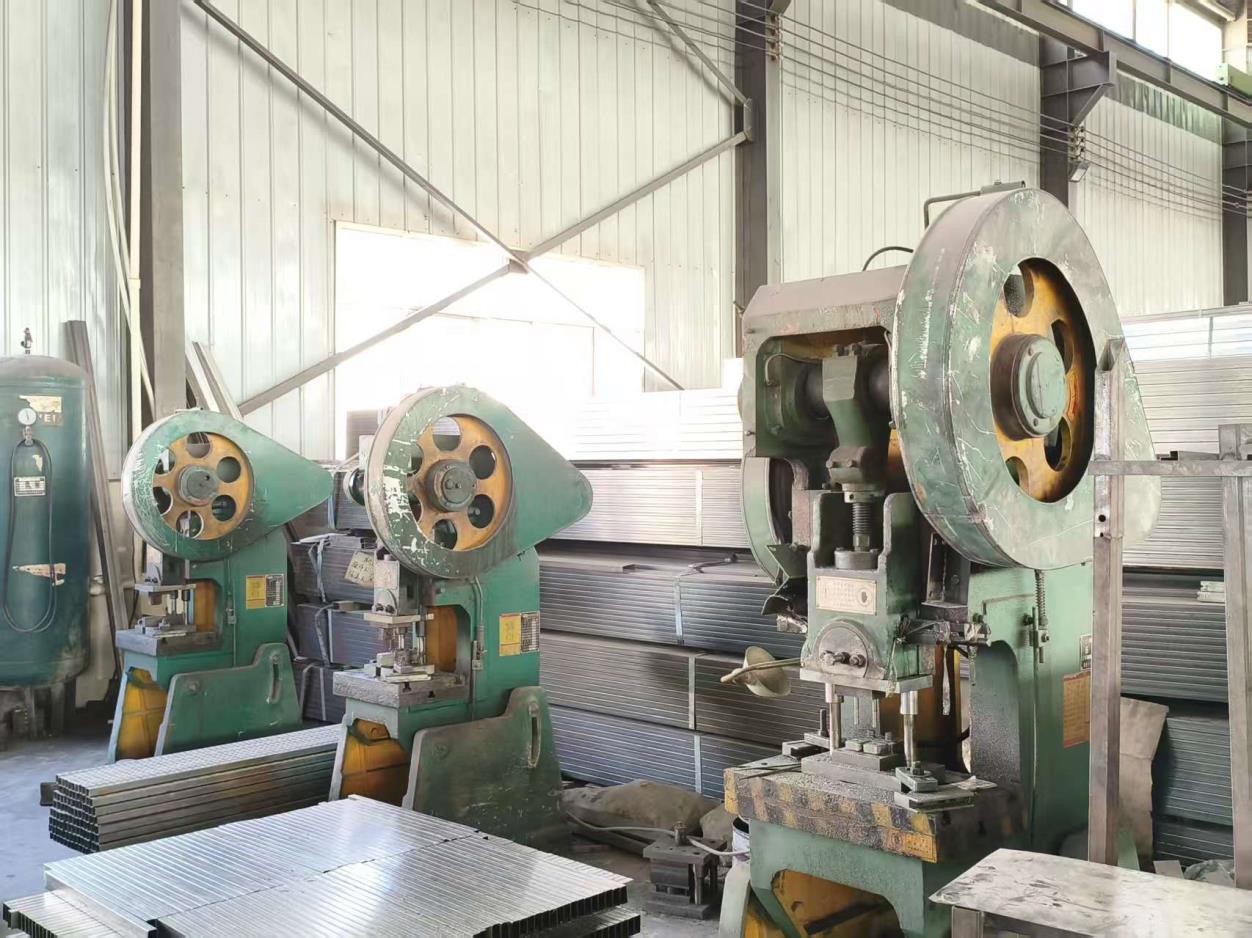
How does a premier Chinese manufacturer like Nanjing Dulis Warehouse Equipment Co., Ltd. (DuraRacks) provide a competitive edge to Romanian procurement teams over local suppliers? The answer lies in our advanced manufacturing ecosystems and raw material procurement efficiency:
From raw steel sheets to finished, powder-coated shelving systems, observe our strict internal manufacturing processes.
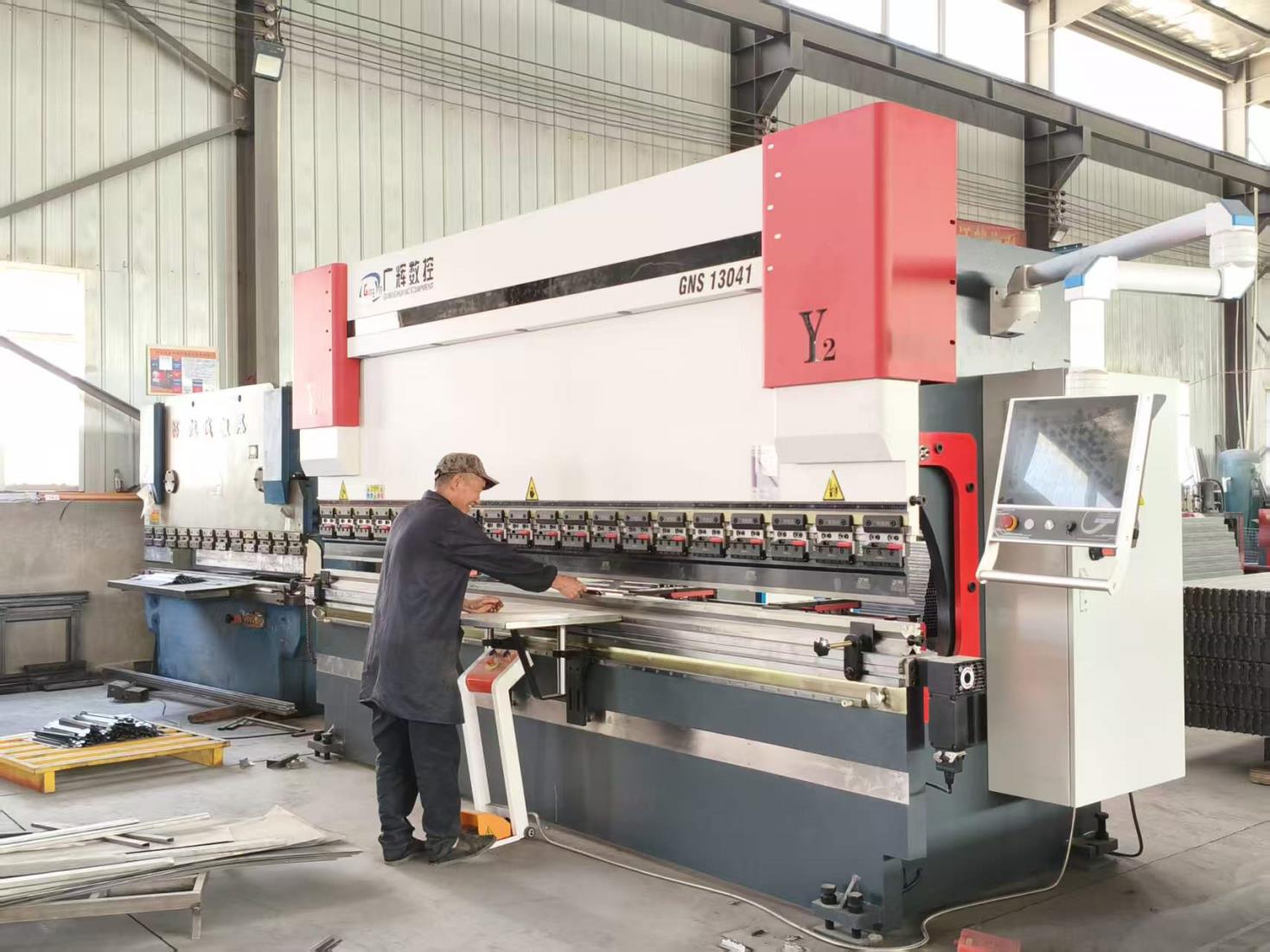
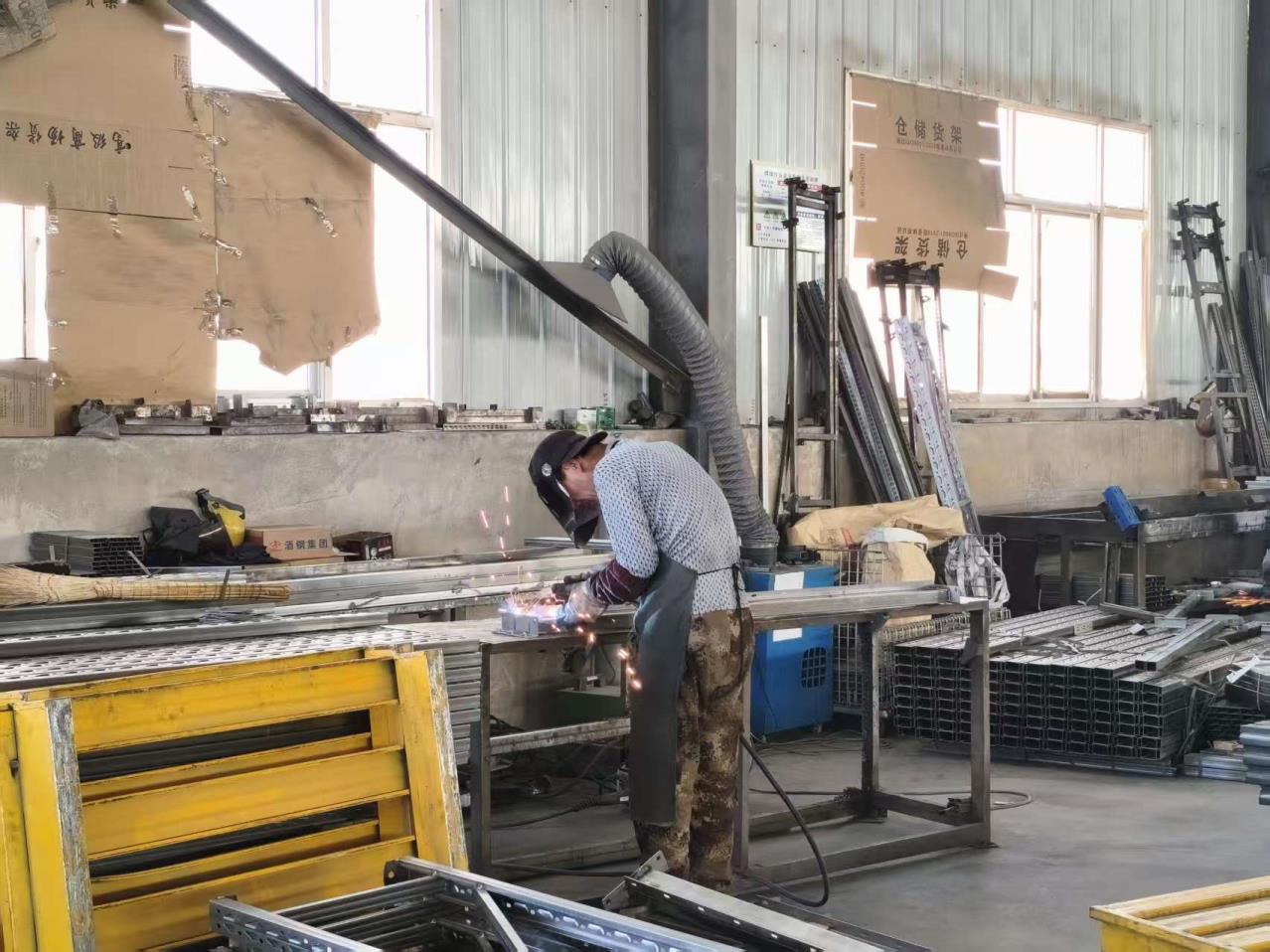
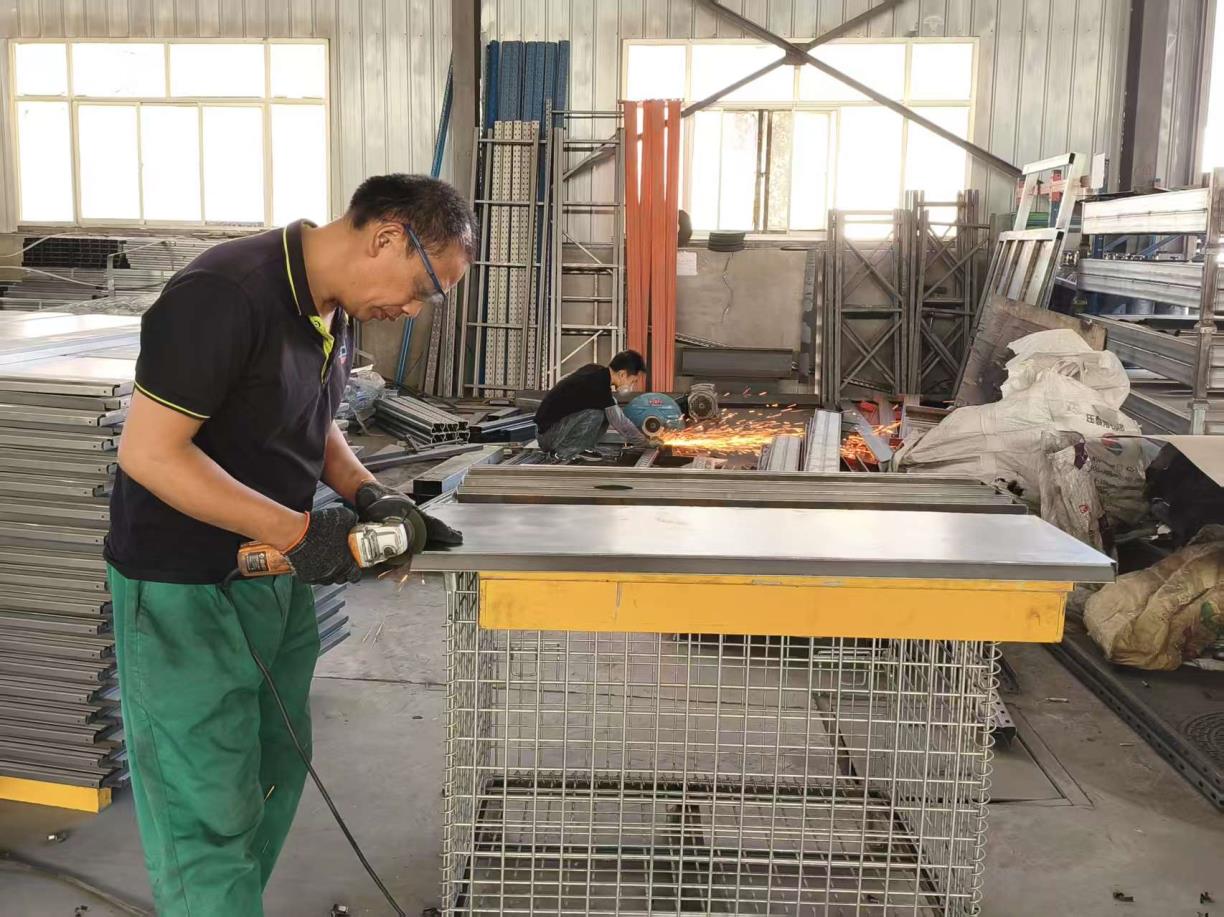
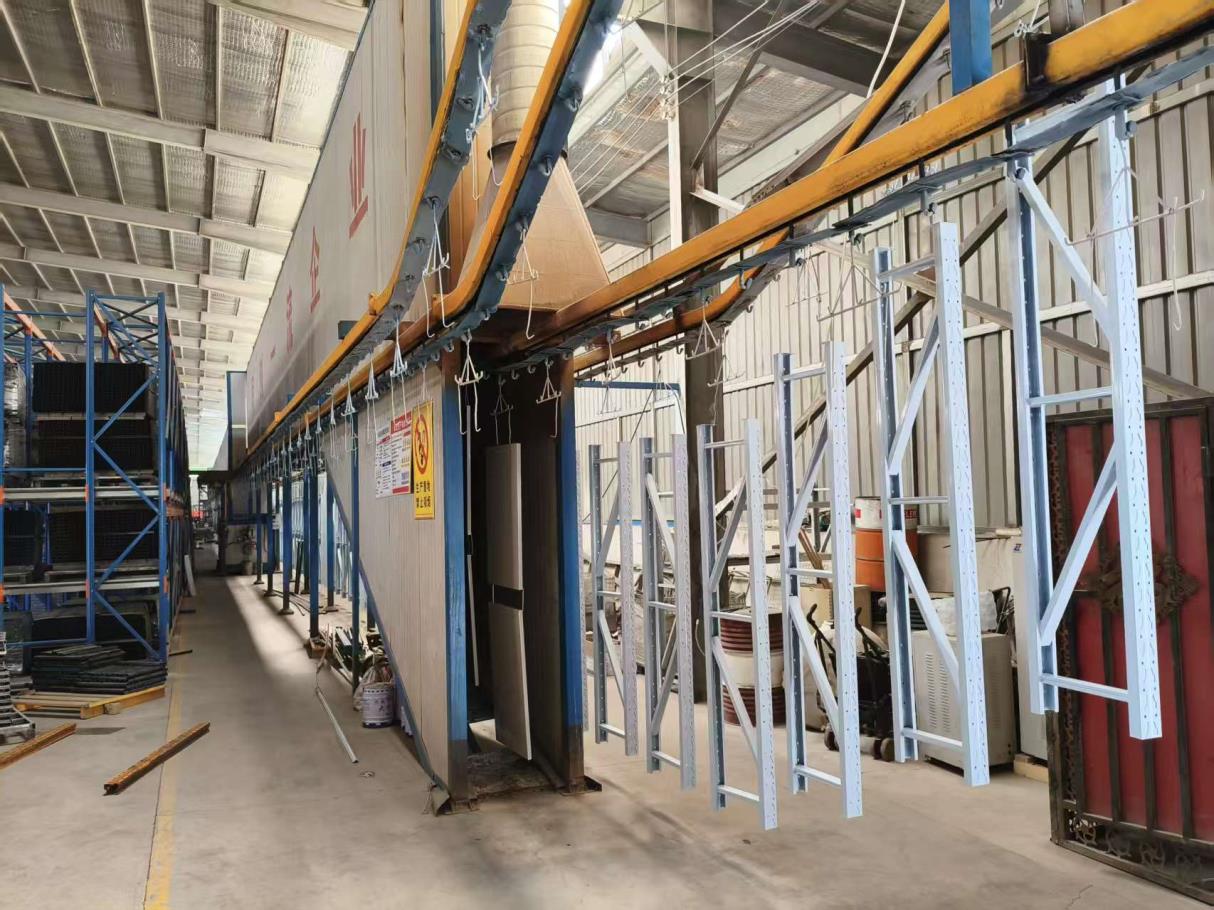
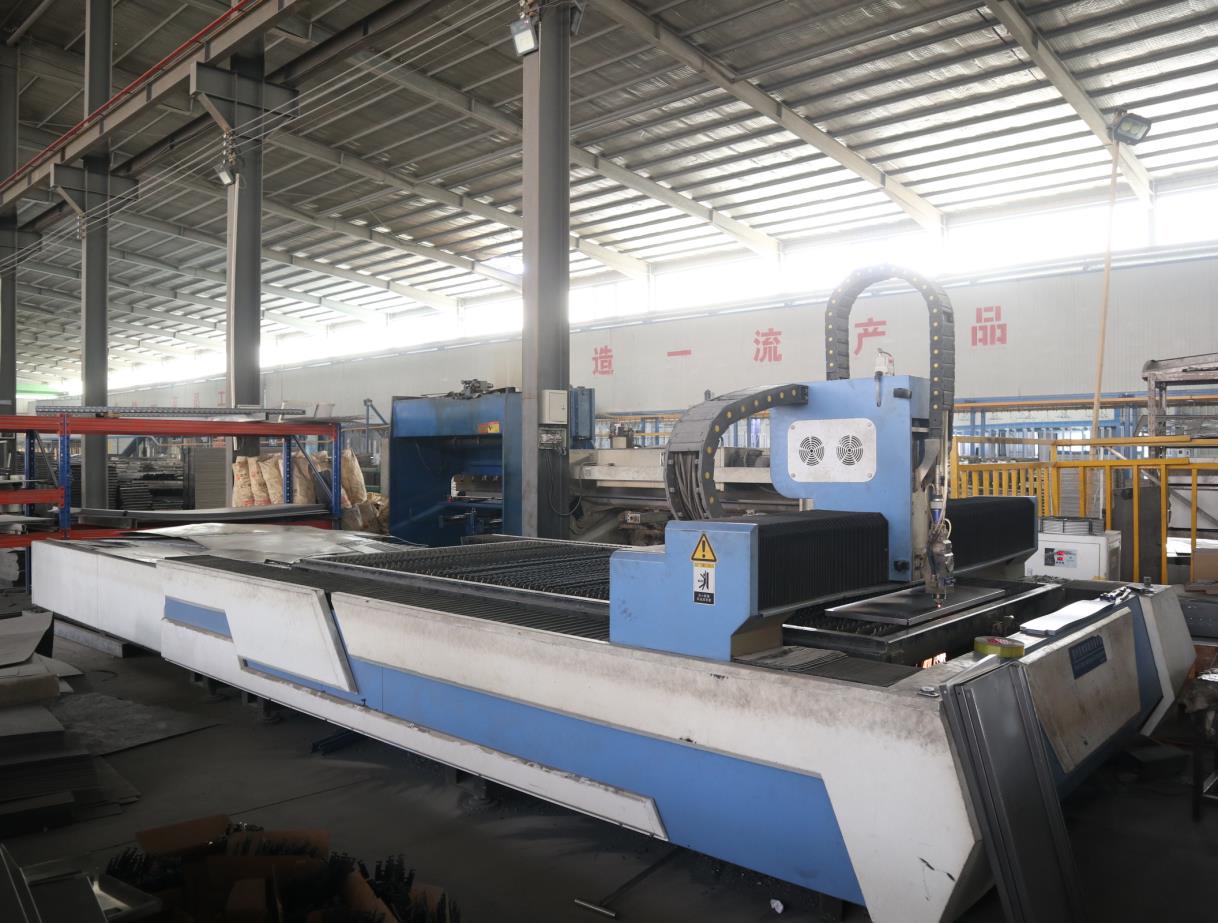
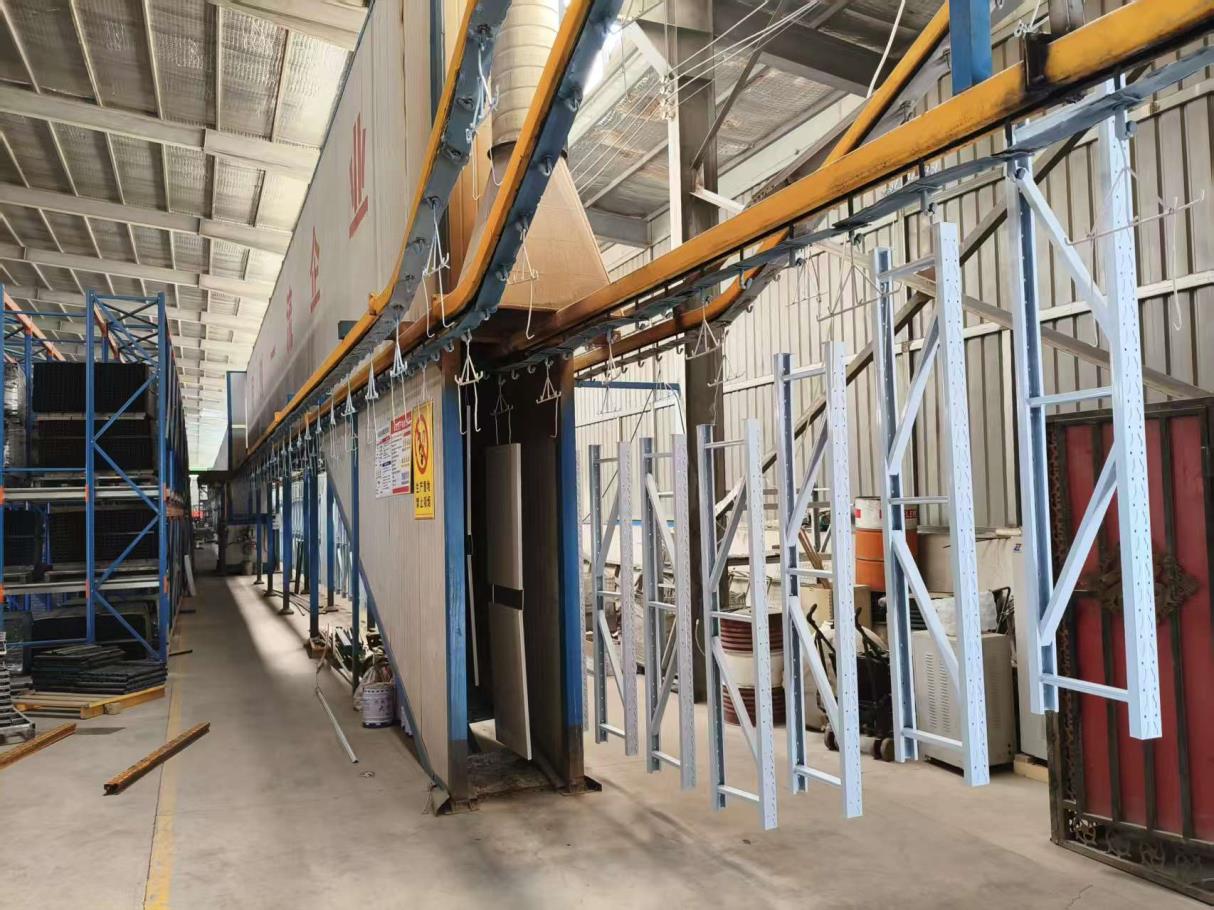
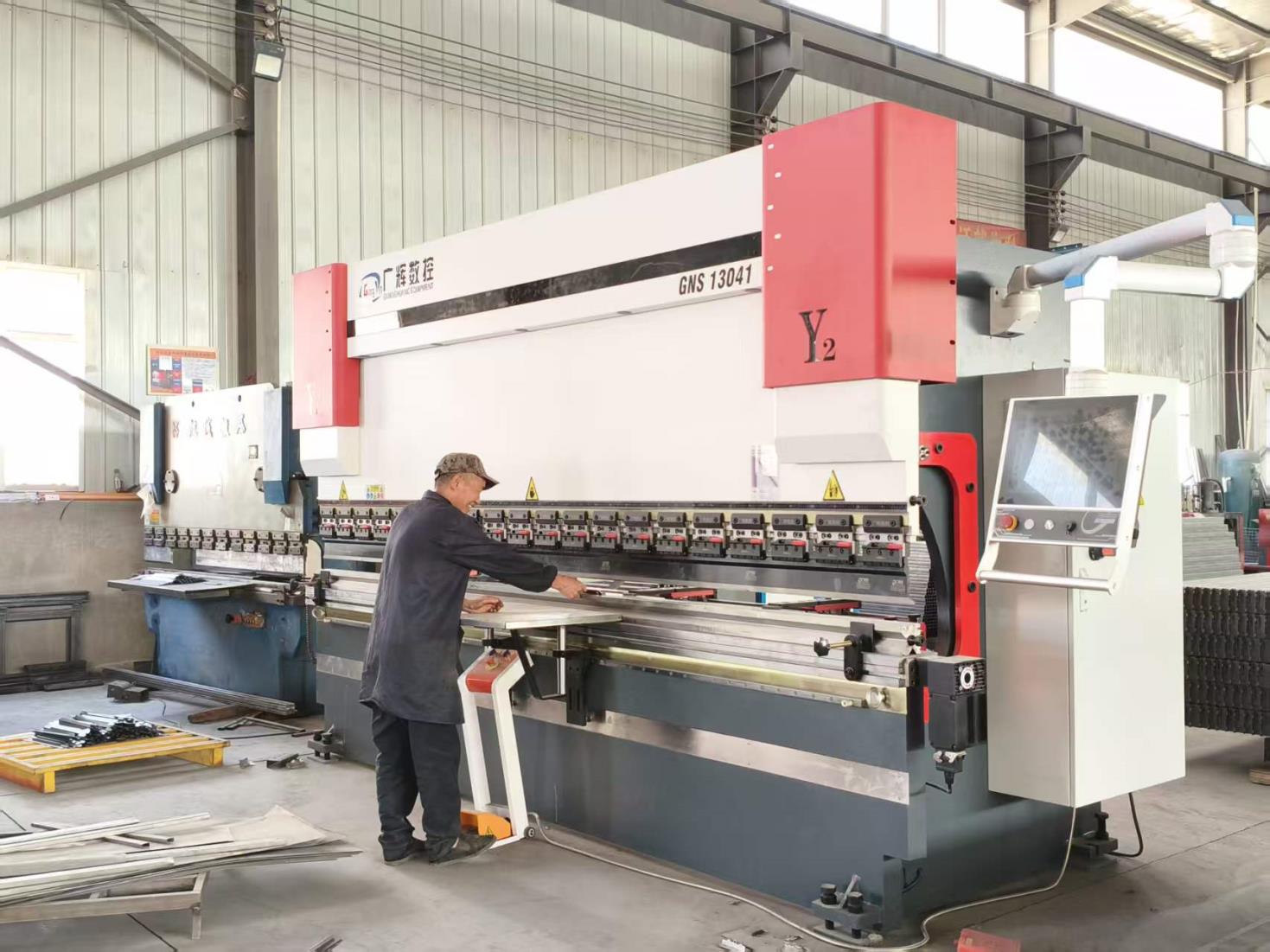
Optimizing dynamic storage solutions requires tailoring them to the specific requirements of different local industries:
The industrial landscape is moving rapidly toward automation. Modern systems combine heavy-duty mezzanine structures with automated guided vehicles (AGVs) and shuttle systems. Standard racking is engineered to allow future retrofits, enabling companies to transition from manual picking to automated AS/RS configurations without replacing their physical steel infrastructure.
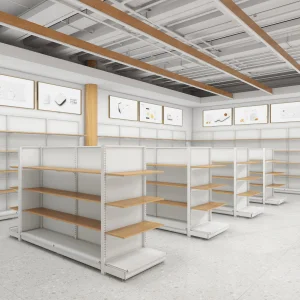
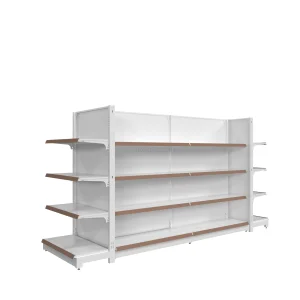
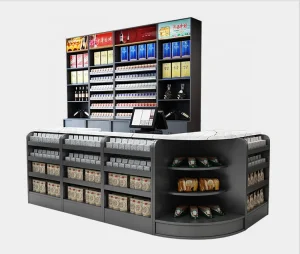
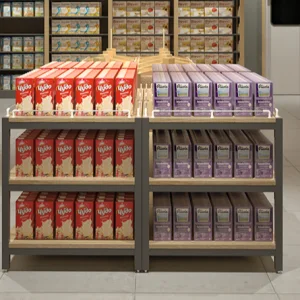
Select from our comprehensive list of storage solutions, customizable for heavy-duty warehousing or retail display.
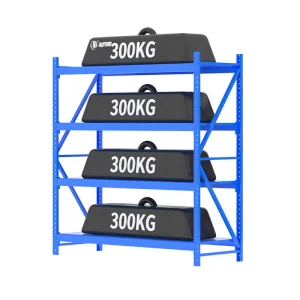
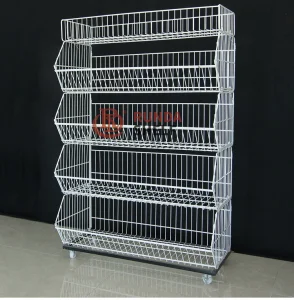
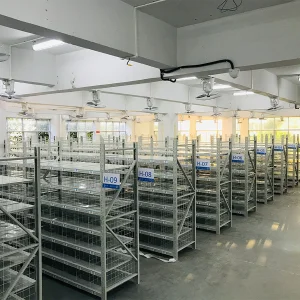
Quality and structural integrity form the bedrock of our manufacturing philosophy. Our dedicated team of 45 certified QA personnel implements rigorous quality control processes aligned with ISO9001, CE, and FEM standards. Every batch undergoes comprehensive product inspection methods, including ultrasonic weld flaw detection, mechanical tensile testing, static and dynamic load capacity testing, and salt spray corrosion resistance evaluation.
Our electrostatic powder coating line applies a protective layer between 80 and 120 microns thick, providing durability against impacts and environmental humidity. For storage systems in cold-storage warehouses, we utilize specialized low-temperature resistant finishes to prevent peeling and structural degradation over time.
Answers to common structural, import, and engineering questions for international procurement teams.
 DuraRacks