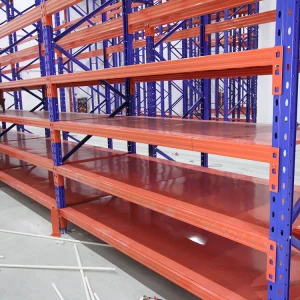
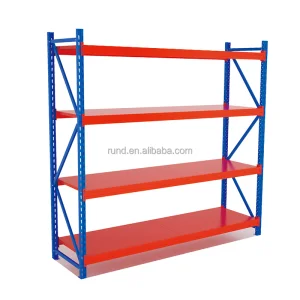
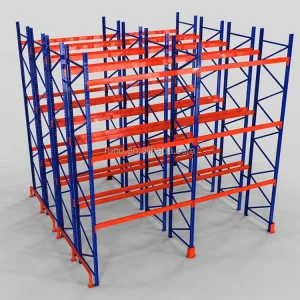
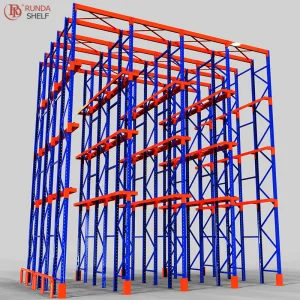
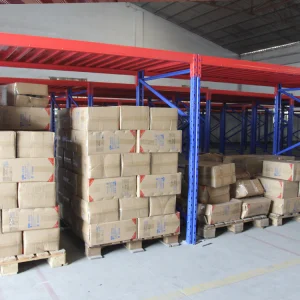
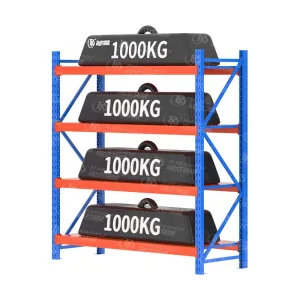
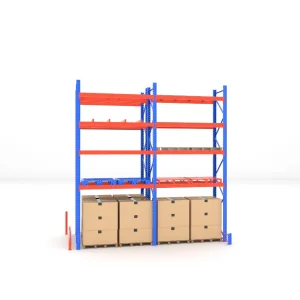
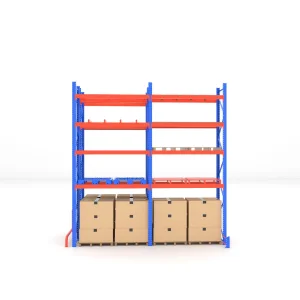
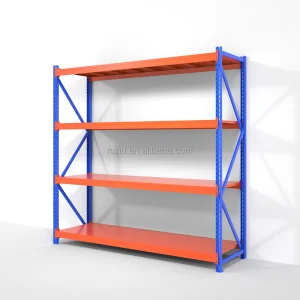
High-capacity modular racking tailored for the regional logistical expansion in Sofia, Plovdiv, and Varna industrial zones.
The strategic expansion of Southeast Europe’s distribution corridors demands high-grade, structurally sound storage arrays.
How procurement managers evaluate heavy-duty structural steel components for large-scale projects.
Global logistics managers mandate cold-formed structural steel profiles engineered to standard European structural grades, primarily S355JR / Q355B high-tensile steel. This ensures high structural elastic limits, minimal fatigue under continuous loads, and resilience against sudden vertical impacts from forklifts.
To comply with EN 15512 and FEM 10.2.02 rules, the maximum vertical deflection of loaded racking beams must not exceed L/200 of the clear span length. Safety ratios for structural steel elements must maintain a minimum 1.5 factor against ultimate structural yielding, ensuring absolute load security.
Transparent production values that assure structural reliability and performance.
Tailor-made designs for bulky, palletized, and long structural materials.
Adapting global industrial storage arrays to Bulgaria's local geological and environmental conditions.
Bulgaria features active seismic zones (e.g., Sofia, Kresna, Shabla). Safe engineering requires compliance with Eurocode 8 (EN 1998). Our R&D team executes 3D structural Finite Element Analysis (FEA) to configure specialized load-dispersing baseplates, heavy duty chemical anchor bolt patterns, and reinforced diagonal bracing trusses to resist horizontal ground acceleration coefficients (up to 0.27g).
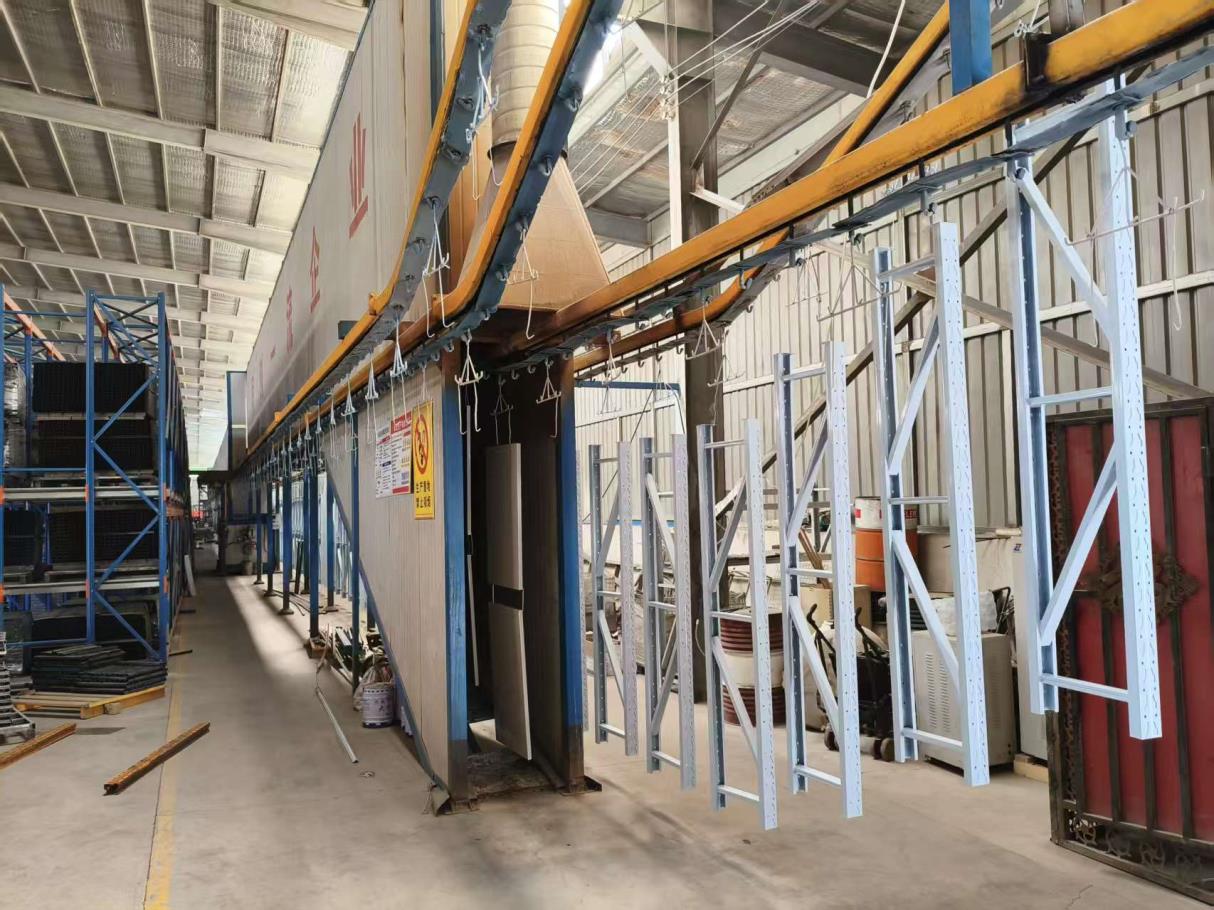
For both indoor warehouses and coastal installations near Varna and Burgas, humidity and airborne saline particulates degrade bare metal. Our products undergo a 7-stage chemical wash, phosphate pre-treatment, and are coated with high-grade electrostatic powder-coatings (epoxy-polyester), yielding scratch-resistant paint films exceeding 80μm thickness.
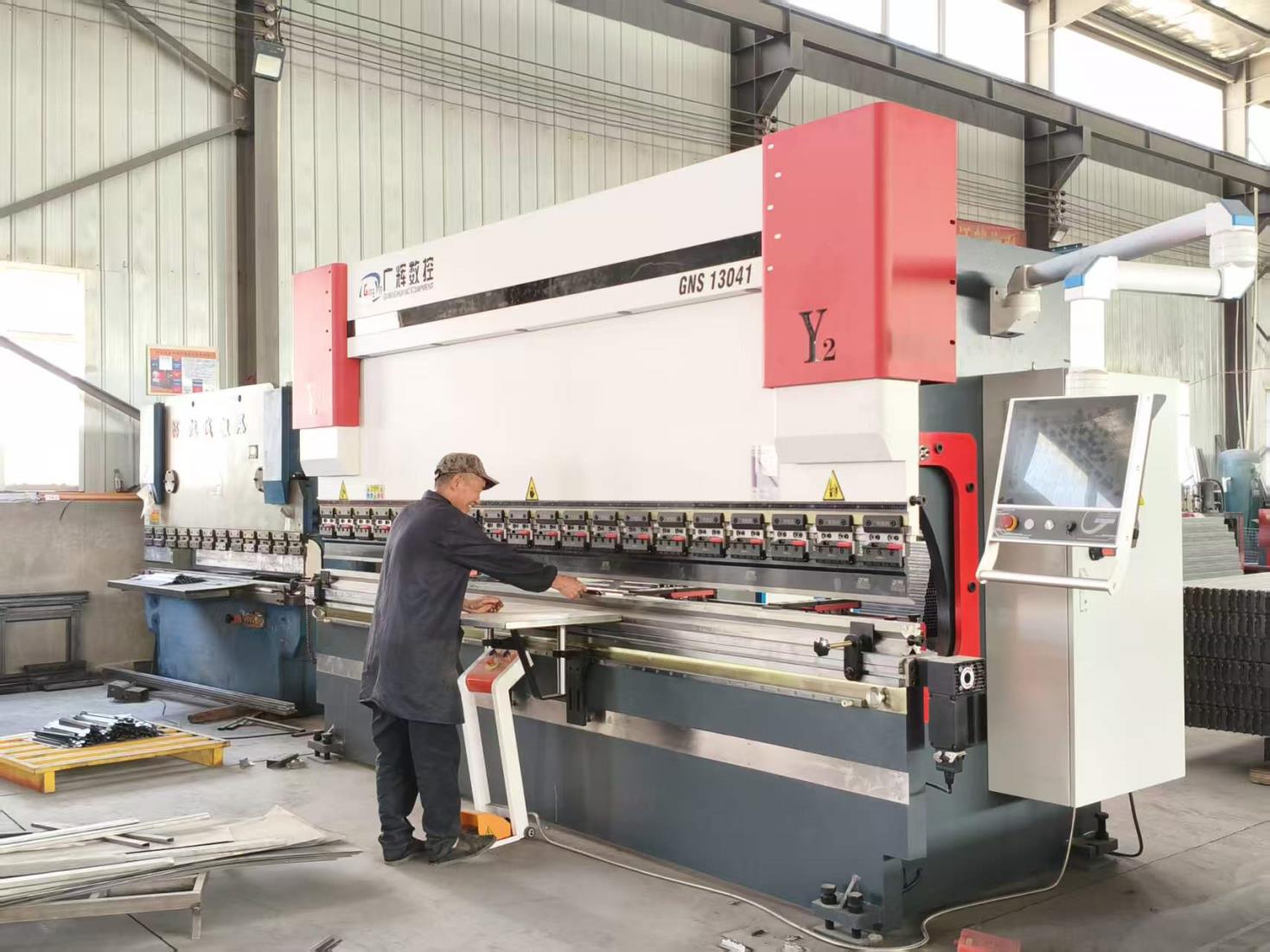
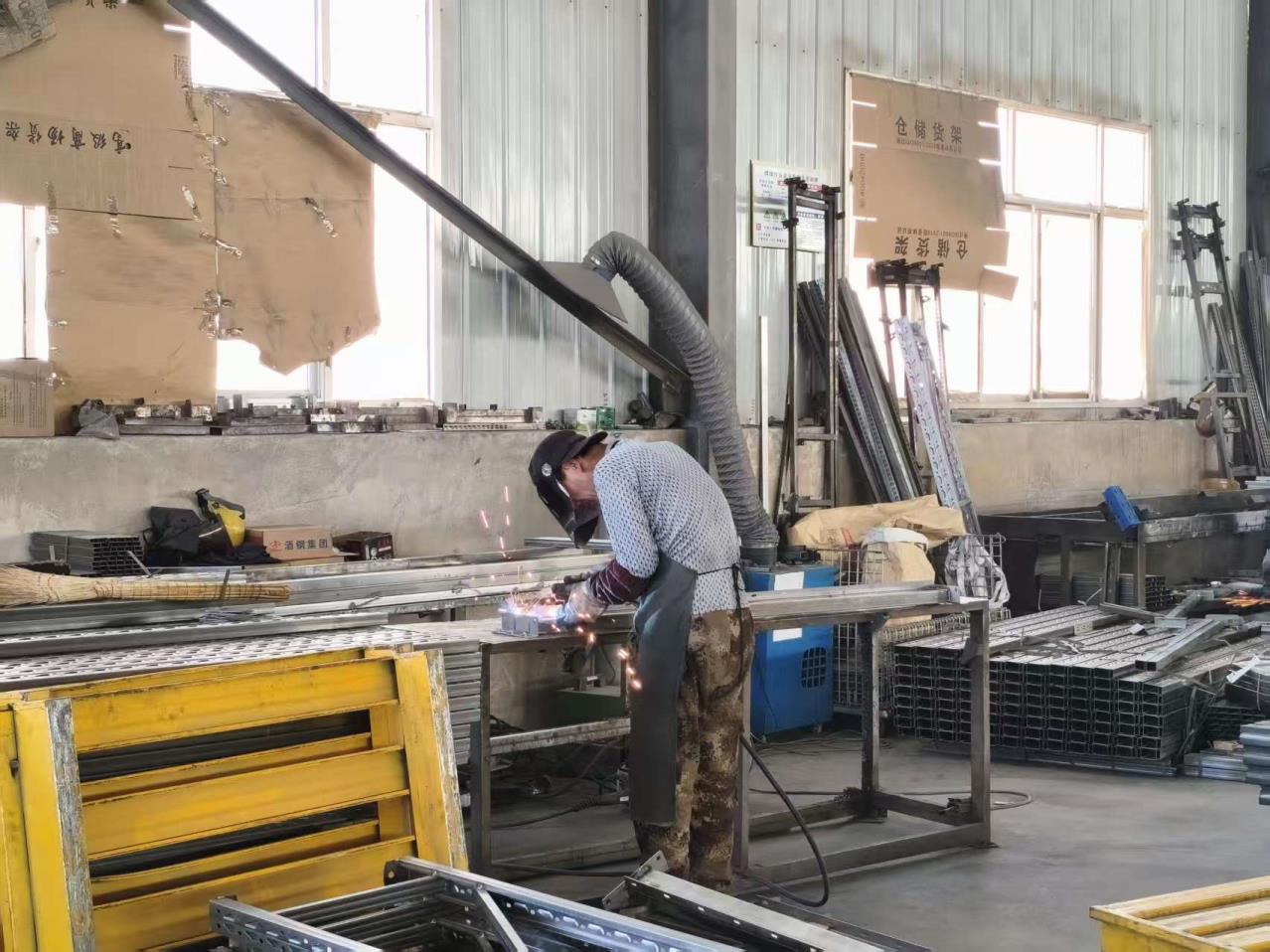
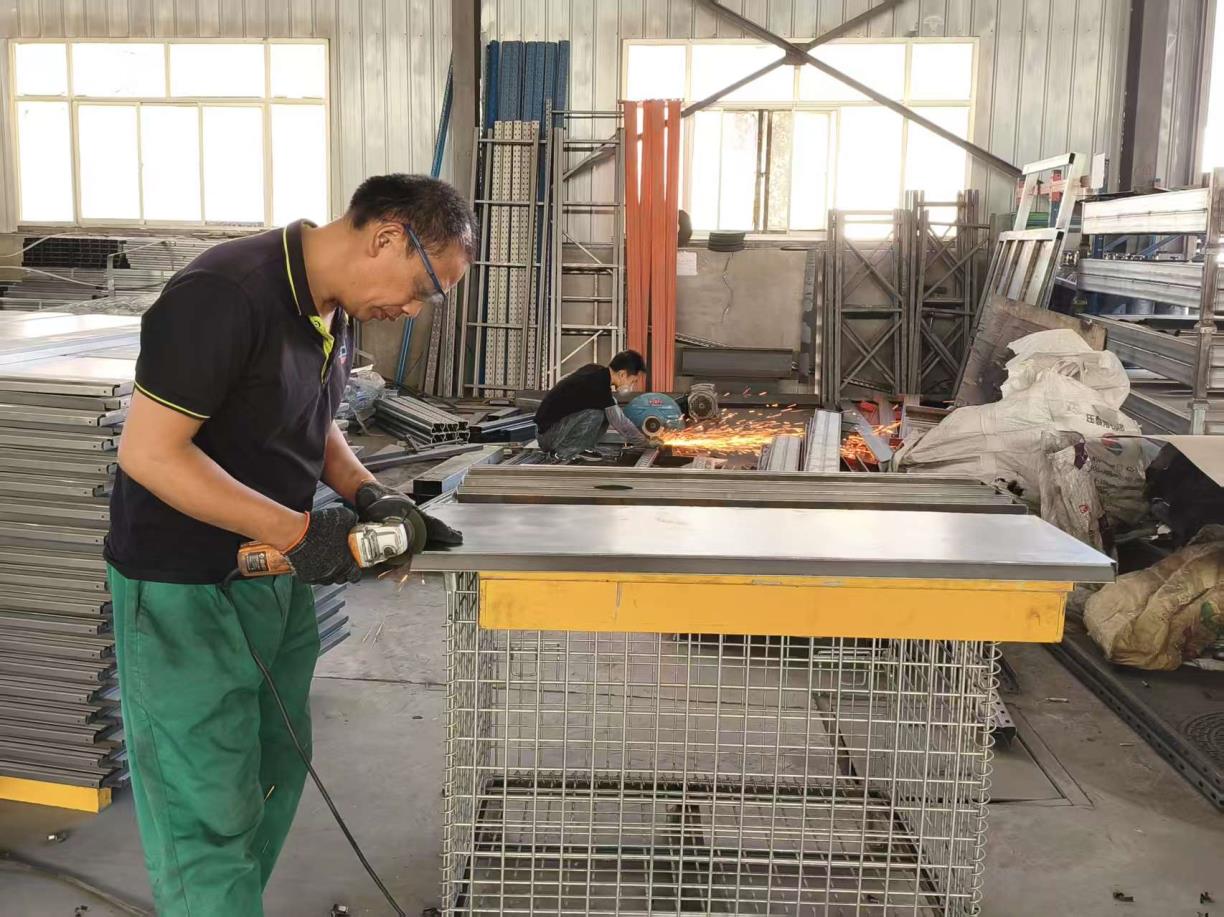
Every stage of production—from structural design to final coating—is managed internally under strict QC protocols.
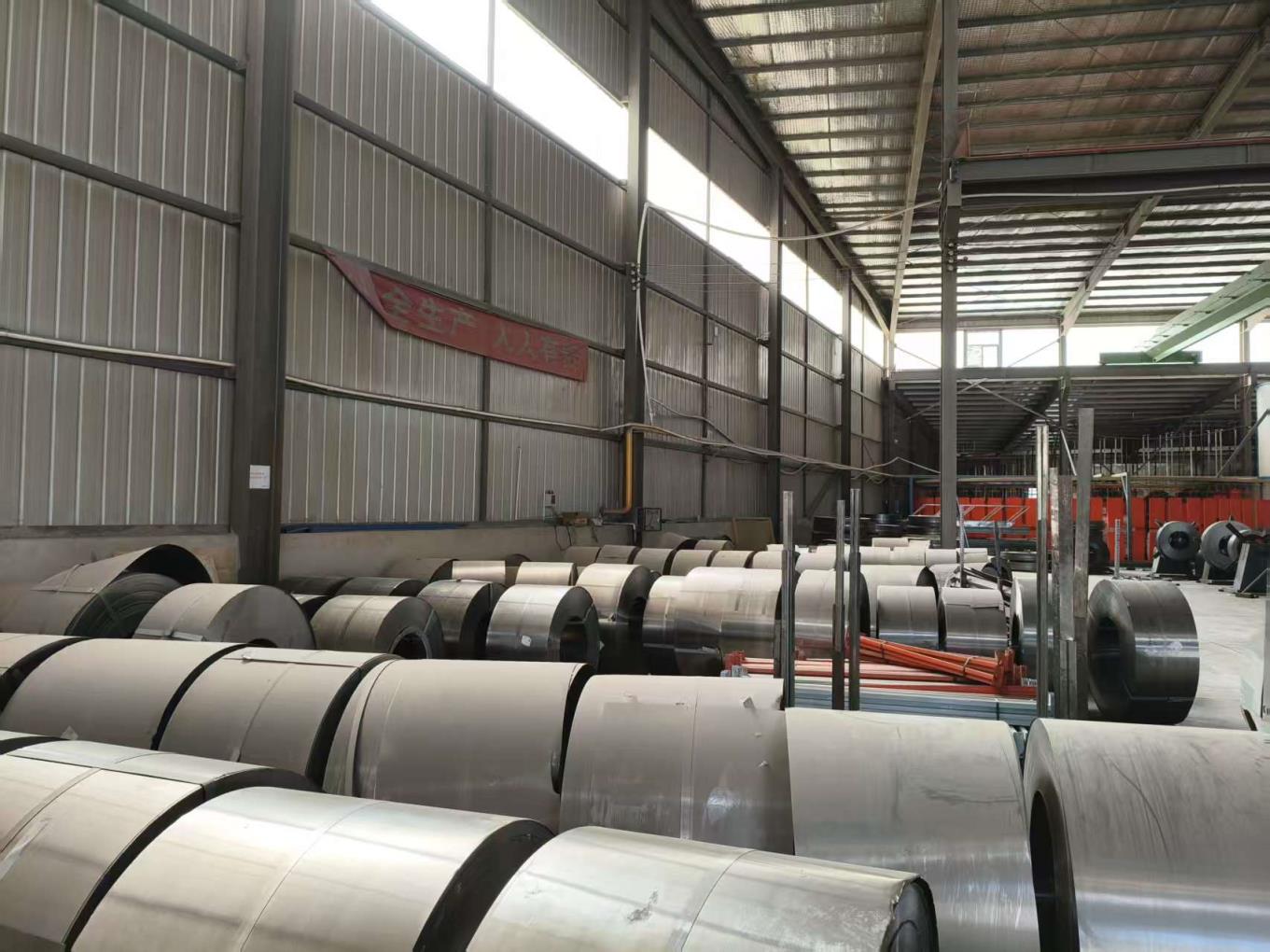
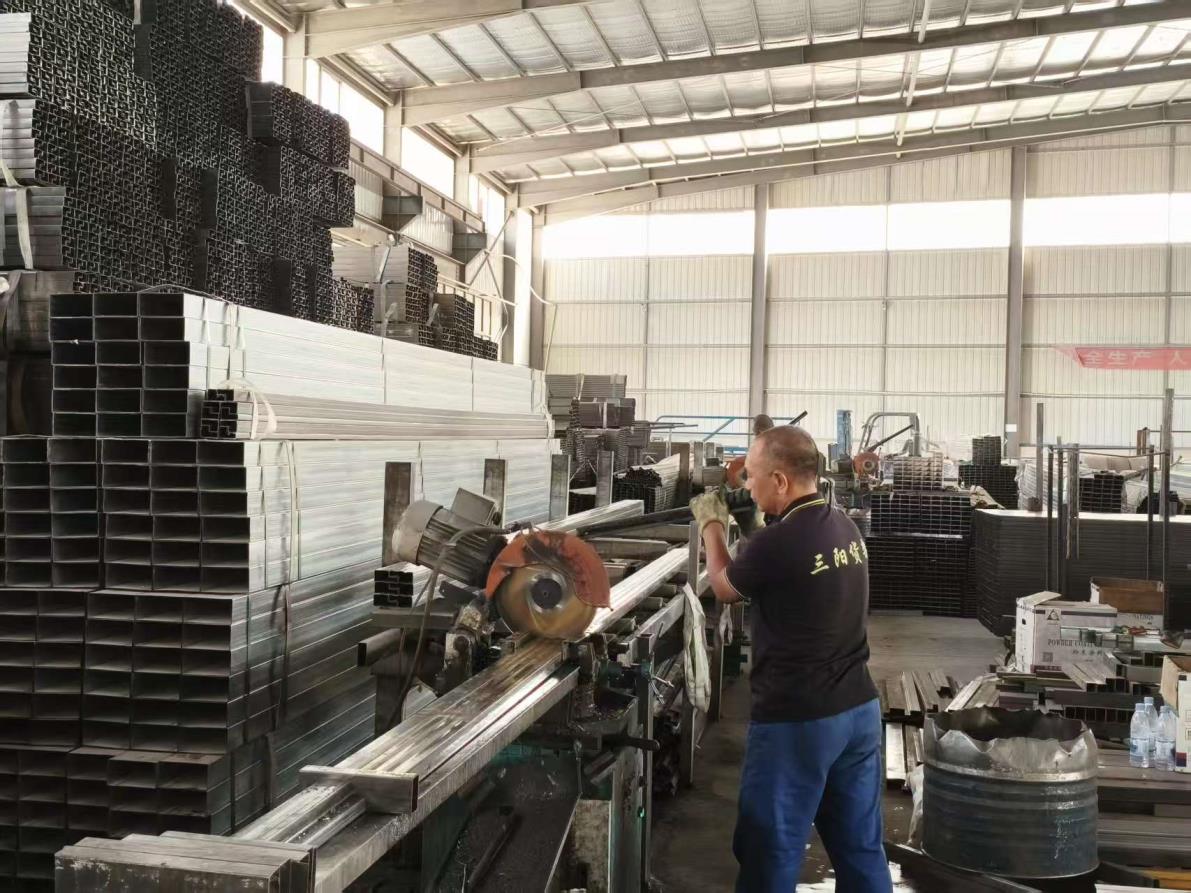
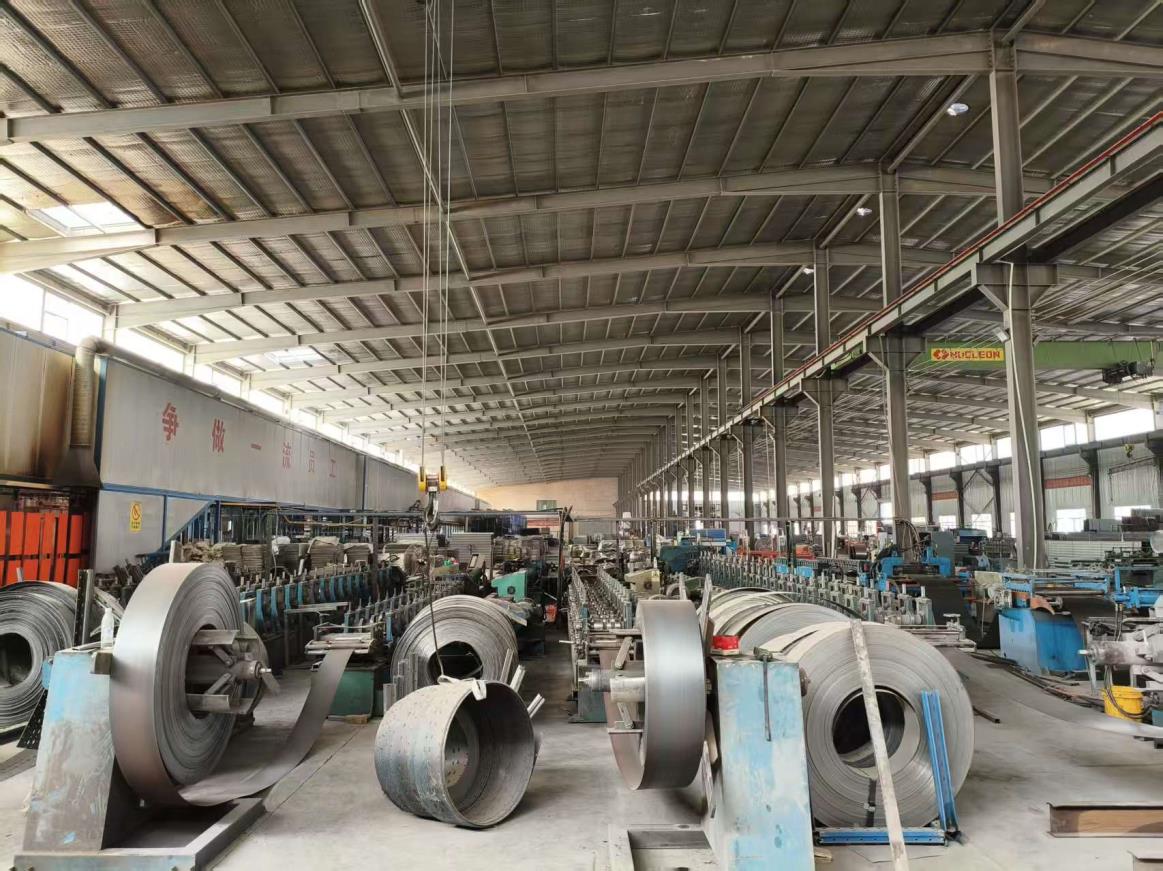
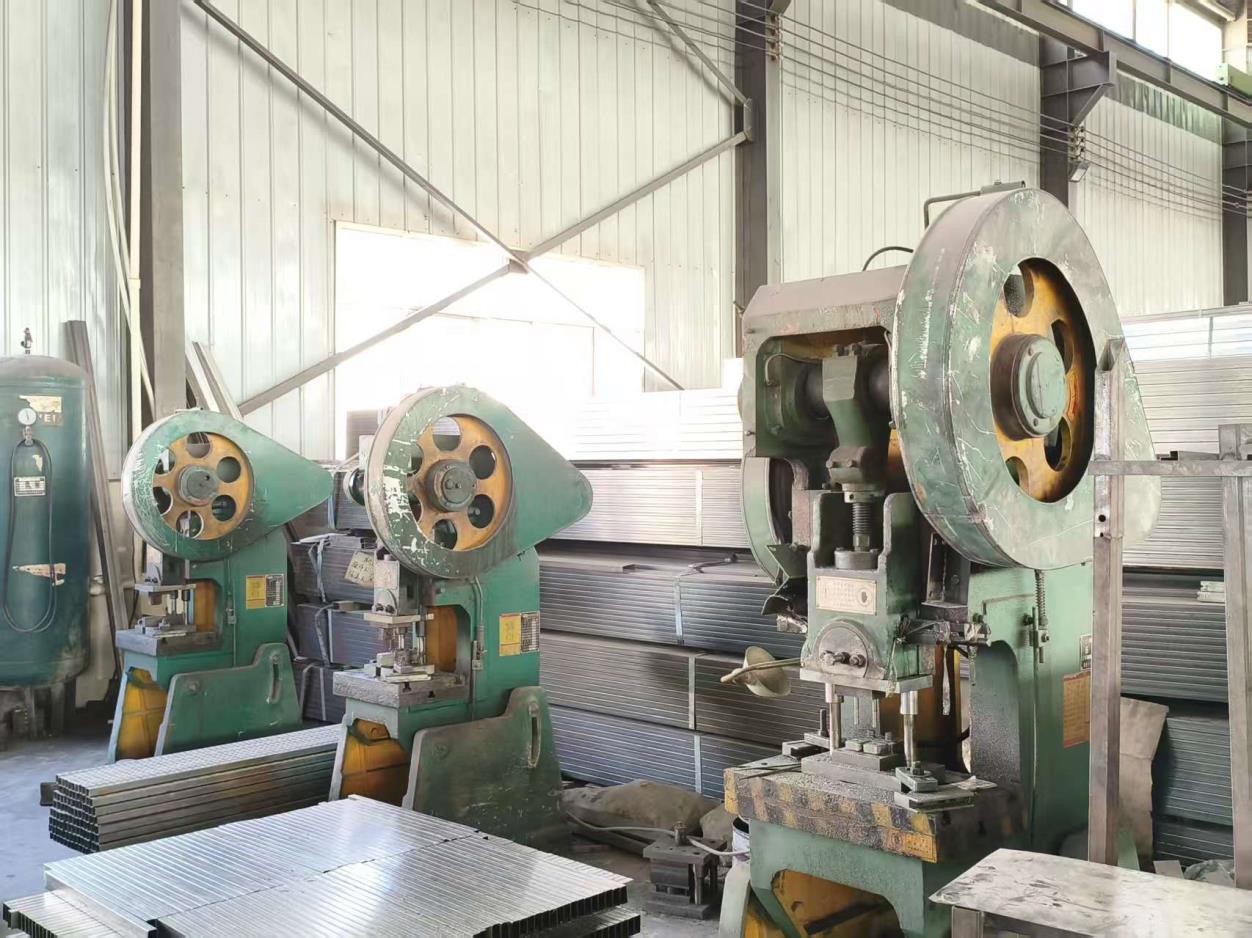
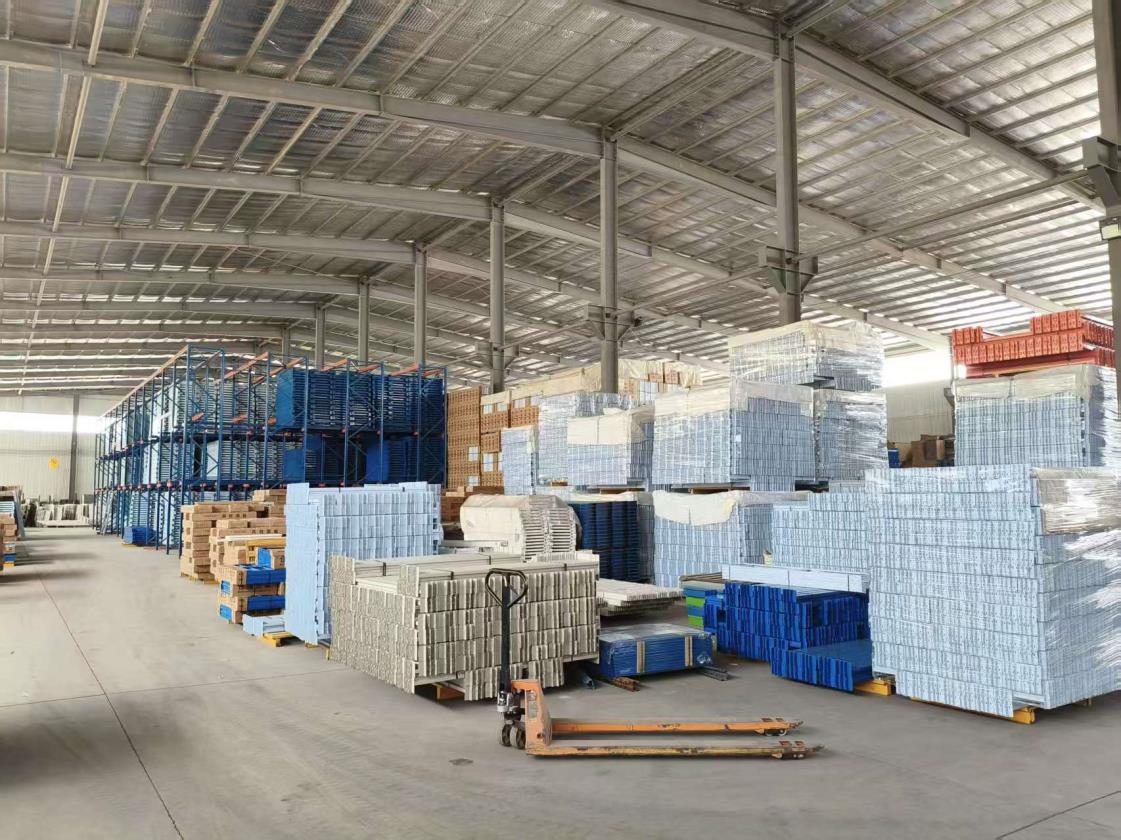
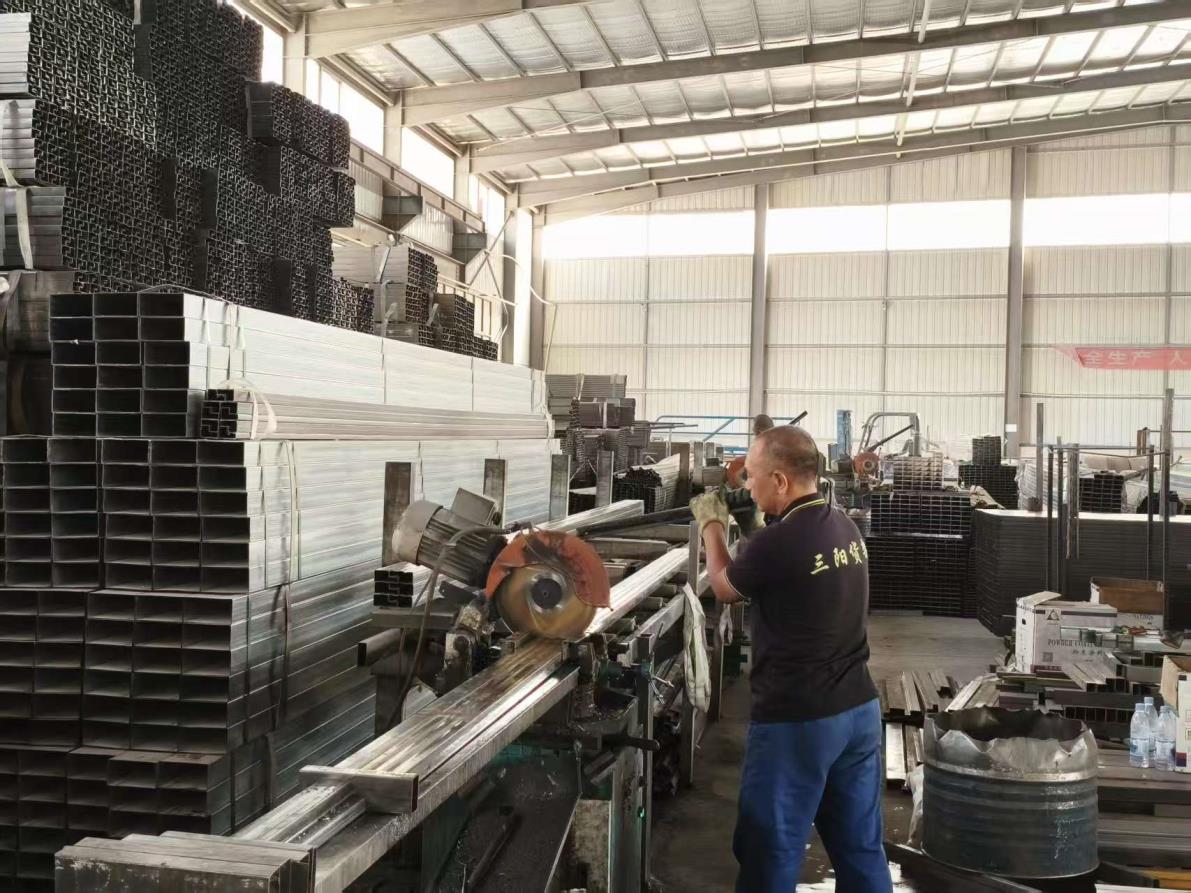
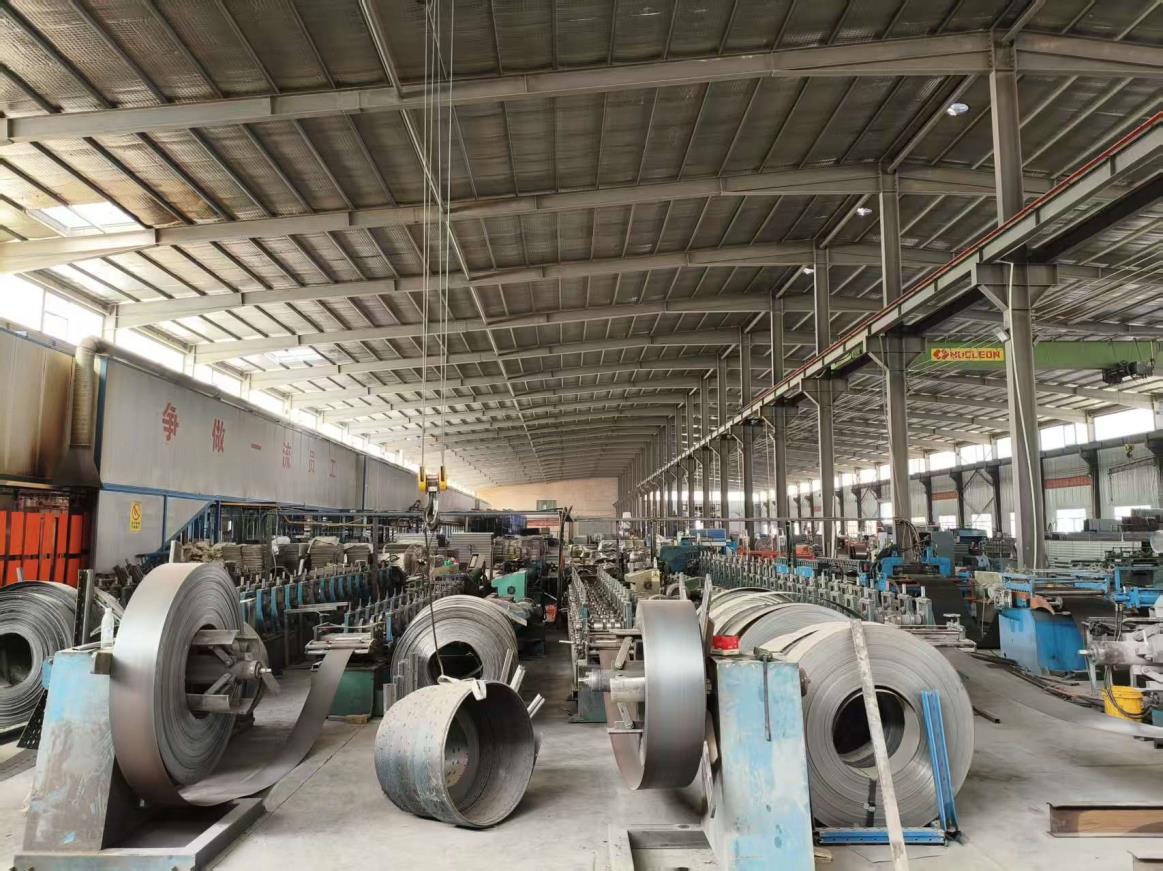
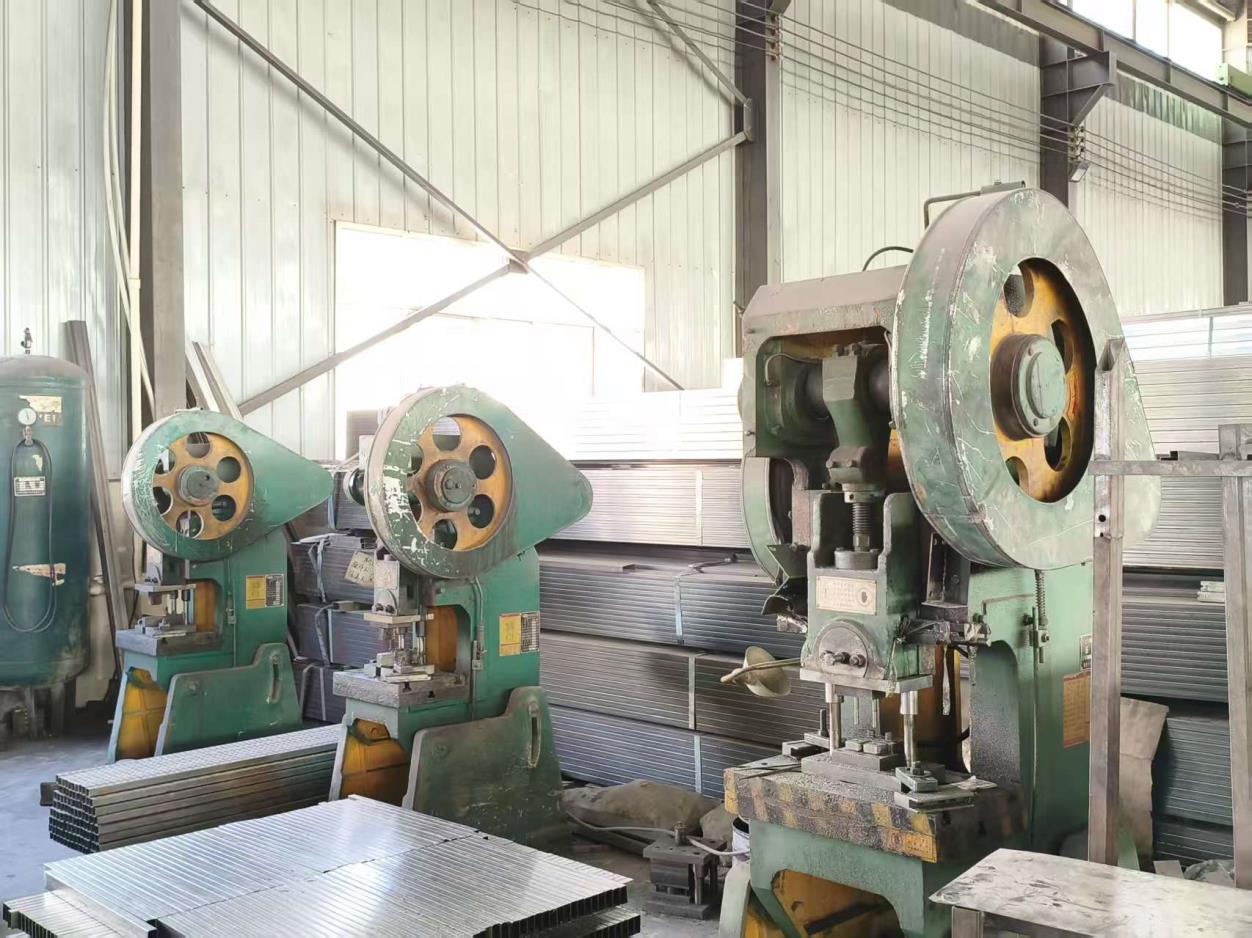
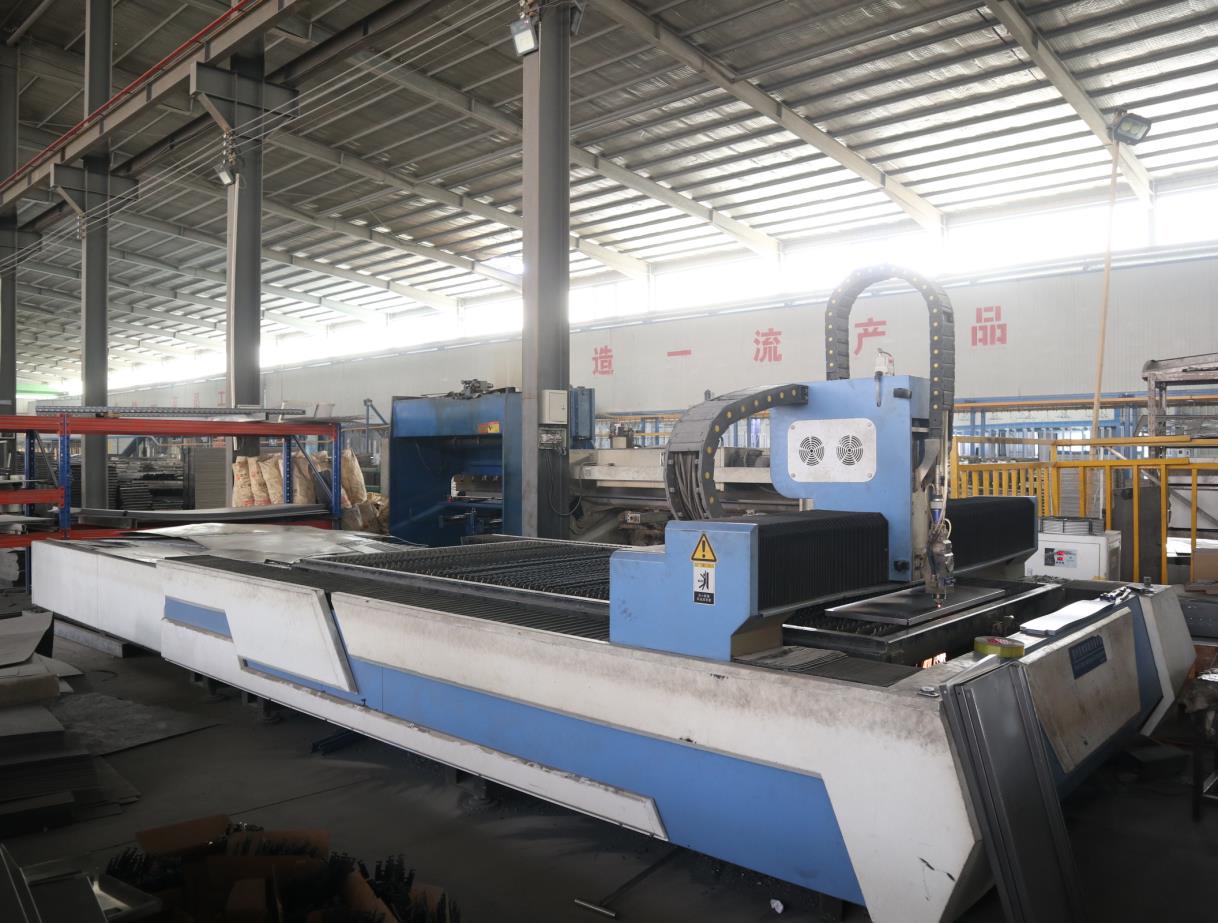
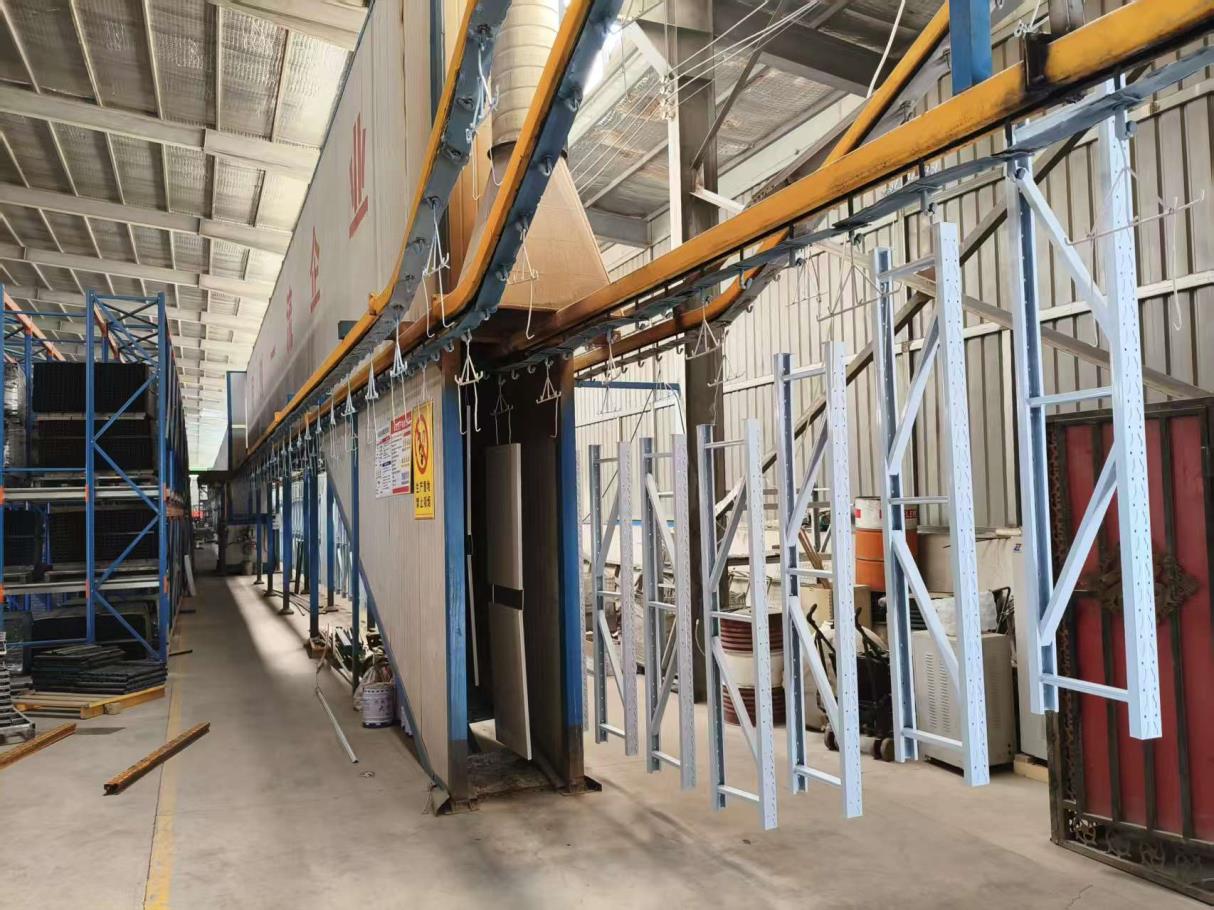
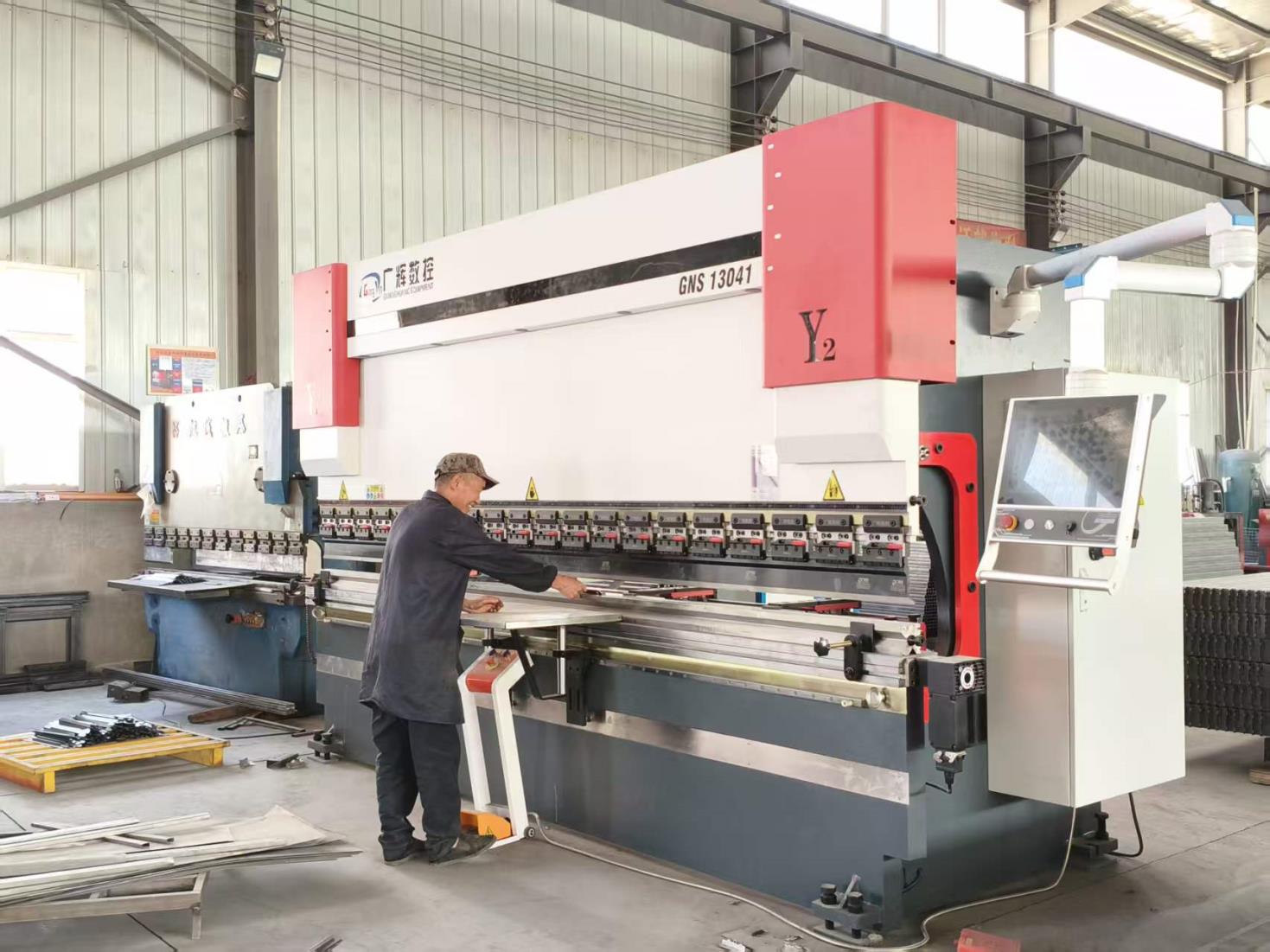
Streamlining the procurement pipeline from factory shipping docks to your warehouse floor.
Expert structural answers to critical design questions from engineering and logistics managers.
Our racking profiles are calculated using limit state design principles under EN 15512. We apply a minimum safety factor of 1.5 against the yield strength of the steel (S355JR or Q355B equivalent). Structural elements are modeled to withstand worst-case load combinations, including vertical pallet weight, accidental forklift impacts, and localized seismic forces.
Yes. Bulgaria has several active seismic areas, including Sofia and the Struma Valley. We use Finite Element Analysis (FEA) to simulate local spectral accelerations under Eurocode 8. Based on these calculations, we supply specialized baseplates and frame designs to ensure the structural safety of your racking under regional seismic loads.
For cold-chain facilities or outdoor installations (such as timber or rebar yards near coastal Varna), we offer hot-dip galvanized finishes complying with ISO 1461. This yields a zinc layer thickness of 60–80μm, providing robust cathodic protection. For standard indoor configurations, we apply a high-quality electrostatic powder coating cured at 200°C.
We manage shipping to the ports of Varna or Burgas under CIF/CFR terms, or directly to your site under DDU/DDP terms. We provide all necessary documentation—including CE certificates, Mill Test Reports (MTRs), and detailed packing lists—to ensure clear and efficient customs clearance.
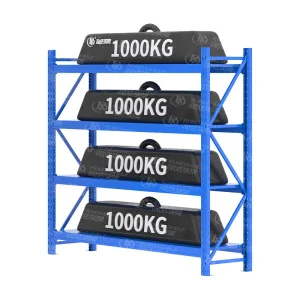
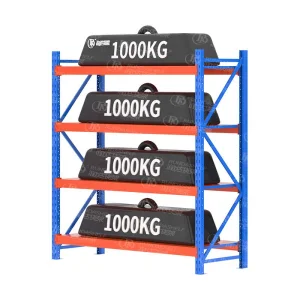
Yes. We design and manufacture heavy-duty box and step beams (using steel profiles up to 160mm depth) capable of carrying over 3000KG per pair of beams. These configurations include structural safety locking pins to prevent accidental beam displacement by forklift operators.
Our systems are engineered to facilitate the routine safety inspections required under EN 15635. We supply clear load classification labels indicating safety warnings, maximum frame capacities, and load limits per shelf level.
Cantilever connections are critical stress points. Our QA program employs robotic gas metal arc welding (GMAW) followed by ultrasonic weld inspections and mechanical loading tests. These tests ensure the weld joints can withstand continuous loads without risk of brittle fracture.
Production typically takes 25 to 30 days from layout approval to container loading. We maintain stocks of raw steel coils, allowing us to quickly begin fabrication of custom components. Shipping from our facilities in China to Bulgarian Black Sea ports typically takes 30 to 35 days.
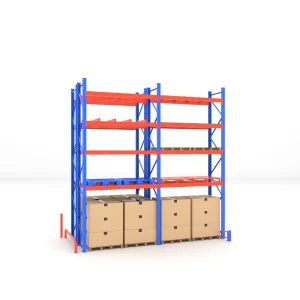
Select from our tested configurations, all customizable to fit your warehouse layout and load requirements.
 DuraRacks