Engineered for maximum density, seismic resilience, and sophisticated aesthetics required by high-traffic commercial spaces throughout Tokyo, Osaka, and Yokohama.
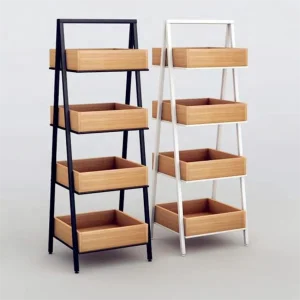
High-density structure balancing timber aesthetics with heavy-duty structural steel frame.
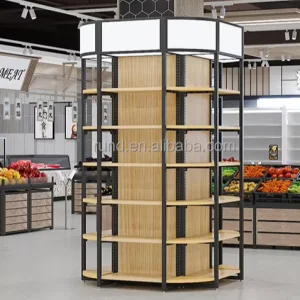
360-degree customer accessibility design perfect for central aisle promotional setups.
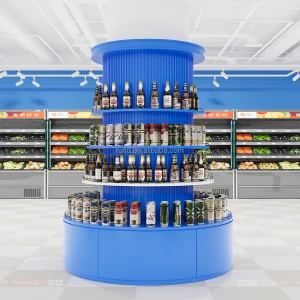
Optimized center-of-gravity engineering for heavy bulk merchandise display safety.
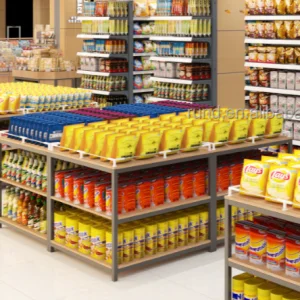
Rapid deployment structure for temporary pop-up stations and seasonal events.
In the highly sophisticated Japanese retail and logistical landscape, physical space is managed with absolute precision. Store layouts across major metropolitan regions like Tokyo, Osaka, and Nagoya operate on strict square-meter utilization metrics. Promotion racks—also referred to as display fixtures, endcaps, and visual merchandising setups—do not merely serve as static storage units. They are critical elements in active inventory turns, impulse-purchase triggers, and space optimization strategies.
For global manufacturers supplying the Japanese market, recognizing the dynamic between structural durability, aesthetic precision, and rigorous compliance guidelines is paramount. Under Japanese standards, fixtures deployed in commercial spaces are subject to complex regulatory frameworks. These incorporate fire prevention codes, seismic stability metrics (aligned with Japan's Building Standards Act), and ergonomics optimized for regional user demographics.
The Japanese retail ecosystem is characterized by structural diversity, spanning ultra-high-density convenience stores (konbini) such as 7-Eleven, Lawson, and FamilyMart, up to sprawling multi-level department stores (depachika), discount superstores like Don Quijote, and modern hypermarkets. This range demands highly specialized promotion racks. Space limitations require vertical displays to maintain a low physical footprint while carrying substantial structural loads safely.
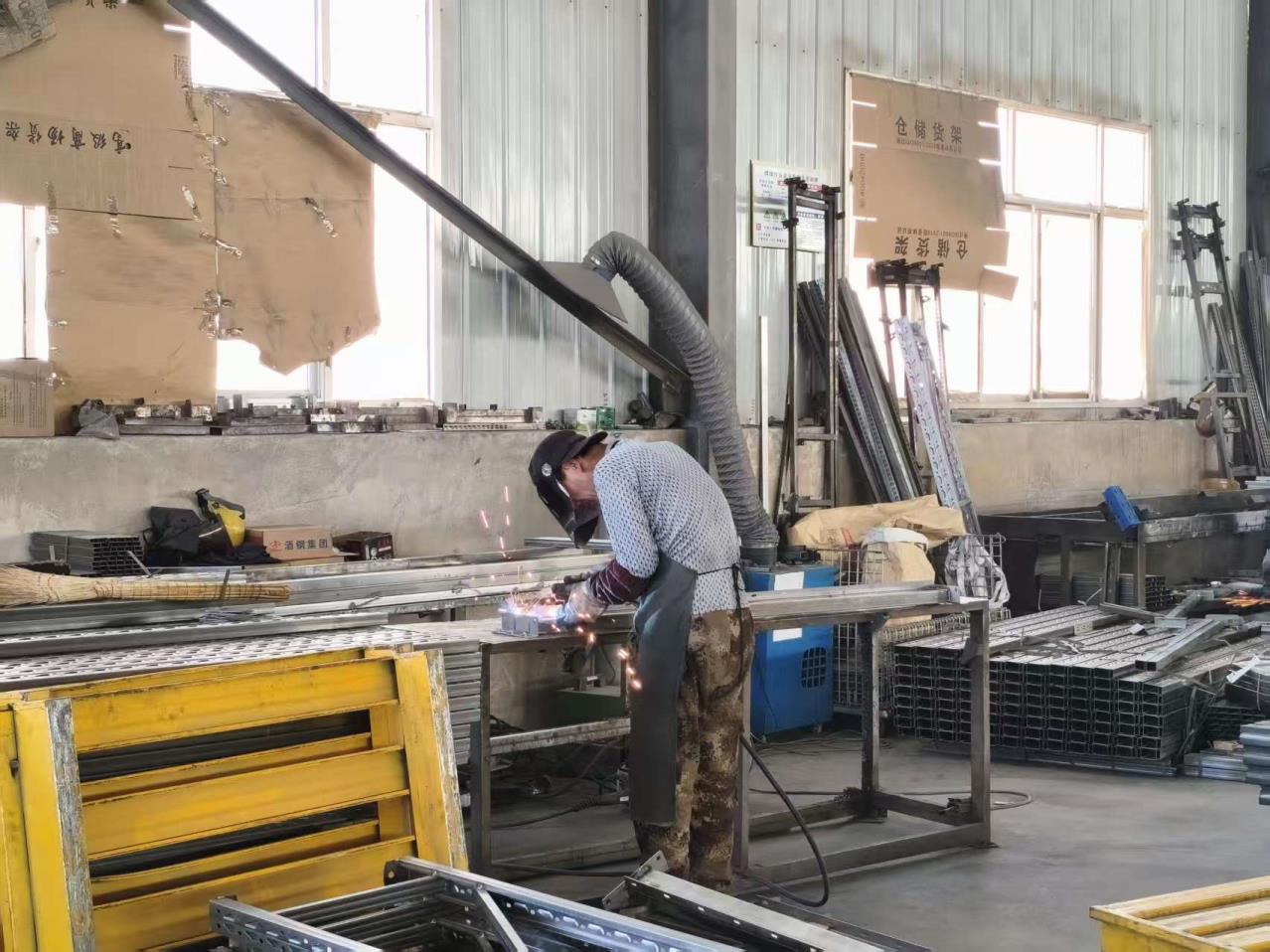
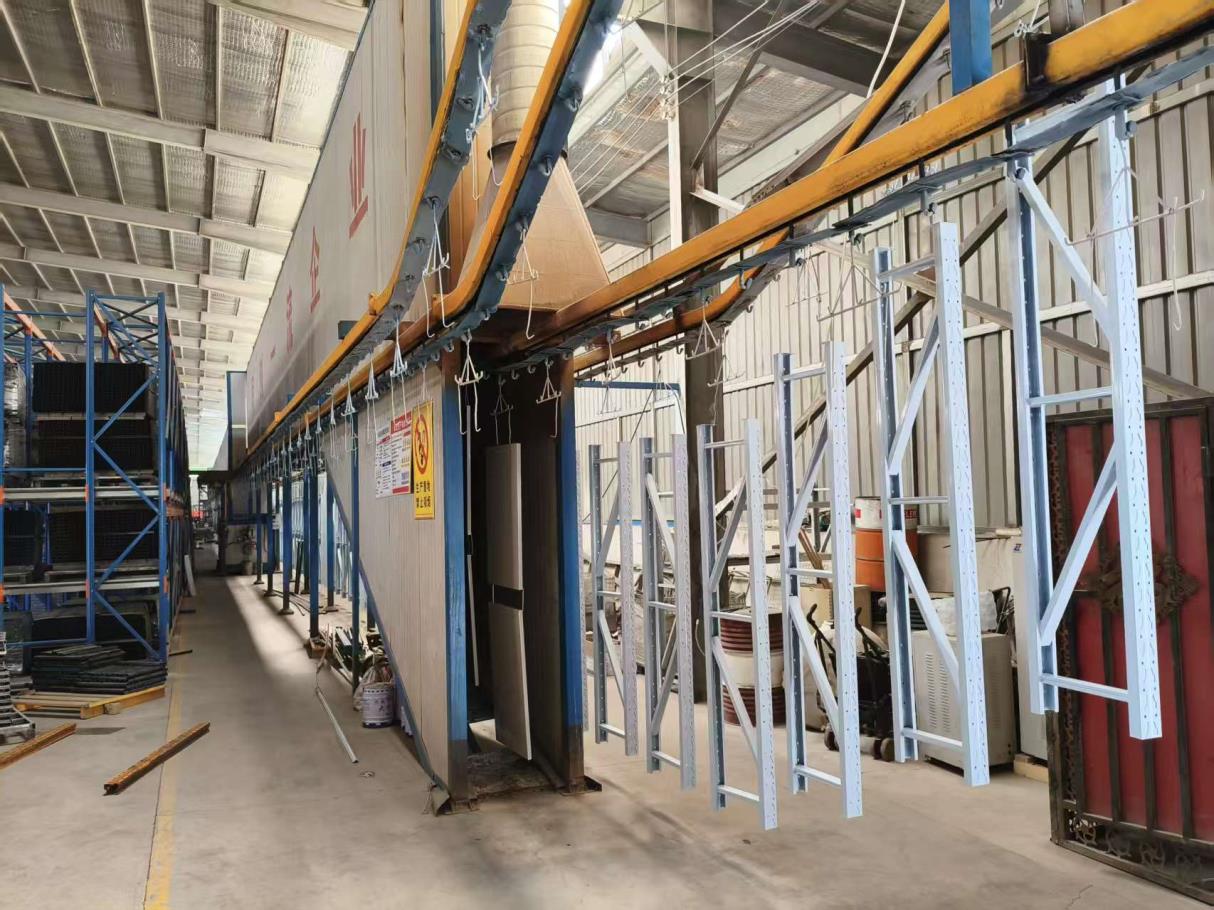
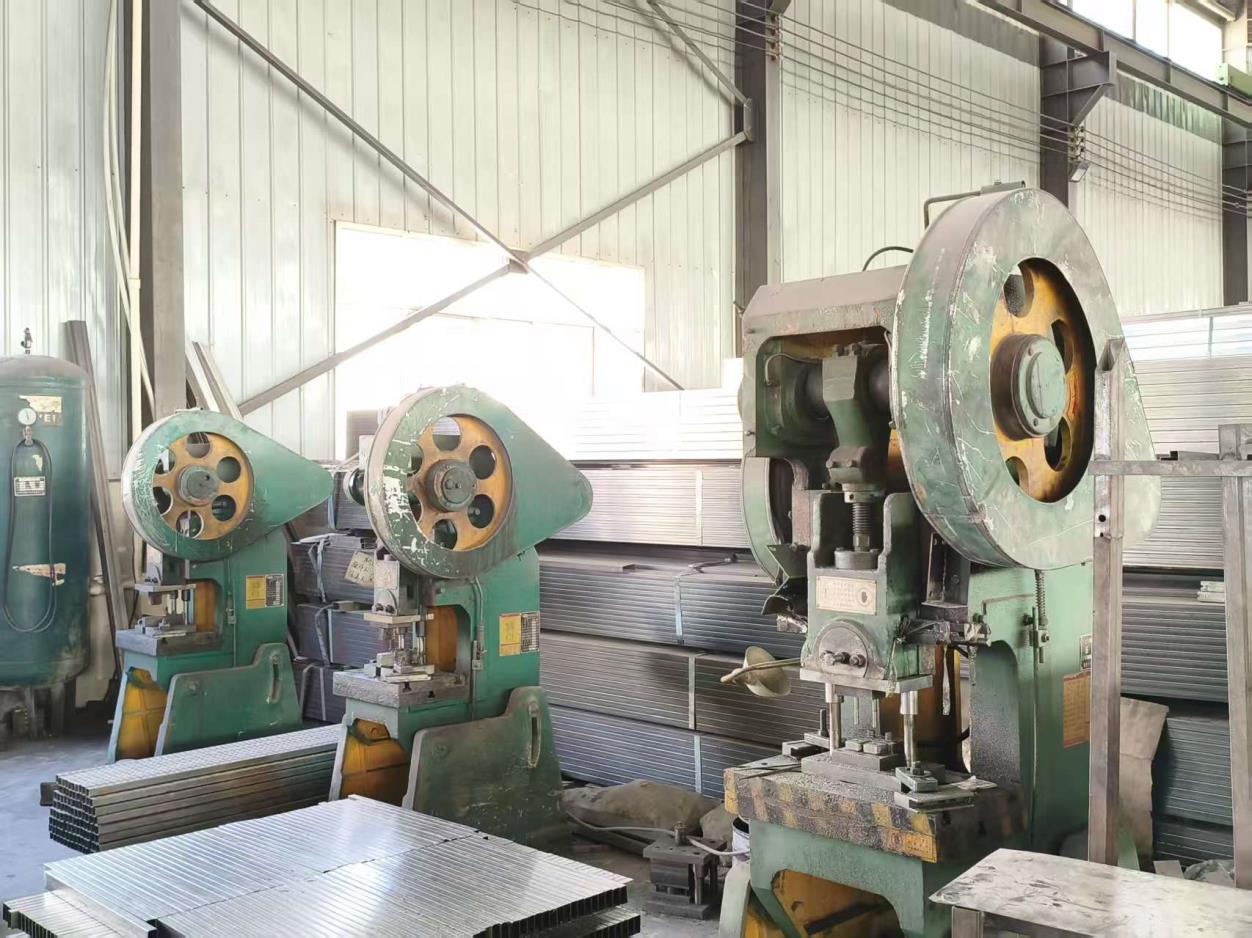
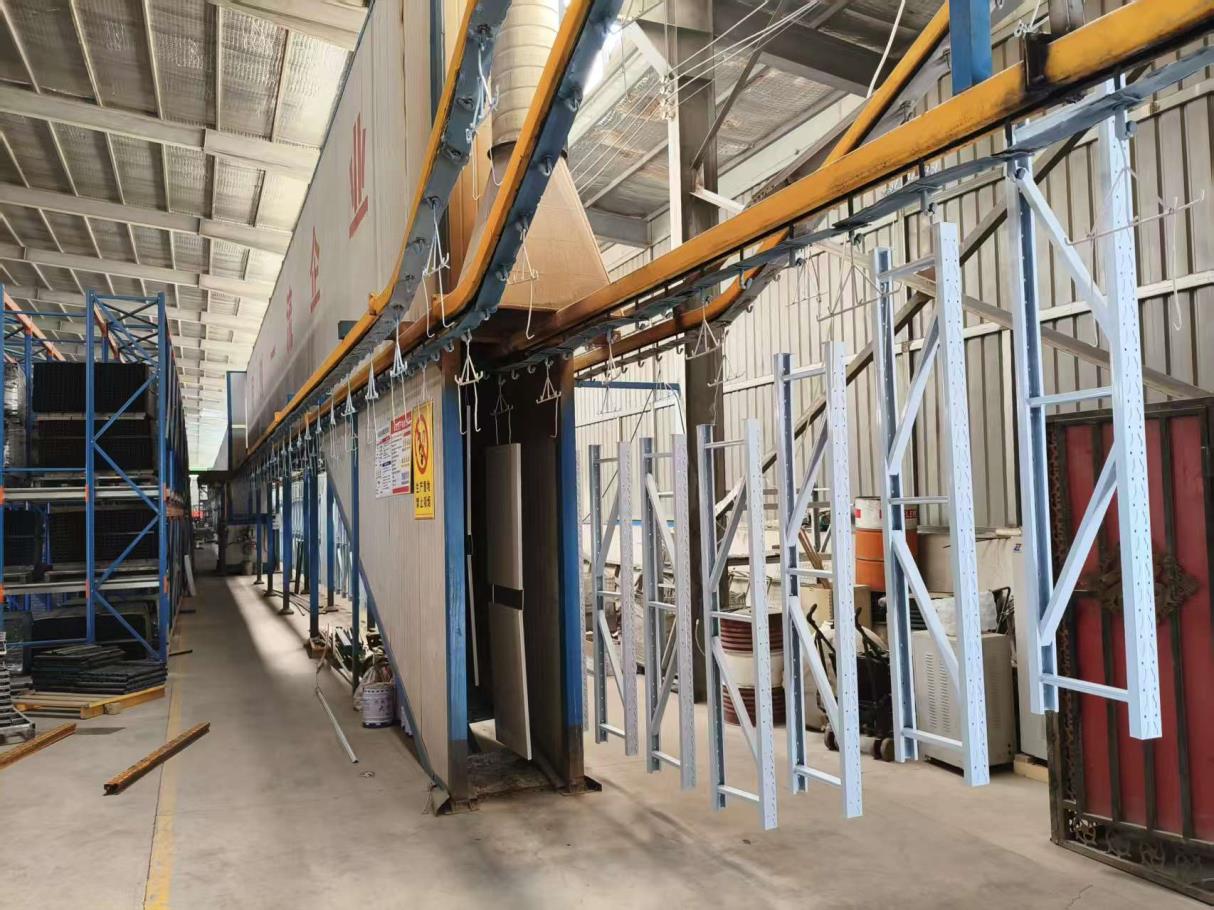
Furthermore, visual presentation is highly valued in Japanese commercial environments. Minor metal finish flaws, weld spatter, or slight paint variations can impact perceived value. Displays must blend structural steel integrity with warm timber finishes or modern minimalist powder coatings. Achieving this balance requires precision manufacturing methods like high-definition laser cutting, robotic welding, and automated powder coating processes.
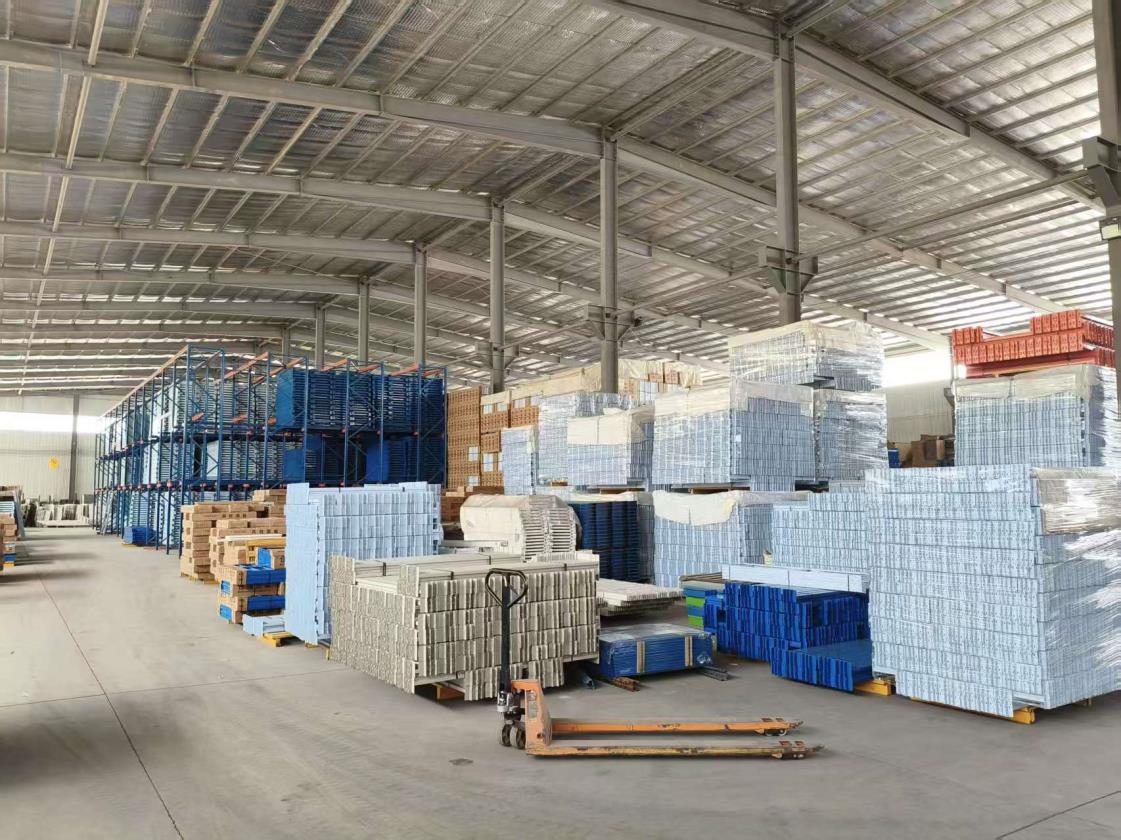
Modern supply chains require seamless structural transitions from warehousing systems directly to consumer retail floors. At DuraRacks (Nanjing Dulis Warehouse Equipment Co., Ltd.), we specialize in bridging this gap. We supply heavy-duty industrial storage racks alongside lightweight, modular, and aesthetic retail display structures.
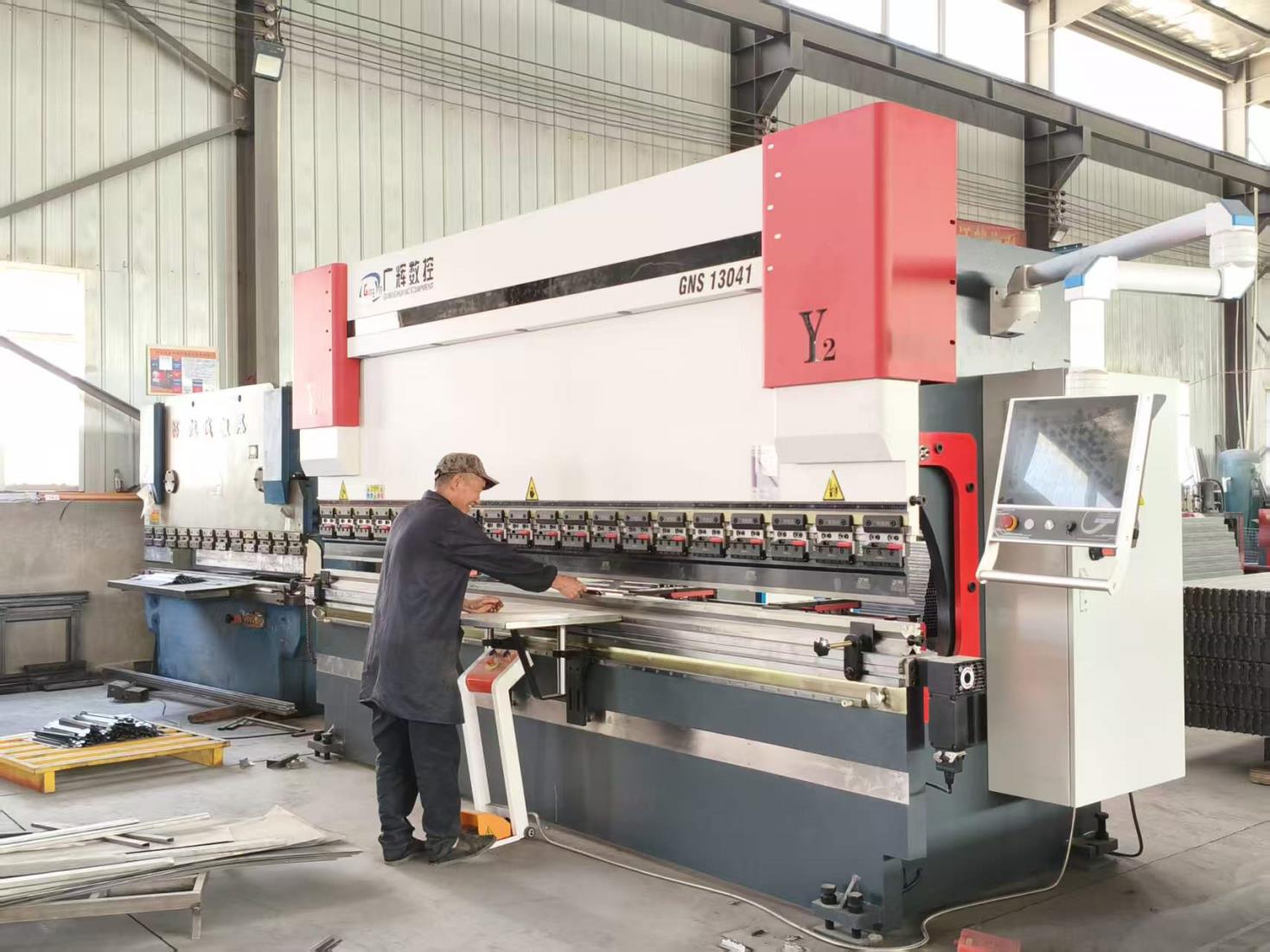
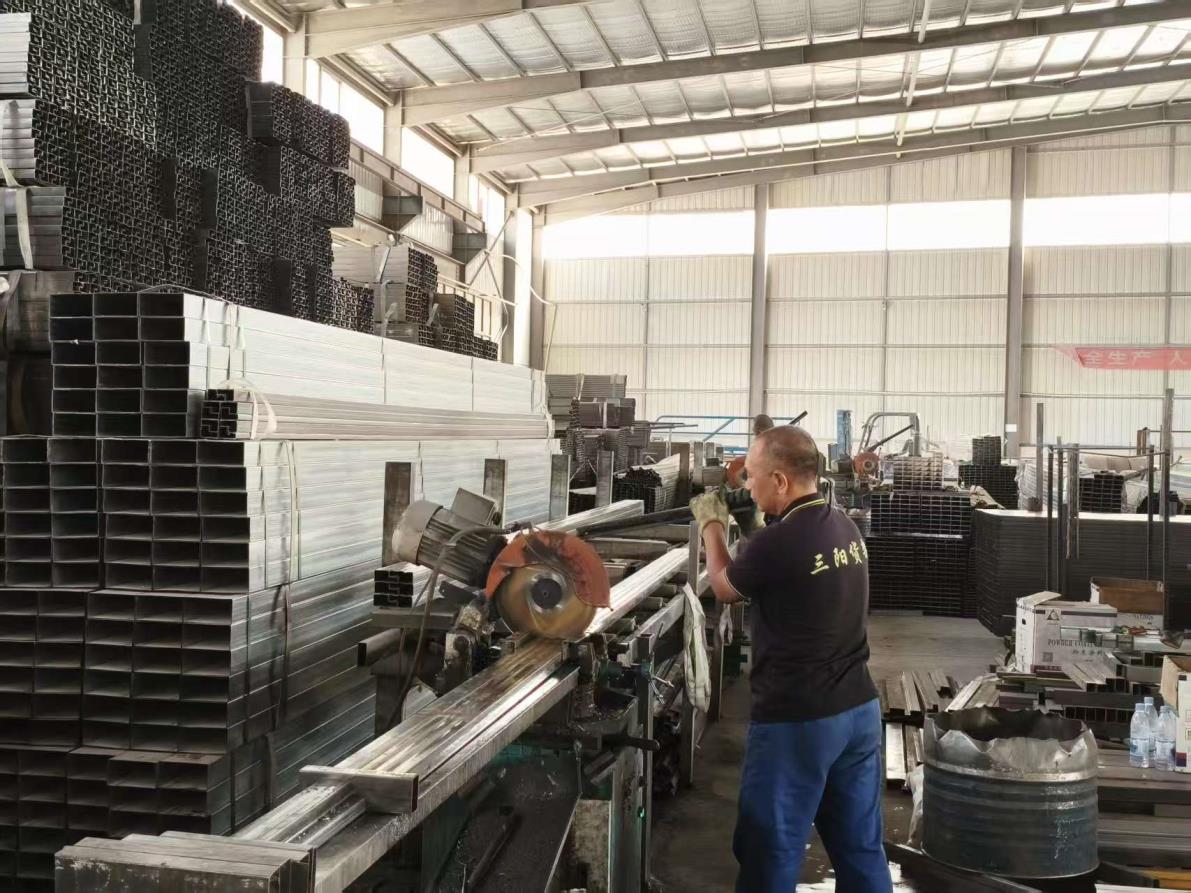
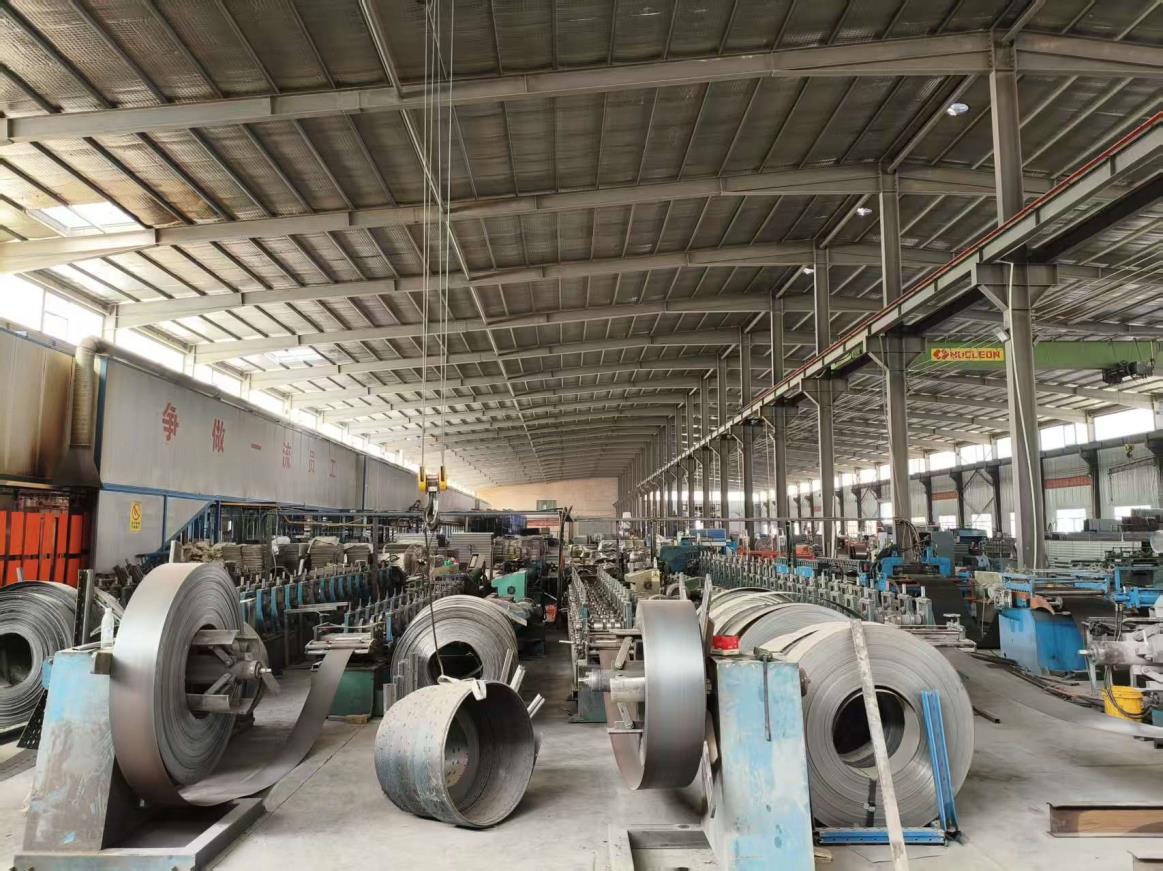
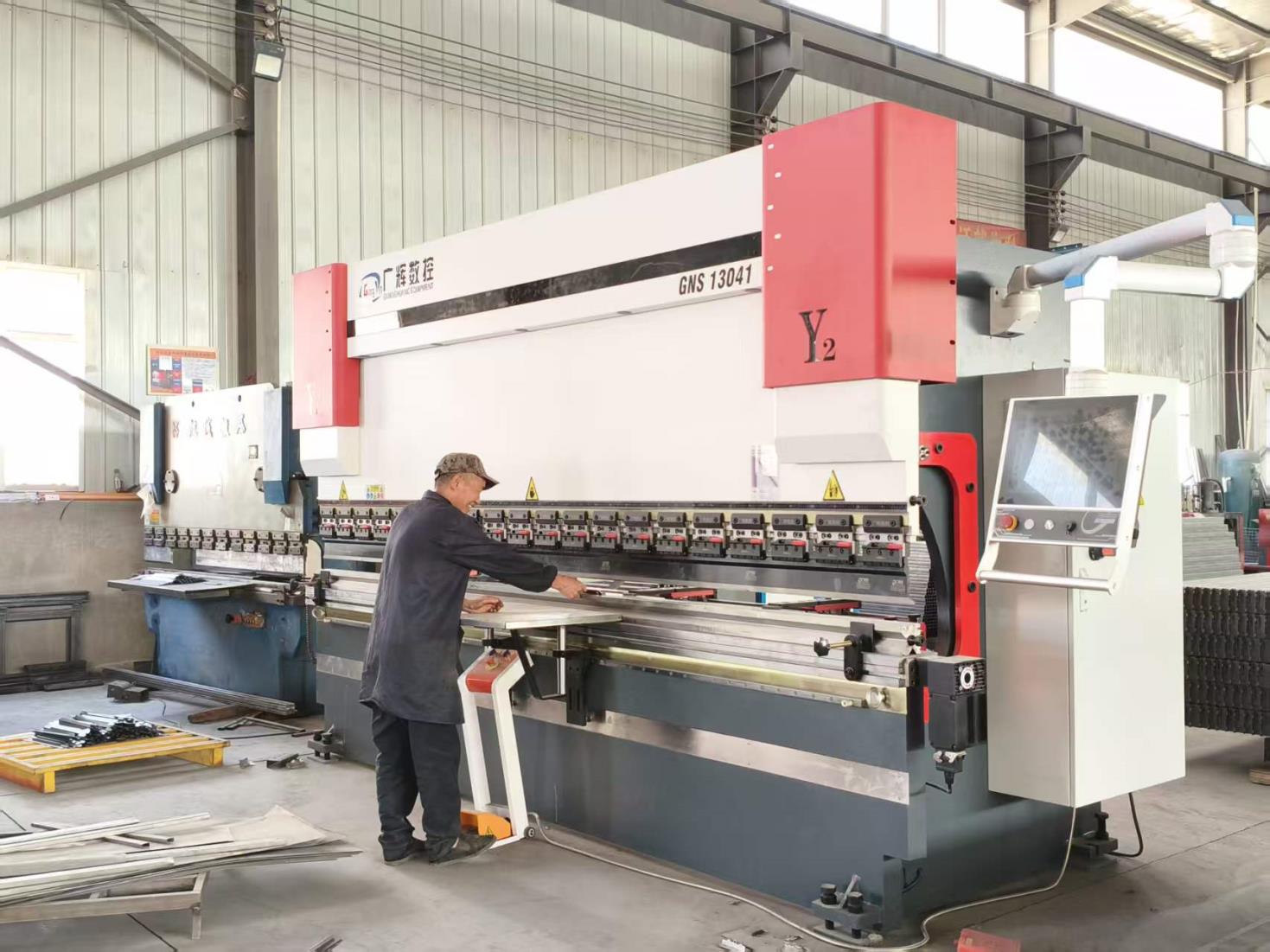
By leveraging Finite Element Analysis (FEA) and automated manufacturing workflows, we create promotion racks that assemble quickly, adapt to changing seasonal campaigns, and withstand high-capacity commercial use. This structural integrity is critical for heavy-load items like bulk beverages, household cleaning agents, and high-density industrial goods, which are commonly showcased on endcaps and promotional islands.
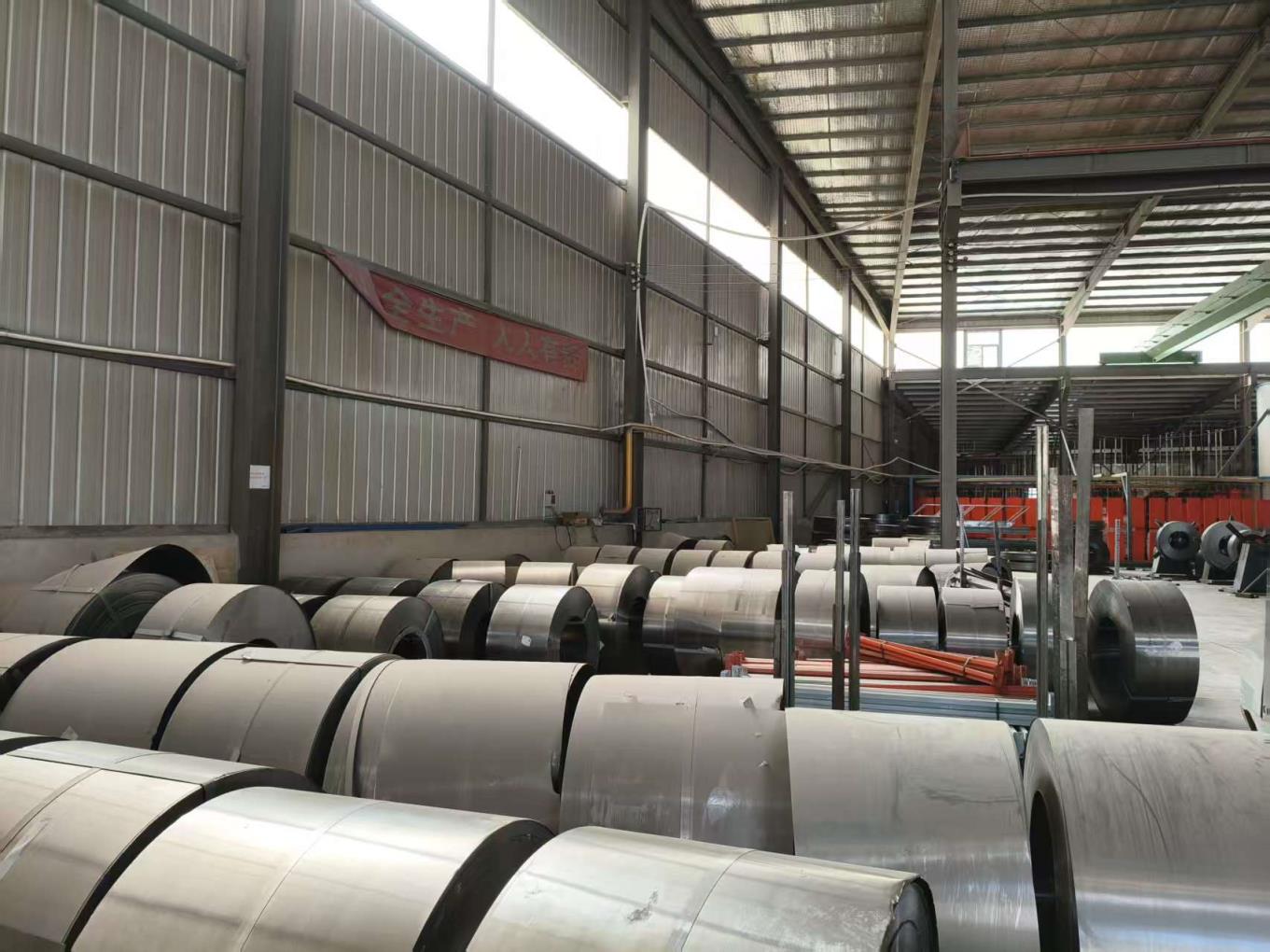
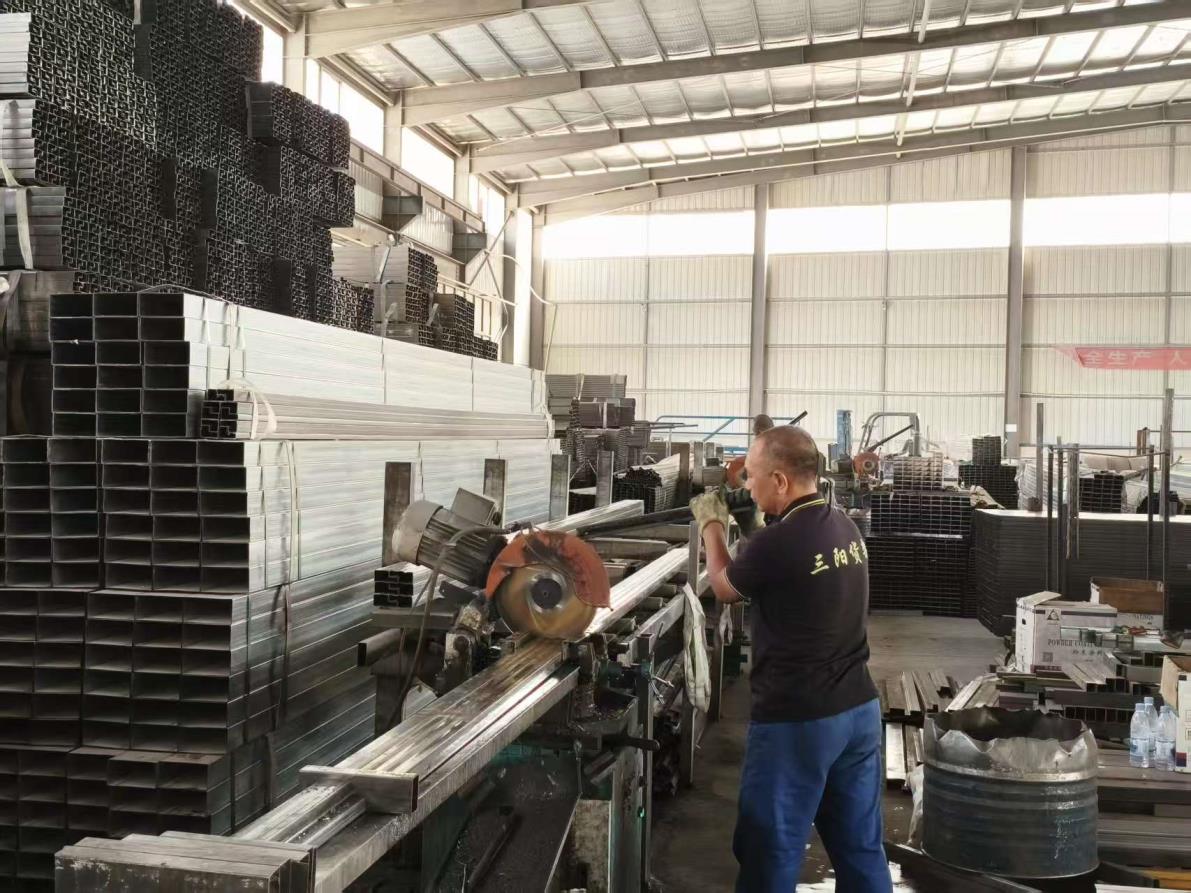
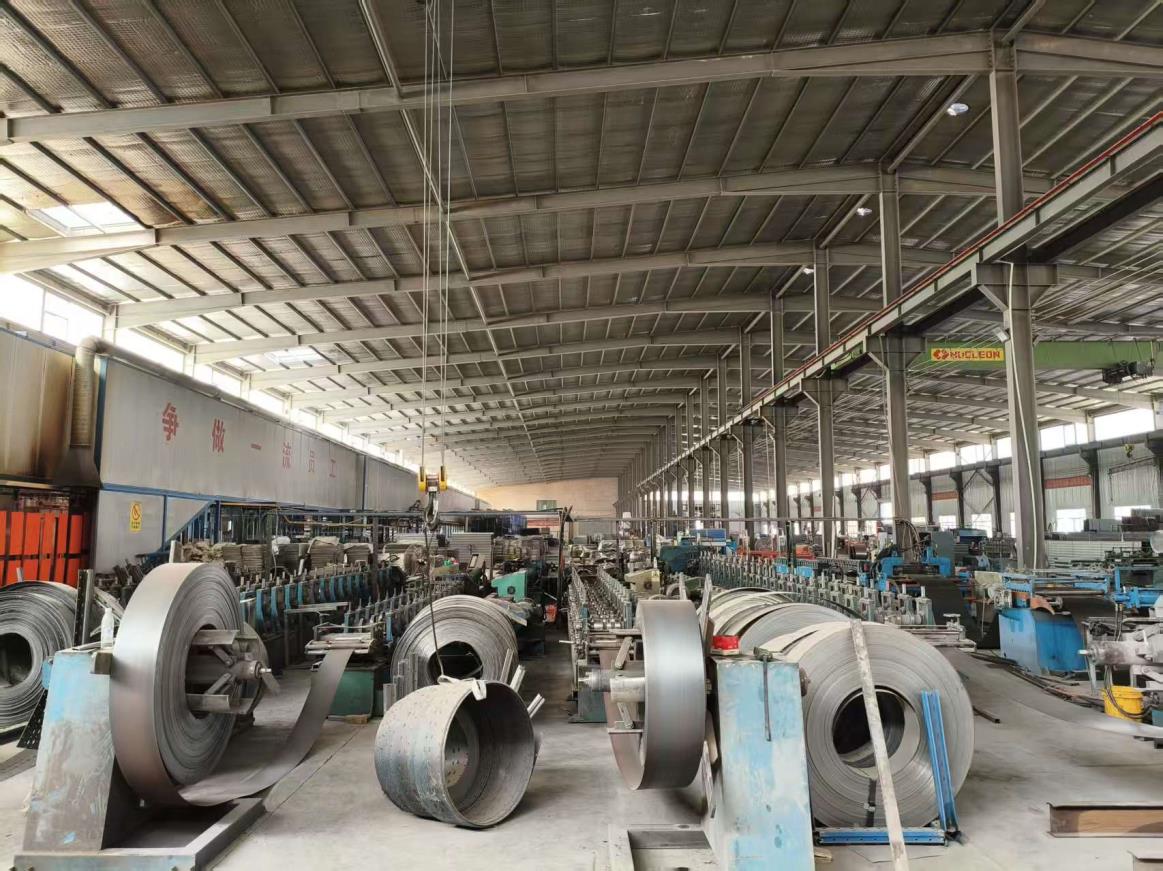
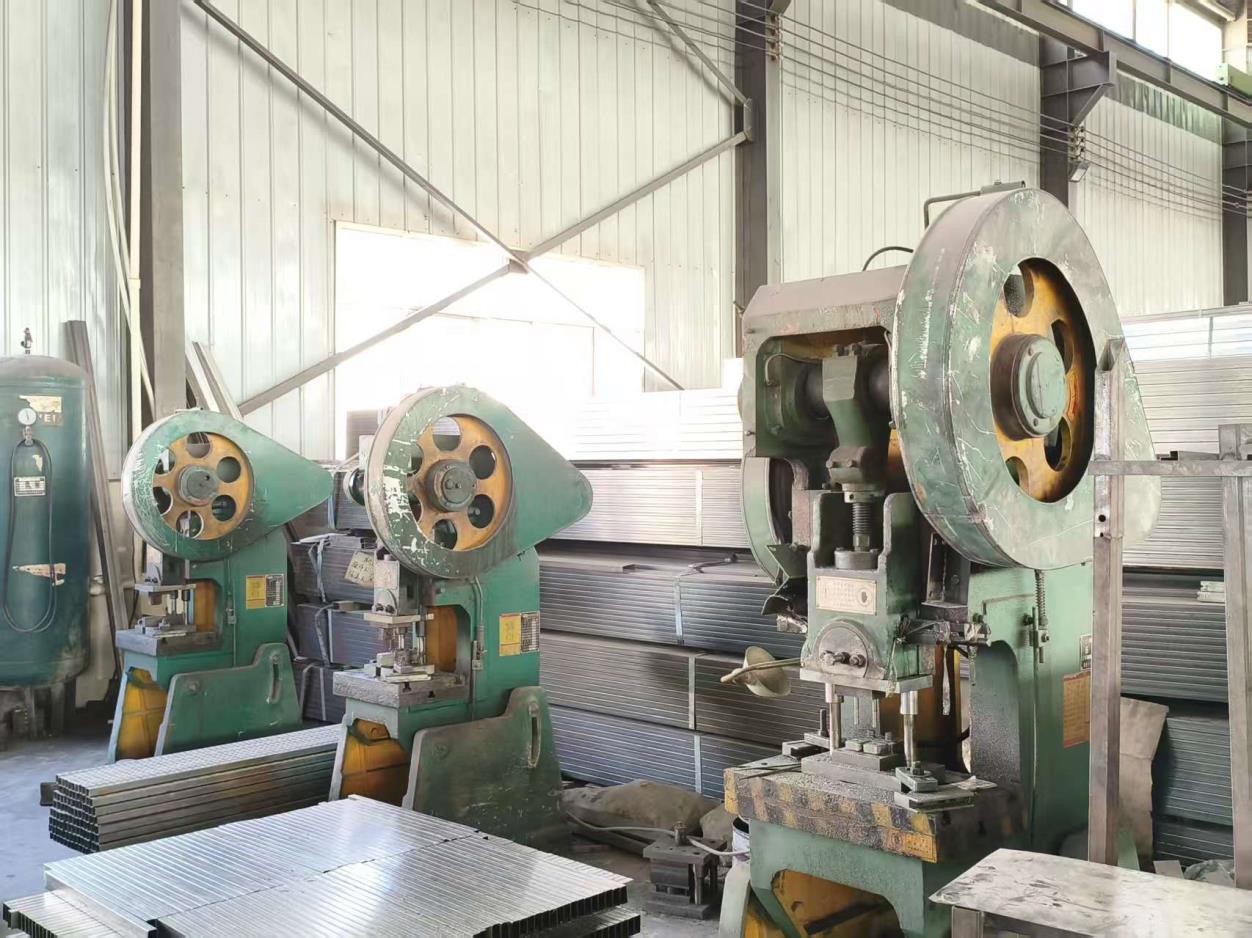
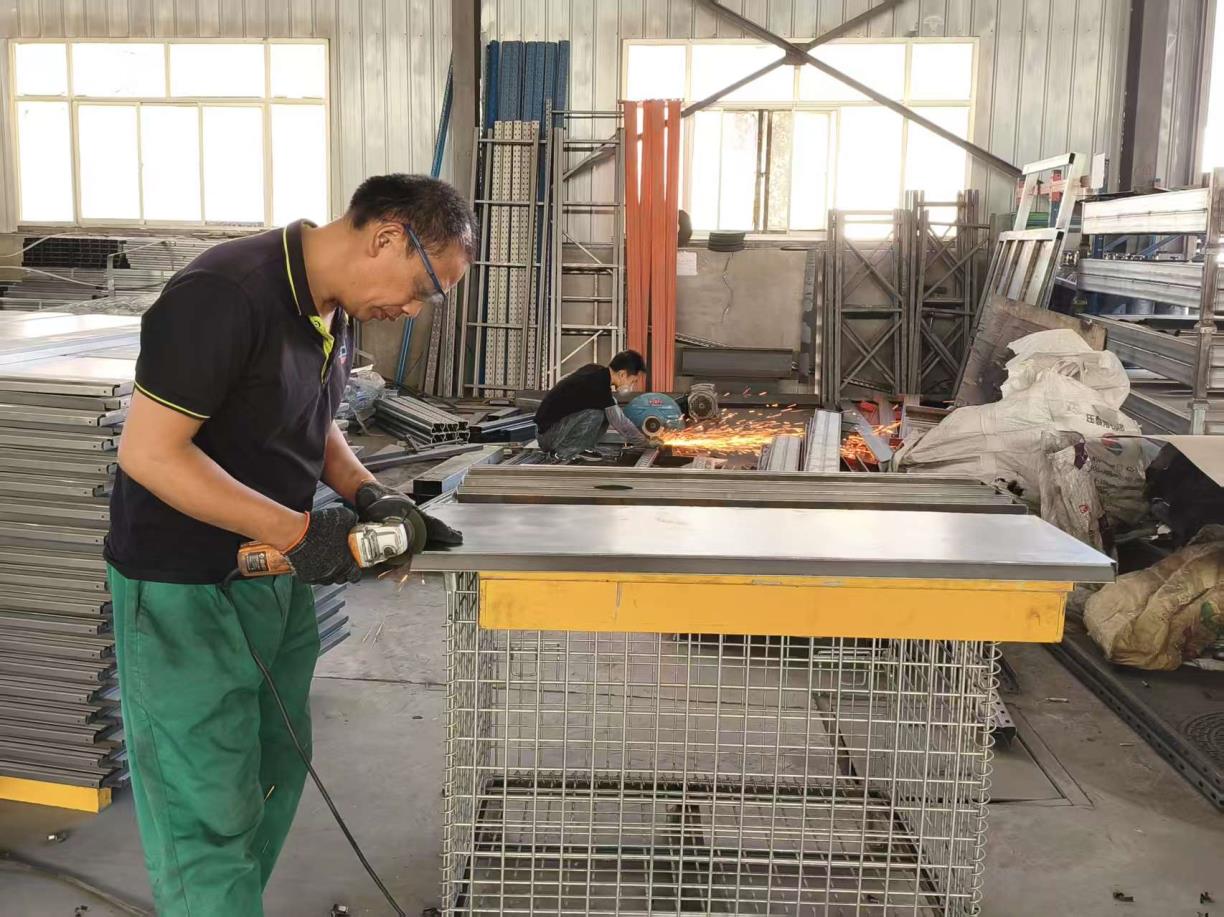
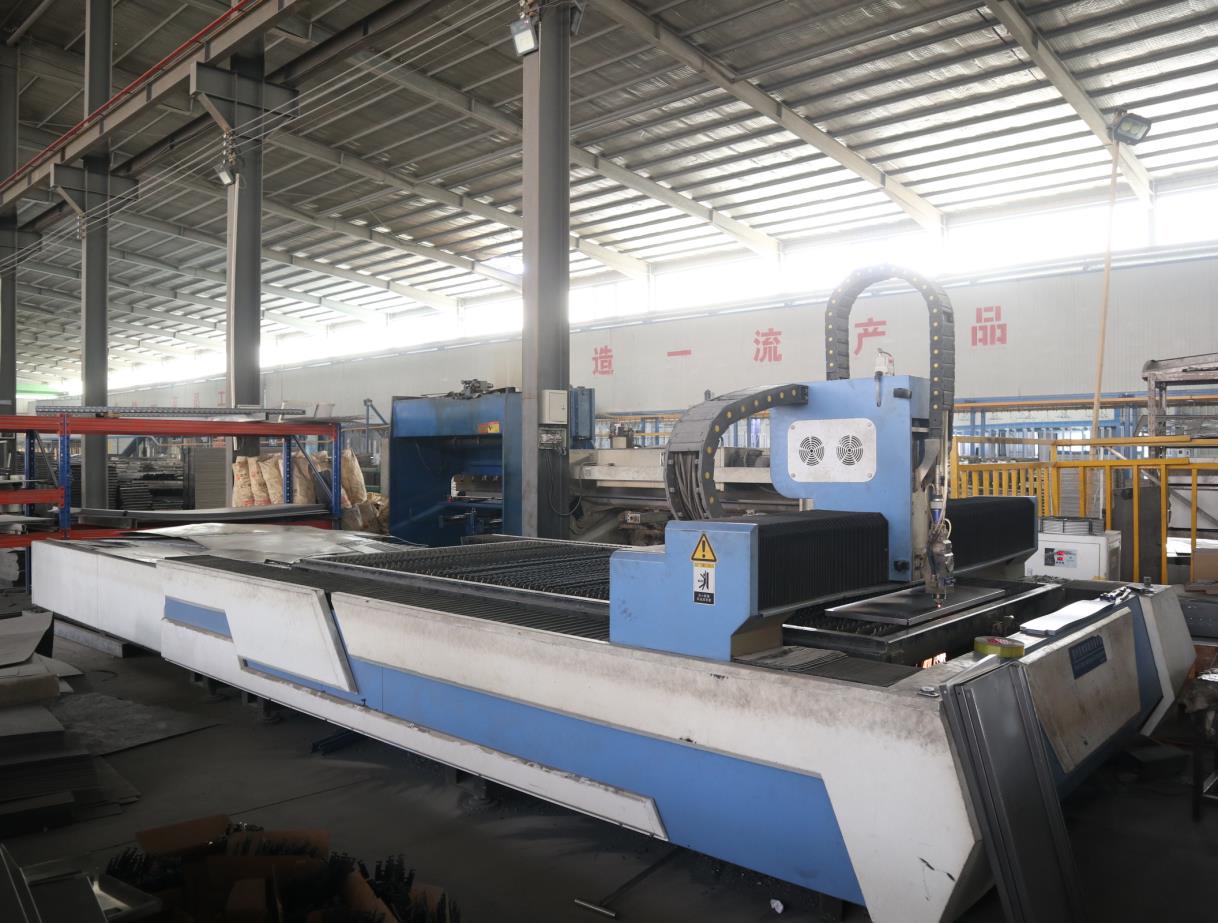
Our complete raw-material-to-finished-product workflow guarantees component precision, dimensional stability, and surface finishes that satisfy demanding Japanese quality requirements.
Deploying commercial shelving in Japan requires compliance with seismic criteria. Given the frequency of seismic events in the region, shelving configurations must withstand sudden lateral accelerations without collapsing.
DuraRacks integrates seismic safety features into our customized display stands, offering baseplate anchoring and load-locking mechanisms. Additionally, our materials support local commercial safety and compliance standards:
Our quality control program consists of a 45-person QA division managing processes to international standards, including ISO9001 and CE certifications.
We conduct mechanical testing on all structural weldments, including ultrasonic testing and salt-spray corrosion tests to verify structural integrity and performance under humid environments.
Combining front-of-house marketing displays with back-of-house logistics capability, offering end-to-end operational solutions.
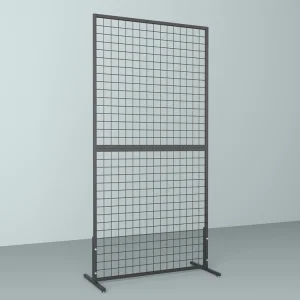
Versatile grid configurations designed to maximize small-product retail margins.
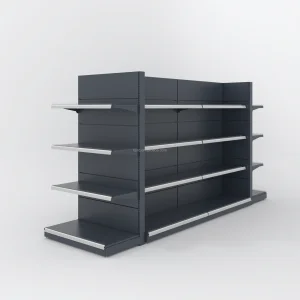
High-capacity modular shelving engineered for dense commercial grocery environments.
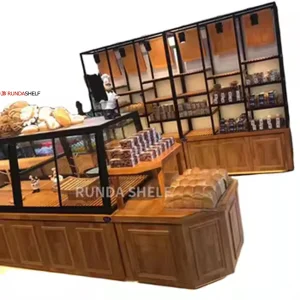
Appealing bakery shelving matching natural timber warmth with stable metal framework.
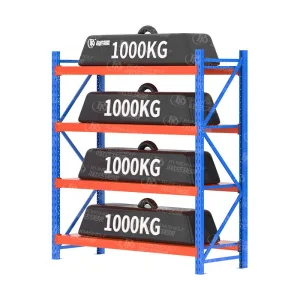
Heavy industrial structural storage for piping, wood materials, and bulk components.
Answering common engineering and logistics questions from Japanese facility operators, retail planners, and compliance officers.
Engineered for grocery chains, bulk merchandise promotions, and heavy commercial loads, combining modern styling with high capacity.
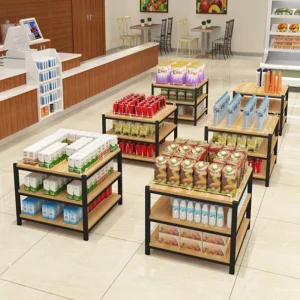
Open-wire basket structure optimized for maximum bulk visibility and convenience store checkout aisles.
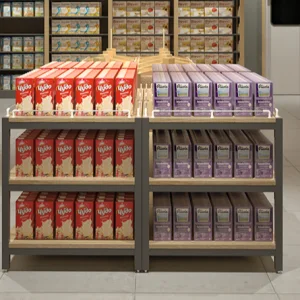
Thick 15mm timber boards combined with rustic styling, suited for high-end organic stores.
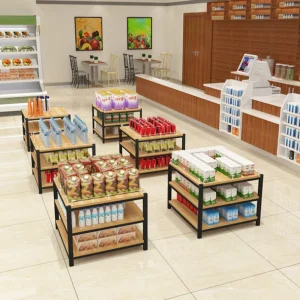
Modular presentation table layout with perimeter safety railings to prevent item drops.
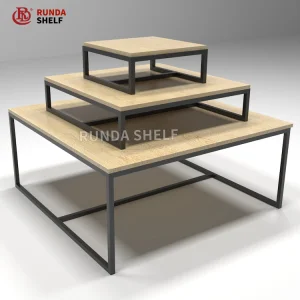
Reinforced steel-wood structure designed for heavier items and long-term retail durability.
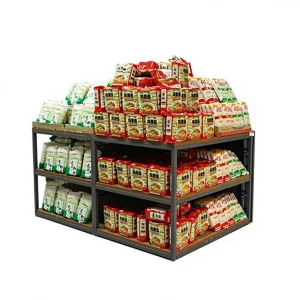
Specialized endcap display optimized for daily chemicals, milk cartons, and grains.
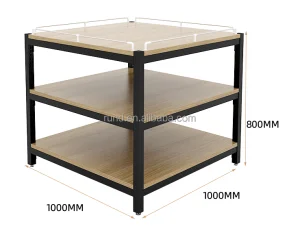
Corrosion-resistant zinc plating, suitable for wet areas and fresh grocery sections.
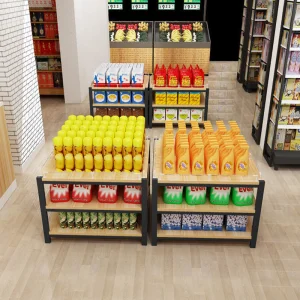
High-load hybrid construction blending aesthetic timber with structural steel stability.
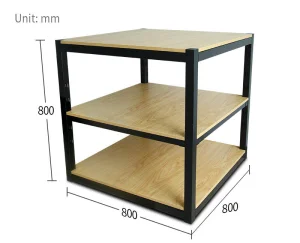
3-tier configuration designed to enhance vertical product density in compact store layouts.
 DuraRacks