High-capacity storage systems engineered to optimize inventory distribution, catering specifically to Argentina's commercial corridors from Buenos Aires to Mendoza.

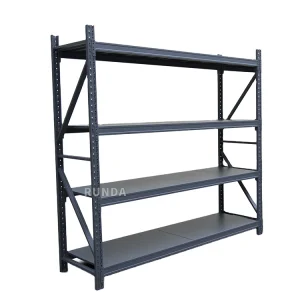
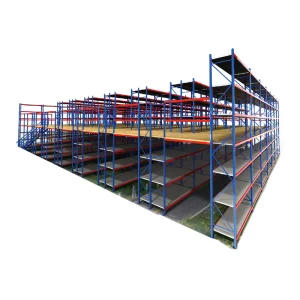
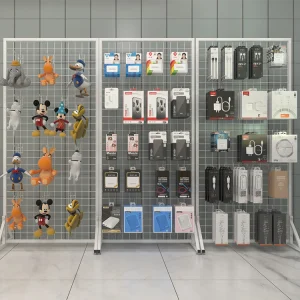
Analyzing the macroeconomic indicators, regional logistics distributions, and structural challenges shaping warehouse design across the Argentine Republic.
Argentina's industrial logistics is concentrated heavily within key regional economic zones. The Buenos Aires Metropolitan Area (AMBA) controls the bulk of fast-moving consumer goods (FMCG) and retail distribution. In contrast, the Rosario-San Lorenzo port corridor manages massive bulk agricultural logistics. Industrial operations in Córdoba focus on automotive assembly, and Patagonia's Vaca Muerta basin drives intensive oil and gas supply chains. Adapting racking setups for these specialized regions requires targeted engineering configurations designed to handle extreme density and heavy weight loads.
Industrial procurement in Argentina demands a deep familiarity with local custom guidelines and foreign exchange management frameworks. B2B buyers regularly coordinate imports through the SEDI (Sistema de Importaciones de la República Argentina) database. Our export team coordinates directly with local customs brokers and fiscal agents to supply precise commodity classifications (HS Codes), mill test certificates, and complete loading documents. By ensuring rigorous administrative consistency, we minimize clearance delays and secure logistics continuity for our South American clients.
Western Argentina, particularly the Cuyo region covering Mendoza and San Juan, presents significant seismic activity zones classified under local CIRSOC 103 regulations. Standard warehouse layouts are fundamentally unsuitable for these regions. Stacking racks and pallet shelving systems serving Mendoza must incorporate seismic design parameters, including baseplate expansion anchors, custom frame diagonal bracing, and high-ductility steel formulations. This structural adaptability safeguards personnel and inventory during seismic events, offering robust protection for active facilities.
Nanjing Dulis Warehouse Equipment Co., Ltd. (DuraRacks) manufactures globally certified, industrial-grade steel racking systems that meet the rigorous operational standards of international logistics hubs.
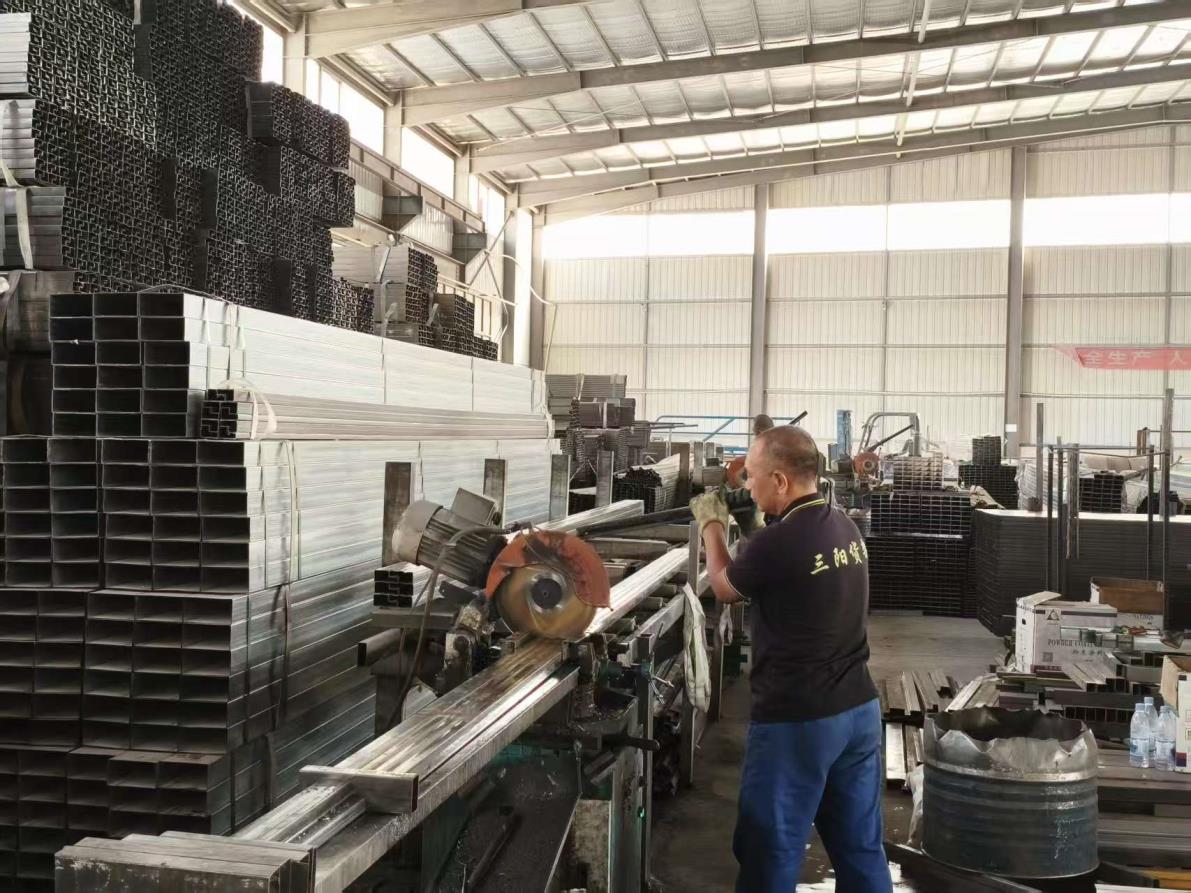
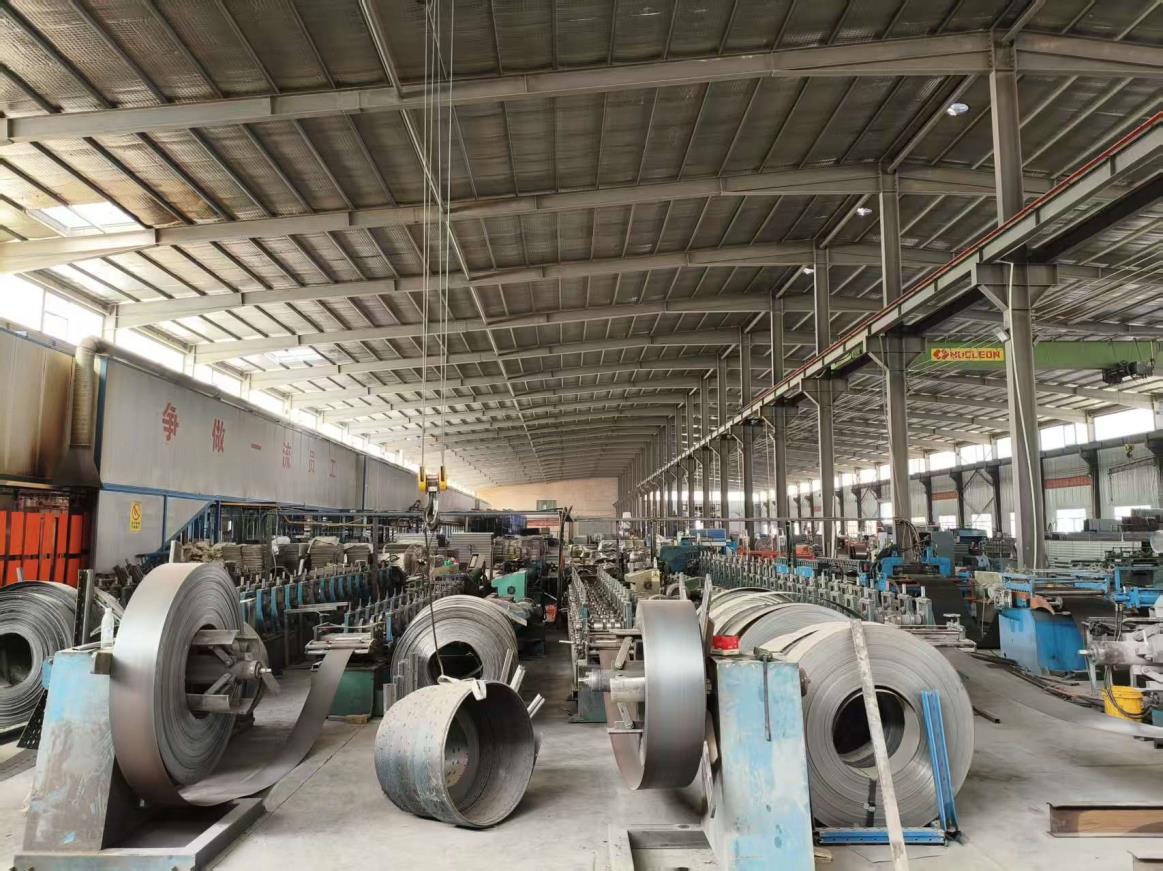
Structural stability rests entirely on steel grade consistency and precision manufacturing. DuraRacks utilizes premium structural carbon steels (such as Q235B and Q355B), which are shaped through automated cold-roll forming lines. Our QA department comprises 45 certified inspectors who enforce rigorous tracking procedures throughout the production cycle. Every batch undergoes comprehensive product inspection methods, including ultrasonic weld flaw detection, mechanical tensile testing, static and dynamic load capacity testing, and salt spray corrosion resistance evaluation. We ensure our racking systems fully satisfy structural standards such as FEM 10.2.02, CE, and ISO 9001.
Our engineering division leverages state-of-the-art Finite Element Analysis (FEA) software to model structural behavior under static, dynamic, and seismic loads. By analyzing upright profiles and structural load limitations prior to manufacturing, we deliver customized CAD/BIM warehouse models that optimize warehouse floor utilization while remaining compliant with regional load regulations.
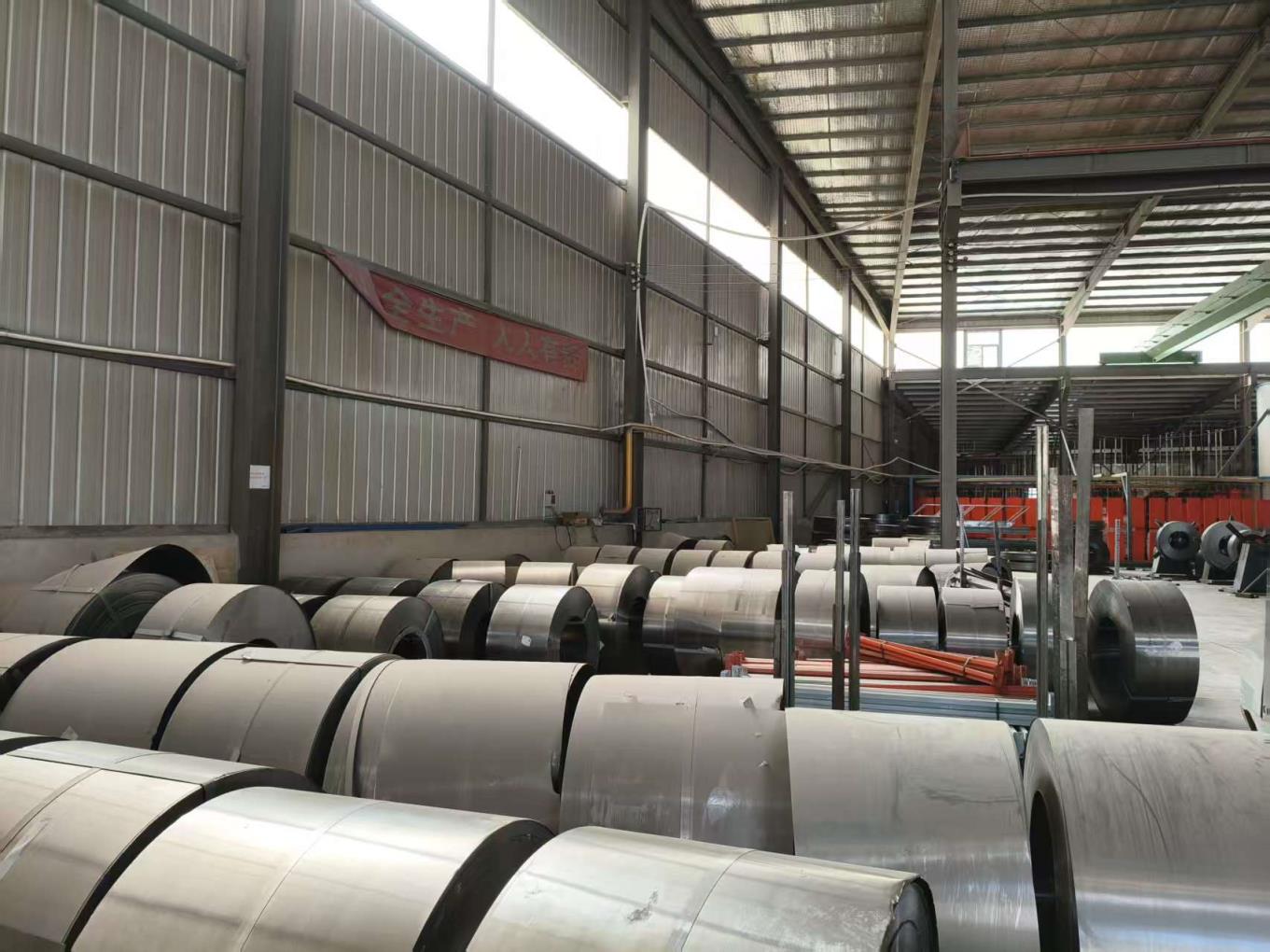
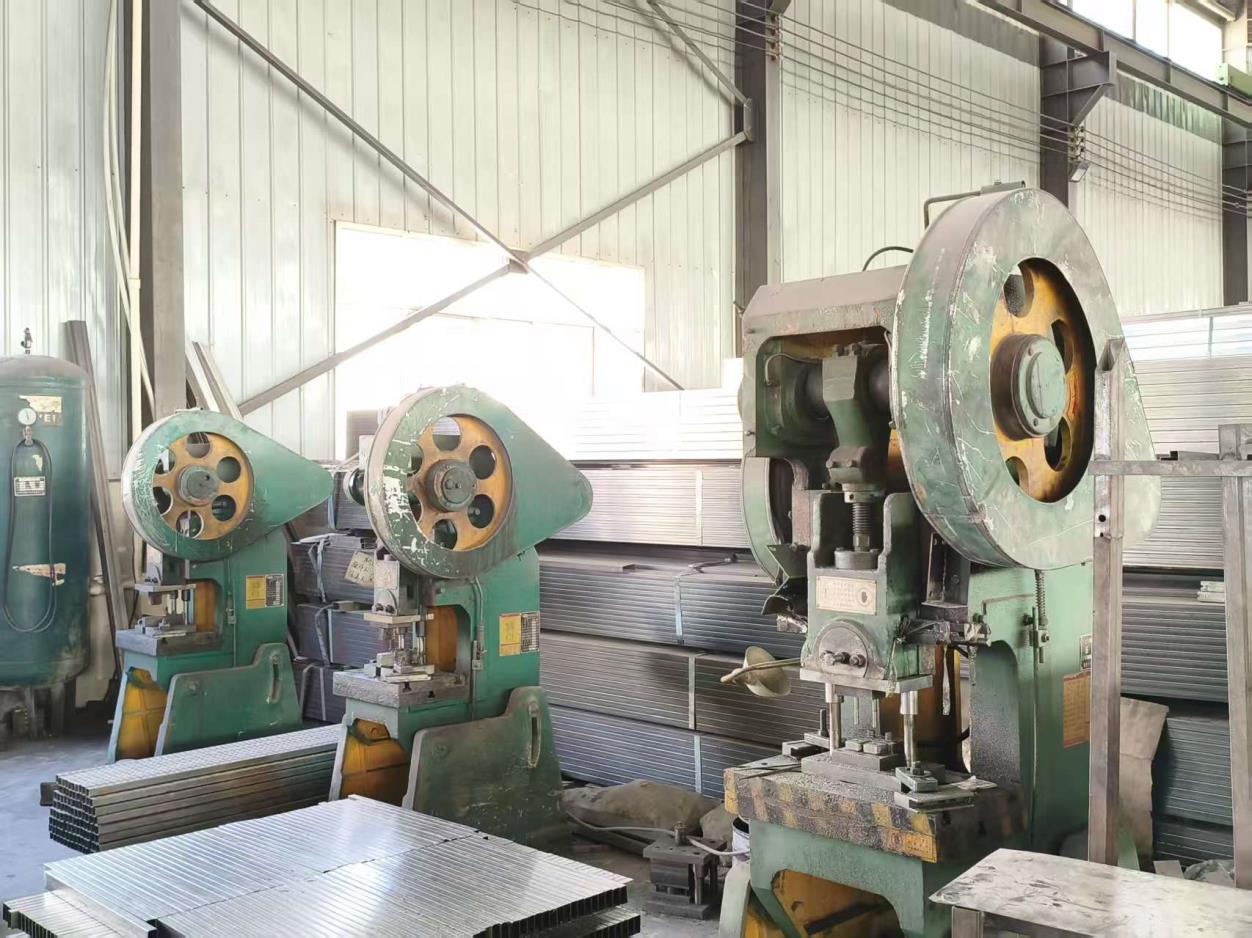
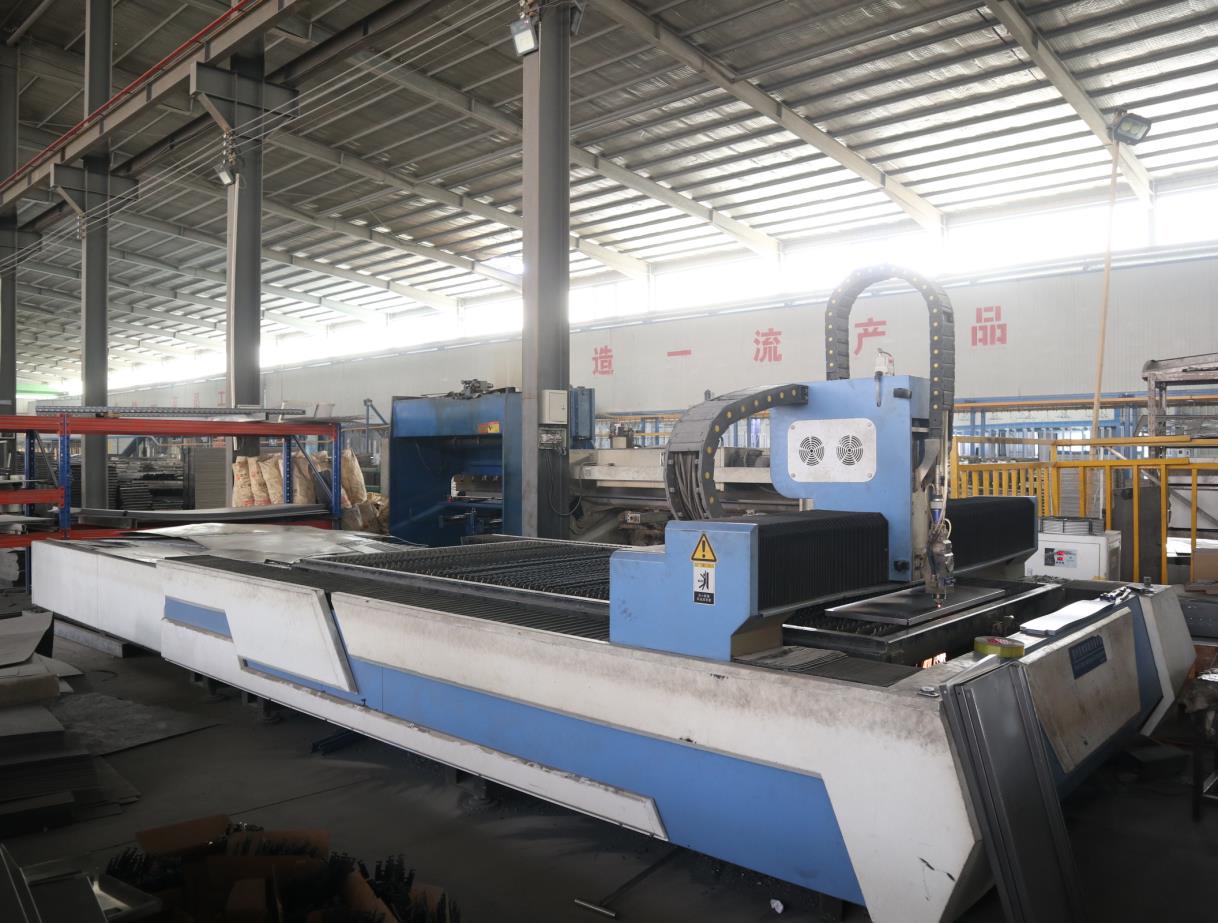
From raw structural coils to certified powder-coated rack components, explore our automated fabrication processes.
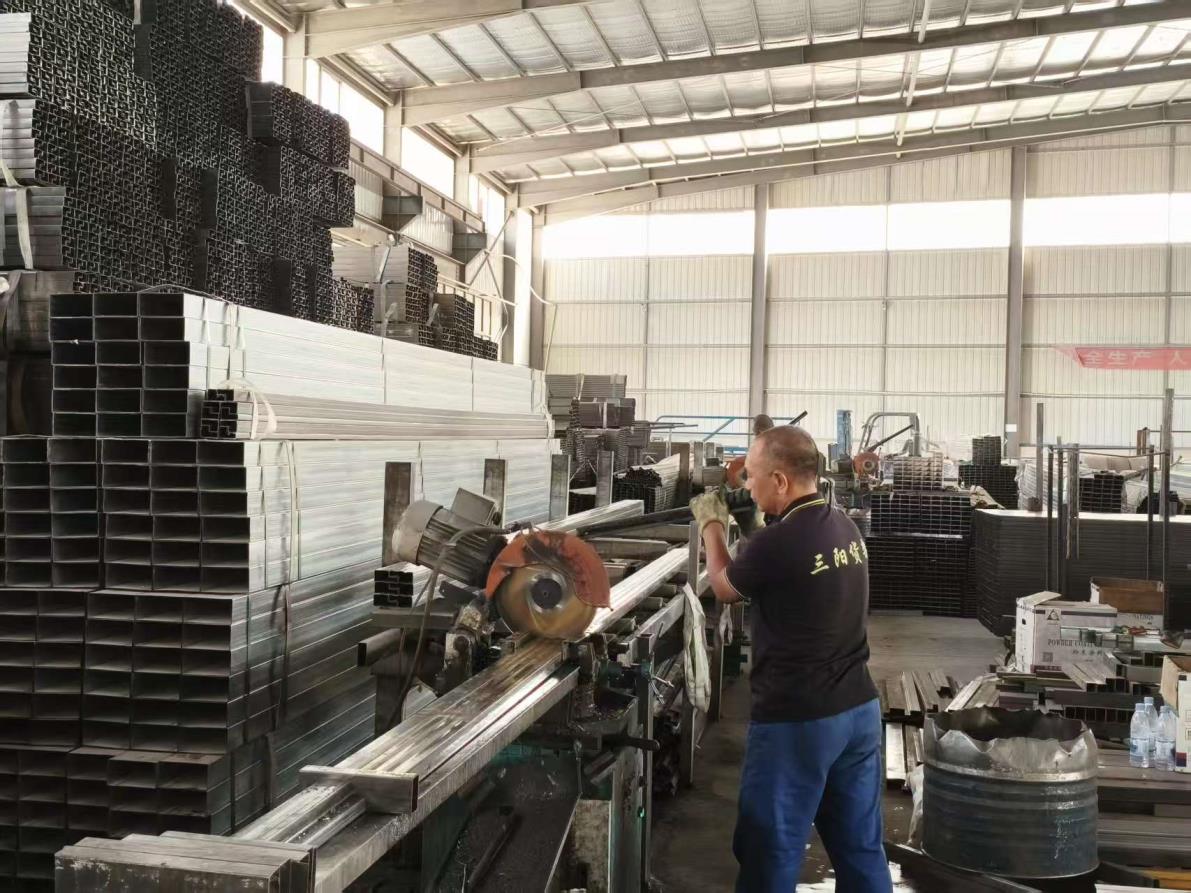
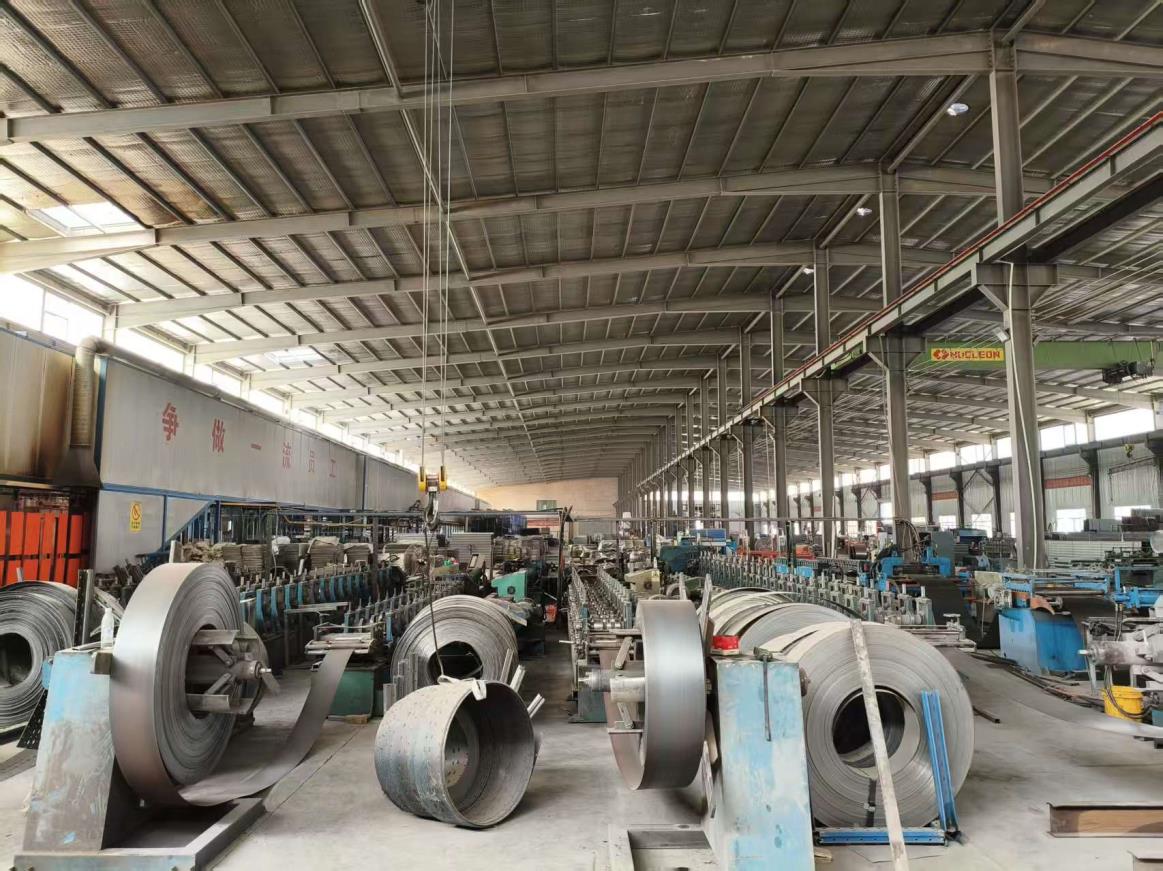
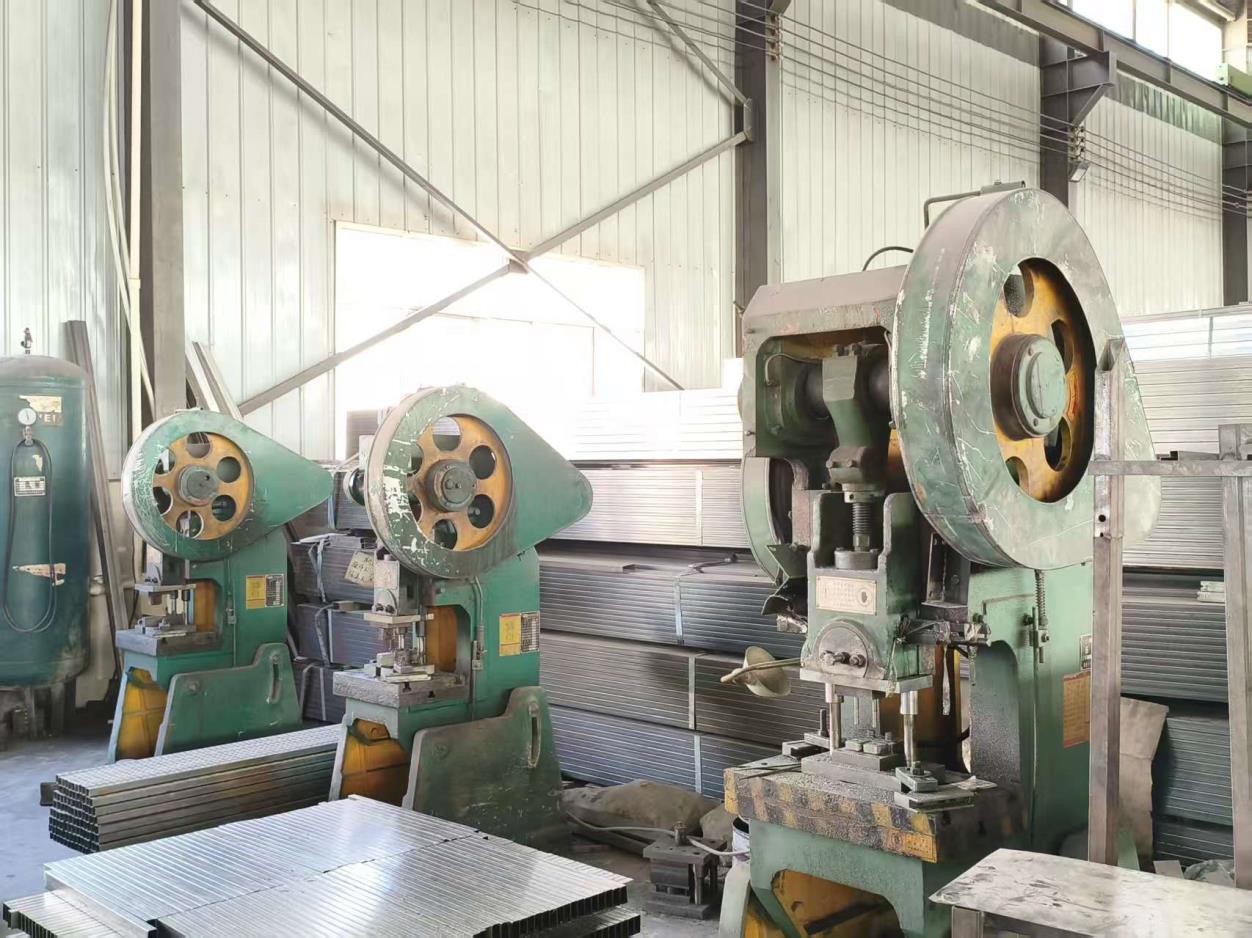
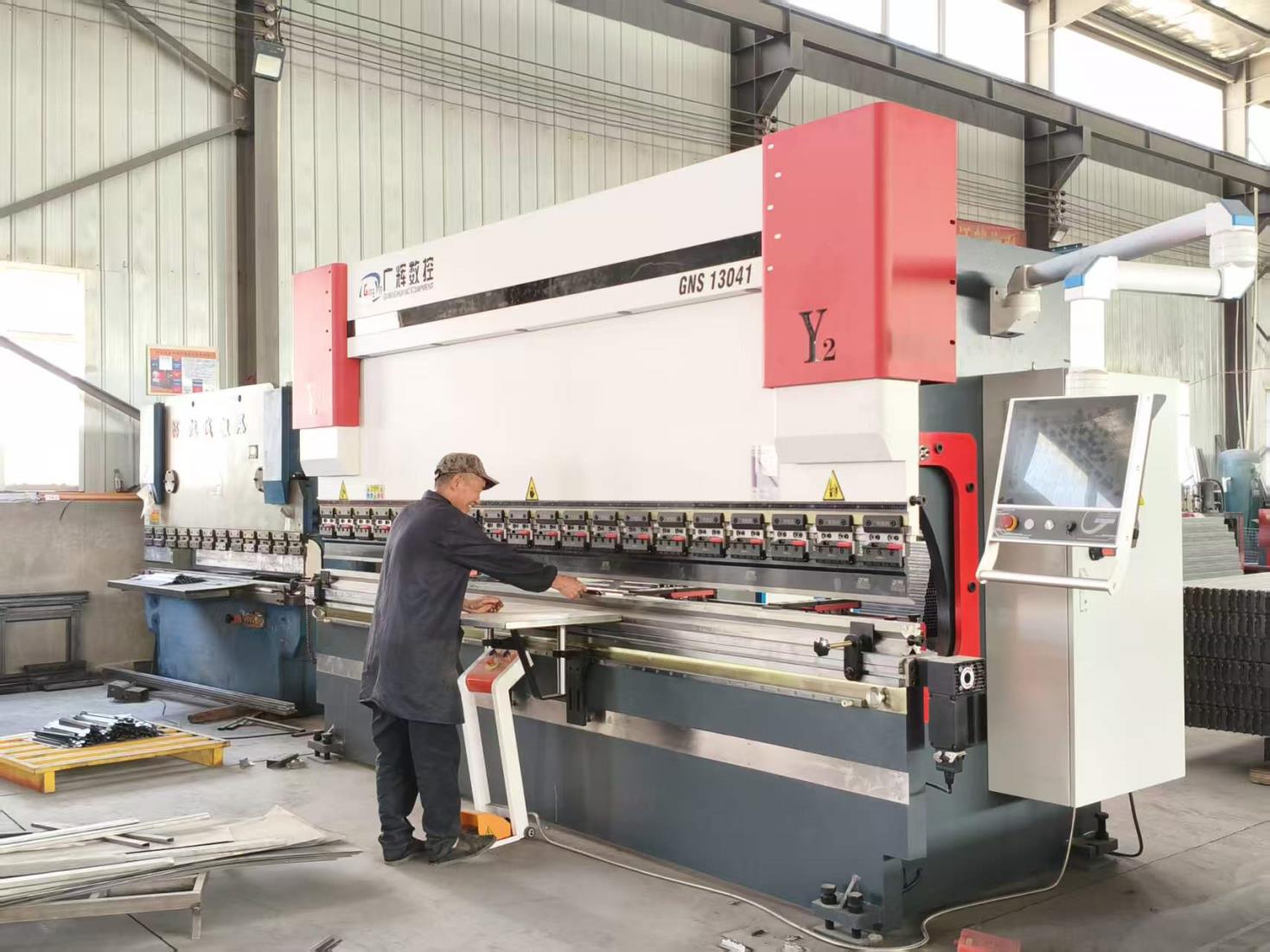
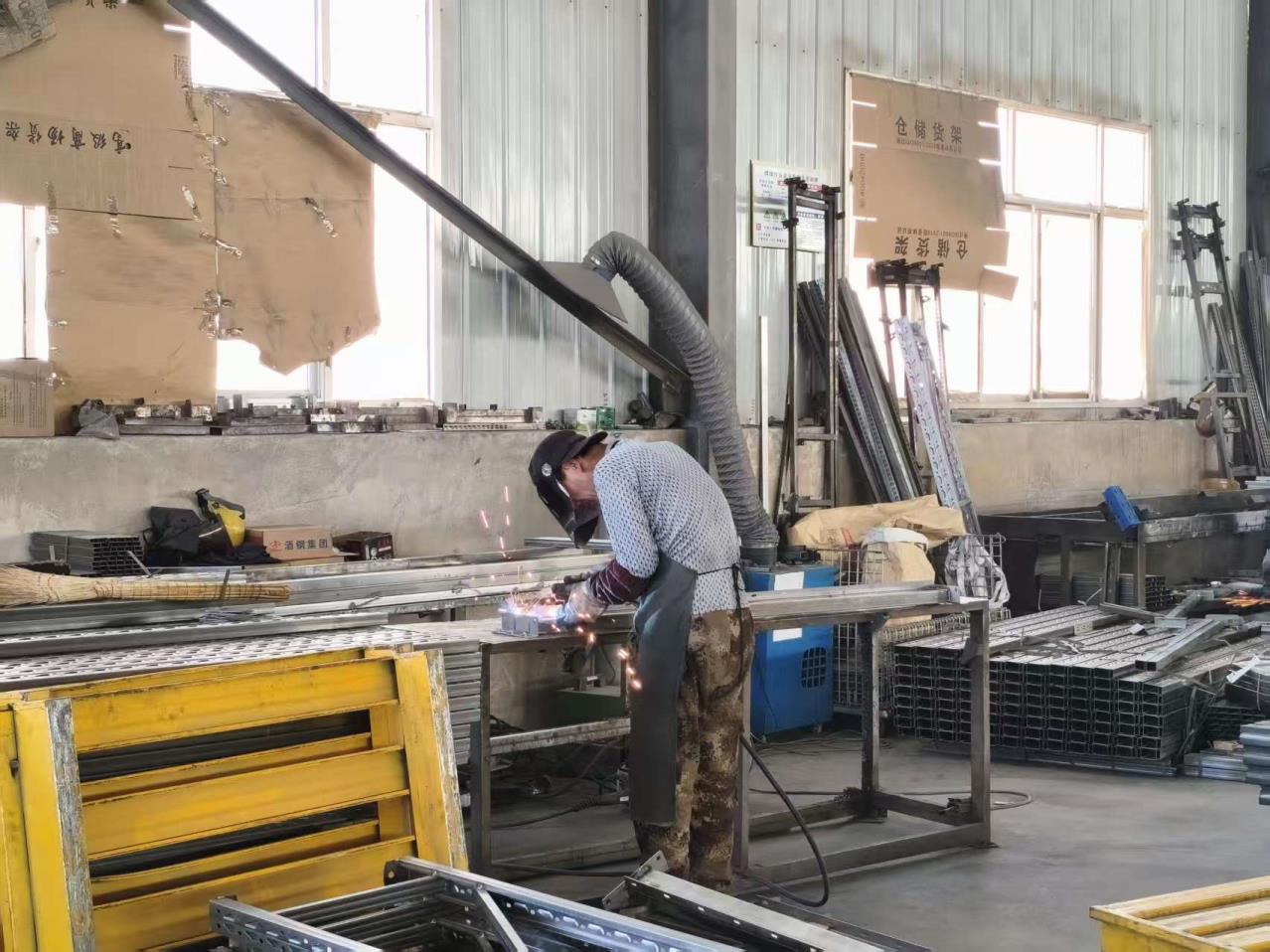
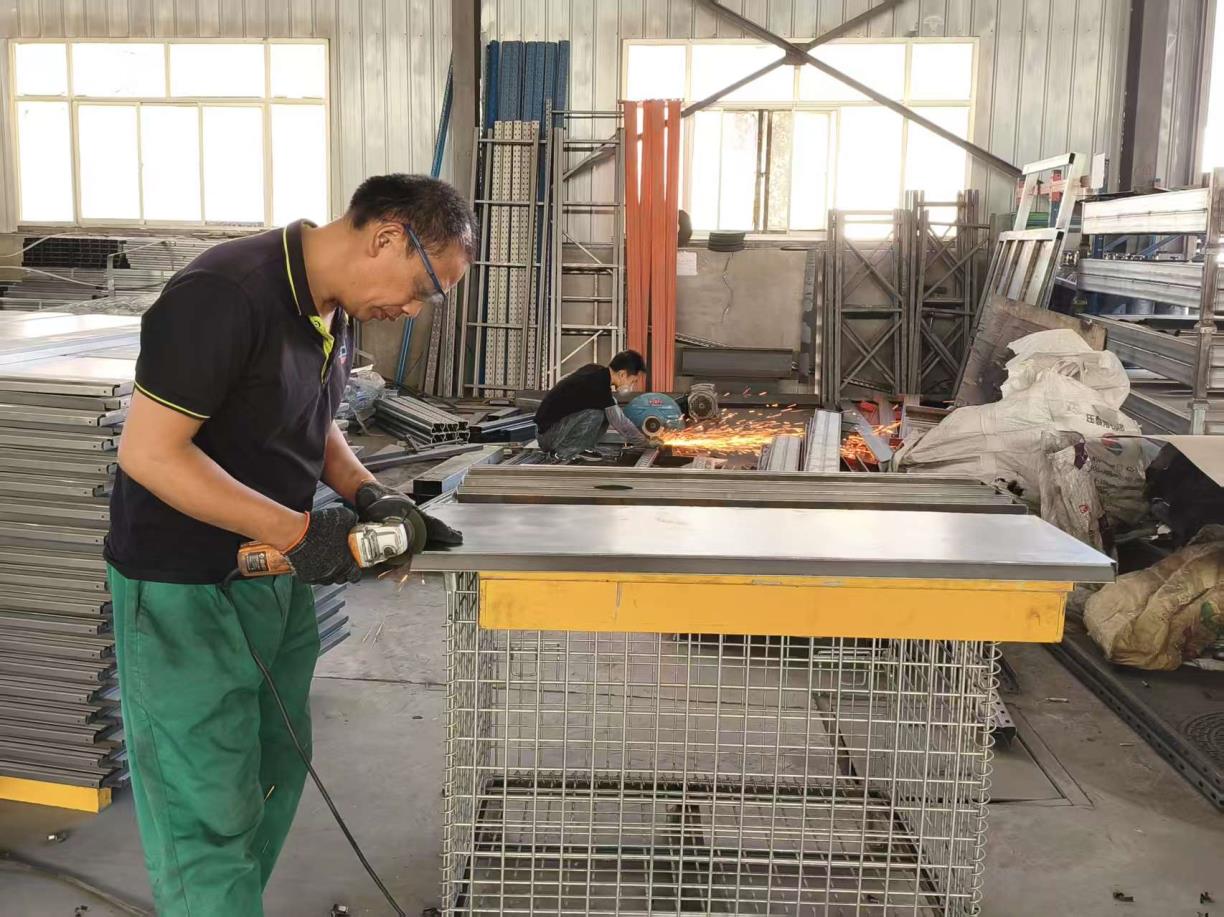
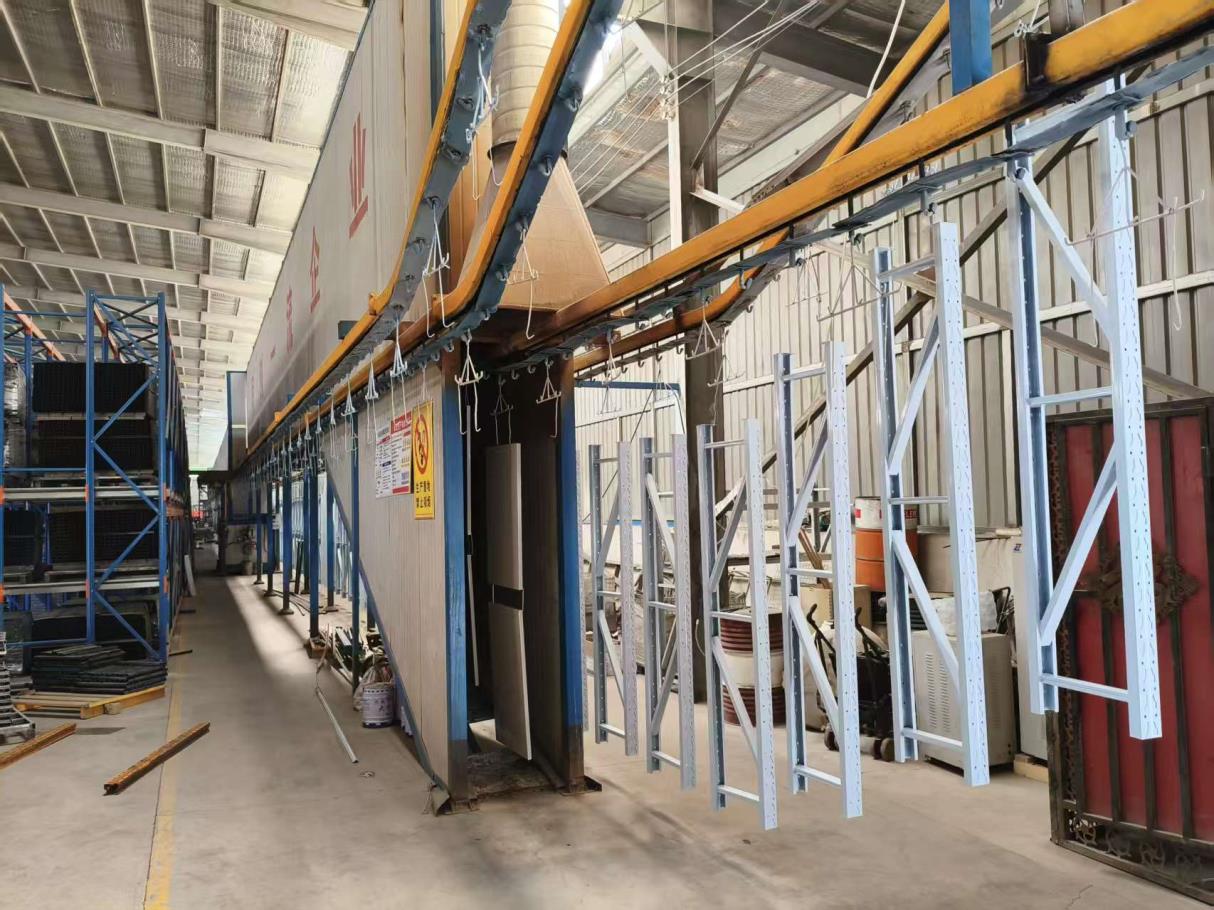
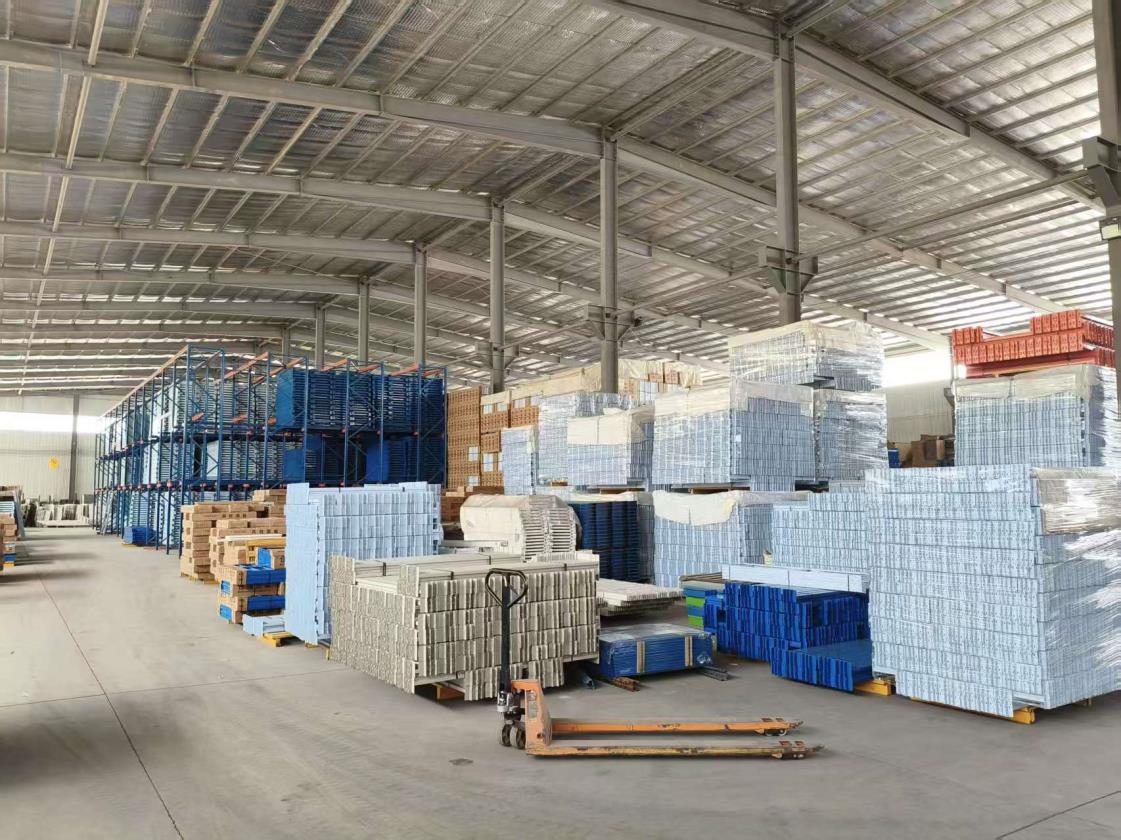
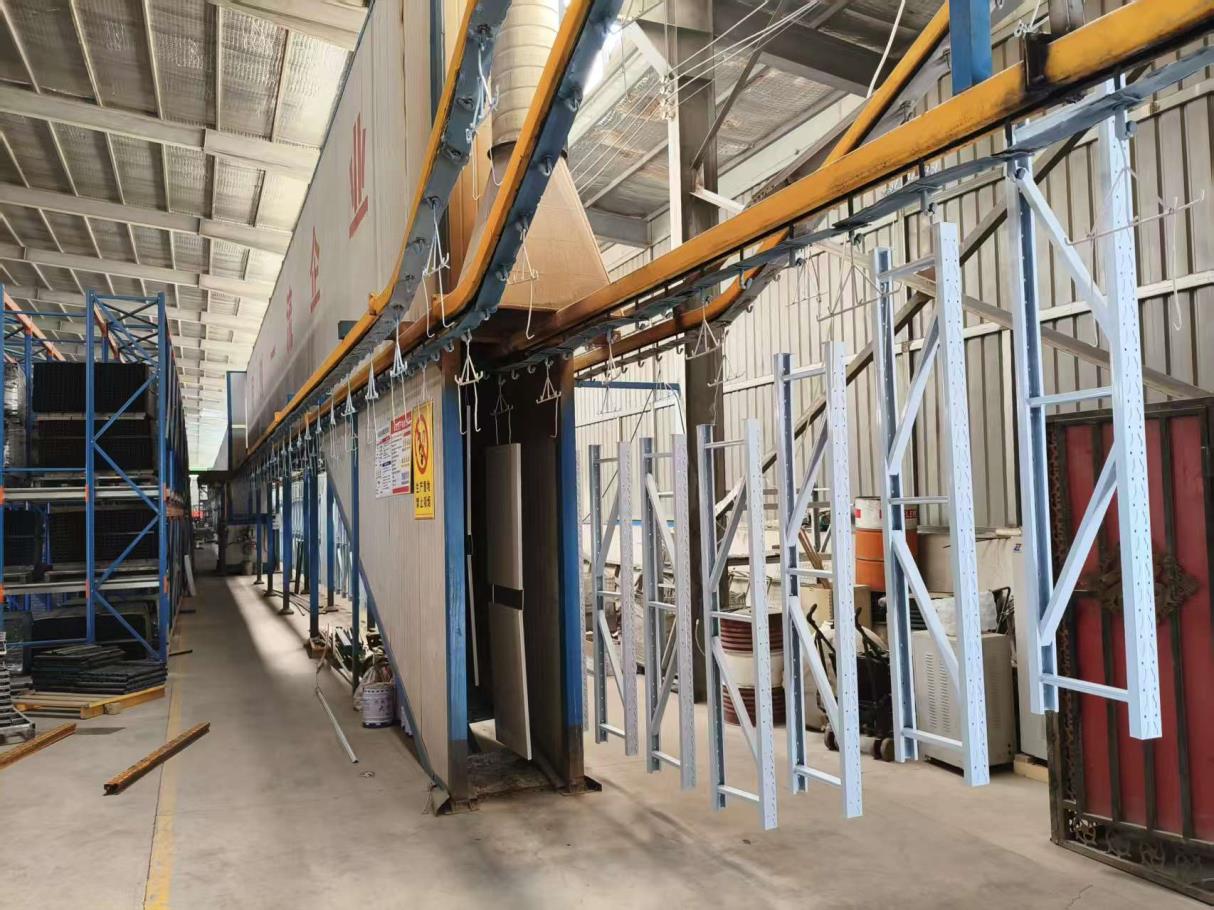
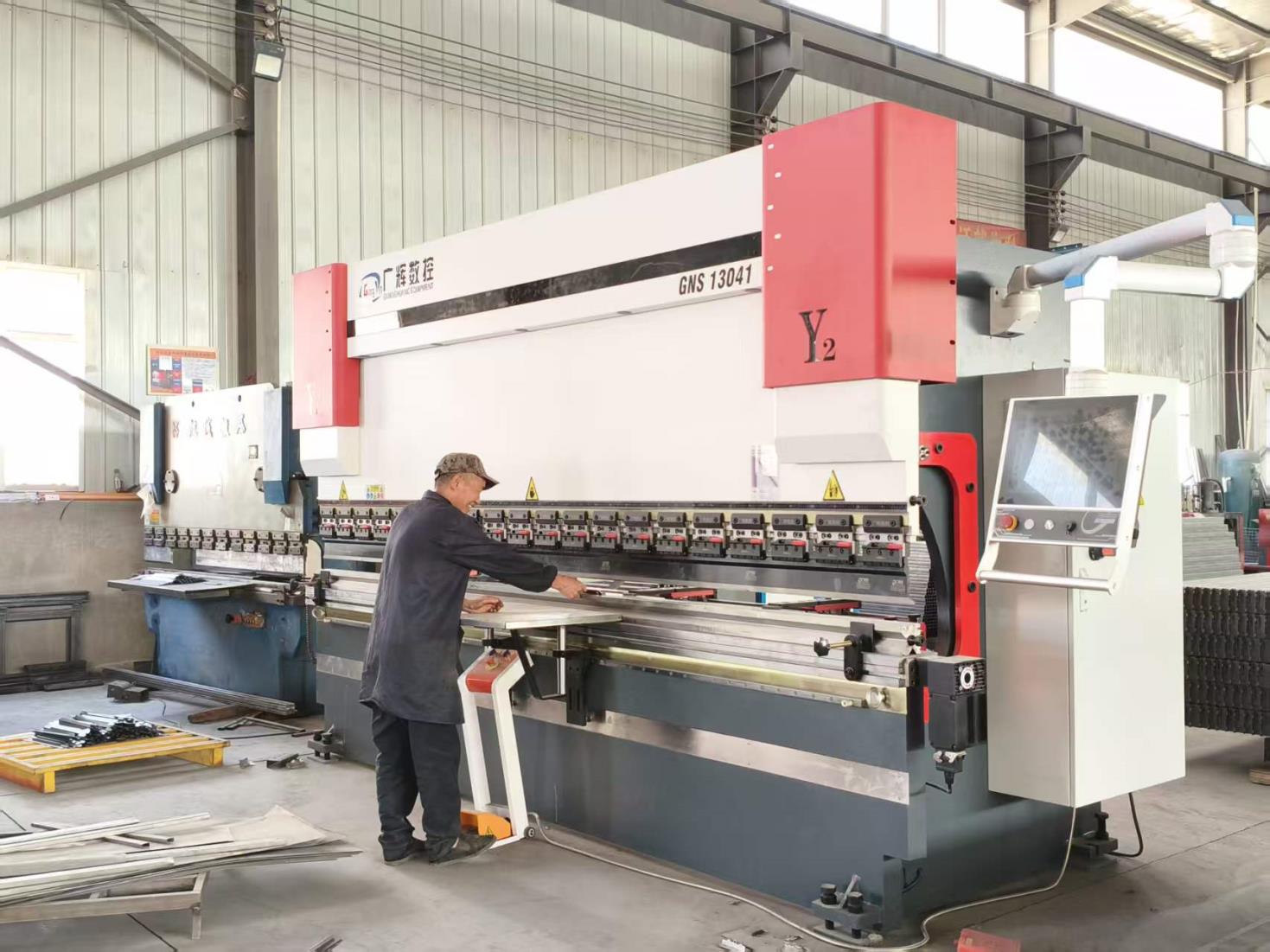
Examining structural requirements for high-density agricultural storage, temperature-controlled facilities, and seismic regions across Argentina.
Argentina represents a massive global supplier of beef, poultry, citrus, and deciduous fruits. Preserving high-value food exports relies heavily on cold storage warehousing located in major agricultural regions. However, deep-freeze environments (-25°C to -30°C) present severe physical challenges for structural steel. Standard carbon steel can experience low-temperature embrittlement, increasing the risk of structural fractures under loading stresses. DuraRacks addresses this by using structural Q355D steel, which contains specialized alloying elements that preserve ductility and impact resistance at extreme sub-zero temperatures. We finish our cold-chain steel racks with high-durability hot-dip galvanization or electrostatic powder coatings to prevent corrosion and flaking caused by thermal cycling.
Installing industrial shelving systems in Western Argentina's seismic zones requires strict compliance with CIRSOC 103 regulations. These rules dictate dynamic analysis of steel frameworks to prevent sudden structural failure during earthquakes. DuraRacks structures feature customized baseplates, high-grade anchor bolts, and thick-wall diagonal braces. These components absorb seismic energy and distribute ground acceleration loads evenly, minimizing lateral displacement. Partnering with DuraRacks ensures your facility receives customized engineering analyses that comply with local municipal building regulations.
Frequently asked questions concerning design modifications, import compliance, lead times, and engineering specifications for B2B procurement managers.
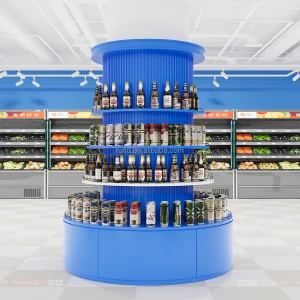
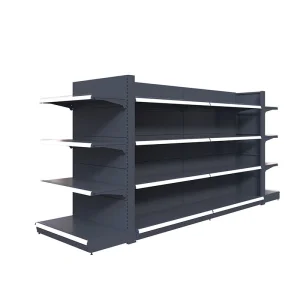
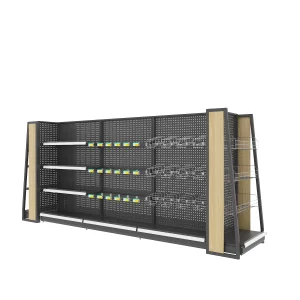
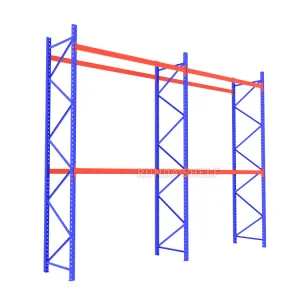
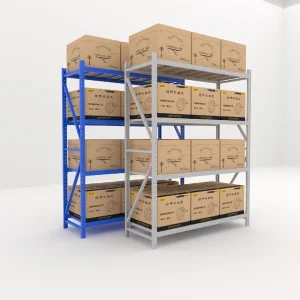
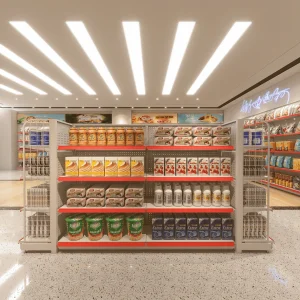
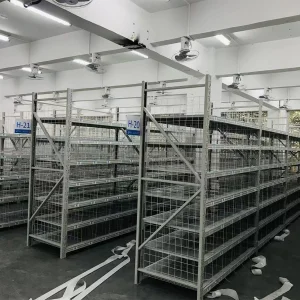
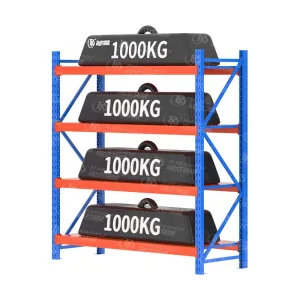
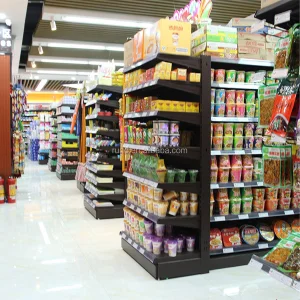
Explore our selection of heavy-duty pallet systems, retail shelving, and specialized cantilever storage solutions.
From structural design conforming to CIRSOC 103 seismic rules to customs clearance documentation for SEDI filings, DuraRacks provides certified B2B engineering support. Contact our engineering team today for technical consulting or custom estimates.
 DuraRacks