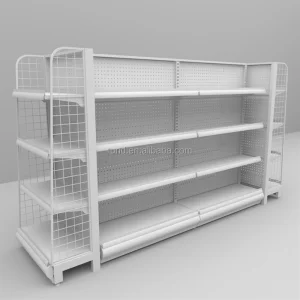
Engineered to maximize footprint efficiency and structurally verified to comply with Southern California's strict retail zoning requirements.
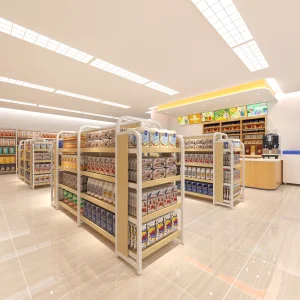
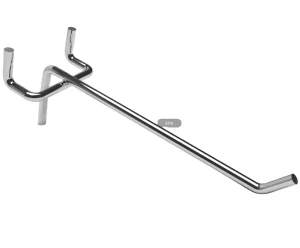
The Greater Los Angeles Area operates as the premier logistical gateway of North America. Anchored by the twin ports of Los Angeles and Long Beach, the region processes over 30% of all US containerized imports. Consequently, the commercial retail and food grocery sector across Southern California commands highly sophisticated warehousing, micro-fulfillment, and customer-facing merchandising infrastructure. As real estate values in Los Angeles and the adjacent Inland Empire continue to command historic premiums, supermarkets and logistics hubs must prioritize vertical space utilization and hyper-efficient layout design.
Manufacturers supplying this region face intense demands. Standard off-the-shelf shelving systems no longer suffice in a market dominated by omni-channel fulfillment models. Modern supermarkets throughout Southern California are increasingly operating dual-purpose footprints: front-end retail spaces that require pristine steel-and-wood aesthetic displays, and back-end hyper-local fulfillment corridors requiring rugged, high-density storage racking. Ensuring consistent supply chains to these facilities requires advanced planning, rapid port-to-warehouse logistics, and modular systems that can adapt to changing consumer behaviors.
“Operational efficiency in Southern California retail centers is measured by square-foot yield. Every gondola run, checkout cart path, and mezzanine level must perform at its highest capacity while remaining fully compliant with state safety standards.”
Direct supply line transit from the Port of Los Angeles to local distribution hubs reduces domestic transport overheads significantly.
LA retail infrastructure demands high-durability cold-rolled steel capable of passing stringent seismic calculations under the CBC.
Designing retail shelving and heavy-duty storage racks for California requires deep familiarity with the California Building Code (CBC) Title 24, along with the national standards established by the Rack Manufacturers Institute (RMI) and the Federal Emergency Management Agency (FEMA). Los Angeles is situated within highly active seismic design categories (SDC D, E, and F), necessitating rigorous engineering validation for display elements and storage units to prevent collapse during seismic events.
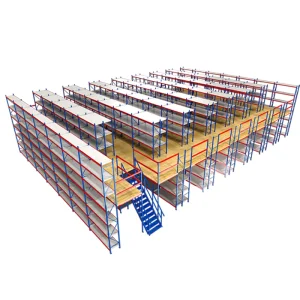
To operate safely and legally in public commercial spaces, shelving components such as double-sided gondolas and warehouse mezzanine structures must pass structural calculations evaluated by licensed civil or structural engineers. Crucial compliance parameters include:
At DuraRacks (Nanjing Dulis Warehouse Equipment Co., Ltd.), we specialize in providing the technical documentation, static engineering calculations, and structural specifications that Los Angeles building departments demand during permitting processes. By aligning our cold-rolling fabrication lines with global standards (FEM, CE, ISO9001), we deliver products ready for structural review and on-site deployment.
Established in 2014, Nanjing Dulis Warehouse Equipment Co., Ltd. (operating globally under the brand DuraRacks) is a premier industrial rack and retail equipment manufacturer. With over 12 years of industry experience and 9 years of direct export experience, we produce solutions optimized for the demands of modern commerce.
From premium steel coils to durable, finished systems, our integrated production lines ensure consistent tolerances and structural integrity.
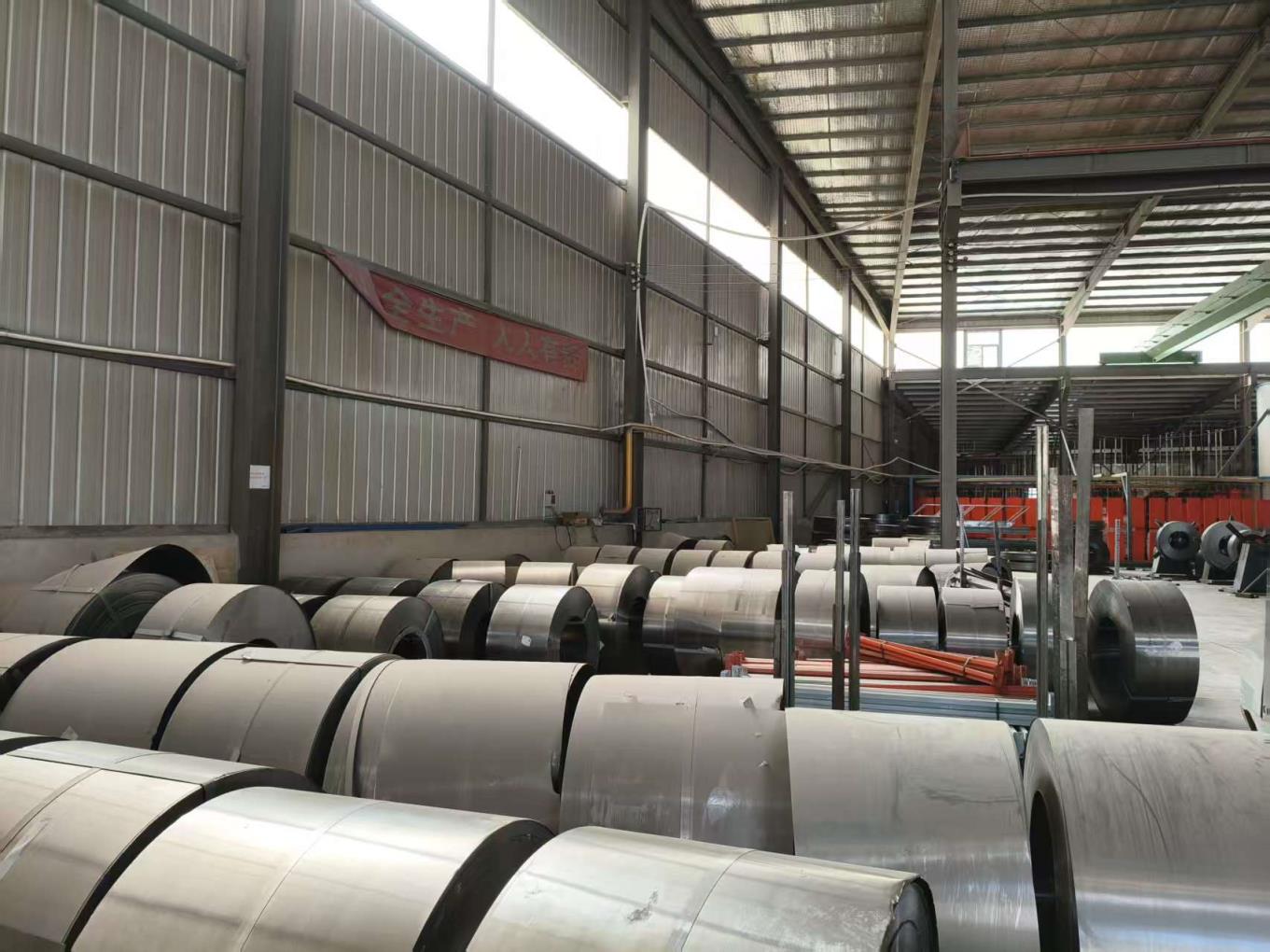
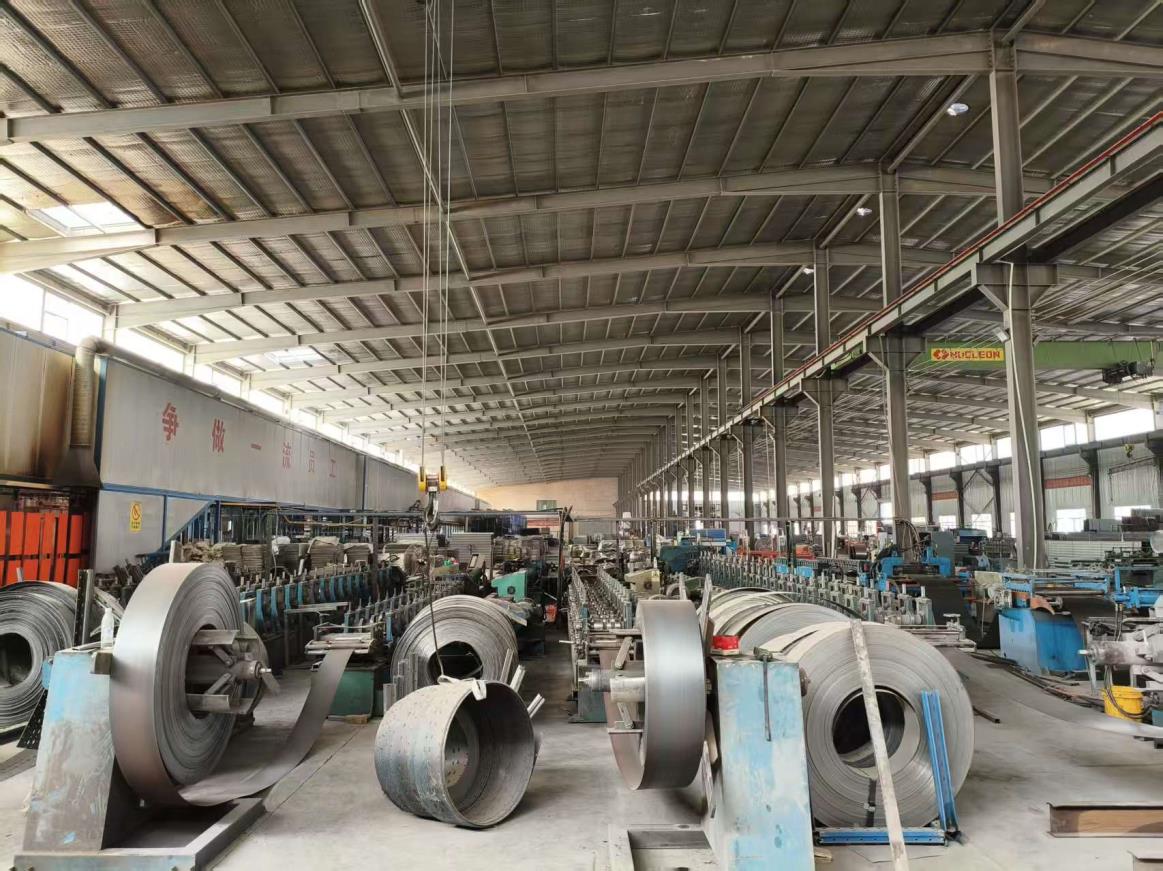
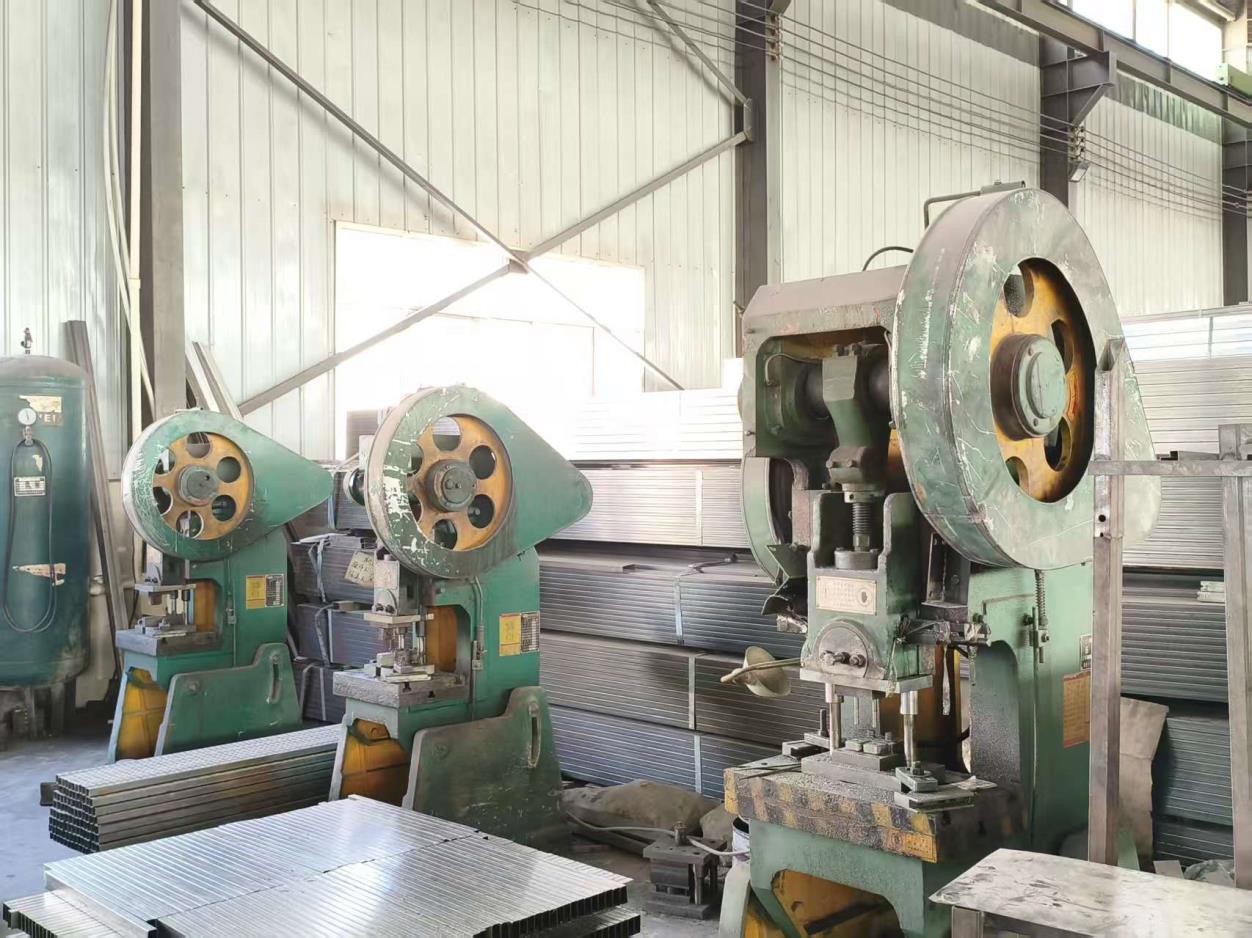
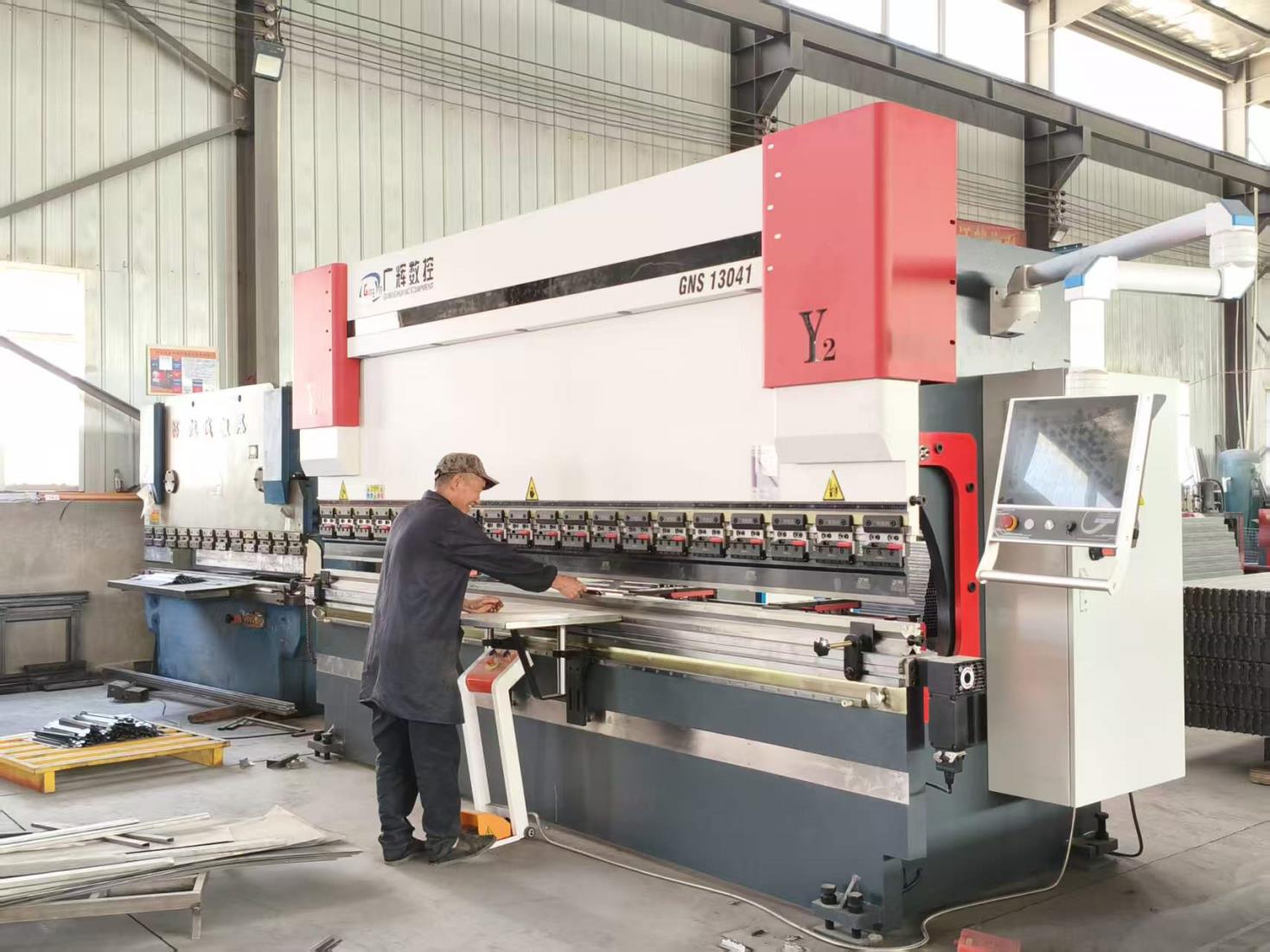
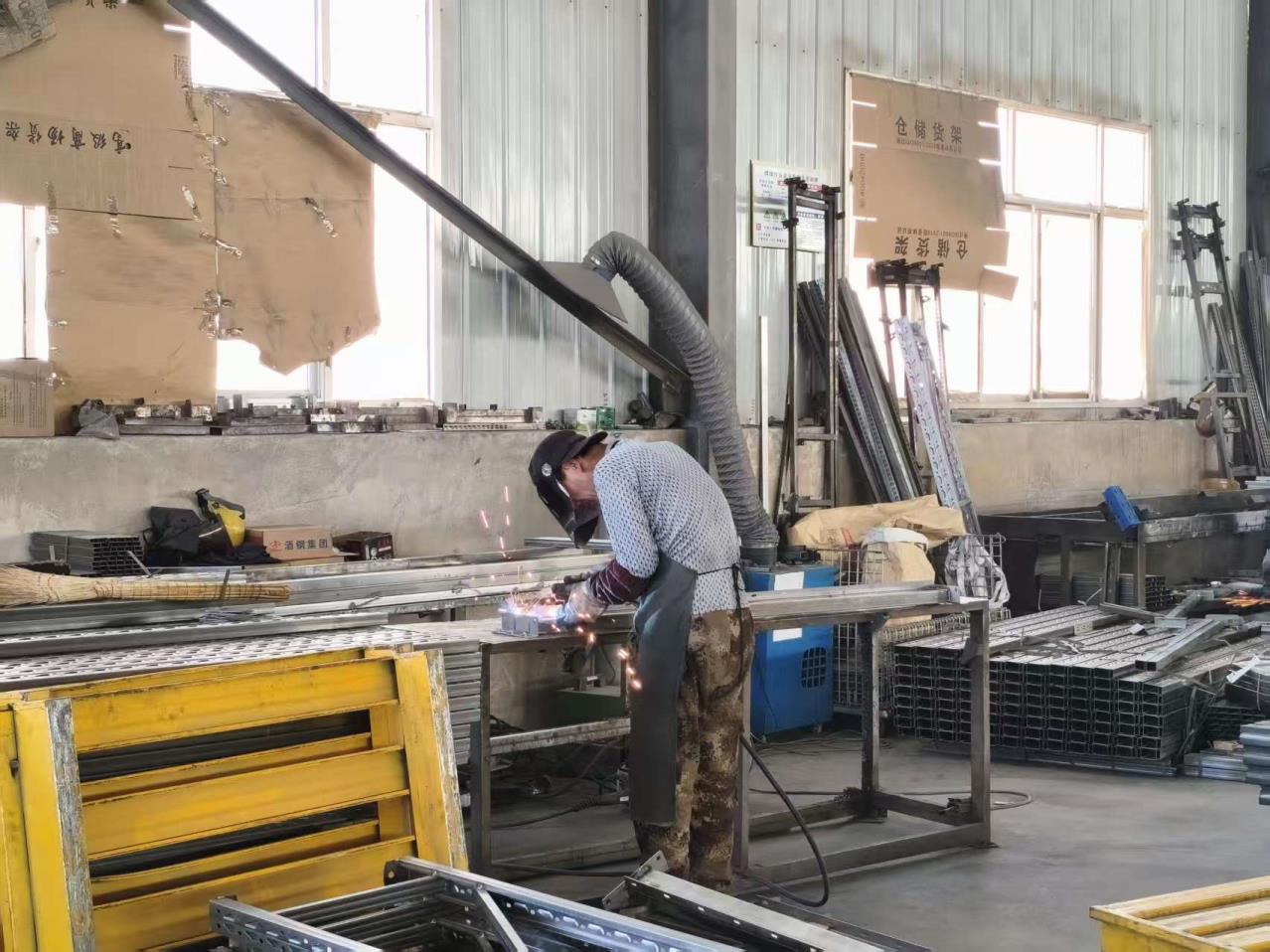
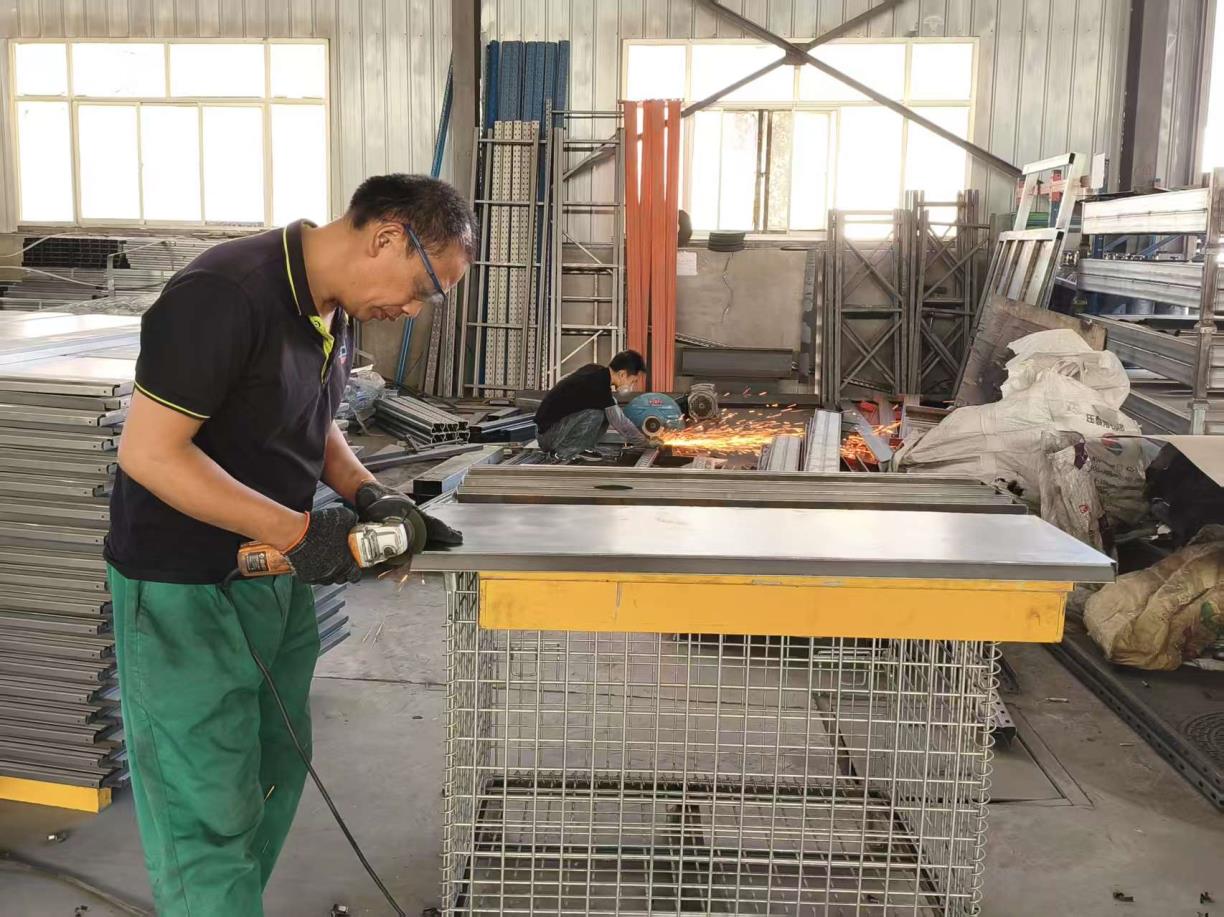
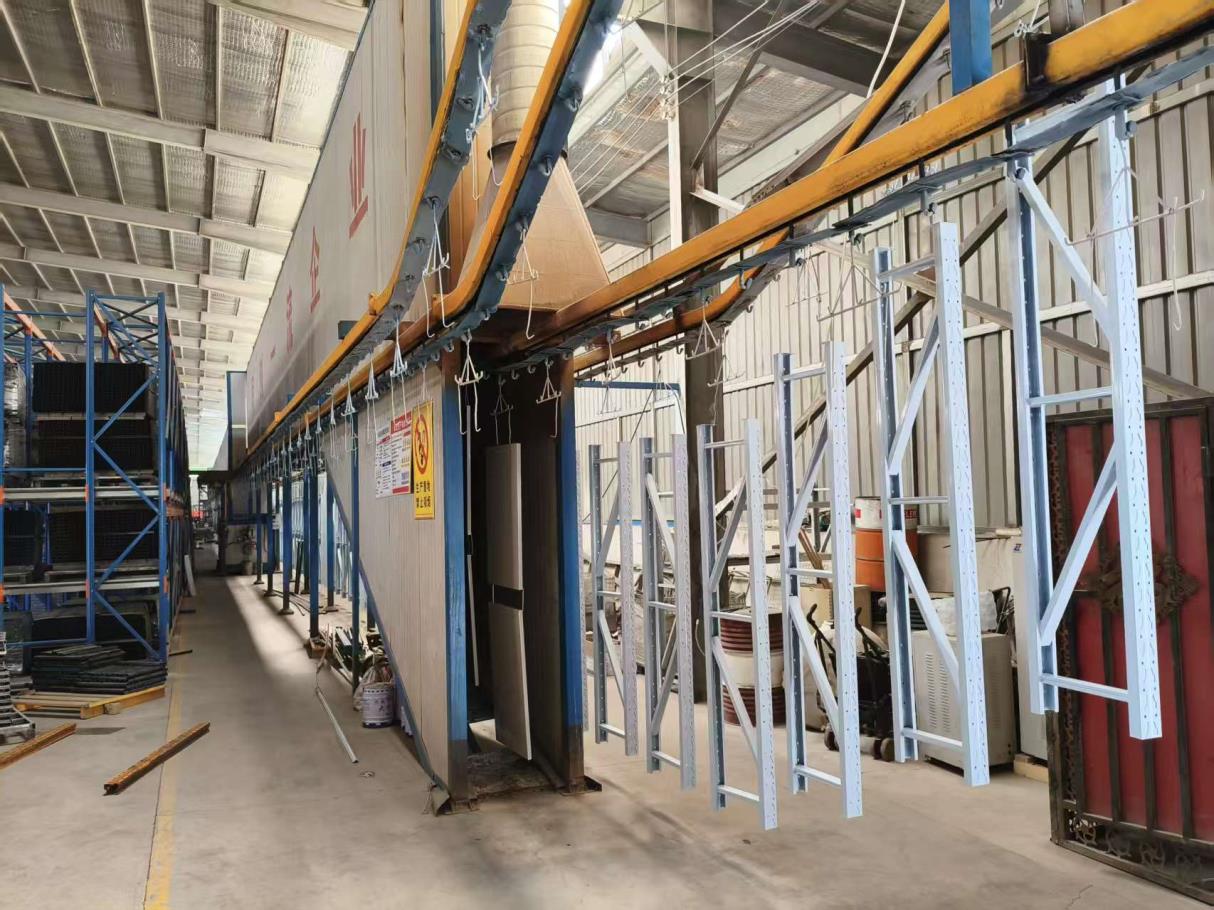
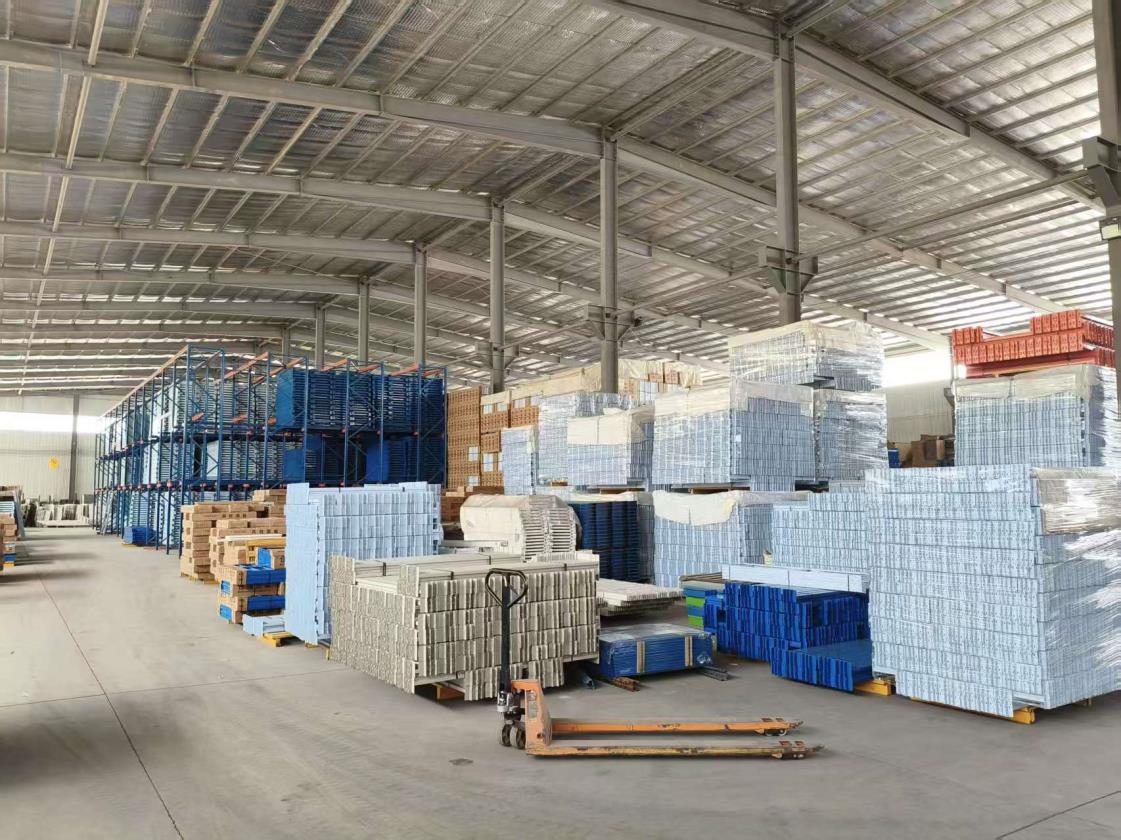
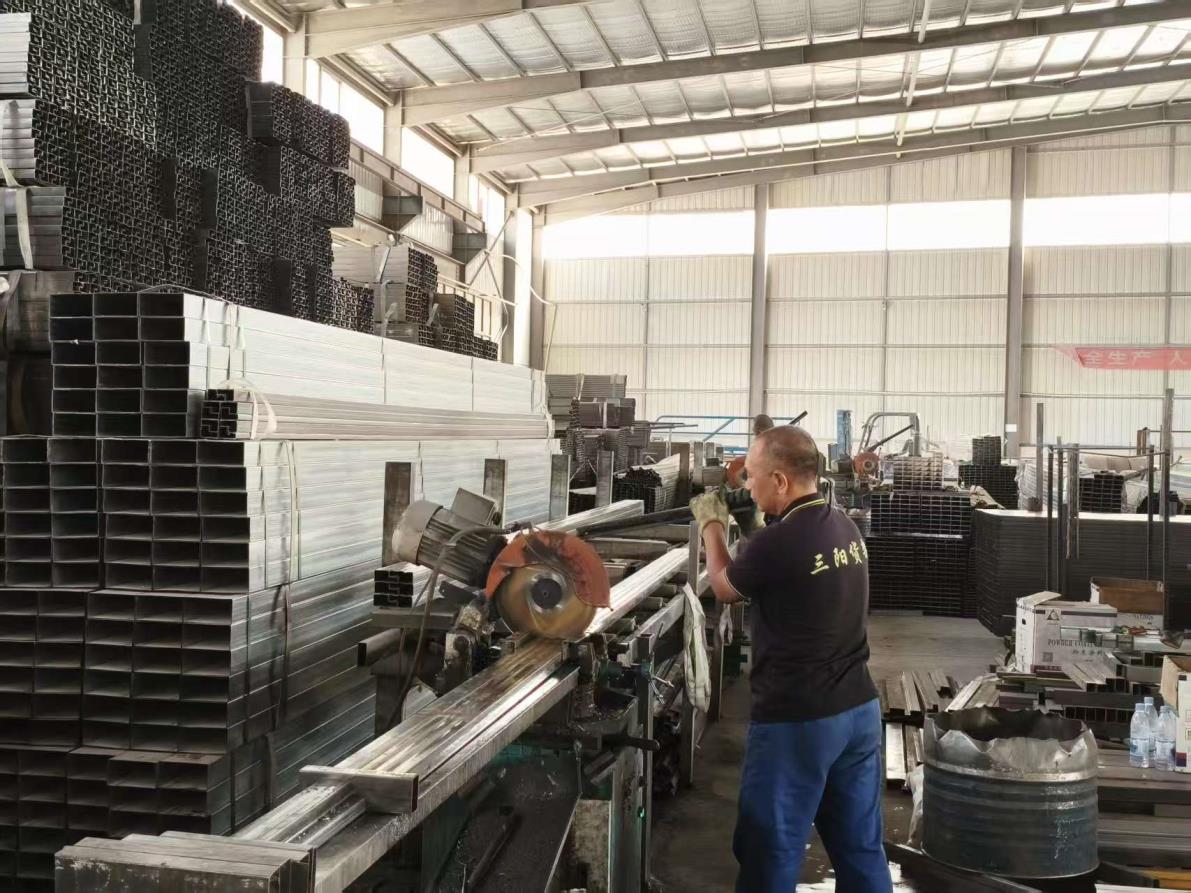
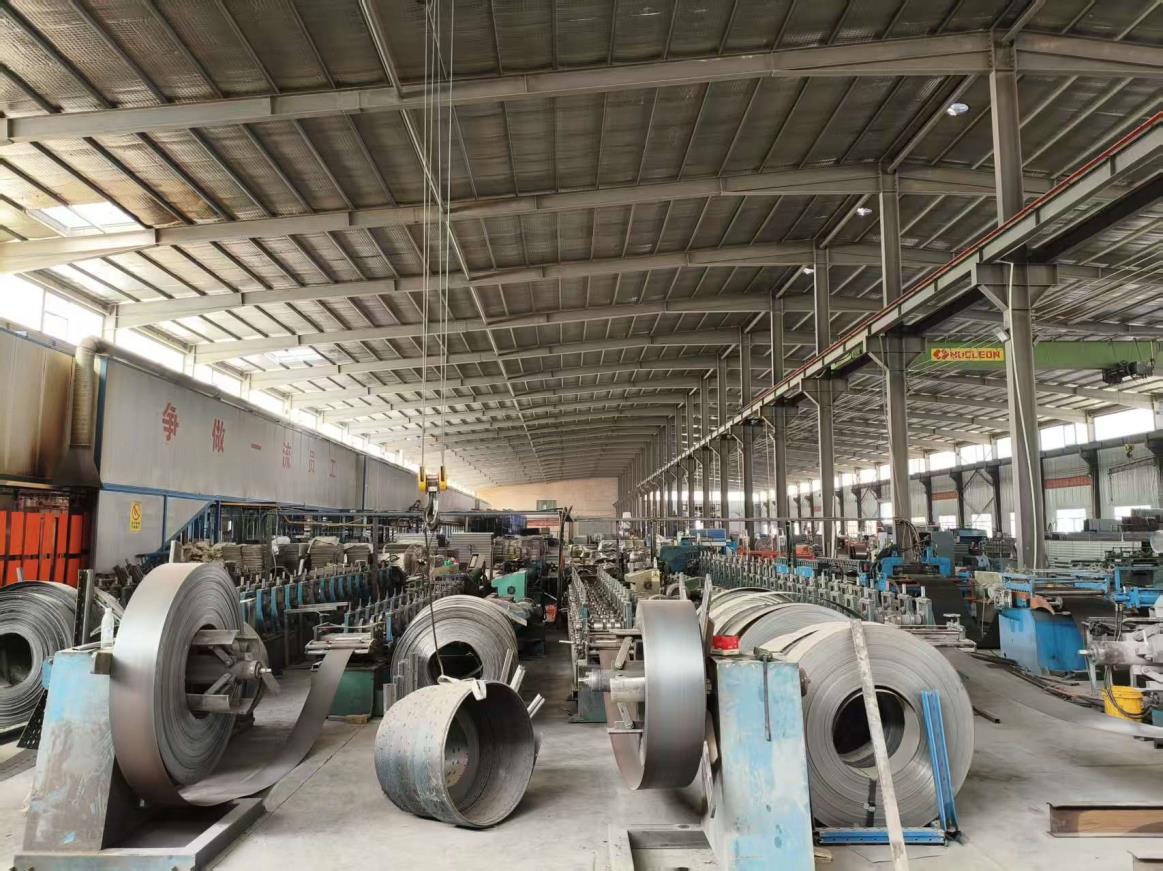
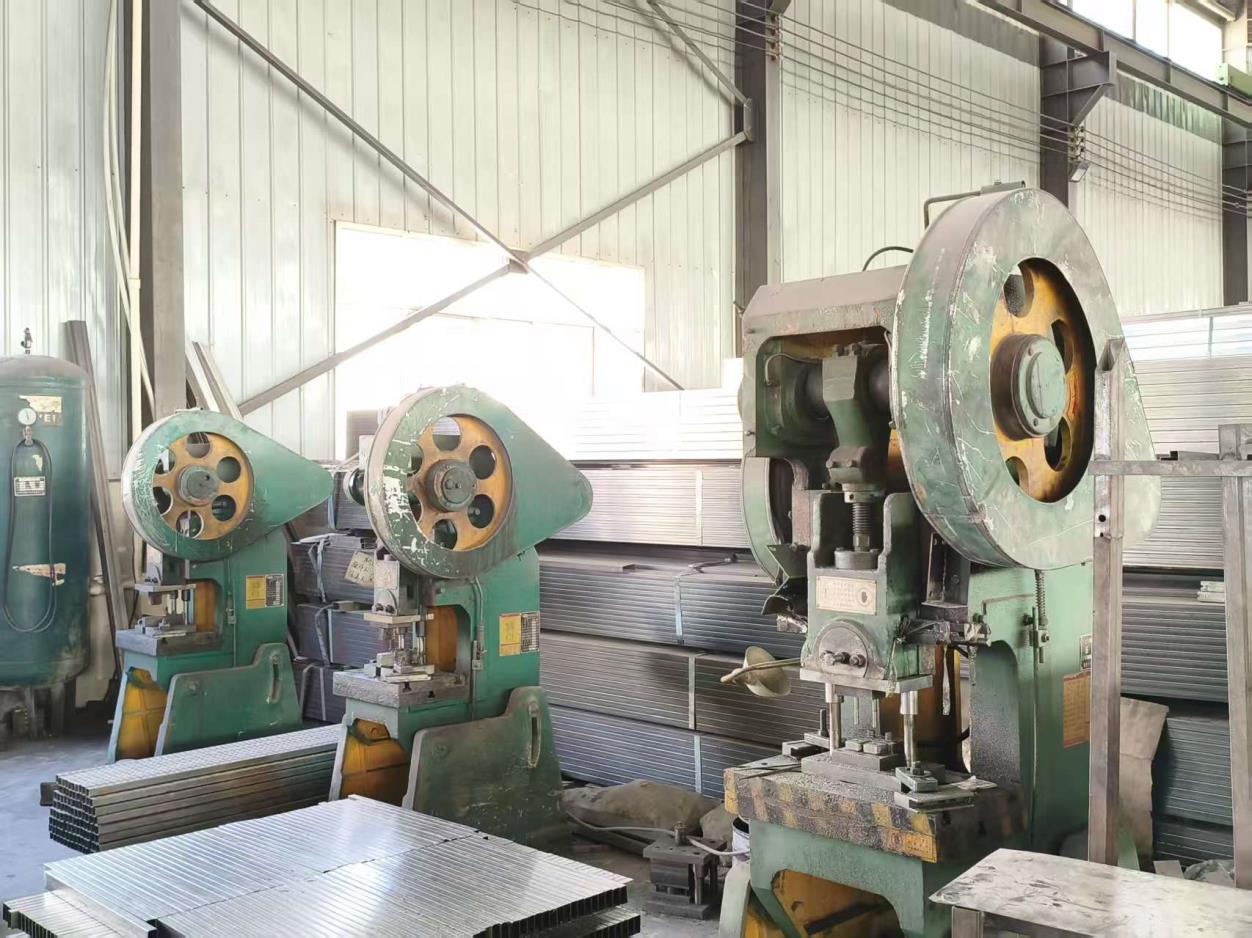
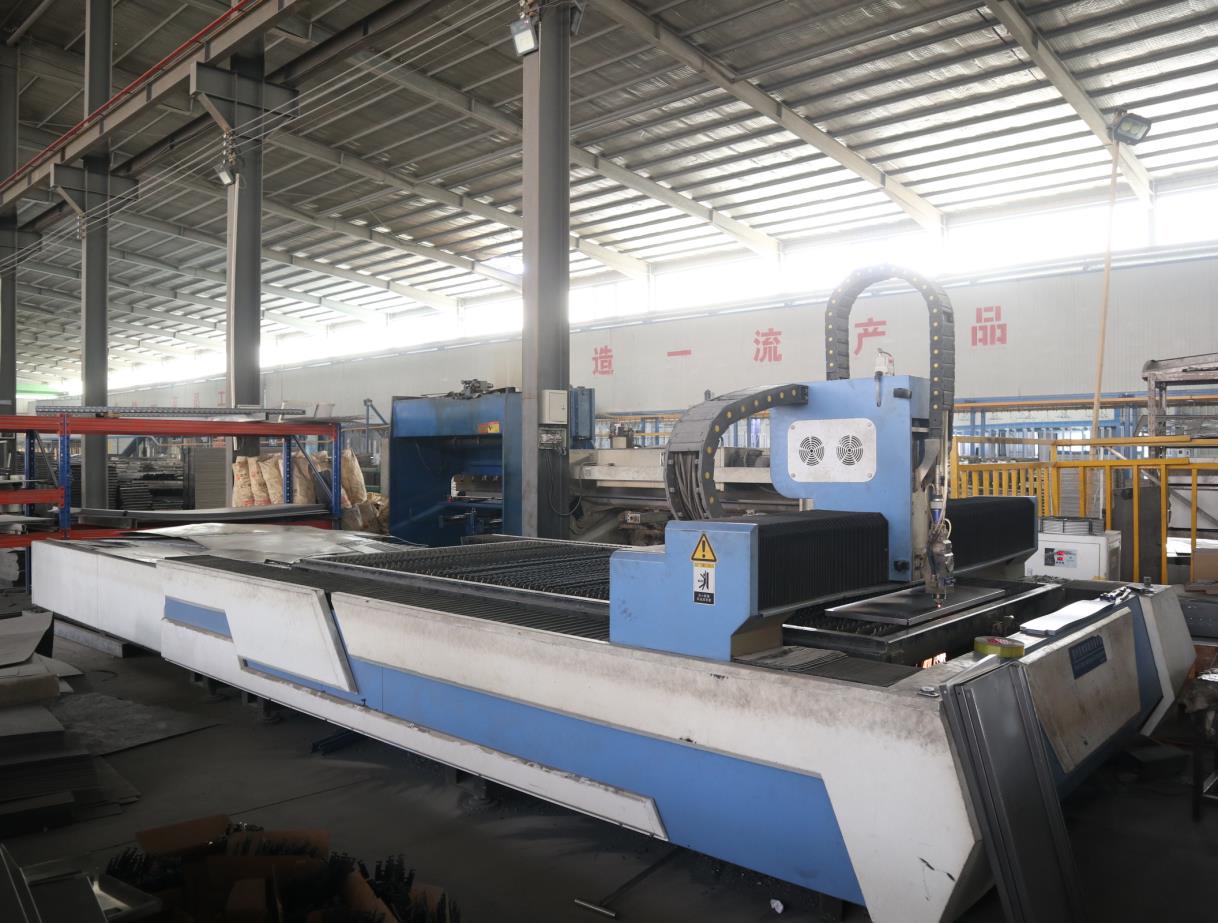
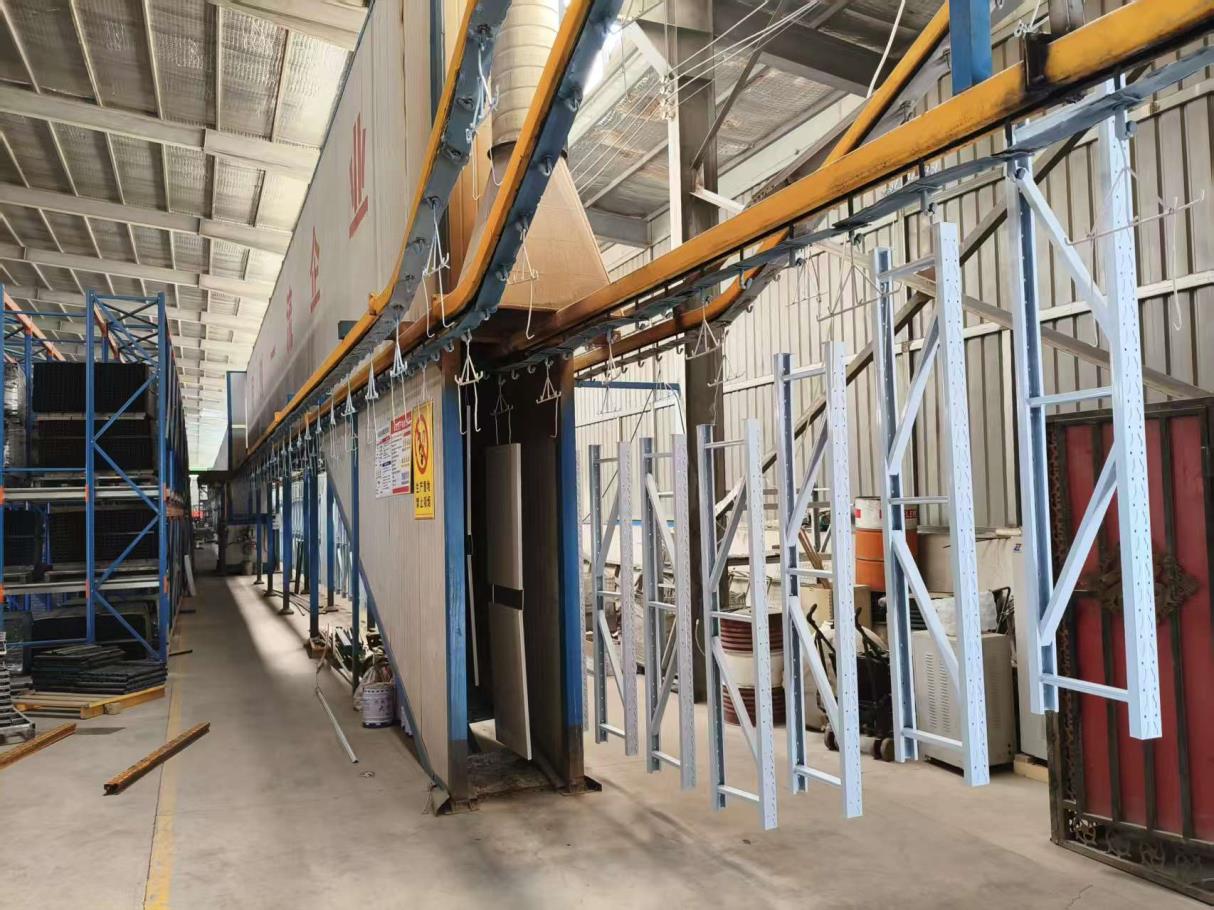
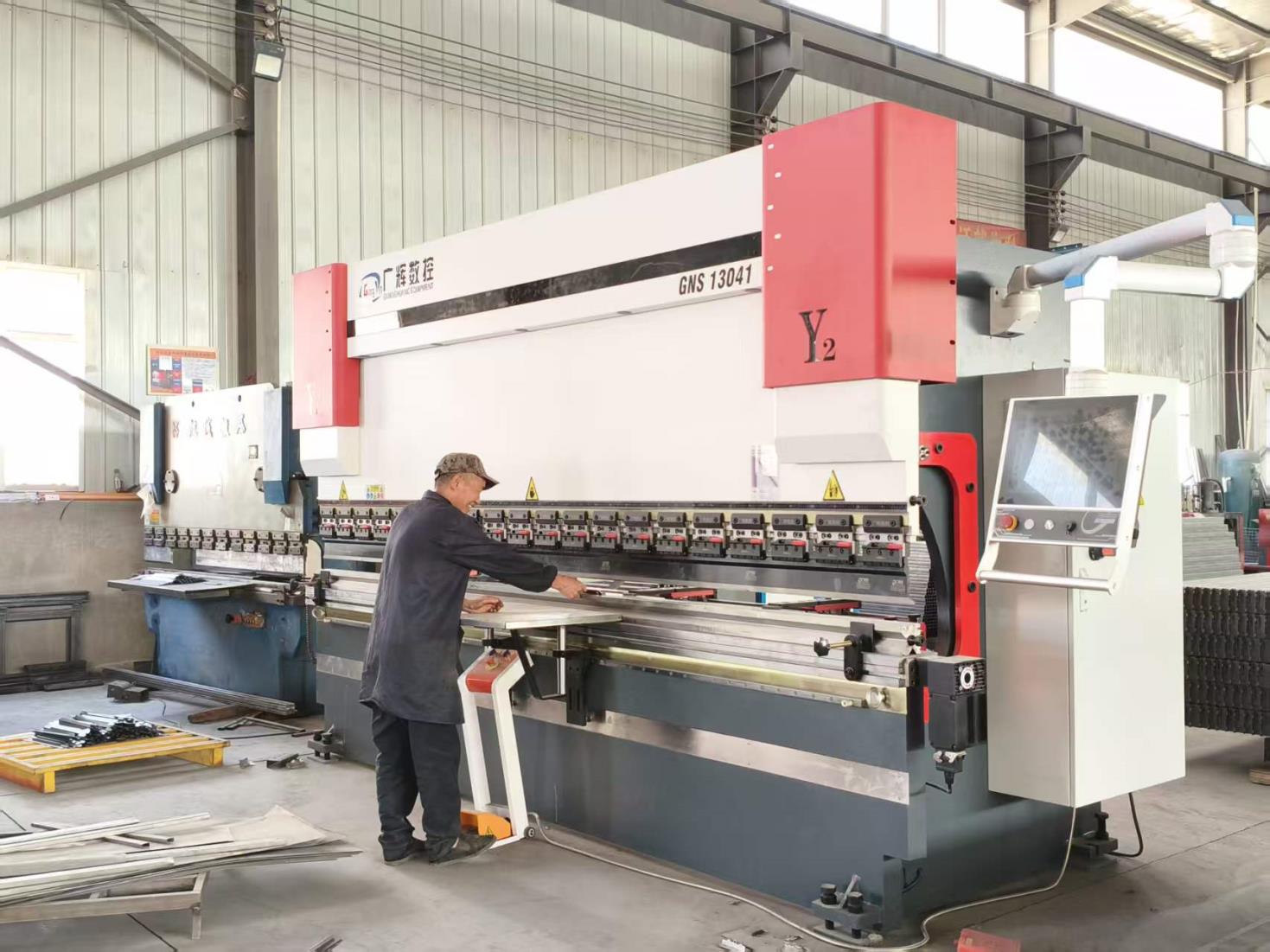
Sourcing directly from Chinese manufacturing hubs like Nanjing provides distinct commercial advantages for supermarket chains, regional distributors, and design agencies in Los Angeles. By utilizing the advanced steel manufacturing clusters located along the Yangtze River Delta, DuraRacks secures high-quality raw steel coils (Q235B and Q345B grade) at optimal price-to-weight ratios. This material foundation is critical for engineering store accessories that balance load capacities with cost-effectiveness.
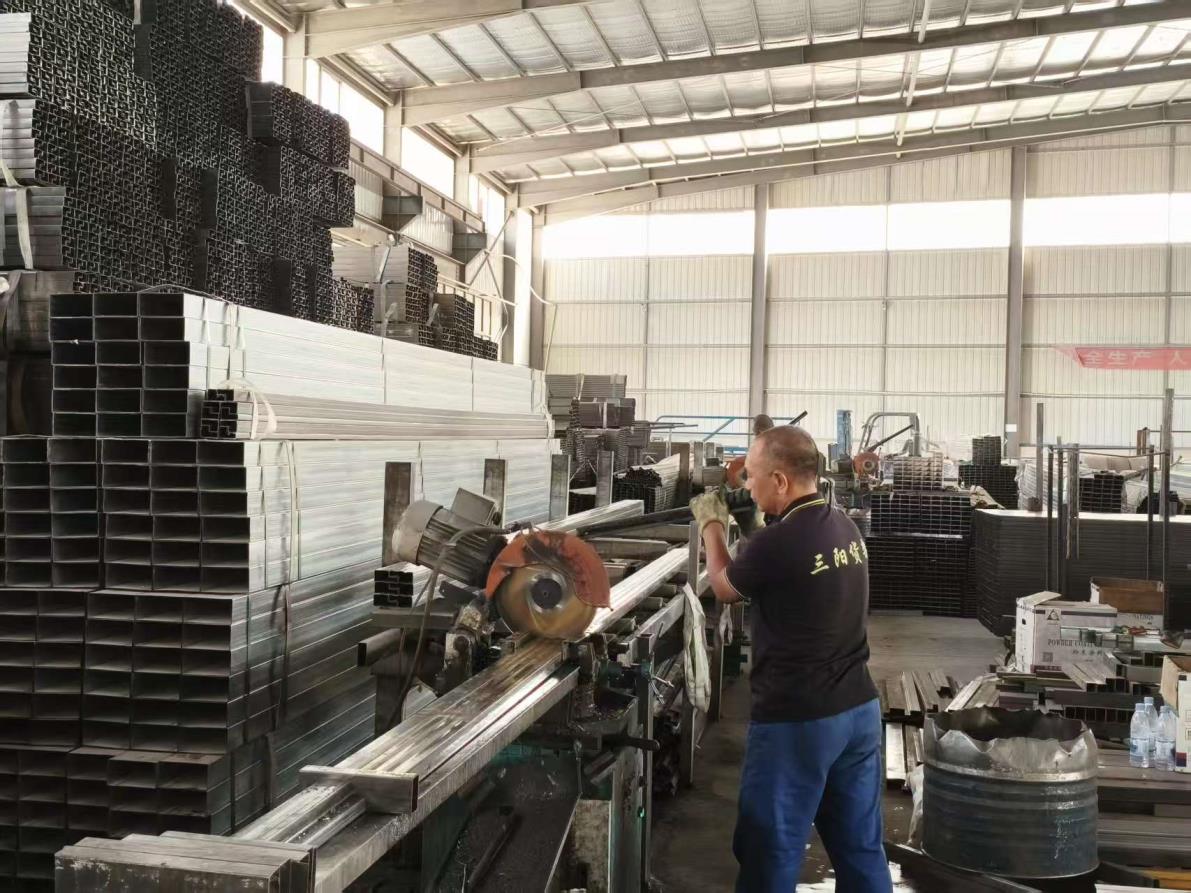
Our industrial production lines utilize fully automated CNC sheet metal punch presses, laser profiling arrays, and robotic welding stations. This high degree of automation ensures tight dimensional tolerances (+/-0.1mm) across large production runs. Consistency in upright slot configurations, bracket geometries, and beam hooks simplifies assembly on the retail floor, reducing local installation labor costs in Southern California.
Additionally, our 45-person Quality Assurance division enforces a rigorous testing regimen. Each production lot is audited using advanced mechanical and chemical evaluation protocols, including:
By coupling high-volume production efficiency with strict quality control, Chinese factories deliver competitive unit economics even after accounting for trans-Pacific container freight, customs duties, and port drayage costs. Partnering with a manufacturer that maintains active R&D teams ensures access to customized packaging methods designed to optimize container loading and minimize shipping damage.
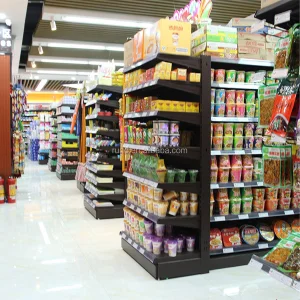
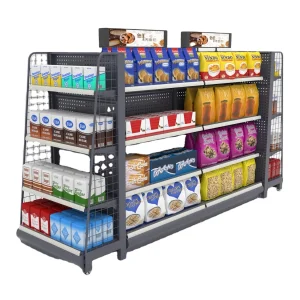
Fully adaptable configurations designed to optimize merchandise visibility and shelf-edge conversions in high-traffic shopping environments.
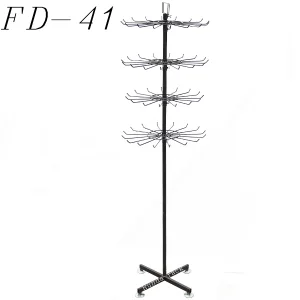
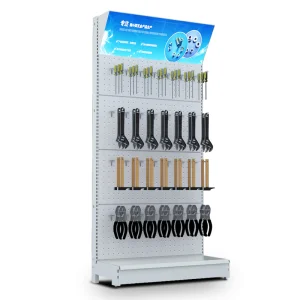
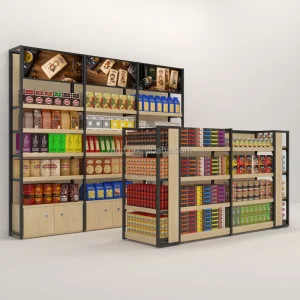
The supermarket accessories sector is experiencing a period of significant technological and structural development. Driven by demand for rapid product rotation and changing brick-and-mortar retail functions, several key developments are shaping the next generation of products:
By anticipating these shifts, DuraRacks integrates adaptable slot designs and durable structural coatings into our core manufacturing lines. This helps our partners deploy systems that remain functional and relevant as retail needs evolve over time.
Essential answers regarding seismic compliance, customization, lead times, and port-to-retailer logistics.
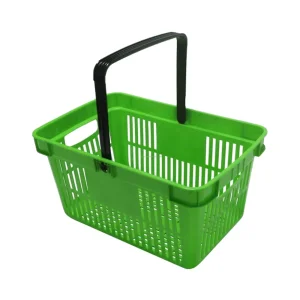
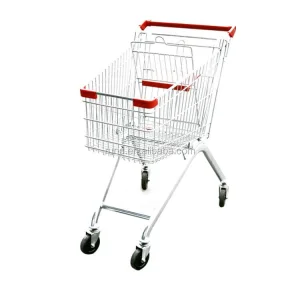
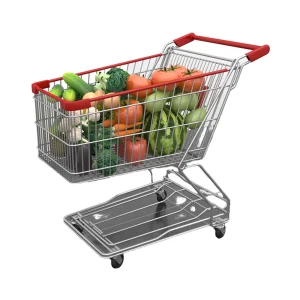
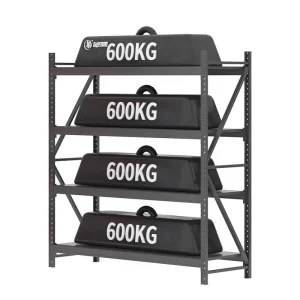
Engineered for high load capacities and durability, these models support continuous operations in active retail settings.
 DuraRacks