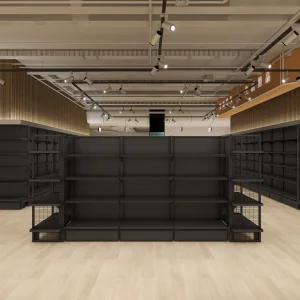
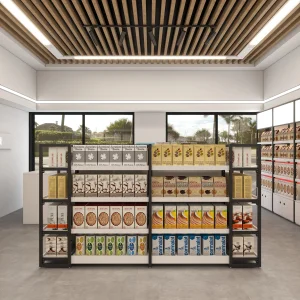
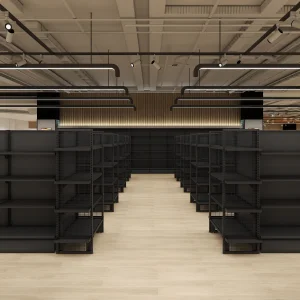
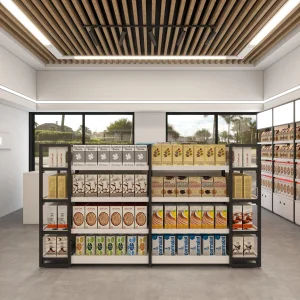
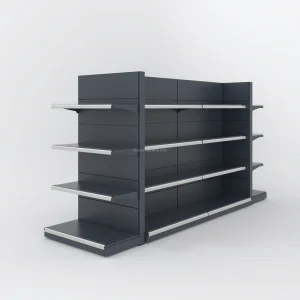
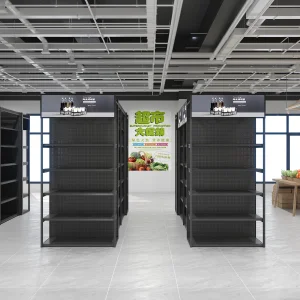
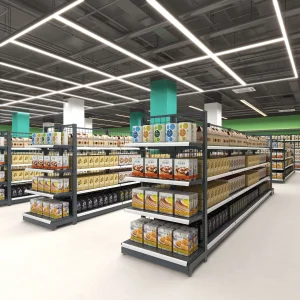
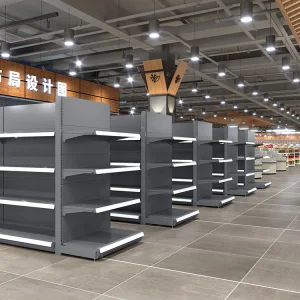
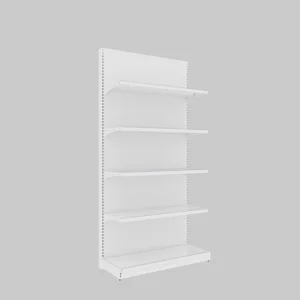
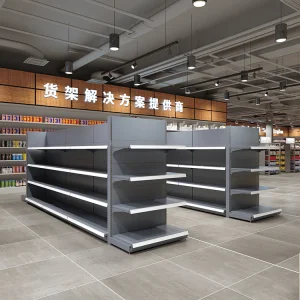
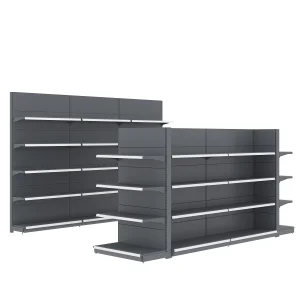
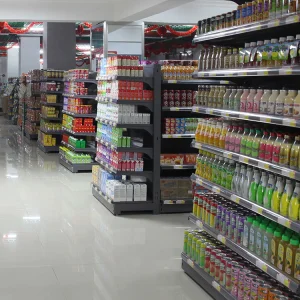
Discover our high-efficiency, narrow-aisle grocery shelves designed to meet the strict spatial boundaries of central Tokyo storefronts.
Tokyo is the world's most populous metropolitan area, characterized by a unique retail fabric that blends high-end department stores (depachika), ultra-dense convenience stores (konbini), and multistory urban supermarkets. Operating a retail space in commercial zones like Shinjuku, Shibuya, Ginza, or Chiyoda demands an unparalleled focus on floor area yield. Every square centimeter of shelving must actively contribute to sales velocity and display capacity.
For supermarket operators and purchasing managers serving the Kanto region, the parameters for selecting shop displays are far more stringent than in other global regions. Here, two major factors dominate purchasing decisions:
Real estate values in Tokyo require display systems with highly compact frames. Vertical integration, ultra-thin back panels, and perforated sheet metals are prioritized to maximize products per linear meter without compromising visual accessibility.
Tokyo sits within a high-seismic zone. Retail displays must meet the Japanese Industrial Standards (JIS Z 8621) and display exceptional stability against lateral forces. Base plates must be wider, brackets must double-lock, and heavy-duty double-sided systems require anti-topple structural connectors.
Aisle widths in Japanese supermarkets are frequently limited to 1.2 to 1.5 meters. Racking configurations must feature modular, smooth corner pieces and low-profile shelf fronts, preventing pedestrian congestion and ensuring seamless customer flows.
As a seasoned exporter serving the Tokyo market, Nanjing Dulis Warehouse Equipment Co., Ltd. (DuraRacks) matches these stringent standards by manufacturing shelves designed with precise engineering, high-strength Q235B structural steel, and specialized powder coatings that withstand high levels of abrasion and commercial cleaning protocols.
A one-size-fits-all shelving unit cannot succeed in the diverse landscape of Japanese retail. DuraRacks designs custom solutions tailored to specific commercial applications across Tokyo:
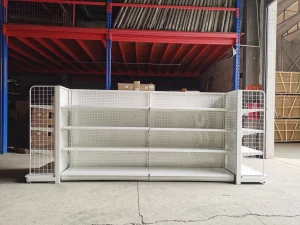
In locations like Tokyo Metro underground stations and highly traffic-dense street corners, stores operate in layouts smaller than 100 square meters. Our light-duty, single-sided gondolas with specialized mesh backing allow light to pass through, giving the illusion of a larger, open space. Additionally, we integrate pegboard and slatwall panels directly into the frame, enabling swift transitions between shelf-stacked goods and hook-hung snacks or personal electronics.
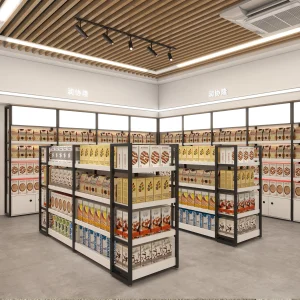
For supermarket chains in metropolitan residential suburbs like Setagaya, Nerima, or Edogawa, display shelves must support massive stocks of rice, sake, sauces, and cooking oils. Heavy-duty double-sided steel display racks, constructed with 2.0mm thick vertical upright posts and multi-fold brackets, prevent shelf deflection (sagging) under continuous heavy loads up to 150kg per level.
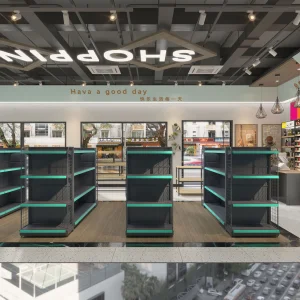
Visual presentation is everything in Tokyo's upscale food halls in Ginza or Nihonbashi. Our hybrid wood-and-metal stand displays feature custom matte black structural coatings coupled with natural oak wood accents, highlighting high-end gourmet goods, imported confectionery, and organic produce under directional spot-lighting.
The supermarket shelving industry is transitioning from passive steel storage components into active, intelligent merchandising platforms. Driven by global retail trends, labor shortages, and ESG (Environmental, Social, and Governance) targets, the next decade of retail display development revolves around technological integrations:
As retailers move toward automated stock keeping, shelf systems must facilitate Electronic Shelf Labels (ESL) and continuous optical or RFID-based inventory tracking. DuraRacks is currently developing integrated wire-channel upright channels that protect electric cabling, enabling seamless power delivery to digital shelf strips and integrated LED canopy lights without visible, messy wiring harnesses.
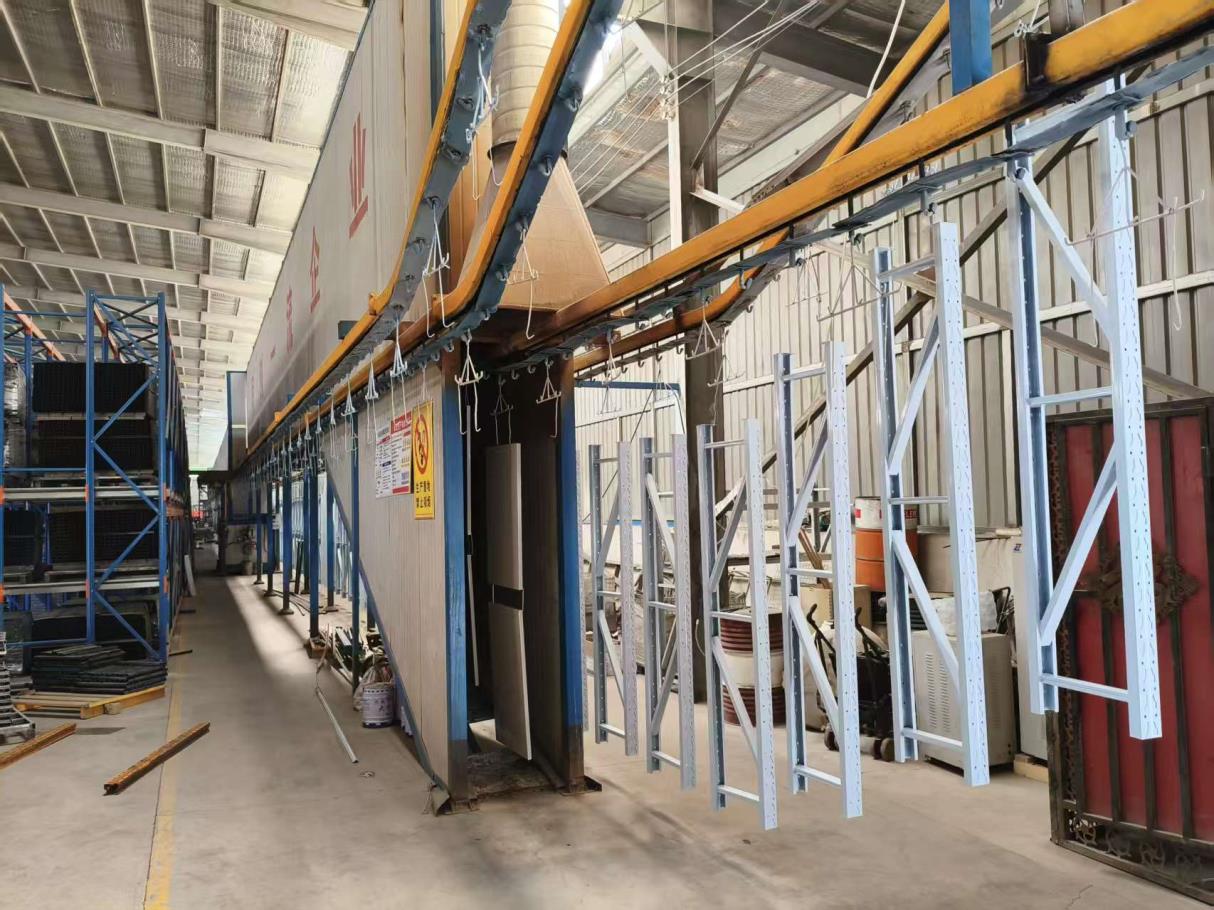
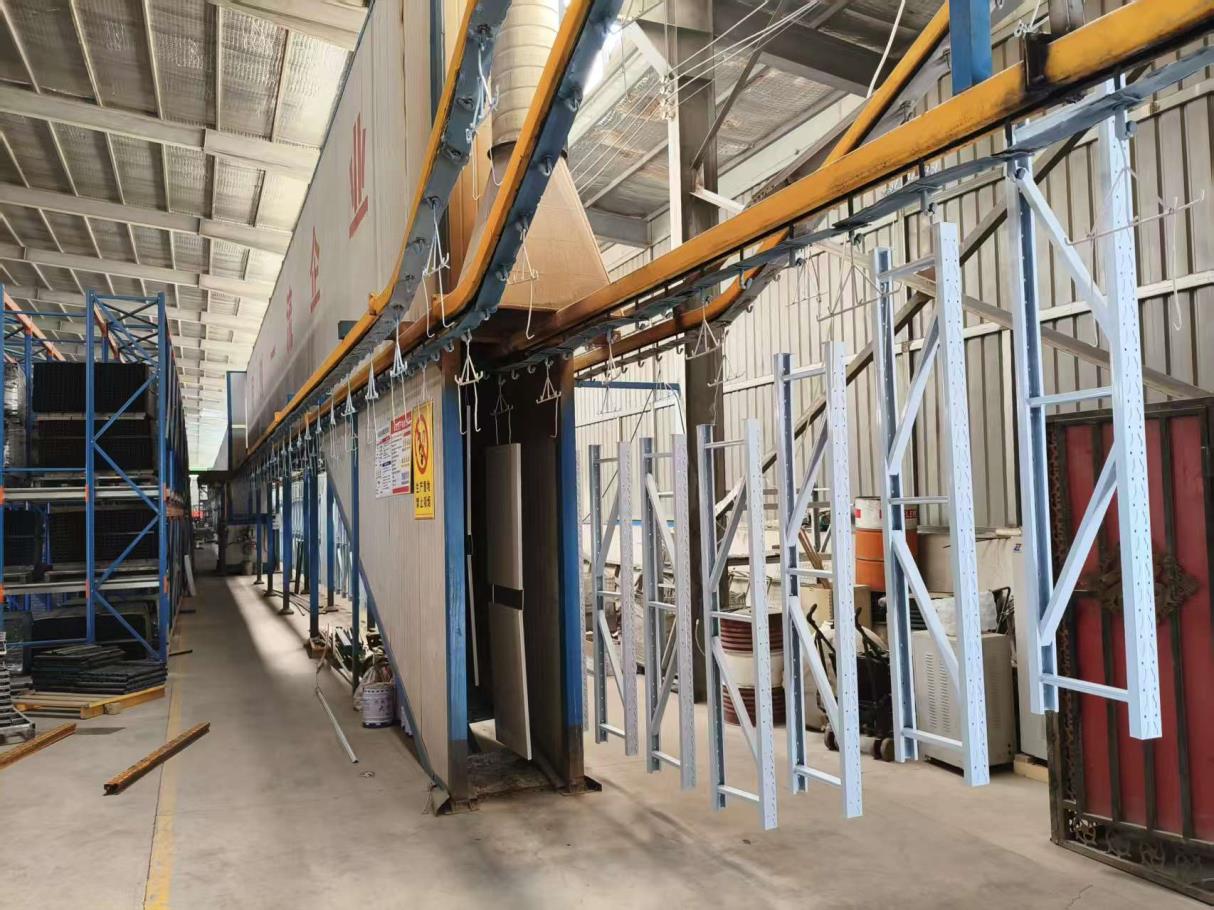
European and Japanese retail conglomerates are prioritizing Scope 3 emissions reductions. Supermarket shelves of the future must utilize low-emission steel and VOC-free powder coatings. Our automated painting lines use eco-friendly thermosetting powder coatings that release zero organic solvents during curing, complying fully with RoHS and REACH international chemical standards.
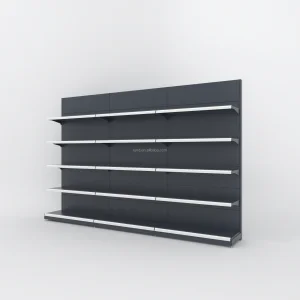
As demographics shift toward older customer bases globally (especially in Japan), shelving layouts are prioritizing the "ergonomic golden zone" (between 70cm and 140cm off the floor). Shelf positioning must be easily modified by local shop floor staff without requiring heavy tools. Our patent-pending hook-in brackets permit changes in shelf angles (0°, 15°, or 30° slopes) within seconds, facilitating ergonomic stocking and easy access.
Established in 2014, Nanjing Dulis Warehouse Equipment Co., Ltd. (operating globally under the brand DuraRacks) is a premier industrial rack and commercial supermarket display manufacturer headquartered in Nanjing, China. With 12 years of industry experience and 9 years of direct export experience, we operate a production and design system tailored to international requirements.
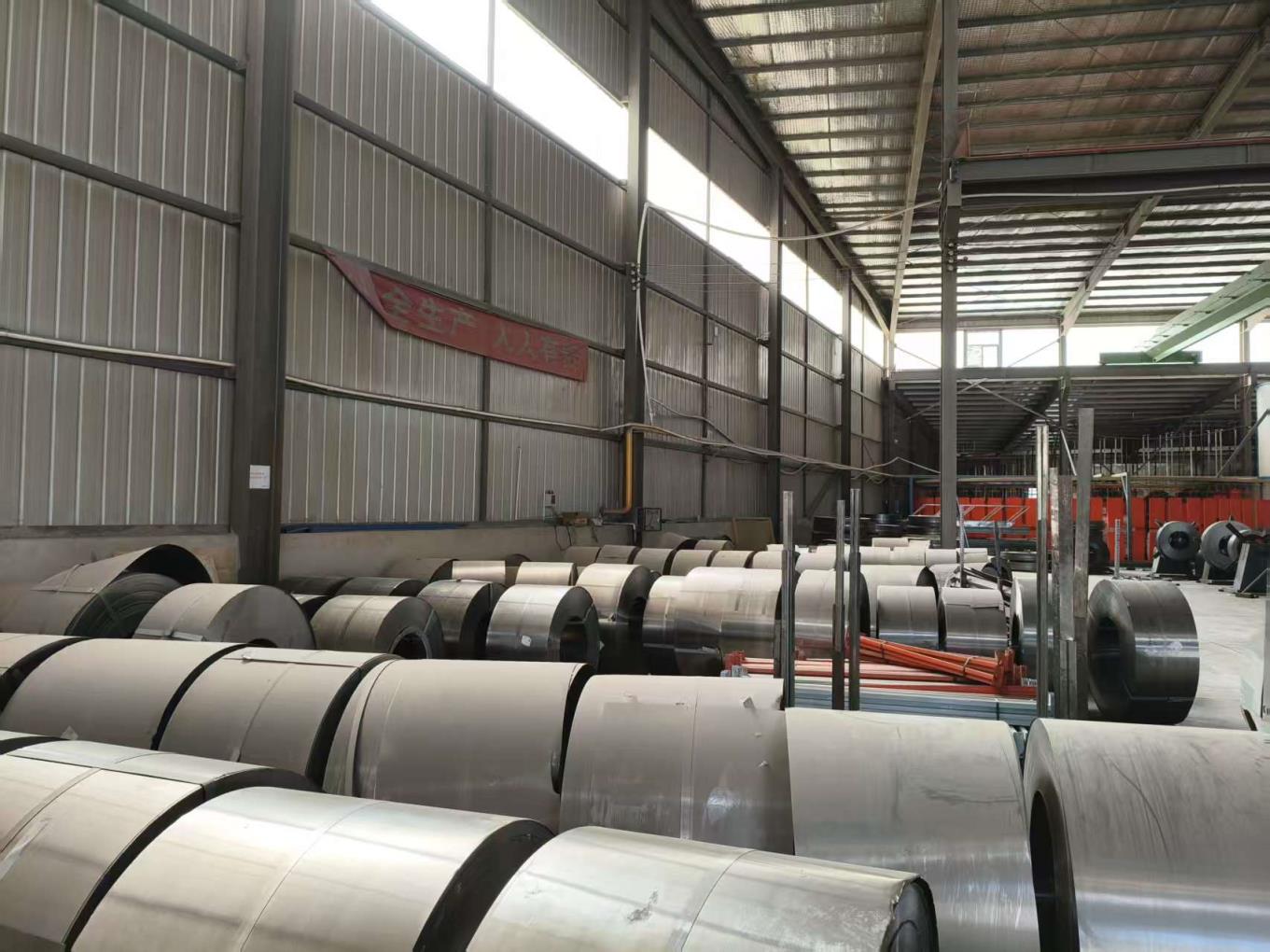
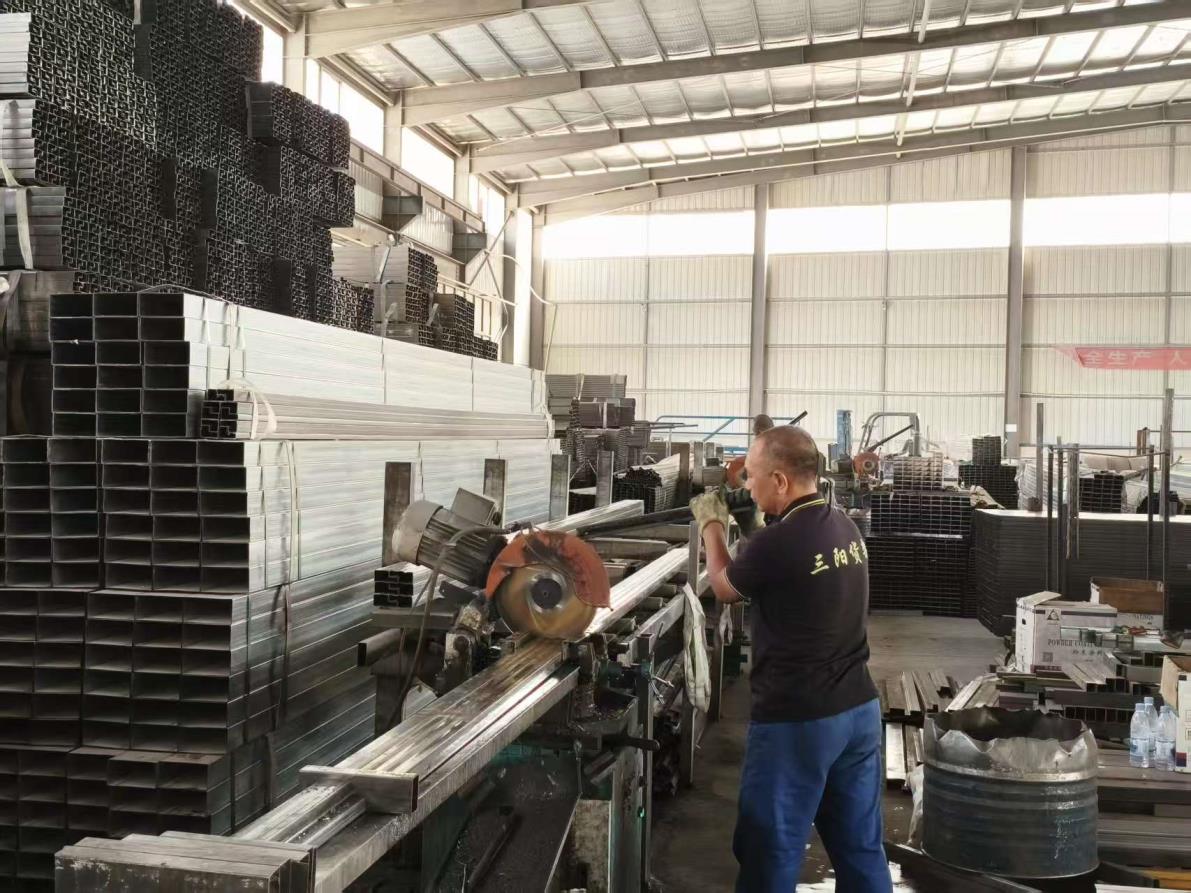
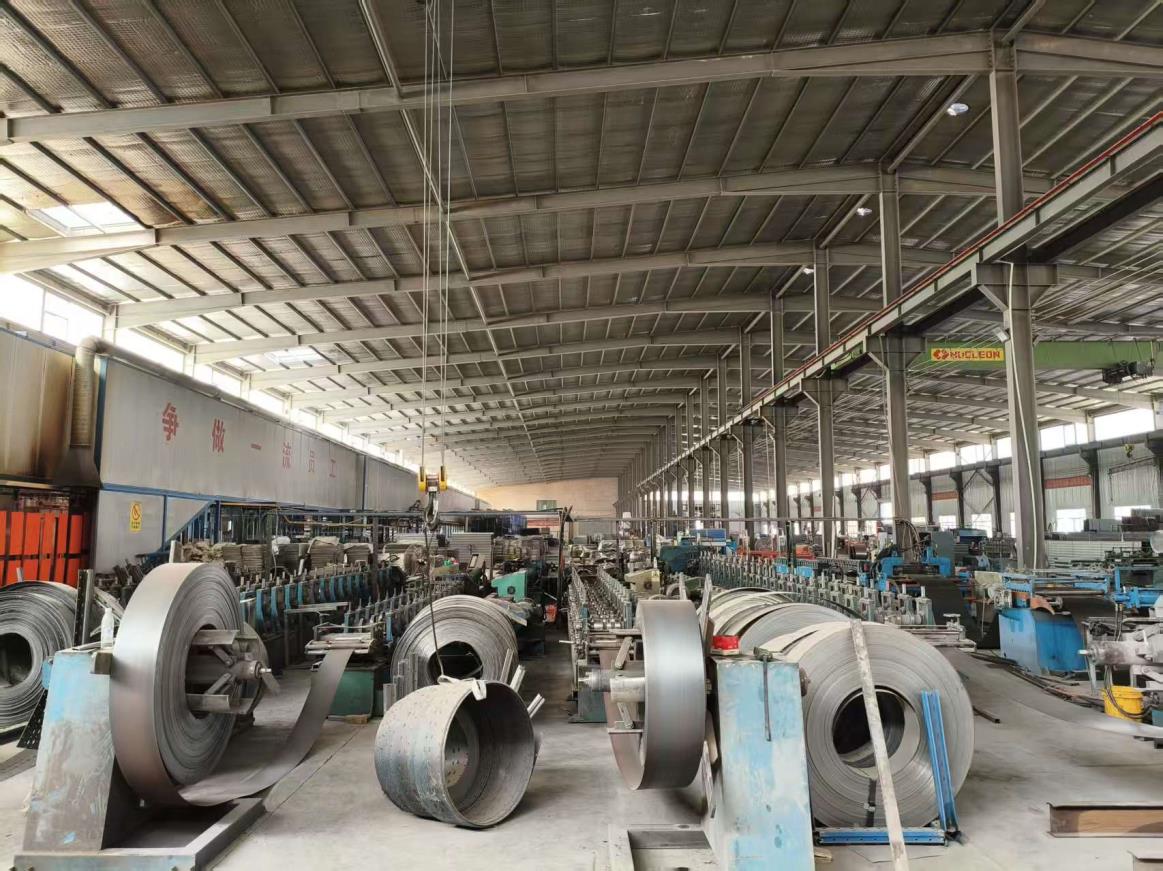
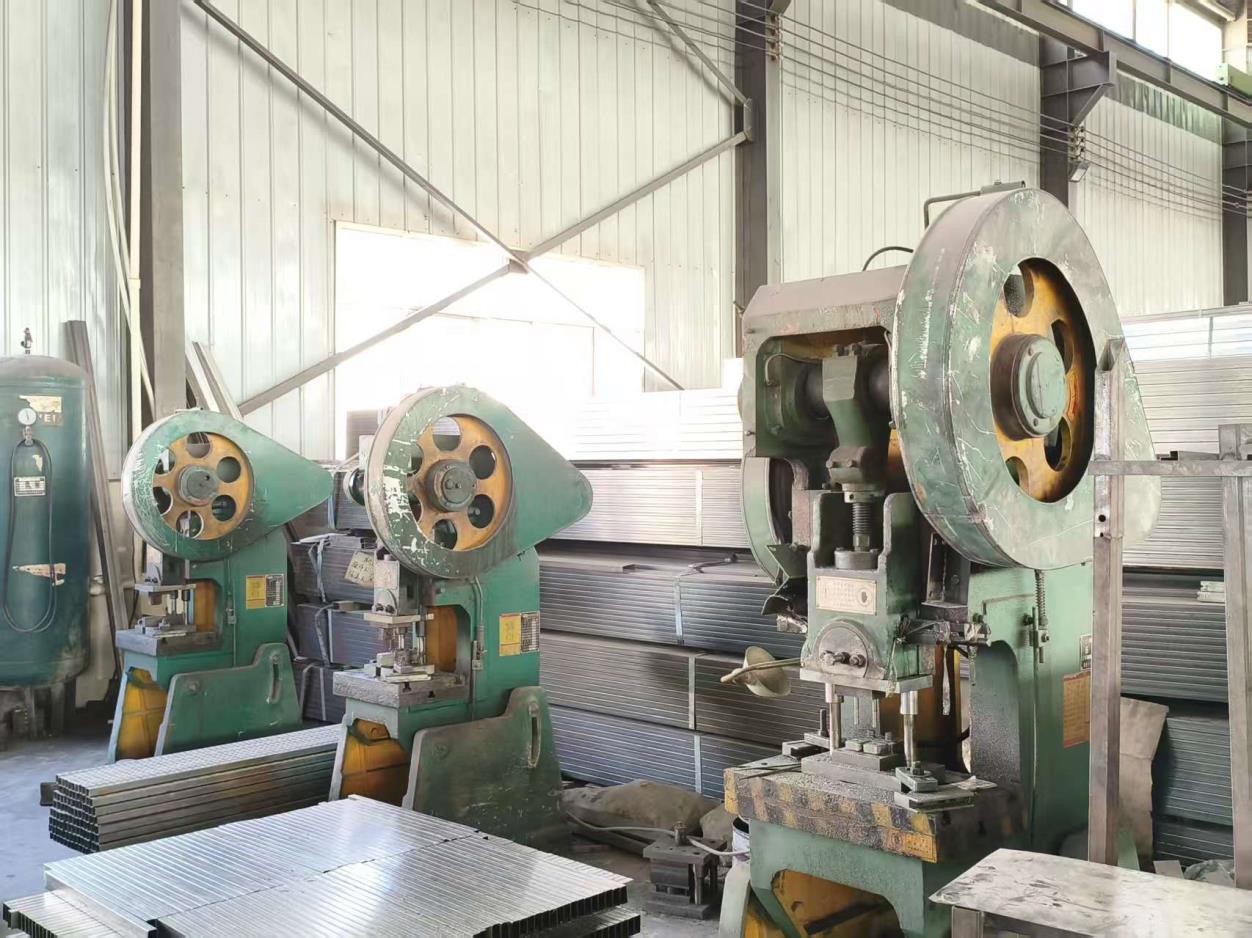
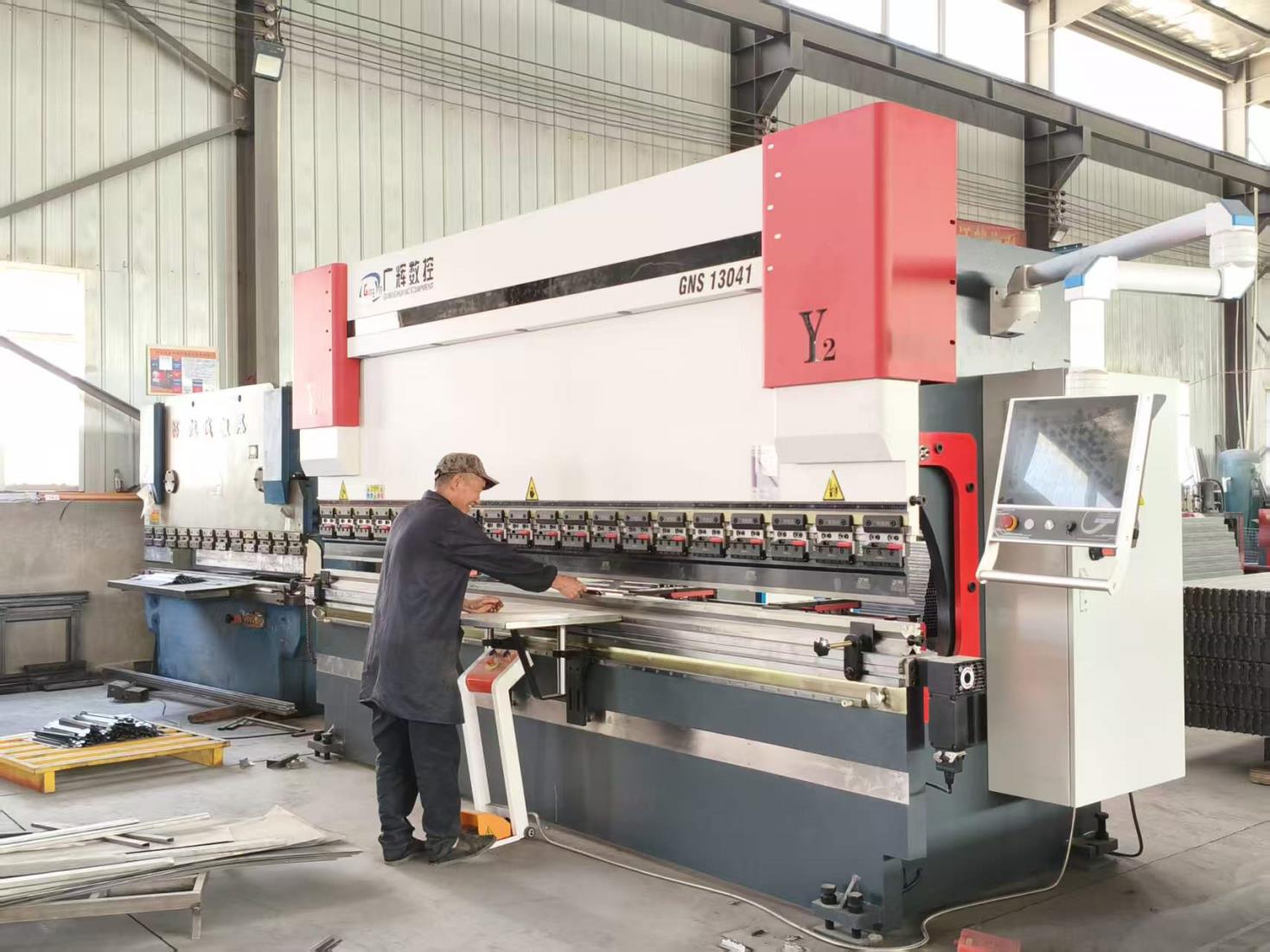
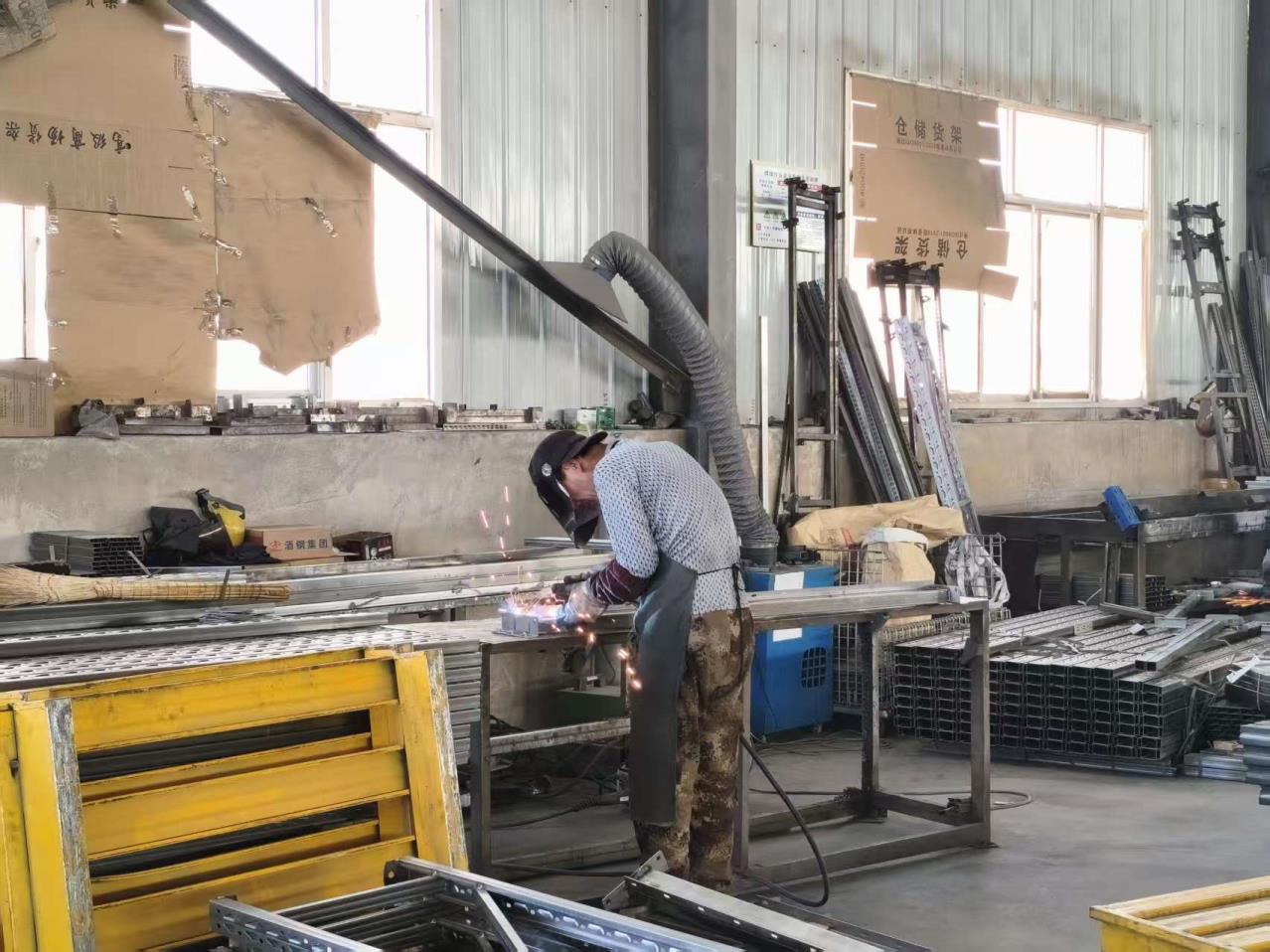
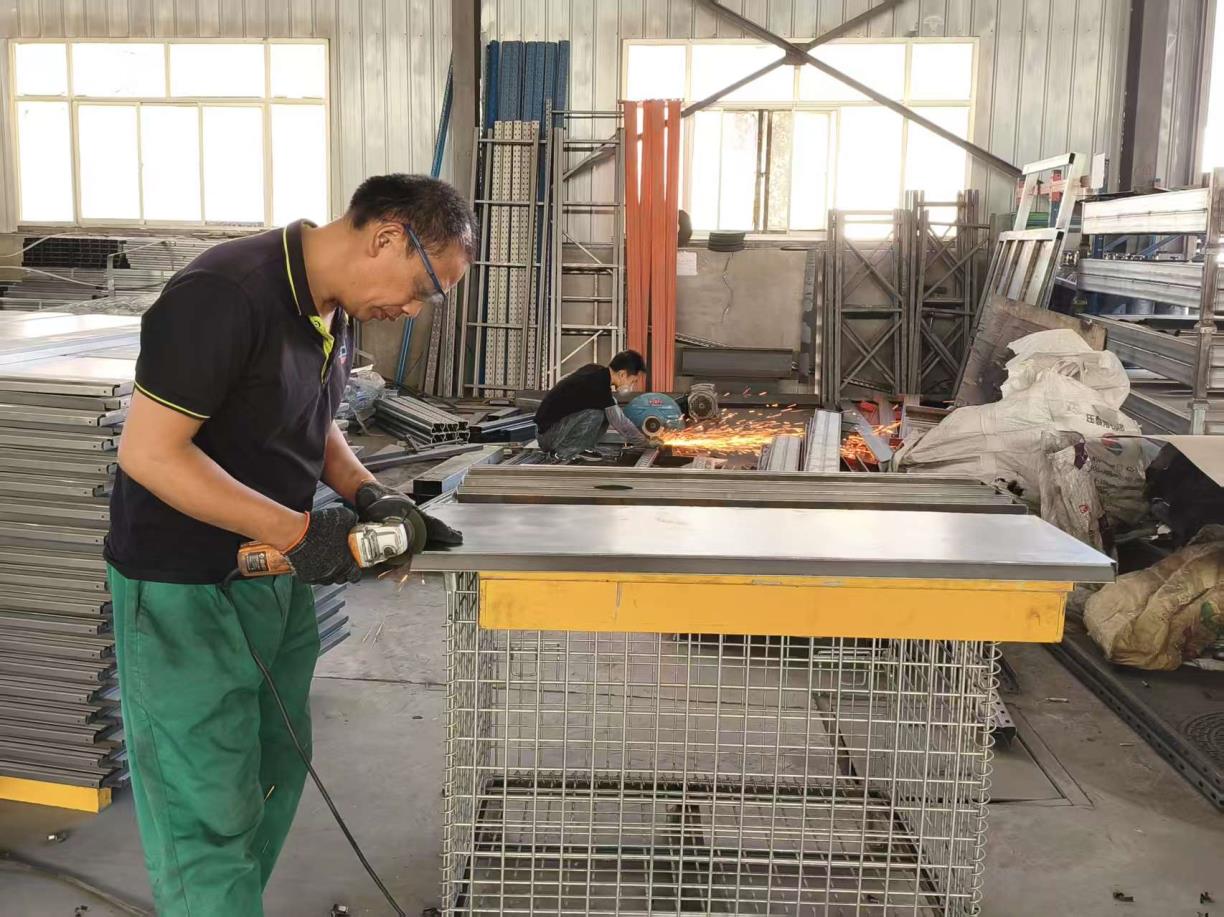
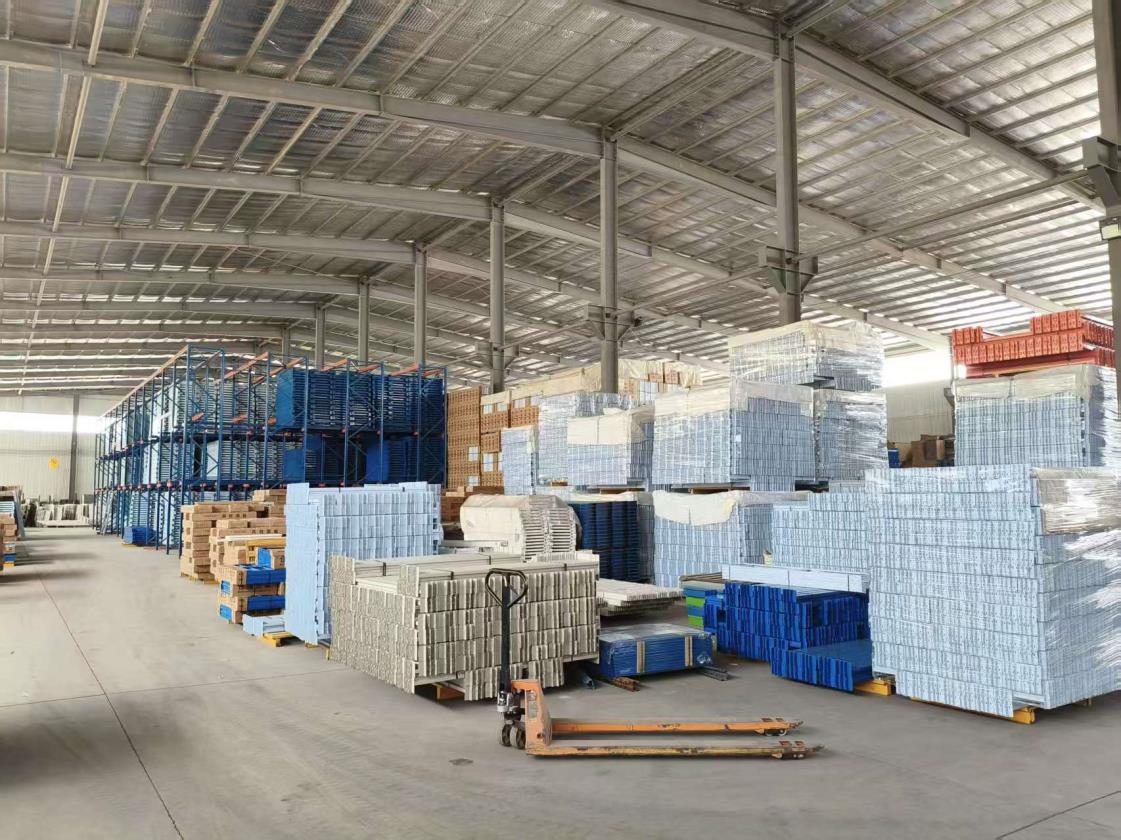
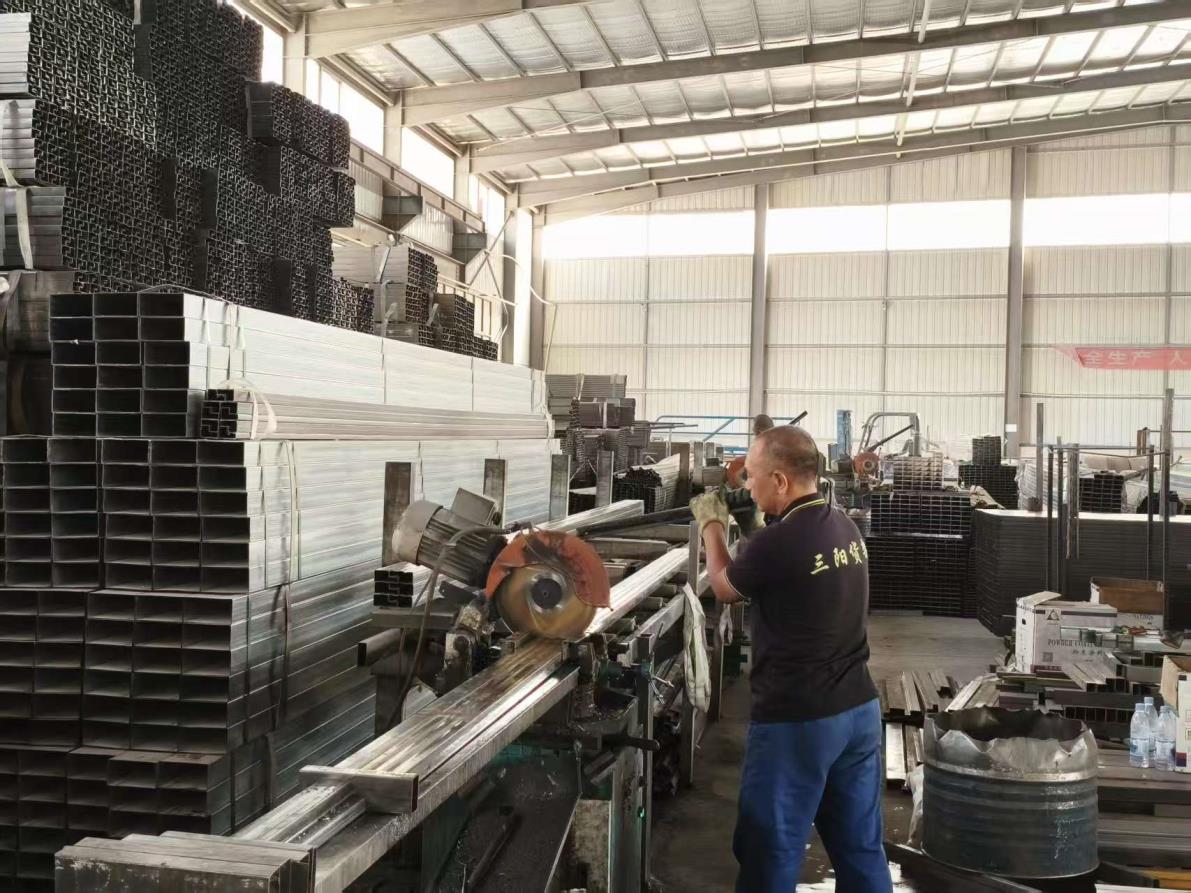
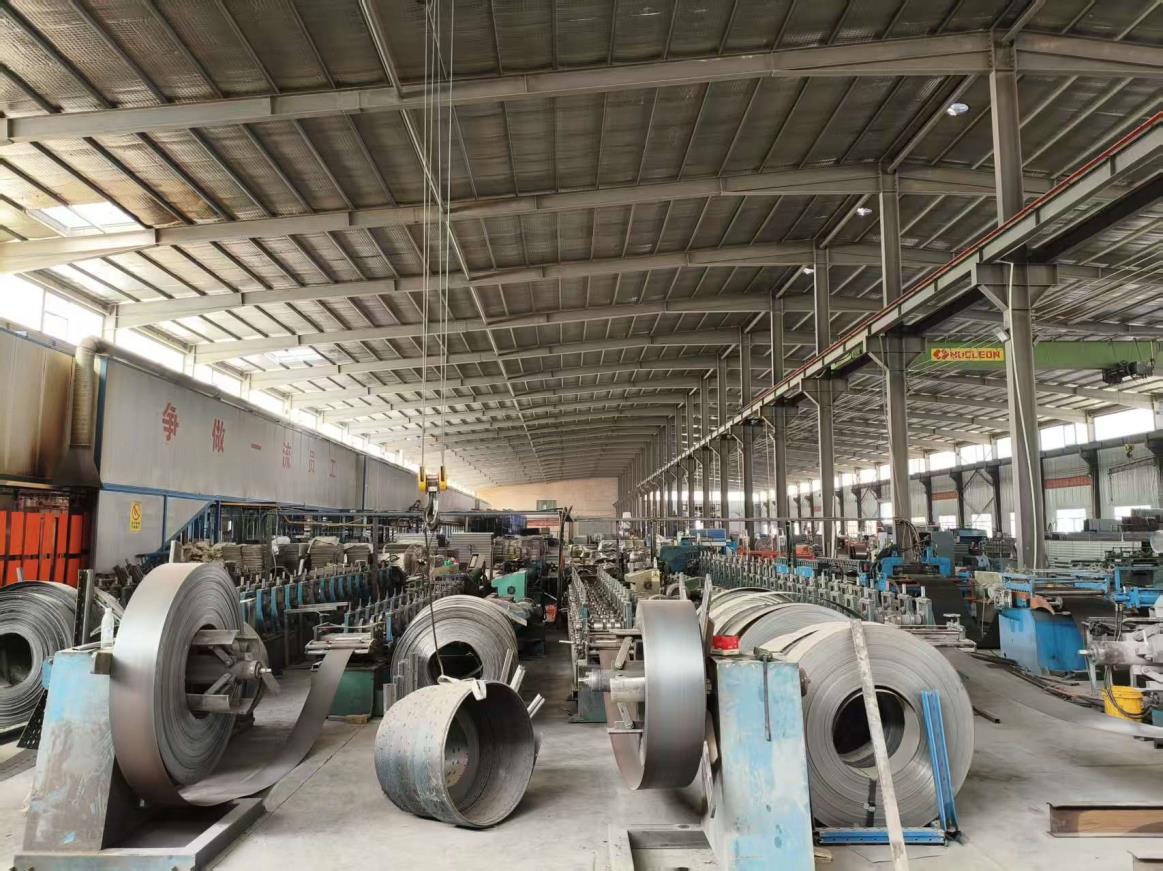
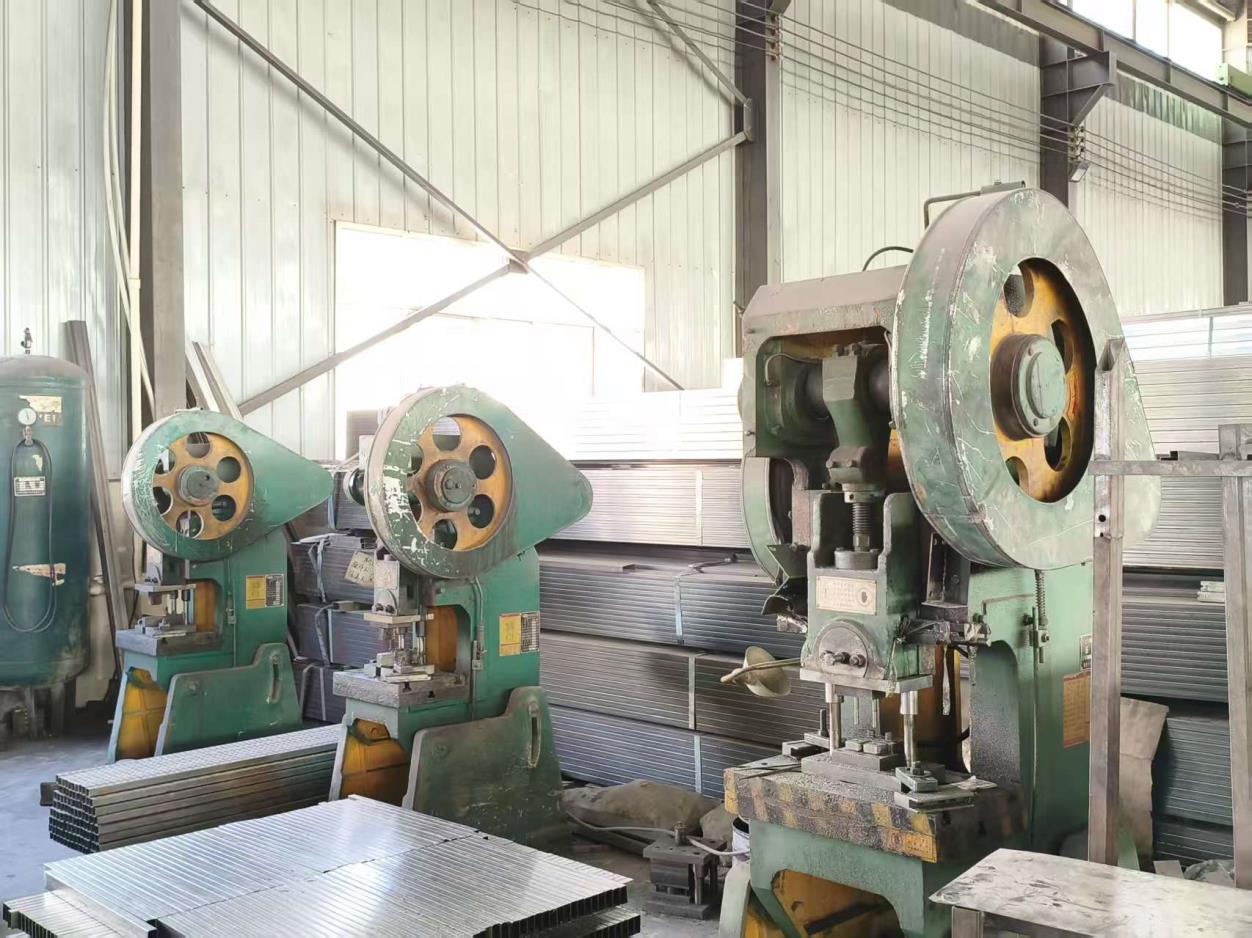
How does DuraRacks ensure reliable lead times and high product quality for Tokyo buyers? Our strength lies in raw material sourcing and end-to-end automated manufacturing. Situated in the Yangtze River Delta steel-producing corridor, we maintain direct contracts with state-owned steel mills, securing premium-grade Q235B steel rolls with consistent yield strength and chemical composition. Our QA standards match ISO9001, CE, and FEM regulations, subjecting raw materials and finished products to ultrasonic weld testing, dynamic load simulations, and salt spray corrosion testing.
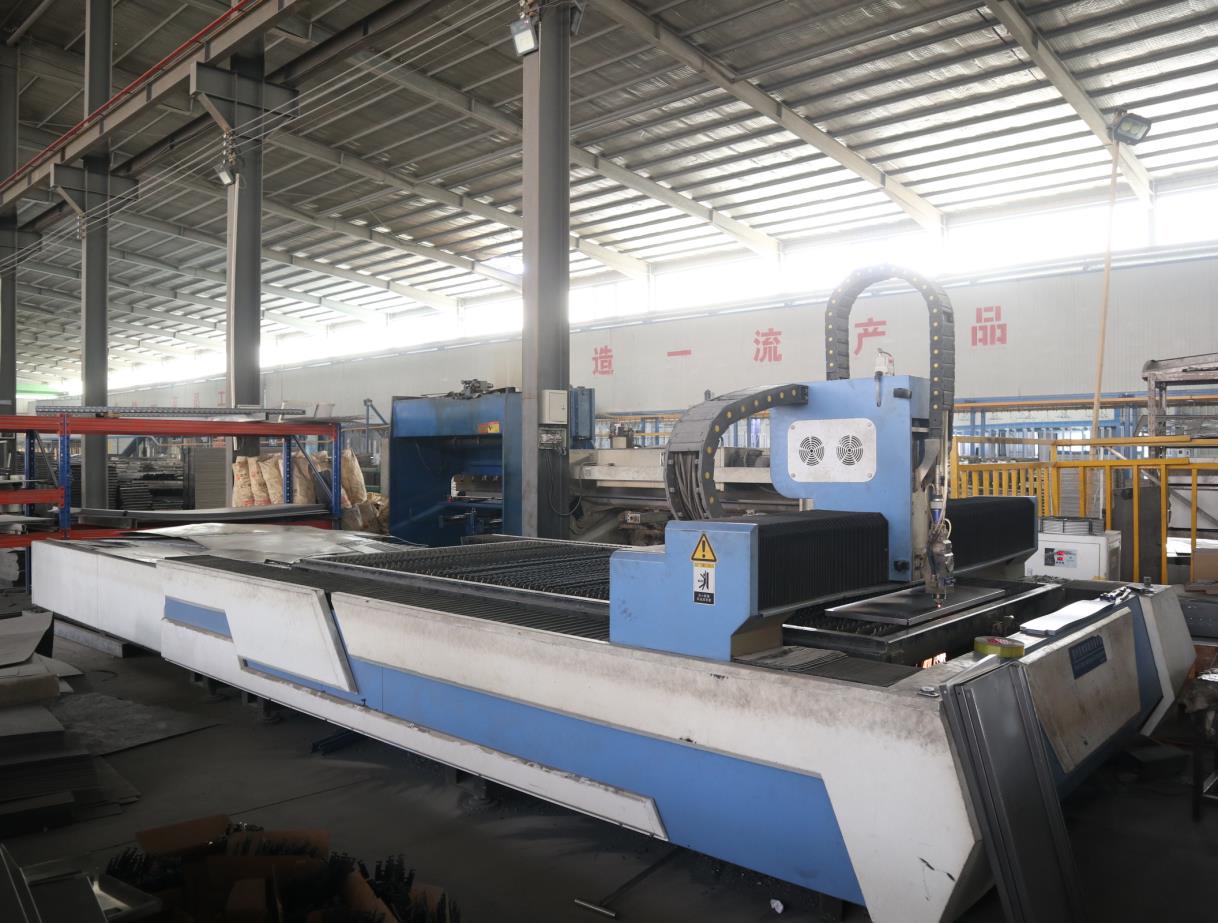
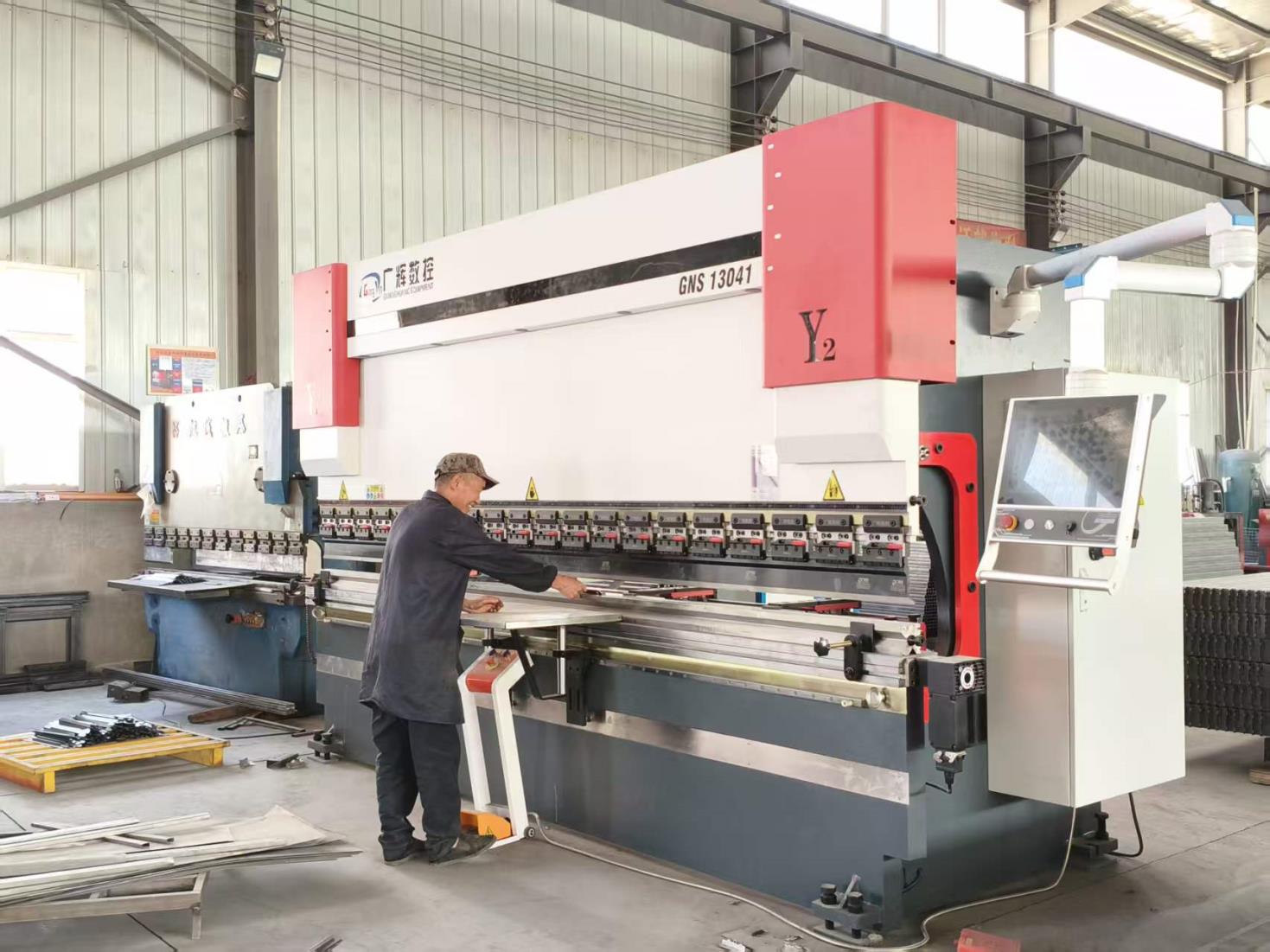
Explore our advanced manufacturing processes, featuring cutting-edge cold rolling, automated punching, laser cutting, and powder coating lines:
Doing business across borders requires seamless logistics and strict regulatory compliance. DuraRacks simplifies the import process for our Japanese clients, delivering factory-direct shipping to the Port of Tokyo or Port of Yokohama. We prepare all essential documentation, including customs declarations, certificates of origin, and comprehensive structural FEA (Finite Element Analysis) reports written in English/Japanese to satisfy your construction and insurance auditors.
Furthermore, our team of 68 R&D engineers can provide custom CAD layouts of your store. Simply supply your architectural drawings, and we will model the optimal shelf configurations to maximize customer flow, safety compliance, and stock capacity. If requested, we can supply specialized seismic floor anchor brackets designed specifically to bolt securely into standard concrete foundations utilized in Japanese commercial buildings.
Explore our full range of customizable retail display shelving, freestanding racks, and multi-level storage systems designed for high-density commercial layouts.
Complement your front-of-house supermarket display with our heavy-duty warehouse solutions to streamline inventory stocking.
Get answers to common structural, logistics, and compliance questions regarding supermarket shelving installations in Japan.
Yes. Our retail shelving and heavy-duty storage racks can be customized to comply with local seismic engineering standards. We utilize Q235B high-tensile carbon steel, which offers excellent ductility to absorb lateral kinetic energy during seismic events. Additionally, we engineer wider base plates, double-locking shelf support brackets, and overhead stability ties to ensure your structures remain standing under severe shaking.
Typically, ocean shipping from the Port of Shanghai to the Port of Tokyo takes between 5 to 7 days in transit. Factory manufacturing lead times generally range between 20 to 30 days depending on the size of the order and customization specifications. Thus, you can expect delivery to your Tokyo warehouse or retail facility within 35 to 45 days from order placement.
Absolutely. Our 68-member R&D engineering team specializes in custom OEM/ODM solutions. We regularly manufacture slim-profile single-sided gondolas and narrow-depth double-sided units (e.g., 300mm to 450mm depth per side) specifically designed for micro-layouts, helping you maintain a minimum 1.2m clear walking path for consumers.
Every product batch is subjected to rigorous quality control managed by our 45-person QA department. Testing protocols include mechanical tensile strength analysis of the raw steel, ultrasonic weld inspections to identify interior micro-fissures, static load capacity testing (where shelves are loaded to 1.5 times their rated threshold), and salt spray corrosion testing to verify powder-coat integrity.
Yes, all powder-coated surfaces undergo high-temperature thermoset curing using premium, non-VOC, and non-toxic powders. Our coatings are fully certified to international environmental standards, including RoHS and REACH. This ensures no toxic off-gassing occurs, making our display systems safe for presenting fresh groceries, baked goods, and produce.
We work directly with experienced international customs brokers and logistics providers to manage import clearances smoothly. We provide all necessary documentation including Commercial Invoices, Packing Lists, Bills of Lading, and Certificates of Origin. We also support duty-rate calculations and import tax compliance to prevent delays at Japanese customs checkpoints.
Have additional custom specifications or need a direct quotation?
Get a Custom Proposal Instantly DuraRacks