Designed to address local building codes and logistical demands in Seattle, Bellevue, and Kent Valley.
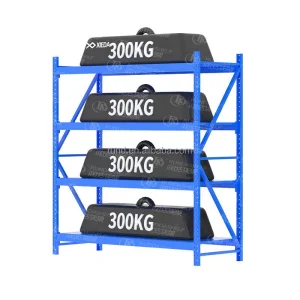
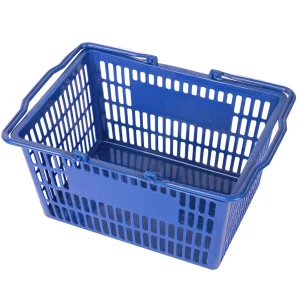
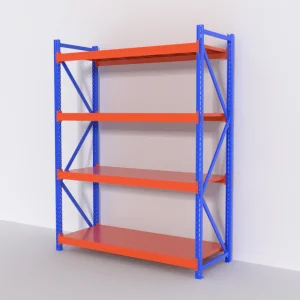
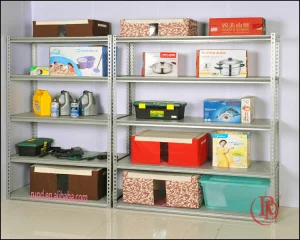
Seattle, Washington, along with the greater Puget Sound region, operates as a crucial gateway for trans-Pacific trade and high-throughput domestic commerce. High-density logistics clusters in the Kent Valley, the Port of Seattle, and the Port of Tacoma support demanding industrial activities spanning e-commerce, commercial manufacturing, cold chain storage, and aerospace supply networks.
Developing industrial warehouse storage systems in this region requires detailed knowledge of the Pacific Northwest's specific geological profile. In Seattle, seismic structural stability is not just optional—it is a critical safety and compliance mandate. Operating in a Class D seismic zone means engineering calculations must comply with the International Building Code (IBC) and the racking specifications mandated by the Rack Manufacturers Institute (RMI).
Modern industrial supply chains are transitioning away from simple, static storage. High real estate costs, tight labor markets, and the push for faster processing speeds are driving warehouses to adopt high-density configuration systems. From Selective Pallet Racking to complex Mezzanines, Drive-In systems, and Automated Storage and Retrieval Systems (AS/RS), the physical layout must maximize volumetric utilization (cube space) rather than simple floor space.
Additionally, sustainability represents a primary objective. Today's global buyers look for suppliers using green production processes, electrostatic powder coatings free from volatile organic compounds (VOCs), and raw materials that are highly recyclable. Selecting certified high-tensile steel structural products satisfies both environmental standards and long-term durability goals.
Industrial procurement departments handling high-volume warehouse investments look for manufacturing partners capable of delivering verified load capacities, consistent material specifications, and seamless global logistics support. Working directly with an experienced factory ensures structural safety and compliance, minimizing project timeline delays.
DuraRacks addresses these critical requirements through our comprehensive testing protocols. We analyze structural designs using advanced Finite Element Analysis (FEA) to simulate exact static and dynamic load states. Every steel section we produce is backed by material mill certificates verifying structural performance under pressure, providing peace of mind for engineering inspections and local building permits.
Operating from our modern 38,000 square meter industrial facility in Nanjing, China, Nanjing Dulis Warehouse Equipment Co., Ltd. (operating globally under the brand DuraRacks) combines automated production lines with strict quality assurance systems. By integrating advanced production equipment—ranging from automated rolling mills to robotic welding cells—we maintain tight tolerances and structural uniformity across all production batches.
Our Factory 4.0 setup minimizes human error and shortens lead times, allowing us to supply large-scale projects on schedule. Backed by a verified network of over 1,200 raw material and component partners, we manage supply fluctuations smoothly. This supply chain reliability enables us to deliver high-quality, cost-effective structural systems directly to North American, European, and Australian hubs.
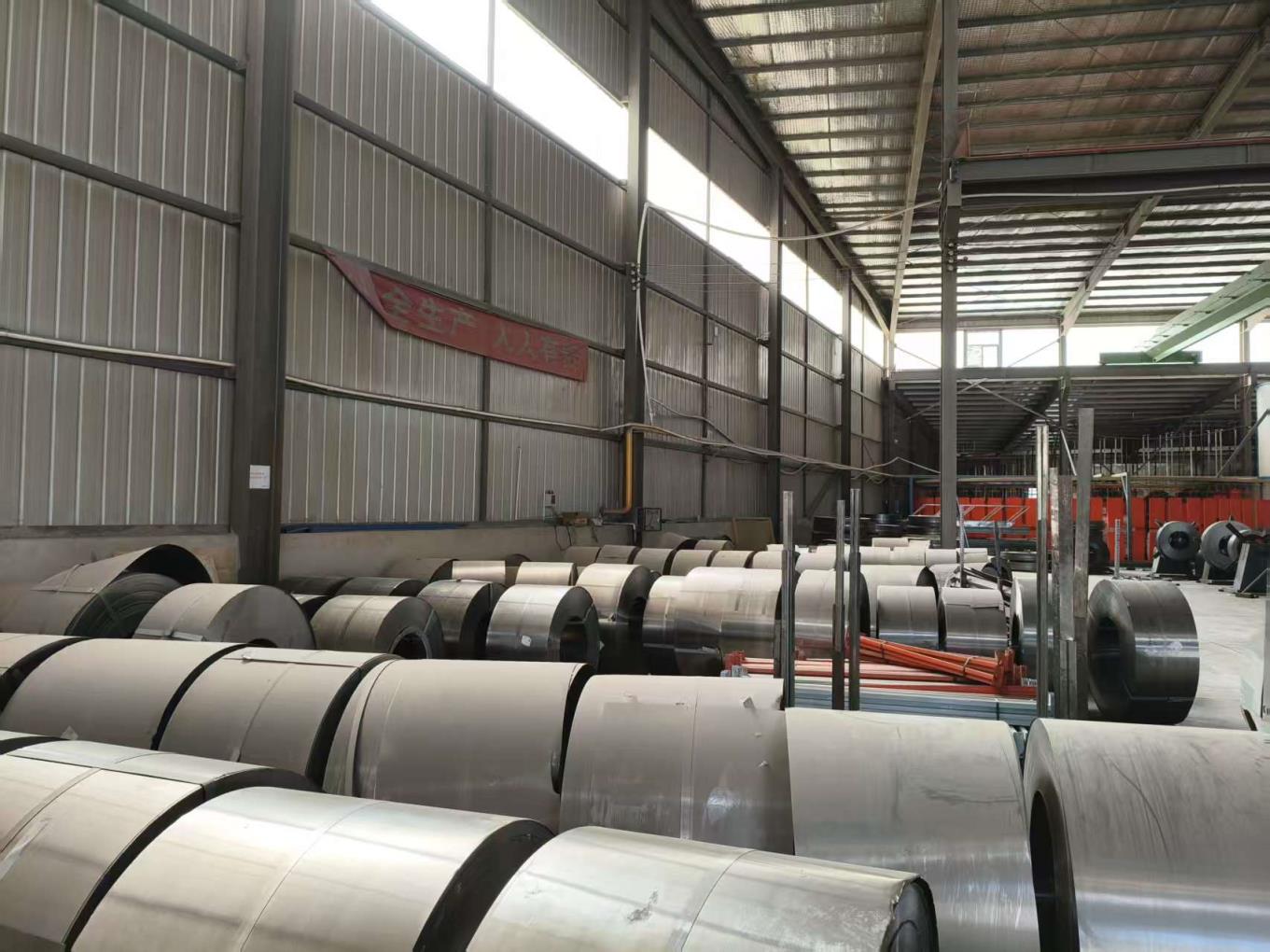
1. Raw Material Quality Inspections
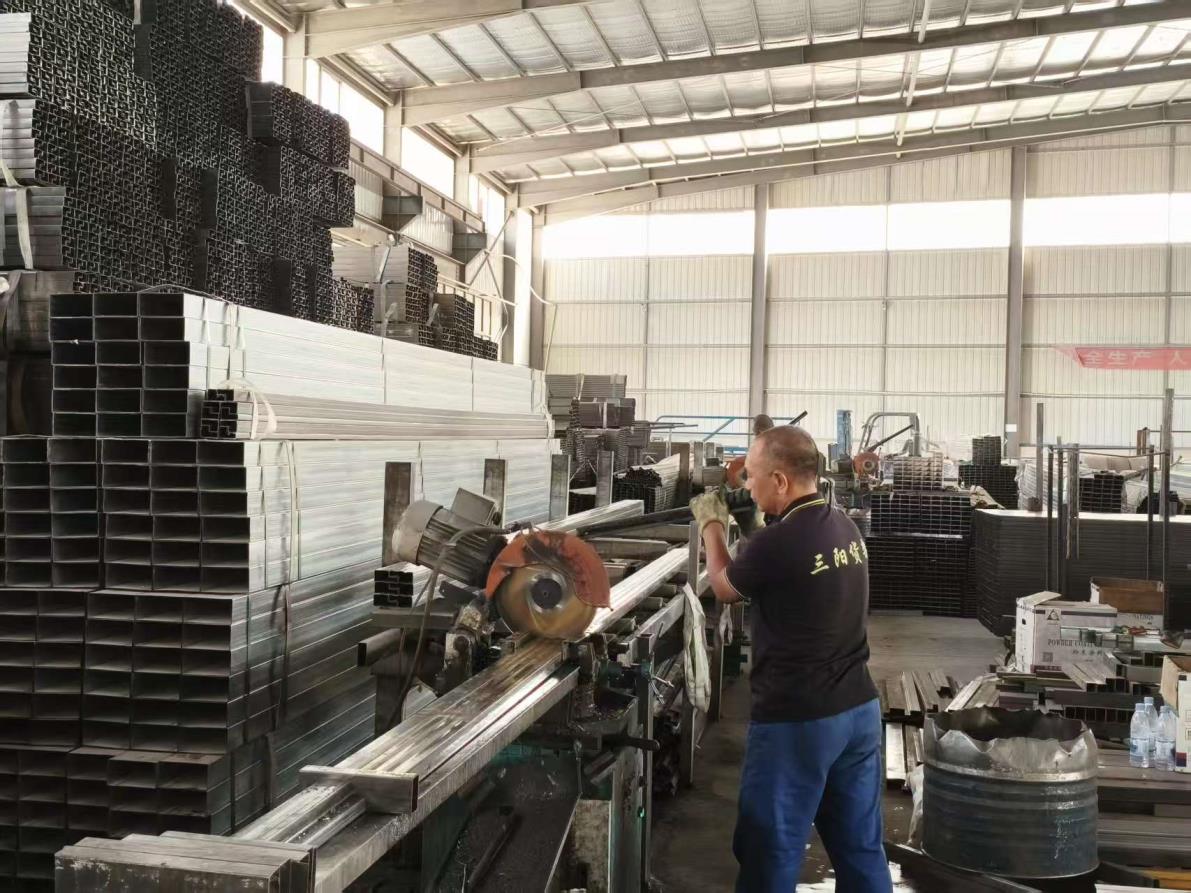
2. Precision Component Cutting
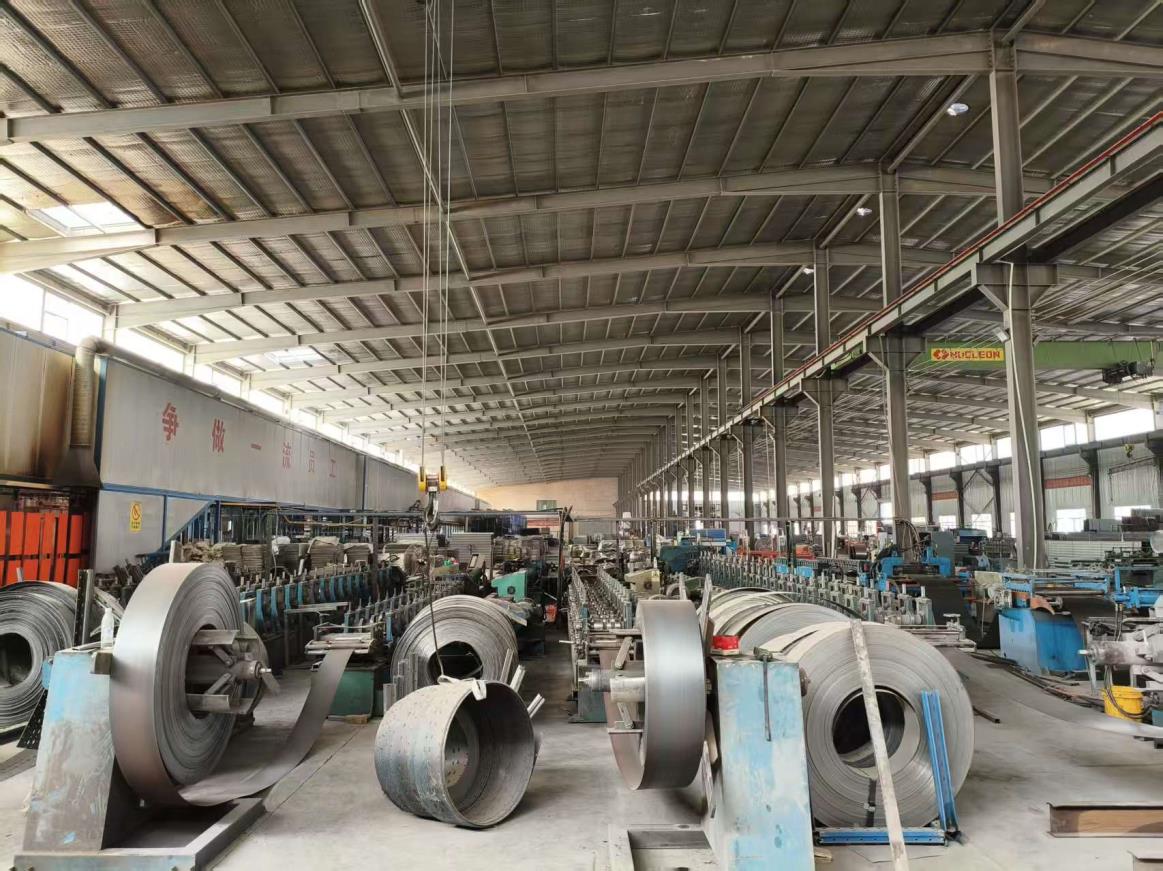
3. High-Speed Cold Rolling
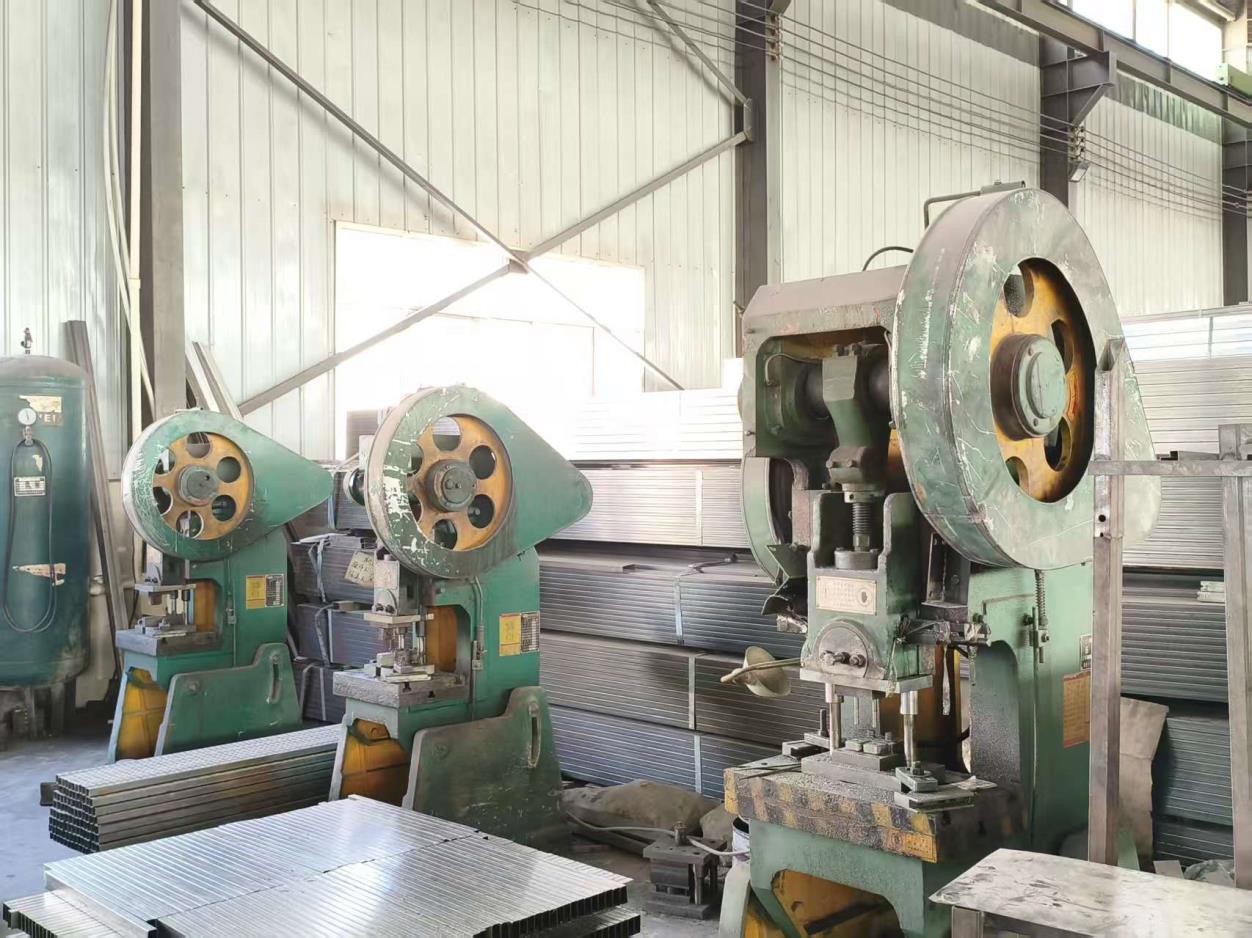
4. Automated Profile Punching
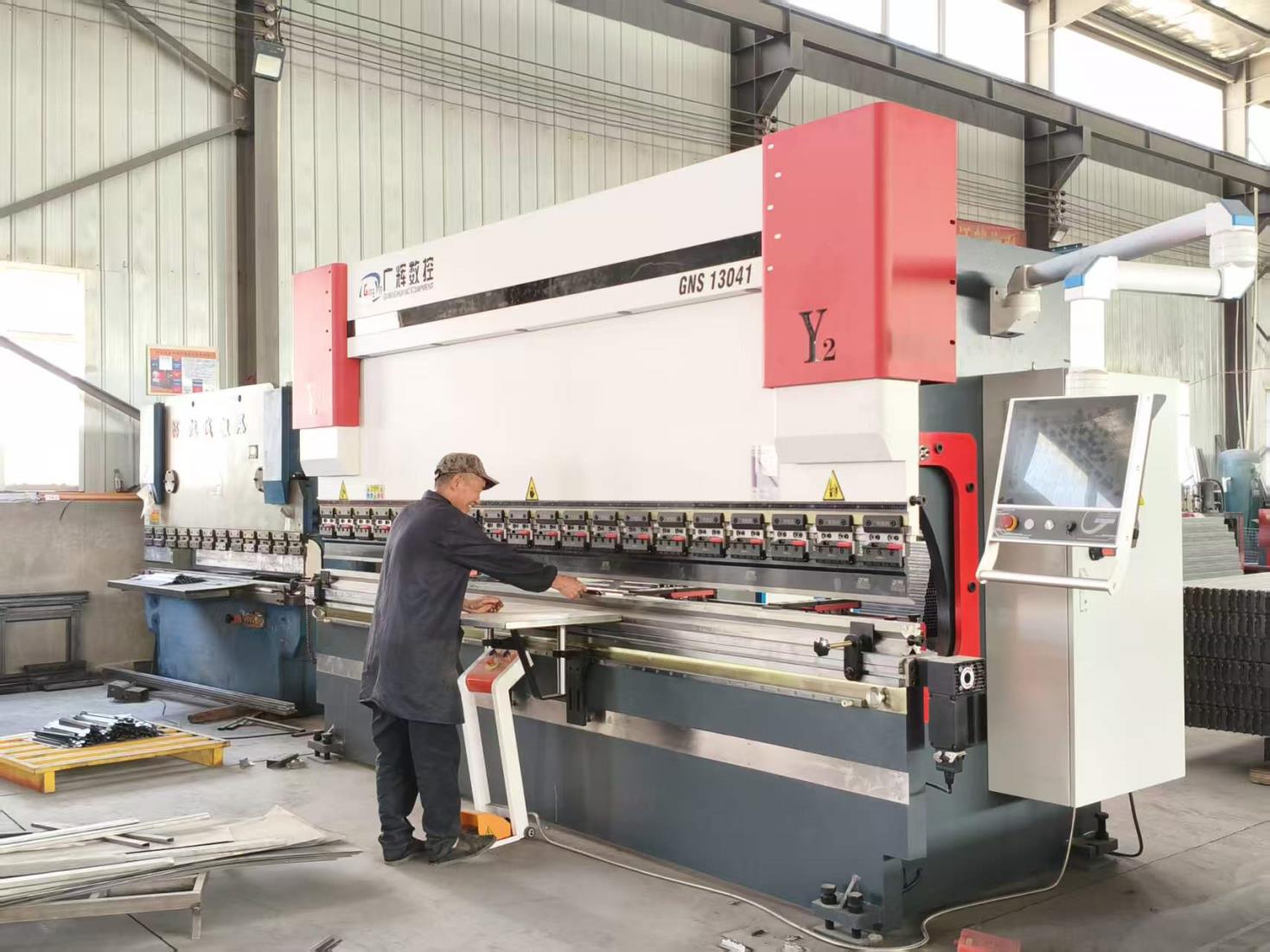
5. Numerical Control Bending
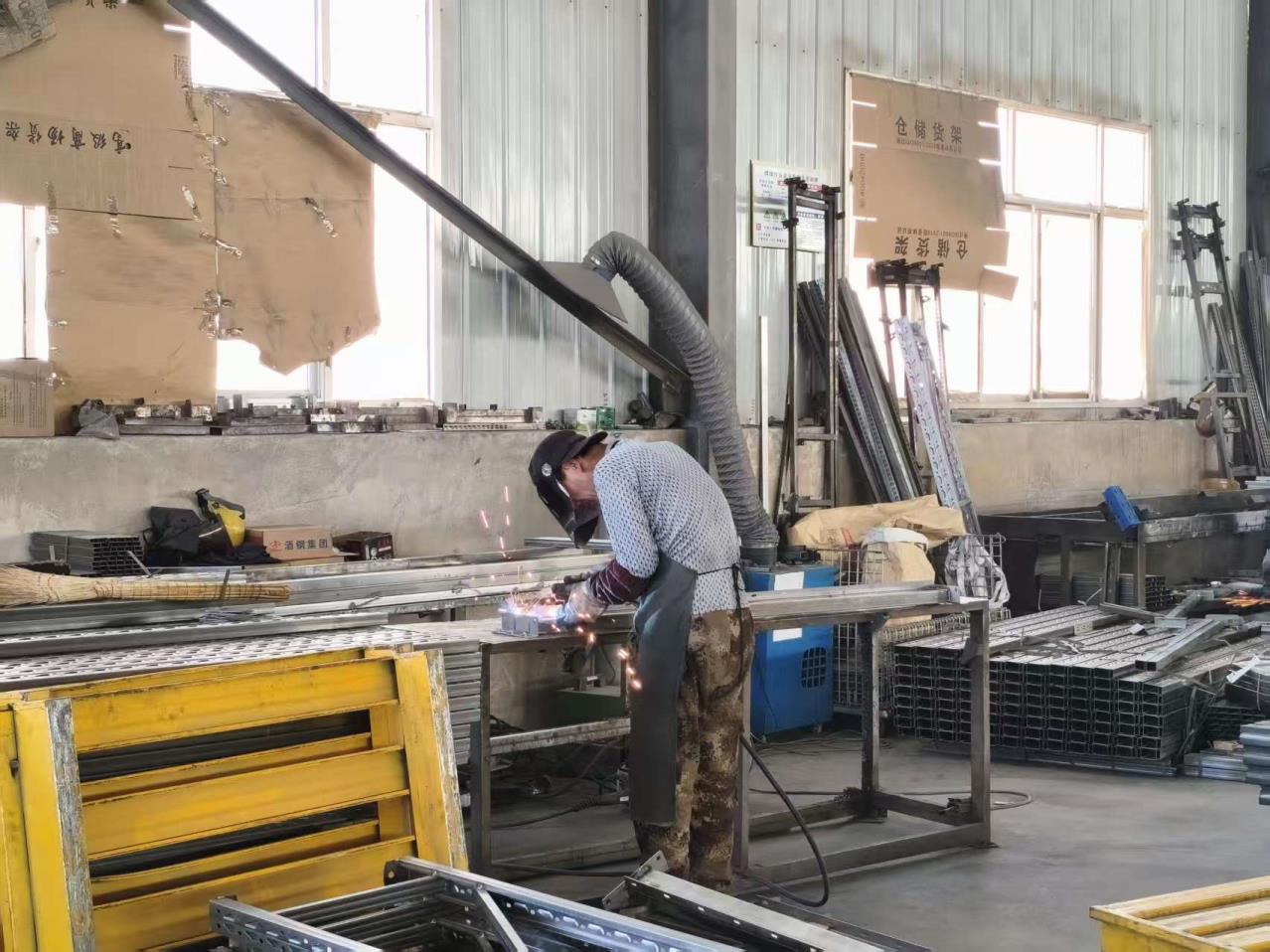
6. Structural Robotic Welding
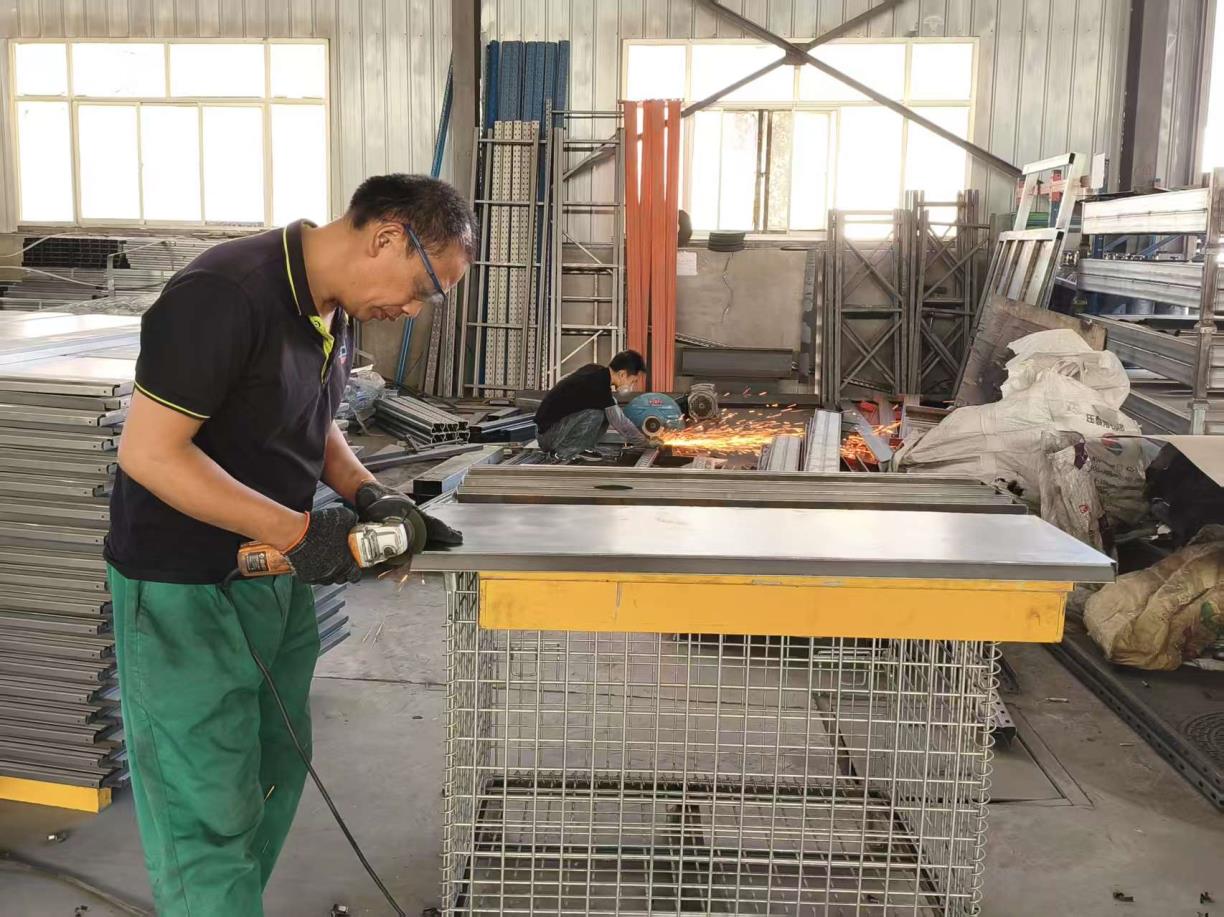
7. Surface Grinding & Polishing
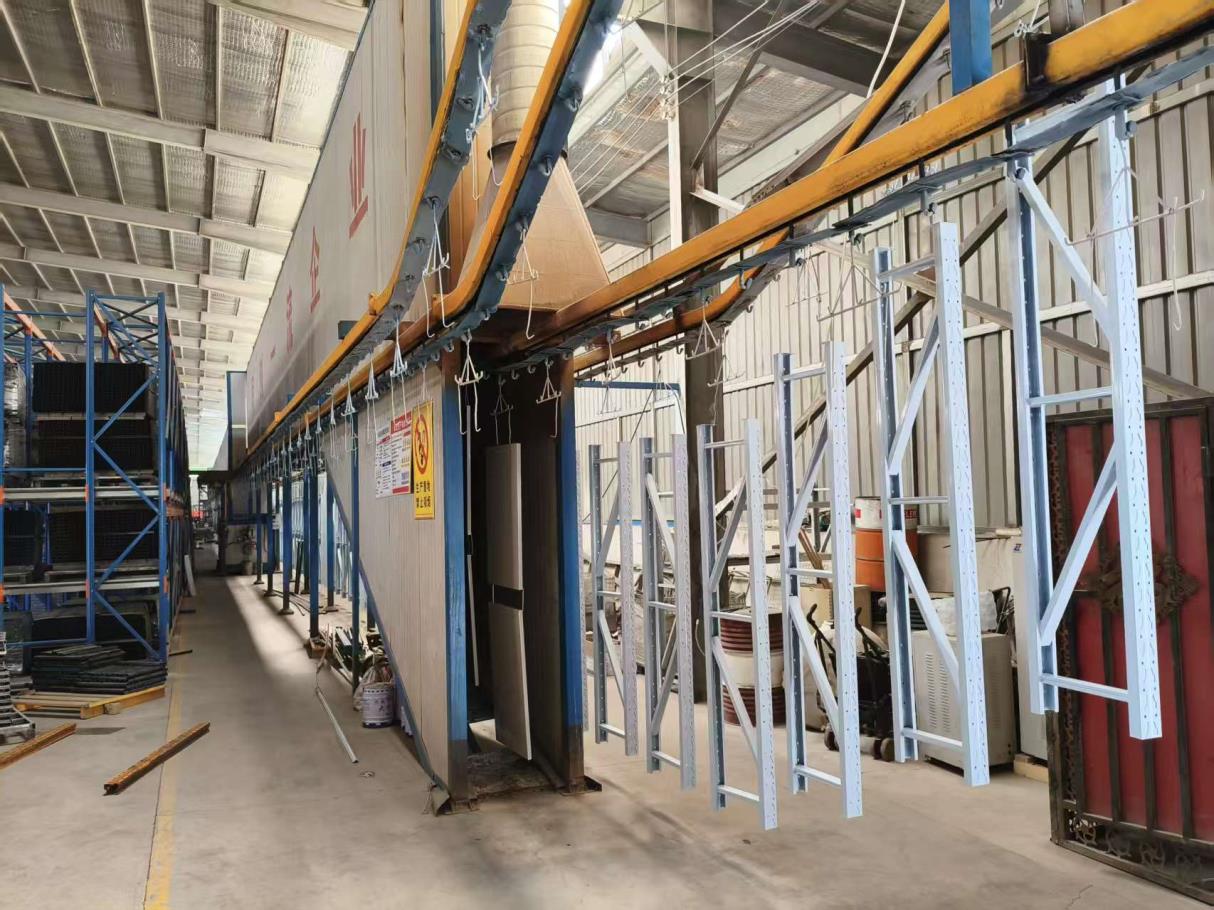
8. Electrostatic Powder Coating
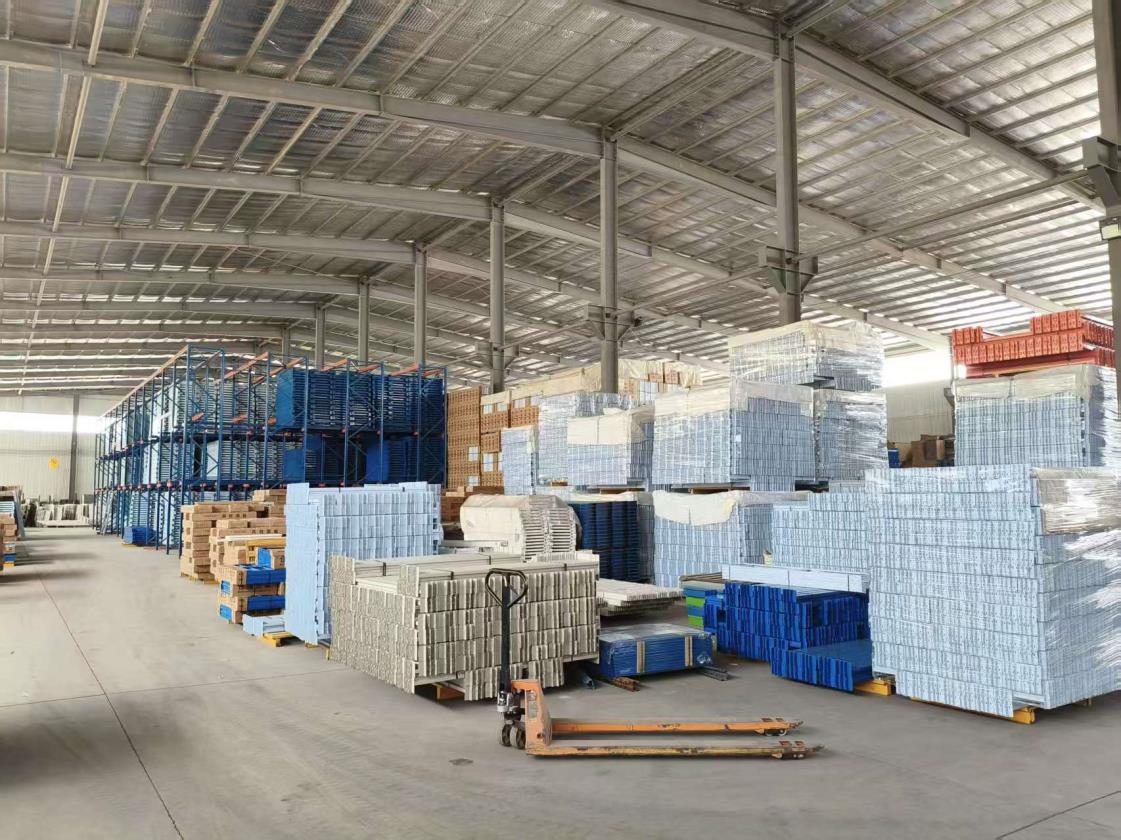
9. Quality-Controlled Warehouse
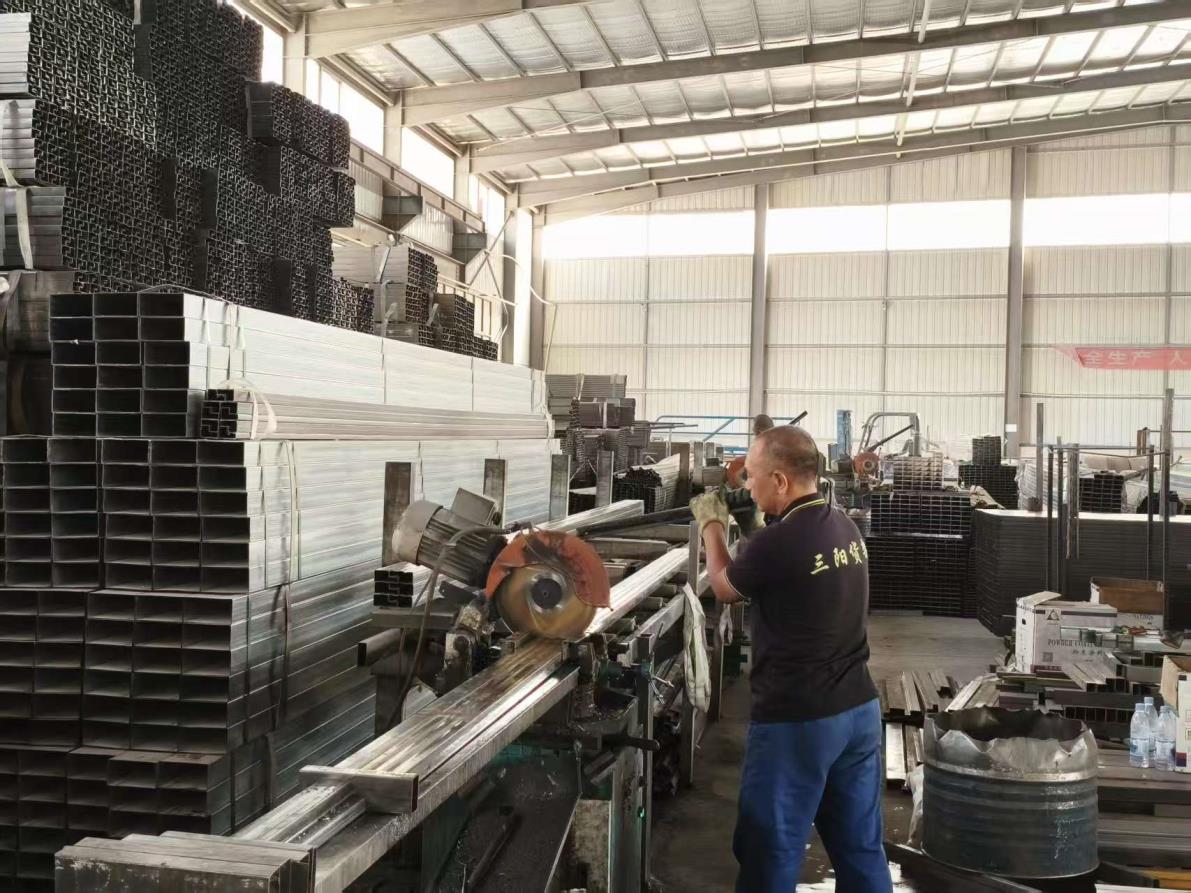
10. Heavy Duty Shear Line
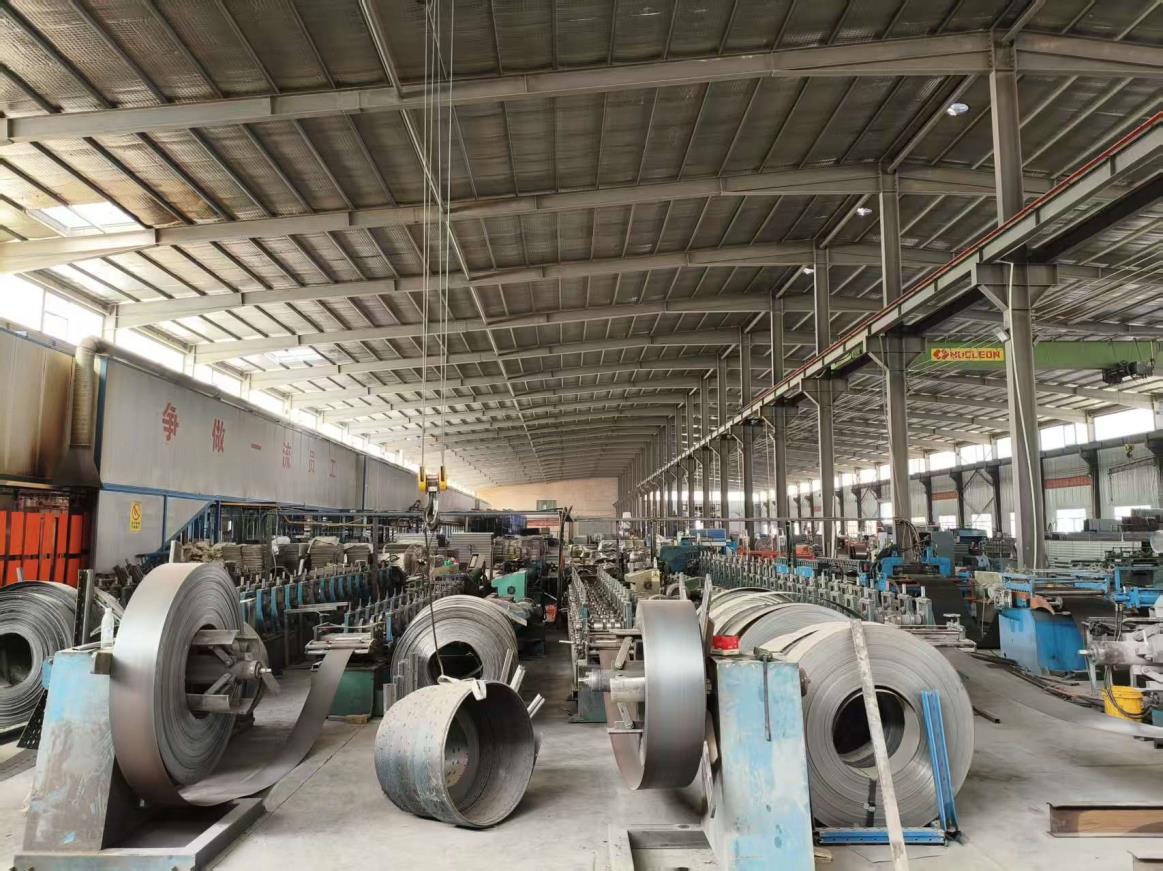
11. Custom Upright Profiler
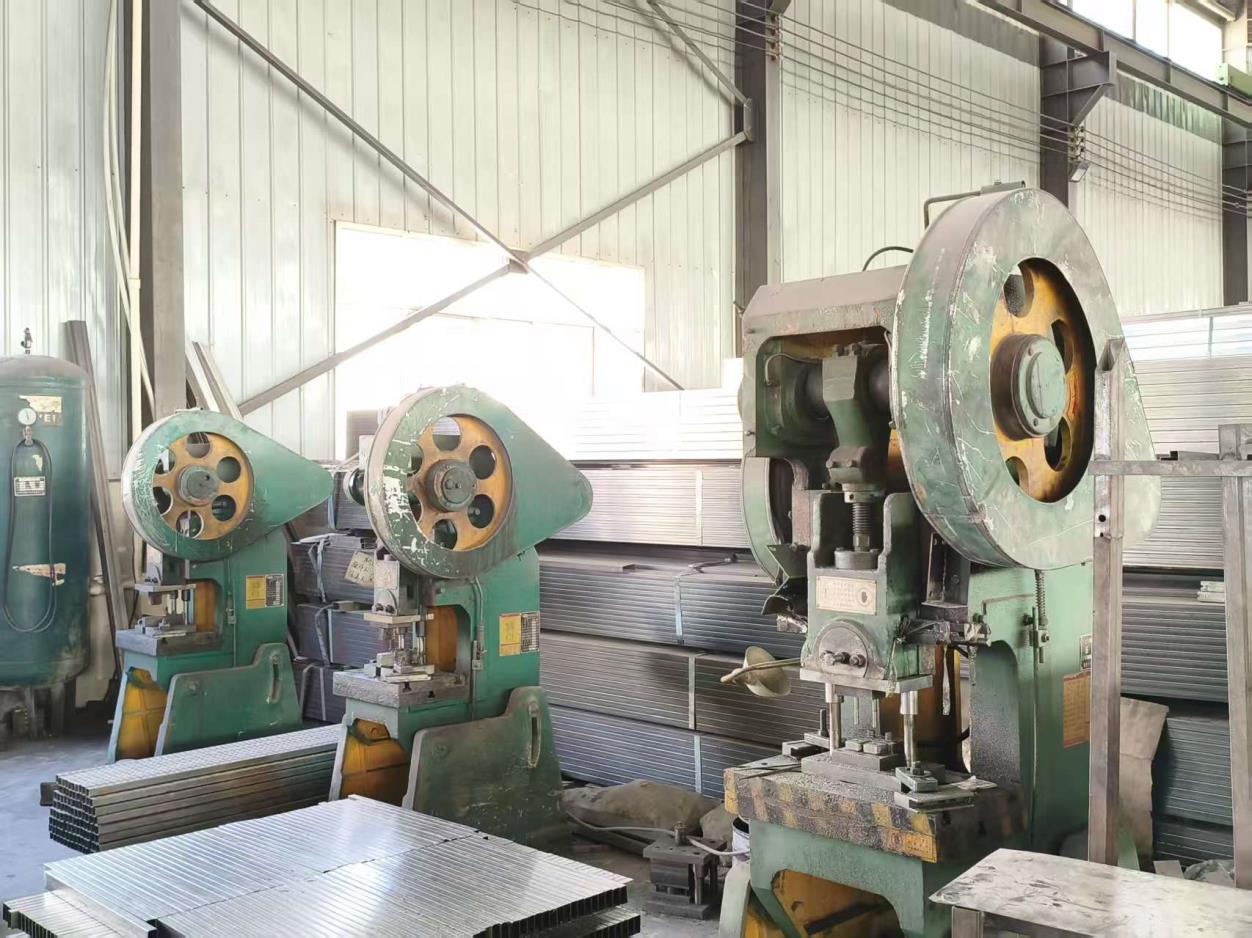
12. High-Speed Press Line
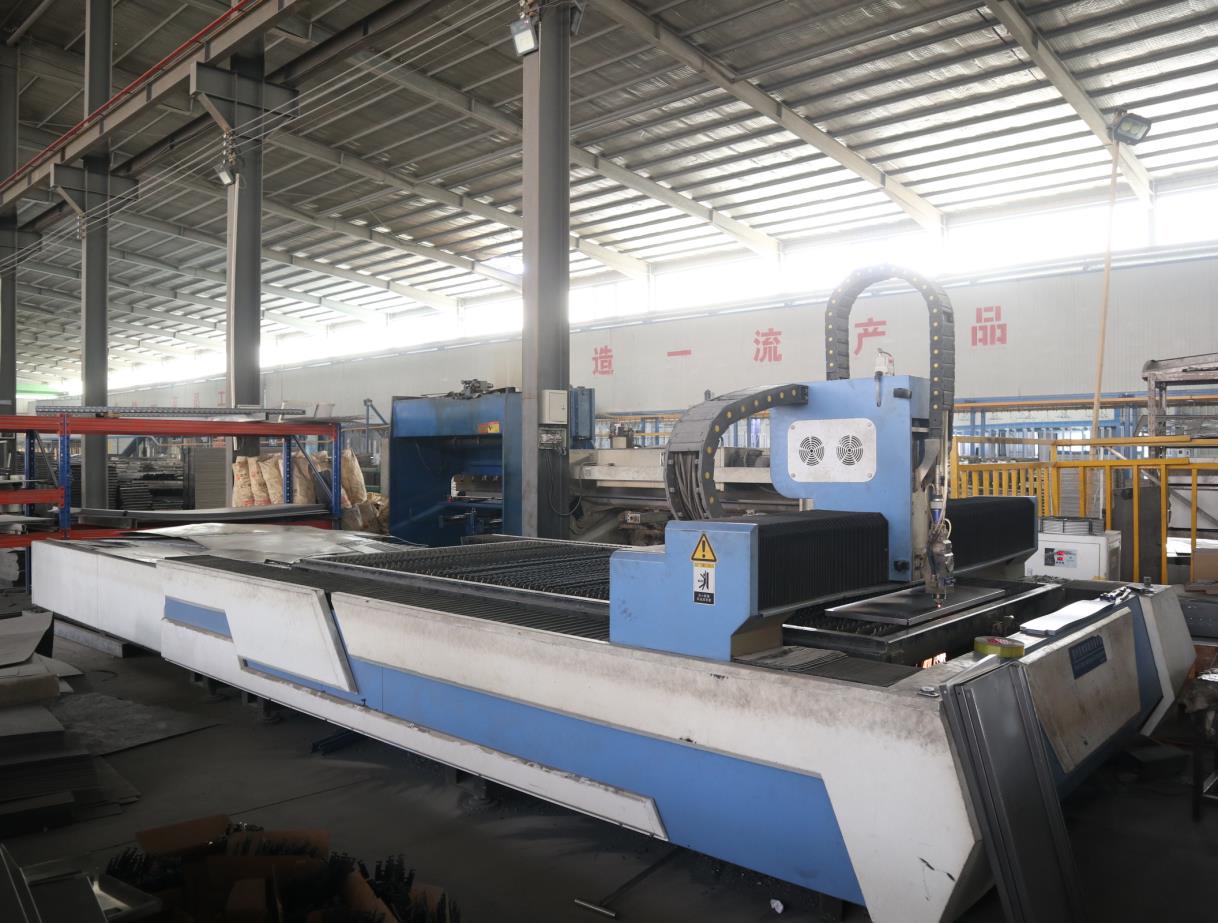
13. 3D Laser Profile Cutter
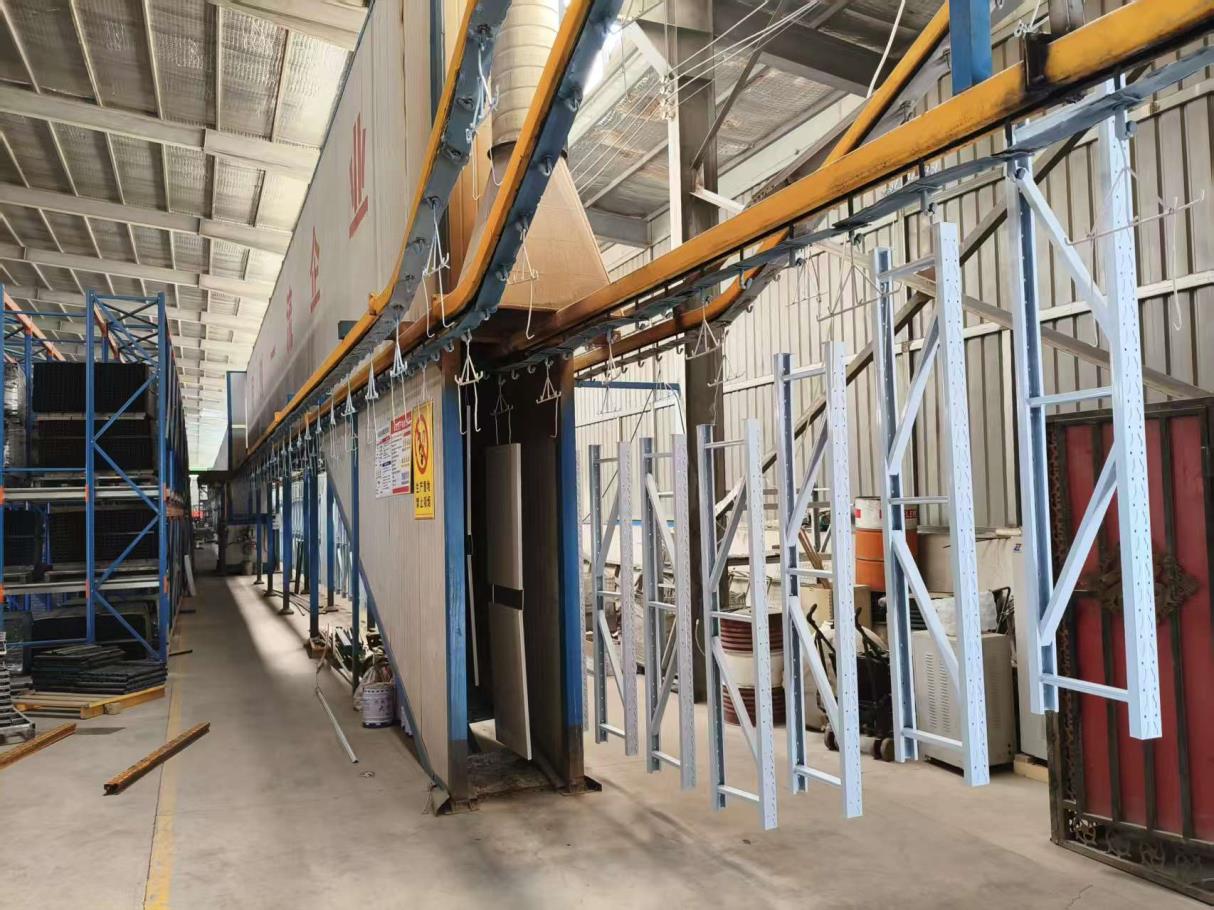
14. Advanced Curing Tunnel
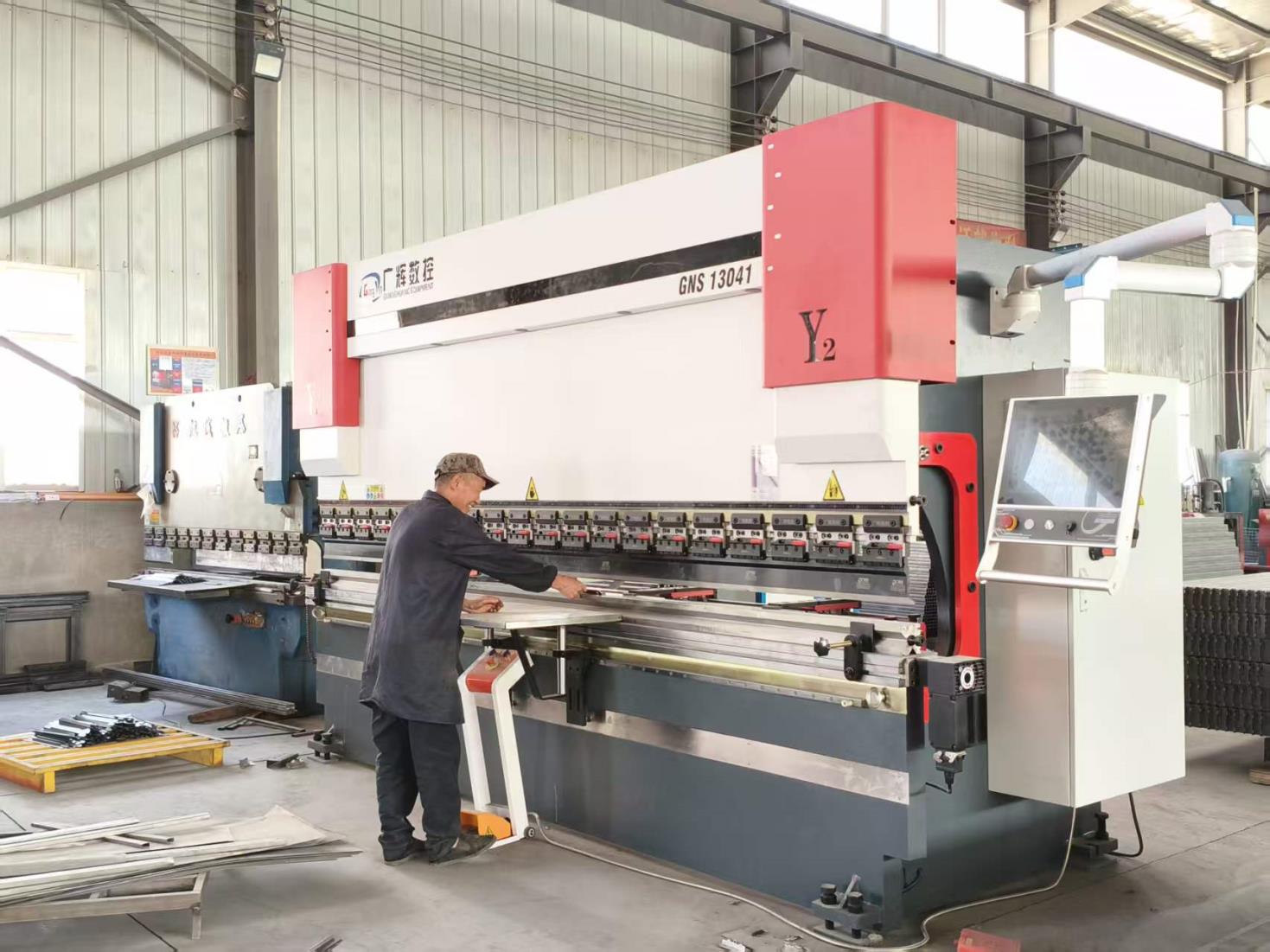
15. High-Tonnage Press Brake
At DuraRacks, quality control is the foundation of our engineering process. Our 45 certified QA professionals monitor production, from checking incoming steel coils to verifying final product dimensions before shipment.
We test our structures using rigorous procedures to confirm they meet international standards, including ISO9001, CE, and FEM specifications:
Racking systems in the Pacific Northwest must be designed to withstand local seismic forces. DuraRacks designs structures in compliance with the following specifications:
| Seismic Classification | IBC Seismic Design Category D/E |
| Compliance Specifications | RMI / FEM 10.2.02 / CE |
| Steel Formulation Grade | High-Yield Structural Q235 & Q355B |
| Finished Coating Thickness | 60–90 Microns Electrostatic Powder |
Different sectors in the Pacific Northwest require specialized racking configurations.
For aerospace manufacturing corridors in King and Snohomish counties, our heavy-duty long-span shelving and custom cantilever systems store heavy, irregular aircraft sub-assemblies safely.
Seafood and agricultural processing plants near Seattle's ports use hot-dip galvanized and custom powder-coated pallet racks, which are engineered to resist high humidity and sub-zero temperatures.
Our multi-level drive-through systems, custom mezzanines, and pick modules support regional fulfillment centers in Kent and Renton, maximizing vertical space utilization.
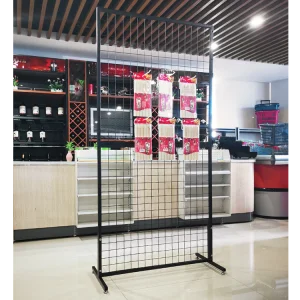
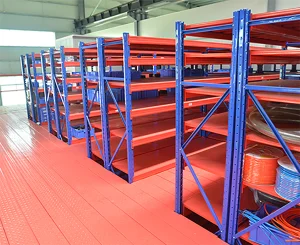
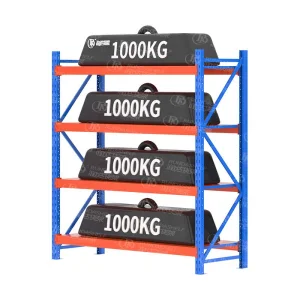
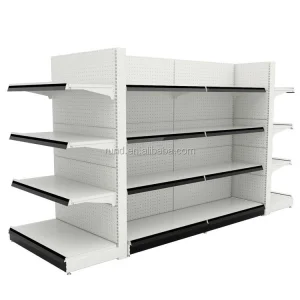
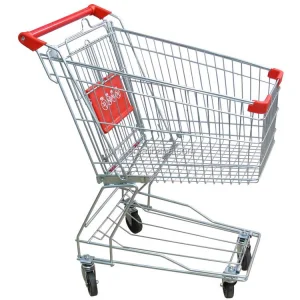
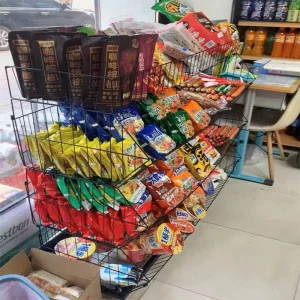
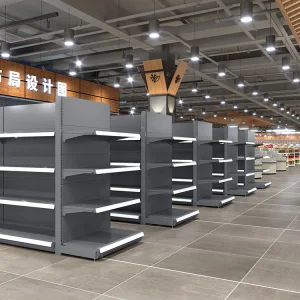
Heavy industrial pallet racking, retail supermarket shelving, and custom warehousing equipment.
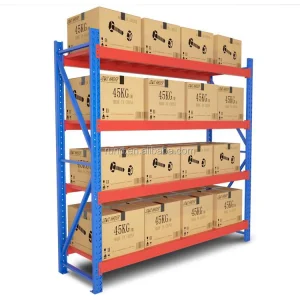
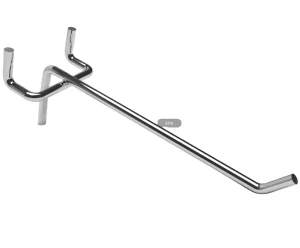
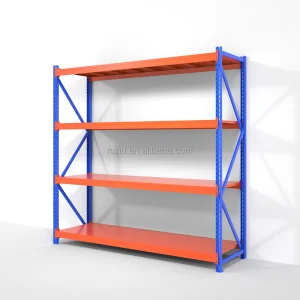
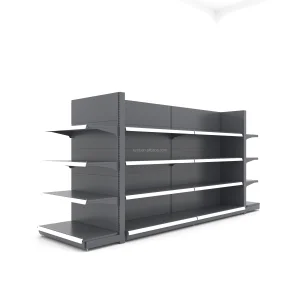
Answers to common structural engineering, permitting, and shipping questions for the Washington market.
Yes, in Seattle and King County, storage rack installations with a top shelf height over 8 feet generally require a building permit. Submissions typically need structural calculations sealed by a licensed professional engineer registered in the State of Washington, verifying compliance with the International Building Code (IBC) and ASCE 7 seismic specifications.
We run structural calculations through Finite Element Analysis (FEA) based on localized USGS seismic hazard maps. For the Seattle market (Seismic Design Category D), we use heavier gauge steel columns, oversized seismic footplates, and reinforced bracing systems to absorb and dissipate lateral seismic forces.
Ocean transit from the Port of Shanghai/Ningbo to the Port of Seattle/Tacoma typically takes 16 to 22 days. Factoring in manufacturing, customs clearance, and local drayage, customers should expect a total timeline of 6 to 8 weeks from final drawing approval to on-site delivery.
Yes, we provide full OEM/ODM color customization. Using our automated electrostatic powder coating line, we match RAL colors to meet your brand identity, while maintaining a durable, corrosion-resistant finish.
Get in touch with our engineering team today for a free layout consultation and seismic load analysis proposal.
Send Inquiry Now DuraRacks